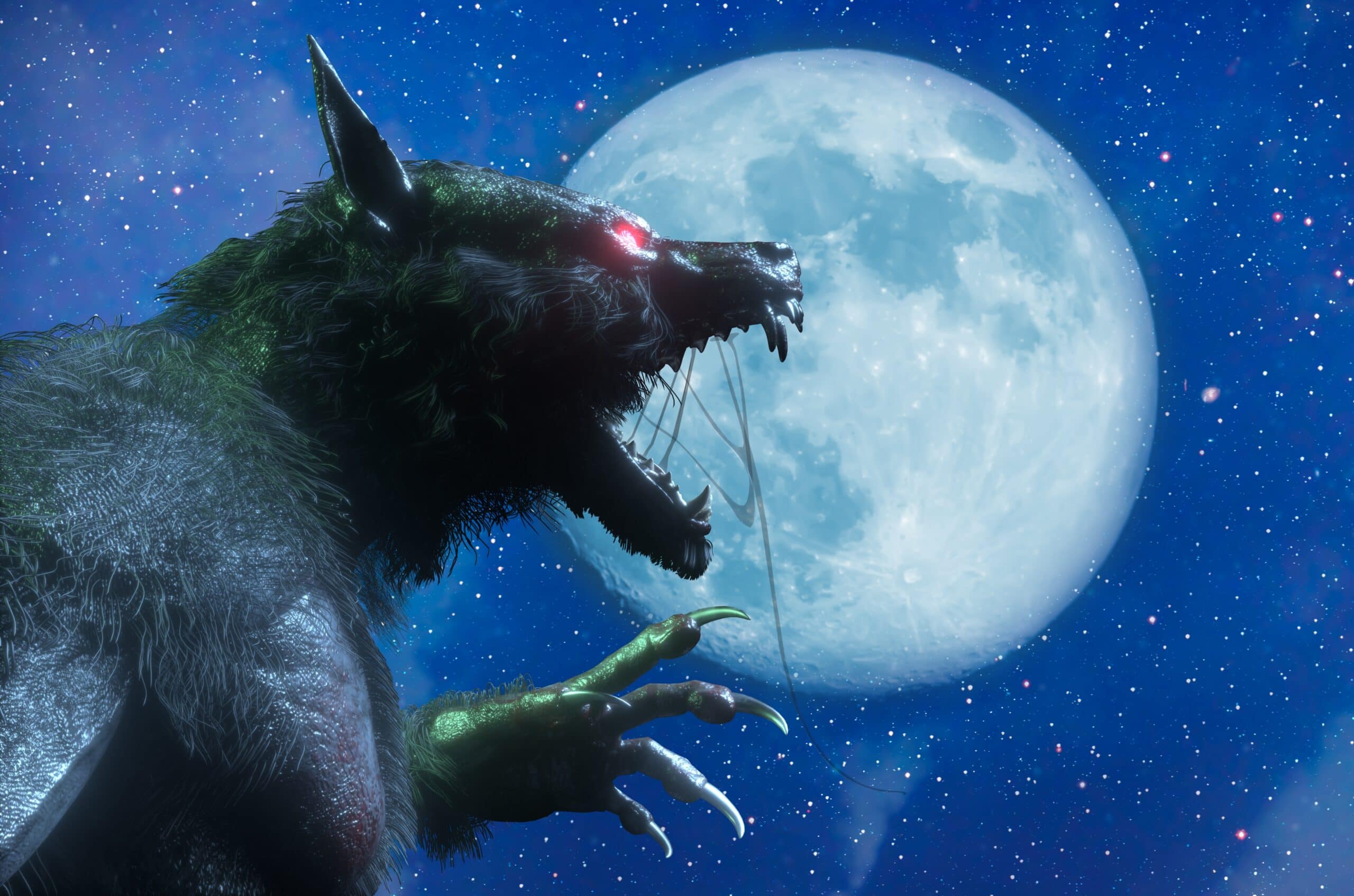
Being the seventh son in a family was already considered unusual in some cultures, but being the seventh son of a seventh son was pretty mind-blowing and came with an entirely different set of expectations. Throughout European and American folklore, these children were believed to be born with a variety of extraordinary abilities. The repetition of the number seven was at the heart of the belief, as the number had long held significance in religion and magic. Interestingly, not everyone agreed on whether the powers of such a son were good or bad. In some places, a seventh son was associated with evil creatures like werewolves. In some versions of the folklore, the sequence had to consist of seven consecutive sons with no daughters born between them, though this wasn’t universal. Here are eight fascinating beliefs associated with being the seventh male child of a seventh son.
They Could Cure Diseases Simply by Touching Someone

One of the most widespread beliefs about seventh sons of seventh sons was that they had healing powers. In Irish and British folk traditions, these children were capable of curing illnesses simply by touching the sick person. Historical accounts describe people traveling long distances to get treatment from well-known seventh sons. Depending on the region, the healing involved touching the patient, saying prayers, or performing rituals. A medical degree simply wasn’t necessary when your family tree already qualified you for the job.
They Could Heal Scrofula and Other Skin Conditions

Some cultures weren’t so broad about healing abilities; they were surprisingly specific about which illnesses a seventh son could cure. Scrofula, a form of tuberculosis affecting the lymph nodes, was one of the illnesses that could be cured with healing practices. In certain British and Irish communities, seventh sons could eliminate skin diseases and swellings. Before effective medical treatments became available, it was nice to think a rare birth order was the cure.
They Could Predict the Future

Healing wasn’t the only ability attributed to seventh sons. Some thought they had the gift of second sight. These special kids knew about events that hadn’t happened yet. They could predict deaths, warn their friends of approaching danger, or have dreams about the future. The idea was that some people entered the world with access to knowledge unavailable to everyone else. It was quite a responsibility to place on someone straight out of the womb.
They Might Become Werewolves
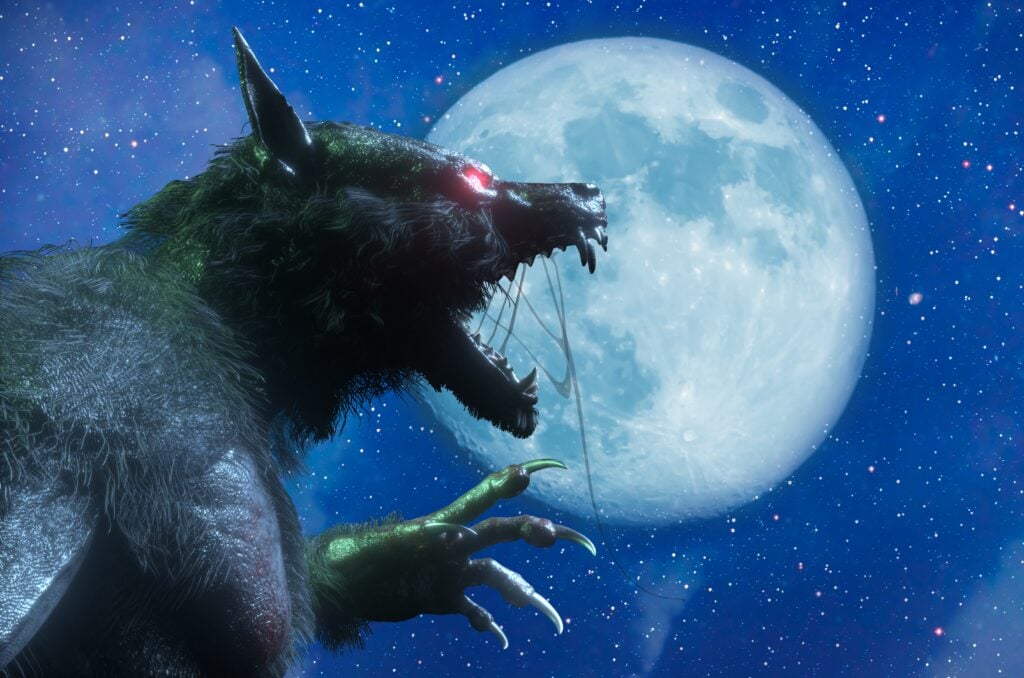
Other cultures took a considerably darker approach to seventh sons. In parts of Europe and Latin America, the seventh son was destined to become a werewolf or a similar supernatural creature. Argentina’s lobizón tradition is well known for believing a seventh son would eventually undergo a wolf-like transformation. Importantly, this belief concerns a slightly different birth pattern. The father did not have to also be a seventh son for this to apply. Additionally, the tradition specifies a seventh consecutive son, with no daughters born between the boys. The distinction matters, though the two tend to be mixed together.
Their Powers Could Be Passed Down Through Generations
The seventh-son-of-a-seventh-son tradition obviously depended on a highly specific and rare family arrangement. A father had to be a seventh son himself, and then his own seventh son would inherit extraordinary abilities. In some versions of the folklore, the sequence had to consist of seven consecutive sons with no daughters born between them, though this wasn’t universal. The repetition of the number seven was at the heart of the belief, as the number had long had a place in religion and magic.
They Could Recognize Witches and Evil Spirits
Some credited seventh sons with the ability to sense supernatural threats. They could recognize witches, evil influences, or spirits invisible to the average person. In communities that feared witchcraft, it was probably a nice idea that someone in the neighborhood could recognize these villains in disguise. Of course, it also meant that a young boy’s opinion about a particular neighbor could carry heavy consequences.