Being the seventh son in a family was unusual enough, but folklore sometimes gave that birth order an entirely different meaning. Across parts of Europe, people believed seventh sons were born with extraordinary gifts, including the ability to heal illnesses, predict the future, or see things ordinary people couldn’t. If a seventh son happened to have a father who was also a seventh son, some traditions considered his abilities even more remarkable.
Not every culture viewed these children as lucky, however. Some traditions associated them with curses, witchcraft, and even werewolves. The rules also varied considerably. Certain beliefs required seven consecutive sons without a daughter born between them, while others were less specific. None of these supernatural abilities has been scientifically established, but the stories offer a fascinating look at how people once explained unusual circumstances of birth. Here are six superstitions and folk traditions surrounding seventh sons and their supposed powers.
They Were Believed to Heal by Touch

One of the most widespread beliefs about seventh sons was that they possessed a natural ability to heal the sick. In parts of Ireland, Scotland, and England, people believed these children could relieve certain illnesses simply by placing their hands on someone. A seventh son of a seventh son was sometimes considered an especially powerful healer. The idea was taken seriously enough that people reportedly traveled considerable distances to seek treatment from individuals with the right family background.
These supposed cures weren’t always as simple as touching a patient. Depending on the local tradition, a healer might recite prayers, perform a blessing, or follow a particular ritual. Some families even believed a seventh son should become a doctor because of his unusual birth order. Of course, being born seventh provided no actual medical qualifications, but in communities with limited access to effective treatment, the possibility of a miraculous cure could be difficult to resist.
Some Healing Rituals Involved Scrofula

Some seventh sons were believed to have the power to cure a particular illness called scrofula, historically known as the “king’s evil.” Scrofula typically involves tuberculosis affecting the lymph nodes, particularly those around the neck. Long before modern antibiotics, people sometimes sought relief through prayers, religious ceremonies, and healing rituals. The belief that certain individuals could cure scrofula through touch was also associated with European royalty, giving rise to the practice known as the royal touch.
Seventh sons became part of that same healing tradition. Irish folklore collections describe treatments involving coins, repeated visits, and contact with the affected area. One recorded custom required patients to visit a seventh son on three successive Mondays before sunrise. Other accounts described seventh sons of seventh sons treating scrofula or skin conditions such as ringworm. These stories document what people believed and practiced, not evidence that the treatments worked. Still, imagine being considered the neighborhood’s medical specialist simply because six brothers arrived before you.
They Were Said to Predict the Future

Healing wasn’t the only supernatural ability associated with seventh sons. Some traditions credited them with second sight, the supposed ability to perceive things hidden from ordinary people or glimpse events that hadn’t happened yet. Such beliefs were particularly common in parts of Britain and Ireland, where stories of prophetic dreams, visions, and mysterious warnings circulated for generations.
Irish folklore records include a story about a seventh son of a seventh son who supposedly told fortunes using playing cards. According to the account, he refused to continue a reading if the ace of spades appeared first because he associated the card with death. Whether the man possessed any unusual insight is another matter entirely, but the story demonstrates how seriously some communities regarded these supposed gifts. A seventh son might be asked to predict someone’s future, explain a troubling dream, or offer reassurance about an uncertain event. That’s quite a responsibility for someone whose only unusual qualification was his position in the family.
A Seventh Son Could Be Feared as a Werewolf
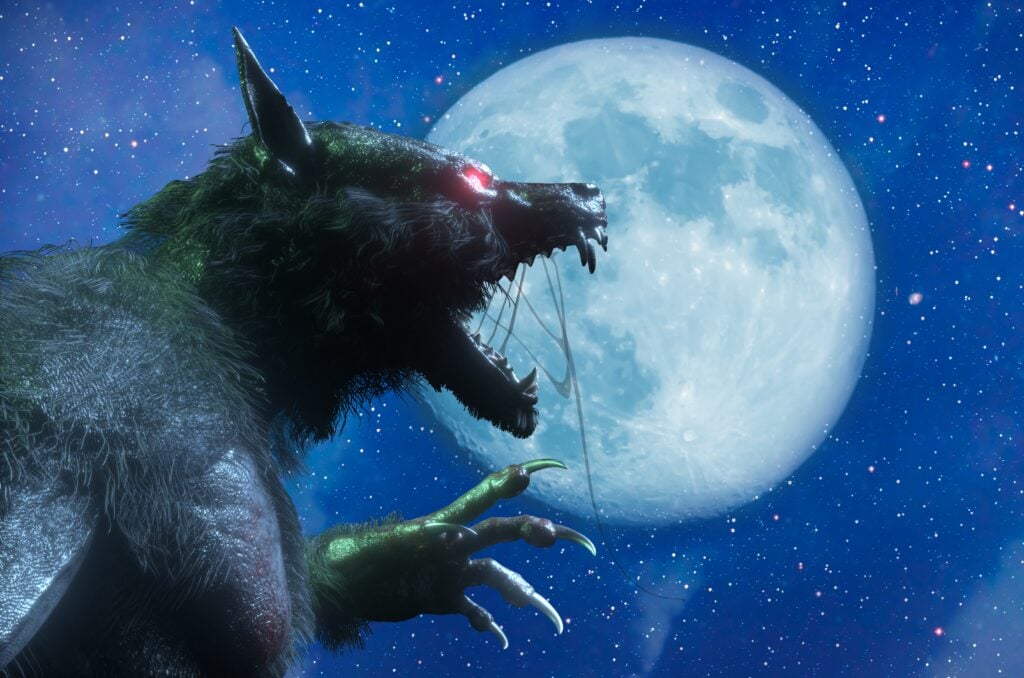
Not every seventh son was considered a blessing. In parts of Europe and South America, folklore took a considerably darker turn. Argentine tradition includes the legend of the lobizón, a frightening creature associated with the seventh son in a family. According to variations of the story, a boy born after six brothers could eventually transform into a wolf-like or dog-like creature. The precise details differed between communities, including when the transformation supposedly occurred and what the creature looked like.
Unlike the seventh-son-of-a-seventh-son healing tradition, the lobizón legend generally didn’t require the boy’s father to have the same birth order. The superstition became so deeply rooted in Argentina that it became associated with a tradition of presidential godparenthood. In 1907, President José Figueroa Alcorta agreed to become godfather to a family’s seventh son, following a custom the immigrant parents brought from Russia. That practice later became an official institution, although historians caution against treating its origins as simply an attempt to prevent werewolf transformations. Either way, being born seventh could apparently earn you an unusual reputation before you were old enough to walk.
A Seventh Son of a Seventh Son Was Considered Especially Gifted
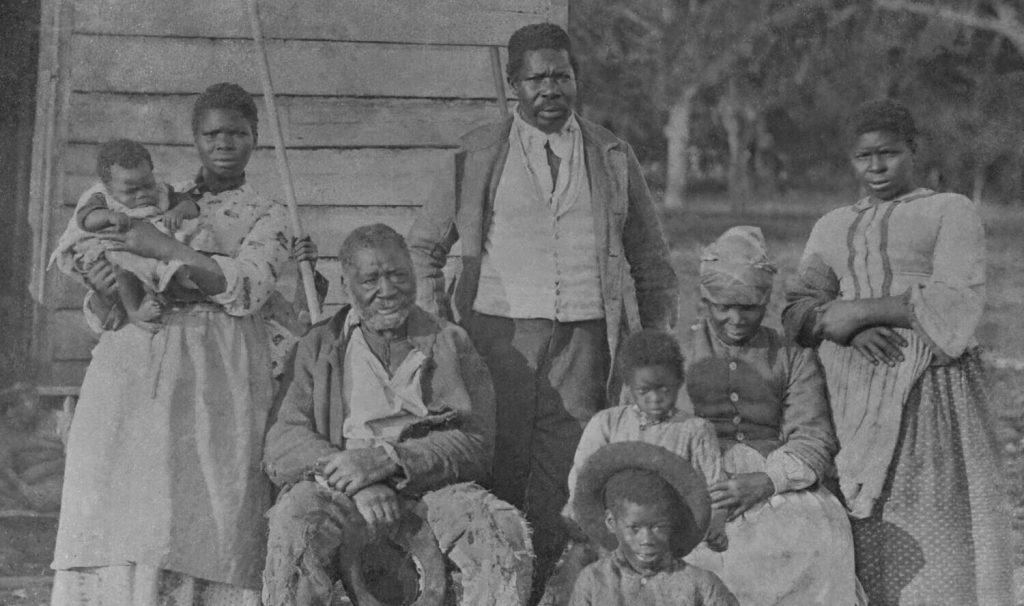
While simply being a seventh son could supposedly bring unusual gifts, some traditions placed even greater importance on having a father who was also a seventh son. This created the rare seventh-son-of-a-seventh-son designation, a family arrangement that supposedly came with extraordinary healing powers. Irish folklore includes accounts of people whose reputations as healers rested specifically on this double qualification. In one early 20th-century account from County Leitrim, a man known for treating ringworm was said to owe his healing ability to being the seventh son of a seventh son.
The number seven already carried considerable religious and symbolic importance, so its repetition made the birth order seem especially meaningful. However, the requirements weren’t identical everywhere. Some traditions insisted that seven boys had to be born consecutively without any daughters between them. Others used broader definitions of the seventh child. The important distinction is that folklore didn’t necessarily describe supernatural powers being inherited like an ordinary family trait. Rather, the unusual combination of birth circumstances was itself believed to confer special abilities. It was a remarkably complicated way to determine who supposedly had magical powers.
Seventh Daughters Were Sometimes Associated With Witchcraft
The superstitions surrounding unusual birth orders weren’t limited to boys. Some European traditions also assigned supernatural significance to seventh daughters. An old belief recorded in northern England suggested that while a seventh son born after six brothers could become a gifted healer, a seventh daughter born after six girls might be associated with witchcraft. Depending on the local tradition, unusual birth circumstances could be interpreted as a blessing, a warning, or evidence of some mysterious connection to the supernatural.
Beliefs about witchcraft and second sight varied considerably, so it would be misleading to suggest that every seventh daughter was feared or that every seventh son was thought capable of identifying witches. These were local traditions rather than universal rules. Still, the contrast says plenty about how communities understood birth order. A seventh boy might be celebrated as a natural healer, while a seventh girl could be viewed with suspicion. Neither belief reflected any genuine supernatural ability, but both show how an ordinary family circumstance could shape someone’s reputation long before they had a chance to establish one for themselves.