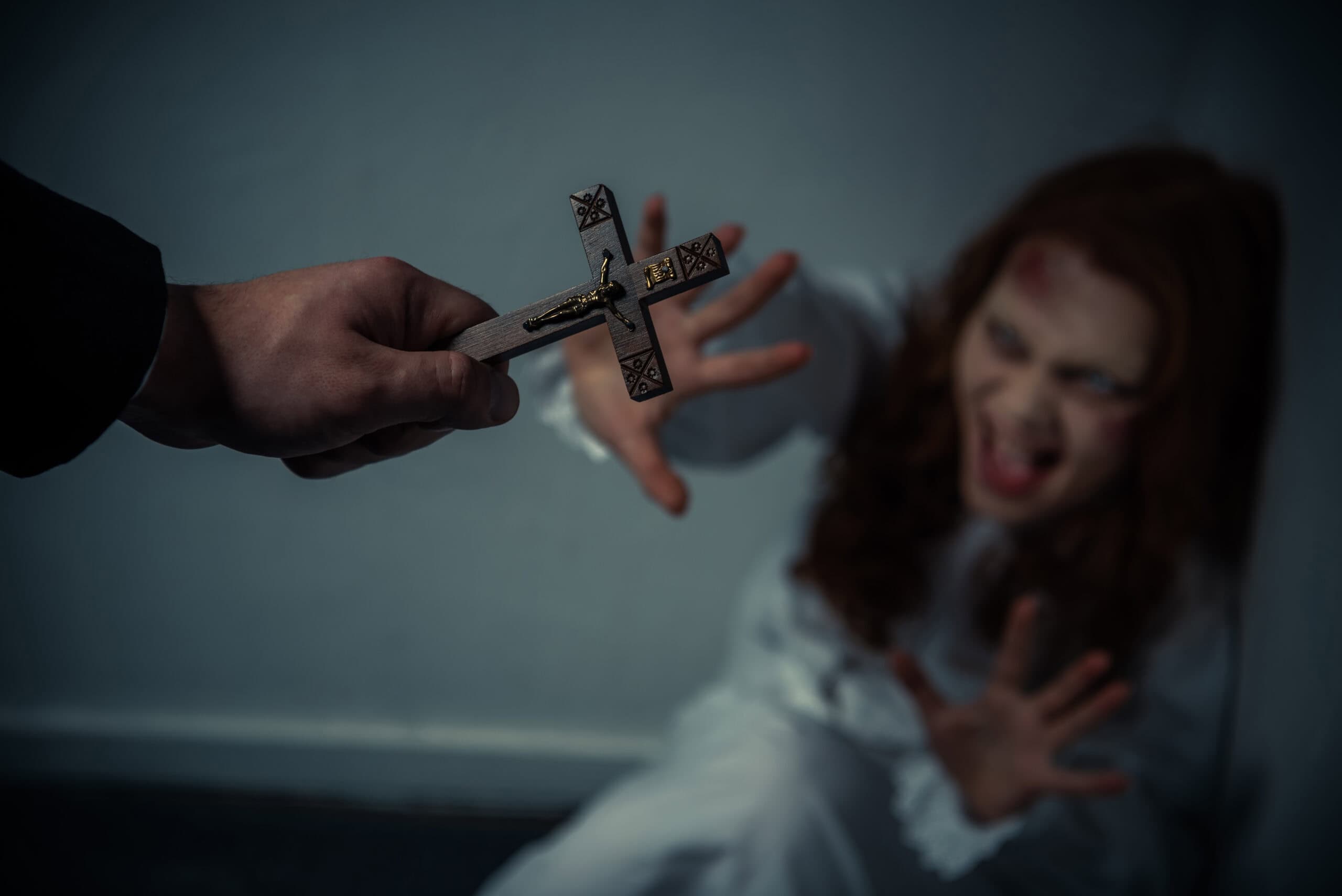
For most of human history, people have had little understanding of medical and psychological conditions. When someone behaved in unusual ways, some communities turned to supernatural explanations, including demons. Symptoms like seizures, hearing voices, or believing they were someone else were all quite suspect. In certain religious traditions, such symptoms didn’t just mean demons were nearby; they meant that evil entities had taken control of the person’s body. Though we tend to associate possession with glowing red eyes or spinning heads, some of the supposed signs were actually surprisingly ordinary. Here are eight things that were once considered evidence of possession.
Speaking in an Unfamiliar Voice

One of the most recognizable signs of demonic possession is a sudden change in someone’s voice. Historical accounts describe individuals speaking in oddly deep tones, growling, or taking on someone else’s vocal patterns. When someone suddenly spoke in a voice that sounded nothing like their own, witnesses sometimes believed another entity must be speaking through them. We now know vocal changes can happen for numerous reasons, including neurological conditions, vocal disorders, and psychological stress.
Having Seizures or Convulsions

Before epilepsy and other neurological disorders were medically understood, seizures were terrifying to witnesses. A loved one would suddenly collapse, shake uncontrollably, or make weird sounds. These episodes were unfortunately often taken as a sign of demonic possession. The New Testament even details accounts of people displaying symptoms that sound an awful lot like seizures, before townsfolk deemed them demonically influenced.
Displaying Unusual Physical Strength

Possession accounts talk of people having strength that witnesses thought should have been physically impossible. These individuals overpowered several adults, broke restraints, or resisted attempts to hold them down during religious rituals. These symptoms validated the belief that an evil force was controlling the person’s body. In reality, intense stress and adrenaline can produce brief moments of enhanced physical performance.
Reacting Violently to Religious Objects
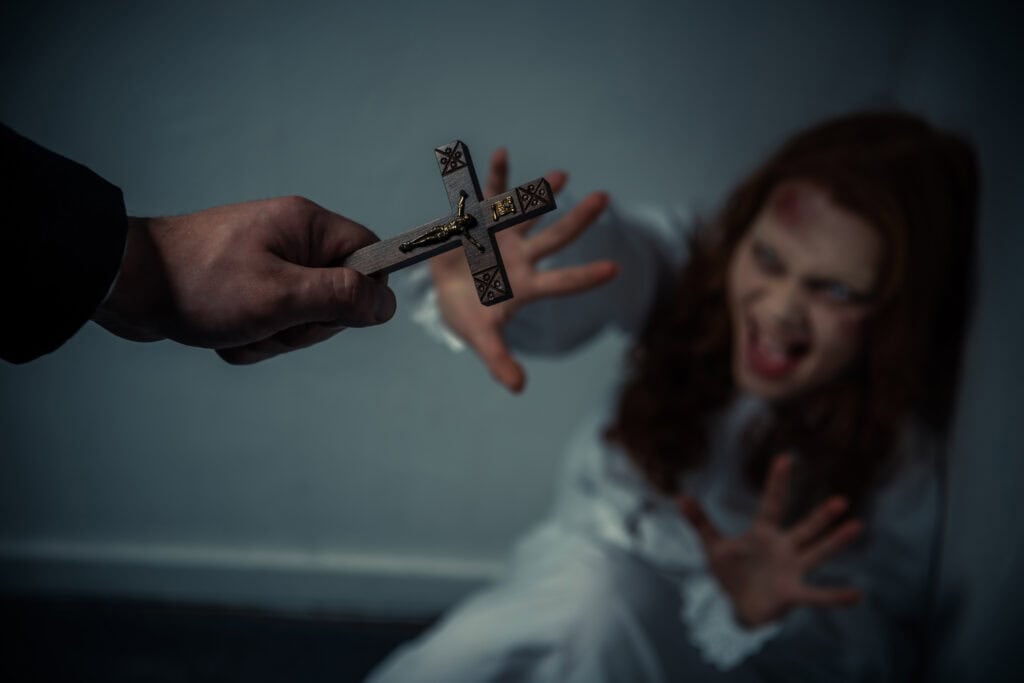
Christians widely believed that an extreme reaction to religious objects was highly suspicious. People suspected of possession were exposed to crucifixes, holy water, and prayers, to see if they reacted violently. An especially dramatic response meant that a demon was present, and the entity was put off by the sacred object.
Speaking Languages They Had Never Learned

One of the more extraordinary claims associated with demonic possession is speaking languages the victim had never been exposed to. This ability to speak a language without ever having learned it actually has a name: xenoglossy. Historical possession reports detail people speaking Latin, Greek, or other languages they had never studied. To them, this was obvious evidence of possession. However, convincing scientific evidence of genuine xenoglossy is lacking. Some claims become much less impressive when examined closely.
Knowing Things They Shouldn’t Know
Similar to xenoglossy, possessed individuals could know secret information or describe events they never witnessed. This access to hidden information was especially compelling. They took it as a sign of the presence of another intelligence. Old-school Catholic guidelines for evaluating alleged possession include this “symptom” as a possible sign, described as knowledge of hidden or distant information. However, such revelations can come from overheard sources or leading questions.
Refusing to Eat or Drink

Alleged possession cases detail people refusing food or water for long periods of time. Some thought this meant the individual was being sustained by a supernatural force or that the demon had shut off normal bodily processes. Of course, we now know that reduced eating and drinking can occur alongside a variety of health issues.
Experiencing Sudden Personality Changes

One of the most unsettling signs of possession was a dramatic change in someone’s personality. Accounts describe loved ones acting completely unlike themselves, becoming aggressive, withdrawn, or scared. In these cases, an entity was blamed for taking over the victim. Today, modern medicine tells us that personality changes can stem from neurological illness, sleep deprivation, and myriad psychiatric conditions.