Demons have been blamed for just about everything throughout history, from illnesses and terrible nightmares to bad luck and strange noises in the middle of the night. While people today tend to associate demons with religion and modern-day horror movies, beliefs about evil supernatural entities go back thousands of years and appear in cultures all over the world. Some cultures described demons as terrifying creatures intent on tormenting humans, while others thought they were almost ordinary beings with disturbing habits. And as scary as these creatures were supposed to be, people came up with some pretty inventive ways to protect themselves. Here are eight of the most interesting folklore beliefs about demons.
Demons Could Sit on Your Chest While You Slept
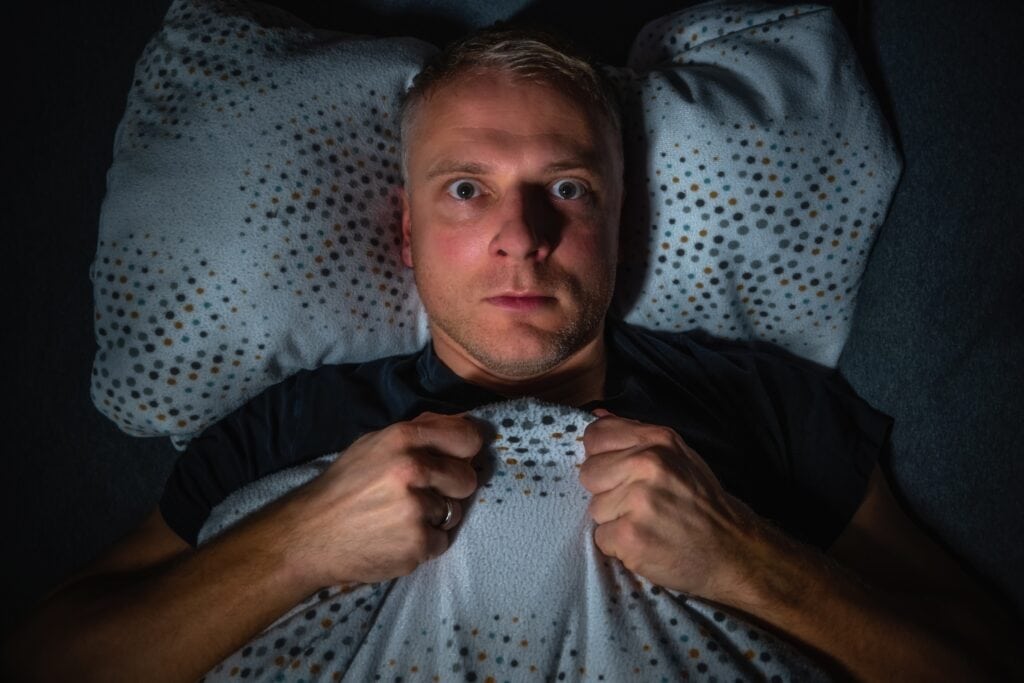
As anyone who has ever suffered sleep paralysis knows, waking up in the middle of the night unable to move is terrifying. Yet this phenomenon was even more frightening centuries ago, as people believed demons were responsible. In fact, many believed they weren’t able to move because a demon was sitting directly on their chest. In European folklore, a supernatural creature known as a mare was the specific demon tasked with visiting sleeping people. The entities would pin their victims down and sometimes cause horrifying dreams. Similar beliefs appeared in other parts of the world, including Japan, where sleep paralysis was associated with the supernatural Kanashibari. People unfortunate enough to experience these episodes sometimes saw creepy figures or felt an ominous, invisible presence in the room. Today, scientists understand that sleep paralysis occurs when someone becomes conscious while their body is still experiencing the temporary muscle paralysis associated with REM sleep. Even today, knowing the scientific explanation behind the episode doesn’t make going through it much easier. We can only imagine the fear that came with believing a demon was casually hanging out on your chest.
Demons Could Enter Your Body Through Your Mouth
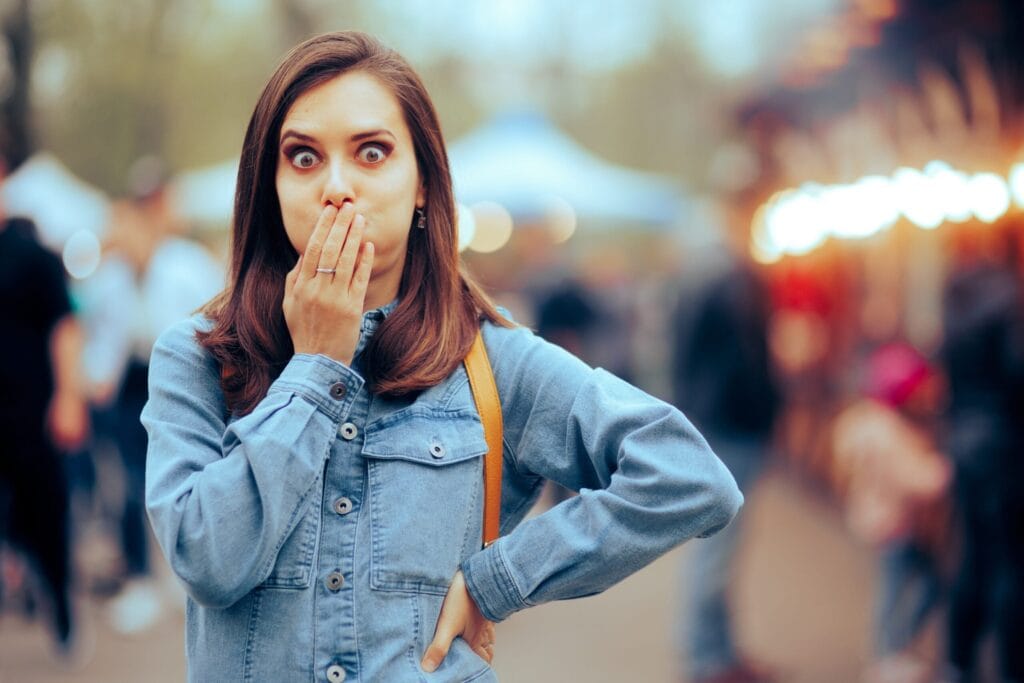
Some ancient traditions dictate that demons weren’t satisfied with frightening people from the shadows. What they craved was bodily access. Mesopotamians once thought certain illnesses would develop from malevolent supernatural beings that invaded humans. Later on, Christian traditions warned of demonic possession (this one is still a thing, as any Catholic school kid could tell you). Demons invade in a number of ways, one of which was the very literal interpretation that they entered through bodily openings, including the mouth. Some say this is why people were taught to cover their mouths when they yawn, though this one had several competing explanations.
Demons Could Be Kept Away with Iron

At one time, iron was considered one of the best defenses against evil creatures, including demons, witches, and malicious spirits. Throughout Europe, people kept iron objects near doors, windows, baby cradles, and beds to protect their homes and families. One familiar object made of iron became the most popular protective device: a horseshoe. Interestingly, beliefs about how they should be positioned to best ward off demons varied considerably. But why did iron have such evil-blocking power? One theory is that the belief stemmed from iron’s association with strength and the almost supernatural process of turning raw ore into metal. Today, home security is a lot more involved than placing a collection of horseshoes around the house, but that’s technology for you.
One Demon Could Protect You from Another
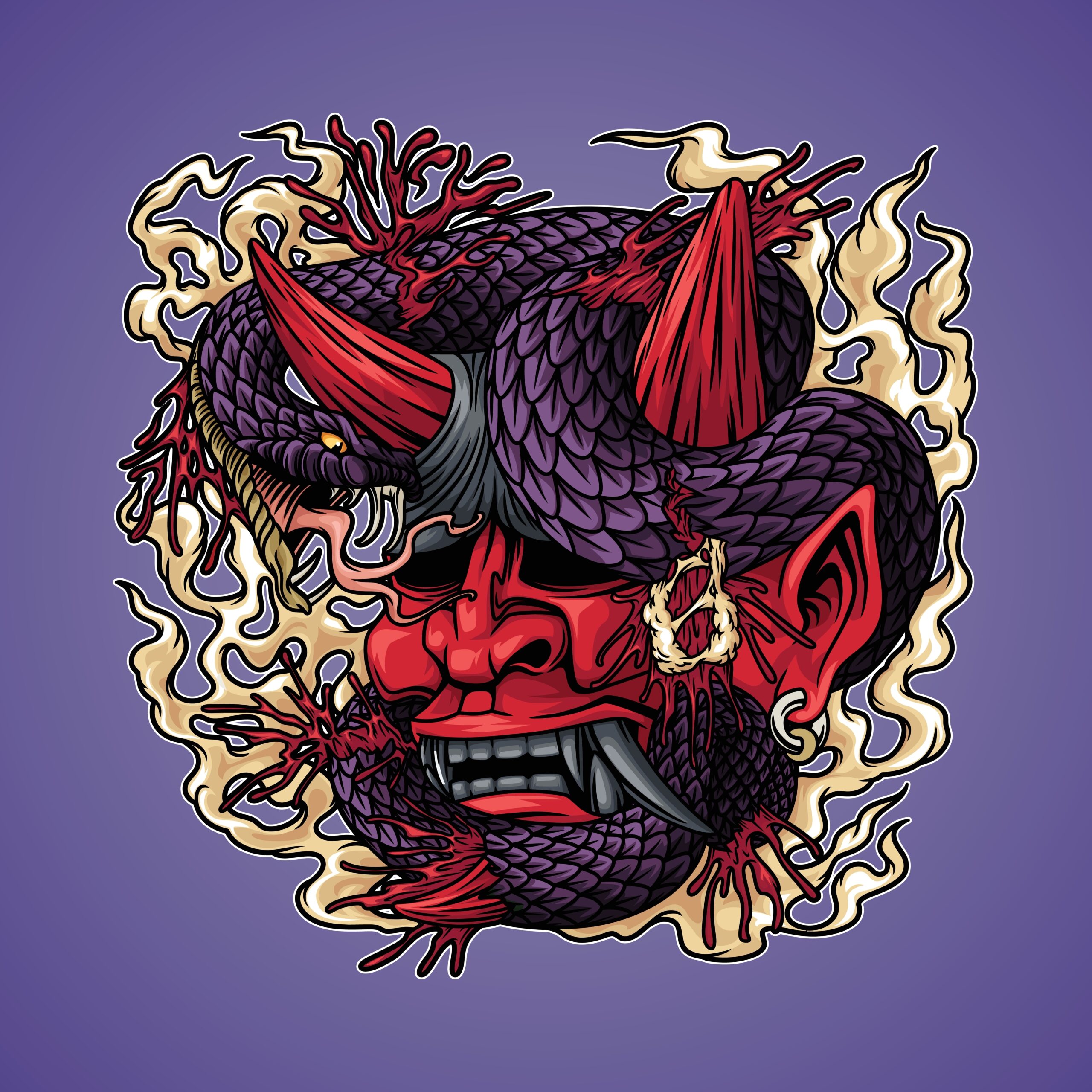
In ancient Mesopotamia, one of the most feared demons was Lamashtu, a female entity known for threatening pregnant women, mothers, and infants. She caused miscarriages, hurt newborn babies, and spread disease. Ancient descriptions painted her as a terrifying creature that looked like several animals pieced together. She had a lionlike head, birdlike talons, and a body covered in hair. Families relied on the usual protective amulets and rituals to keep Lamashtu at bay. Interestingly, they sometimes turned to another demon to help them. Pazuzu was thought to be responsible for destructive winds, but he also drove Lamashtu away. Nothing like calling upon one demon to protect you from another demon. It was hardly a reassuring arrangement, but we guess a windy day was far preferable to infant death.
Knowing a Demon’s Name was Significant
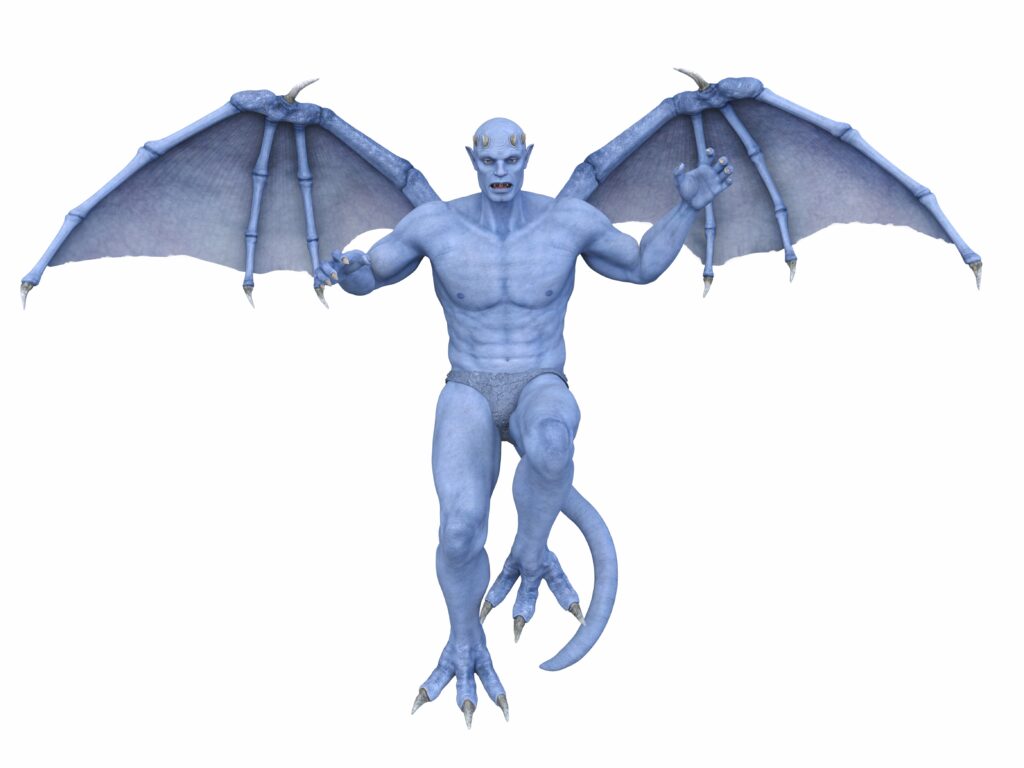
Names have had enormous supernatural power in cultures around the world. In some magical and religious schools of thought, knowing a demon’s true name gave a person power over it, allowing them to summon, command, or banish the creature. Medieval and early modern grimoires, including texts associated with the Lesser Key of Solomon, detailed elaborate rituals for calling named spirits. These instructions involved protective circles, special symbols, and highly specific commands. However, this knowledge came with a warning against invoking dangerous beings, particularly when someone lacked the know-how to control them. This created a rather confusing contradiction: knowing a demon’s name gave you power over it, but attempting to summon the creature by saying the name could put you in serious danger.
Demons Could Disguise Themselves as Beautiful People

Not every demon in folklore was a hideous monster with red horns and claws. Sometimes, the most terrible of them all took the form of attractive humans. The disguise made them all the more dangerous. Some folklore described creatures that used their beauty to lure victims into dangerous situations. Medieval Europeans told of incubi and succubi, demonic beings of either sex that visited people at night to seduce them. Of course, the idea reflected religious anxieties about sexuality and temptation. Still, being paranoid that the hot girl at your door was a demon in disguise must have added an interesting layer to the dating game.
Demons Could Be Driven Away by Making Noise

Somehow, as terrifying as demons supposedly were, they were spooked by loud noises. People have relied on various sounds to scare off evil spirits for thousands of years. Across cultures, bells, drums, and shouting could discourage dangerous beings from coming around. According to European traditions, this may have been part of the reason for church bells. Who knew that the convenient reminder of church service was also keeping harmful spirits away. Additionally, seasonal celebrations used noisy processions to drive away unwanted creatures. Similar practices appeared in parts of Asia, where firecrackers and loud parties worked to frighten off malevolent beings. Maybe the loudest and most obnoxious among us are actually the most spiritually healthy.