Witches have been part of folklore for thousands of years, and people have come up with some pretty bizarre ideas about what they can do. Depending on where you lived, witches could steal milk from cows, turn into animals, control the weather, or sneak into your bedroom while you were fast asleep. Some traditions portrayed them as evil creatures working with the Devil, while others showed them as healers or people with special connections to nature. Of course, most of these beliefs came from fear and superstition, and accusations of witchcraft had very real and horrifying consequences for innocent people. Still, the stories themselves are fascinating. Here are eight of the most interesting examples of witchcraft folklore from around the world.
Witches Could Steal Milk Without Touching a Cow

In parts of Europe, witches were blamed when cows stopped producing milk or when cream wouldn’t churn into butter. Though no one knew how they managed to do it, people thought witches could steal milk from their neighbors’ livestock without ever going into the barn. In some Scandinavian folklore, witches made creatures called milk hares using household materials and brought them to life with magic. These creatures would sneak onto farms, swipe milk from cows, and bring it back to their owners. Some stories even claimed they vomited up the stolen milk. Lovely. For farming families whose livelihoods depended on their animals, the idea of a witch stealing milk was downright terrifying. Unfortunately, a cow having a typical health problem could be enough to get the reclusive woman down the street accused of witchcraft.
Witches Gathered for Secret Meetings with the Devil
During the European witch trials, one of the most widespread beliefs was that witches went to secret nighttime gatherings known as witches’ sabbaths. According to often repeated stories, witches traveled to remote places to dance naked, feast on flesh, perform magical rituals, and, of course, worship the Devil. Some claimed witches flew to these meetings on broomsticks, while others thought they rode beasts or used magical ointments to travel. The fun-filled nights supposedly involved all kinds of off-color activities, including mocking Christian religious ceremonies by performing the rituals backward. Though it sounds ridiculous to modern ears, authorities took these accusations seriously, and questions of participation in a sabbath became a recurring feature of witch trials. Of course, there is no credible evidence that such events ever took place. What we know about them comes from coerced confessions and the wild imaginations of people who were absolutely convinced witches were everywhere.
Witches Could Transform into Animals
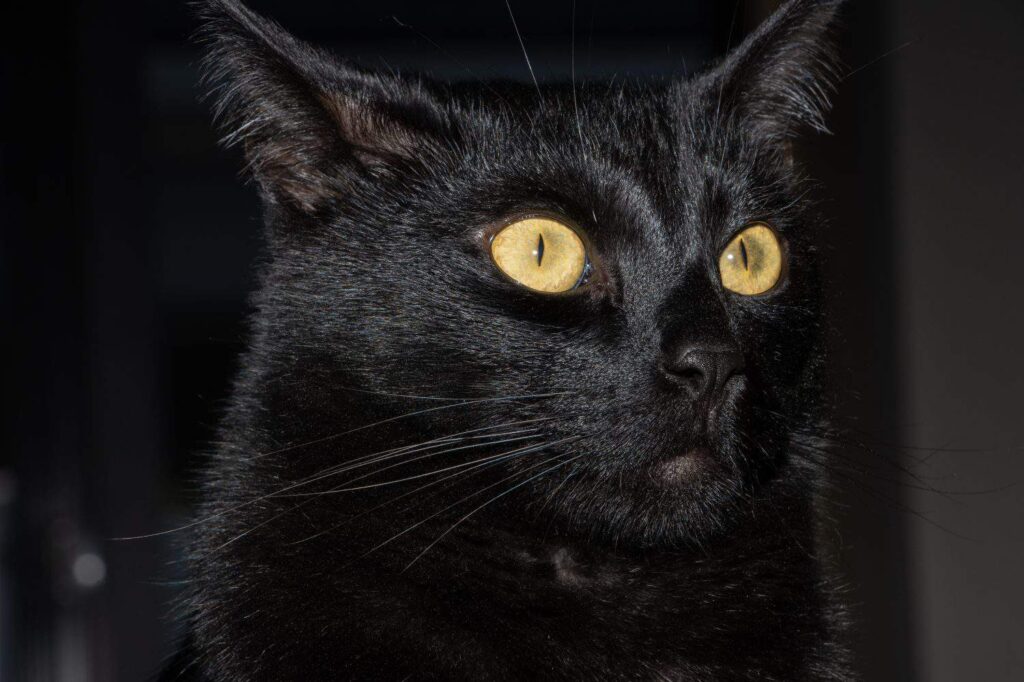
The idea that witches could change their physical form appears in folklore across numerous cultures. In European traditions, witches were said to turn into cats, hares, wolves, or other animals to move around incognito. This mode of travel came in handy when they wanted to spy on their neighbors or cause trouble without getting caught. In some elaborate British and Irish stories, a hunter might injure a hare and later discover that a local woman had the exact same injury. Suspicious indeed. These stories helped turn everyday animals into sources of deep paranoia.
Witches Could Control Storms and Sink Ships

Before modern meteorology, violent storms were blamed on a wide range of supernatural entities, including witches. In parts of Europe, people believed witches could summon dangerous winds, create hailstorms, and even sink ships by manipulating the weather. One of the most famous examples dates back to 1590, during the North Berwick witch trials in Scotland. Several people were accused of using witchcraft to generate storms while King James VI and his new wife, Anne of Denmark, were at sea. The king became personally involved in the investigations, and this led to a wave of witch-hunting in Scotland. At a time when a single weather event could destroy crops or kill sailors, the idea that someone could single-handedly control the weather was terrifying.
Witch Bottles Could Trap Evil Magic

In early modern England, people sometimes used objects called witch bottles to protect themselves against curses and other supernatural threats. These so-called witch bottles were regular ceramic or glass containers filled with specific ingredients, which were usually quite disturbing. Bottles could be stuffed with urine, pins, nails, and occasionally human hair. The bottles were then buried under fireplaces, near doorways, or in other parts of the home. According to the folklore, the (highly unsettling) contents could trap or repel harmful magic. Best case scenario, they would cause pain to the witch responsible for the curse in question. And this wasn’t just the stuff of myth; archaeologists have discovered actual witch bottles hidden inside historic buildings. In an era of advanced home security technology, it’s amazing to think people used to pee in bottles to protect themselves.
Some Witches Fought Other Witches in Their Sleep
It wasn’t just witches who were capable of supernatural feats. In the Friuli region of northeastern Italy, a group known as the benandanti claimed they took it upon themselves to fight witches for the protection of their communities. According to accounts recorded during the 16th and 17th centuries, these individuals said their spirits left their bodies at night while they slept. During slumber, they participated in supernatural battles, fighting evil witches. While the witches wielded sorghum stalks, the benandanti relied on fennel stalks. The outcome of these battles mattered immensely, as results would determine whether the locals had a good harvest or not. Interestingly, the benandanti thought they had been chosen for this special role. Their reason? They were born with a caul, a rare membrane that covers a newborn’s head. Unfortunately, church authorities were less enthusiastic about these protectors. Self-proclaimed benandanti were often accused of being witches themselves.
Witches Could Enter Homes Through the Smallest Openings

In some European traditions, witches, like vampires, could access homes through tiny openings. Certain stories claimed witches could slip through keyholes, cracks, or other narrow crevices, sometimes by taking on another form. This unfortunately increased paranoia, since no one was safe from an evil entity that could slip through a minuscule crack in the wall. Witches were subsequently blamed for nighttime noises, unexplained illnesses, and strange sleep disturbances. People must have been terrified, knowing that locking a door wouldn’t do any good if the supernatural enemy could just squeeze through the keyhole.
Witches Could Be Identified by Weighing Them

One of the strangest witchcraft beliefs was the idea that witches weighed less than regular people. Because witches were supposedly capable of flying, some assumed they must be unusually light. That’s just logic, after all. This led to the bizarre practice of weighing people suspected of witchcraft in certain European towns. The Dutch town of Oudewater became famous for its weighing house, a place where authorities weighed people accused of witchcraft. Those who passed would get certificates confirming that their weight was consistent with their physical build. The Oudewater weighing house became associated with clearing your name, as people specifically went there to prove they weren’t witches. Never has weighing less than you thought you did been so dangerous.