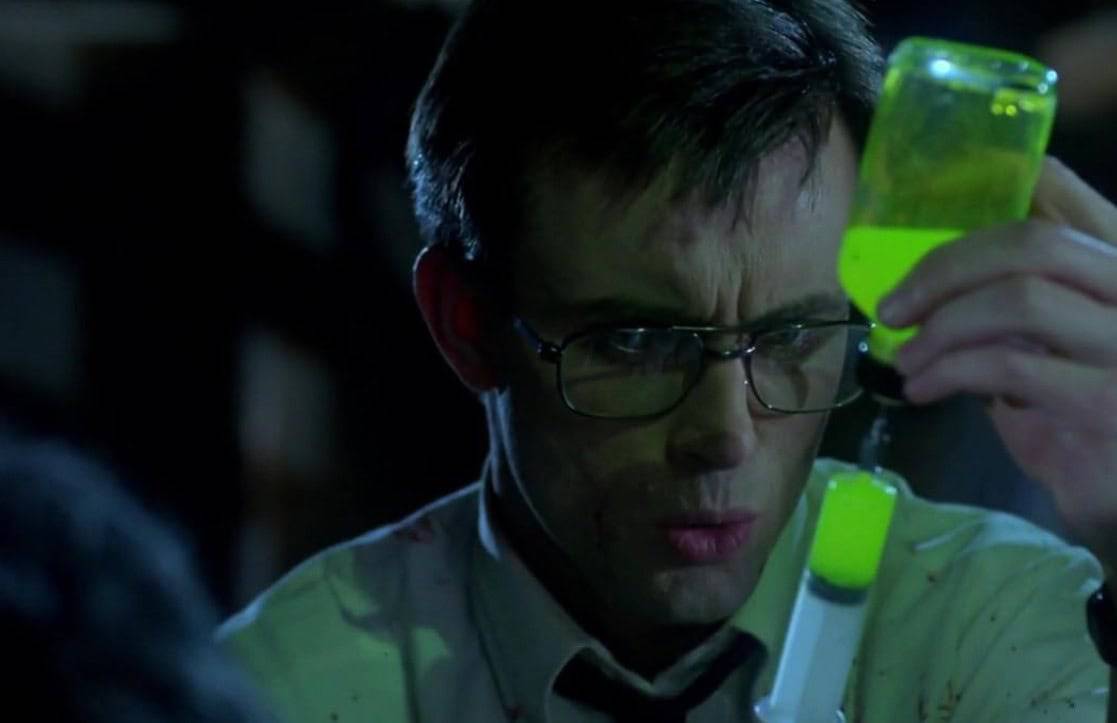
The 1980s were a wild time for horror. Slashers hit hard in the early part of the decade, practical effects became gore-heavy, and filmmakers found new ways to mix horror with other genres like comedy, science fiction, and even action. Some of the 80’s biggest horror movies created reliable formulas, interesting characters, and visual styles that filmmakers are still copying today.
1. The Shining (1980)
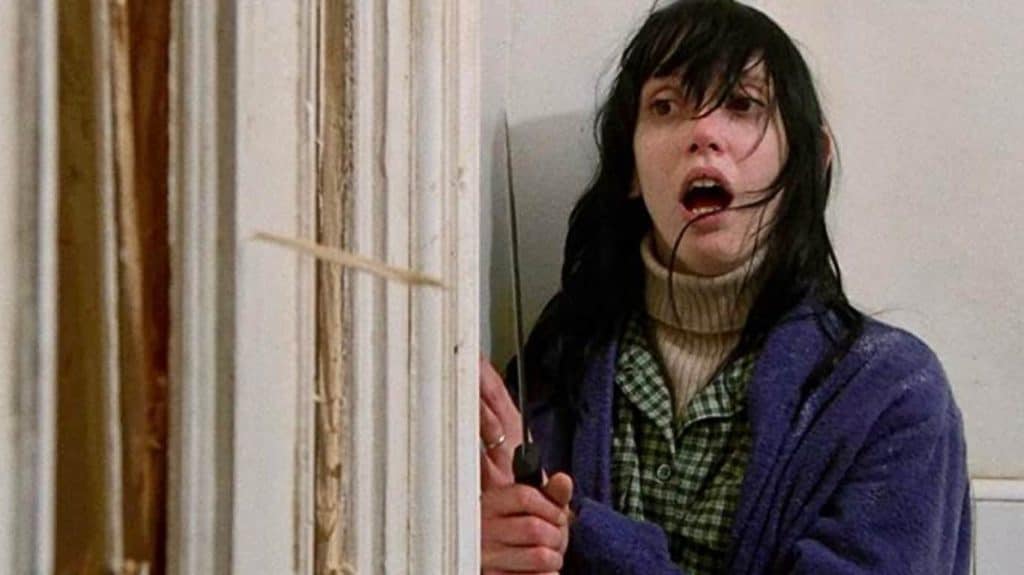
The Shining wasn’t universally loved when it was released, but its reputation grew over the years. Stanley Kubrick took Stephen King’s famous story and turned it into an ice-cold nightmare. Jack slowly becomes something else entirely as his wife and son watch from the sidelines, realizing they are at his mercy. Many of the scenes are unforgettable and have since become iconic. The Overlook Hotel became a character in and of itself, playing a major role in Jack’s shifting perspective. This is atmospheric horror at its best. At the beginning of the decade, it set an essential precedent: a movie didn’t need constant action, scares, and otherworldly monsters to be terrifying. The greatest fear comes from closer to home. Decades later, filmmakers are still analyzing its eerie shots and sense of isolation.
2. Friday the 13th (1980)
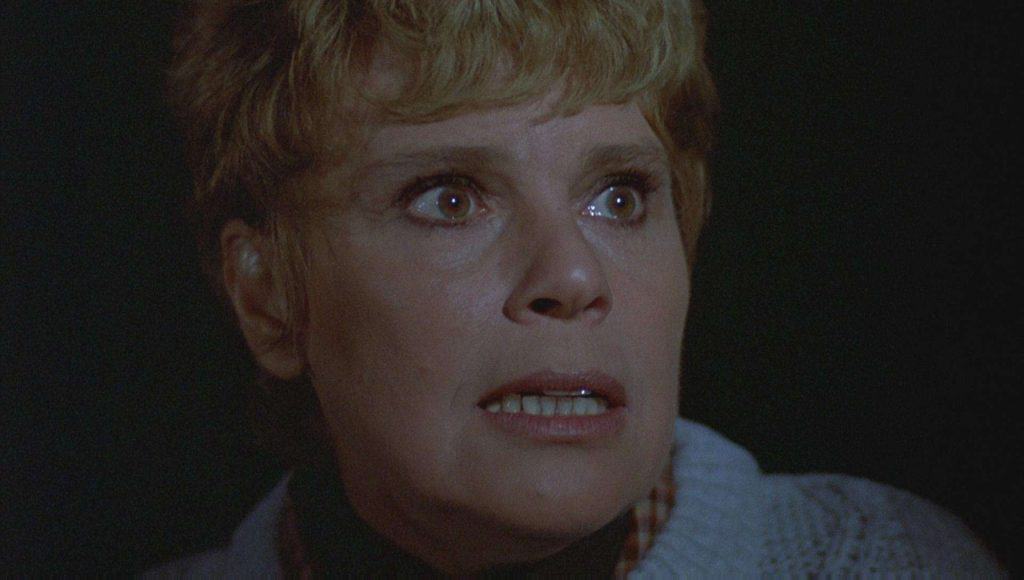
Halloween may have helped establish the slasher formula, but Friday the 13th helped it spread like wildfire. The movie took a group of young people, stranded them in an isolated camp, and killed them off one by one in increasingly graphic ways. Its success led to numerous sequels and inspired several copycats throughout the years. After the first film, Jason Voorhees became the main villain of the franchise and one of horror’s most recognizable. The slasher boom of the 1980s wouldn’t have been the same without Friday the 13th.
3. The Evil Dead (1981)
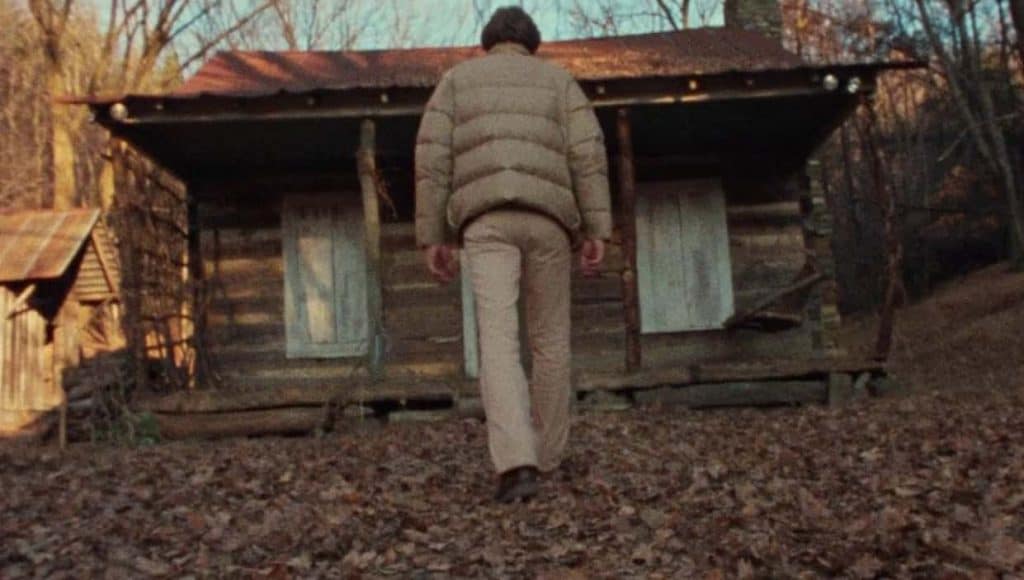
Made on a tiny budget, The Evil Dead proved how much could be accomplished with creativity, DIY gore, and practical effects. Sam Raimi filled the movie with chaotic camera movements, creepy demon-like possessions, and over-the-top blood. Its frantic and gritty style was completely different from other more polished horror movies released by major studios. The film became a cult hit. It was a new form of horror that could be scary and super fun at the same time. It is a study on how effective low-budget horror can truly be.
4. The Thing (1982)
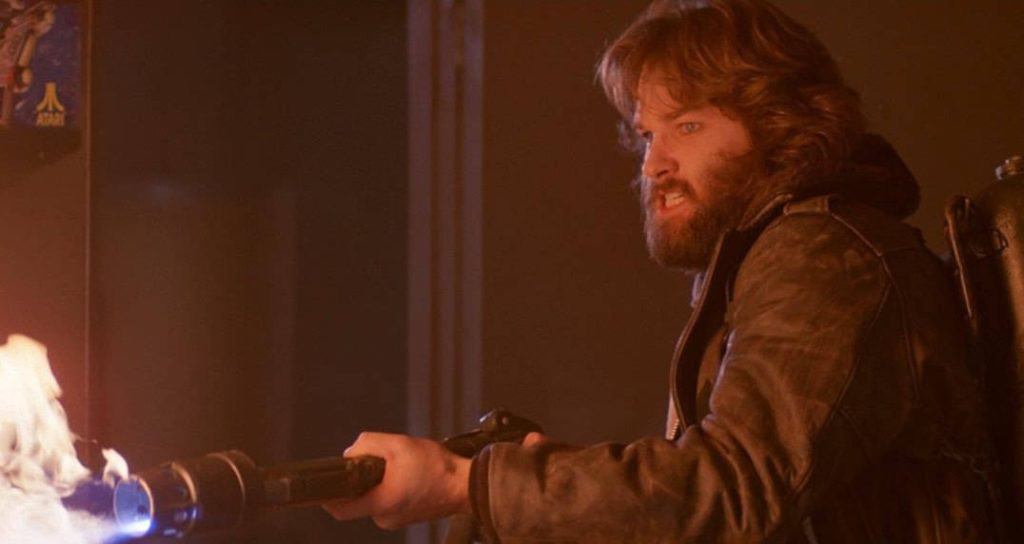
John Carpenter’s The Thing was not well received when it arrived in theaters, getting many poor reviews. But over time, viewers came to their senses. The story follows an Antarctic research team dealing with an alien being capable of perfectly imitating other living creatures. Rob Bottin’s practical effects were groundbreaking in the industry, producing some of the strangest monsters horror had seen. More importantly, the movie turned paranoia into a force in itself. Uncertainty made every character a potential threat. It was a wonderful mix of isolation, body horror, and intense paranoia.
5. A Nightmare on Elm Street (1984)
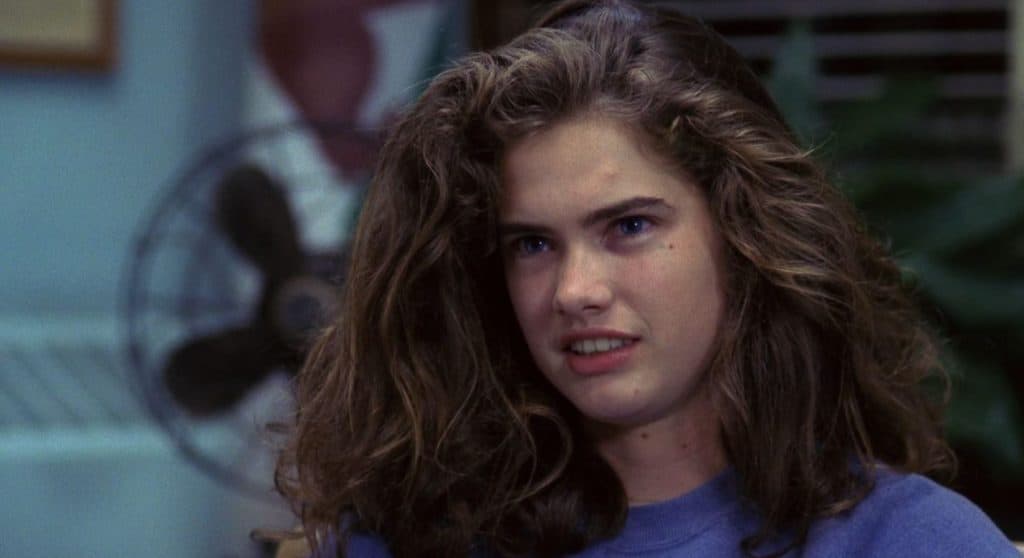
By the mid-’80s, audiences had seen plenty of masked killers chasing teenagers. Wes Craven put a creative spin on the genre and completely changed the formula. He created Freddy Krueger, a serial killer that was already dead, but who had the supernatural ability to attack victims in their dreams. That concept opened up the world of dreams, meaning anything could happen once a character fell asleep. It gave the movie a surreal quality and plenty of imaginative scenes. With access to their unconscious, Freddy had a super power other slashers couldn’t compete with. Freddy went on to become one of the biggest horror icons of the decade. A Nightmare on Elm Street also helped move slashers away from anonymous killers and toward villains with well-developed personalities and elaborate backstories.
6. Re-Animator (1985)
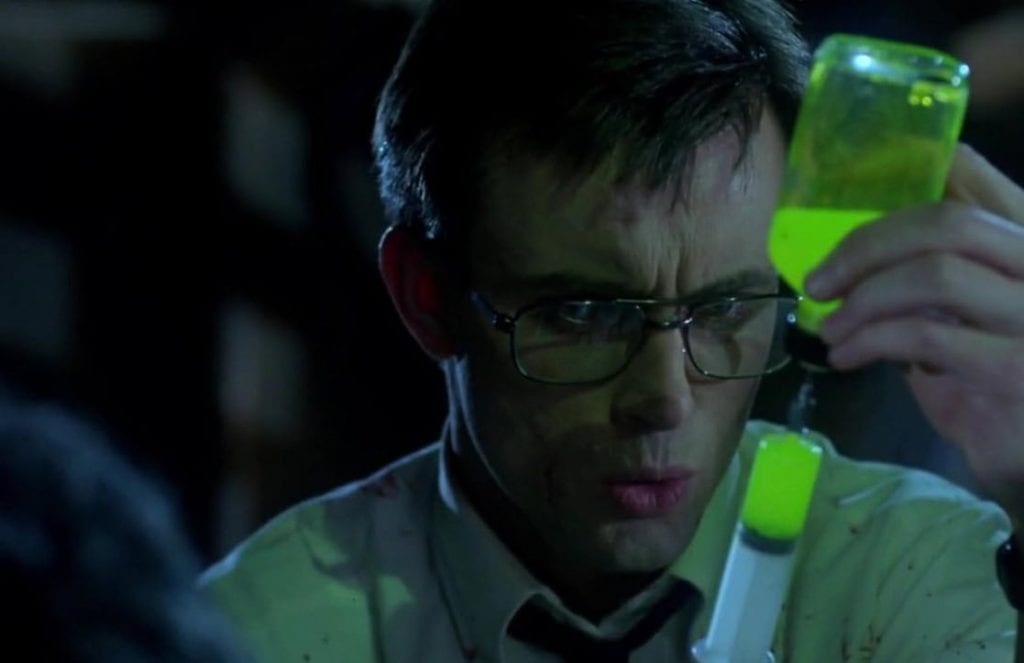
Re-Animator represents the outrageous side of 1980s horror. Somewhat inspired by H.P. Lovecraft, the movie follows a med school student who develops a serum that can bring the dead back to life. The invention has predictably disastrous results. It mixed graphic gore with dark comedy to make audiences cringe and laugh during the same scene. Its creative practical effects and commitment to over-the-top ridiculousness made it a cult classic. It was a fun installment in the mad scientist subgenre.
7. The Fly (1986)
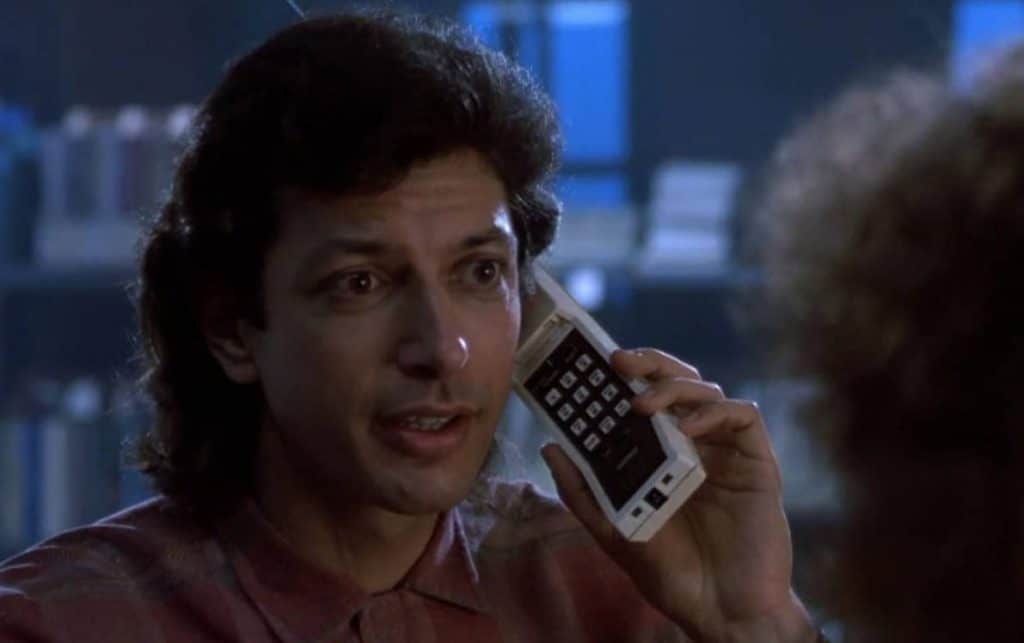
David Cronenberg took a 1950s science-fiction story and made it scary. It became one of the best examples of body-horror movies ever made. Jeff Goldblum plays scientist Seth Brundle, who starts a well-intentioned experiment that slowly causes him to change into a horrifying creature. Instead of making the transformation sudden and drastic, the movie makes audiences watch his body fall apart piece by piece. The effects are disturbing to audiences, but the personal tragedy is what makes the movie emotional and highly effective. The Fly made extreme body horror smart and surprisingly heartbreaking.
8. An American Werewolf in London (1981)
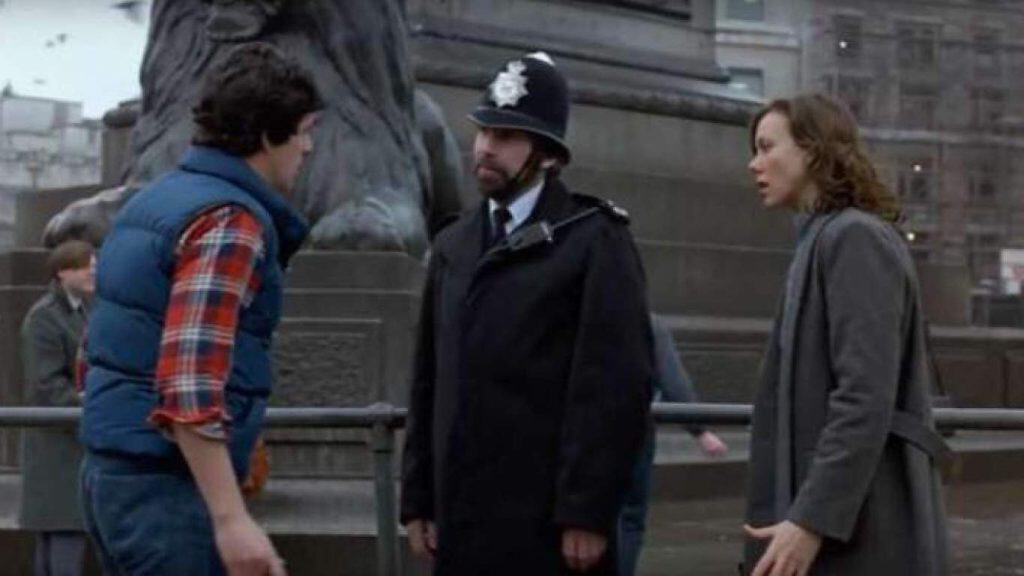
An American Werewolf in London is so ominous and so funny, and somehow neither undermines the other. The movie follows an American tourist who is attacked by a werewolf while backpacking with his best friend through the English countryside and slowly realizes he’s becoming one himself. Rick Baker’s groundbreaking depiction of the human-to-wolf transformation is extraordinary. Instead of turning in one moment, the change was drawn out, painful, and gruesome. It completely changed the way werewolf transformations were shown onscreen. The work was so impressive that Baker won the first Academy Award for Best Makeup. Though one of the main characters is killed off early on, he never disappears from the script, appearing multiple times in various states of decay. The movie’s mix of incredibly inventive practical effects, smart dialogue, and dark humor influenced decades of both horror comedies and werewolf movies.