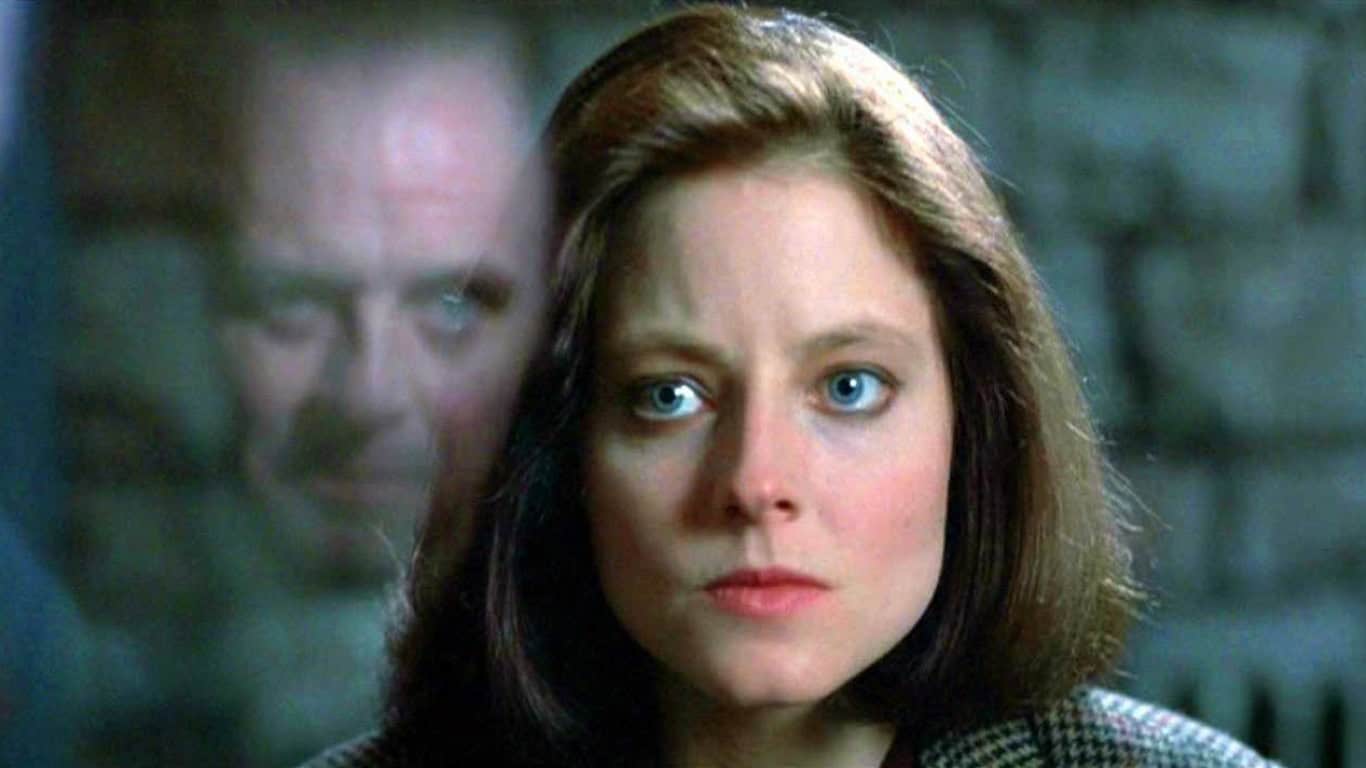
Horror went through a major transformation in the 1990s. After the slasher-heavy, campy style of the 80s, audiences were ready for something different. Filmmakers responded with psychological thrillers, new-and-improved intelligent slashers, and found footage. Many of these tales felt closer to reality, with even supernatural stories taking a more grounded approach. Some of the biggest horror movies of the 90s completely changed what audiences expected from the genre. Here are 8 of the decade’s most influential horror movies.
1. Misery (1990)
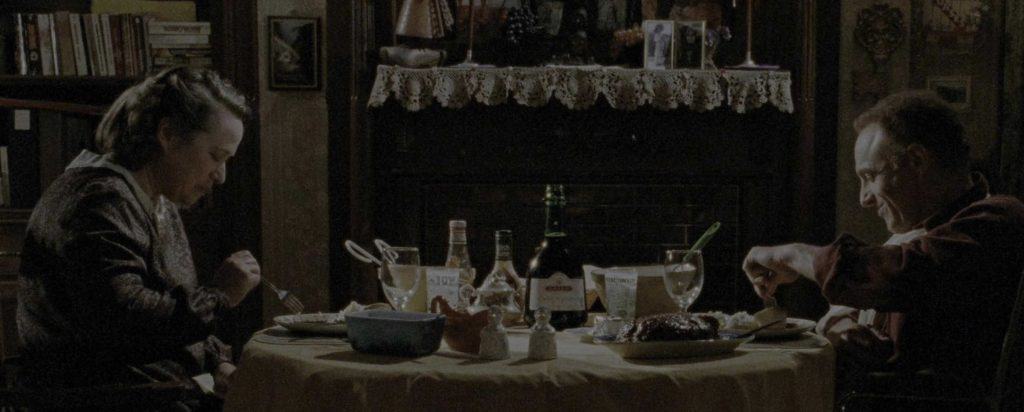
Misery was entirely disturbing, giving us a well-disguised monster hiding in plain sight. Kathy Bates plays Annie Wilkes, an obsessed fan who pretends to help her favorite author after a car accident leaves him injured. While nursing him back to health, she holds him captive. The movie takes place inside a single house, creating an uncomfortable feeling of claustrophobia. Bates’ performance as the seemingly kindhearted Annie earned her an Academy Award. The movie helped set the foundation for horror grounded in reality and laid the blueprint for dangerously obsessive characters, both of which were increasingly popular in the 1990s.
2. The Silence of the Lambs (1991)
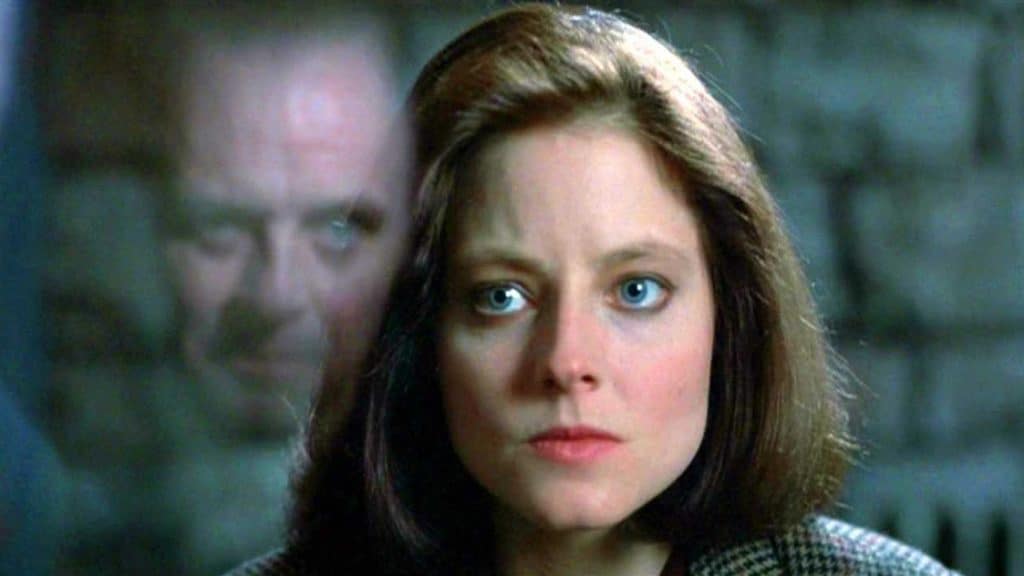
The Silence of the Lambs was horrifying on a whole new level. Anthony Hopkins’ Hannibal Lecter was both charming and menacing. He became an instant film icon despite being on screen for a surprisingly short amount of time. The movie replaced supernatural or over-the-top monsters with very real humans. Its violence was so disturbing because it feels like it could have happened in real life. This was an incredibly well-done horror movie, winning Best Picture, Director, Actor, Actress, and Adapted Screenplay at the Academy Awards. After its release, serial killers and criminal psychology became big subjects for horror movies and thrillers.
3. Candyman (1992)
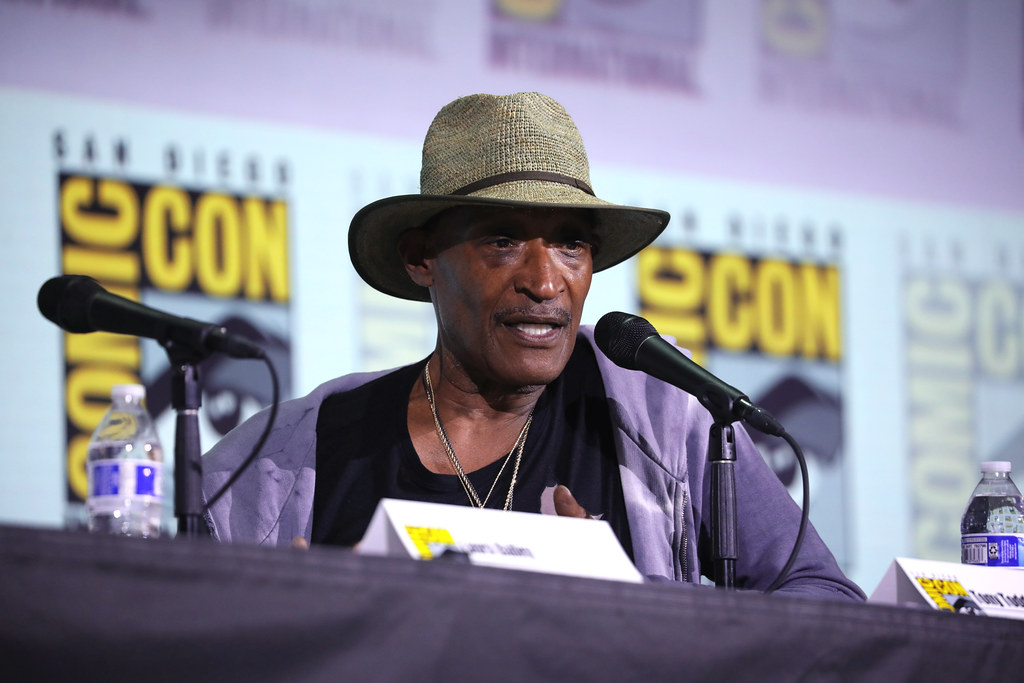
Candyman took a silly urban legend (similar to the frequently repeated Bloody Mary story) and gave it a well-developed backstory. The movie follows a graduate student investigating the concept of Candyman, a supernatural killer who could supposedly be summoned by saying his name five times into a mirror. The story explores heavy themes of racism, violence, and poverty. It turned slightly spooky urban legends into the truly terrifying. Tony Todd’s performance turned Candyman into one of the few Black horror icons. Uniquely, the movie used folklore to confront very real social issues.
4. Scream (1996)
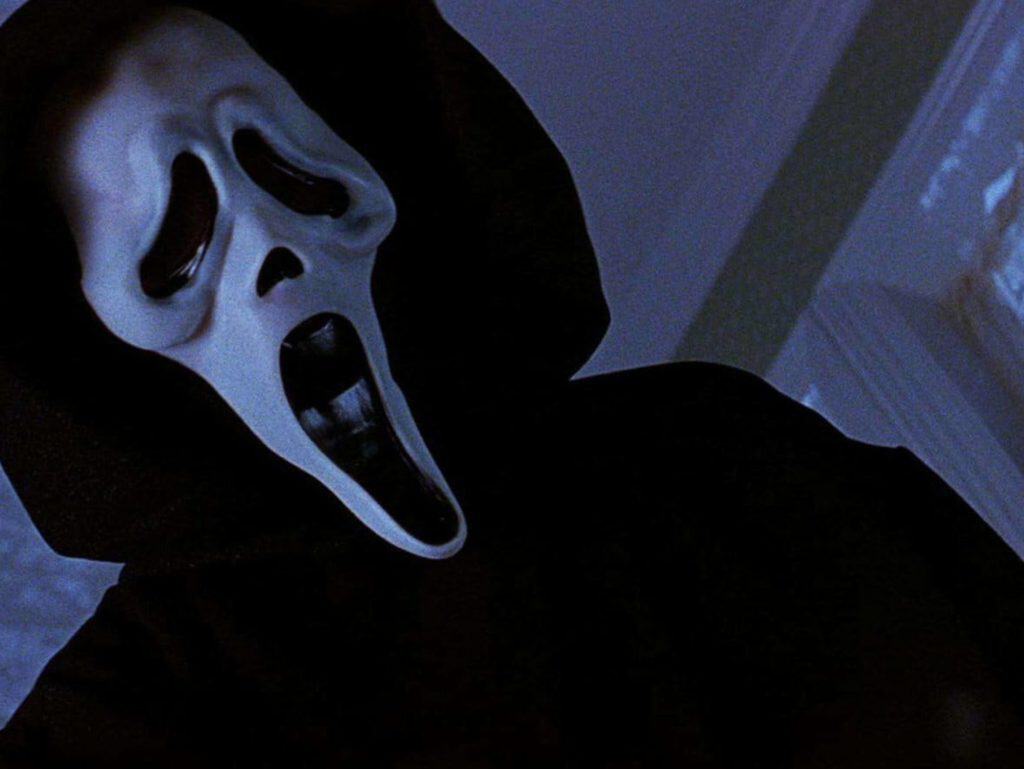
By the mid-1990s, the slasher movie had taken nearly every form imaginable, and many audiences were tired of the same old tropes. Scream brought the subgenre roaring back by creating characters who were highly aware. These teen victims had actually watched horror movies and understood the game along with all the rules. Wes Craven and writer Kevin Williamson managed to make fun of slasher clichés while showing plenty of affection for the subgenre. It made for a super fun and effective slasher movie. Ghostface was a huge hit and the movie’s success spawned another wave of teen horror films. The self-aware style was the most influential aspect.
5. Funny Games (1997)

Michael Haneke’s Funny Games challenged audiences by turning their expectations about violent movies against them. The story follows a family targeted in their vacation home by two seemingly polite young men who treat murder like entertainment. Instead of giving viewers the satisfying ending in the form of revenge or escape, the movie deliberately makes the victims more and more powerless. Most notably, characters even acknowledge the audience, which forced viewers to think about why they enjoy watching fictional violence. Its confrontational approach was a unique take on home-invasion movies. Thereafter, filmmakers leaned into making horror deliberately uncomfortable by denying audiences the satisfied ending they expected.
6. Ringu (1998)

The Japanese film Ringu became one of the most important horror movies of the decade. It introduced international audiences to a new kind of supernatural horror. Its story about a cursed videotape seems simple or maybe even silly, but it created the extremely disturbing Sadako. Her long dark hair and unnatural movements were unlike anything mass audiences had seen. The movie did not include graphic violence. It was so heavy hitting due to atmosphere and creeping dread. Its success of course led to an American remake which was hugely successful. For years afterward, horror movies were filled with oddly bent, floor-crawling ghosts and cursed objects.
7. The Blair Witch Project (1999)
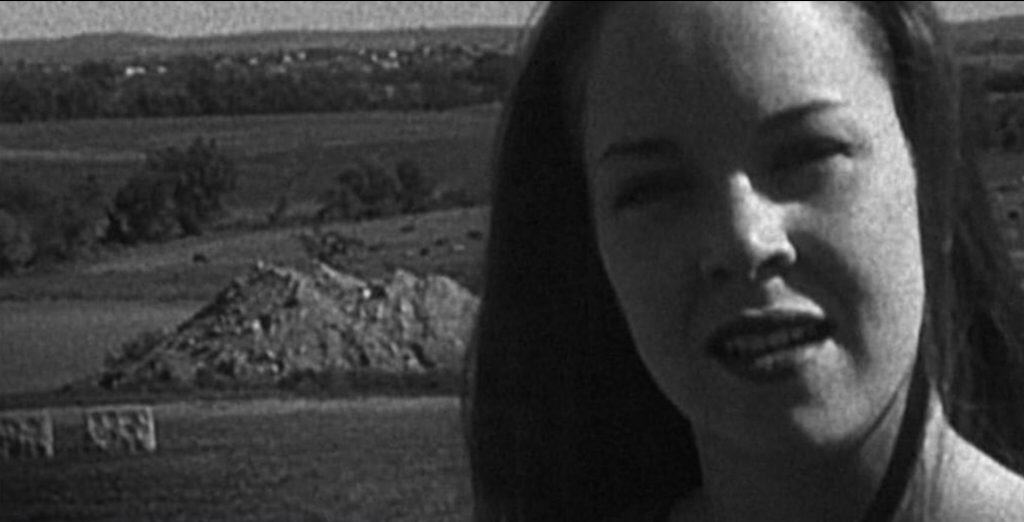
The Blair Witch Project had a marketing campaign so effective that some early audiences thought what they were watching might be real. And this was before viral marketing became a thing. Presented as recovered footage from three missing student filmmakers, the low-budget movie reinvented what horror could be. It utilized shaky cameras, strange noises, darkness, and the characters’ growing panic. It focused on creating something that intentionally looked amateurish, raw, and entirely realistic. The movie became a massive hit, which was remarkable given its tiny budget. More importantly, it established found footage as a popular horror format. It paved the way for movies like Paranormal Activity and REC.
8. The Sixth Sense (1999)
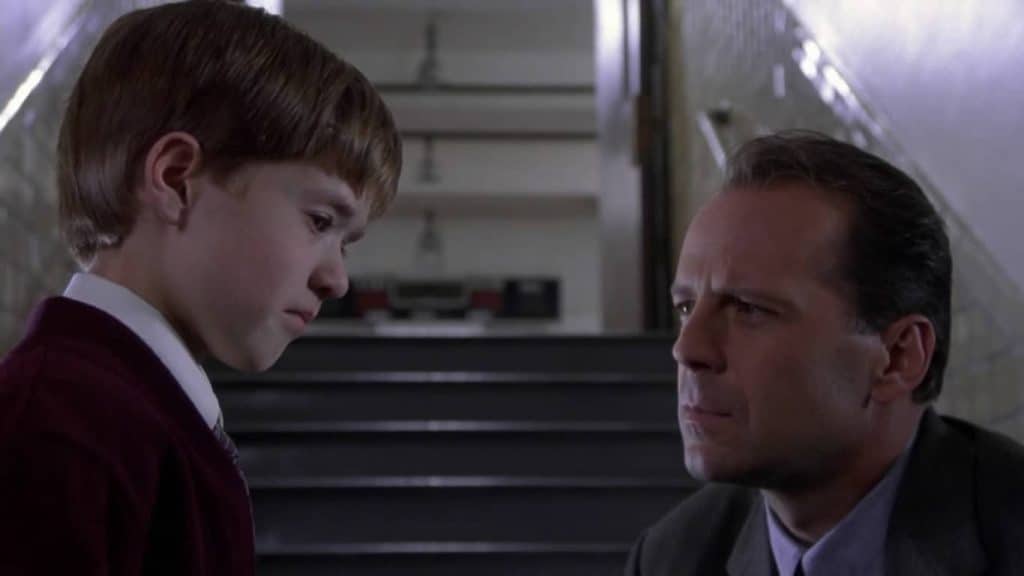
“I see dead people” became one of the most famous lines of the decade, often said with plenty of humor. However, the movie that gave us the line was anything but funny. The Sixth Sense had a huge impact on horror storytelling. M. Night Shyamalan used ghosts and the perspective of a young boy to tell an emotional story about grief, fear, and people unable to communicate with each other. Its twist ending is one of the most famous in movie history. It spawned an obsession with major plot twists that encouraged audiences to immediately rewatch movies looking for clues. The film became a massive mainstream hit and earned six Academy Award nominations. It was a rare award-winning horror film that was both horrifying and extremely clever.