
The 1970s are considered one of the greatest decades for horror movies. During this time, filmmakers pushed boundaries and challenged audiences with darker themes, in-your-face violence, and stories that confronted fears about family, religion, and society. The decade gave us some of our most iconic villains and audiences loved it every step of the way.
1. The Exorcist (1973)
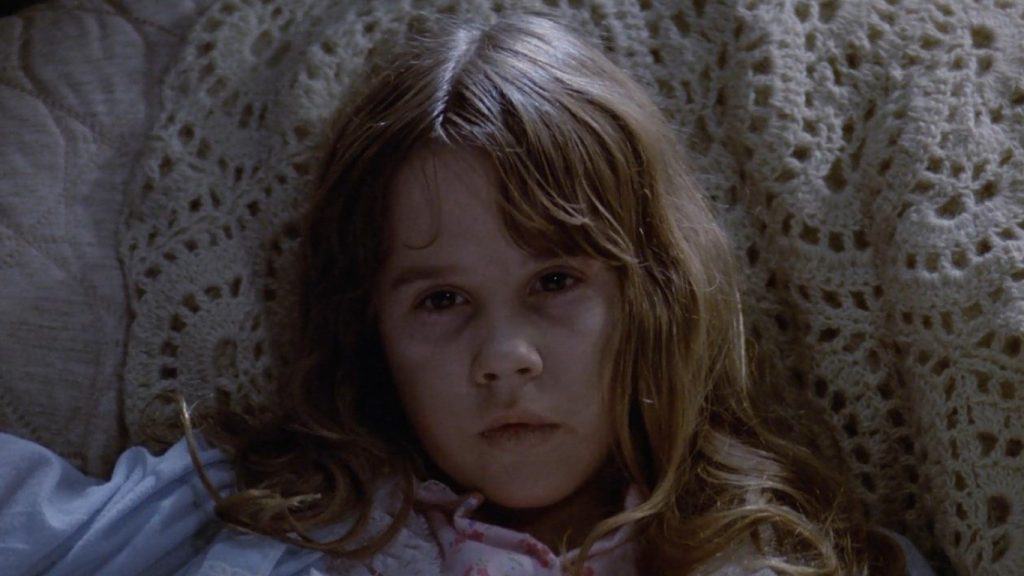
The Exorcist became a phenomenon unlike any horror movie before it. The mere idea of a young girl possessed by a demon was horrifying to Americans, and the movie did not shy away from showing graphic images and disturbing lines uttered by an innocent-looking little girl. It approached supernatural horror with realism and sincerity. It became one of the highest-grossing horror movies ever made and reportedly had audience members passing out in theaters. Unlike other horror movies, this one stands out for being successful beyond its horror elements. It was well-cast and had a smart screenplay. It majorly influenced the now popular possession subgenre that is so well received today.
2. The Texas Chain Saw Massacre (1974)
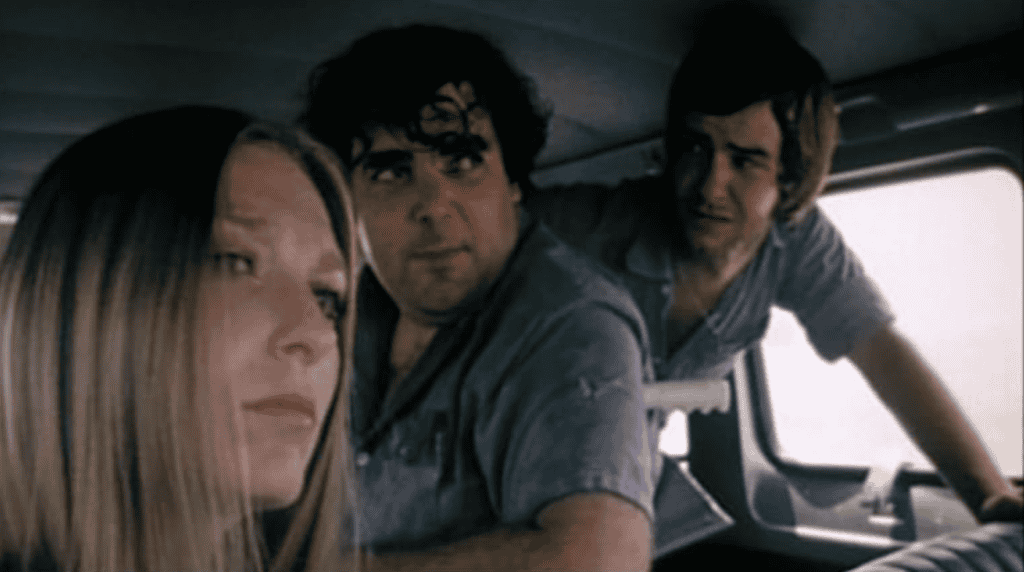
Made on a shoestring budget, The Texas Chain Saw Massacre managed to create raw intensity never before seen on film. This movie changed horror forever and helped define the slasher genre. The movie’s gritty style made its violence feel real, even though a lot of it was suggested instead of shown. Leatherface became a highly recognizable villain overnight.
3. Halloween (1978)
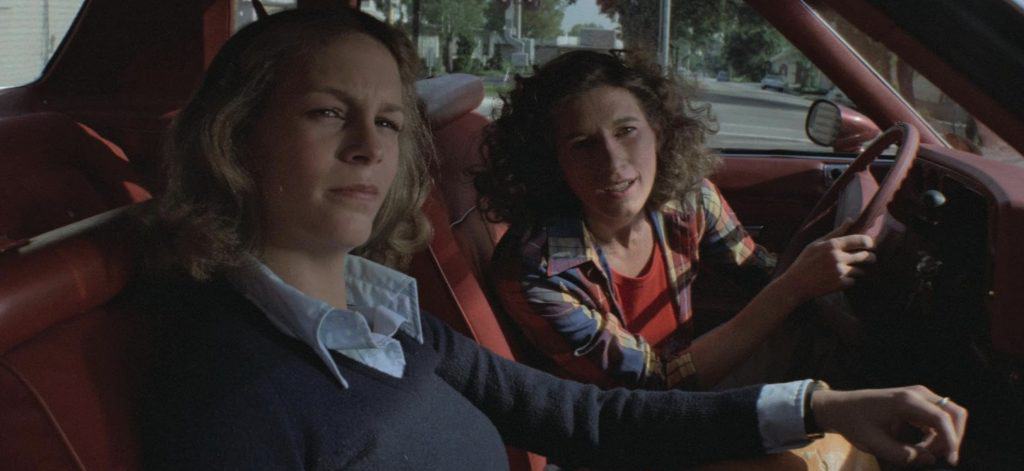
John Carpenter’s Halloween essentially created the formula for the modern slasher movie. Though built around a simple story about a psychopath stalking teenagers, the film was grounded in reality making it all the more chilling. It used suspense and atmosphere very well. Michael Myers became synonymous with horror movies. The film’s success led to a wave of imitations throughout the late 1970s and well into the 1980s. It also launched Jamie Lee Curtis’ scream queen career.
4. Jaws (1975)

Although some classify it more as a thriller, Jaws had a massive impact on horror. Steven Spielberg’s story about a deadly shark turned a mainstream fear of the ocean into a frightening experience. It soon became a summer blockbuster and a worldwide phenomenon. Its way of hiding the shark for most of the movie went on to influence plenty of future filmmakers.
5. The Wicker Man (1973)
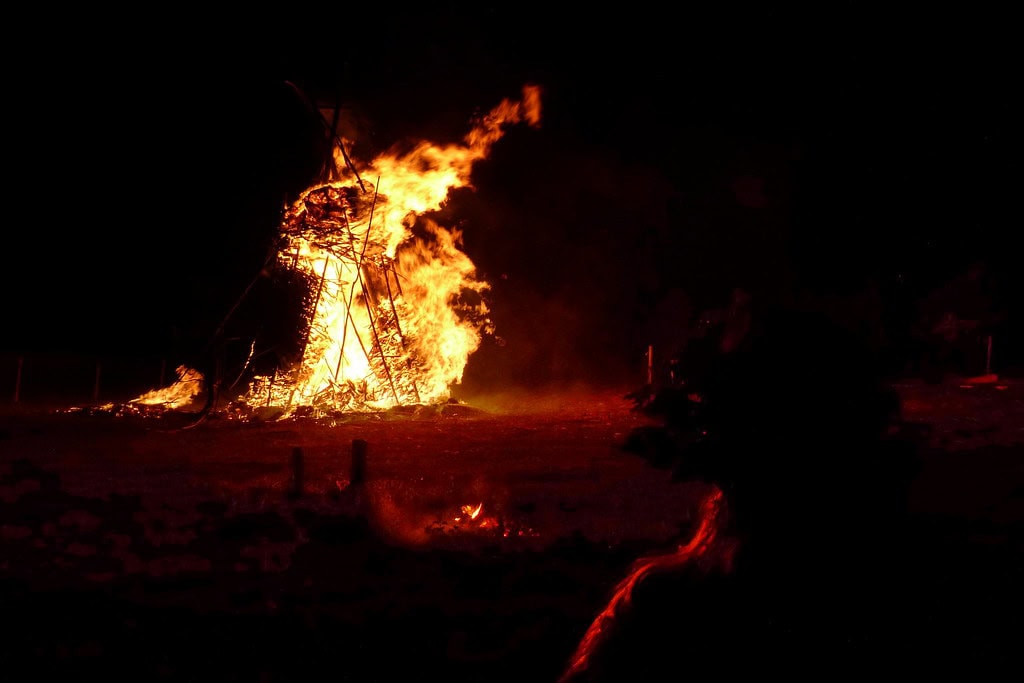
The Wicker Man introduced audiences to a very different kind of horror. Instead of traditional monsters, it depicted isolation, eerie rituals, and the unsettling behavior of one very strange community. Its cult-like characters influenced later movies about secret societies and disturbing traditions. Today, it is recognized as one of the most unique horror films ever made.
6. Carrie (1976)
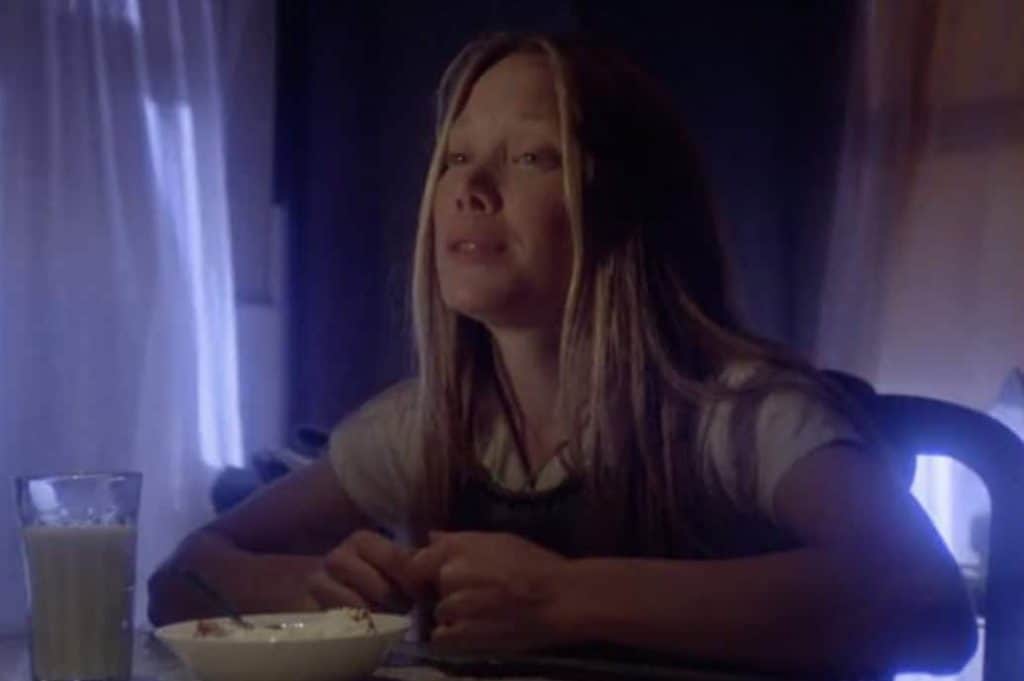
Brian De Palma’s adaptation of Stephen King’s first published novel shocked audiences. It combined supernatural horror with a realistic and heartbreaking story about growing up, abuse, and isolation. Carrie’s journey was tragic because she could have used her powers for good, but the cruel people around her pushed her to use them for carnage. The film also made its teenage characters and high school setting feel unusually authentic for a horror movie. The film started the trend of turning King’s novels into successful Hollywood productions, something that continues today. Its prom scene and final scare are both talked about on horror podcasts everywhere.
7. Alien (1979)
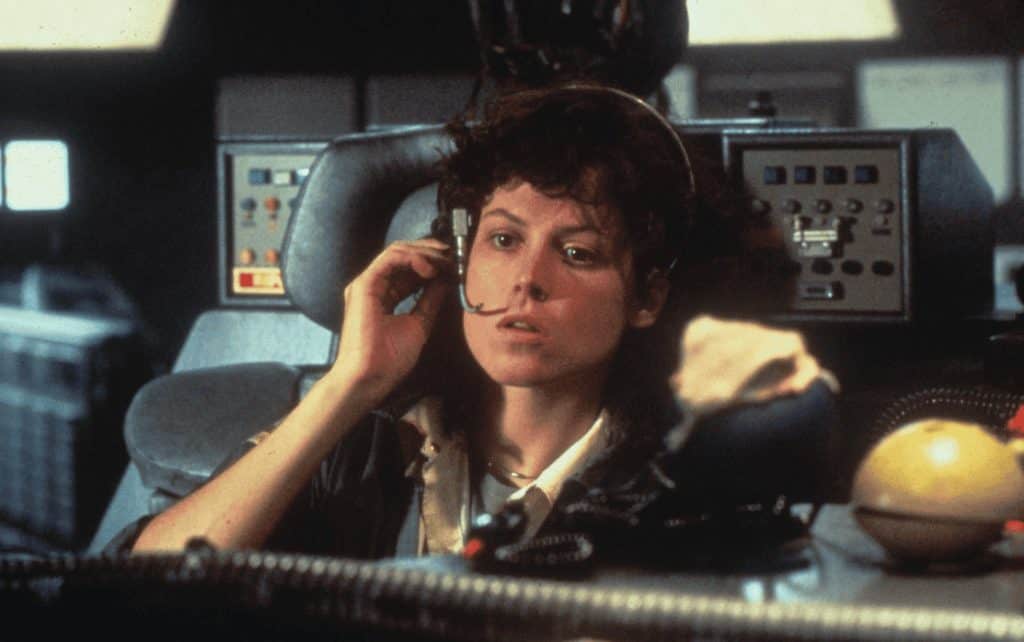
Ridley Scott’s Alien blended science fiction with creature feature horror. The design of the extraterrestrial is legendary and ended up being one of film history’s best monsters. The isolated and inescapable spaceship setting made audiences feel trapped alongside the crew. It helped popularize the idea of using a science-fiction premise to tell what was essentially a horror story.
8. Dawn of the Dead (1978)
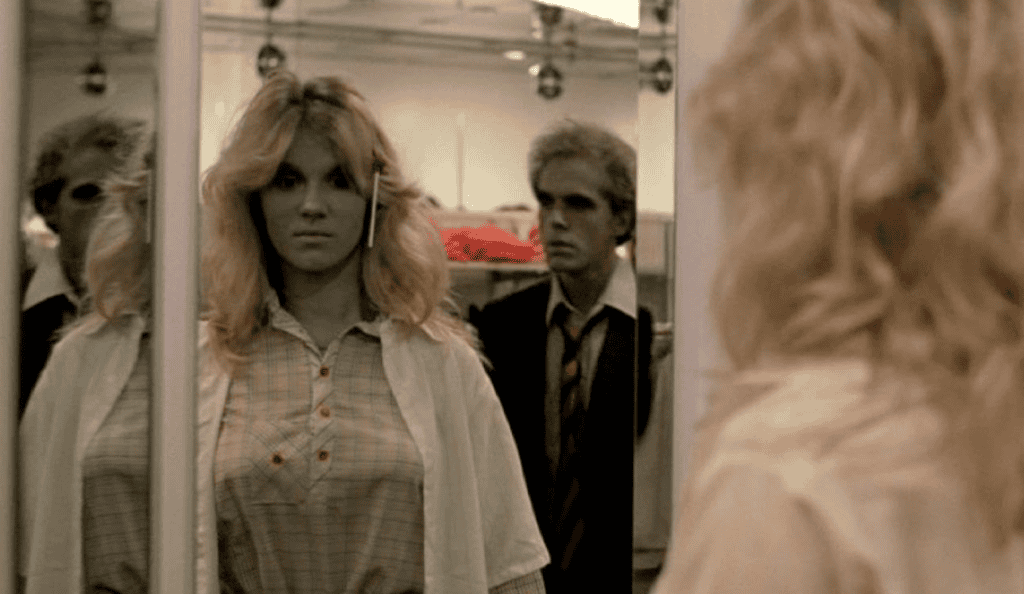
George A. Romero expanded his very popular zombie concept with Dawn of the Dead. In this one, he went deeper, turning the undead into a symbol of wasteful consumer culture and immorality. The movie mixed elements like never before, including horror, satire, and graphic effects in one memorable production. Its success helped establish zombies as a major horror subgenre.