Horror movies are known for pushing boundaries. Viewers enjoy them for their scares, gore, and suspense. Inevitably, most of these movies offend certain audiences. But a select few were so grotesque or horrific that governments heavily restricted or even completely banned them. Sometimes the concern was extreme violence or graphic sexual scenes. In other cases, fears about copycat crimes led to them being pulled. These controversies helped them become some of the most infamous horror movies ever made.
1. The Exorcist (1973)
Synopsis:
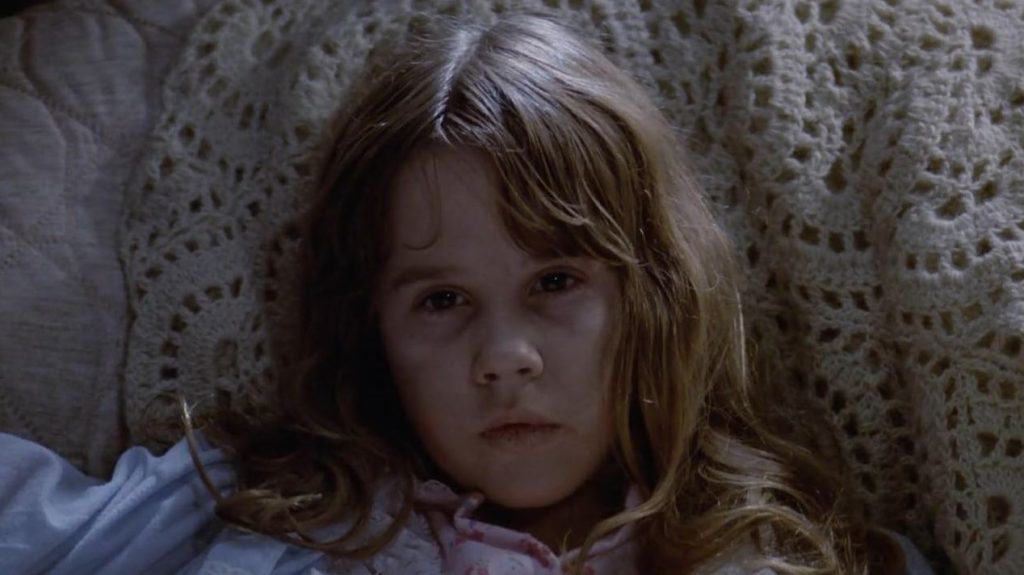
William Friedkin’s 70s classic depicts a young girl who becomes possessed by a demonic entity. A desperate mother seeks the help of the Catholic Church, leading to an exorcism performed by two priests. The film shocked audiences with its graphic imagery, disturbing religious content, and brand new special effects. It is one of the most well known and influential horror films ever made.
What Was Banned:
The Exorcist faced bans or severe restrictions in several countries, including Singapore and parts of the United Kingdom. In the UK, distributors refused to be involved with the controversial project, and it was unavailable on home video for years. In America, while not banned, young people in Catholic school were told not to see the film, as it would open them to demonic possession themselves. Reports of audience members fainting in theatres were widely talked about.
2. Cannibal Holocaust (1980)
Synopsis:
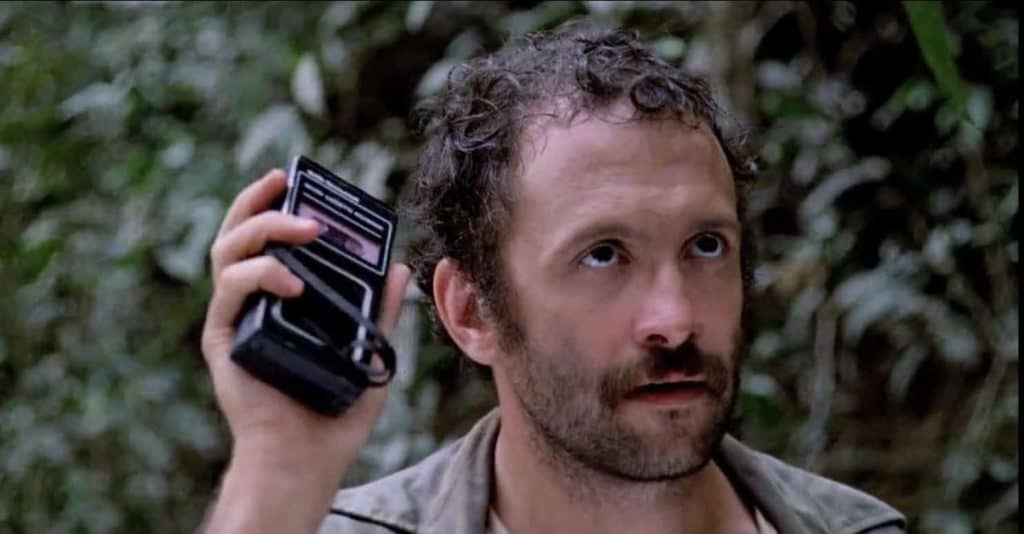
Presented as a recovered documentary, this was one of the earliest “found footage” movies before they became hip. The Italian horror film follows a rescue team searching for a missing film crew in the Amazon rainforest. What they discover is several brutal and horrifying recordings. Its realistic scenes and hard to watch content made it one of the most controversial movies ever released.
What Was Banned:
The film was banned in numerous countries because of its graphic content and actual animal slaughter onscreen. Rumors that the actors were actually murdered on film led to an investigation of director Ruggero Deodato. Still to this day, Cannibal Holocaust is heavily censored in several places.
3. A Serbian Film (2010)

Synopsis:
This Serbian psychological horror film follows a retired adult film star. She reluctantly accepts one final job, but it turns out to be incredibly depraved. The disturbing content was no accident; the movie was designed to shock viewers. Its sole purpose seemed to be shocking its audience.
What Was Banned:
The film has been banned completely or heavily censored in many countries, including Spain, Australia, New Zealand, and Norway. Its depictions of sexual violence, as well as harm to children, made it unacceptable to many nations. Even seasoned horror fans consider it difficult to watch.
4. The Texas Chain Saw Massacre (1974)
Synopsis:
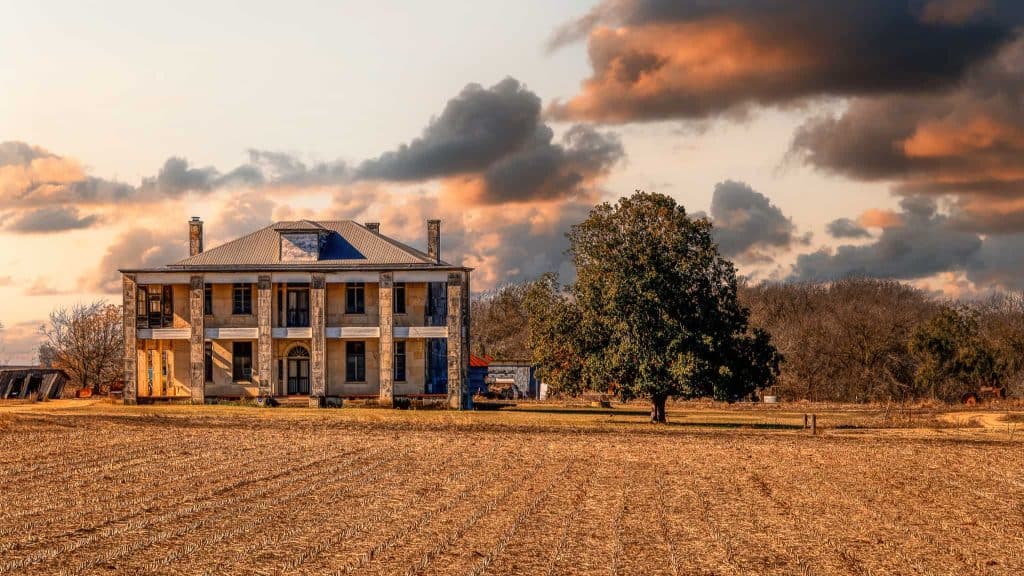
Tobe Hooper’s famous slasher focuses on a group of friends who accidentally stumble across a deranged family. The craziest of the bunch is the chainsaw-wielding Leatherface. Despite containing very little onscreen gore, the film was terrifying to audiences. It was quite realistic and even murders taking place off camera made viewers feel as though they’d seen them. This movie helped define the popular slasher genre.
What Was Banned:
The movie was banned or restricted in several European countries, including the United Kingdom and Germany, as well as Brazil. National Film Boards believed the intense violence was too disturbing for mass audiences. Most of the bans were eventually lifted.
5. I Spit on Your Grave (1978)

Synopsis:
This is the ultimate revenge horror. The film centers on a young woman who becomes vengeful after being assaulted by several men. She takes violent revenge on her attackers. The film was difficult to watch due to depictions of both the assault and the retaliation.
What Was Banned:
Numerous countries banned or heavily censored the film because of its graphic nature. Critics fiercely debated whether it condemned violence or actually exploited it. Even decades later, it is controversial, despite the fact that it led to a remake released in 2010.
6. The Evil Dead (1981)
Synopsis:
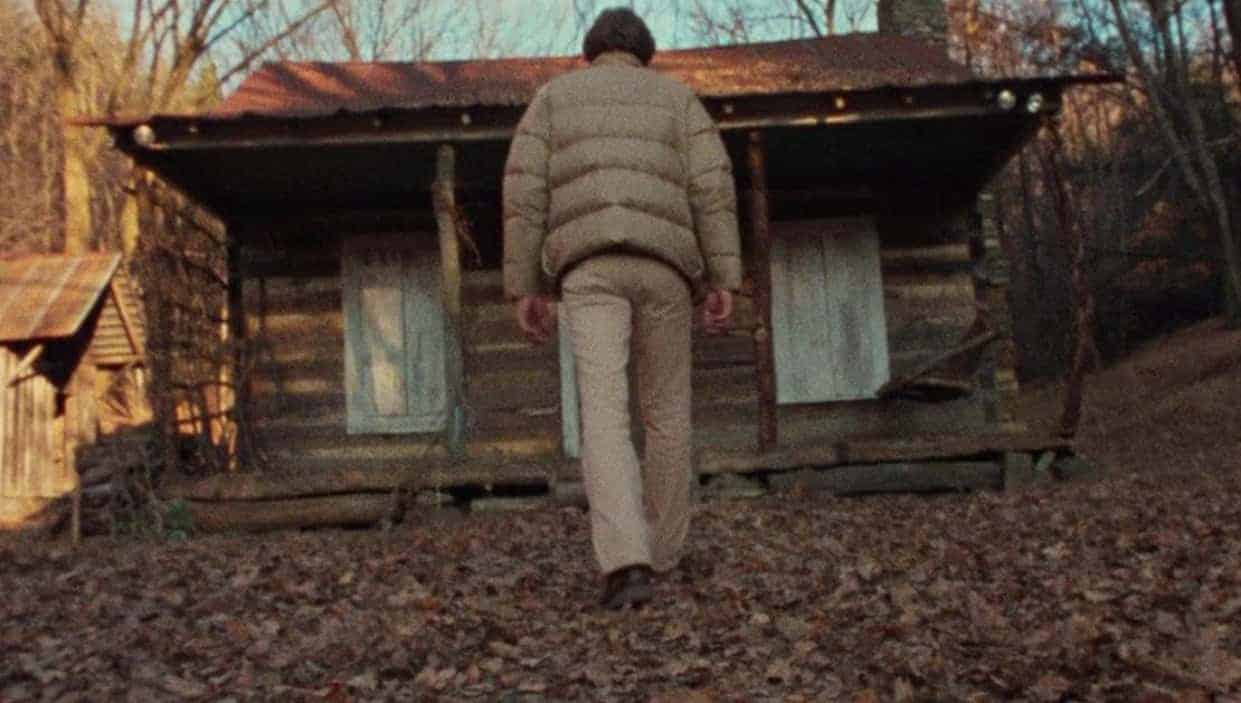
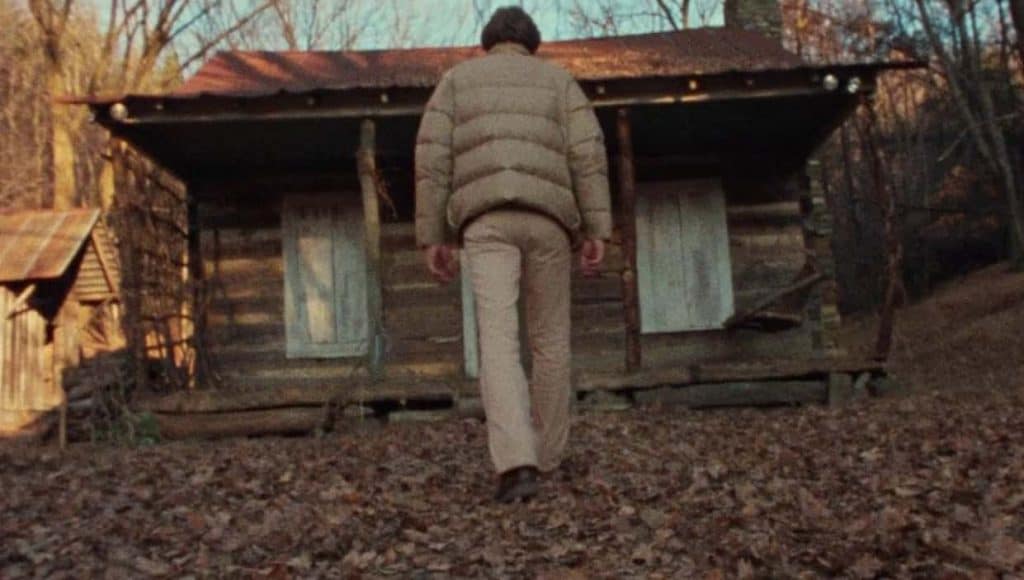
Five friends vacation at a remote cabin where they unknowingly play an ancient recording that releases demonic forces. The result is nonstop carnage and supernatural terror, highly inventive practical effects, and over-the-top gore. Sam Raimi’s low-budget film has since been considered a horror masterpiece.
What Was Banned:
The film became one of Britain’s infamous “Video Nasties” and was banned from video stores during the 1980s. Those in authority stated that its graphic violence made it inappropriate for mass audiences. It still managed to become one of horror’s most influential cult films.
7. Salò, or the 120 Days of Sodom (1975)
Synopsis:
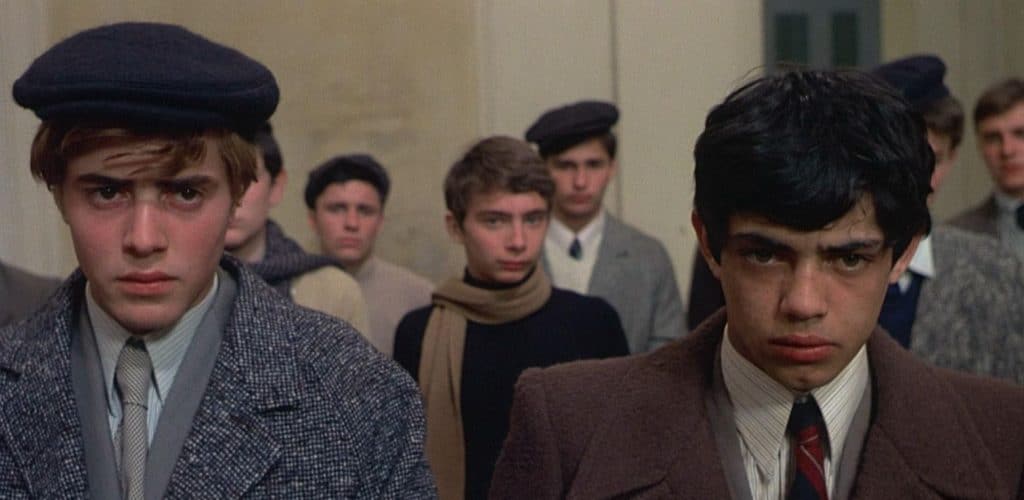
Technically, Salò falls under art-house drama instead of horror. Regardless of classification, Pier Paolo Pasolini’s final movie has tons of horrific imagery. It is frequently discussed when the subject of extreme horror is brought up. Set during World War II, it shows a group of fascists abusing captives in numerous cruel ways.
What Was Banned:
The film was banned in multiple countries because of its gruesome imagery. Even where legally attainable, it still comes with warnings or restrictions. Many viewers find it nearly impossible to watch in full. It continues to have a reputation as one of the most controversial movies in film history.
8. Grotesque (2009)
Synopsis:
This Japanese horror film follows a young couple who are kidnapped by a sadistic captor. The movie barely contains any sort of plot, instead focusing on escalating violence which seems designed purely to disturb audiences. It was immediately classified under the torture-horror subgenre.
What Was Banned:
The British Board of Film Classification banned its release in the United Kingdom. Officials stated that the movie’s extreme violence served no purpose and wasn’t justified by any kind of narrative. It also faced censorship or distribution restrictions in several other countries.