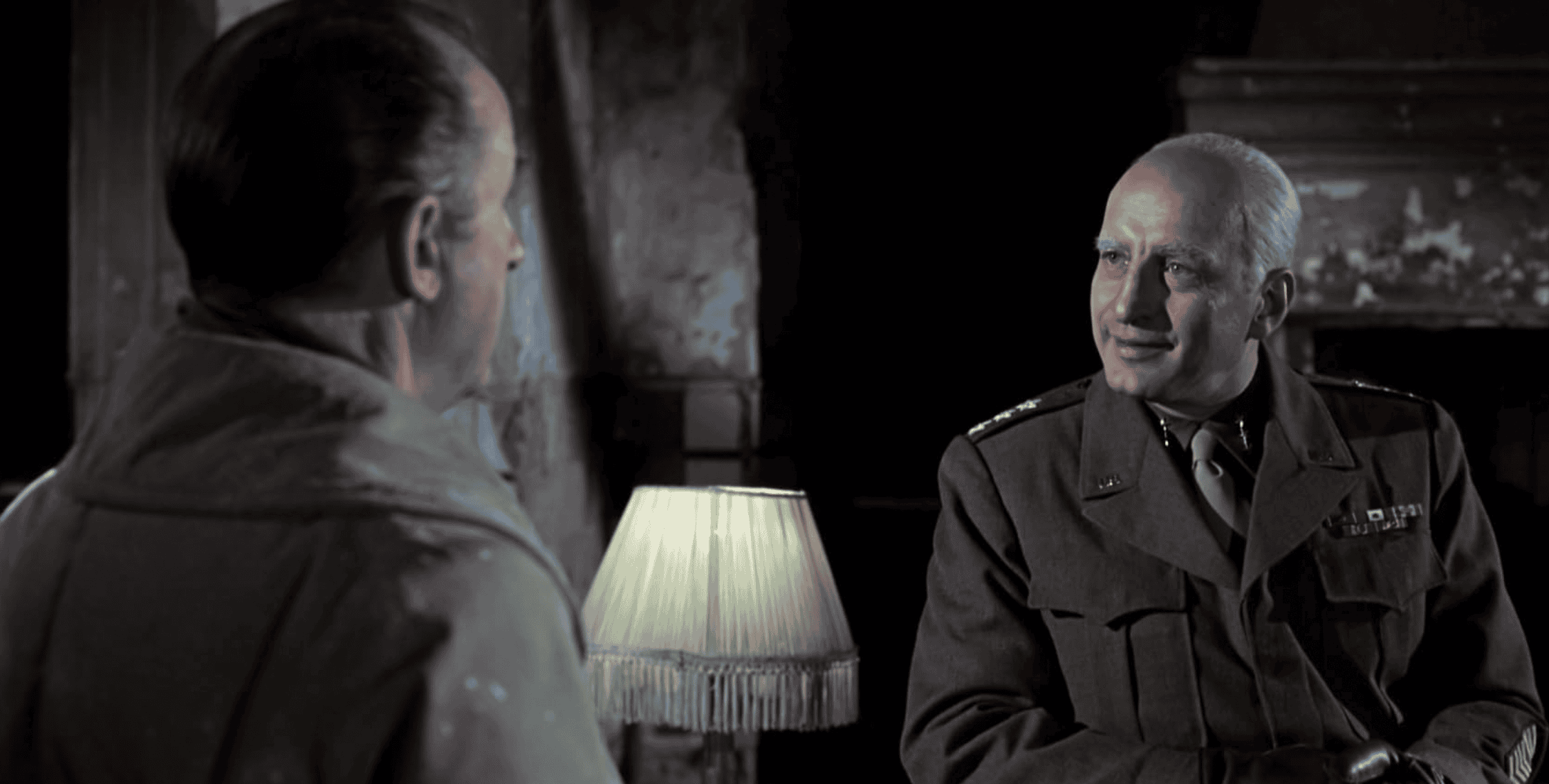
The early 1970s were one of the greatest creative periods in movie history. Filmmakers took more risks, storytelling became more sophisticated, and audiences were open to thought-provoking content. Many classics from this time still appear on lists of the greatest movies of all time. They were notable for their unforgettable performances, iconic scenes, and compelling screenplays. Here are eight of the best movies released between 1970 and 1974 according to critics and audiences.
1. The Godfather (1972)
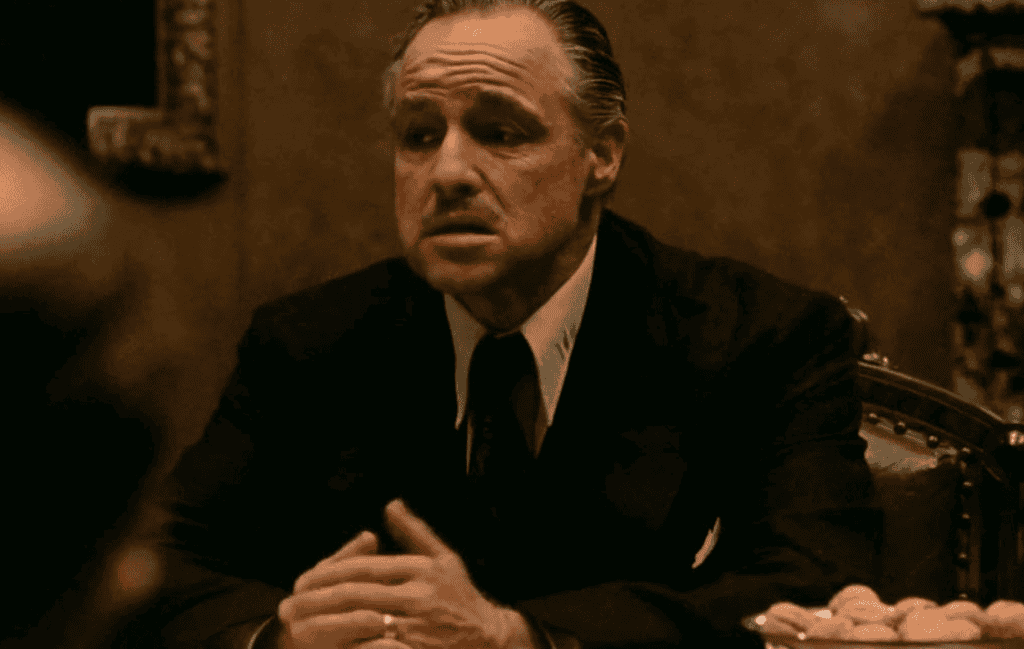
Synopsis
Michael Corleone, the son of powerful Mafia boss Vito Corleone, is drawn into his family’s criminal organization after someone tries to kill his father. As violence escalates, Michael transforms from a reluctant criminal into one of the most intimidating mob leaders in America.
Why It Was Good
The Godfather is widely considered one of the greatest films ever made. It is praised for a host of reasons, including its masterful storytelling, strong performances, and well-developed characters. Marlon Brando and Al Pacino gave the performances of their lifetime. The film’s themes of family, loyalty, and power are easy to connect with. It had a huge and lasting influence on crime films.
2. The Exorcist (1973)
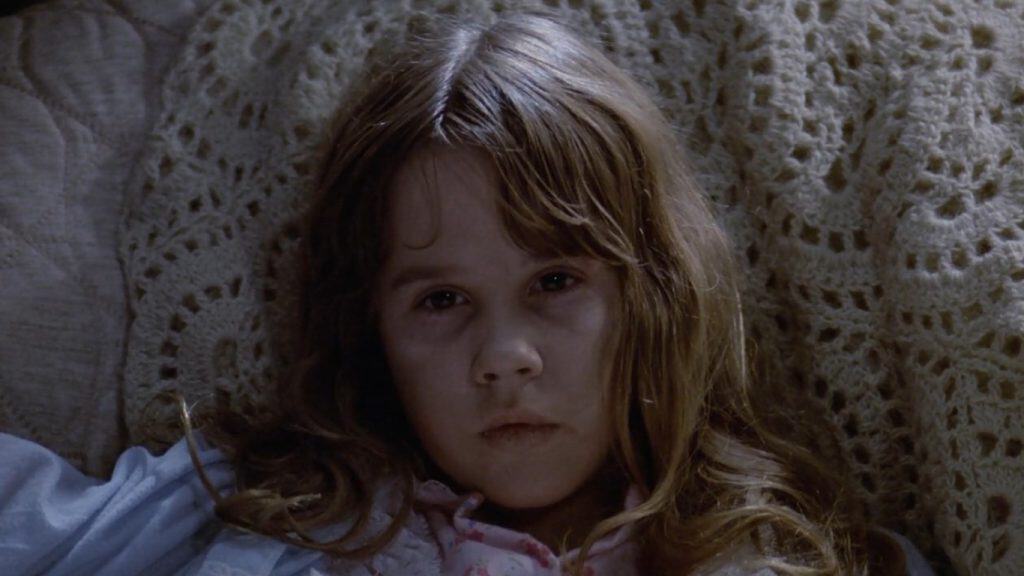
Synopsis
When a young girl begins acting in strange and terrifying ways, and doctors can’t explain the increasingly unusual behavior, her desperate mother asks for help from a Catholic priest. They begin to suspect evil forces are at play. Two priests eventually join forces, performing an exorcism to save the child from a demonic being.
Why It Was Good
The Exorcist terrified audiences in ways unheard of at the time. No horror movie had ever been so petrifying. Critics loved its realistic performances, haunting atmosphere, and chilling musical score. The character development and emotional depth made it worlds beyond a typical scary movie. It became the first horror film ever nominated for Best Picture at the Academy Awards. Remarkably, even more than 50 years later, it is one of horror’s best classics.
3. Chinatown (1974)
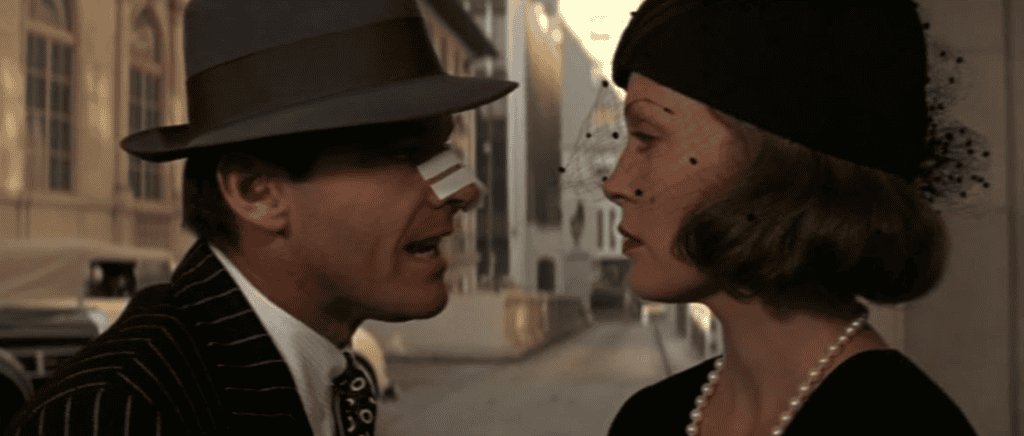
Synopsis
Private investigator Jake Gittes is hired to look into an affair. During his investigation, he uncovers a complex conspiracy involving corruption, murder, and the Los Angeles’ water supply.
Why It Was Good
Chinatown was widely complimented for its near perfect screenplay, well designed mystery, and shocking ending. Jack Nicholson’s performance as Jake Gittes is considered one of the best of his entire long-spanning career. Critics also praised Roman Polanski’s direction and the accuracy of the 1930s setting. The blend of mystery and tragedy has made it a classic, frequently studied in film classes.
4. The Sting (1973)
Synopsis
Two con artists team up to pull off an elaborate scheme against a crime boss who murdered one of their friends. Their plan is forced to grow increasingly complicated as the two come up against clever twists and several surprises.
Why It Was Good
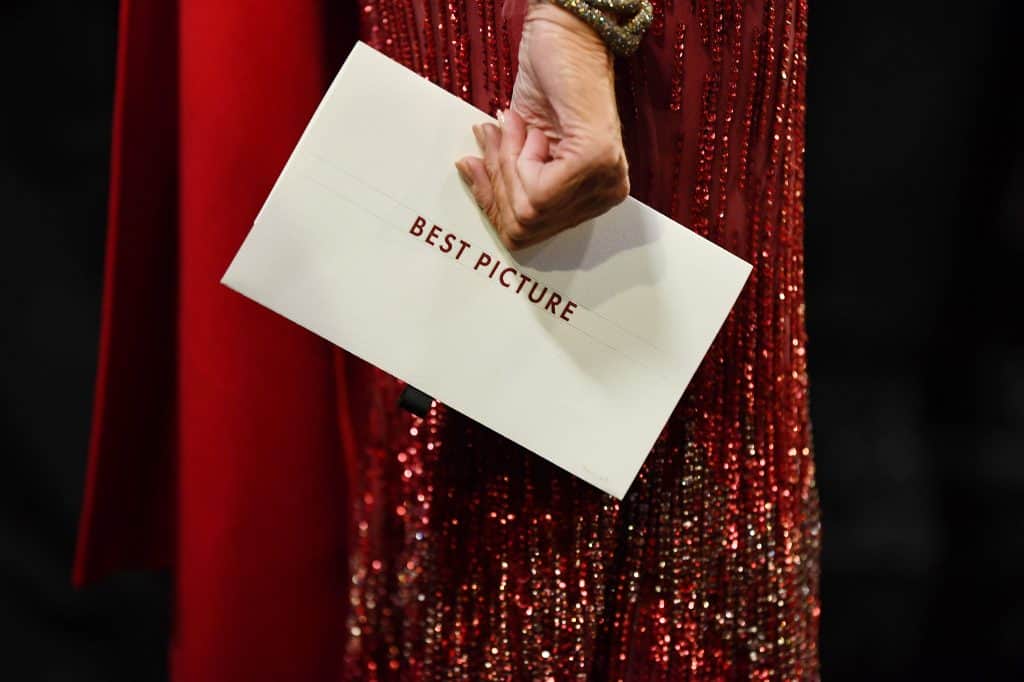
Audiences loved The Sting for its witty dialogue, charming performances, and unpredictable plot twists. The chemistry between Paul Newman and Robert Redford was genuine and a joy to watch. Critics liked the cleverly structured screenplay, old-timey soundtrack, and stylish quality. It won a whopping seven Academy Awards, including Best Picture.
5. The French Connection (1971)

Synopsis
New York City detectives Jimmy “Popeye” Doyle and Buddy Russo investigate what seems like a routine drug case. Their work uncovers a much bigger heroin smuggling operation. The investigation turns into a tense cat-and-mouse chase of a powerful French crime boss.
Why It Was Good
The French Connection became known for its accurate depiction of the international drug trade and edge-of-your-seat storytelling. Gene Hackman’s Oscar-winning performance made the film one of a kind. William Friedkin’s direction gave it a gritty, documentary-like feel. Its famous car chase through Brooklyn is ranked as one of the greatest action sequences ever shot. The movie inspired the modern crime thriller and went on to win five Academy Awards, including Best Picture.
6. American Graffiti (1973)
Synopsis
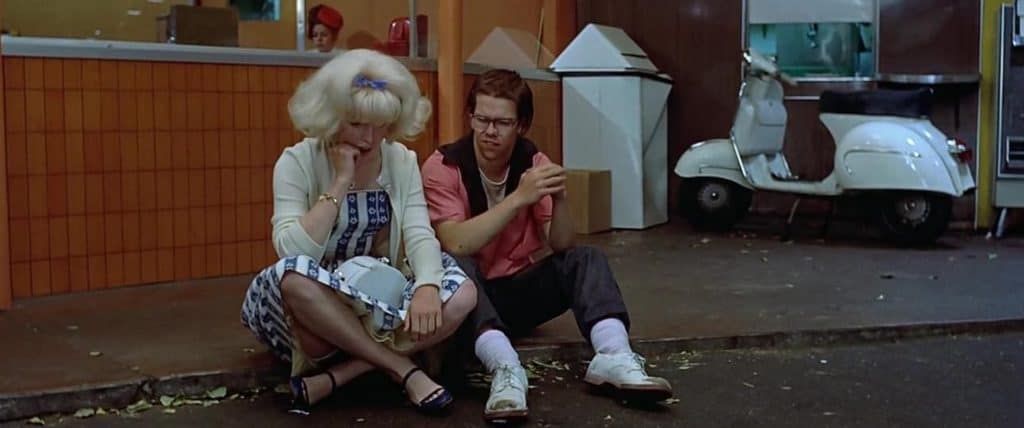
The movie follows a group of teenagers over the course of one summer night in 1962. The young adults cruise the streets, fall in love, question the meaning of life, and gear up for adulthood before leaving their hometown.
Why It Was Good
George Lucas nailed the nostalgia of early 1960s youth culture. He depicted the era with plenty of warmth and authenticity. Critics liked the effortless acting and fun soundtrack. It was most loved for its beautiful and relatable coming-of-age story. The movie aided the careers of several future A-listers, including Richard Dreyfuss, Ron Howard, and Harrison Ford. It set the bar high for future coming-of-age films.
7. Patton (1970)
Synopsis
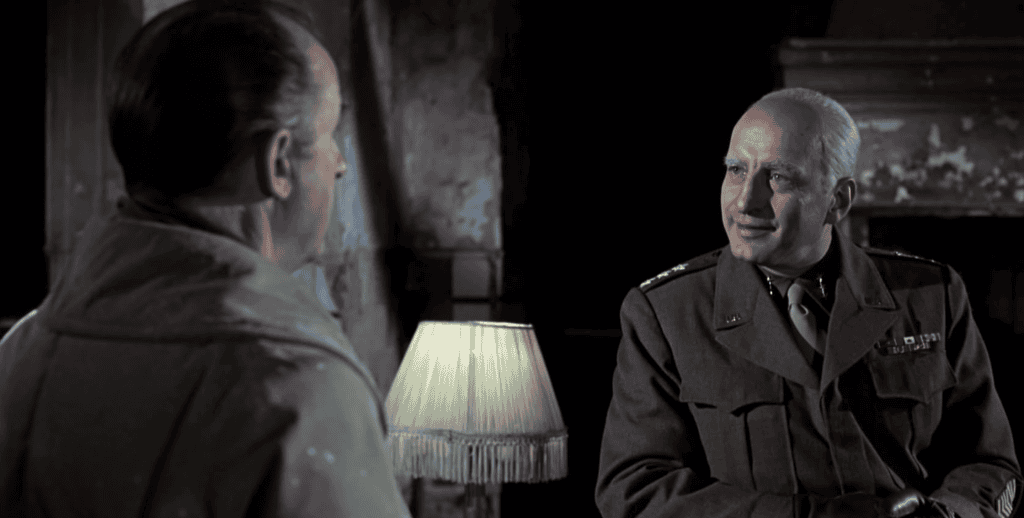
The film follows the military career of General George S. Patton during World War II. It shows his brilliant battlefield leadership as well as his controversial personality.
Why It Was Good
George C. Scott gave a strong performance that earned him an Academy Award for Best Actor, which he famously refused to accept. Critics thought the filmmakers managed to create realistic large-scale battles. The movie also had a well written script. Scott’s nuanced portrayal of America’s famous military leader was stellar. Instead of presenting Patton as merely heroic, the film chose to explore both his strengths and flaws, essentially making him both relatable and human. The war film won seven Academy Awards, including Best Picture.
8. The Conversation (1974)
Synopsis
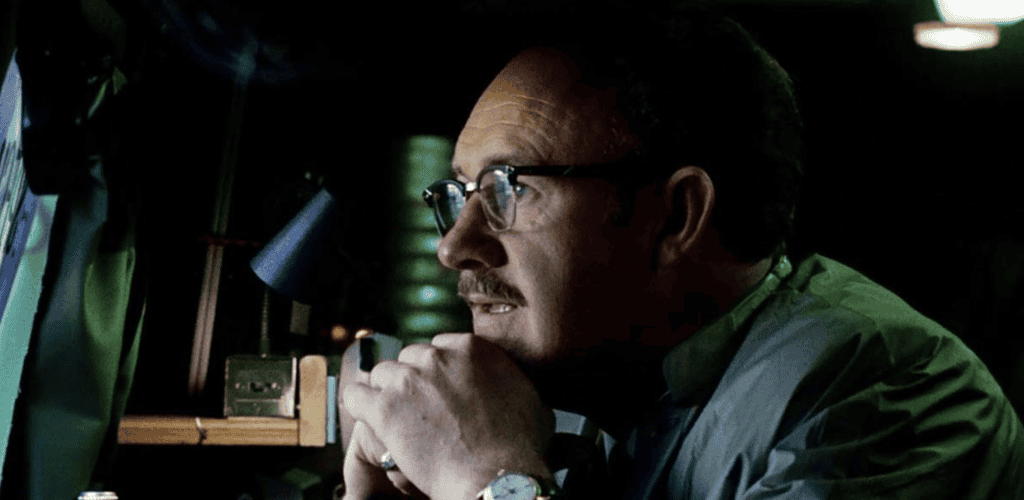
A surveillance expert is disturbed after recording what he believes to be evidence of a murder plot. As paranoia grows, he begins questioning both his work and his moral responsibility to report the crime.
Why It Was Good
Directed by Francis Ford Coppola, The Conversation was notable for its intelligent writing and psychological tension. Gene Hackman gave perhaps the best performance of his career as the lonely, obsessive surveillance guy. The film subtly explored themes of privacy and advancing technology, topics that somehow feel even more relevant today. It did a great job of building suspense from the slow unraveling of a mystery.