bjones27 / Getty Images
Courtesy of Paramount Pictures
Courtesy of Metro-Goldwyn-Mayer
Courtesy of RKO Radio Pictures
Courtesy of Fox Film Corporation
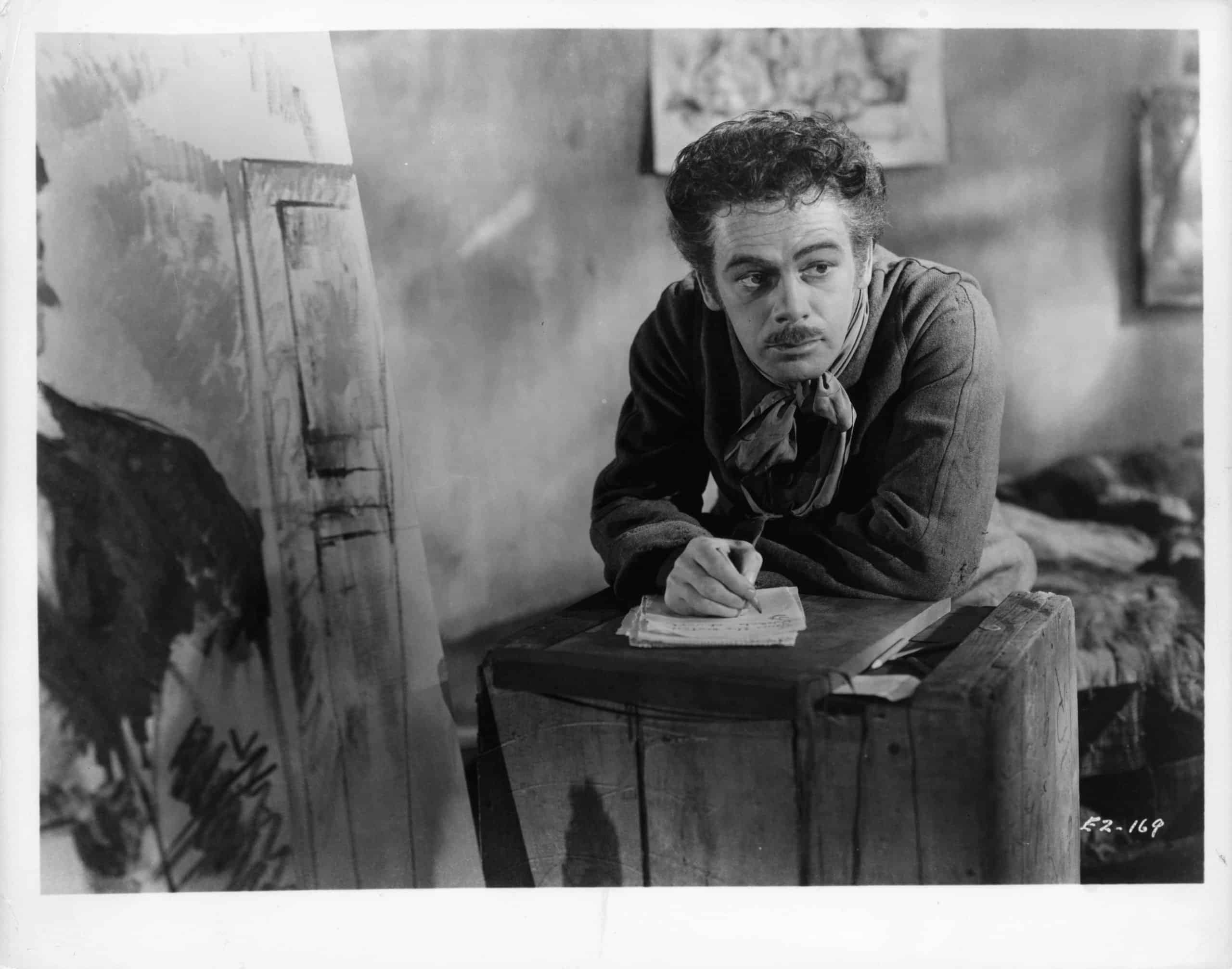
Photo by Warner Brothers/Getty Images
Courtesy of Twentieth Century Fox
Courtesy of Metro-Goldwyn-Mayer
Courtesy of Paramount Pictures
Courtesy of Columbia Pictures
Courtesy of United Artists
Courtesy of Columbia Pictures
Courtesy of Columbia Pictures
Courtesy of New City Releasing
Courtesy of Warner Bros.

Courtesy of Fox Searchlight Pictures
Courtesy of Searchlight Pictures
Courtesy of Apple TV



The Acadamy Awards are held each year at the beginning of the year to celebrate the best in the business. Considered the most prestigious award in the Hollywood film industry, the Oscar for Best Picture is seen as the ultimate industry recognition and increases a film's visibility. After taking home the prize, a winning film often benefits significantly. Its run in theaters may be extended, which can lead to higher box office totals, and can also indicate bigger budgets and salaries for all involved.
The film that wins Best Picture is typically one that has been favored to win, a film that was a massive success and loved by both audiences and critics. Being named the best movie in a given year, in a field where there are typically over 400 films to choose from is a surefire ticket to film immortality. But what should happen, and what actually does happen are two different scenarios. Some Best Picture winners, from both long ago and more recently, have been all but forgotten.
Some of the films listed here are so old that time has passed them by. Others were major upsets, winning over films that should have won an Oscar but didn't, but are far more memorable. And some were just overlooked by people upon their release and have since faded from memory. But for whatever reason, these Best Picture Oscar winners have been largely forgotten.
"Wings" (1927/28)
- Director: William A. Wellman
- Starring: Clara Bow, Charles "Buddy" Rogers, Richard Arlen
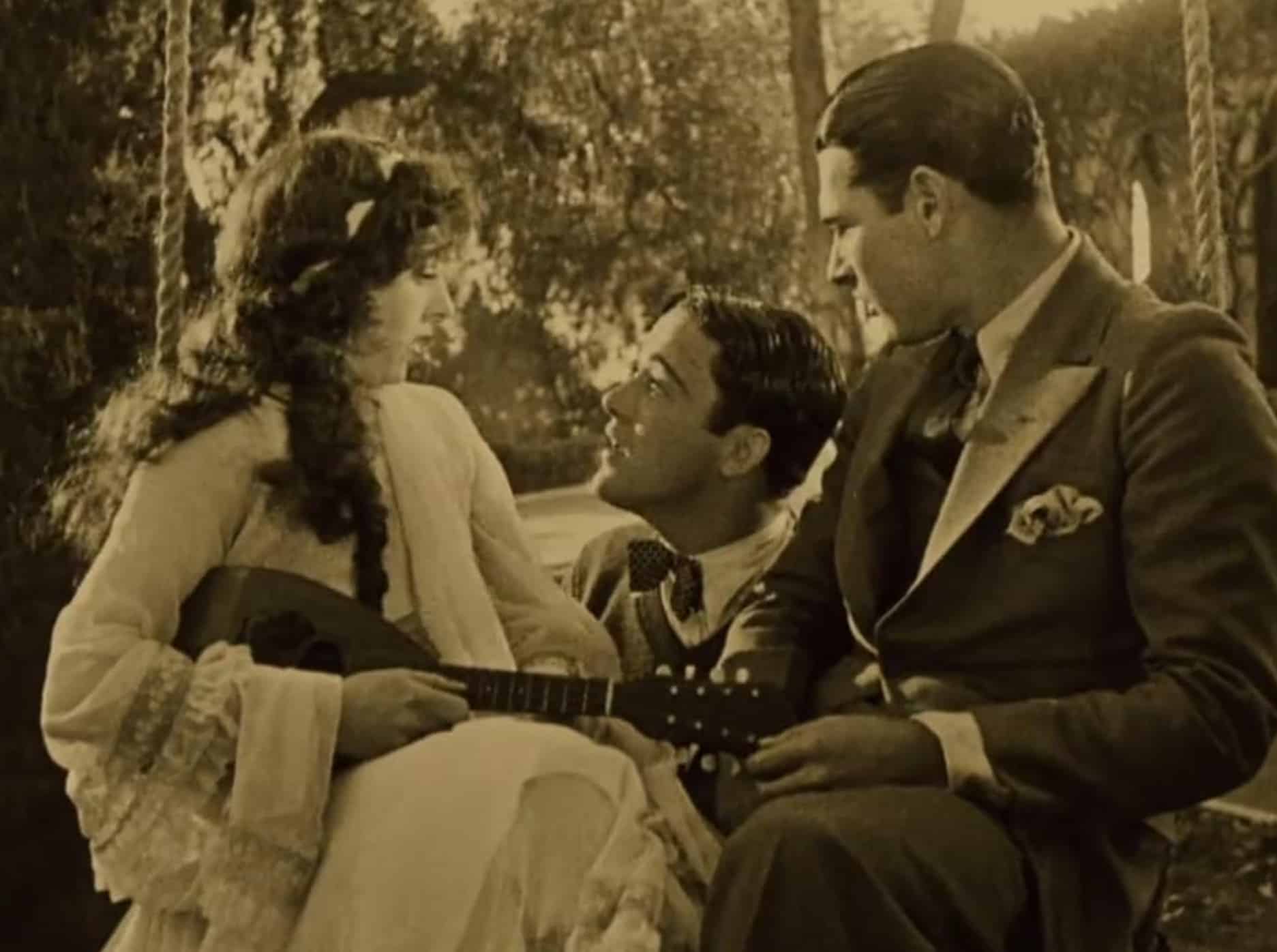
This silent film is a romantic action-war film about two World War I combat veterans and their romantic rivalry over a woman. The movie was praised for its realistic sequences of air combat. Today, however, if it's remembered at all, it's for being the first film to win Best Picture.
"The Broadway Melody" (1928/29)
- Director: Harry Beaumont
- Starring: Charles King, Anita Page, Bessy Love
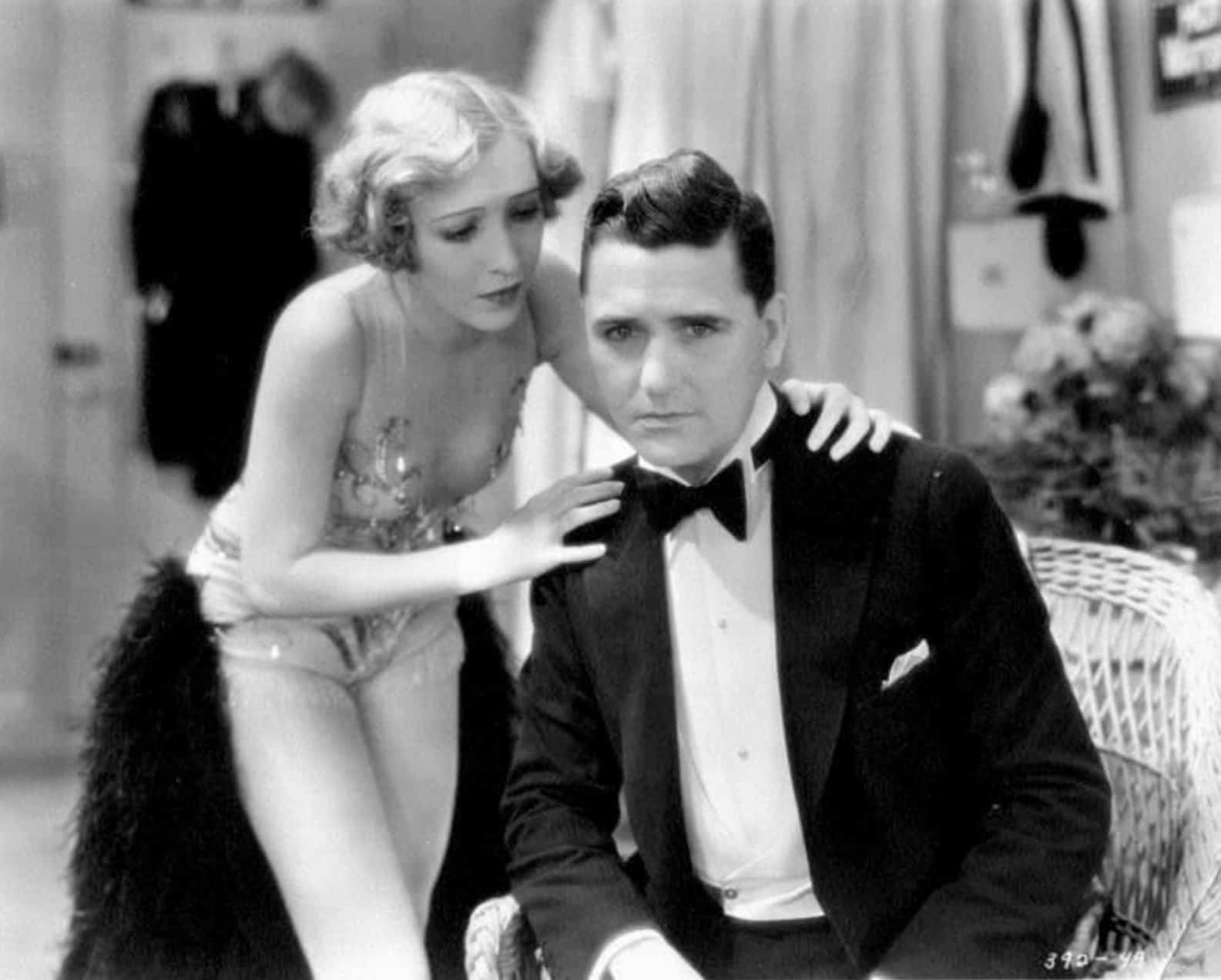
MGM's first musical and Hollywood's first all-talking musical is a film about two chorus girls trying to hit the big time on Broadway. While it's largely regarded as being hugely influential in the development of the concept and structure of movie musicals, and was the year's top-grossing film, modern critics find it to be too melodramatic, with subpar acting.
The then-popular hit "You Were Meant for Me" was written for the film; it was later included in "Singin' in the Rain."
"Cimarron" (1930/31)
- Director: Wesley Ruggles
- Starring: Irene Dunne, Richard Dix, Edna May Oliver
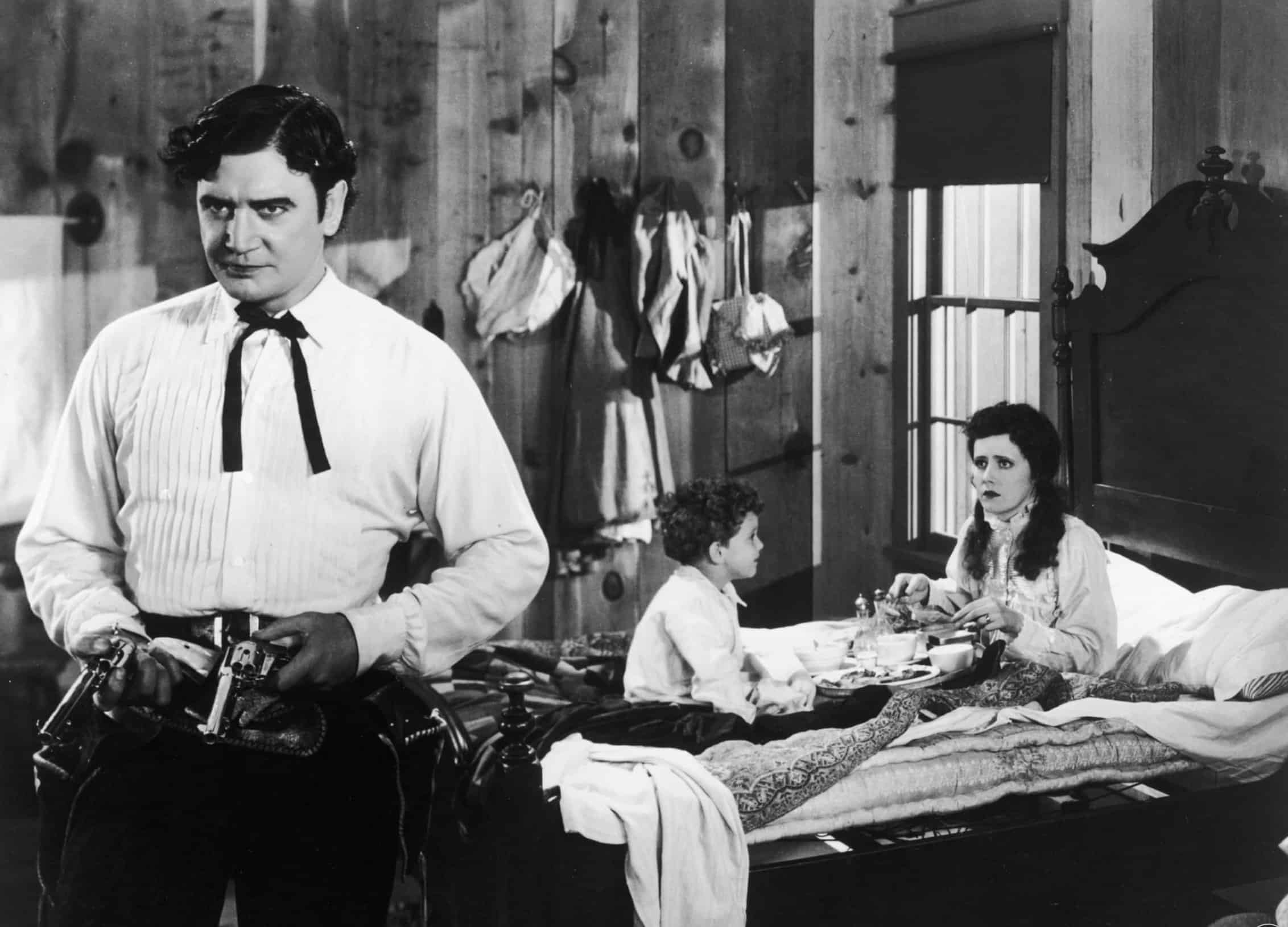
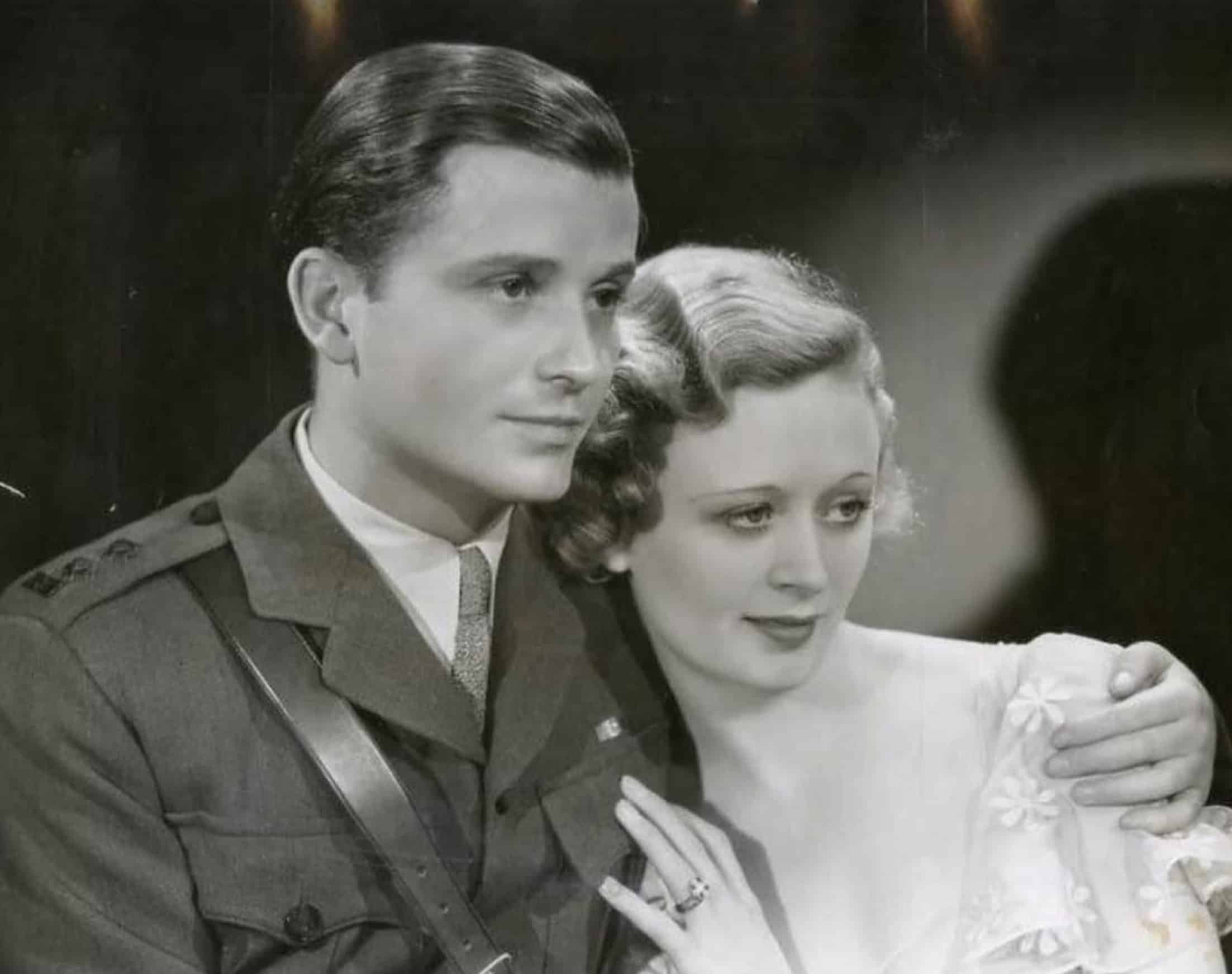
An epic Western based on the Edna Ferber novel of the same name, RKO's "Cimarron" also won Oscars for Best Adapted Screenplay and Best Production Design. The sprawling film spans 40 years, following a couple from the Oklahoma land rush of 1889 to 1929. Though well-reviewed at the time, modern critics have found it to be slow, uneven, and riddled with offensive stereotypes.
"Cavalcade" (1932/33)
- Director: Frank Lloyd
- Starring: Diana Wynyard, Clive Brook, Una O'Connor
Based on the 1931 Noël Coward play of the same name, "Cavalcade" follows a group of well-to-do Londoners through the first 30 years of the 1900s, showing how their lives are affected by historical events like the sinking of the Titanic and World War I. It's still generally well-regarded, but modern critics have found that it lacks cohesion.
"The Life of Emile Zola" (1937)
- Director: William Dieterle
- Starring: Paul Muni, Gloria Holden, Joseph Schildkraut
Considered in its day to be the greatest biographical film ever up to that time, "The Life of Emile Zola" was unanimously praised at the time, but today it's best-remembered for failing to mention French antisemitism (even though it factored largely into a prominent plot point, the Dreyfus affair), and how studio head Jack Warner had the word "Jew" removed from the script amid an over-cautiousness among studios towards antagonizing Nazi Germany.
"How Green Was My Valley" (1941)
- Director: John Ford
- Starring: Maureen O'Hara, Roddy McDowall, Walter Pidgeon
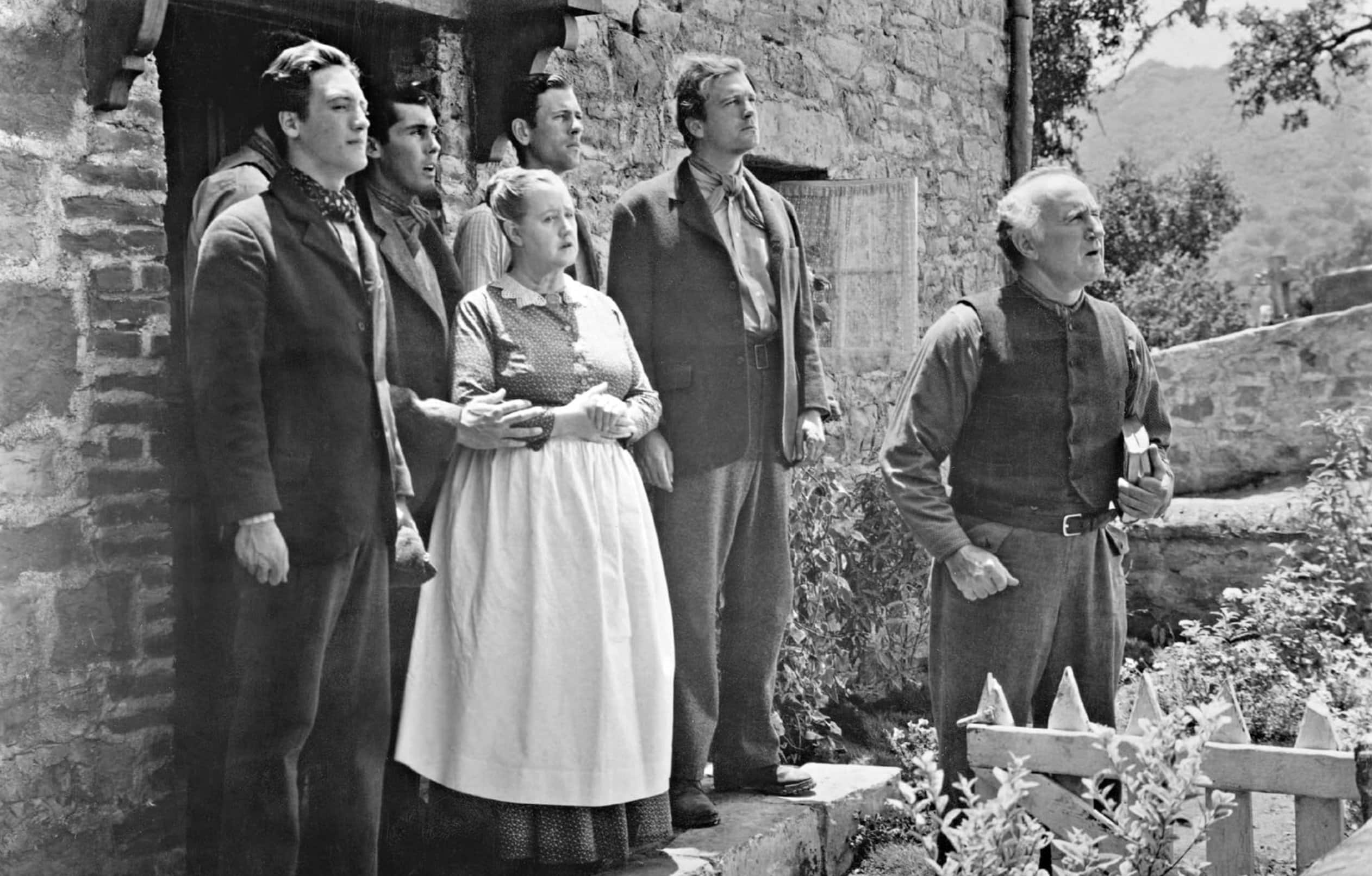
This film tells the story of a hard-working Welsh mining family during the late Victorian era from the point of view of the youngest son. It's still widely regarded to be a good movie, but today it's best remembered for beating two far-superior films: "The Maltese Falcon" and "Citizen Kane."
"Mrs. Miniver" (1942)
- Director: William Wyler
- Starring: Greer Garson, Walter Pidgeon, Teresa Wright
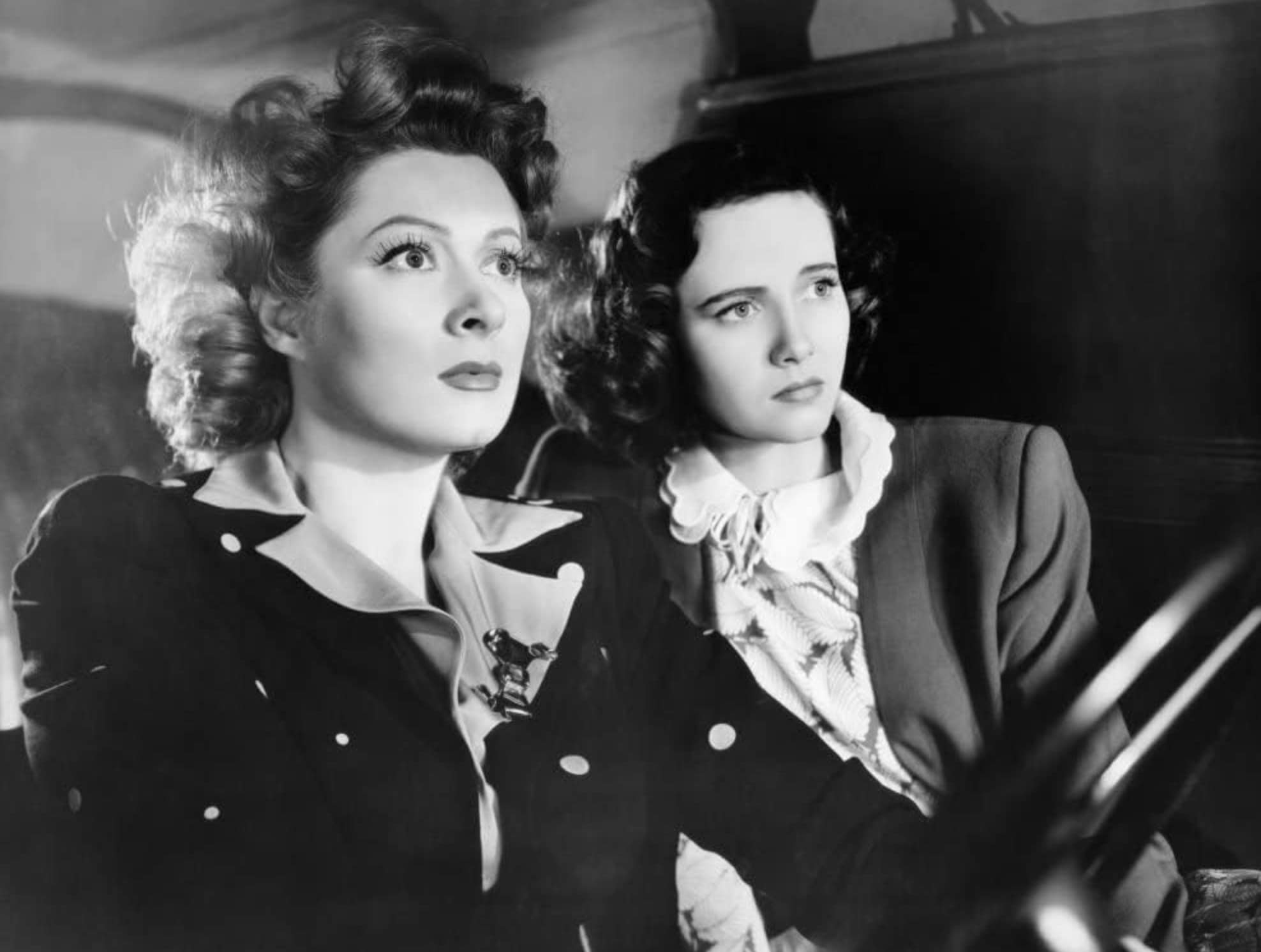
The highest-grossing film of 1942 and the first Best Picture winner to center around World War II, this romantic war drama illustrates how the war affects the life of an unassuming British housewife. It had a huge effect on British audiences at the time and helped to rally American support for the war, and while overtly propagandistic, it's still regarded as a powerful, well-made, and well-acted film.
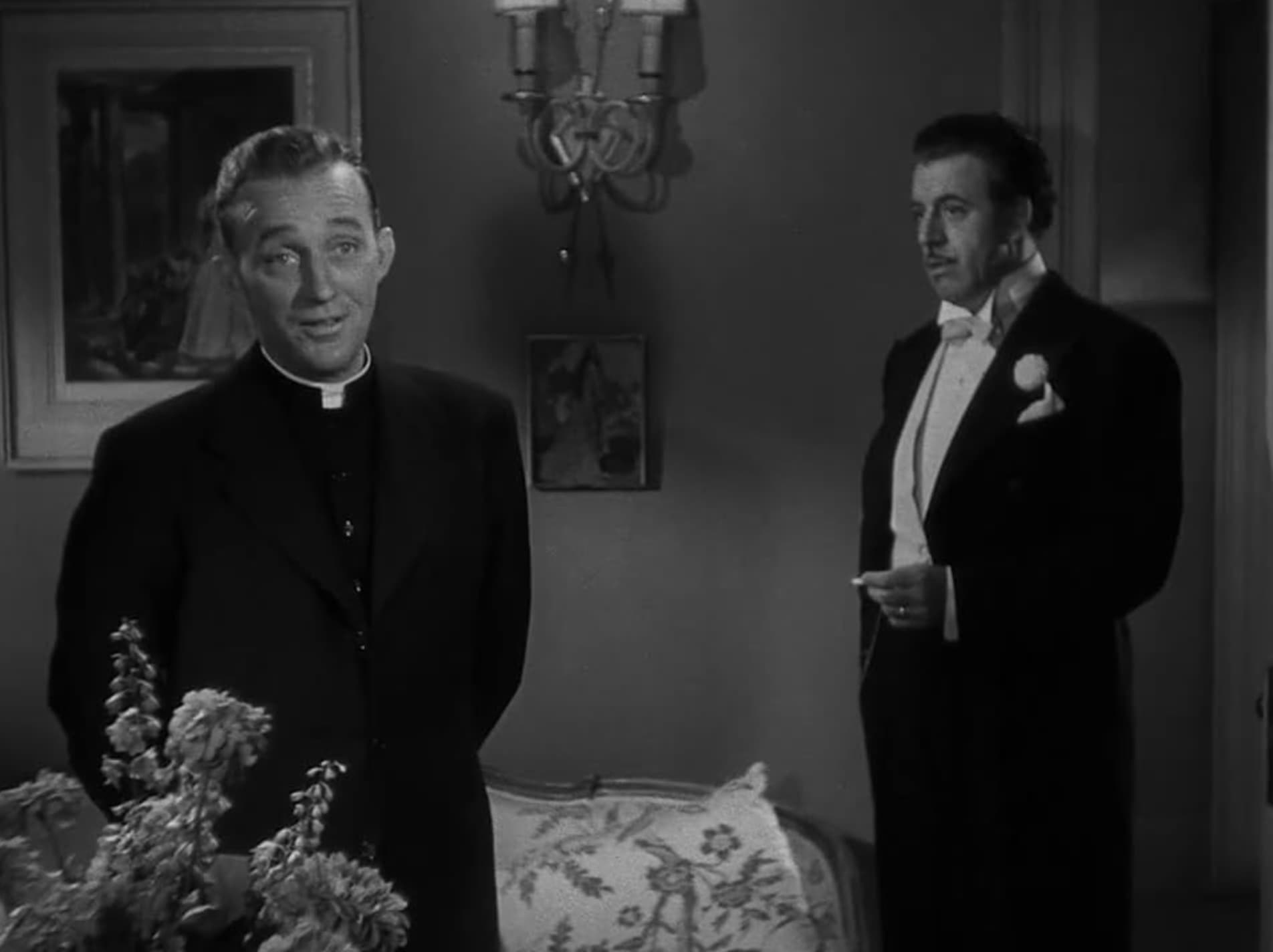
"Going My Way" (1944)
- Director: Leo McCarey
- Starring: Bing Crosby, Barry Fitzgerald, Jean Heather
A musical comedy that follows a young, unconventional priest who's sent to revitalize a struggling parish in New York City. "Going My Way" is a sweet, likable film that's buoyed by a great performance by Crosby. It's a rather slight film, however, and two other Best Picture nominees have had a far greater shelf life: the thrillers "Double Indemnity" and "Gaslight."
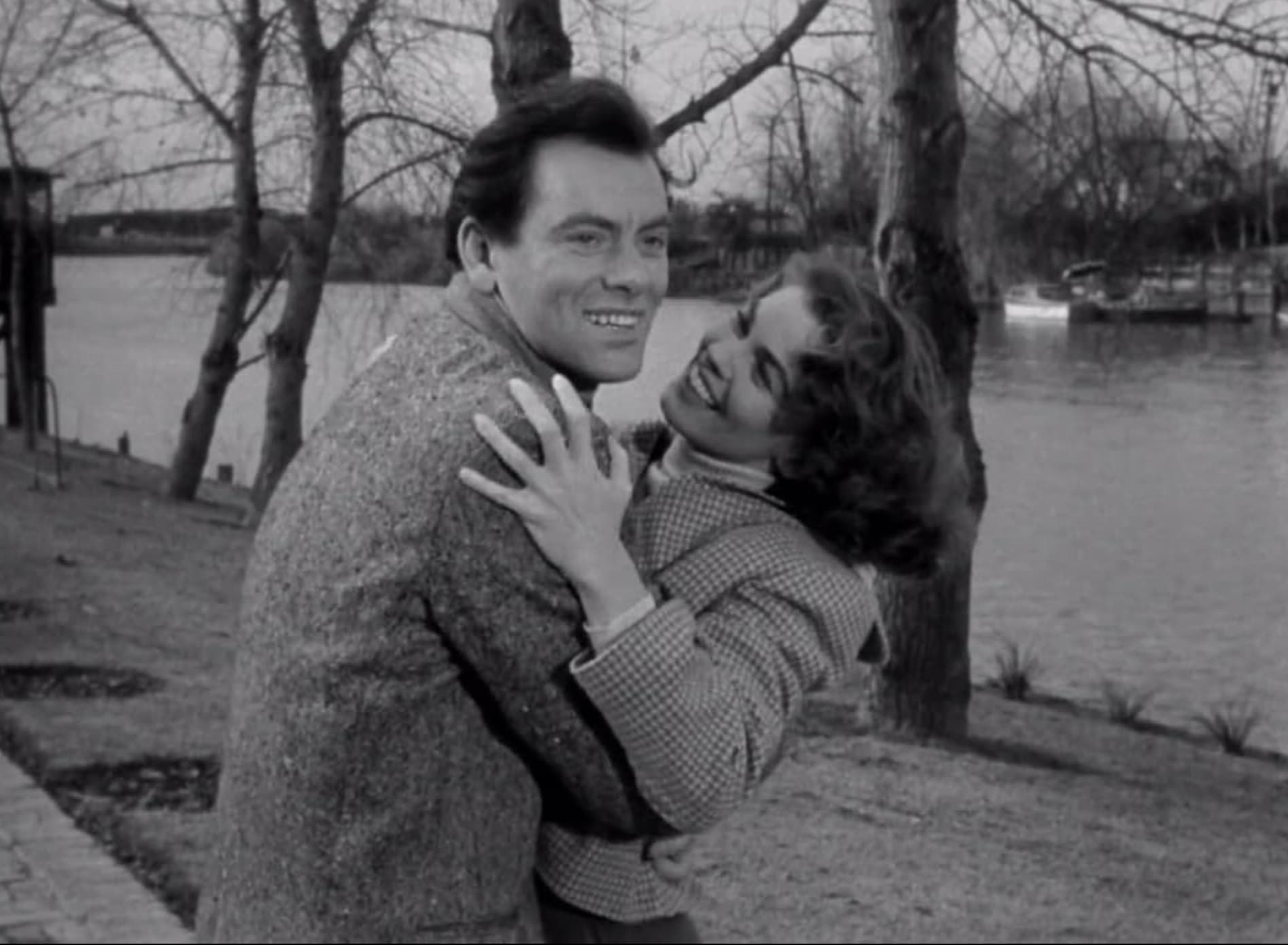
"All The King's Men" (1949)
- Director: Robert Rossen
- Starring: Broderick Crawford, John Ireland, Mercedes McCambridge
The political drama, "All the King's Men" gave audiences an idealistic but ruthless Southern politician who was modeled after Louisiana Governor Huey Long. Crawford also won Best Actor for his performance, and it still holds up to this day as a noir study of corruption, love, and betrayal, with great dialogue.
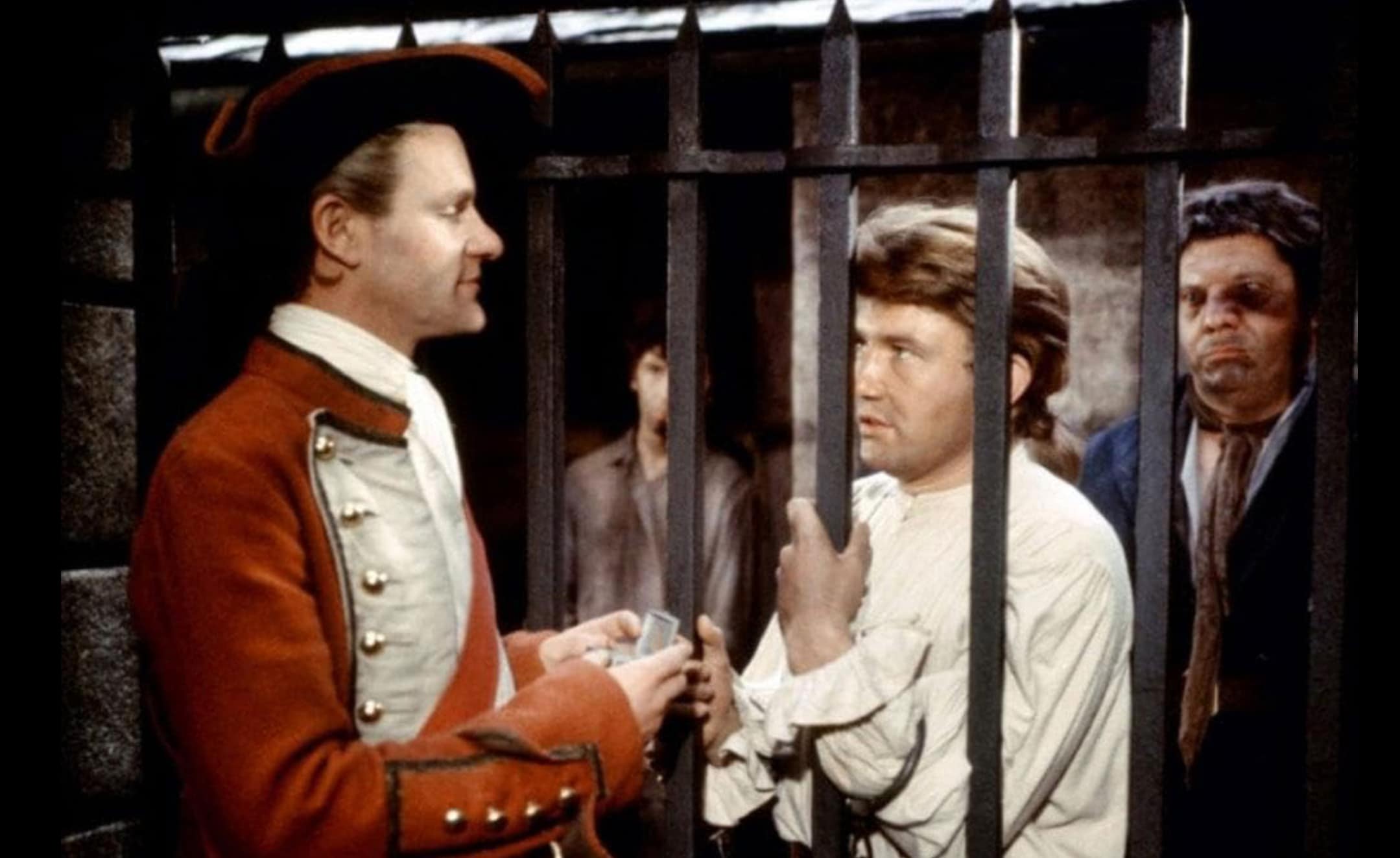
"Tom Jones" (1963)
- Director: Tony Richardson
- Starring: Albert Finney, Susannah York, John Osbourne
Based on Henry Fielding's classic 1749 novel The History of Tom Jones, a Foundling, the British comedy "Tom Jones" is a fun, lighthearted romp that was one of the most successful movies of the year, but it remains more of a classic in England instead of the U.S.
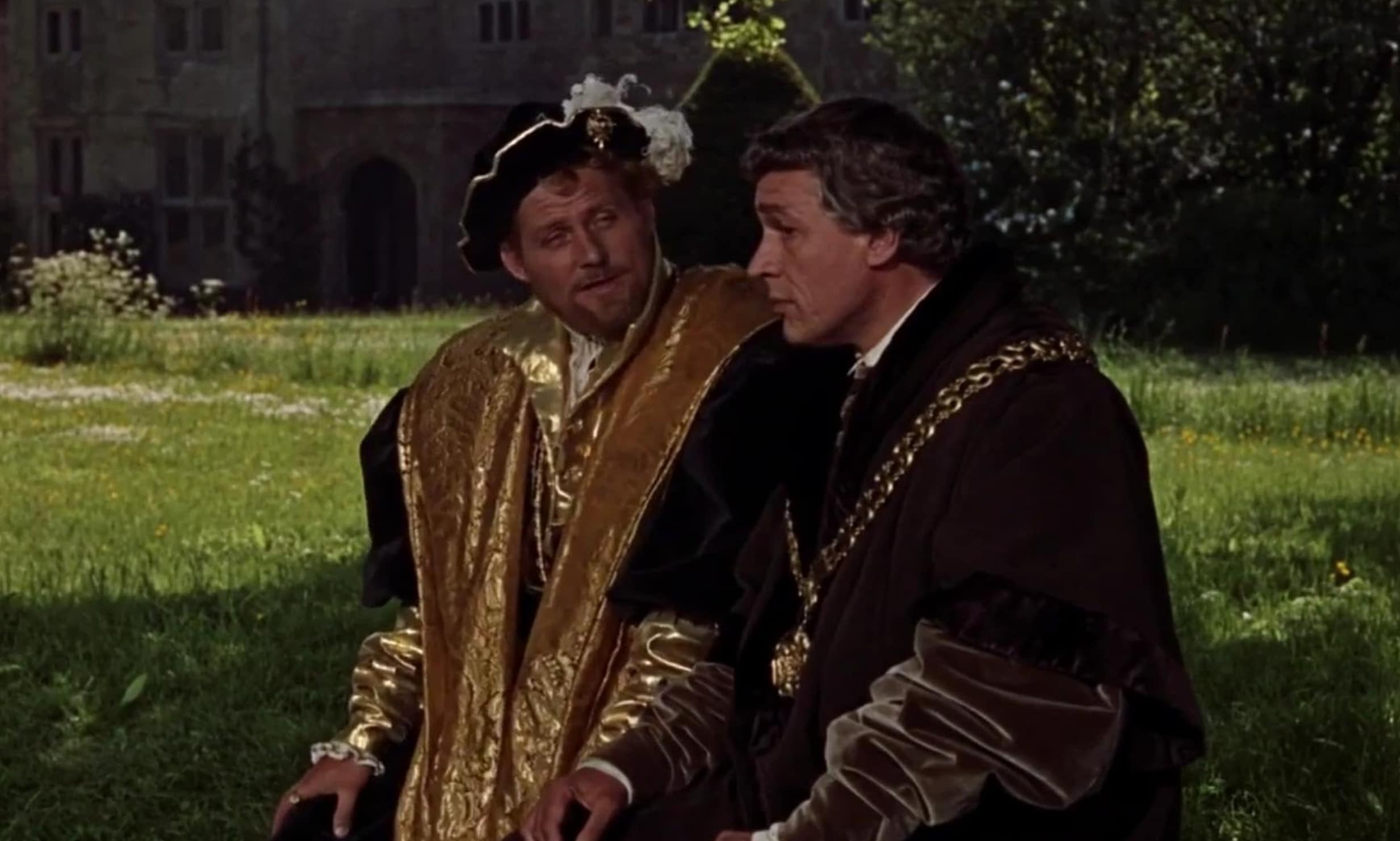
"A Man for All Seasons" (1966)
- Director: Fred Zinneman
- Starring: Paul Scofield, Robert Shaw, Orson Welles
A British historical drama based on the play of the same name, "A Man For All Seasons" is about the final years of Sir Thomas More, the 16th-century Lord Chancellor of England, during the reign of King Henry VIII. It also won Oscars for Director, Actor, Adapted Screenplay, Cinematography, and Costume Design. It still holds up, especially Scofield's powerful performance.
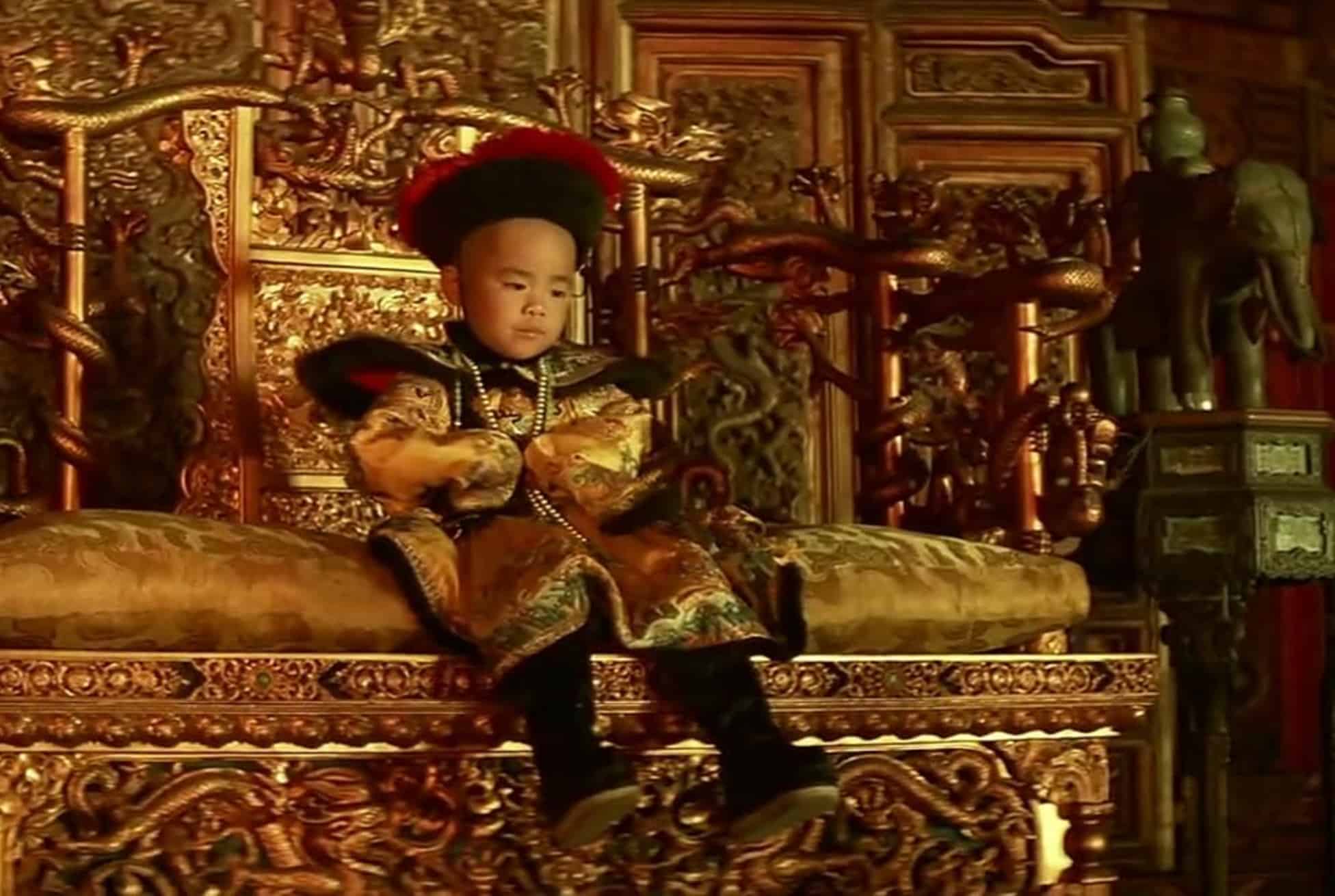
"The Last Emperor" (1987)
- Director: Bernardo Bertolucci
- Starring: John Lone, Joan Chen, Richard Vuu, Peter O'Toole
An epic biographical drama about the final emperor of China, Puyi, "The Last Emperor" was adapted from Puyi's 1964 autobiography and was the first Western film to be authorized by China to be filmed in Beijing's Forbidden City. It received universal critical praise and won nine Academy Awards, but two other fellow Best Picture nominees – "Fatal Attraction" and "Moonstruck" – are perhaps better remembered by audiences.
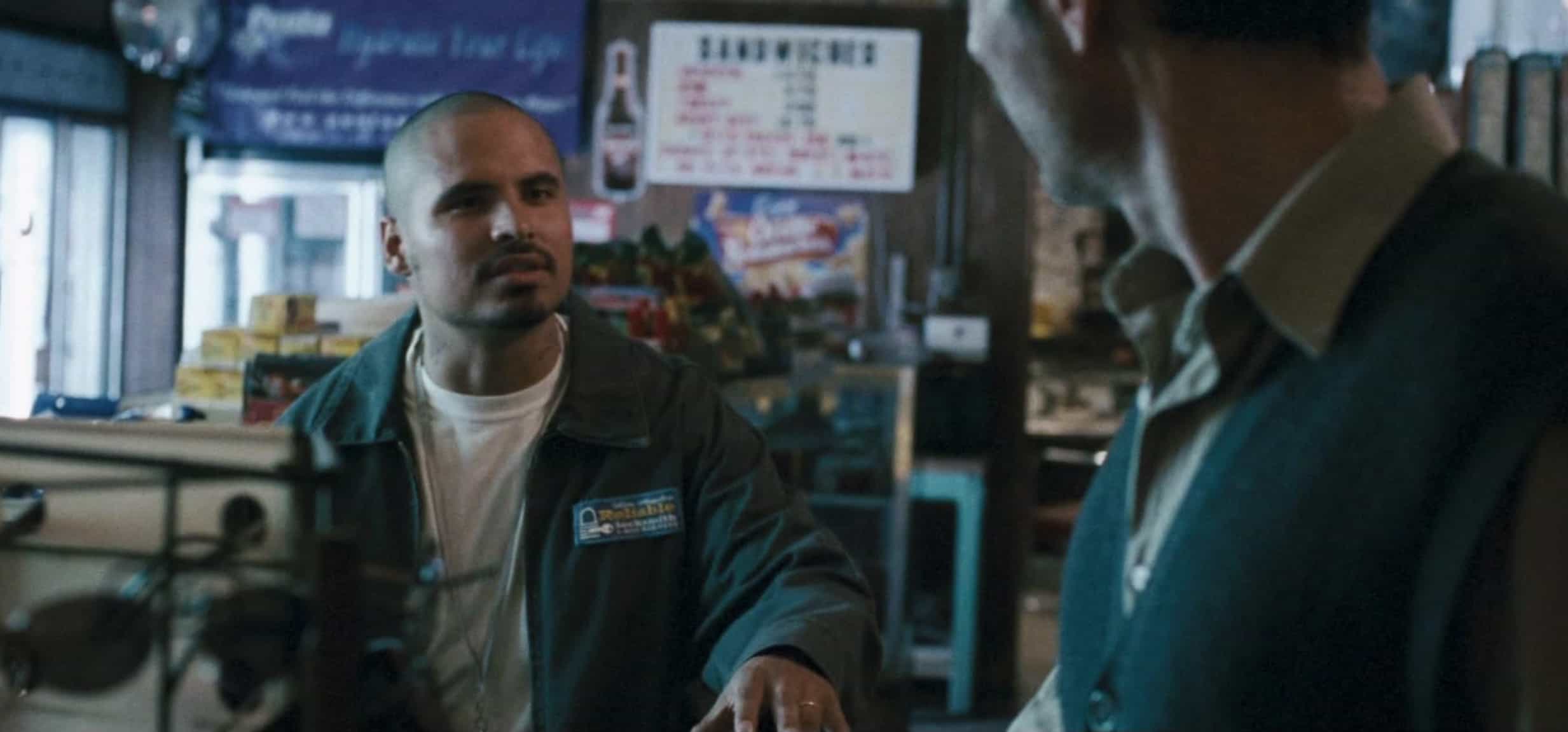
"Crash" (2004)
- Director: Paul Haggis
- Starring: Jennifer Esposito, Matt Dillon, Michael Peña, Sandra Bullock, Don Cheadle
In a year that also saw "Brokeback Mountain", "Capote", "Munich", and "Good Night and Good Luck" nominated for Best Picture, the win for the independent "Crash" still has folks scratching their heads nearly two decades later. A crime drama about racial and social tensions in Los Angeles with a large ensemble cast, the film received positive reviews but was criticized for its lack of subtlety in its portrayal of race relations.
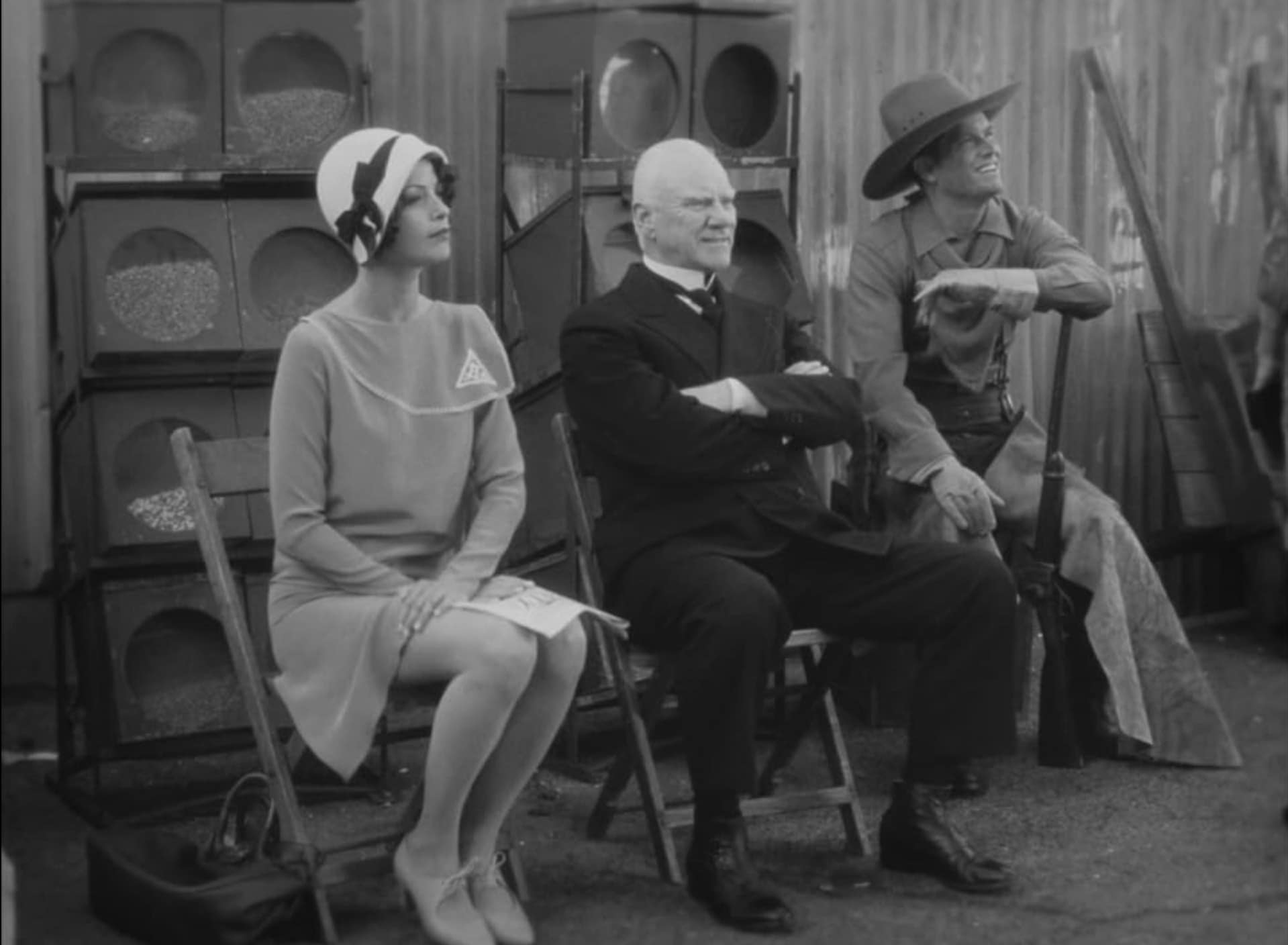
"The Artist" (2011)
- Director: Michel Hazanavicius
- Starring: Jean Dujardin, Bérénice Bejo, James Cromwell, Missi Pyle
This silent, black-and-white French comedy-drama centers on an older silent film star and a young actress in 1920s-era Hollywood, during the decline of silent cinema. The first French film to win Best Picture and the first silent film to do so since "Wings," it was well-reviewed and well-respected, but isn't exactly well-remembered. Dujardin also took home the trophy for Best Actor.
"Birdman or (The Unexpected Virtue of Ignorance)" (2014)
- Director: Alejandro G. Iñárritu
- Starring: Michael Keaton, Alejandro González Iñárritu, Edward Norton, Emma Stone
This film gives us a washed-up Hollywood actor who's attempting to stage a comeback by writing, starring in, and directing a Broadway Play. "Birdman" was critically praised for its unique storytelling format (made to look like it was filmed in one continuous take), its enigmatic ending, and Keaton's performance. Nowadays, however, it's mostly remembered for sparking Keaton's ongoing comeback.
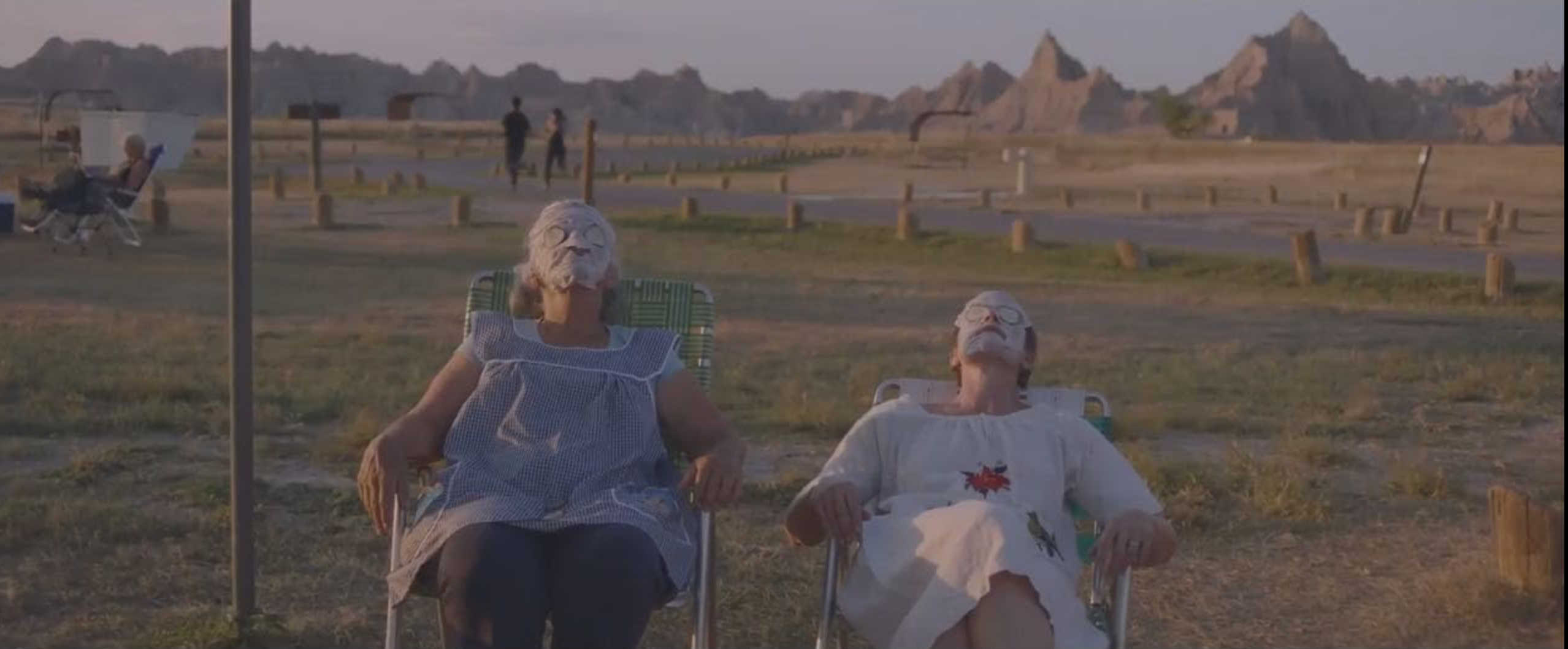
"Nomadland" (2020)
- Director: Chloé Zhao
- Starring: Frances McDormand, Gay DeForest, David Strathairn
Written, produced, edited, and directed by Chloé Zhao, "Nomadland" takes us on a journey with a widow who decides to travel around the country in a van. Even though it won Best Picture, Best Director, and Best Actress, and was hailed by critics as a great film, it never really was considered a "must-see" by audiences.
It was alleged that the film was only elevated because so many other movies were delayed or canceled due to Covid-19, and has largely fallen off the radar since its win.
"CODA" (2021)
- Director: Sian Heder
- Starring: Emilia Jones, Troy Kotsur, Marlee Matlin
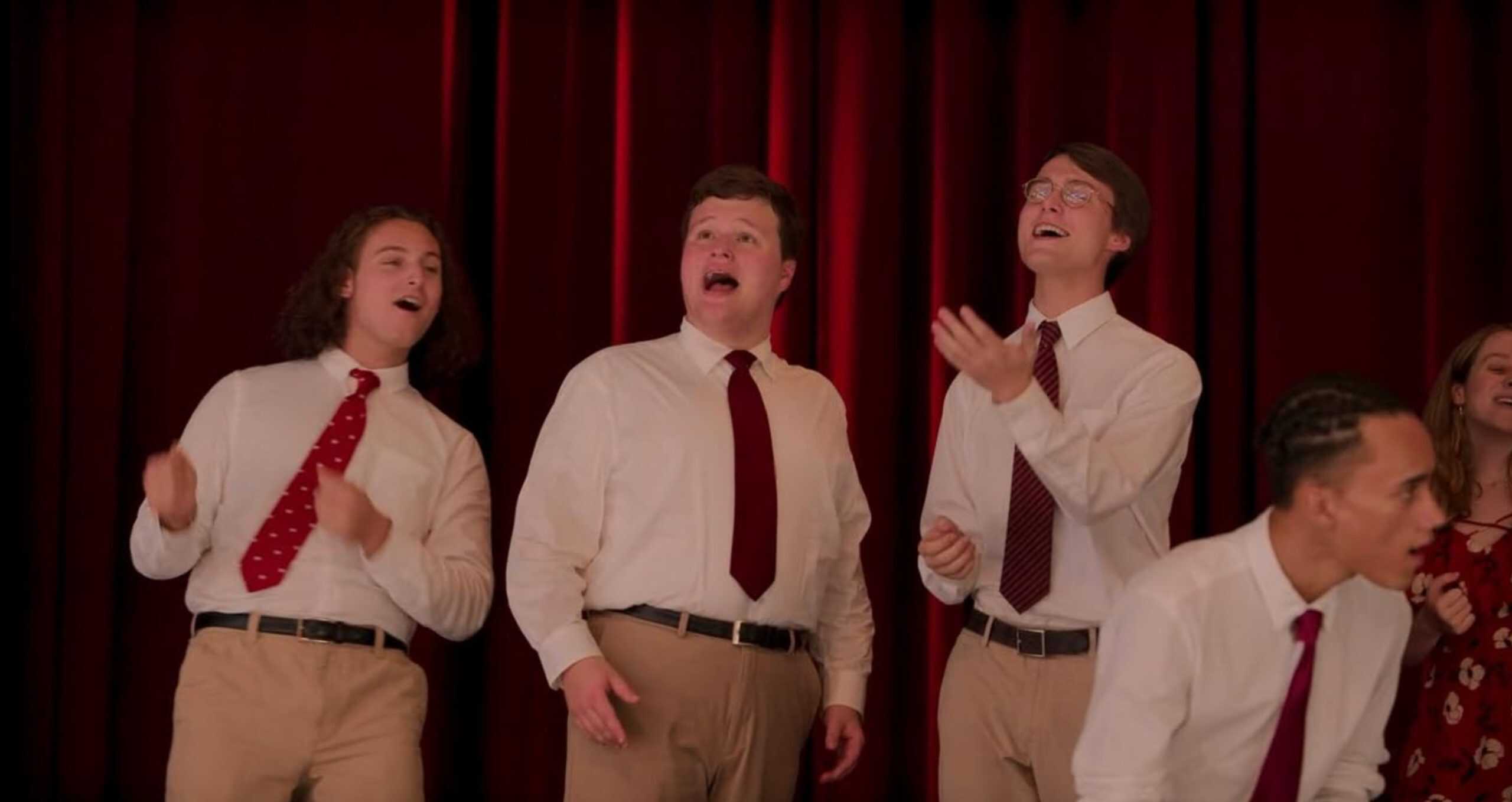
This is another film that won during the Covid-19 period. It is a coming-of-age comedy-drama of a child of deaf adults (CODA) and the only hearing member of her family who's attempting to help her family's struggling fishing business while trying to make it as a singer.
Critics gave it positive reviews and the film also picked up Best Supporting Actor honors, but with a box office take of only $2.2 million, it was seen by too few people to make any real cultural impression. With a budget of $10 million, it's one of just a handful of Best Picture Oscar nominees that lost money.