
demaerre / Getty Images
Courtesy of Metro-Goldwyn-Mayer (MGM)

Courtesy of Fox Searchlight Pictures
Courtesy of A24
Dimitrios Kambouris / Getty Images

Courtesy of Warner Bros.

Courtesy of Focus Features

Courtesy of A24
Vittorio Zunino Celotto / Getty Images Entertainment via Getty Images
Gage Skidmore / BY-SA 2.0
Courtesy of FilmDistrict
Suzanne Tucker / Shutterstock.com
Courtesy of Warner Bros.

csztova / BY 2.0
Gage Skidmore / BY-SA 2.0
emanrahman / PDM 1.0













15 Movies Critics Praised but Audiences Found Boring
When reading a movie review, you may sometimes find expressions like "meditative" or "deliberately paced." Don’t be fooled! These are just euphemisms for slow. And slow is just a euphemism for boring.
The following fifteen movies have received positive reviews from critics, and several turn up on “must-watch” lists fairly often, but their deliberate pacing has tested plenty of viewers. That's not a knock on filmmakers or the people who love these movies. It's just an honest acknowledgment that what critics call restraint, some viewers call nothing happening. These are films where critical admiration and audience patience have not always lined up.
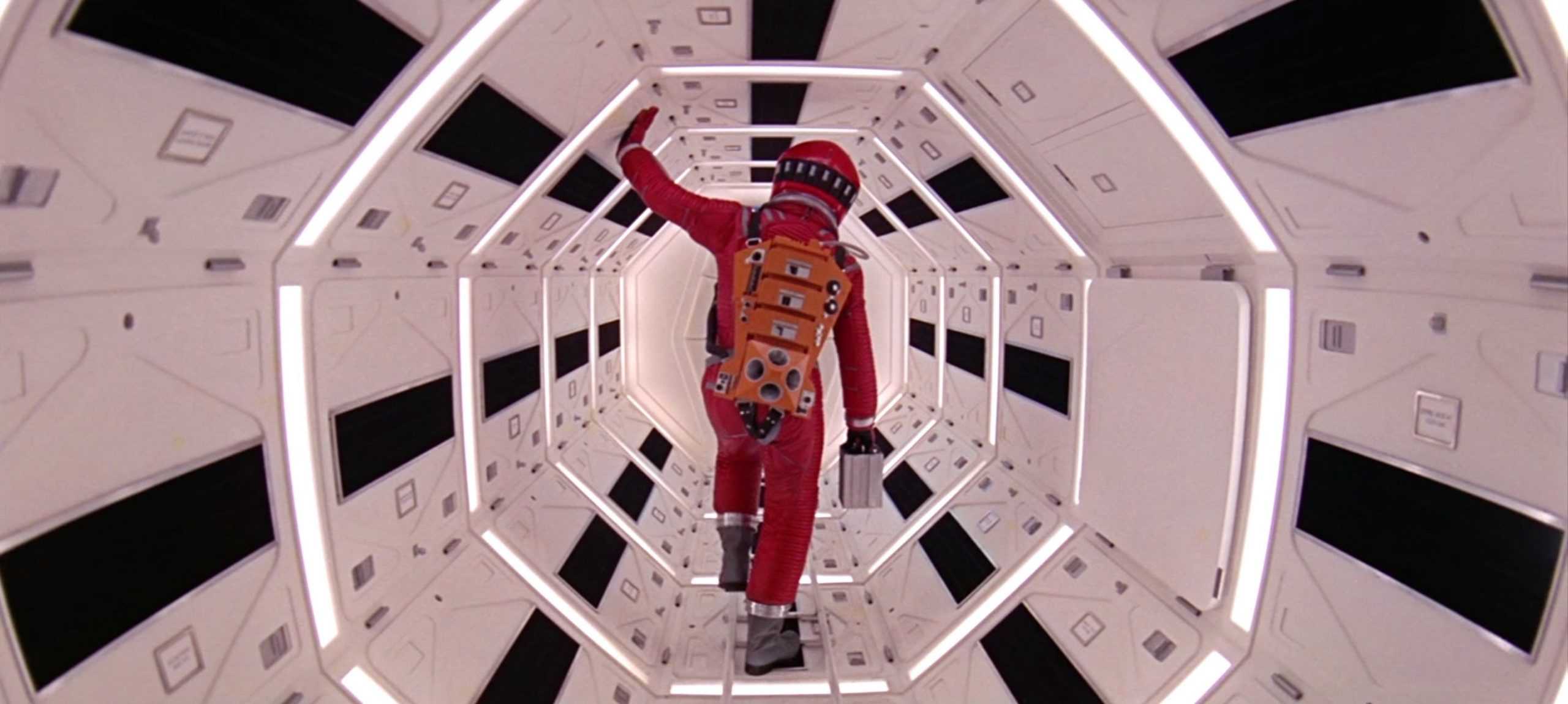
2001: A Space Odyssey (1968)
Stanley Kubrick's science-fiction landmark regularly appears on lists of the greatest films ever made, but the response in 1968 was much more divided. Audience complaints about the slow pace and walkouts at the early premieres prompted Kubrick to trim the film before its general release. At the Los Angeles premiere, Rock Hudson also left early, reportedly asking what the movie was about.
Even after Kubrick's cuts, the film ran 141 minutes, with long dialogue-free passages and extended visual sequences. Today, 2001: A Space Odyssey is firmly established as a classic, but its meditative pace, sparse dialogue, and the famously calm voice of HAL 9000 still are not for everyone.
The Tree of Life (2011)
Terrence Malick's Palme d'Or-winning The Tree of Life follows a Texas family in the 1950s while also reaching back to the origins of the universe and the evolution of life, dinosaurs included. Brad Pitt, Jessica Chastain, and Sean Penn anchor the human story, but it is frequently interrupted by abstract imagery and whispered voiceover narration.
The film's Cannes press screening drew both applause and boos, an early sign of how divisive Malick's approach could be. Rotten Tomatoes currently gives it an 86% Tomatometer score and a 60% audience score. Critics have largely embraced its ambition, while a sizable share of viewers remain much less enthusiastic about the experience.
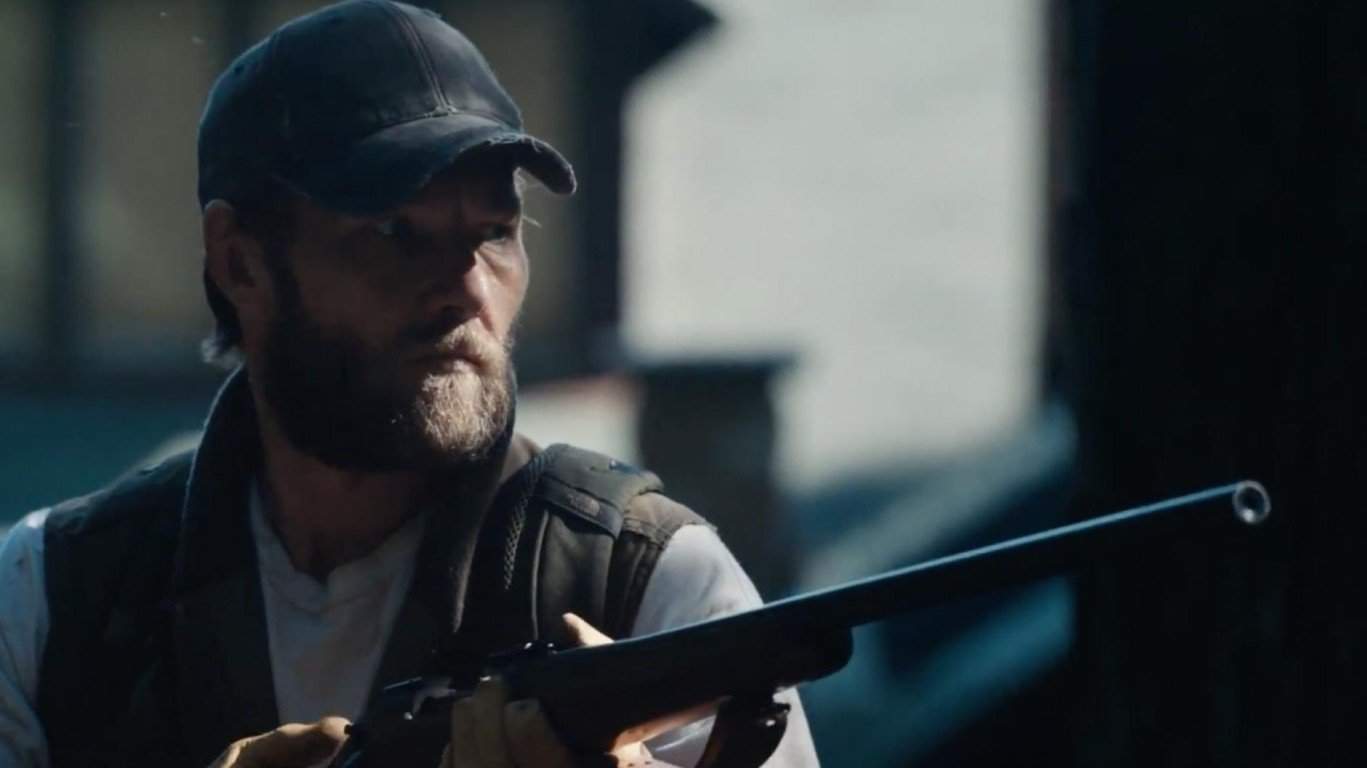
It Comes at Night (2017)
A24 describes It Comes at Night as a psychological horror thriller set after an unnamed catastrophe, with two families trapped together as fear, grief, and paranoia take over. The title and marketing emphasized the danger outside the family's isolated home, which led some viewers to expect a more conventional creature-driven horror movie. The film instead keeps the threat largely unseen and focuses on mistrust inside the house.
That divide is easy to see on Rotten Tomatoes. The film currently has an 88% Tomatometer score and a 44% audience score. Critics responded strongly to its atmosphere and restraint, while many audience reviews complain about the slow pace, ambiguity, and the fact that the title seems to promise something more concrete than the movie delivers.
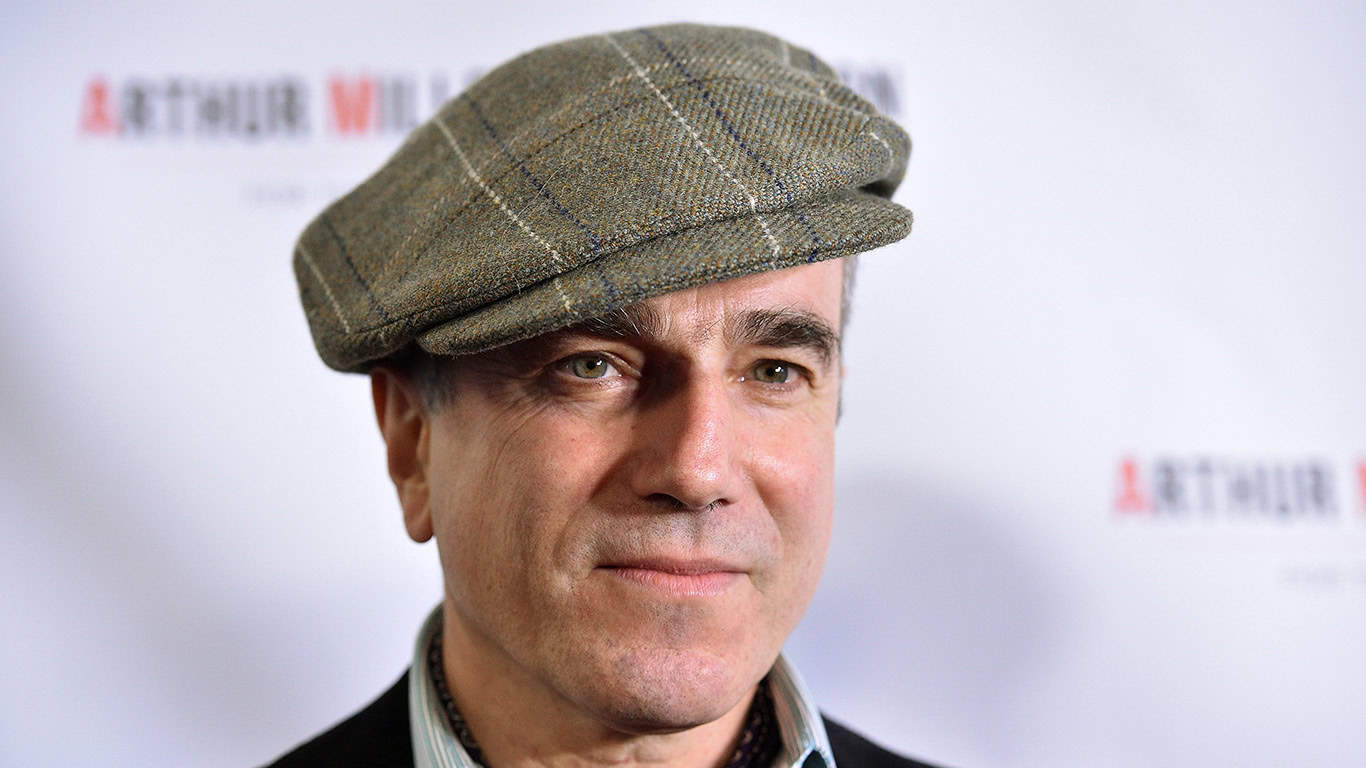
There Will Be Blood (2007)
Paul Thomas Anderson's drama runs 158 minutes, not quite three hours, and follows Daniel Plainview, a silver miner who becomes a ruthless oil tycoon in turn-of-the-century California. Daniel Day-Lewis won the Academy Award for Best Actor for the role, and the film's final confrontation has become one of its most famous sequences. Getting there takes patience. The movie deliberately spends long stretches on Plainview's work, isolation, business maneuvering, and growing hostility rather than racing from one plot point to the next. For viewers who love slow-burn prestige drama, that is part of the appeal. For everyone else, 158 minutes can feel considerably longer.
Blade Runner 2049 (2017)
Denis Villeneuve's follow-up to the 1982 original is a film of considerable technical prowess that was widely praised by critics. Roger Deakins won the Academy Award for Best Cinematography, and the movie's vast, carefully constructed world is one of its biggest strengths.
The issue for some viewers is the runtime and the pace. Blade Runner 2049 runs 2 hours and 43 minutes and rarely hurries, often lingering on landscapes, silence, and atmosphere. Its current Rotten Tomatoes scores are actually strong with both groups, 88% from critics and 88% from audiences, so this is less a critic-versus-audience split than a highly acclaimed movie with a pace that can still put impatient viewers to the test.
Lost in Translation (2003)
Sofia Coppola's quiet look at two Americans who meet in Tokyo was critically acclaimed and currently holds a 95% Tomatometer score and an 85% audience score on Rotten Tomatoes. Coppola also won the Academy Award for Best Original Screenplay, while Bill Murray and Scarlett Johansson carry a film built more around mood, loneliness, and small conversations than a busy plot. Even the final exchange, with Murray whispering into Johansson's ear, is intentionally withheld from the audience. For some viewers, that ambiguity is the point. For others, it is one more thing the movie refuses to deliver.
Under the Skin (2014)
In Jonathan Glazer's Under the Skin, Scarlett Johansson plays an extraterrestrial who drives around Scotland and lures men into her van. The dialogue is sparse rather than nonexistent, and much of the film relies on unsettling imagery, sound, and long stretches of observation instead of conventional science-fiction exposition. Critics were far more enthusiastic than general audiences. Rotten Tomatoes currently gives the film an 83% Tomatometer score and a 55% audience score. Its minimal storytelling and refusal to explain much of what is happening are exactly what admirers find hypnotic and what less patient viewers can find maddening.
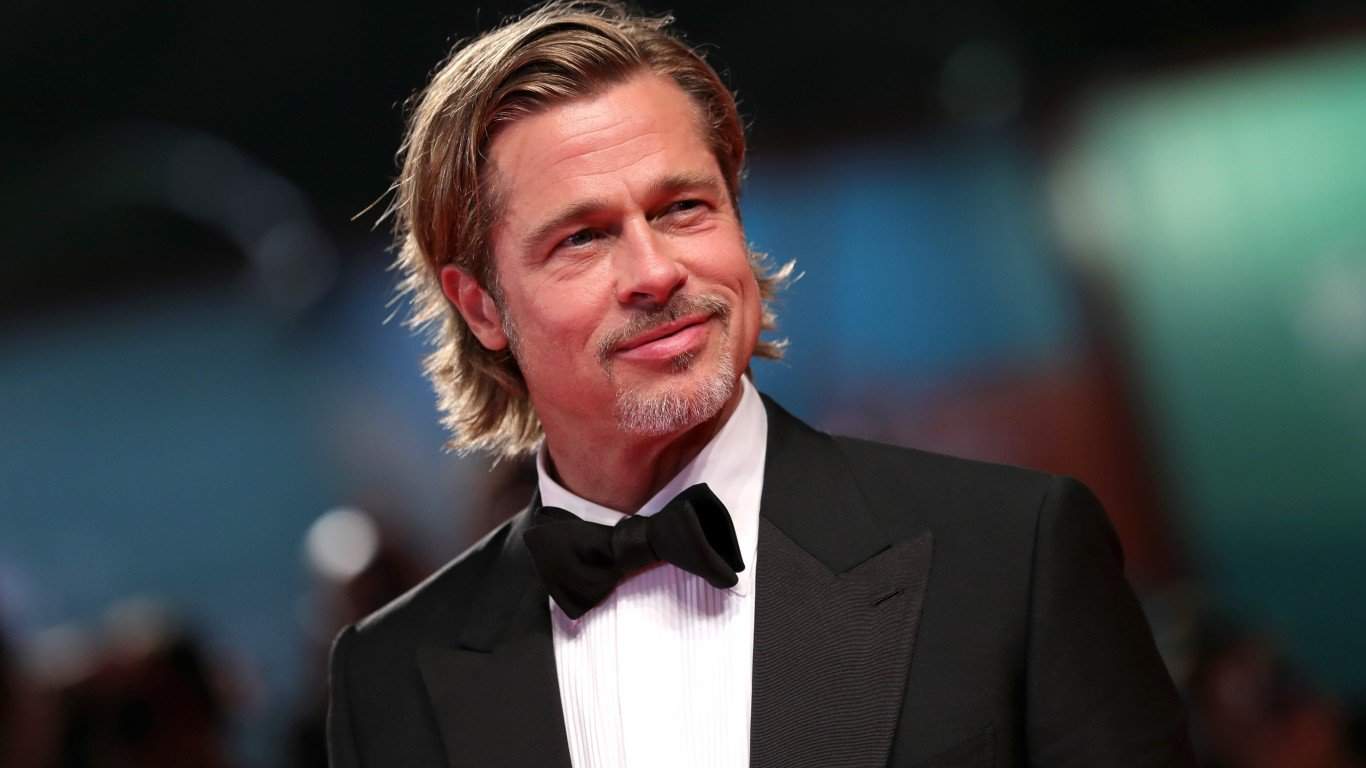
Ad Astra (2019)
Brad Pitt plays astronaut Roy McBride, who travels across the solar system searching for the truth about his missing father in a science-fiction drama built more around isolation than spectacle. Critics gave Ad Astra an 83% Tomatometer score on Rotten Tomatoes, while its audience score sits at 40%. That's a substantial divide.
The movie features extended silence, measured pacing, and Pitt's interior narration. Director James Gray later said he did not have final cut and clarified that his preferred version contained less voiceover and used it differently from the released film.
Admirers see a melancholy story about fathers, sons, and human isolation. Detractors mostly see a very long trip to Neptune. Either way, the movie is far more interested in Roy's internal state than in delivering a nonstop space adventure.
Emilia Pérez (2024)
This French-produced, Spanish-language musical crime drama from director Jacques Audiard follows a Mexican cartel leader who enlists a lawyer to help leave the criminal world behind and live openly as a woman. The film won the Jury Prize at Cannes, where Adriana Paz, Zoe Saldaña, Karla Sofía Gascón, and Selena Gomez shared the Best Actress award, and it later won two Academy Awards.
Rotten Tomatoes currently lists a 70% Tomatometer score and a 73% verified Popcornmeter on the film's main page, while some of the site's browse pages display a 17% all-audience score. Those are different audience pools and should not be treated as interchangeable. What is clear is that the film's 2-hour-and-12-minute collision of crime drama, musical numbers, and identity story is anything but conventional.
Drive (2011)
Ryan Gosling plays a Hollywood stunt driver who moonlights as a getaway driver in Nicolas Winding Refn's stylish crime thriller. Dialogue is intentionally sparse, and the movie alternates long quiet stretches with sudden bursts of graphic violence. Rotten Tomatoes currently gives Drive a 93% Tomatometer score and a 79% audience score.
The marketing caused enough confusion that a Michigan moviegoer sued the distributor and theater, alleging that the trailer concealed the movie's slow, art-house pace and led her to expect something more like a Fast & Furious-style film. The case was dismissed, but the episode says plenty about the expectations surrounding this very unconventional thriller.
A Ghost Story (2017)
After a man dies, he returns to the suburban home he shared with his wife as a white-sheeted ghost and finds himself unstuck in time, forced to watch the world around him change. David Lowery's film is less a conventional ghost story than a meditation on grief, memory, time, and what remains after people move on. Rotten Tomatoes currently gives it a 91% Tomatometer score and a 67% audience score. The movie also contains a long, nearly static sequence in which Rooney Mara sits on the kitchen floor eating pie. For critics, that stillness is part of the film's emotional power. For viewers waiting for the ghost to actually do something, it can feel endless.
Eyes Wide Shut (1999)
Stanley Kubrick's final film stars Tom Cruise and Nicole Kidman, who were married at the time, as a couple pulled into a long night of jealousy, sexual obsession, and a mysterious masked gathering. The movie runs 2 hours and 39 minutes and was marketed heavily around its erotic intrigue, but the finished film is colder, stranger, and much more deliberately paced than a conventional erotic thriller. Its current Rotten Tomatoes scores are actually fairly close, with 77% from critics and 74% from audiences, so the modern score gap is small. The pacing, however, remains a very different question.
The American (2010)
George Clooney stars as Jack, an assassin who retreats to the Italian countryside after an assignment in Sweden goes badly. While hiding in a small town, he accepts one last weapons-related job, forms an unlikely friendship with a priest, and begins a relationship with a local woman. That description makes the film sound considerably busier than it often feels.
Rotten Tomatoes currently gives The American a 64% Tomatometer score and a 39% audience score. The movie's restrained style won admirers, but viewers expecting a conventional George Clooney assassin thriller got something quieter, slower, and far more interested in waiting than shooting.
The New World (2005)
Terrence Malick's take on the John Smith and Pocahontas story exists in several substantially different cuts. Criterion's director-approved edition includes a 135-minute theatrical cut, a 150-minute first cut, and a 172-minute extended cut that Malick has described as closest to what he wanted to achieve. The critical reception was positive but hardly overwhelming: Rotten Tomatoes currently gives The New World a 63% Tomatometer score and a 58% audience score. Its long stretches of natural imagery, whispered narration, and visual poetry are exactly what some viewers love. Others may find themselves wondering how much more grass and water Malick plans to show them.
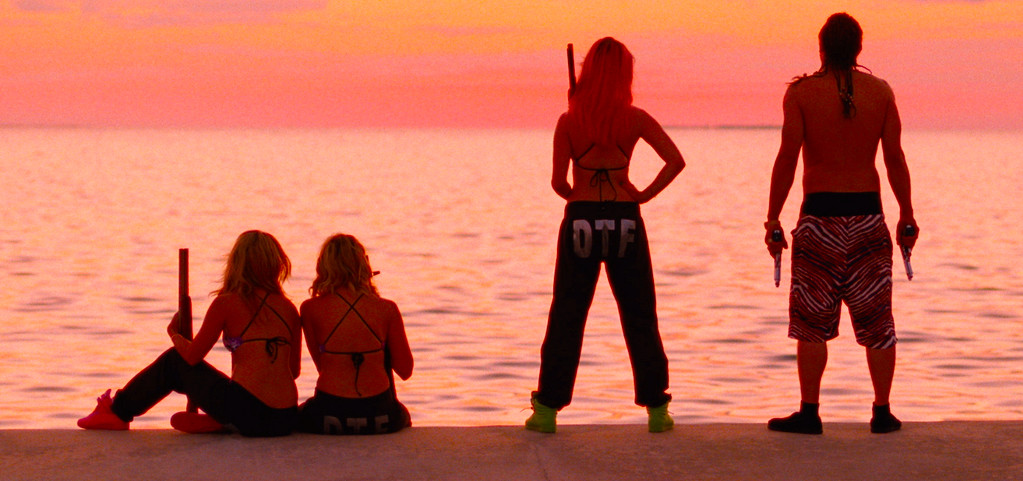
Spring Breakers (2013)
Harmony Korine's Spring Breakers follows four college women who rob a restaurant to fund a Florida spring-break trip, only to get pulled deeper into crime after meeting Alien, James Franco's local rapper, drug dealer, and arms dealer. The movie is designed as a neon-soaked fever dream rather than a straightforward crime story.
Rotten Tomatoes currently shows a 67% Tomatometer score and a 38% audience score, and its critics consensus specifically points to the film's social commentary. The movie is only about 94 minutes long, but its repetition, thin conventional plot, and deliberately dreamlike structure can make it feel much longer if Korine's point does not click with you early.