Courtesy of Lions Gate Films
Courtesy of Paramount Pictures
Courtesy of Newline Cinema
yortw / Flickr
Courtesy of Lionsgate Films

Courtesy of Indican Pictures

Courtesy of Universal Pictures

Courtesy of TriStar Pictures
Courtesy of Paramount Pictures

Courtesy of Universal Pictures
Courtesy of Miramax
Courtesy of Dreamworks Distribution




11 Scandalous R-Rated Movie Scenes Altered By the MPAA
R-rated films have always pushed boundaries, but certain scenes stand out in cinema history. These are the moments audiences never forget and are occasionally visceral enough to overshadow entire films. Some even changed the way the Motion Picture Association of America approached ratings altogether.
The MPAA, founded in 1922, became the primary gatekeeper between filmmakers and audiences in 1968 when it introduced the modern film rating system. Its decisions often determine whether a movie secures the commercially viable R rating or is relegated to the restrictive NC-17 category. Time and again, directors have been forced to trim, re-edit, or fight to keep scenes intact, knowing those few minutes of film could alter a movie's fate at the box office. But what movies were forced to change their shocking scenes to keep the MPAA happy?
To explore the tension between artistry and censorship, 247 Tempo has gathered 11 iconic R-rated scenes that forever shifted the landscape of film ratings. Sources consulted include the MPAA's archival records, Variety, IndieWire, and interviews with filmmakers in Entertainment Weekly and The Hollywood Reporter. Let's check out these infamous moments now.
This post was updated on August 21st, 2025, to reflect additional information.
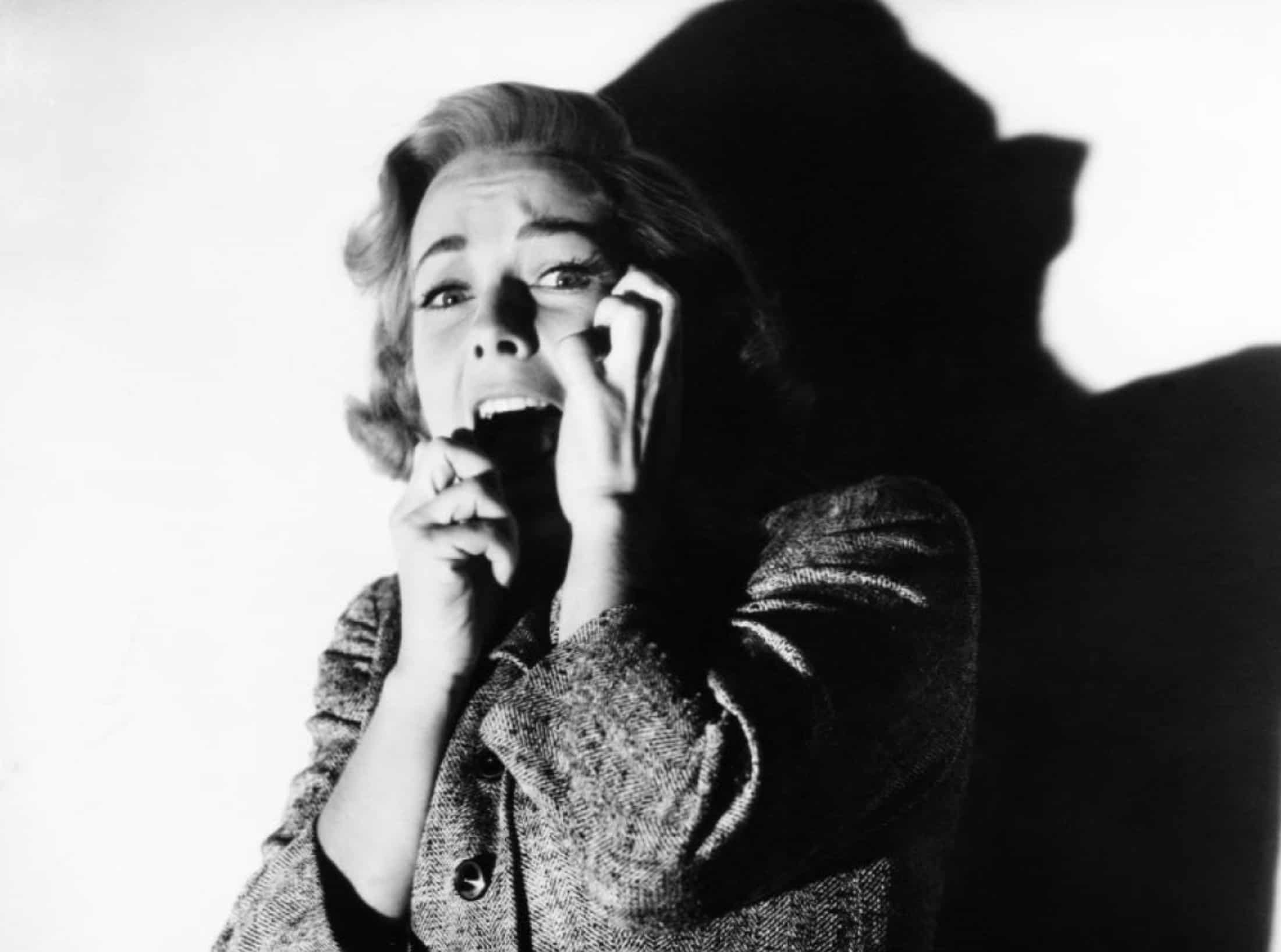
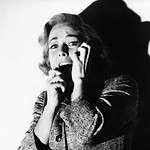
Psycho – Shower Scene
When Alfred Hitchcock's "Psycho" arrived in the summer of 1960, no one had encountered its level of violence and horror in a movie before. The MPAA existed, but the Production Code reigned supreme regarding censorship. Surprisingly, the iconic shower scene was not the main concern for censors; instead, it was the references to sexuality that drew their ire. Ultimately, Hitchcock made some minor edits for certain international markets, primarily addressing concerns about sexuality and nudity rather than the violence of the shower scene.
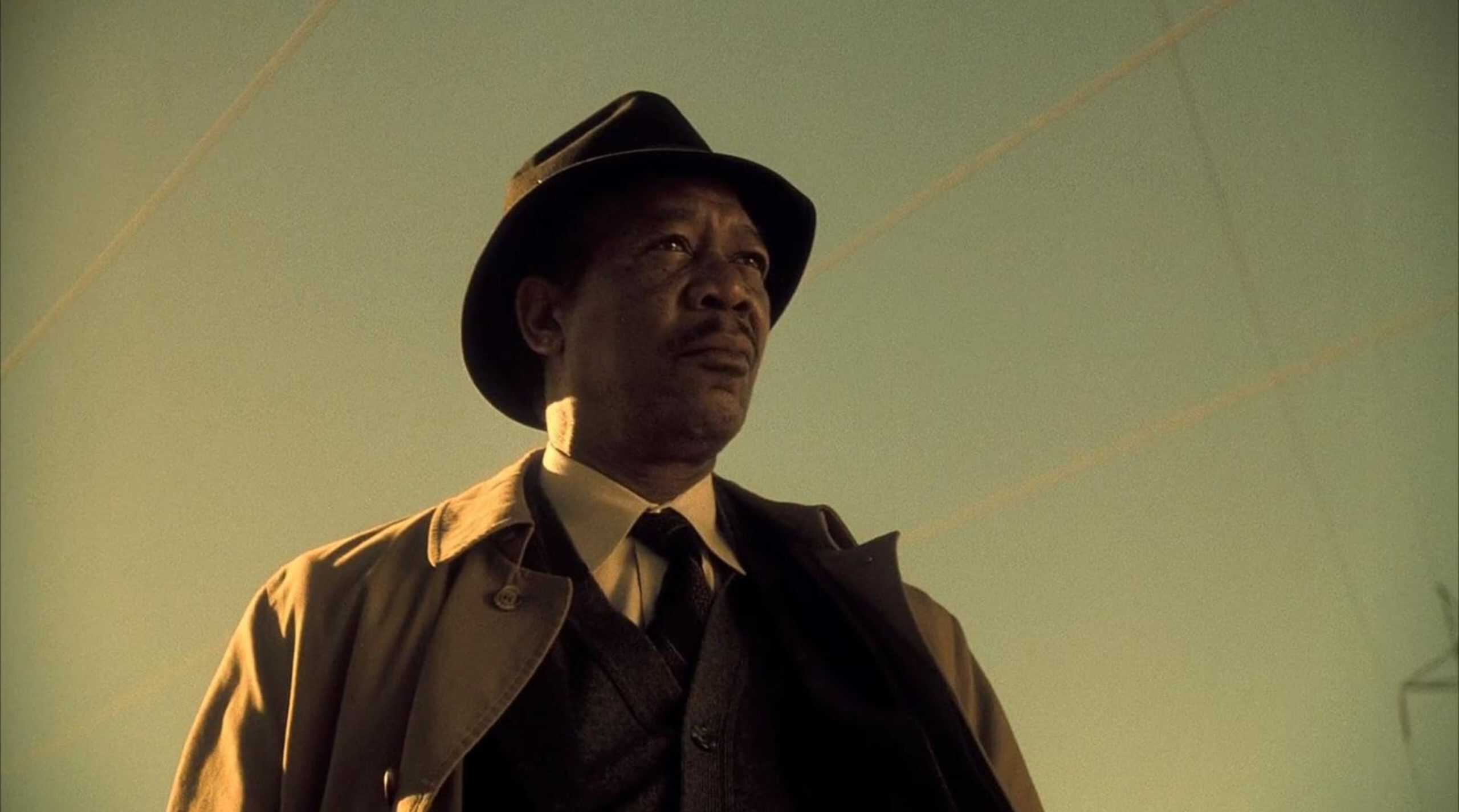
Se7en – "What's in the Box?"
By the time audiences encounter the seventh and final sin in David Fincher's classic "Se7en," they do not know what to expect. They are treated to something so horrible and vile it makes the stomach churn, but not because of visuals. "Se7en" is one of those films that eluded NC-17 ratings. It likely still changed cinema forever because of its artful illusions of abject horror. There is no doubt, however, that if more of the "sins" were shown in detail, the film would have earned a more explicit rating.
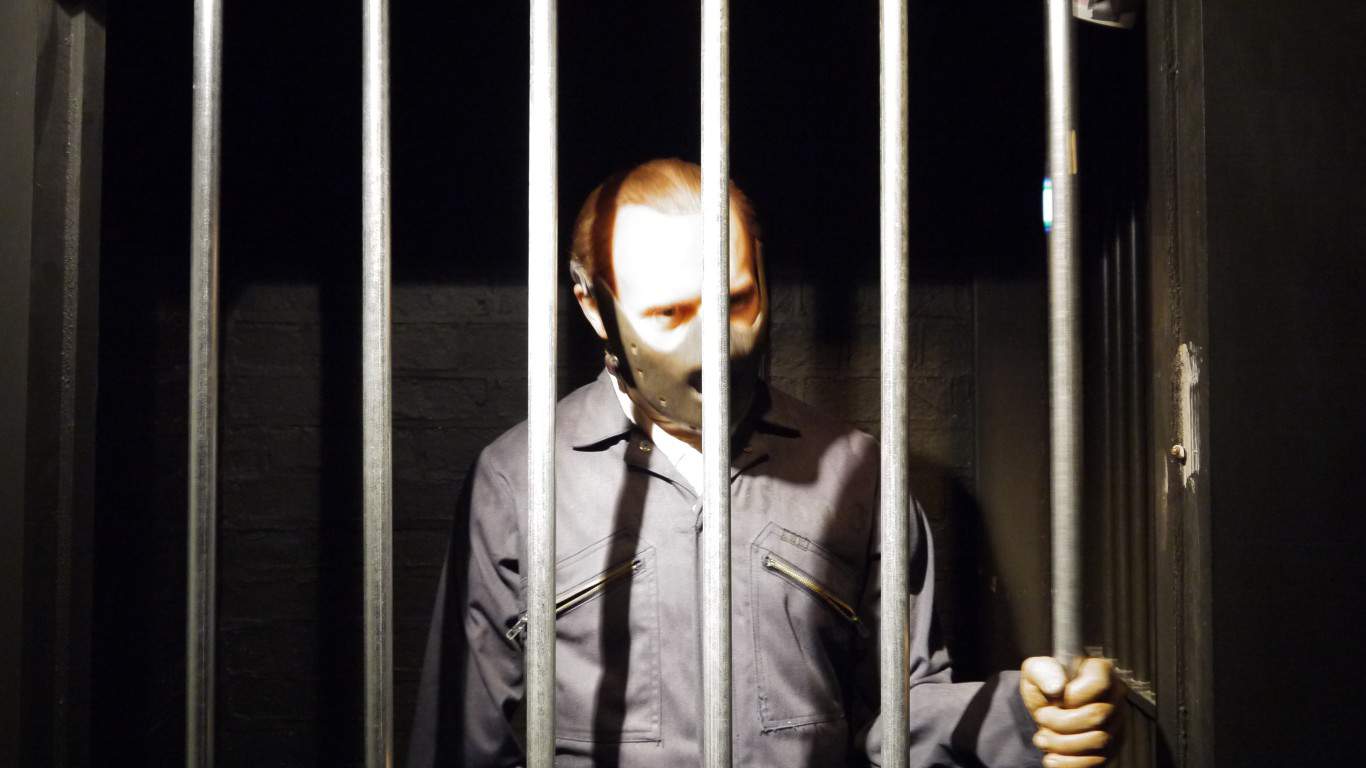
Hannibal – Dog Food
Movies like the aforementioned "Psycho" helped pave the way for increasingly violent and disturbing films to find critical acclaim. The sequel to the much-celebrated film "The Silence of the Lambs," "Hannibal," tested the ratings. It features a scene where a man is fed pieces of his own brain, which is one of the film's most infamous moments. It is unclear how many other violent scenes had to be trimmed from "Hannibal" to avoid an NC-17 rating.
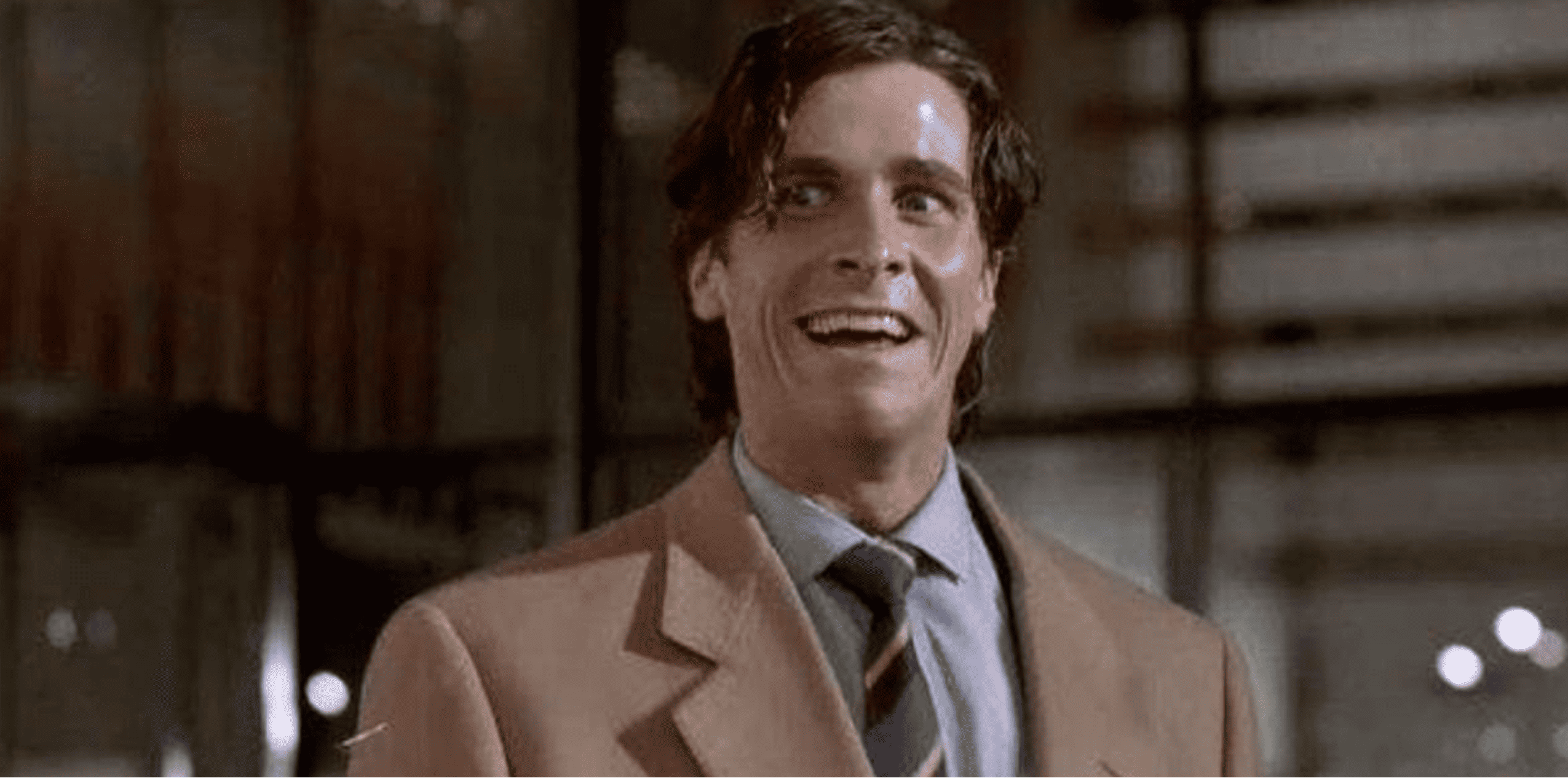
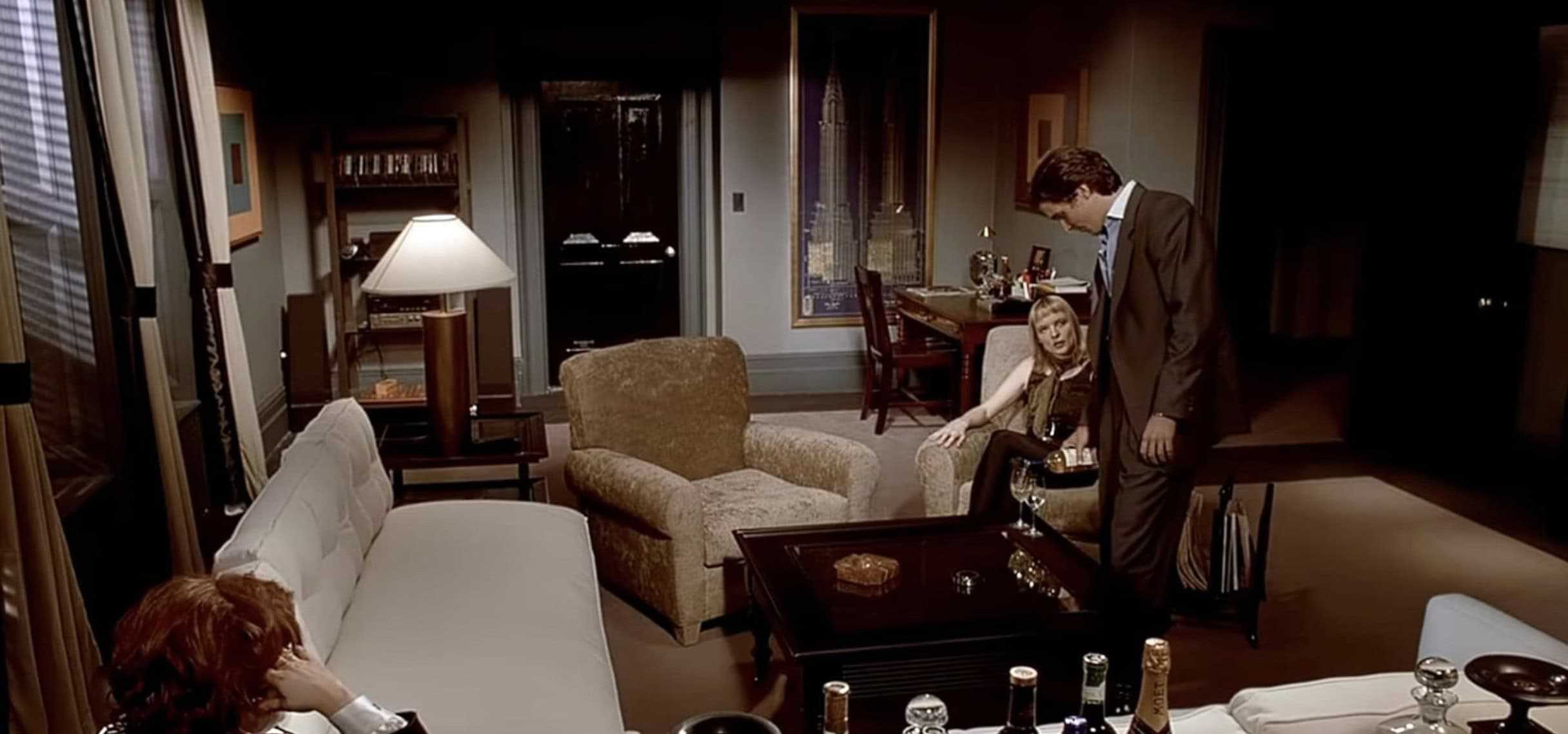
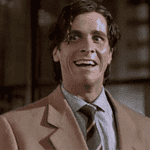
American Psycho – Stairwell
A satirical take on late 1980s capitalistic nihilism, "American Psycho" tested as many limits as possible with investment banker Patrick Bateman's violent descent into madness. Yet, the MPAA didn't seem to mind all the wanton violence. The MPAA initially gave "American Psycho" an NC-17 rating due to a sexually explicit threesome scene, which was edited down to secure an R rating for theatrical release. Even so, the film features several moments of explicitness that remain iconic.
The Boondock Saints – "There Was a Firefight"
This cult classic film about two Irish brothers seeking vengeance with a side of justice was too violent to make it to theaters on its first cut. The film's extreme violence made it difficult to secure an R rating and find distribution, leading to some edits before its release.
Casino – Head in a Vice
Martin Scorsese's epic crime saga "Casino" features an incredible color palette, capturing the blooming kaleidoscope of Vegas tones. It wasn't all casino lights, however, as the film featured one torture scene so violent that Scorsese was forced to trim briefer, lesser moments of gore to keep the "head-in-the-vice" scene in the picture.
Basic Instinct – Leg Cross
No movie tested the line between wide-release R-rated and exclusive NC-17 quite like "Basic Instinct." Everyone remembers the infamous scene where Sharon Stone crosses her legs directly in view of the camera. It was other scenes featuring graphic adult content and violence, however, that director Paul Verhoeven was forced to cut to receive a coveted R rating.
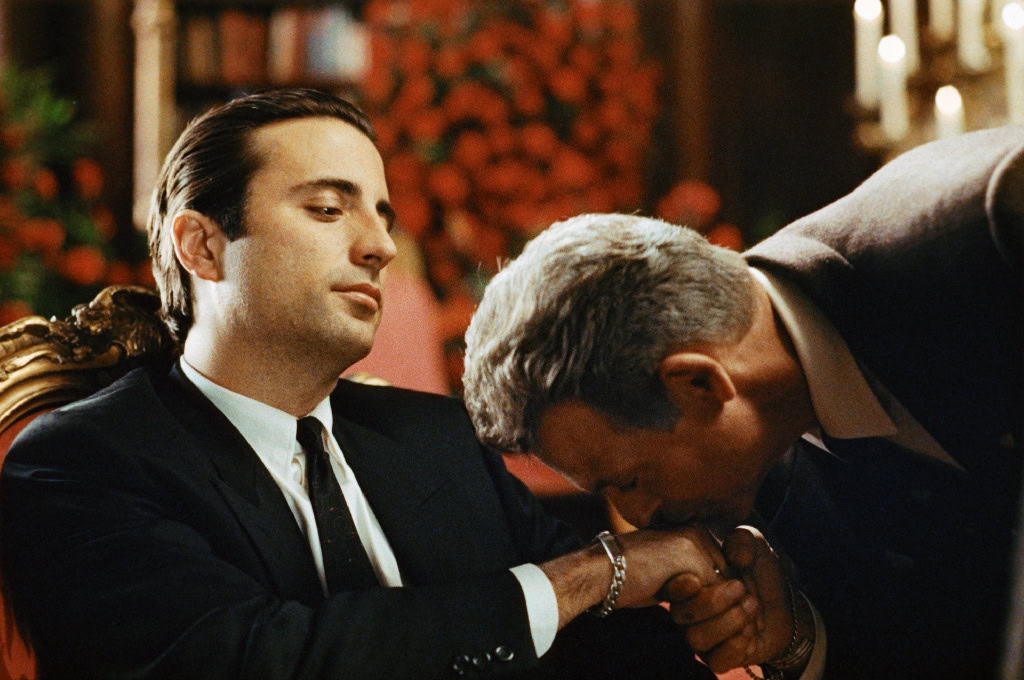
The Godfather: Part III – Various
Francis Ford Coppola may have thought he could ride on the acclaim of the previous iconic Godfather films, but he was mistaken. The MPAA had strict directives for "The Godfather: Part III" to remain R-rated. Namely, trim down the number of violent mob hits, especially one involving a mobster getting his neck snapped.
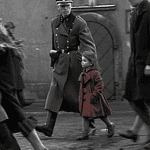
Schindler's List – The Camp Showers
Looking back, it's incredible that "Schindler's List" secured an R rating. The film is a serious achievement. It's a testament to the triumph of good even when everything around it is evil, but "Schindler's List" is not for the faint of heart. Its depictions of cruelty and genocide are unparalleled, particularly the shower scene at the concentration camp. Chances are, if the film were broadcast in full color, there's no way it would be rated lower than NC-17.
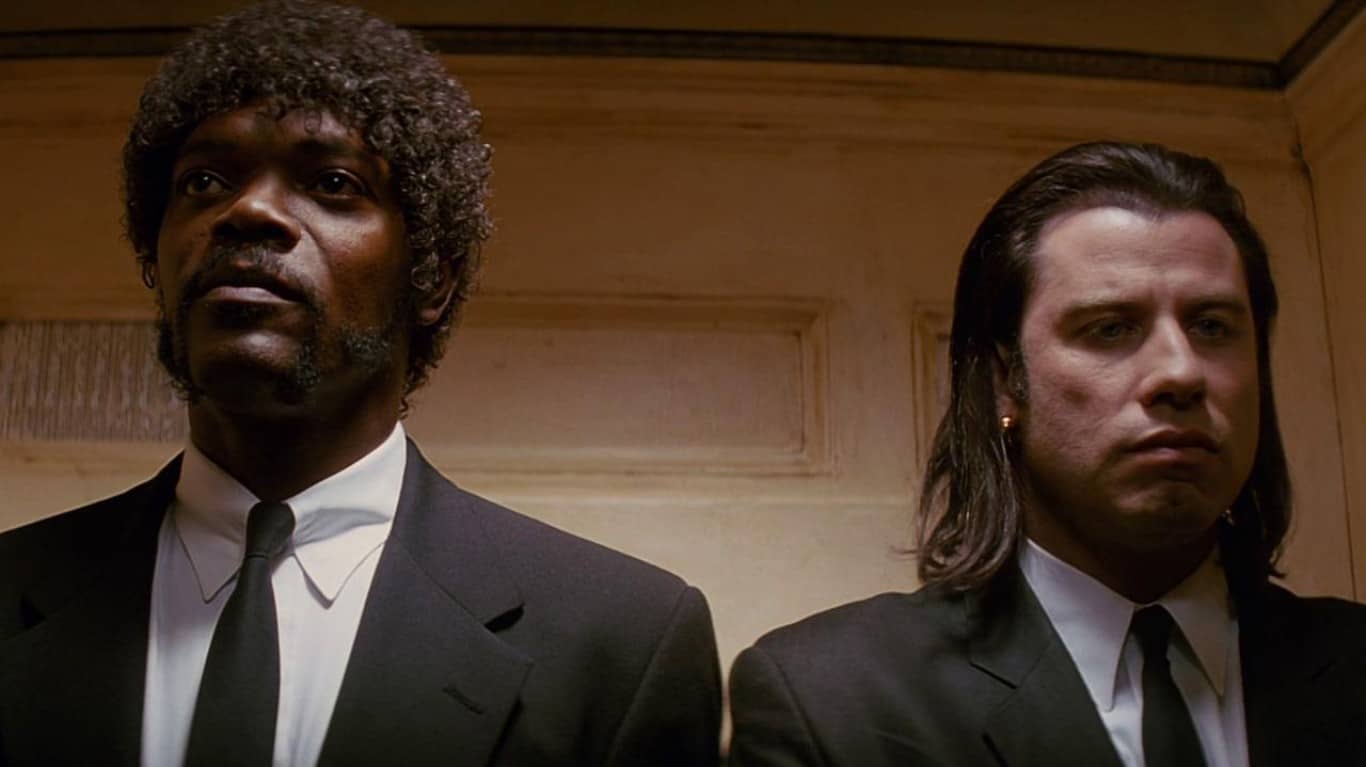
Pulp Fiction – Marvin
While "Pulp Fiction" burst into the mainstream as an ultra-violent send-up of the crime/pulp genre, there was even more violence that had to be cut to receive an R rating. The scene in which John Travolta shoots off a guy's head, in particular, had to be cut to keep the film under NC-17.
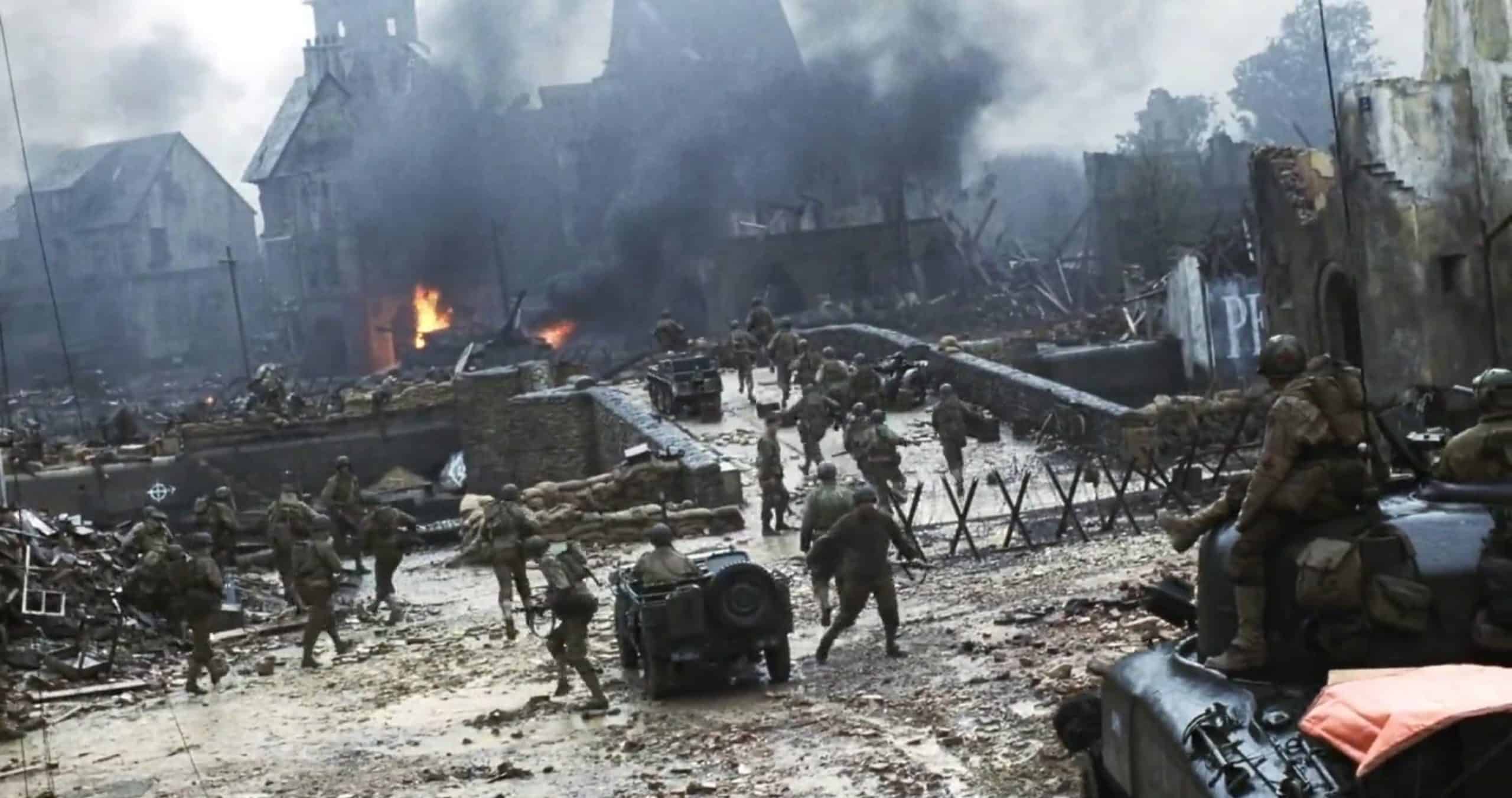
Saving Private Ryan – Normandy Beach
Even though "Saving Private Ryan" was released nearly thirty years ago, people still talk about its overwhelming, emotionally gripping first scene: the storming of France's Normandy Beach during World War II by Allied troops. Based on the real-life assault on the European coastline, this commencement scene prepares the viewer for the worst. There is blood and gore, and such a cacophonous atmosphere that it could easily induce a panic attack. Somehow, director Steven Spielberg avoided an NC-17 rating by going visceral, not exploitative.