
Food safety has become an urgent concern in recent years. While fruits and vegetables remain vital to a balanced diet, not all are created equal when it comes to safety. That’s why the Environmental Working Group (EWG) publishes annual rankings like the “Dirty Dozen” and “Clean Fifteen” to help consumers make more informed decisions.
These rankings are based on USDA and FDA data and are designed to reflect the frequency and variety of pesticide residues found. Alarmingly, even after washing, many of these foods still retain harmful chemicals. But which foods are among the most dangerous and contaminated items you can buy?
Today, 247 Tempo explores the most contaminated foods and offers tips for safer consumption. Here’s how you can shop and consume safely in our modern era.
Strawberries: Sweet but Highly Sprayed

Strawberries top the list of most contaminated produce, with nearly every sample showing pesticide residue. Some samples even contained traces of ten or more different pesticides. Dacthal, a suspected carcinogen, has been one of the most common chemicals found. Consumers are advised to opt for organic strawberries whenever possible.
Spinach: A Leafy Green Loaded with Chemicals

Spinach ranks second due to widespread contamination with neurotoxic insecticides, including some banned in Europe. About 75% of samples had high levels of permethrin, a chemical linked to neurological effects. Though it’s a nutrient-dense green, conventional spinach poses health risks when consumed in large amounts.
Kale: Superfood or Toxic Trend?

Kale, celebrated for its health benefits, returns to the ‘Dirty Dozen’ after a decade. It’s often found contaminated with DCPA, which the EPA classifies as a possible carcinogen. Regularly washing kale can help, but organic options are safer.
Nectarines: Sweet and Suspect

Nectarines, often enjoyed fresh or in desserts, showed significant pesticide contamination in testing. These soft-skinned fruits are more prone to absorbing chemicals used in conventional farming. Washing helps but may not remove all residues.
Apples: Popular but Polluted
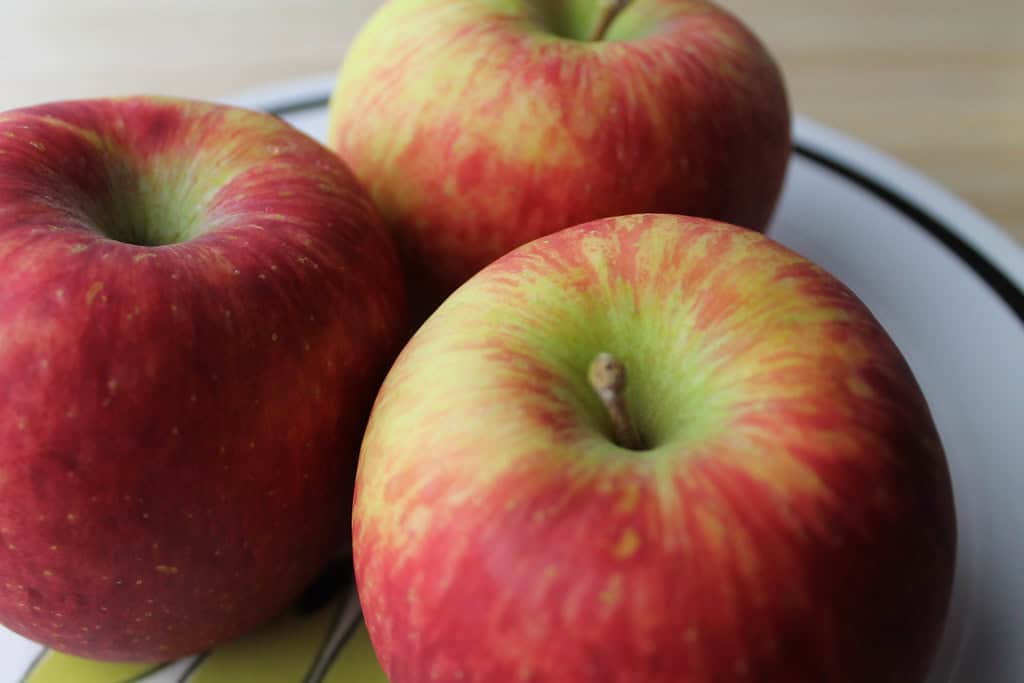
Apples consistently rank high on contamination lists due to surface pesticide residues. Non-organic apples are typically sprayed post-harvest to improve shelf life. Peeling may reduce exposure, but organic varieties are a healthier choice.
Grapes: A Cluster of Chemicals

Grapes, especially imported varieties, have shown high pesticide levels. One sample contained as many as 15 different chemicals. Because they’re eaten whole, any residue remains a direct health risk unless thoroughly washed or replaced with organic options.
Peaches: Fragile and Frequently Sprayed
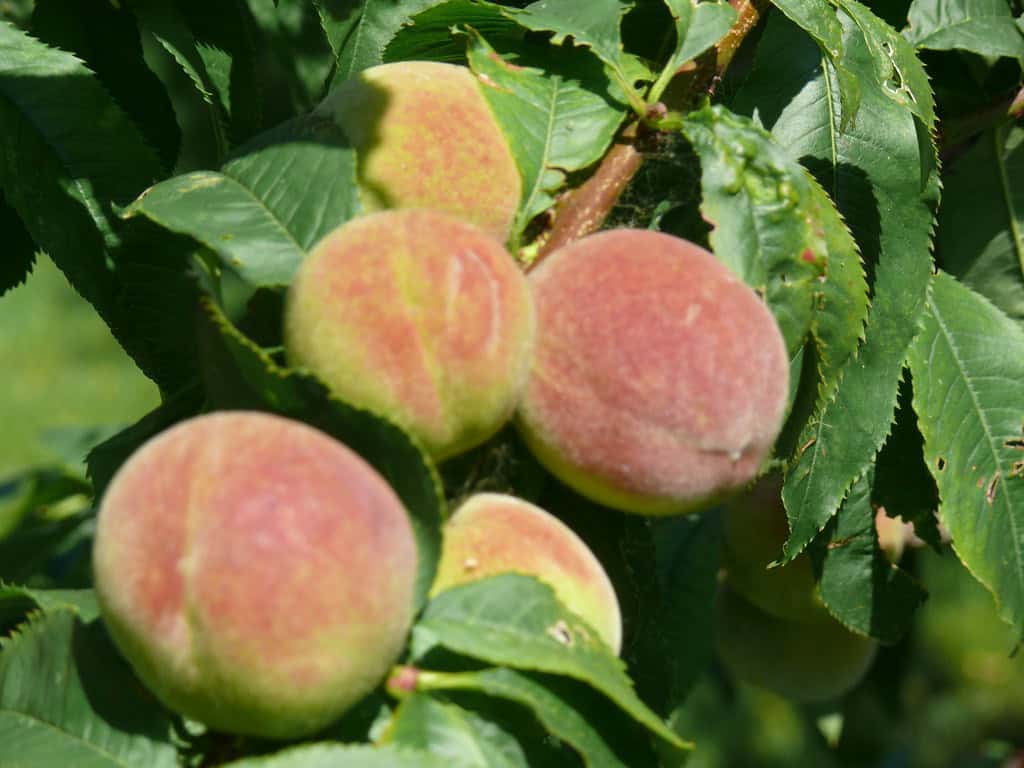
Peaches have delicate skin, making them vulnerable to pests and pesticide absorption. Testing revealed residues from multiple classes of insecticides and fungicides. Consumers are encouraged to choose organic peaches when possible.
Cherries: A Sour Reality

Cherries may be small, but they pack a punch when it comes to pesticide contamination. Multiple samples showed residues of chemicals not approved for use on cherries. Always wash thoroughly or consider buying organic.
Pears: Delicious but Not Clean

Like apples, pears are regularly treated with post-harvest fungicides and pesticides. Though less contaminated than others on the list, they still show traces of substances that have raised health concerns in children and pregnant women.
Tomatoes: A Juicy Concern

Tomatoes have made the ‘Dirty Dozen’ due to consistent pesticide residue on their skin. Cherry tomatoes, in particular, often contain a cocktail of insecticides. Washing helps, but organic choices offer more safety.
Celery: Crunchy and Contaminated

Celery is highly absorbent, lacking a protective skin, which allows pesticides to permeate deeply. Dozens of different residues have been found in conventional samples. Organic celery is recommended for regular eaters.
Potatoes: A Root Problem

Potatoes tend to retain pesticides from the soil, especially fungicides and sprout inhibitors. Even after washing and peeling, residues often remain. They are the most consumed vegetable in the U.S., making their contamination a major concern.
Organic vs. Conventional: The Cancer Link

A 2018 study in JAMA Internal Medicine suggested that organic food consumers may experience 25% fewer cancers. Though confounding lifestyle factors exist, this supports the potential health benefits of avoiding pesticide-laden produce.
The Clean Fifteen: Safer Produce Options

For consumers who can’t afford or find organic options, the ‘Clean Fifteen’ includes produce with minimal pesticide residues. These include avocados, sweet corn, and pineapples. Choosing from this list can reduce exposure without sacrificing nutrition.
2025 Food Safety Update: Eggs and Other Concerns

As of mid-2025, several egg brands have faced recalls due to salmonella contamination. This highlights the broader issue of food safety in both plant and animal products. Shoppers should check current recall notices and prioritize trusted sources.