Friday the 13th continues to stir a primal sense of dread, even in this day and age. This date has been linked to everything from biblical betrayals to natural disasters and psychological terror. While some treat it as an amusing superstition, others genuinely avoid flights, major purchases, or even getting out of bed on this fated date.
Hollywood famously immortalized Friday the 13th in slasher films, but real-world disasters and curious coincidences only add fuel to the superstitious fire. Today, Friday the 13th is as much a cultural phenomenon as a fantasy full of coincidence. 247 Tempo honors this notorious date by providing the real-world evidence pointing to the unluckiness surrounding Friday the 13th. Let’s check it out!
Judas: The 13th Guest at the Last Supper

The belief that the number 13 is unlucky may have roots in the story of the Last Supper. Judas Iscariot, who notoriously betrayed Jesus, was the 13th guest at the table. This tale helped set the stage for the superstition that 13 is a cursed number.
Jesus’s Crucifixion on a Friday
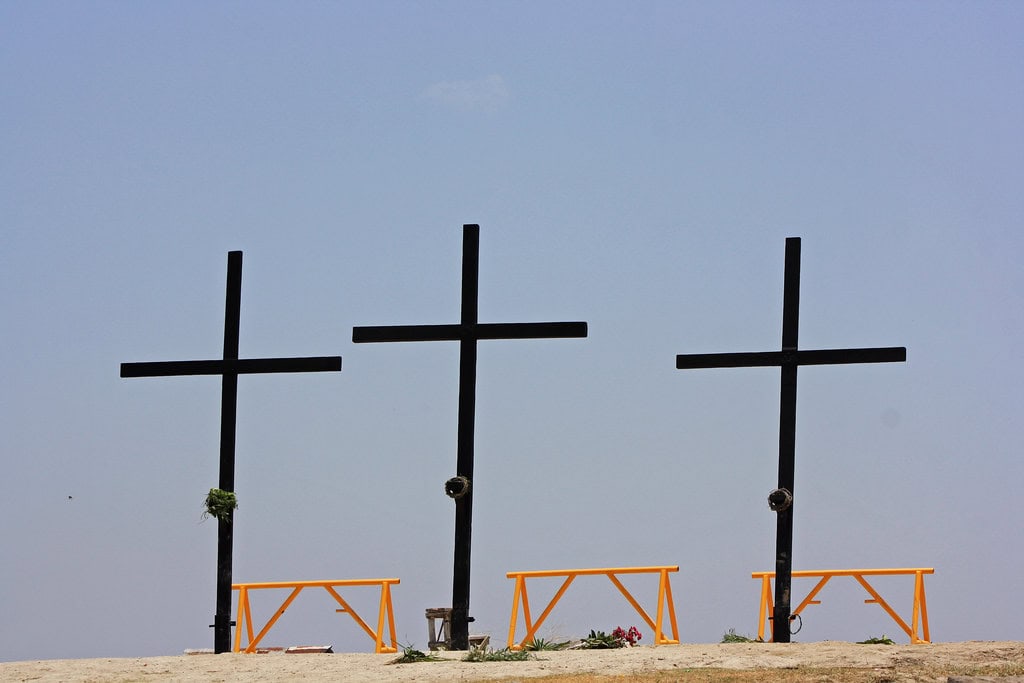
Friday itself carries ominous weight in Christian tradition because Jesus was crucified on that day. In medieval times, executions were commonly held on Fridays, further embedding the day’s dark reputation. When Friday and the number 13 collide, the superstition feels doubly intense.
The Incompleteness of the Number 13

Numerologists often consider 12 to be a ‘complete’ number, symbolized by months in a year, hours on a clock, and apostles of Jesus. In contrast, 13 is viewed as irregular and unfinished. This perceived imbalance fuels its uneasy reputation.
Eve and the Forbidden Fruit on a Friday

According to Christian legend, Eve tempted Adam on a Friday, a day already associated with misdeeds. This act of disobedience sparked the fall of man and cast a dark tone over Fridays. With this in mind, Friday the 13th becomes symbolic of original sin and downfall.
Cain Killed Abel on a Friday
Another early tale of misfortune involves Cain killing Abel, reportedly occurring on a Friday. This biblical death is one of the oldest stories of betrayal and violence, much like the story of Judas. The association of Friday with loss and evil adds to the date’s mystique.
Loki, the 13th Norse God

In Norse mythology, the mischievous god Loki crashed a divine banquet as the 13th guest, resulting in death and chaos. His presence caused the death of Baldur, a beloved god, which reinforces cultural aversion to 13.
The Knights Templar Arrested on Friday the 13th

On Friday, October 13, 1307, French King Philip IV ordered the arrest of the Knights Templar. Thousands were tortured and killed, marking one of the first historically documented Friday the 13th horrors.
Chaucer’s Warning About Fridays

In The Canterbury Tales, Geoffrey Chaucer referred to Friday as a day of misfortune. Writers have long shaped cultural beliefs, and Chaucer’s influence helped build the fear around the day. It shows that superstition is more than religious; it’s also literary.
The Self-Fulfilling Prophecy of Fear

Psychologists suggest that fear of Friday the 13th can lead to anxiety-driven accidents. People may become more prone to mistakes simply because they expect bad things to happen. In this way, fear reinforces the myth.
FDR’s Fear of the Number 13
Franklin D. Roosevelt famously avoided traveling on the 13th and refused to dine with 13 guests. Despite his leadership during turbulent times, he held deep personal superstitions. Other historical figures like Napoleon and Stephen King also feared the number. Their beliefs added credibility to the stigma of 13.
Kitty Genovese’s Tragic Murder

On Friday, March 13, 1964, Kitty Genovese was brutally attacked in New York while neighbors allegedly did nothing. The case gave rise to the ‘bystander effect’ in psychology. The tragedy’s date only amplified fears surrounding Friday the 13th.
Cyclone Devastates Bangladesh in 1970
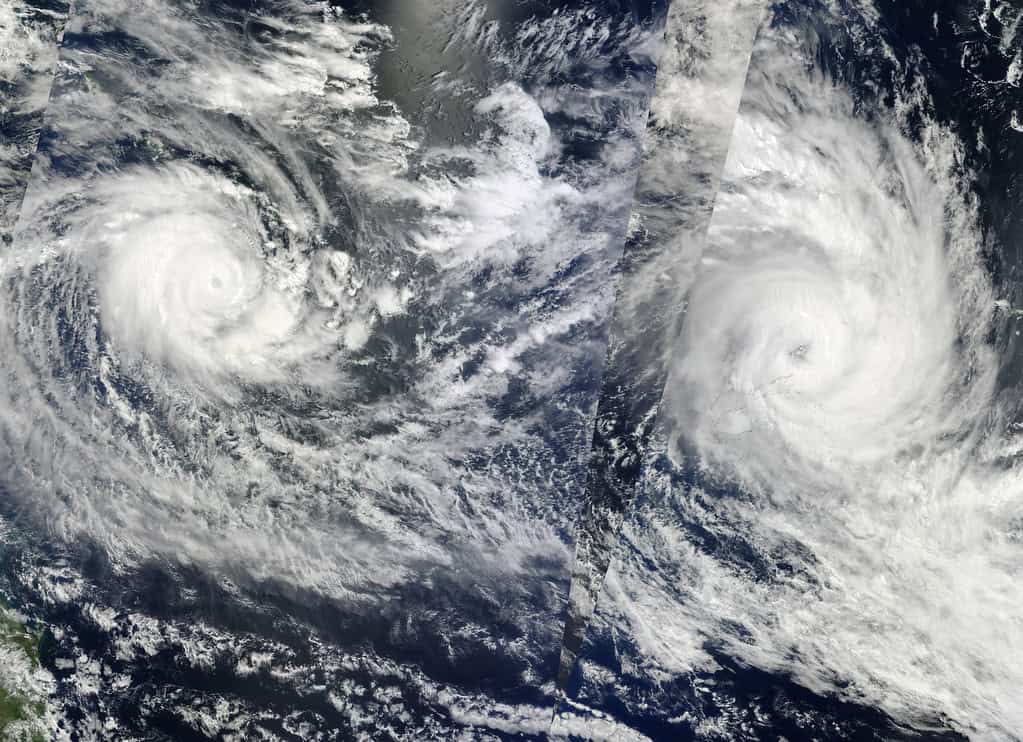
On November 13, 1970, a powerful cyclone hit East Pakistan (now Bangladesh), killing at least 300,000 people. The storm surge reached 16 feet and was one of the deadliest disasters in recorded history. The disaster occurred on a Friday, reinforcing the fear of this date.
Two Plane Crashes on the Same Day

Friday, October 13, 1972, witnessed two horrific plane crashes. One involved a rugby team in the Andes who resorted to cannibalism to survive. The other, in Moscow, killed 174 people under mysterious circumstances. The double tragedy on one day deepened the public’s fear of Friday the 13th.
The Costa Concordia Shipwreck

On January 13, 2012, the Costa Concordia cruise ship struck a reef, resulting in 32 deaths. The captain was later convicted of manslaughter for abandoning ship. The tragedy unfolded on a Friday, feeding into the cursed-date narrative.
Deadly Kansas Flood in 1951

On July 13, 1951, massive floods hit Kansas after days of rain, claiming 28 lives. The Kansas River rose to record levels, inundating towns like Topeka and Manhattan. Damage was estimated at $935 million and the date did nothing to reassure people that something like this won’t ever happen again on a Friday the 13th.
Boy Struck by Lightning at 13:13

A 13-year-old boy was struck by lightning at 13:13 on Friday, August 13, 2010. The incident happened during an airshow in Suffolk, England. He thankfully survived with only minor injuries, but the alignment of numbers made it feel cosmically eerie.
Buffalo’s October Blizzard

On October 13, 2006, Buffalo, New York, received a stunning 22 inches of snow. The early blizzard knocked out power to a million residents and caused 15 deaths. Meteorologists called the event unprecedented for the time of year, making the date even more alarming.
The World’s Unluckiest Welshman
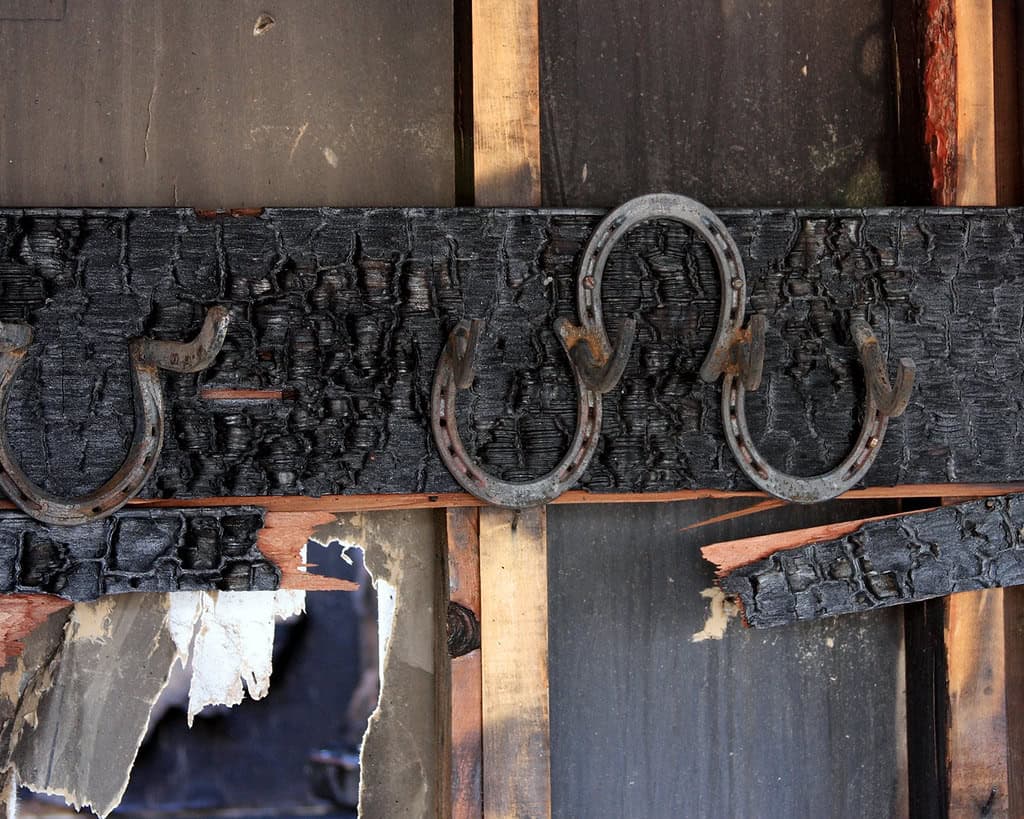
Bob Rephrey of Wales suffered repeated Friday the 13th accidents: walking through glass, losing his job, and more. The string of bad luck convinced him to stay in bed on future Friday the 13ths. His story is an extreme example of personal superstition, but one that still rings true.
Daredevil Dies in 1829 River Jump

Sam Patch was a 19th-century daredevil who met his end on Friday, November 13, 1829. After successfully jumping Niagara Falls, he attempted a more dangerous leap at Genesee Falls. He disappeared into the river and was found dead months later, becoming one of the first American Friday the 13th legends.