
Skin cancer is the most common cancer in the U.S., with millions of cases diagnosed each year. It’s also one of the most highly treatable when found early and one of the most preventable cancers. Protecting the skin from the sun’s harmful UV rays is the best way to lower the risk of developing skin cancer, but misinformation on how people can do this effectively is rampant.
To create a list of common sun protection myths, 24/7 Tempo consulted board-certified dermatologists with more than 20 years of combined experience and reviewed information from organizations dedicated to skin health, such as the American Academy of Dermatology Association and the Skin Cancer Foundation.
Summer is a time to go on vacation, enjoy the outdoors, and have fun at open-air concerts, but taking care of protecting oneself from the sun and investing in other health precautions are more vital than ever. These are the sunscreen myths you need to know.
Sunscreen Is Not Always Necessary

Not wearing sunscreen regularly is one of the most common mistakes Dr. Heather Richmond, a dermatologist at the Dermatology and Laser Surgery Center in Houston, sees. “Wearing a daily sunscreen is the most important thing you can do to slow down the aging process.” This will lead to significantly fewer wrinkles and other signs of aging later in life, she noted. It will also reduce the risk of skin cancer.
Tanning Booths Are Safer Than the Sun
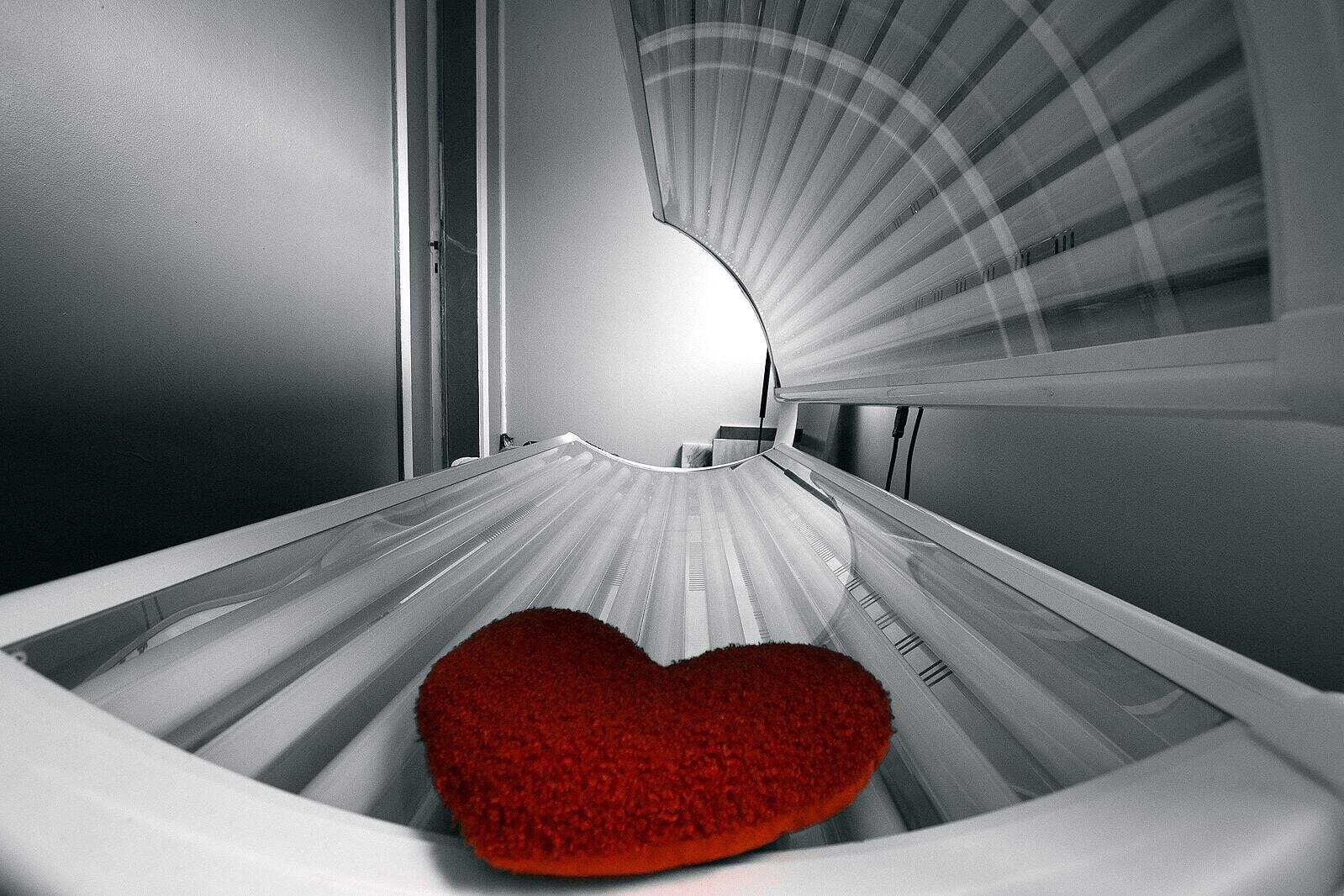
Actively tanning, especially in tanning beds, is the most serious mistake you can make to hurt your skin, according to Richmond. Tanning is significantly linked to the development of all skin cancers, including melanoma, which can be deadly, she noted. “I am seeing much more melanoma and basal cell carcinoma in young women as early as their 20s and 30s who have a history of tanning.” In addition to increasing the risk of skin cancer, tanning dramatically accelerates aging of the skin, resulting in earlier wrinkles, uneven skin tone, persistent redness, and brown spots, Richmond added.
Sunscreens Are All the Same

Ideally, you want mineral sunscreens with zinc and titanium because they block all harmful UV light and last longer, Intermountain Healthcare dermatologist Dr. Christopher English said. And they don’t cause allergic reactions, he noted. Chemical sunscreens, which contain oxybenzone and other potentially harmful chemicals, often protect against either UVB or UVA sun rays, not both. “But any sunscreen is better than none,” English said. “The benefits significantly outweigh the risks.”
Sun Protection Is Only Needed in the Summer

“Although the UV rays may be less intense in the winter, they are always present and pass through clouds,” Richmond said. Damage from UV radiation accumulates throughout our lifetime and causes gradual photoaging — wrinkles, loss of elasticity, brown spots, and uneven skin tone. “Additionally, UV radiation causes damage to the DNA in our skin cells and may ultimately result in skin cancer,” Richmond said.
Wearing Sunglasses Is Not Necessary

Hats are always helpful for protection of the scalp, face, and neck from the sun. “However, sunglasses are recommended as well since, depending on the angle, the eyes or areas around the eyes may not be in consistent shade, depending on which hat is used,” Richmond said. “In addition to protecting against fine lines around the eyes, sunglasses also protect the eye itself from sun damage, which can lead to [vision] changes,” she added.
No Need to Apply Sunscreen Everywhere
“I think the most important places that people forget to apply sunscreen are the ears and the back of the neck,” Richmond said. These are extremely common sites for skin cancer, particularly in people who don’t have hair covering these areas naturally, she noted. Most people are good at applying sunscreen to their faces daily for anti-aging prevention, but they should also think about including the neck, chest, hands, and back of arms because these areas are often neglected and can show photoaging.
Fake Tan Lotions Protect the Skin From the Sun

Spray tans and other sunless tanners do not protect the skin from the sun or from getting a sunburn. Most of these sunless tan sprays, also called self-tanners, don’t have a sun protection factor, or SPF, and are not specifically designed to be used as a sunscreen. The spray tans are used as lotions and creams.
If You Wear Sunscreen You Don’t Need to Cover Up

Sunscreen and sunblock are one way to protect your skin if you have to be out in the sun. Clothing can protect the skin from UV rays too, and in a way, they may be better. You may miss a few spots when applying sunscreen and it’s only supposed to last a couple of hours. These two risks are eliminated if you cover up.
You Don’t Need Sunscreen if Your Makeup Has SPF

The makeup you put on your face has to have at least an SPF 30 to give some sun protection, but it doesn’t work as well as traditional sunscreen, according to Cancer Treatment Centers of America. This is because you usually apply a small layer of makeup foundation, and because the makeup’s consistency is thin, there is not enough sun protection. The minimum SPF you need to wear on your face every day is SPF 30, according to the American Academy of Dermatology Association.
The Higher the SPF the Longer You Can Stay Under the Sun

A sun protection factor of 100 does not provide more than triple the sun protection of an SPF 30. A sunscreen with an SPF of 30 will block 97% of the sun’s rays. A sunscreen with SPF 50 will block only 1% more. But no screen will block 100% of the sun’s harmful rays.
If You Tan and Not Burn, You Don’t Need Sun Protection

There’s no such thing as a safe tan. A darkened skin as a result of sun exposure is a sign of skin cells that are damaged, even if there is no redness or peeling. Skin darkens as a way of trying to protect itself because the UV rays are damaging living cells. If you tan easily, you are still at risk of skin cancer and need to use sun protection.
Sunscreen Will Prevent the Body From Absorbing Vitamin D

There is no scientific evidence suggesting that sunscreen use can lead to vitamin D deficiency. In fact, the opposite was true in a small study observing people consistently applying UVA-specific sunscreen for a week, according to the Consumer Affairs.
People With Darker Skin Don’t Need Sunscreen

Darker-skinned people are not immune to sun damage or skin cancer. Every type of skin that has been exposed to the sun’s ultraviolet rays is at higher risk of all forms of skin cancer, including melanoma, the most dangerous form of skin cancer. Melanoma is less common among people of color but they have a lower survival rate from the disease.
One Application of Sunscreen Lasts All Day

All it would take to bust this myth is reading the instructions. Sunscreen must be reapplied every two to four hours, or as directed on the bottle. It should be reapplied immediately after swimming, exercising, sweating, and drying to ensure the skin is still protected.
Sunscreen Can Be Waterproof

Waterproof sunscreen sounds tempting. Who wants to keep reapplying the lotion every time they get out of the water? It would be dangerous not to. As per the Food and Drug Administration, sunscreen can only claim water-resistance 40 to 80 minutes after application.
Sunscreen Never Expires

Sunscreen absolutely expires, usually within three years of purchasing it. Just like food, sunscreen has active ingredients that degrade with time and can spoil. That means the sunscreen is less effective, increasing the risk of sunburns, sun damage, brown spots, and skin cancer.
You Can’t Get Sunburned in the Shade

Even if you are hiding under a tree in a shaded place, you’re not safe from the sun’s harmful rays. They can reflect off the concrete or sand, eventually getting to your skin if exposed.
Taking a Warm Shower When You Have Sunburn

There are several things people can do to soothe a sunburn, but taking a warm shower is not one of them. You want to keep the sunburnt area clean and cool. Putting ice wrapped in a thin towel on the area, or taking a cold shower to remove any salt residue that can make the burn worse can help, according to Dr. Bonnie Simmons. Warm or hot water will only strip whatever remaining natural oils are left on the skin, dehydrating it further and worsening the existing burn.