YinYang / Getty Images

Fried Dough / PDM 1.0

DeSegura89 / BY 2.0

photofarmer / BY 2.0

John-Morgan / BY 2.0
Kirinohana / BY 2.0

tribp / BY 2.0
woosh2007 / BY 2.0

Benson Kua / BY-SA 2.0

Alexandre Dulaunoy / BY-SA 2.0

Manjith Kainickara *manjithkaini.net* / BY-ND 2.0

Jeffery Martin / CC0 1.0

16:9clue / BY 2.0

Artem Beliaikin / CC0 1.0

ECohen / BY-SA 2.0
ToscaWhi / iStock via Getty Images


15 Foods Shoppers Should Check More Closely in 2026
Most of us do not look at a bowl of strawberries and think about pesticide residue. Still, federal testing regularly detects traces on many fruits and vegetables, while recalls sometimes uncover a different problem, such as Salmonella in eggs. Those issues deserve attention, but they are not interchangeable. Detecting a residue does not automatically mean a food is unsafe, and a recall tied to specific cartons does not make every egg dangerous.
For this update, 24/7 Tempo reviewed the Environmental Working Group’s 2026 Shopper’s Guide, which analyzed 54,344 samples of 47 fruits and vegetables from the USDA’s Pesticide Data Program. EWG ranks produce by the frequency, variety, concentration and toxicity of detected residues. The USDA asks a different question. Its 2024 summary found that more than 99% of 9,872 tested food samples had residues below EPA benchmarks.
The date on the ranking also needs context. Because the USDA rotates the foods it tests, EWG’s 2026 guide uses sample years ranging from 2011 through 2024. It is not a test of produce harvested in 2026. The slides below give the current rankings, correct outdated claims and explain when organic may be worth the added cost. The FDA recommends washing all produce under running water and skipping soap or commercial produce wash.
Strawberries Rank No. 3 in 2026
Strawberries remain near the top of EWG’s 2026 Dirty Dozen, but they rank third, not first. There is another catch: the latest USDA strawberry tests used in the guide were collected from 2014 through 2016, so they do not describe berries sampled this year. Since strawberries are eaten skin and all, rinse them gently under running water and discard moldy or badly bruised fruit. Organic berries can reduce exposure to many synthetic pesticide residues, but washed conventional strawberries are still a nutritious choice.
Spinach Takes the Top Spot
Spinach moved to No. 1 in EWG’s 2026 ranking. The group says it carried more pesticide residue by weight than any other produce type and that multiple pesticides were commonly detected. However, the spinach results come from USDA samples collected in 2015 and 2016, which is an important limitation. Rinse loose leaves under running water and remove damaged ones. If you eat spinach often and organic fits your budget, this is a reasonable place to prioritize it. If not, washed conventional spinach is still better than skipping leafy greens.
Kale and Other Greens Rank No. 2
Kale, collard greens and mustard greens hold second place in the 2026 guide, based on USDA tests conducted from 2017 through 2020. Older versions of this story focused on DCPA, also called Dacthal, but that needs an update. The EPA canceled every remaining U.S. registration in October 2024, and existing stocks can no longer be used. Residues in older tests reflect past use, not a pesticide that growers may legally apply today. Wash individual leaves under running water, and remember that organic does not mean pesticide-free.
Nectarines Land at No. 5
Nectarines are fifth on EWG’s 2026 Dirty Dozen. The ranking reflects how often residues were detected, how many different pesticides appeared, their total concentration and EWG’s toxicity measure. It does not mean every nectarine is unsafe or that residues exceeded federal limits. The newest USDA nectarine samples in this analysis date from 2013 through 2015, making this one of the guide’s older data sets. Rinse and gently rub the fruit under running water before eating or cutting it. Organic is an option, not a requirement.
Apples Remain in the Dirty Dozen
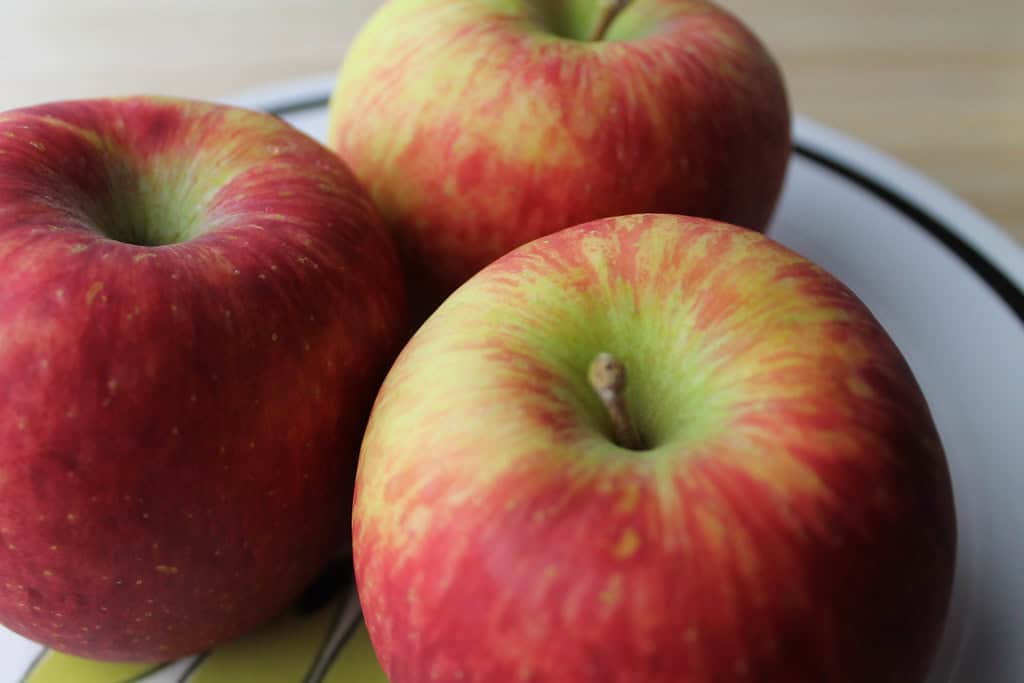
Apples rank eighth in EWG’s 2026 guide, using relatively recent USDA samples from 2023 and 2024. Some apple treatments are applied before harvest, while certain products may also be used after harvest to limit disease or storage problems. That does not make an apple “polluted,” and the presence of a detectable residue is not proof of harm. Wash and rub apples under running water before cutting them. Peeling can remove some surface residue, but it also removes part of the fruit’s fiber and nutrients. Organic apples remain a personal budget choice.
Grapes Move Up to No. 4
Grapes rank fourth in the 2026 guide, based on USDA tests from 2022 and 2023. EWG reported that most foods in the Dirty Dozen averaged four or more pesticides per sample, but that figure describes detections, not violations of EPA limits. The earlier claim that imported grapes are necessarily worse was too broad and has been removed. Rinse grapes thoroughly under running water just before eating, and toss any split or moldy fruit. If grapes are a daily snack in your house, organic may be one place to focus a limited organic-food budget.
Peaches Rank No. 6
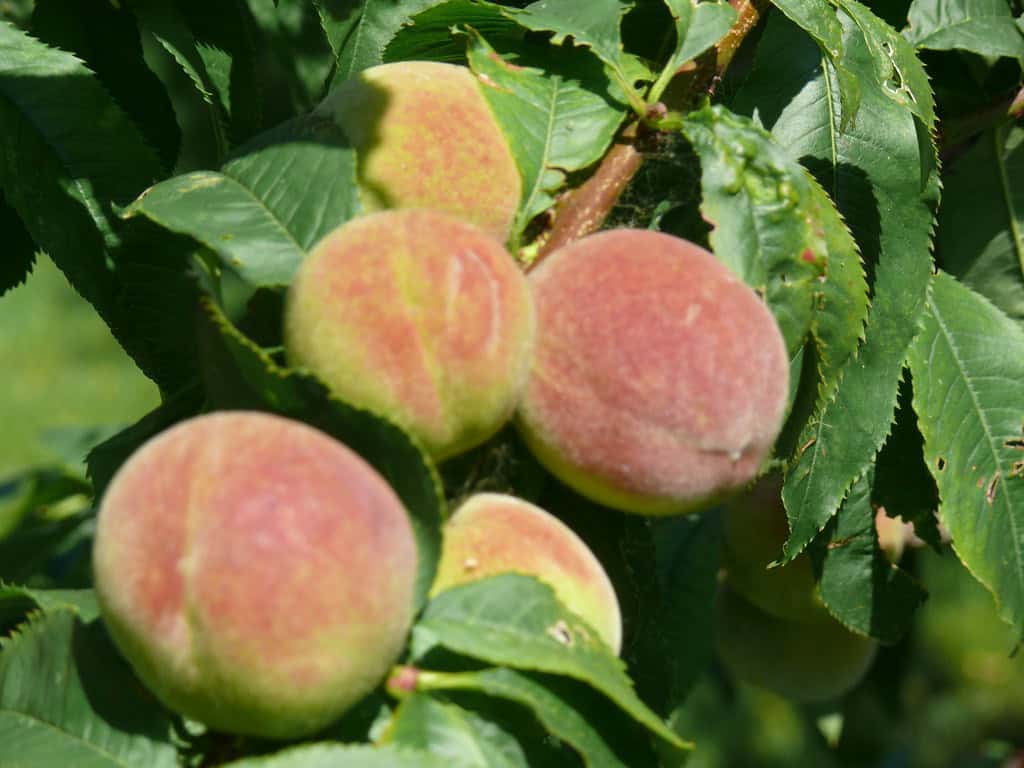
Peaches take sixth place in EWG’s 2026 ranking, using USDA samples from 2021 and 2022. EWG also highlighted frequent detections of fludioxonil, a fluorinated fungicide it places in a broad category of PFAS pesticides. That is EWG’s hazard framing, not a finding that nearly every peach violates federal safety standards. The EPA evaluates legal residue tolerances pesticide by pesticide. At home, rinse the fuzzy skin gently under running water before eating. Buying organic can reduce some residues, but conventional peaches should not be treated as off-limits.
Cherries Hold the No. 7 Spot
Cherries rank seventh on the 2026 Dirty Dozen. The original claim that samples contained pesticides not approved for cherries was not supported well enough to keep. What the data do show is that cherries scored high under EWG’s combined measures of detection, concentration and toxicity. There is also a timing issue: the USDA cherry samples used here were collected from 2014 through 2016. Rinse cherries under running water shortly before eating and remove damaged fruit. Organic can lower exposure to some synthetic pesticides, but conventional cherries are not automatically unsafe.
Pears Come In at No. 10
Pears rank 10th in EWG’s 2026 guide, based on USDA testing from 2021 and 2022. The fruit’s inclusion means it scored relatively high compared with the other 46 produce types EWG reviewed. It does not establish that conventional pears pose a special danger to children or pregnant women, as the original wording suggested. Wash the skin under running water and cut away bruised areas. Shoppers who eat pears often may decide the organic premium is worthwhile, while anyone watching grocery costs can still choose washed conventional fruit without treating it as a health failure.
Tomatoes Are No Longer a Dirty Dozen Pick
Tomatoes do not belong on a list of the 2026 Dirty Dozen. EWG placed both regular tomatoes and cherry tomatoes in the middle of its 47-item guide, using USDA samples from 2022 through 2024. That does not mean they are residue-free, but it makes them a lower priority for shoppers trying to decide where an organic budget will have the most impact. Wash tomatoes under running water before slicing, even if you do not plan to eat the peel. This slide is worth keeping as a correction, but tomatoes should be replaced if the story is rebuilt as a strict ranking.
Celery Has Also Fallen Off the List
Celery is another holdover from much older Dirty Dozen lists. In EWG’s 2026 guide, it sits in the middle group rather than among the 12 highest-ranked foods. The analysis used celery samples collected from 2021 through 2023. Claims that celery simply “absorbs” pesticides deep inside because it lacks a peel are too sweeping and are not needed to explain the results. Separate the stalks and rinse them under running water, paying attention to dirt near the base. If the choice is about cost, spinach and strawberries now rank as higher organic priorities.
Potatoes Join the 2026 Dirty Dozen
Potatoes rank 11th in 2026, using USDA samples from 2022 through 2024. EWG reported that 90% of tested potatoes had chlorpropham, a sprout inhibitor that is no longer approved in the European Union. A detection does not necessarily mean the residue exceeded the U.S. tolerance, and the USDA’s broader 2024 program found more than 99% of all tested samples below EPA benchmarks. Scrub potatoes under running water with a clean produce brush. Peeling may reduce surface residue, but it also removes some fiber and nutrients found in or near the skin.
Organic Food and Cancer: What Studies Actually Show
Organic produce generally carries fewer synthetic pesticide residues, but no study has proved that eating organic prevents cancer. A 2018 French observational study of 68,946 adults found a 25% lower relative cancer risk among the highest organic-food consumers, with an absolute difference of 0.6%. A 2026 analysis of 31,179 French adults linked replacing 100 grams of conventional produce a day with organic produce to a 10% lower relative risk of postmenopausal breast cancer, but not other cancers. Both studies found associations, not cause and effect.
The 2026 Clean Fifteen Can Stretch a Grocery Budget
EWG’s 2026 Clean Fifteen starts with pineapple, sweet corn and avocados, followed by papaya, onions, frozen sweet peas, asparagus, cabbage, cauliflower, watermelon, mangoes, bananas, carrots, mushrooms and kiwi. Nearly 60% of samples from these foods had no detectable pesticide residue, while 16% had two or more residues. That makes the list useful for shoppers who want to save conventional produce dollars for lower-residue choices. “Clean” does not mean sterile, so wash produce under running water before peeling, cutting or eating it.
2026 Egg Recall: Check These Carton Codes
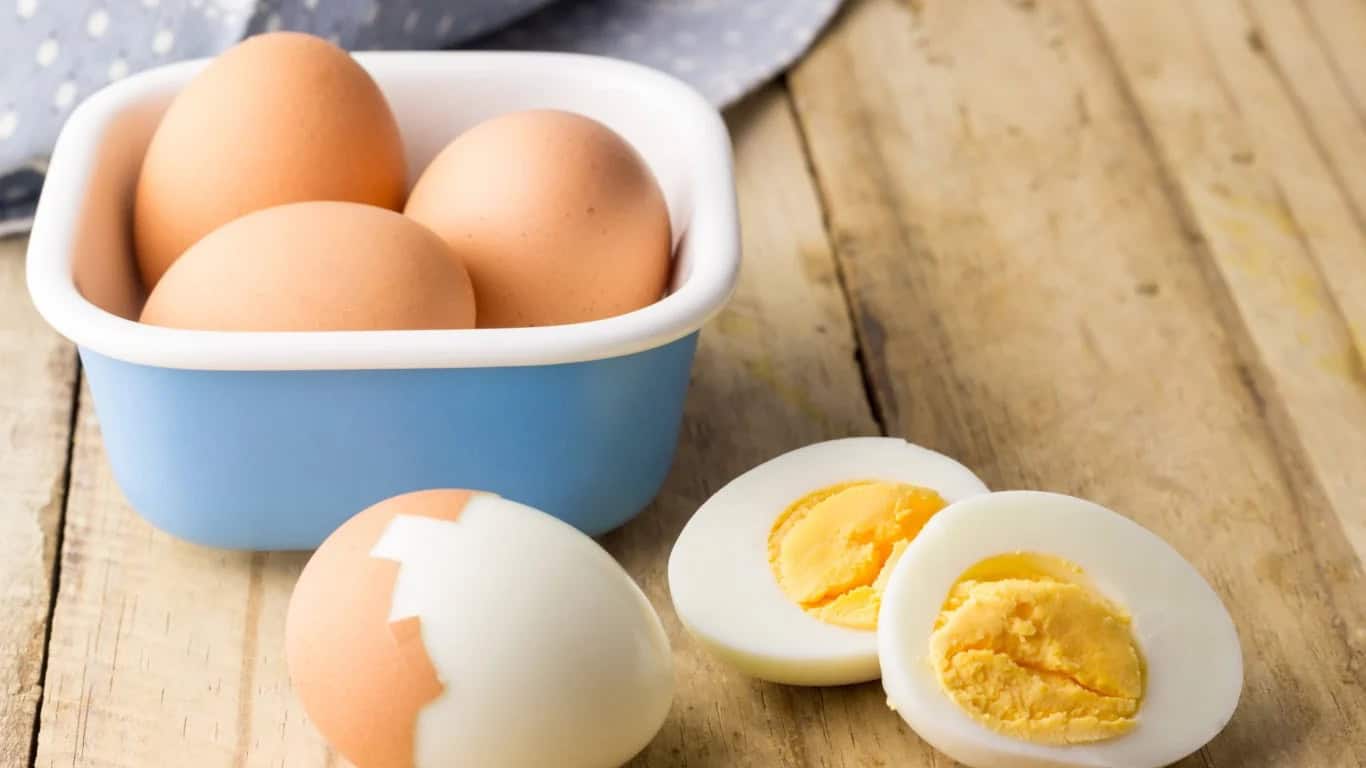
As of August 2026, the FDA was investigating a Salmonella outbreak linked to eggs recalled by Midwest Poultry Services. Officials reported 98 illnesses across 17 states, 26 hospitalizations and no deaths. The recall covers certain Country Morning, Cal-Maine Sunups, Brookshire’s, Simple Truth and Kroger eggs marked P-1950 or 0840962 with Julian dates 157 through 184 and sell-by or best-by dates from July 20 through August 17, 2026. Return or discard matching cartons and sanitize surfaces. This is a bacterial recall, not a pesticide-residue ranking.