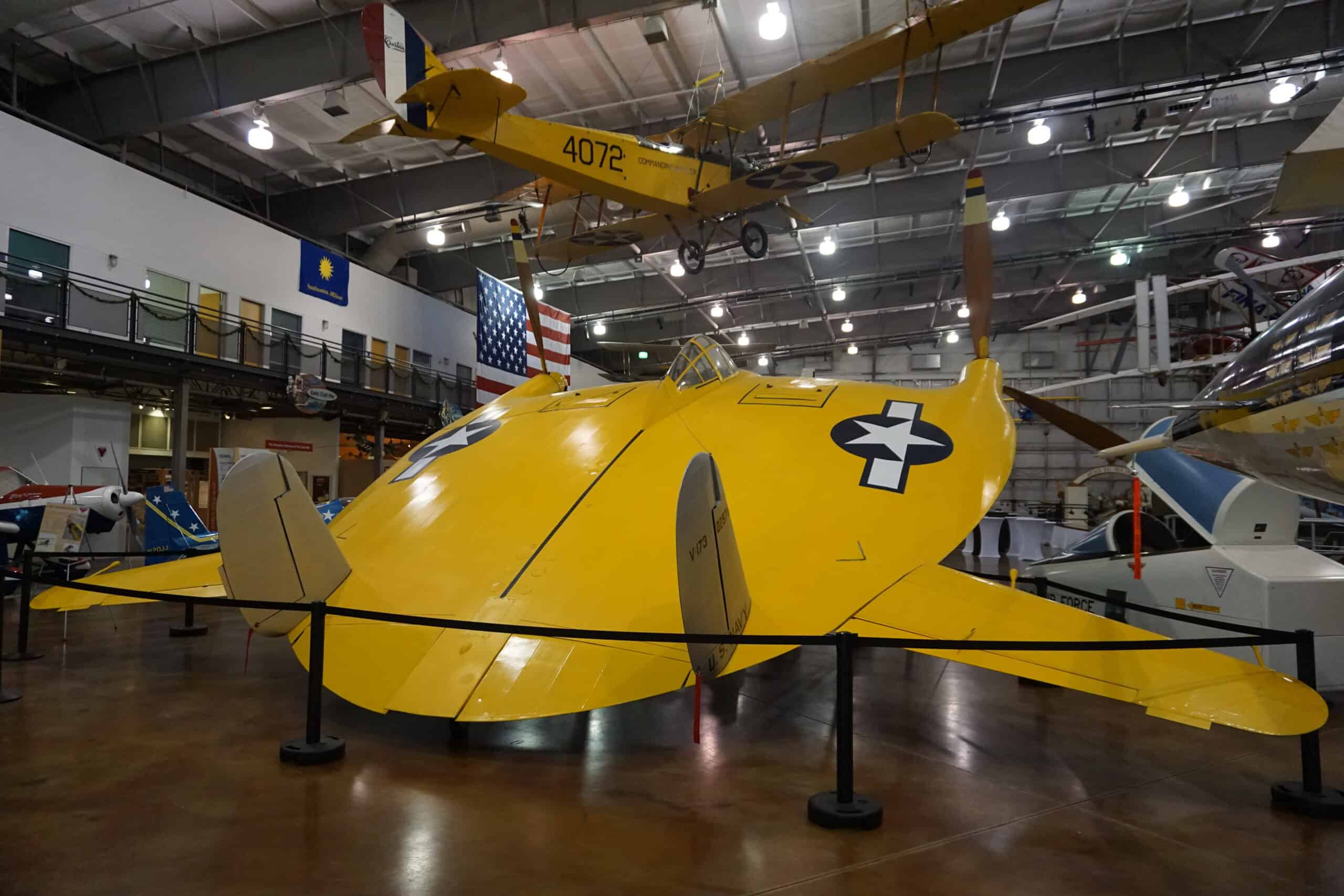
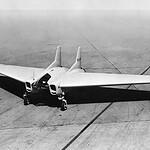
"Frontiers of Flight Museum December 2015 070 (Vought V-173 'Flying Pancake')" by Michael Barera is licensed under BY-SA 4.0.
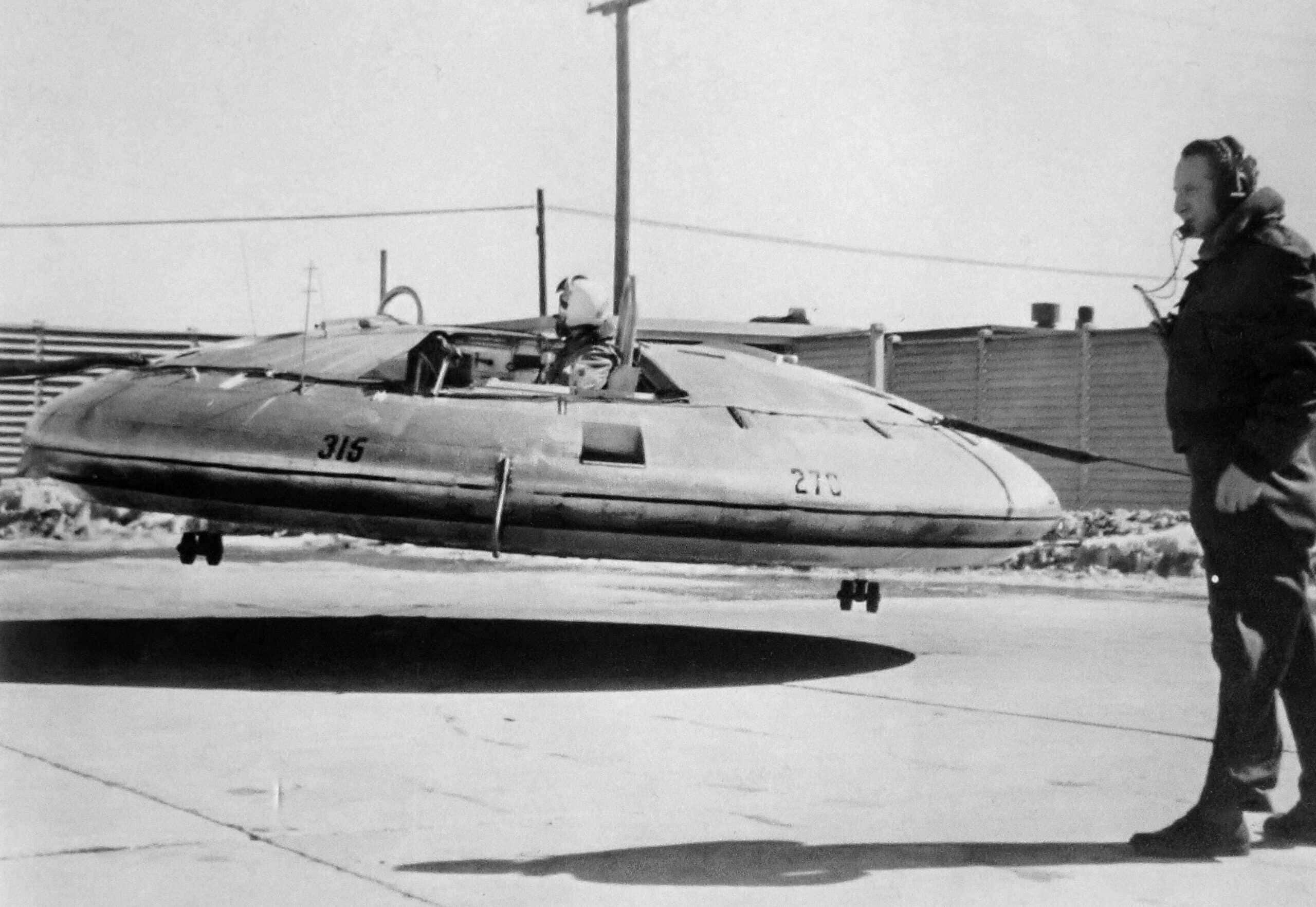
"Avro Canada VZ-9AV Avrocar 2 (53993437252)" by James St. John is licensed under BY 2.0.
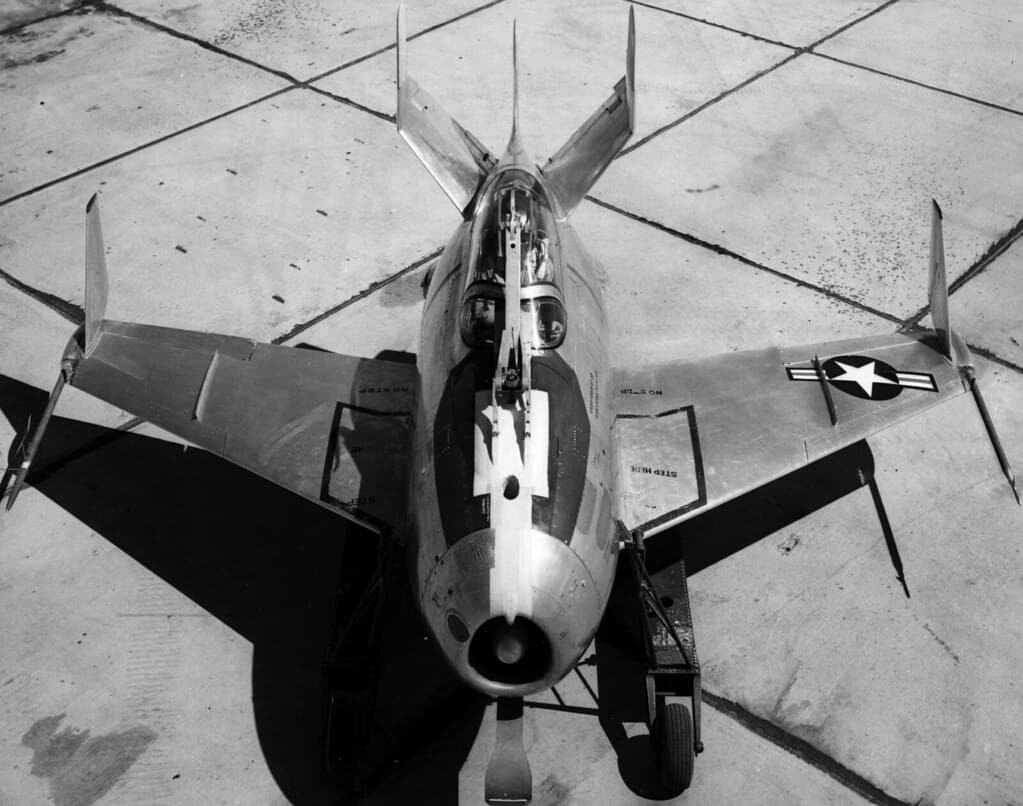
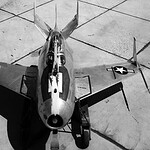
"McDonnell XF-85 Goblin" by twm1340 is licensed under BY-SA 2.0.
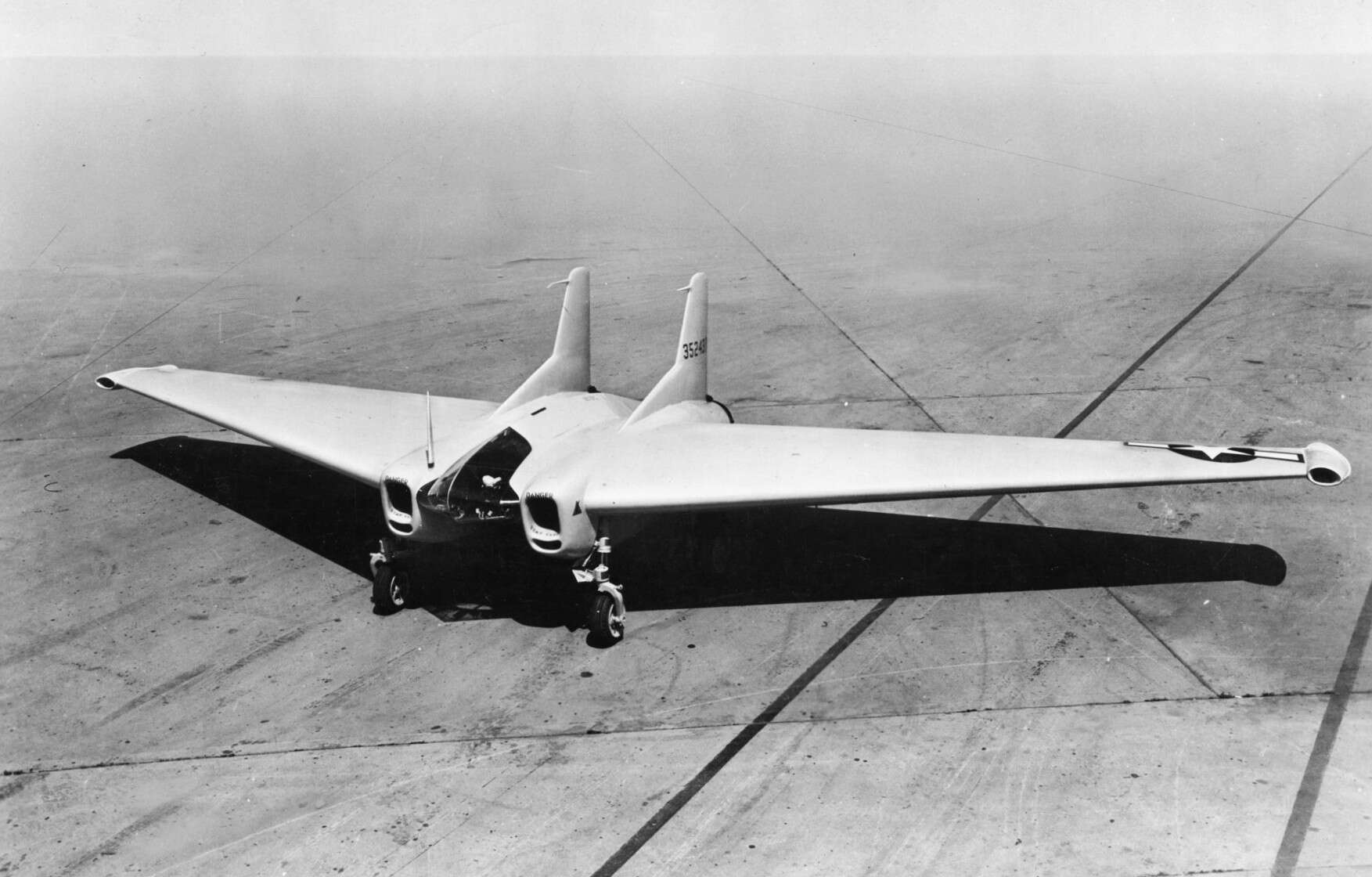
United States Air Force / Public Domain
"Frontiers of Flight Museum December 2015 070 (Vought V-173 'Flying Pancake')" by Michael Barera is licensed under BY-SA 4.0.
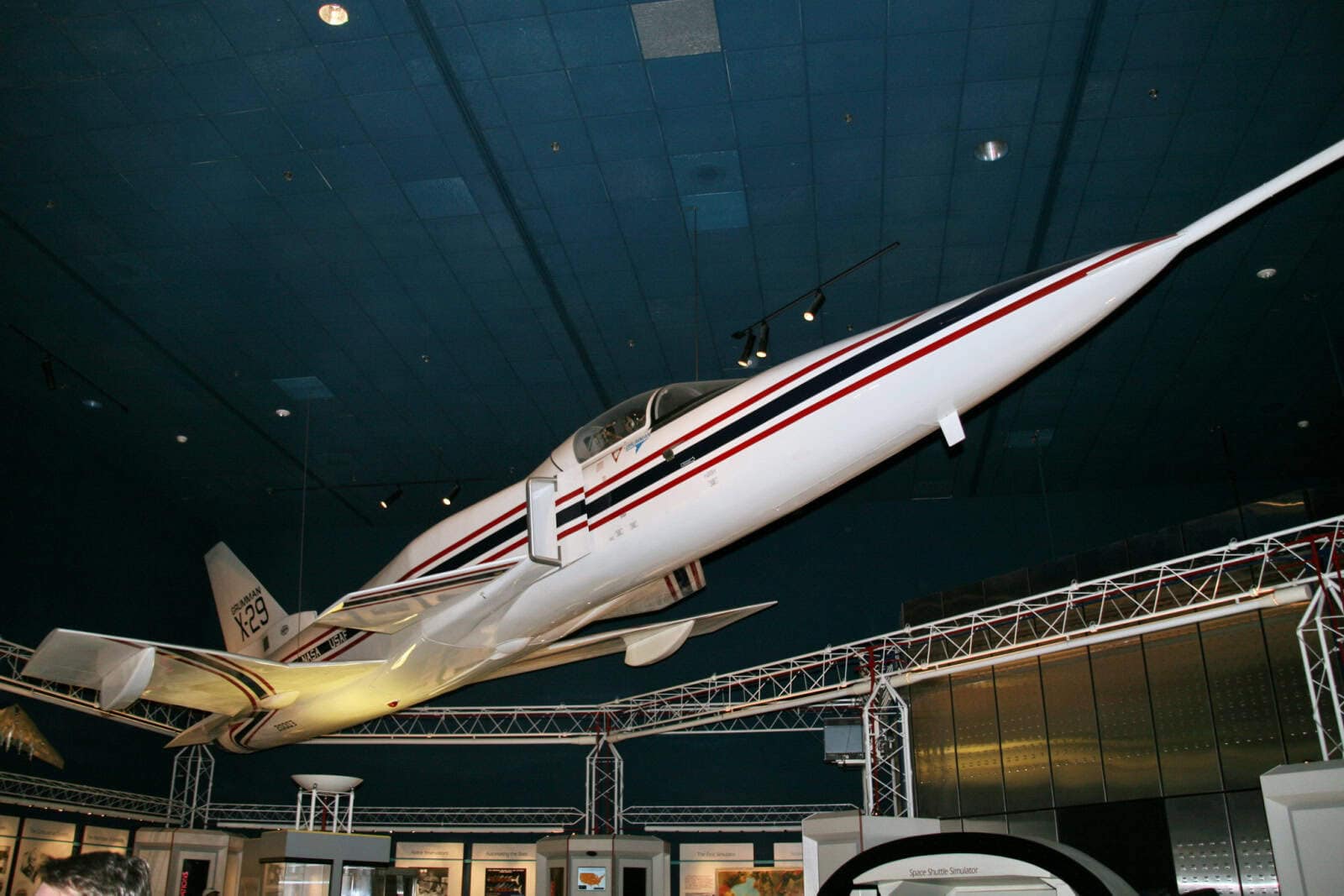
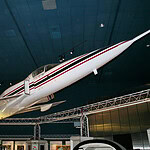
"Grumman X-29 model at Smithsonian" by Cliff is licensed under BY 2.0.
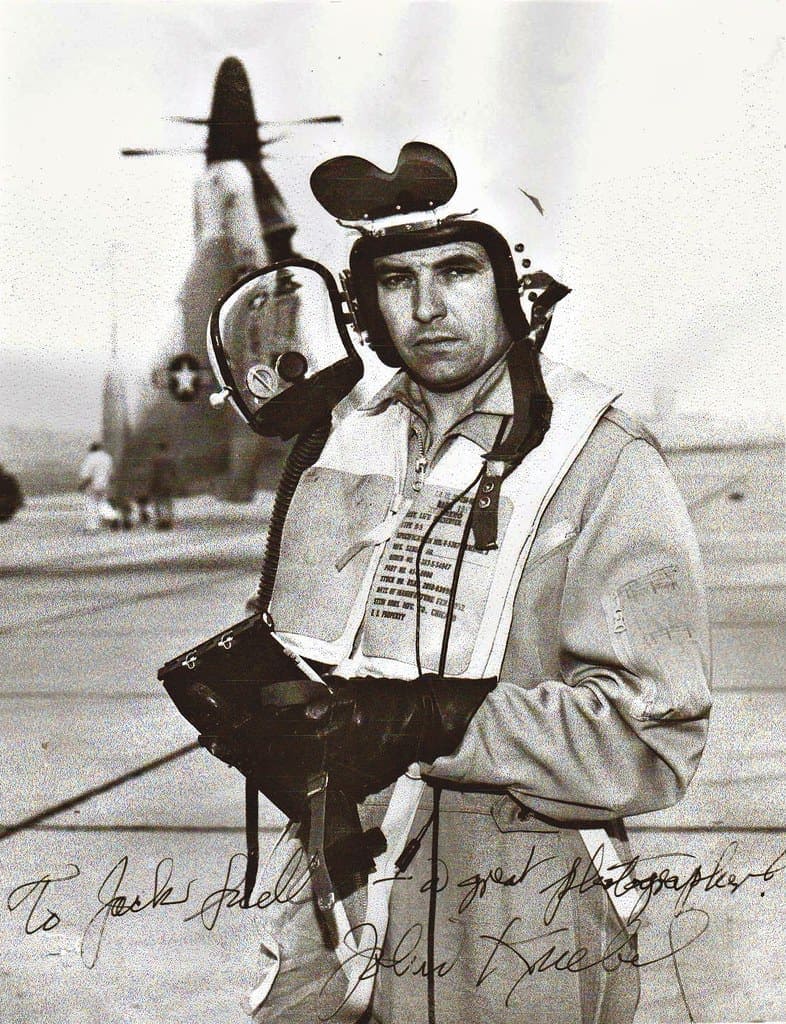
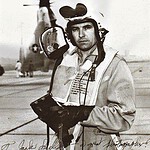
"John Knebel in front of the Convair XFY-1 Pogo," by Jack Snell - Thanks for over 26 Million Views is licensed under BY-ND 2.0.

Prostock-studio / Shutterstock.com

6 Bizarre Military Aircraft That Actually Flew
Military aviation history is full of aircraft that look as if somebody dared an engineer to build them. Flying pancakes, airborne saucers, tiny fighters designed to ride inside bombers, and planes that landed standing on their tails all made it beyond the drawing board. Some were dead ends, while others tested ideas that helped engineers understand what future aircraft could do. Here are six of the strangest military aircraft that actually flew.
Avro Canada VZ-9 Avrocar
If Cold War engineers had been asked to build a flying saucer, the Avrocar would have been a pretty convincing answer. Canada initially funded the project before Avro offered it to the U.S. government. The U.S. Army wanted a low-flying transport and reconnaissance vehicle, while the Air Force hoped the same basic design could eventually become a supersonic VTOL aircraft.
Reality was less glamorous. Tests showed that the disc-shaped aircraft became dangerously unstable once it climbed more than a few feet above the ground. It suffered violent pitch-and-roll motions engineers called “hubcapping” and managed a top speed of only about 35 mph in flight testing. After attempts to fix its stability problems failed, the project was canceled in December 1961.
McDonnell XF-85 Goblin
The XF-85 Goblin solved a very real problem with an almost cartoonishly strange idea. The enormous B-36 bomber could fly farther than conventional fighter escorts, so McDonnell designed a tiny jet fighter that could be carried inside the bomber itself. If enemy fighters appeared, the Goblin would drop from a trapeze, fight them, then fly back and hook onto the bomber again.
Launching it worked. Getting it back was another story. Turbulent air beneath the test B-29 made connecting the XF-85's hook to the trapeze difficult and dangerous, and several flights ended with emergency landings on the ground. The program ended in late 1949 as aerial refueling offered a much more practical way to give conventional fighters the range they needed.
Northrop XP-79B
Even by experimental-aircraft standards, the Northrop XP-79B was strange. The project began in 1942 as a rocket-powered flying-wing fighter before being redesigned around two Westinghouse turbojets. Its pilot flew lying face-down, a position intended to help withstand high g-forces, and much of the unusual airframe was constructed from welded magnesium rather than conventional riveted aluminum.
The aircraft eventually picked up the nickname “Flying Ram,” and later accounts claimed its reinforced wing was intended to strike enemy aircraft, although the Air Force describes that proposed role as a rumor rather than an established fact. What is certain is that its career was extraordinarily short. On Sept. 12, 1945, the XP-79B lost control during its first flight. Test pilot Harry Crosby attempted to bail out but was killed, and the program was soon canceled.
Vought V-173
With a nickname like the “Flying Pancake,” the Vought V-173 was never going to look ordinary. Its almost circular wing and enormous propellers were designed to let the aircraft fly at extremely low speeds, something the U.S. Navy believed could be especially useful for aircraft operating from ships.
The V-173 first flew on Nov. 23, 1942, and logged more than 130 hours in the air. Test pilots found that despite its odd handling, it could fly effectively and could almost hover. The Navy was impressed enough to order a more powerful combat-oriented successor, the XF5U-1. That aircraft was completed but never flown. With turbojet technology rapidly advancing, the Navy canceled the program before the unusual design could make the jump from experiment to operational fighter.
Grumman X-29
Most aircraft wings sweep backward. Grumman's X-29 seemed to have theirs installed the wrong way around. That was very much intentional. The experimental jet combined dramatically forward-swept wings with small forward-mounted canards and advanced composite materials to explore whether the unusual configuration could offer better maneuverability.
There was one big catch: the aircraft was inherently unstable. A computerized fly-by-wire system constantly made corrections that allowed the pilot to keep it under control. Two X-29s flew hundreds of times between 1984 and 1992 as part of a program involving DARPA, the U.S. Air Force and NASA. The aircraft never became an operational fighter, but researchers gained valuable data about digital flight controls, composite construction, high-angle-of-attack flight and forward-swept wings.
Convair XFY-1 Pogo
The Convair XFY-1 Pogo addressed another military problem: what happens when you need a fighter but don't have a usable runway? The Navy experimented with a “tailsitter” that rested vertically on its wings and tail, blasted straight upward using enormous counter-rotating propellers, then tipped forward to fly like a conventional airplane.
Test pilot James “Skeets” Coleman made the Pogo's first free vertical flights in August 1954 and completed the first full transition to horizontal flight that November. Flying forward wasn't the hardest part. Landing meant slowing to a hover and backing the aircraft toward the ground while looking behind and below. It demanded exceptional skill, and practical problems remained. By 1956, with the Navy increasingly focused on conventional carrier-based jets, funding and interest disappeared and the XFY-1 program ended.
Conclusion
None of these aircraft became the next great frontline warplane, but calling all of them failures misses the fun of experimental aviation. The V-173 showed that its bizarre low-aspect-ratio design could actually fly, while the X-29 became a productive research aircraft rather than an attempted combat jet. Others proved exactly why certain ideas were better left behind. That's part of the point of experimental aircraft: sometimes the strangest machine in the hangar teaches engineers what to build next, and sometimes it teaches them what never to try again.