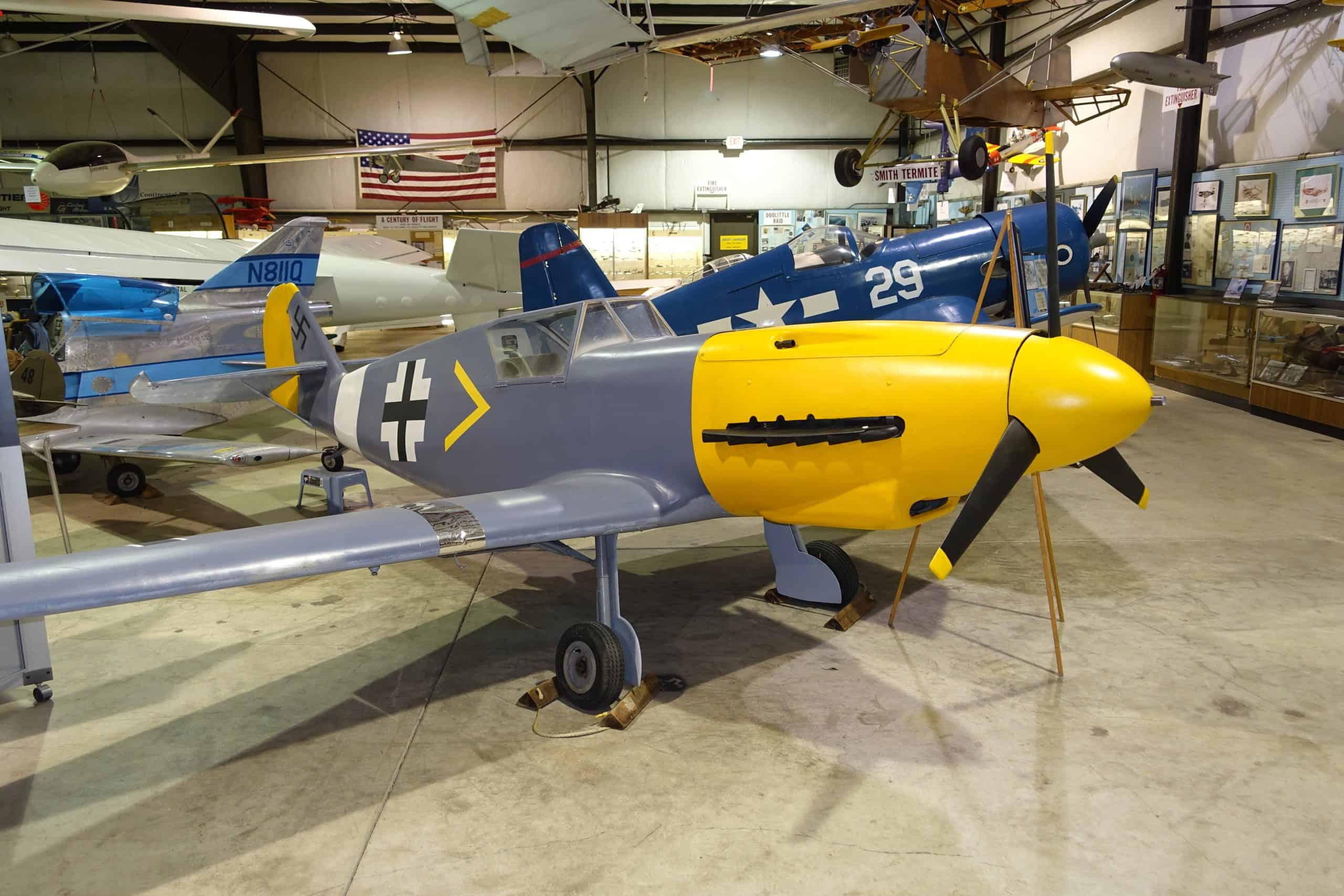
Daderot, CC0, via Wikimedia Commons
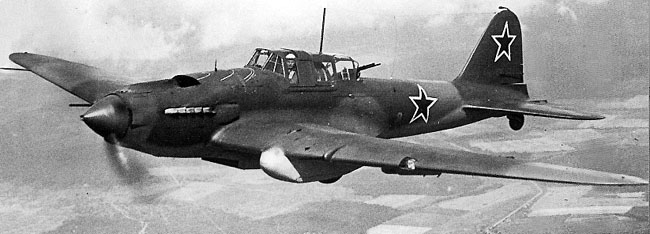
Public domain, via Wikimedia Commons
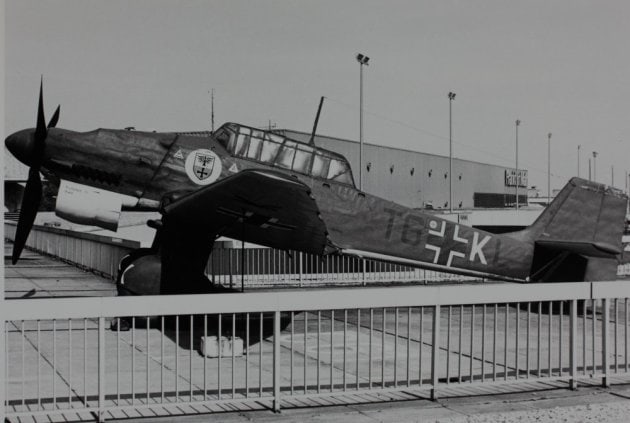
SDASM Archives, Public domain, via Wikimedia Commons
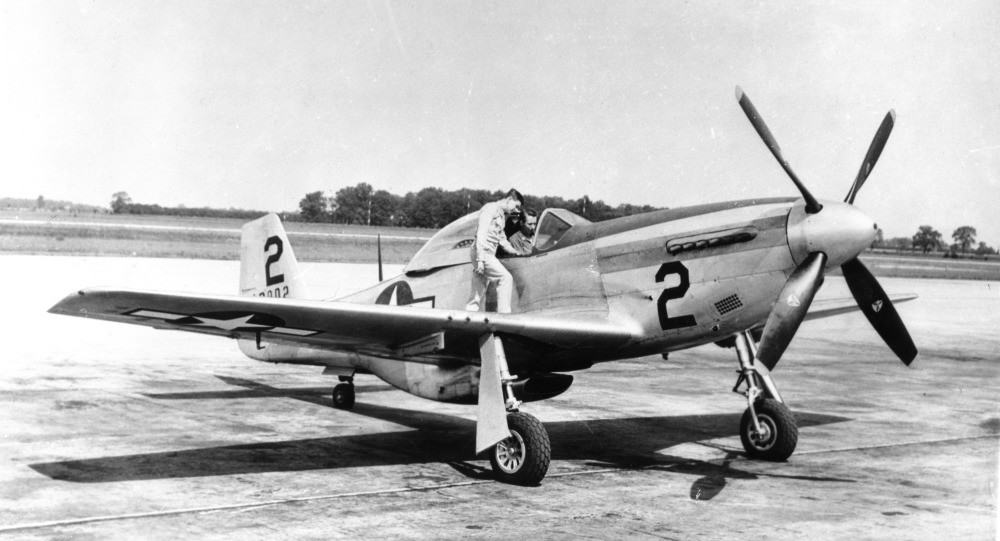
SDASM Archives, Public domain, via Wikimedia Commons
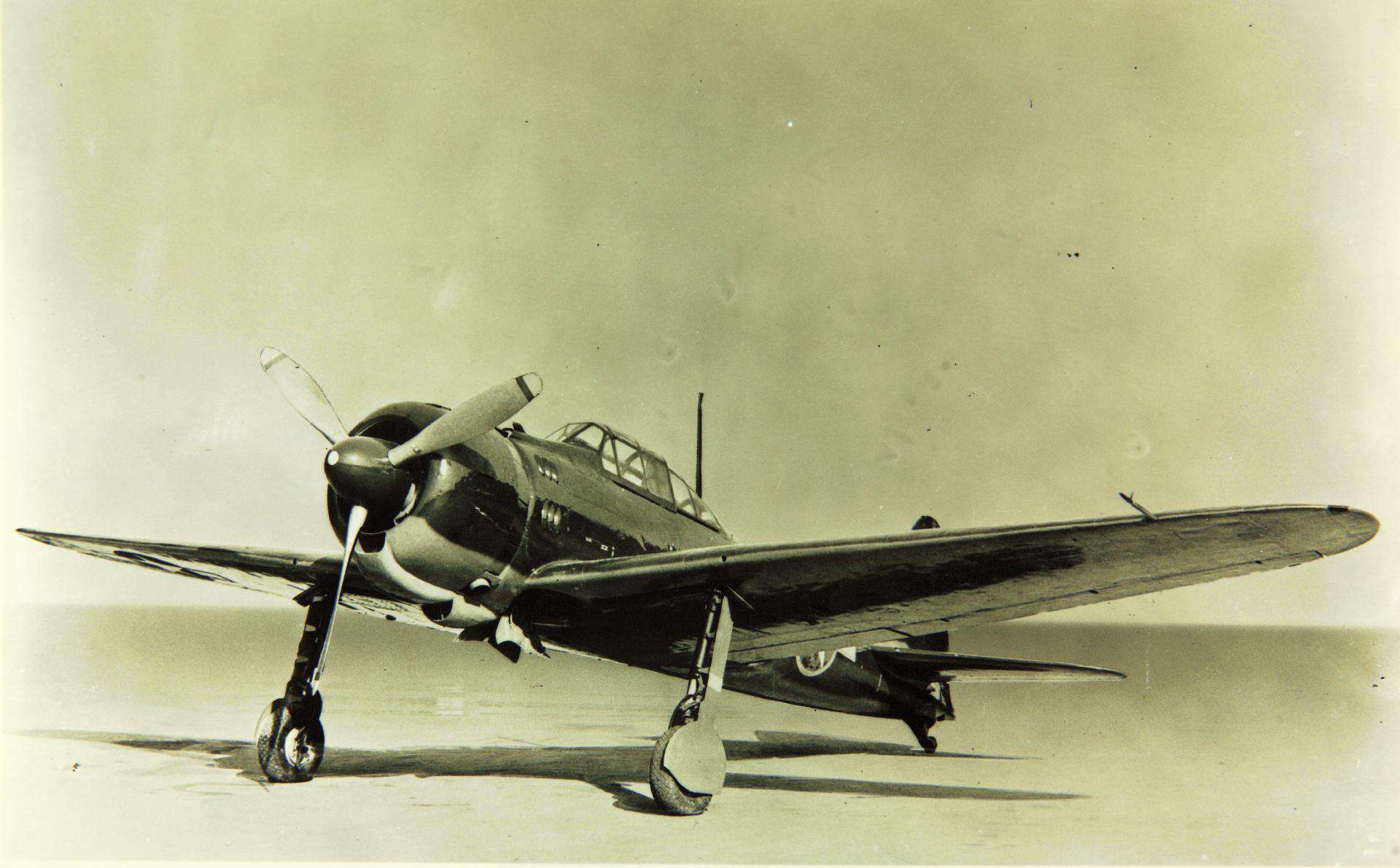
SDASM, Public domain, via Wikimedia Commons
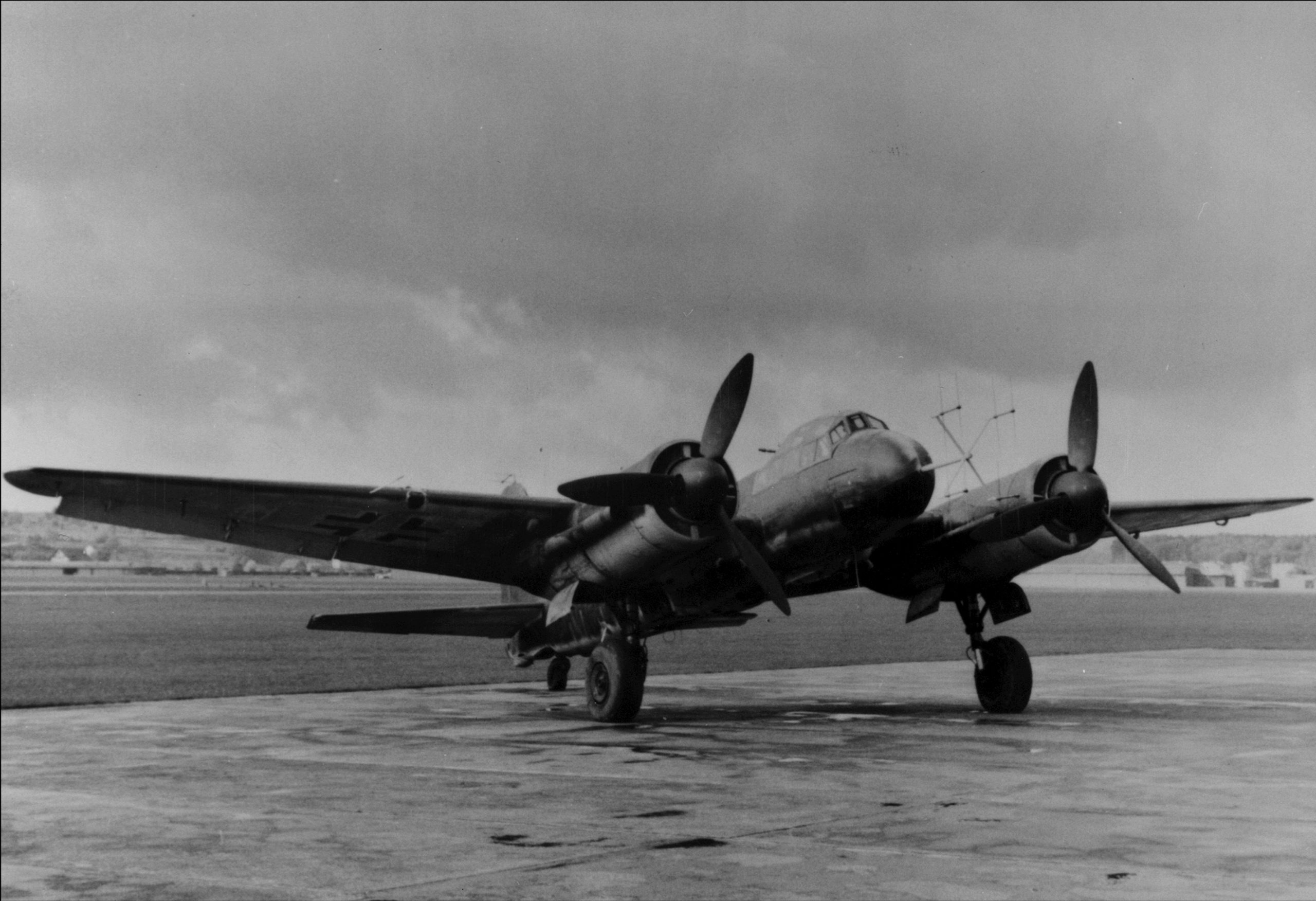
ETH-Bibliothek Zürich, Bildarchiv / Fotograf: Unbekannt / Ans_05035-258 / Public Domain Mark, CC0, via Wikimedia Commons
Daderot, CC0, via Wikimedia Commons
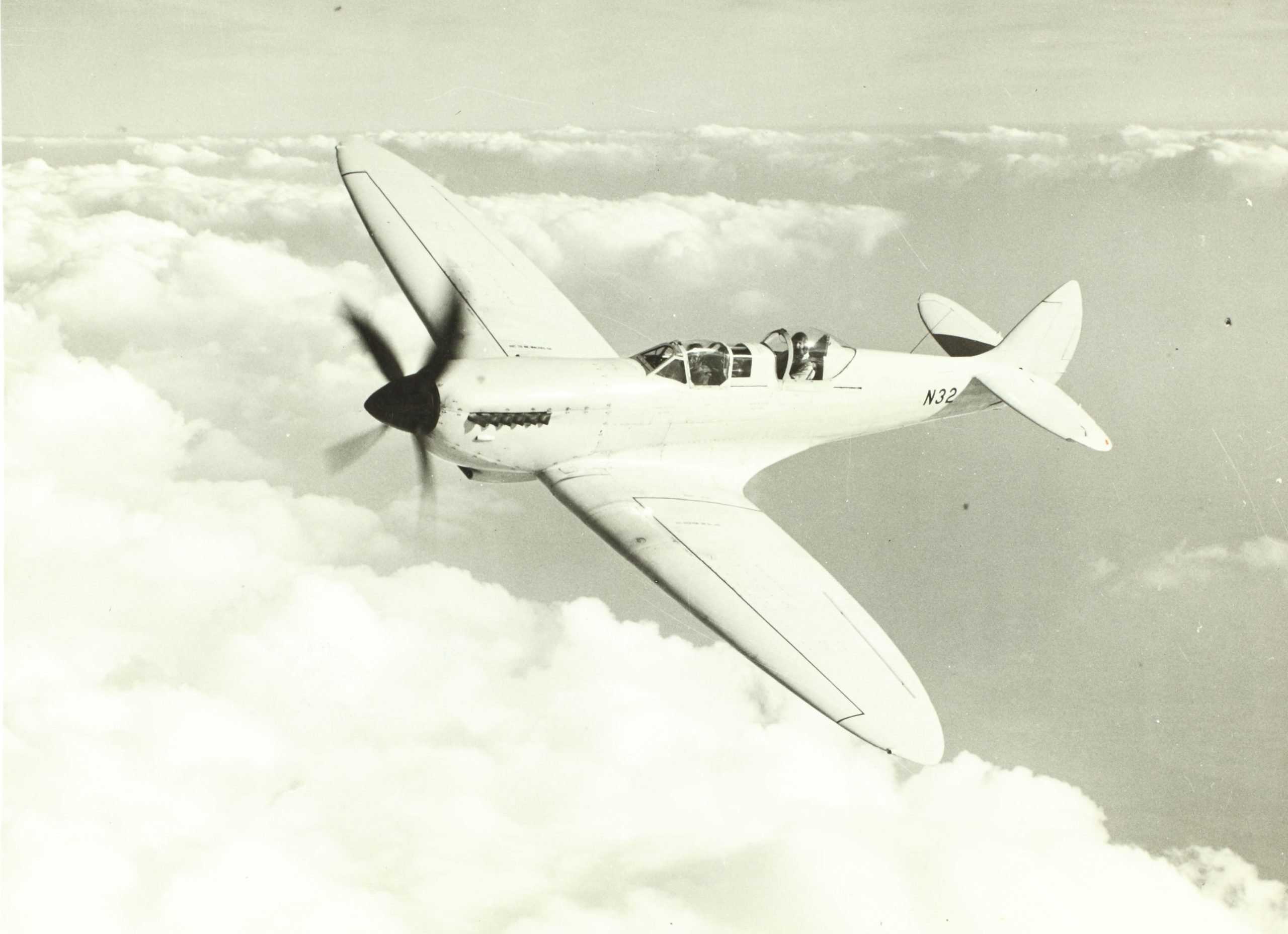
SDASM, Public domain, via Wikimedia Commons
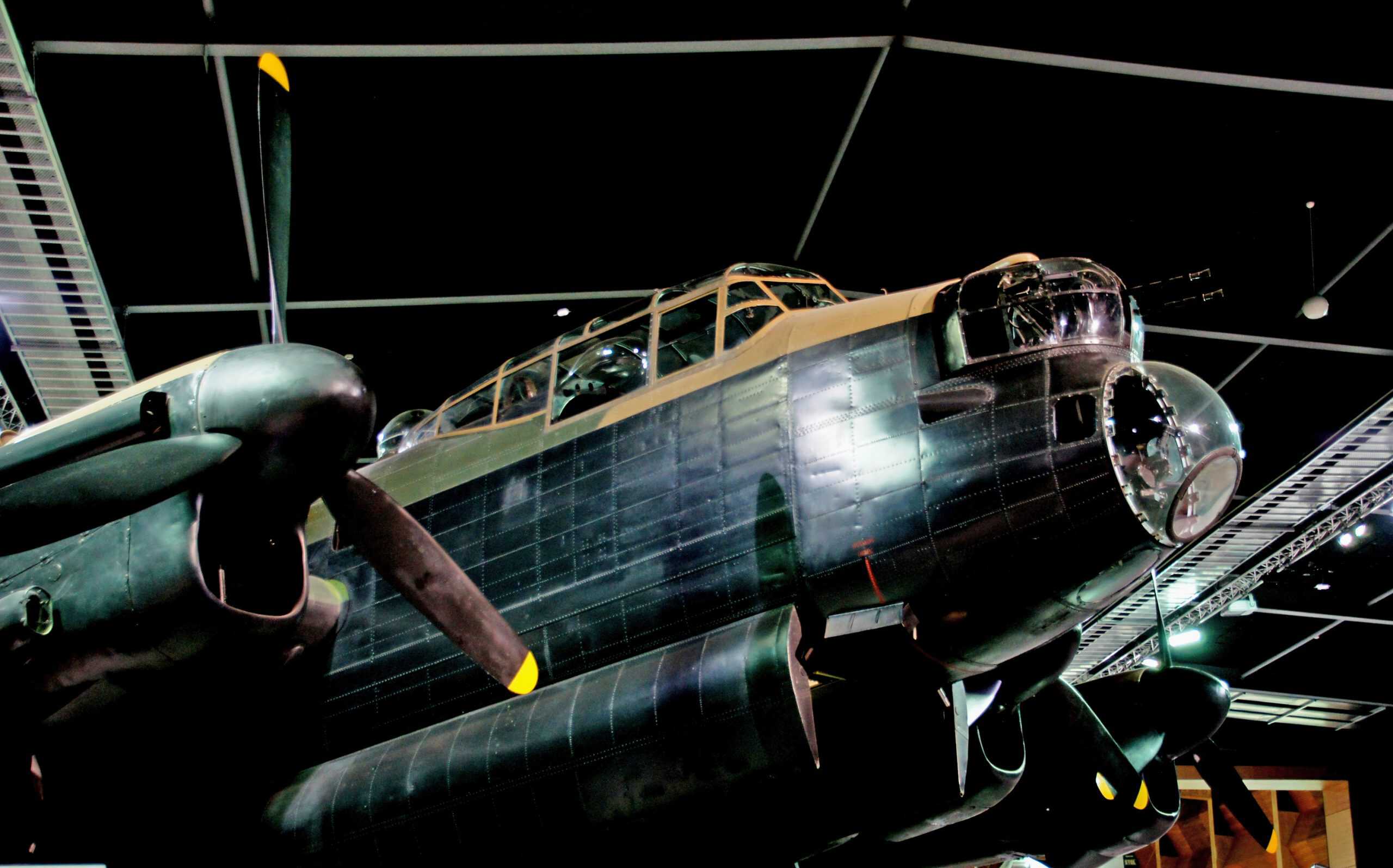
Bernard Spragg. NZ from Christchurch, New Zealand, CC0, via Wikimedia Commons
Balon Greyjoy, CC0, via Wikimedia Commons


10 Famous World War II Planes and Their Stories
World War II changed aviation at an astonishing pace. Aircraft became faster, more capable, and increasingly complex, while factories learned to build them in numbers that would have seemed impossible just a few years earlier. Some designs were sleek and maneuverable; others were enormous machines packed with new technology. And a few became famous for reasons their engineers probably never expected, from an unmistakable sound to the shape of their wings.
There's no simple way to name the single toughest or best plane of the war. A nimble fighter, a heavily armored ground-attack aircraft, and a long-range bomber were built to solve very different problems. What they do share are fascinating stories about invention, compromise, and the people who built and flew them. Here are 10 notable aircraft from World War II, along with what made each one stand out and why they're still remembered today.
Ilyushin Il-2: The Plane Nicknamed the Flying Tank
If a World War II aircraft could be described as a workhorse, the Ilyushin Il-2 would be a strong candidate. Built in the Soviet Union, it was designed to fly low over battlefields, where ground fire made every mission dangerous. Its engine and cockpit were protected by a heavily armored structure that helped earn it the nickname "flying tank." That didn't make it indestructible; many were lost, especially when enemy fighters caught them without protection. What really sets the Il-2 apart is the scale of its production. Roughly 36,000 were built, more than any other combat aircraft of the war. Factories kept turning them out even as the Soviet Union moved industrial operations away from advancing German forces. Few survive today, which is surprising considering how common the aircraft once was.
Junkers Ju 87 Stuka: The Plane With a Distinctive Scream
Some airplanes are remembered for how they looked. The German Junkers Ju 87 Stuka is remembered for how it sounded, too. Certain versions carried sirens that produced an eerie wail during a steep dive, adding a psychological element to an already frightening sight. The aircraft's bent, gull-like wings and fixed landing gear also made its outline hard to mistake. The Stuka was a purpose-built dive bomber, equipped with features that helped pilots control and recover from steep descents. It gained a formidable reputation early in the war but was relatively slow and vulnerable when opposing fighters were nearby. Heavy losses during the Battle of Britain exposed those weaknesses. It's a good reminder that an aircraft can become one of history's most recognizable designs without being the fastest or most advanced plane in the sky.
North American P-51D Mustang: A Transatlantic Success
The P-51 Mustang began with an interesting twist. In 1940, Britain approached North American Aviation about building an existing American fighter. The company proposed designing an entirely new airplane instead. Early Mustangs performed well at lower altitudes, but the real breakthrough came when the aircraft was paired with a British-designed Rolls-Royce Merlin engine. Later versions, including the P-51D, combined speed, range, and strong high-altitude performance. The P-51D could reach approximately 437 mph, and its rounded bubble canopy gave pilots a much better view. Its ability to escort larger aircraft over long distances made it especially important during the later years of the war. Today, the Mustang remains one of the best-known propeller-driven fighters, and restored examples still draw crowds at air shows. It's also a pretty good example of what happens when American and British engineering ideas come together.
Mitsubishi A6M Zero: The Advantage of Traveling Light
The Japanese Mitsubishi A6M Zero was built around a simple but demanding goal: give pilots an airplane that could travel far and maneuver exceptionally well. Designer Jiro Horikoshi and his team kept the aircraft remarkably light, helping it earn a reputation for agility and range during the early Pacific War. But every engineering decision comes with a trade-off. To save weight, early Zeros lacked some protective features, including pilot armor and self-sealing fuel tanks. That left them especially vulnerable when hit. As American pilots changed their tactics and newer aircraft entered service, the Zero gradually lost its early edge. Its history isn't simply a story of a great plane becoming outdated. It's a lesson in how the qualities that make one design successful under certain conditions can become serious weaknesses when technology and circumstances change.
Junkers Ju 88: An Aircraft That Kept Changing Jobs
The German Junkers Ju 88 didn't become famous for one distinctive silhouette or a dramatic nickname. Instead, its story is about adaptability. Originally developed as a bomber, the twin-engine plane was eventually used for reconnaissance, night fighting, maritime operations, and several other assignments. Different versions could look and behave surprisingly differently, even though they came from the same basic design. Around 15,000 were built, and the type remained in service through the end of the war. One preserved Ju 88 at the National Museum of the U.S. Air Force has an especially unusual backstory: a Romanian pilot flew it to British-controlled Cyprus in 1943, and the aircraft was later examined by American test pilots. Between its many configurations and the stories of individual aircraft, the Ju 88 shows how valuable a flexible design can be when circumstances keep changing.
Messerschmitt Bf 109: A Fighter With British Roots
Here's an aviation-history detail you might not expect: the first prototype of Germany's Messerschmitt Bf 109 flew with a British Rolls-Royce engine. Suitable German engines weren't ready when the aircraft was being tested in 1935, so the designers used a Kestrel engine instead. The Bf 109 later became one of Germany's main fighters and remained in production throughout World War II, with repeated changes to its engines and equipment. Its compact design offered strong performance, although the narrow landing gear made takeoffs and landings tricky. Range was another limitation, particularly during the Battle of Britain, when pilots had relatively little time to operate over England before needing to return. The aircraft is also frequently called the Me 109, but the original "Bf" designation comes from Bayerische Flugzeugwerke, the company that developed it. That small naming detail is part of the plane's long and complicated history.
Supermarine Spitfire: Britain's Aviation Icon
Few World War II aircraft have a silhouette as instantly recognizable as the Supermarine Spitfire. Its graceful elliptical wings made it look almost elegant, but the design was about performance rather than appearances. Created under the direction of engineer R. J. Mitchell, the Spitfire first flew on March 5, 1936, and entered Royal Air Force service in 1938. Powered by the Rolls-Royce Merlin in many of its best-known versions, it was continuously improved as the war went on. The Spitfire became an enduring symbol of the Battle of Britain, although the Hawker Hurricane also played an essential role in Britain's defense. The story goes well beyond one famous summer in 1940: Spitfires served in multiple parts of the world and continued flying after the war. Today, surviving aircraft are treasured by museums, restorers, and aviation fans who still gather to hear their distinctive engines.
Avro Lancaster: A Four-Engine Redesign That Worked
The British Avro Lancaster grew out of a plane that hadn't worked particularly well. Its predecessor, the twin-engine Avro Manchester, struggled with unreliable engines. Designer Roy Chadwick's team reworked the concept into a much more successful four-engine aircraft powered by Rolls-Royce Merlins. The Lancaster first flew in 1941 and became a central part of Britain's bombing campaign from 1942 onward. More than 7,300 were built, typically carrying crews of seven who faced extraordinarily dangerous night missions. The RAF Museum notes that the average age of a Lancaster crew member was just 22. That human detail is worth remembering alongside the aircraft's impressive size and engineering. The missions carried out by Lancasters also caused immense destruction and civilian suffering, making their history more complicated than a simple story of technical achievement. Only a tiny number remain capable of flight today.
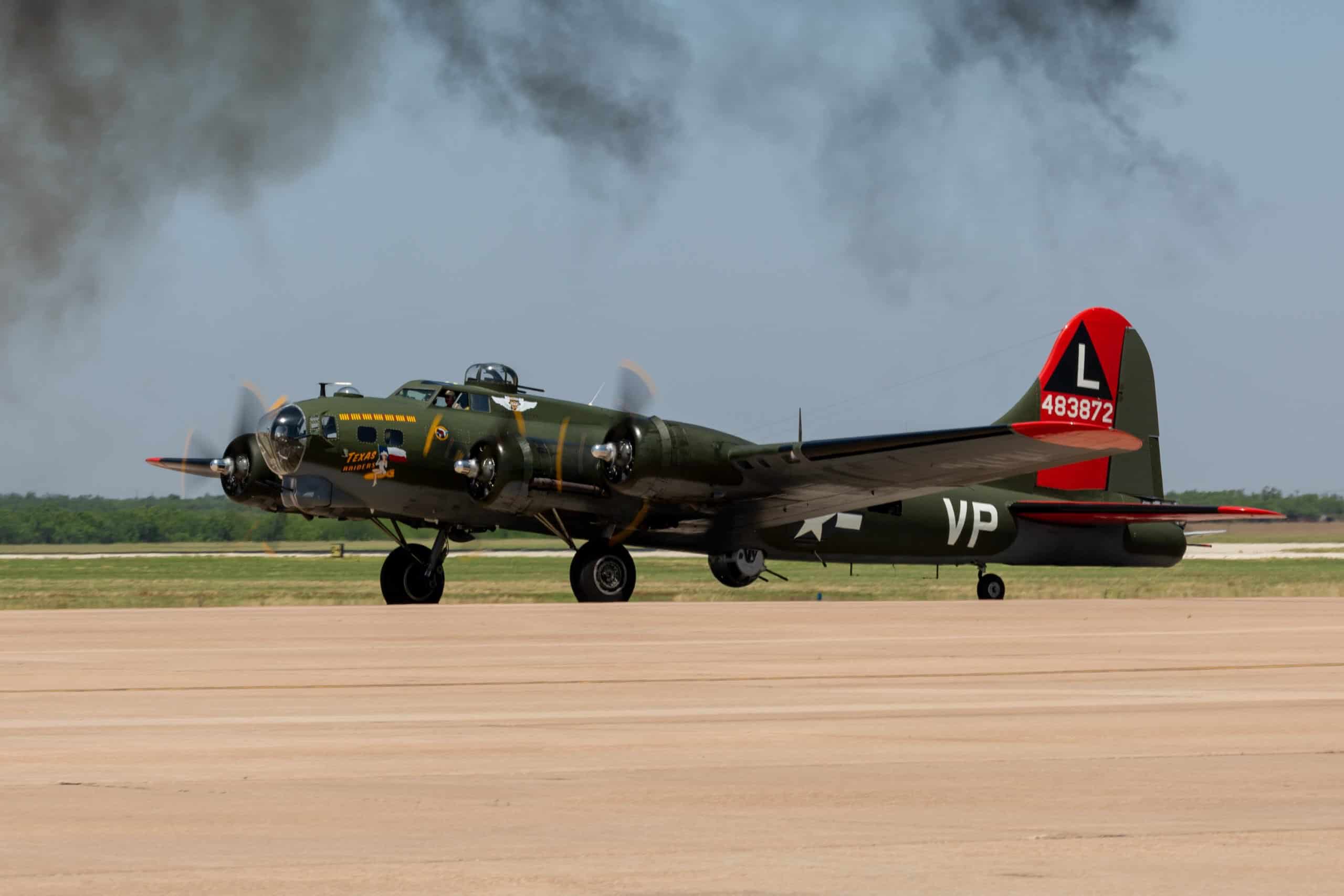
Boeing B-17 Flying Fortress: Tough, but Not Invincible
The Boeing B-17 Flying Fortress earned its nickname from the many defensive guns positioned around the aircraft. With four engines and a crew commonly numbering 10, it became one of the most recognizable American bombers of World War II. Stories of badly damaged B-17s making it back to base helped build its reputation for toughness. But there was another side to that reputation: flying these missions was extremely dangerous, and many aircraft and crews were lost. American planners initially hoped large groups of B-17s could defend themselves on long daylight missions. Heavy losses showed the limits of that idea, and long-range fighter escorts became increasingly important. The aircraft also carried the much-publicized Norden bombsight, whose real-world accuracy fell far short of some wartime claims. Surviving planes such as the restored Memphis Belle now offer visitors a chance to appreciate both the engineering and the people behind the aircraft.