Source: Public domain / Wikimedia Commons
Source: Public domain / Wikimedia Commons
Source: Public domain / Wikimedia Commons
Source: Public domain / Wikimedia Commons
Source: Public domain / Wikimedia Commons
Source: Public domain / Wikimedia Commons
Source: Public domain / Wikimedia Commons
Source: Public domain / Wikimedia Commons
Source: Public domain / Wikimedia Commons
Source: Public domain / Wikimedia Commons
Source: Public domain / Wikimedia Commons


The Deadliest Fighter Pilots in Military History
A flying ace, also known as a fighter ace or air ace, is generally defined as a military aviator credited with destroying at least five enemy aircraft in aerial combat. The term emerged during World War I, when aviation rapidly evolved from reconnaissance missions into specialized fighter operations and dramatic dogfights. French newspapers began using the word “ace” for standout pilots, and the label quickly became part of military culture. Pilots and aerial gunners who reached the five-victory mark were celebrated as elite combatants and national heroes.
Governments and newspapers helped turn the most successful aces into wartime celebrities. Their victories were widely publicized, their photographs appeared in newspapers, and their exploits were often described using the romantic image of knights battling high above the trenches. That heroic reputation could boost morale and give civilians recognizable figures to rally around during a devastating war. As air combat became more organized, however, coordinated formations, improved aircraft, radar, ground control, and greater industrial resources gradually made control of the skies less dependent on the abilities of a single pilot.
Ranking history’s leading fighter aces is more complicated than simply comparing reported totals. Different countries used different rules for awarding victories, and some credited shared kills, damaged aircraft, balloons, or planes destroyed on the ground differently. A victory could be confirmed through witness reports, gun-camera footage, wreckage, combat records, or intelligence—not necessarily through an admission from the opposing military. Wartime confusion, incomplete records, and exaggerated claims also mean some totals remain disputed. Even with those limitations, historians have identified a remarkable group of pilots whose documented records placed them among the most successful fighter aces in history.
René Fonck
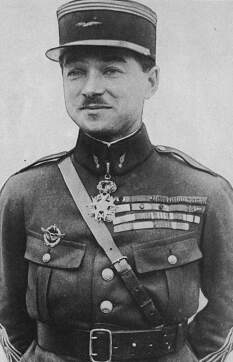
Fonck is the all-time Allied Ace of Aces during WWI. He was an aviator for the French Third Republic and had 75 confirmed victories. Seventy-two of his victories were solo dogfights and three were shared victories in a formation. Fonck personally claimed 142 victories. However, only 75 were confirmed by opposing forces. Despite this, the number of probable claims we attribute to Fonck is at least 100. He was accepted into the French military in 1915 intending to learn how to fly. During the war, he was made an officer of the Legion of Honor. After the war, he was made a commander of the Legion of Honor and even later became a grand officer.
Fonck initially trained at St. Cyr and then at Le Crotoy using a Blériot Penguin, a "flightless" version of a Blériot XI with a reduced wingspan that gave the sensation of flying while on the ground. He completed his pilot's training in May 1915 and flew a Caudron G III observation aircraft with Escadrille C 47.In July 1916, Fonck claimed his first air victory. However, this victory remains unconfirmed.
On May 9, 1918, Fonck bet a few allied American pilots he could shoot down a plane before them in combat. While he lost that initial bet, he badgered the Americans into changing the terms of the bet to "whoever can shoot down the most Germans that day." He then proceeded to shoot down six reconnaissance planes, a feat he would repeat on Sept. 26, 1918.
Manfred von Richthofen
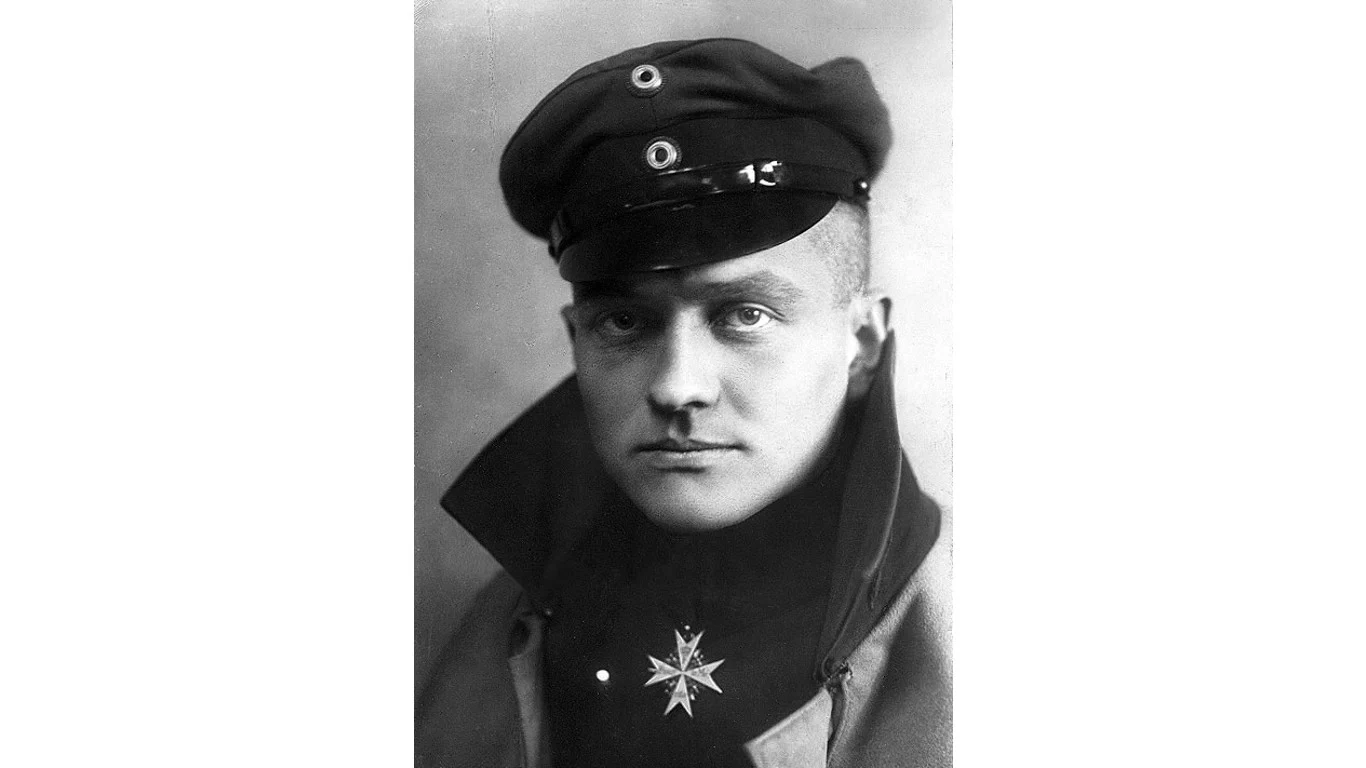
Perhaps one of the most well-known fighter pilots of all time, Manfred von Richthofen is better known as "the Red Baron." He got the name because he would paint his aircraft red. However, during his service, he was mostly referred to as the "Rote Kampfflieger," which means "Red Battle Flyer." He is credited with 80 aerial victories, the most of any flying aces in World War I. However, he didn't get his start as a pilot like many of the aces on this list. He was a cavalryman when he started in the army. He transferred to the German Air Service in 1915 after a chance meeting with Ace fighter pilot Oswald Boelecke.
Von Richthofen initially appeared to be a below-average pilot in training. He struggled to control his aircraft and crashed during his first flight at the controls. He was not spectacular and didn't perform aerobatics like his brother or Werner Voss, preferring to rely on tactical skill and marksmanship when he engaged other fighter pilots in dogfighting. Eventually, he went on to lead the Jagdgeschwader I, which was often referred to as the "Flying Circus" or "Richthofen's Circus" because of the bright colors of the aircraft in the unit.
After earning his first confirmed aerial victory on Sept. 17, 1916, von Richthofen continued to down planes. He learned how to fly several planes, including the Albatross D.II. However, after he downed his most famous adversary, British ace Major Lanoe Hawker VC on Nov. 23, 1916, von Richthofen became convinced that he needed a more agile plane, even if that meant sacrificing speed. Thus, he swapped over to the Albatross D.III, which was slightly slower but more maneuverable. Von Richthofen was shot down and killed near Vaux-sur-Somme on April 21, 1918.
Erich Hartmann
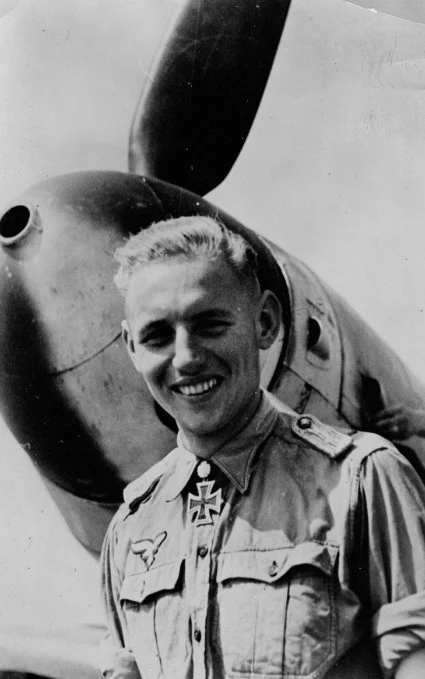
While significantly less famous among the general public than Manfred von Richthofen, Erich Hartmann is actually the most successful fighter pilot in the history of aerial warfare. Hartmann is credited with shooting down 352 Allied aircraft, 345 Soviet and seven American. He flew a total of 1,404 combat missions and participated in aerial combat on 825 separate occasions. Due to mechanical failure or damage to his planes from parts of enemy aircraft, he was shot down, he was forced to crash-land his aircraft 16 times. However, he was never directly shot down by an enemy fighter pilot.
Before joining the Luftwaffe in 1940, Hartmann was a glider pilot. He completed his fighter pilot training in 1942 and entered combat. On Oct. 29, 1943, he was awarded the Knight's Cross of the Iron Cross for destroying 148 enemy aircraft in combat. Then, on March 2, 1944, Oak Leaves were added to his Knight's Cross for destroying a total of 202 aircraft. A few months later, Swords were added to his Knight's Cross as his total confirmed aerial victories had climbed to 268. Finally, on Aug. 25, 1944, he was awarded the Knight's Cross with Oak Leaves, Swords, and Diamonds for achieving a total of 301 aerial victories. This award was the highest military decoration of the German army at the time. In the time between receiving this award and the end of the war, he would shoot down another 51 aircraft.
Despite his clearly incredible skill, his pilot training was not the smooth sailing one might expect it to be. He wasn't the most obedient pilot and disobeyed direct orders by performing aerobatics during a training exercise. He was confined to his room for a week after that.
Alfred Schreiber
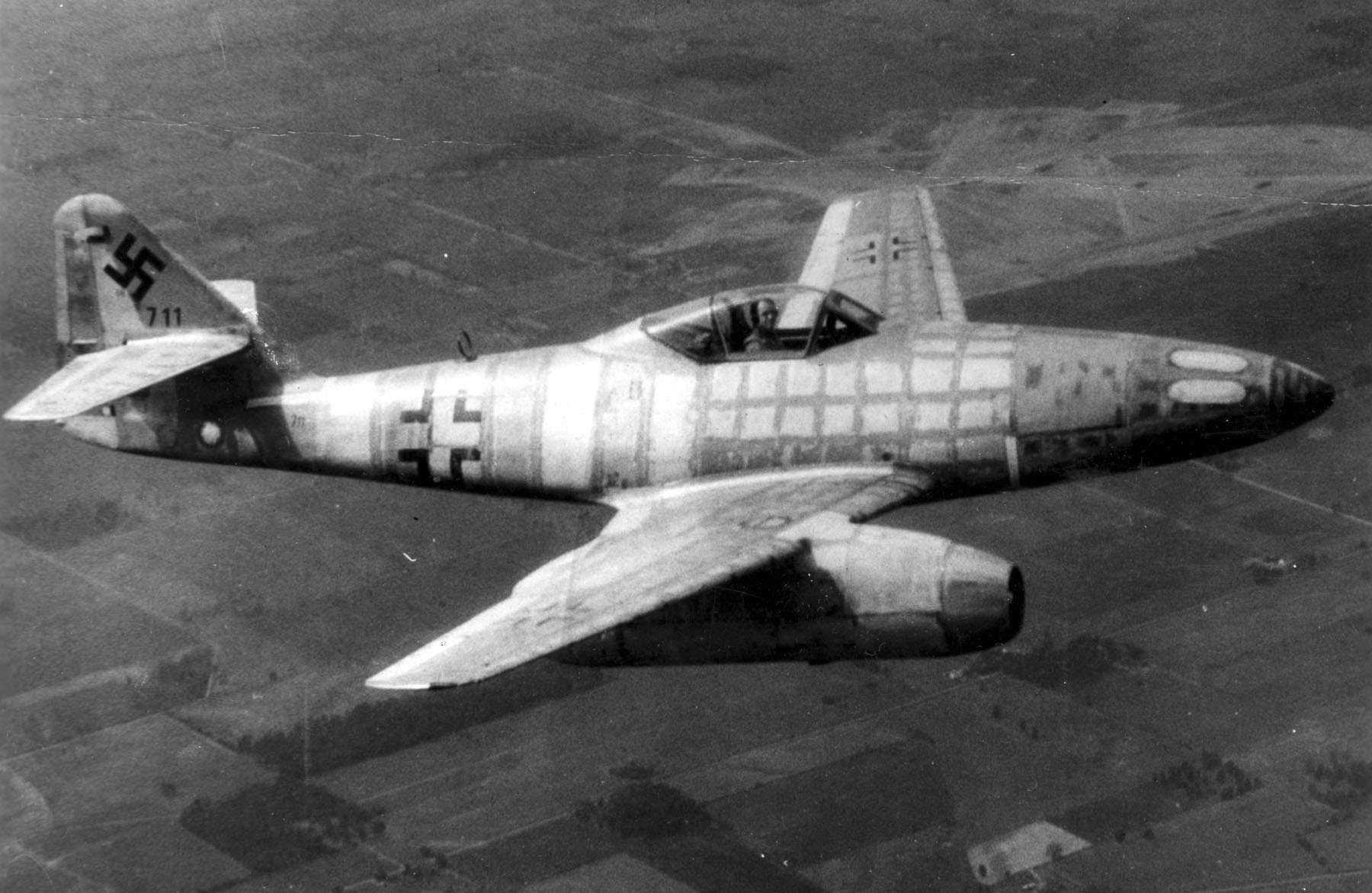
Alfred Schreiber was a unique ace of aces who flew for the Luftwaffe during World War II. He claimed the first aerial victory by a jet-powered fighter in aviation history. His unique victory was achieved when he intercepted and attacked a Mosquito PR XVI photo-reconnaissance aircraft from the No. 540 Squadron of the RAF. At the time, he was flying a Messerschmitt Me 262 A-1a, the world's first operational jet-powered fighter aircraft. Schreiber shot the plane down and claimed the first aerial victory by a jet fighter upon returning to base. The Mosquito he shot down lost its front hatch, which came off and hit the wing and tail, causing the plane to crash land at an allied airfield in Italy. The plane he attacked was ultimately lost in the crash.
When compared to other aces of aces, Schreiber isn't as decorated. He claimed just four more aerial victories before he was killed on Nov. 26, 1944. However, he was the first ace of aces to achieve that status using a jet-powered fighter plane, which makes him especially unique and historically important. His kills included 1 Mosquito PR XVI, 2 Supermarine Spitfires, 1 Spitfire PR XI, and 1 P-38 Lightning, which effectively show his overall skill as a fighter pilot even if his term of service was significantly shorter than some of the pilots on this list.
While he was historically significant in his own way, Schreiber served most of his time in the Luftwaffe in the shadow of Manfred von Richthofen. Even in the scope of modern history, most people still think of von Richthofen as the fighter pilot to end all fighter pilots and very few people know about Alfred Schreiber in comparison.
Muhammad Mahmood Alam
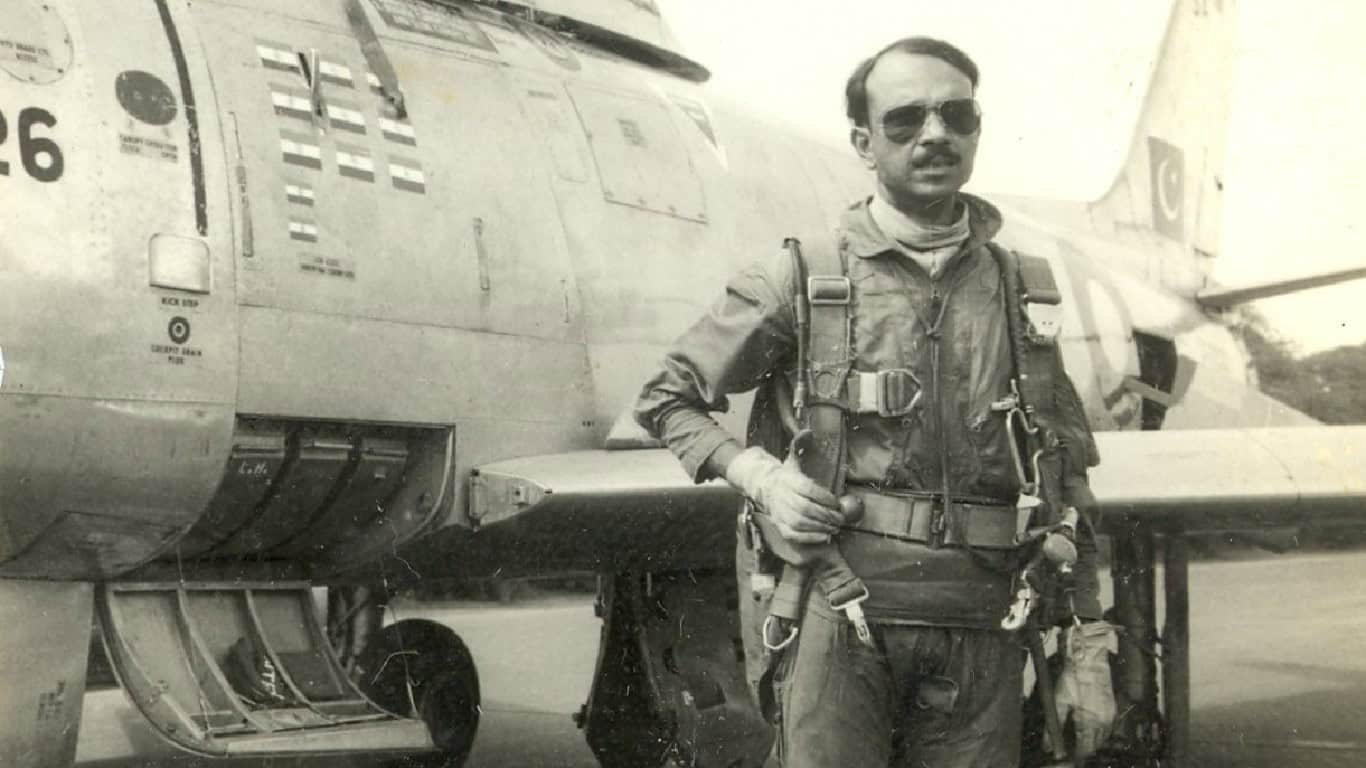
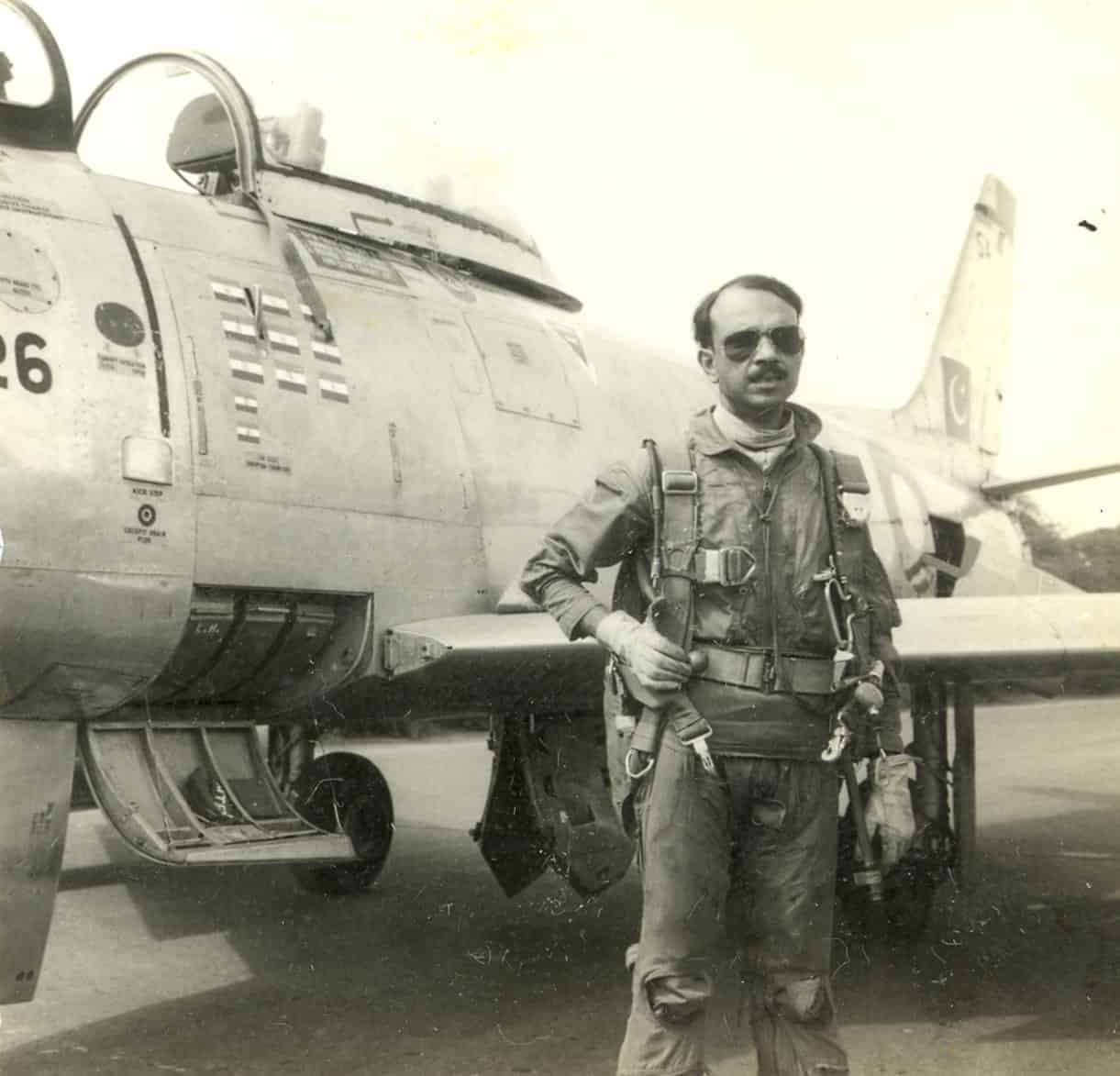
Air Commodore Muhammad Mahmood Alam of the Pakistani Air Force is another unique fighter pilot in the history of aerial warfare. The Pakistani Air Force credits him with shooting down five Indian fighter aircraft in under one minute, a world record. He also holds the world record for becoming a flying ace in the shortest amount of time, as he had no previous aerial combat victories before his feat. While other pilots, such as René Fonck, have completed five or more takedowns in a day, they were already considered flying aces when they performed these feats, making Alam the first person to become a flying ace in a single day.
Alam was born to an ethnic Muhajir Muslim family from Calcutta, Bengal, British India, and raised in Bengal. His mother's family was Bengali and his father's family was Bihari, having come from Patna and settled in Bengal. He joined the Royal Pakistani Air Force (now the Pakistan Air Force) in 1952 and was commissioned on Oct. 2, 1953. As he assumed the responsibility of taking care of his parents and 11 siblings, he never married.
According to the PAF and eyewitness accounts, Alam took down five Indian Hunter aircraft in under one minute. He claims that he actually took down seven aircraft in this span. However, two of the kills are considered "probable" as they were not confirmed by the PAF. Despite the confirmation and eyewitness accounts, Air Commodore Sajad Haider contested his claim. However, there was a known rivalry between Haider and Alam. Thus, his choice to contest may have more to do with the rivalry between them than the actual validity of his claims.
Jalil Zandi
Moving into more modern international conflicts, Jalil Zandi served in the Iranian Air Force during the Iraq-Iran War. He is one of the most successful pilots in air-to-air conflict of that war. Additionally, he is the most successful F-14 Tomcat pilot of all time. He joined the Imperial Iranian Air Force and continued his service after the 1979 Islamic revolution in Iran. At this time, it was considered very dangerous for pilots in the Iranian Air Force to continue their service.
At the time, Zandi had attained the rank of major. However, he clashed with his superior, Lt. Col. Abbas Babael, who was "notorious for his merciless treatment of the pilots and officers." Due to the circumstances, Zandi was declared disloyal to the new regime and sentenced to 10 years imprisonment. During his time in prison, he was repeatedly threatened with execution. However, the then-air force commander and many other pilots demanded that he be released. Thus, he was released and returned to service after six months of imprisonment.
Zandi was reliably credited with shooting down 11 Iraqi aircraft. Eight of his victories were confirmed after examining U.S. intelligence documents that were released according to a FOIA inquiry. The other three are considered "probably" victories. His victories include 4 MiG-23s, 2 Su-22s, 2 MiG-21s and 3 Mirage F1s. Zandi died with his wife in a car crash in 2001 near Tehran and is buried in the Behesht-e Zahra cemetery just south of Tehran.
Giora Epstein
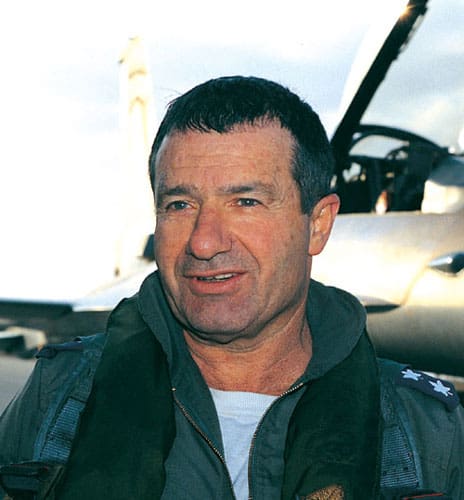
Brigadier General Giora Epstein (later Giora Even) is an Israeli pilot credited with 17 aerial victories, making him the ace of aces of supersonic fighter jets. Sixteen of his victories were against Egyptian fighter jets, while the 17th was against an Egyptian MI-8 helicopter. He is also the ace of aces within the Israeli Air Force. Being an exceptional pilot, Epstein was an active IAF pilot from 1961 until May 26, 1996, when he retired from the Israeli Air Force. After leaving the military, he went on to be a captain for El Al Airlines for several years, like many other Israeli fighter pilots.
Epstein was initially rejected from military flight school due to a heart condition. However, due to his stubbornness, he was able to gain medical clearance to begin flying. He was nicknamed "Hawkeye" due to his exceptionally sharp eyesight. Reportedly, he could spot an enemy aircraft from 24 miles away, almost three times farther than a typical pilot. Epstein got his first kill during the Six-Day War when he downed an Egyptian Sukhoi-7 at El Arish on June 6, 1967. He also got three kills during the War of Attrition from 1967 to 1970, when he downed a MiG-17, a Sukhoi-7, and two MiG-21s. The rest of his kills came during the 1973 Yom Kippur War, where he downed an MI-8 helicopter and eight more jets: 2 Sukhoi-7, 2 Sukhoi-20s, and 4 MiG-21s.
Eight of his victories were achieved while flying a French-built Mirage III. The other nine of his victories were while flying an IAI Nesher, which is essentially an Israeli Mirage 5 clone. Five of his kills were achieved using air-to-air missiles, the others were using the cannon on his plane.
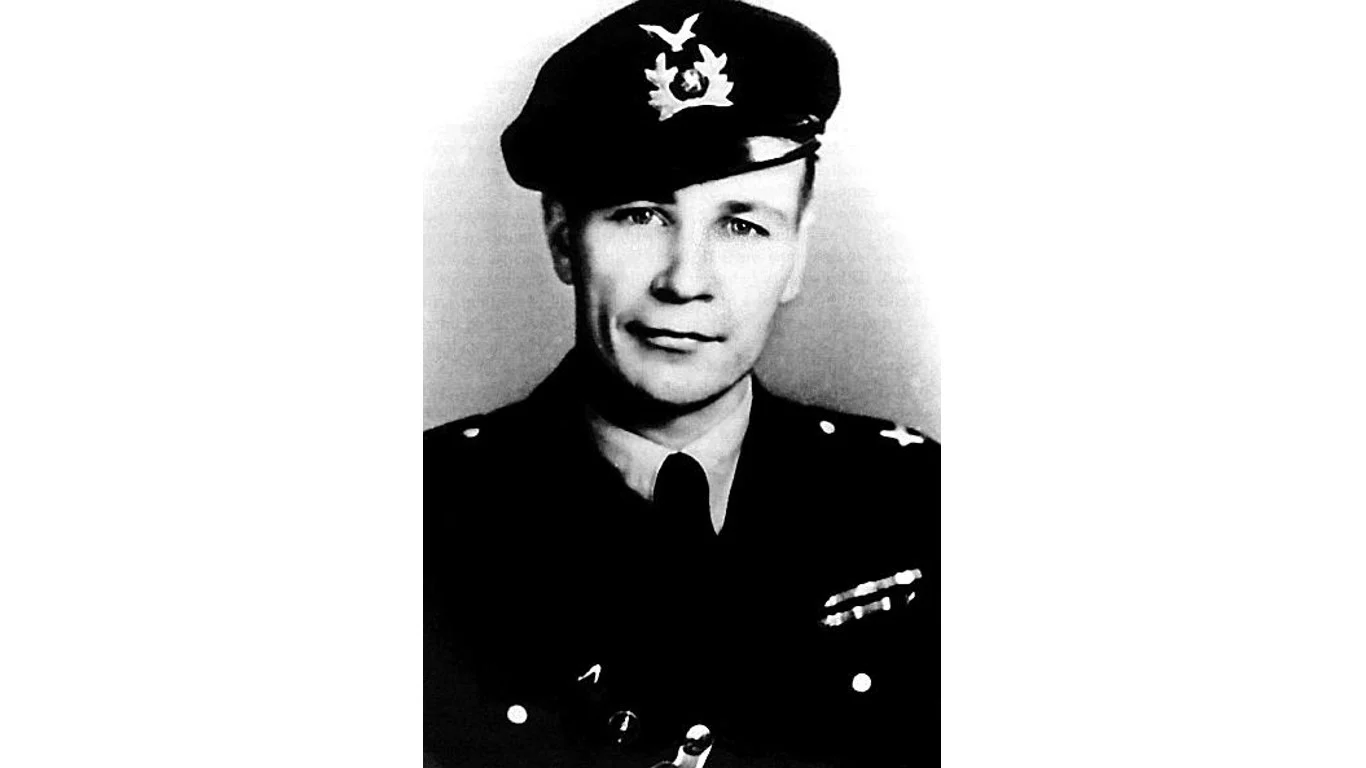
Eino Ilmari Juutilainen
The top-scoring, non-German pilot of all time is Eino Ilmari Juutilainen from the Finnish Air Force. He led all Finnish pilots in scoring against Soviet aircraft in World War II. In total, Juutilainen has 94 confirmed aerial combat victories out of 126 claimed, of which he achieved over 437 sorties. He achieved 34 victories while flying a Brewster Buffalo, 58 with a Messerschmitt Bf 109, and 2 and 1/6 of a victory using a Fokker D.XXI. He is one of only four double recipients of the Mannerheim Cross 2nd Class.
Unlike some fighter pilots on this list, Juutilainen did not join the military of his own free will. He entered the Finnish military on Sept. 9, 1932, for compulsory military service. However, he chose to stay in and joined the Finnish Air Forces as a pilot in 1935. He got his first aerial victory during the Winter War when he shot down an Ilyushin DB-3 bomber and damaged two other planes in aerial combat. He scored one shared and two individual aerial victories during the Winter War. On July 21, 1941, Juutilainen and five other Buffalo pilots intercepted Soviet fighter jets from the 65th ShAP. In the engagement, he shot down a Polikarpov I-153 'Chaika', earning him the title of ace when flying a Brewster Buffalo.
After that, he switched to flying the Messerschmitt Bf 109. In the Bf 109, he would score an additional 58 kills, including six confirmed in a single day. In 1947, he retired from the Air Force and became a professional pilot. He continued piloting planes professionally until 1956 when he retired, but continued piloting casually until just two years before his death in 1999. His last flight was in 1997, flying a two-seater F-18 Hornet.
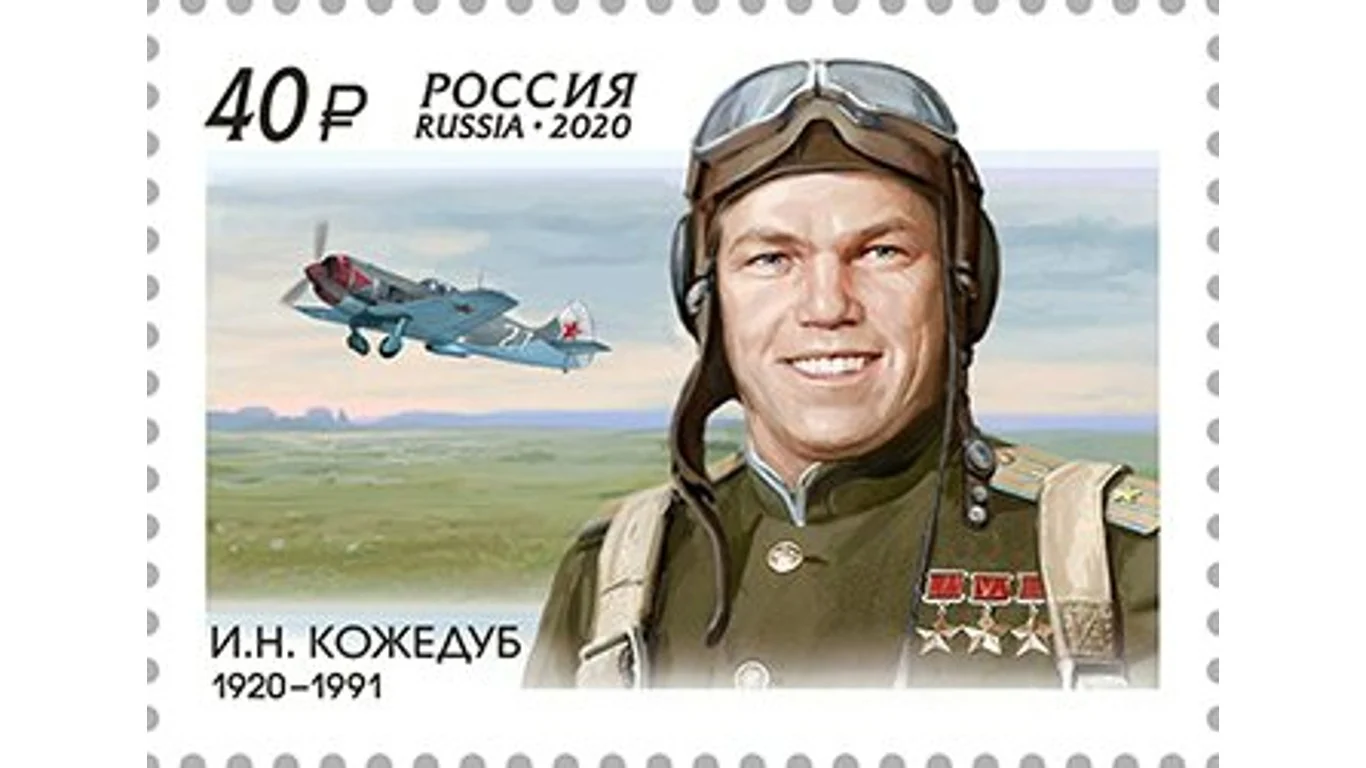
Ivan Kozhedub
Ivan Kozhedub was a Soviet WWII fighter pilot credited with over 60 confirmed solo aerial victories. He was the highest-scoring Soviet and Allied fighter pilot in World War II. He was one of the few pilots in WWII to have shot down a Messerschmitt Me 262 fighter jet. Kozhedub was the first Soviet pilot to do so. Kozhedub was granted the "Hero of the Soviet Union" award three times: on Feb. 4, 1944; Aug. 19, 1944; and again on Aug. 18, 1945. He remained in the Soviet military after World War II and fought in the 342nd Fighter Aviation Division during Soviet operations in the Korean War.
He started his career in the Soviet military as a standard pilot. However, he quickly mastered the La-5 and was promoted to flight commander. He achieved his first kill on July 6, 1943, when he shot down a Ju-87 dive bomber. Kozhedub was known to be friends with Kirill Yevstigneev, an accomplished flying ace. The two often shared tactics and engaged in friendly competition. He was also friends with Vasily Mukhin, his wingman who became an accomplished ace in his own right.
By October 1943, Kozhedub had 14 shootdowns under his belt. At the end of WWII, he had flown 330 sorties, engaged in 120 dogfights, and shot down 64 enemy aircraft. He preferred short- intense attacks to stun and shoot down enemy aircraft over extended dogfights. Often, he would approach a target from below and open fire when he got close. This tactic proved exceptionally effective against Ju-87 bombers, of which he shot down 18. For the entirety of WWII, he was never shot down in battle. However, he had several close calls. Despite this, he was always able to land his aircraft safely, regardless of the damage it sustained.
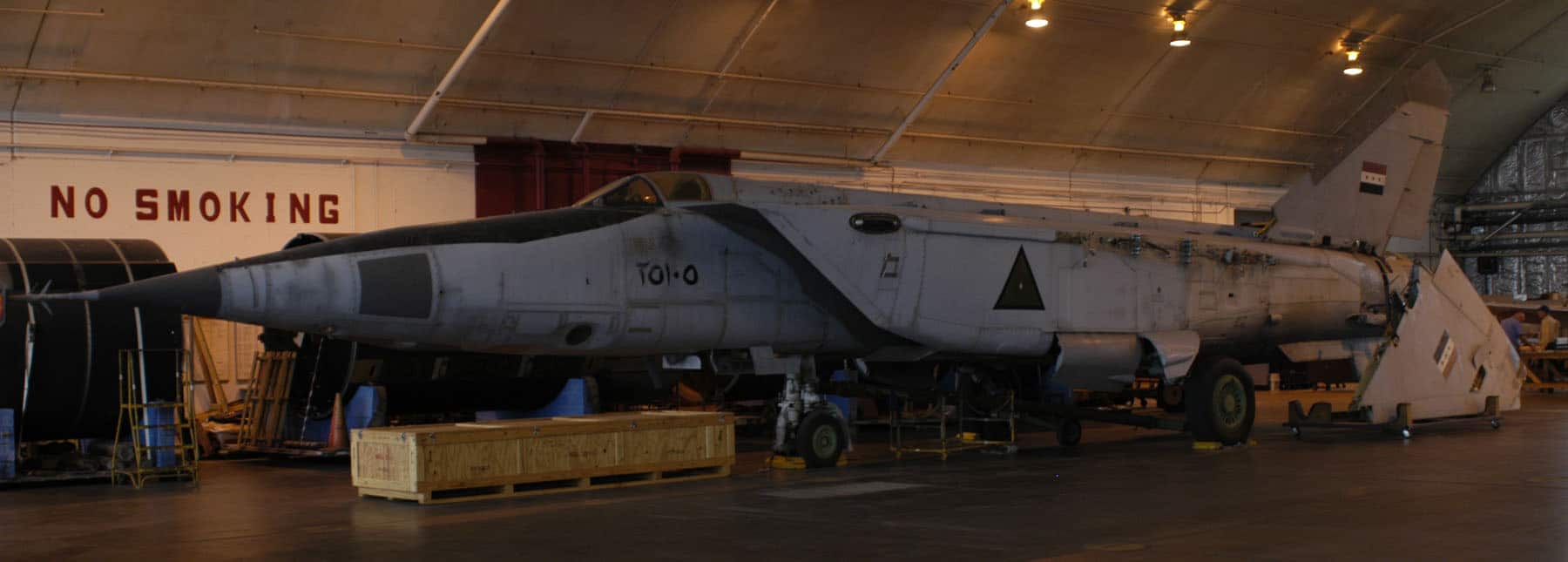
Mohommed 'Sky Falcon' Rayyan
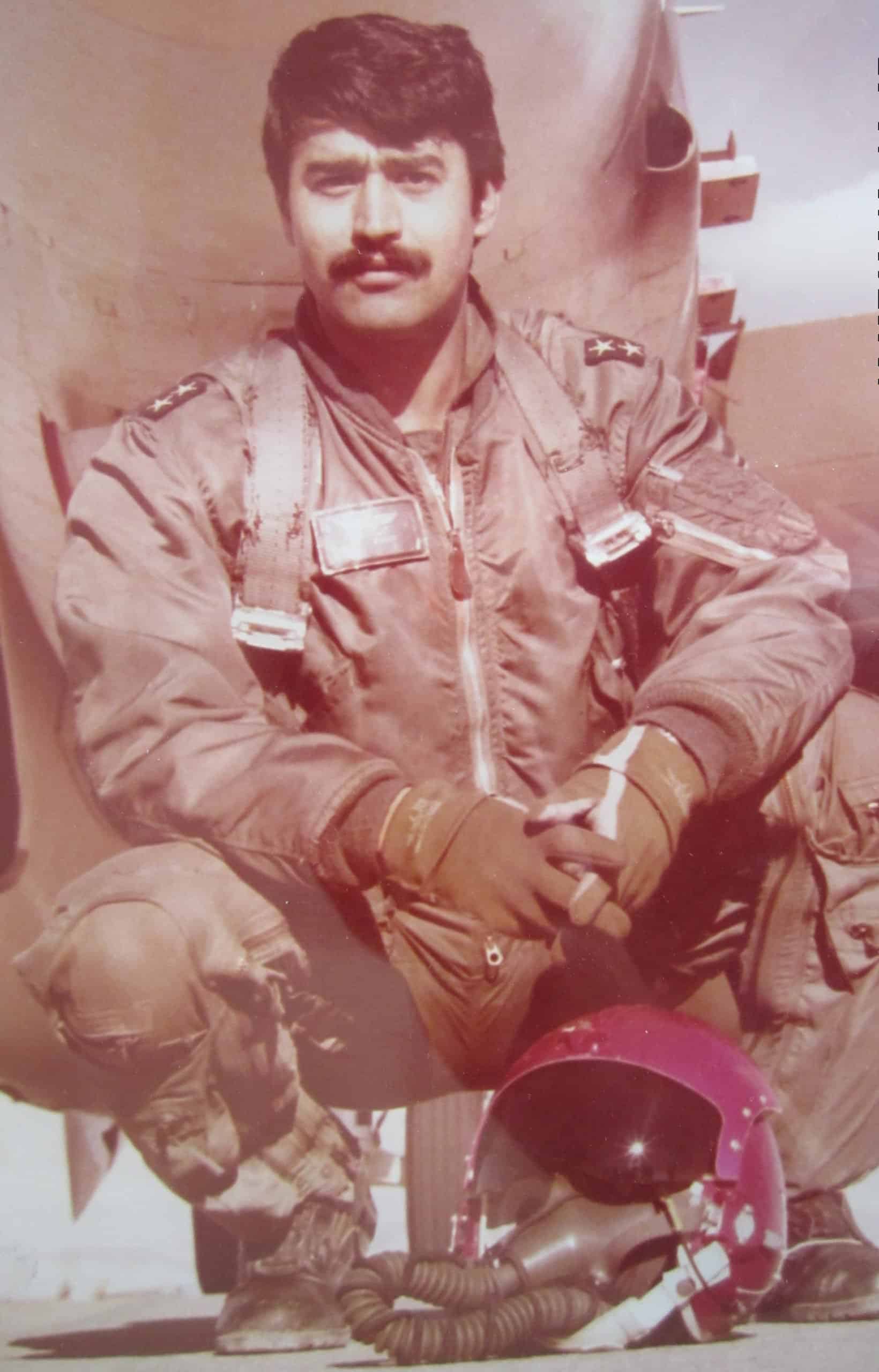
Mohommed Rayyan was an Iraqi fighter pilot and one of Iraq's most prestigious pilots of all time. He flew during the Iran-Iraq War, during which he earned the nickname "Sky Falcon." His rank at death was colonel. He initially flew a MiG-21. However, after proving his mettle with the plane, he was transferred to a MiG-25. The MiG-25 was typically reserved for more experienced pilots. His success with the MiG-25 is unparalleled; he is unequivocally the most successful MiG-25 fighter pilot of all time.
Rayyan has 10 air combat kills and five confirmed victories, earning him the title of flying ace. His first five planes downed were achieved with the MiG-21, and four were confirmed by the Iranian Air Force. After transferring to the MiG-25, he achieved another six aerial victories. All of his MiG-25 kills have been confirmed by the Iranian Air Force. The Iraqi Air Force lists his kills with the MiG-25 as being against one Mirage III, one F-4D, one RF-4E, and two F-5Es.
The circumstances of Rayyan's death were exceptionally suspicious. He was shot down over the Persian Gulf Sea during a patrol mission. However, his aircraft and body were never found. At the same time, Saddam Hussein was questioned for ordering the deaths of Iraqi war heroes. These factors led to more speculation and questions about Rayyan's reported death and whereabouts. (Here are 33 iconic weapons of WWII.)