© Wikimedia Commons
© shadman_samee / Flickr
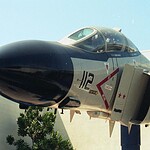
© F-4 Phantom II, San Diego, 1995 by euthman / BY-SA 2.0 (https://creativecommons.org/licenses/by-sa/2.0/)
© "Lockheed T-33A-1-LO Shooting Star - 51168245834" by Eric Friedebach is licensed under BY 2.0.
© kalacaw / Flickr
© lurkerm / Flickr
© slezo / Flickr
© Public Domain / Wikimedia Commons

© Saran Aomsiri/Shutterstock.com





What Happens to Fighter Jets After the Military Is Done With Them?
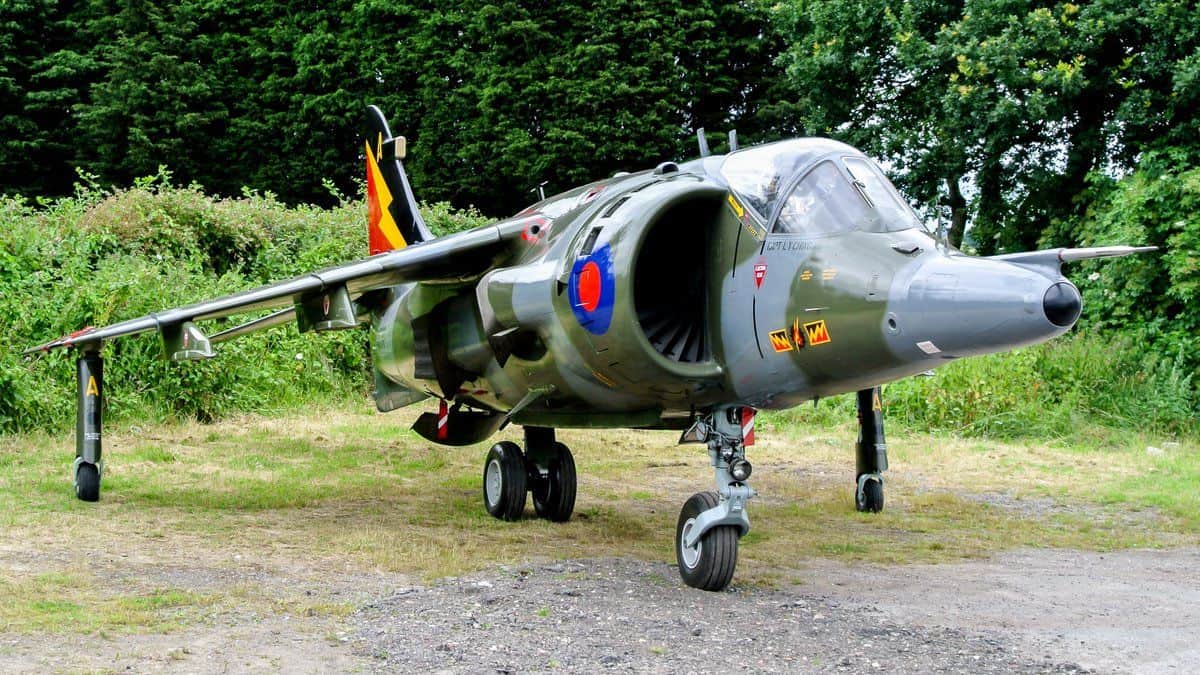
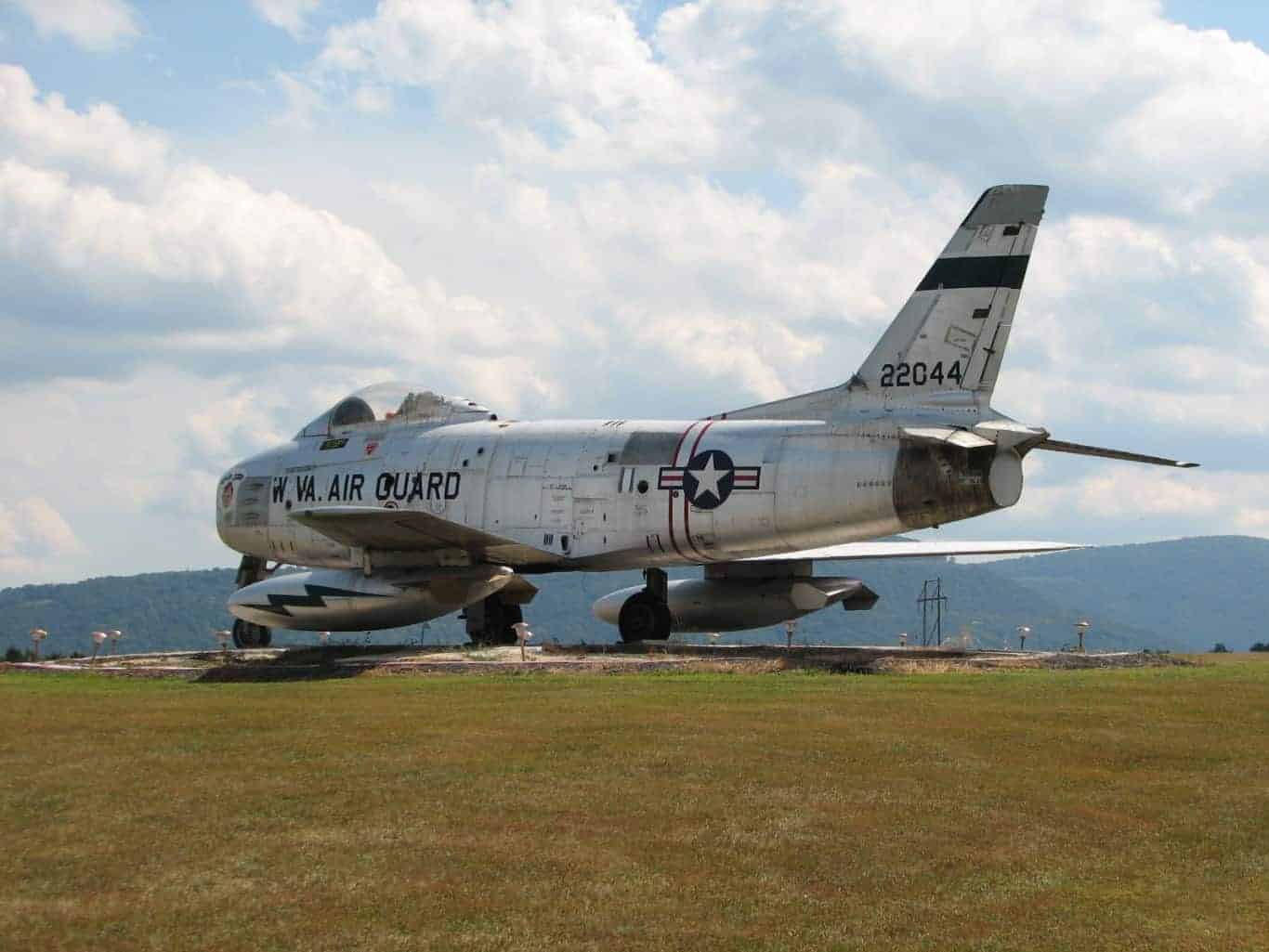
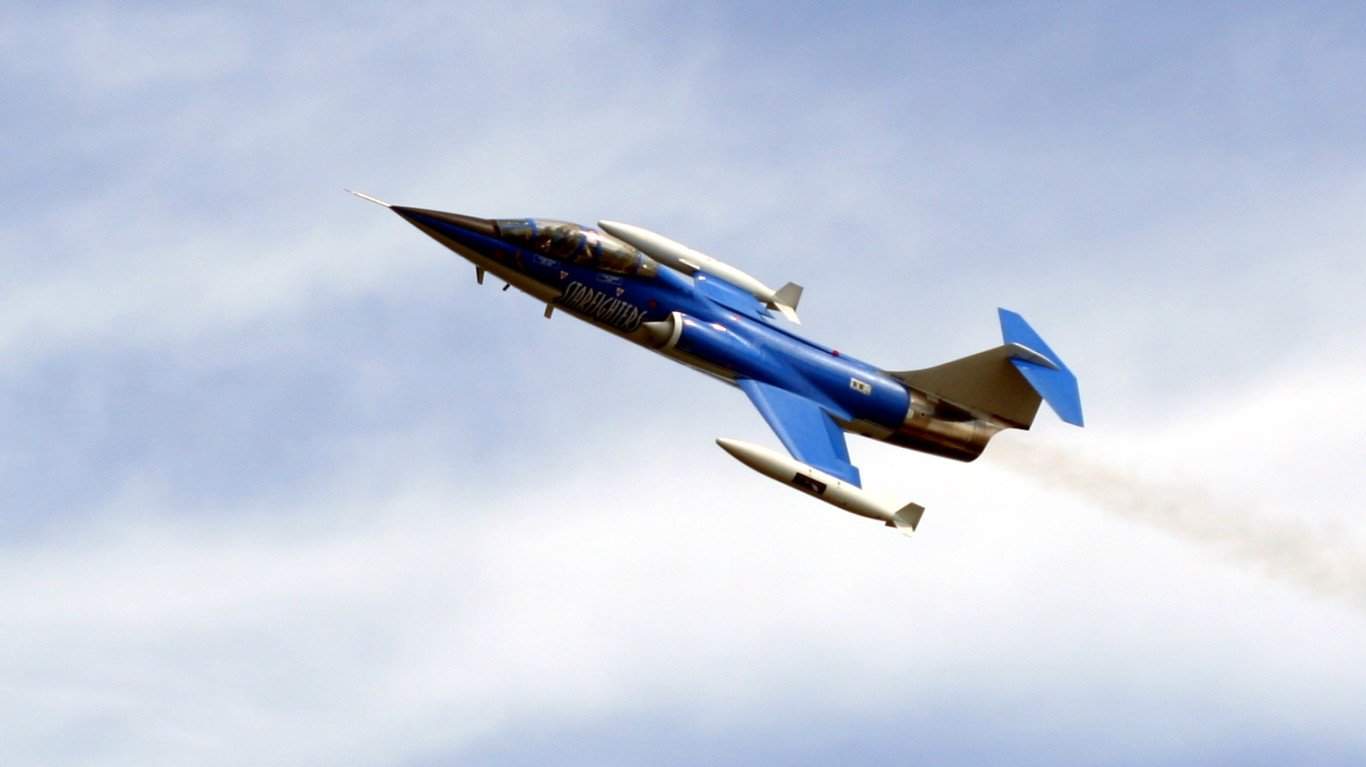
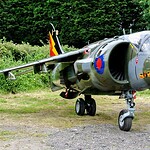
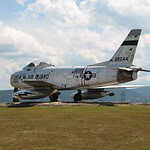
We tend to picture the same things when we think of a neglected suburban backyard: a weather-beaten gazebo, a rusting swing set, maybe a half-finished project car that has not moved in years. What you probably do not expect to see is a Cold War fighter jet sitting beside the shed. Yet a small group of collectors have turned ordinary properties into retirement homes for MiGs, F-86 Sabres, F-4 Phantoms, and other aircraft that once represented the cutting edge of military technology.
A decommissioned fighter jet is obviously a little different from your neighbor's 1992 IROC Camaro with no engine, but the basic question is the same: how did that thing end up here? The answer involves military demilitarization, government surplus sales, deep-pocketed collectors, enormous transportation headaches, and aircraft that can spend decades slowly surrendering to the weather. It is a strange final chapter for machines once built around speed, power, and national defense.
The Cold War Relics of Eastern Europe
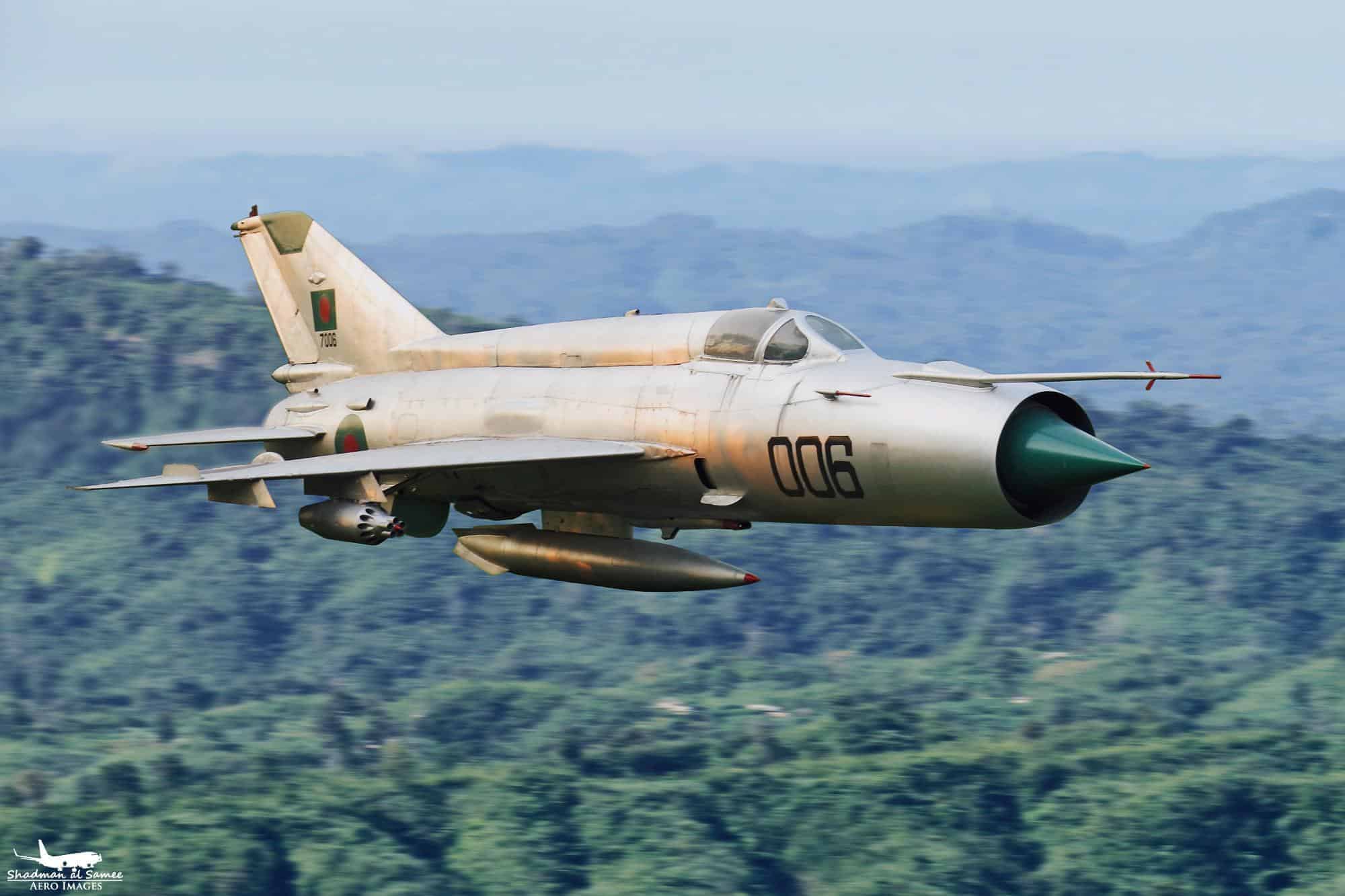
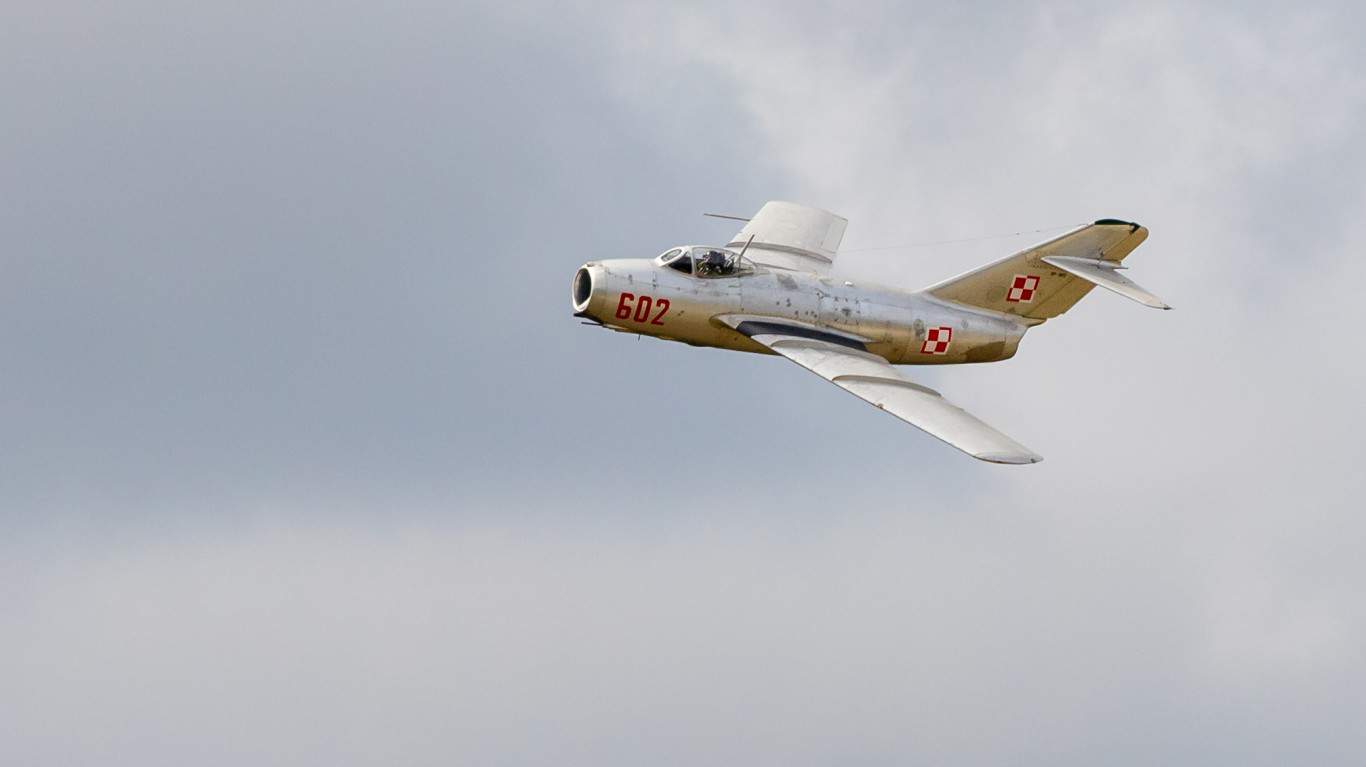
In the tiny village of Plazow, Poland, a Mikoyan-Gurevich MiG-21 stands alone in a typical backyard. Its distinctive nosecone points at a neighbor's fence. Decades ago, the MiG-21 used to be the backbone of the Soviet air force, along with its allies and satellite states. Now, it serves as an example of industrial decay. Its high-gloss paint has flaked away thanks to the damp climate. Moss has crept along the wings. The cockpit is little more than a terrarium, no longer playing host to the analog dials and radar system.
How did this MiG-21 end up here, exactly? In more practical terms, the jet landed at the wrong base during its final flight before decommissioning. It eventually got sold off, thanks in part to the collapse of the Soviet Union.
Demilitarization
Acquiring an old military jet isn't a simple task. You can purchase them, sure, but it isn't as cut and dry as you might think. In the United States, the Department of Defense is required to demilitarize any tactical aircraft before it is sold to the public. This is a brutal process, often making sure these airframes will never take flight again. For the United States government, these old airframes aren't a piece of history, but a liability.
Demilitarization of historic airframes requires the cutting of the spars, effectively destroying the structural bones of an aircraft. Ejection seats are removed. Radar arrays are gutted. The engines are completely destroyed. When a collector, often with deep pockets, takes possession of one of these aircraft, they're essentially receiving tons of jagged metal that have to be moved by specialized flatbed cranes to their final destination.
Aviation History
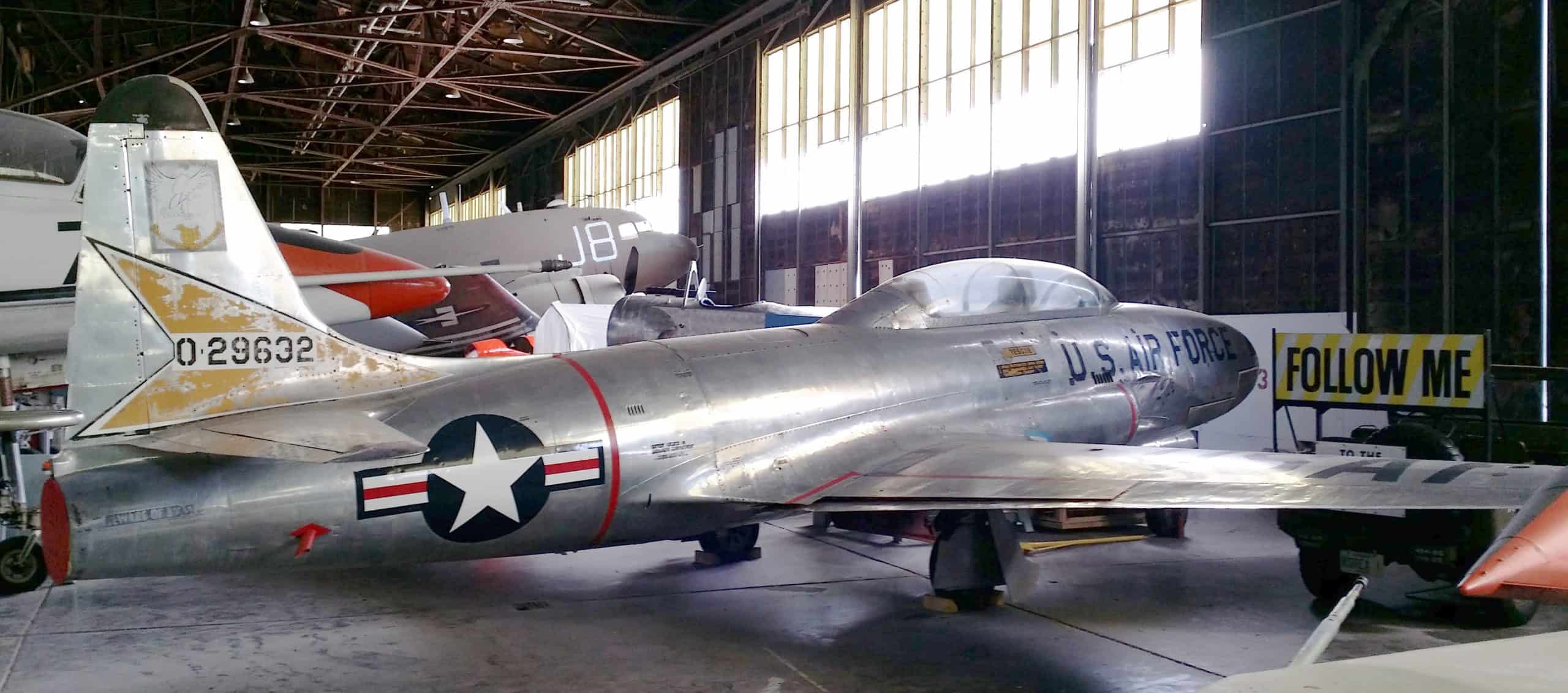
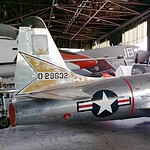
In Lakewood, Washington, one avid collector has spent decades curating a backyard museum. It now serves as the retirement home for quite a few T-33A trainers. One of them sits widthwise across the property, its wingspan taking up nearly the entire yard. Once upon a time, these trainers were often the first thing an aspiring jet pilot for the United States Air Force might pilot. After the end of their service lives, they became static displays at public parks.
Decades of exposure to the elements, graffiti, and vandalism left them in a state of terminal decay. The aforementioned collector bought the vandalized remains of a T-33A from an American Legion post in the 1980s. A slow, solitary restoration took place. The instruments and canopies of these aircraft have been salvaged. That said, they remain a curious relic of their era, never to take flight once again.
The Environmental Impact
Inevitably, these machines will fall into disrepair past their useful service life. Aircraft are designed for high-dry environments, like controlled hangars. They aren't built for the humidity of a backyard lawn, right alongside constant rainfall, creeping moss, pollen, and so forth. Galvanic corrosion occurs when different metals, like aluminum, steel, and titanium, meet. Corrosion leads to the breakdown of magnesium components into white ash. Hydraulic lines weep, seeping red fluid into the soil.
The very weight of the aircraft poses a risk, as the constant exposure to the elements causes a breakdown of the rubber tires. Eventually, these fuselages sink into the soil, poisoning the soil and grass for ages to come.
Industrial Sculpture
So, why do collectors choose to purchase these massive paperweights? In part, at least psychologically, it can be attributed to seeking to preserve some sense of the bravado of a bygone era. Veterans who once flew or maintained these aircraft might seek to maintain some piece of themselves. Enthusiasts who grew up in the shadow of the Cold War see them as the ultimate expression of a nation.
Admittedly, even the decaying frame of an F-86 Sabre or MiG-21 carries a certain energy to it. They were the pinnacle of their era's engineering, accomplished without the use of modern computers, accomplishing the impossible. For a collector, the fact that one of these decommissioned jets might serve as a home for a robin's nest comes second to the legacy it carries.
Logistical Nightmares
For the neighbors of any backyard collector, it's not quite as quaint and romantic. A fighter jet is a massive piece of equipment, no matter how you slice it. It changes the very landscape, often leading to displaced drainage. That isn't even getting into the fact that you've got aviation tourists cramping your driveway. As we mentioned earlier, there are environmental concerns with these aircraft. Older aircraft are teeming with hazardous materials. Cockpit insulation often contained asbestos, dials might contain radium, and the remnants of toxic fuel and lubricants remain for decades to come.
A backyard jet is effectively a small-scale hazardous waste site, which requires constant vigilance to maintain. That isn't always going to be guaranteed for any aviation enthusiast.
Is There a Market?
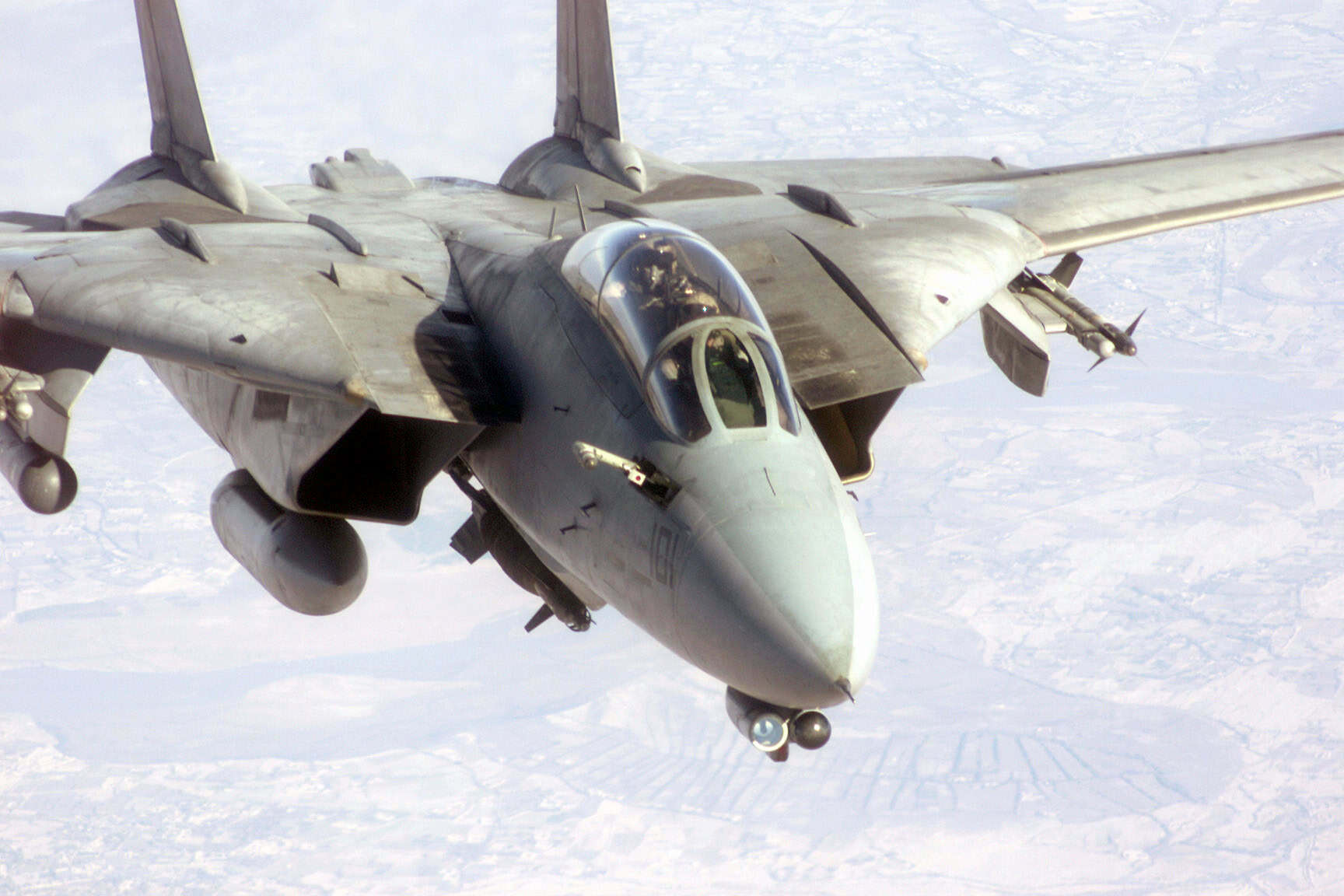
Shockingly, there is a fair amount of interest in these older airframes. Sites like Trade-A-Plane and government surplus auctions can net you a non-airworthy airframe for prices starting at around $5,000. For the price of a new kitchen, you could be the proud owner of a Grumman F-14 Tomcat. Certain difficulties arise, like the transport of the fuselage. You might have to remove power lines. You'll definitely have to coordinate a police escort and charter a heavy-duty crane.
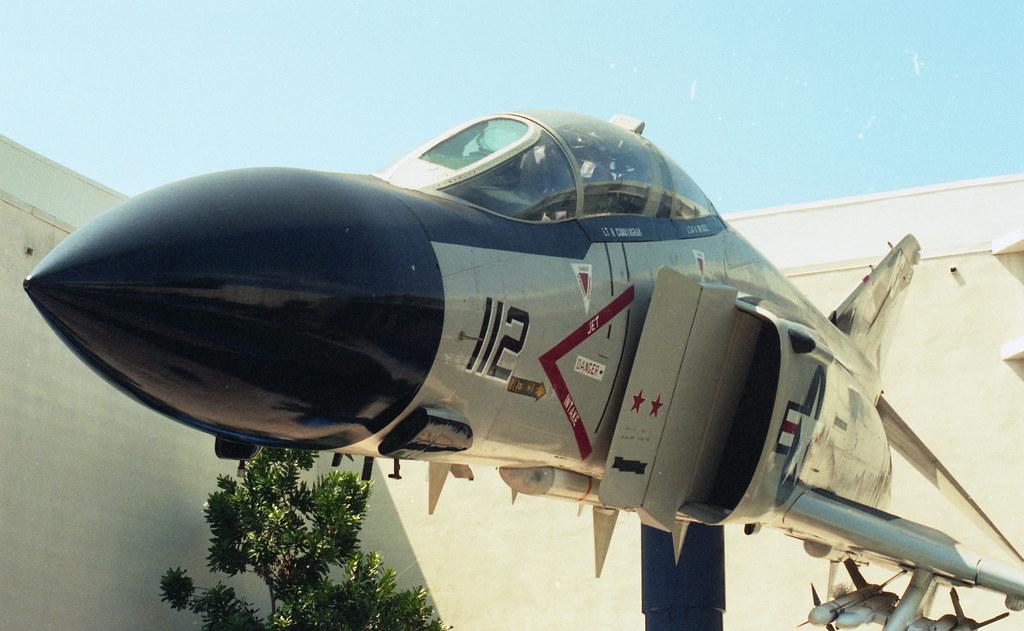
Most jets arrive at their final destination as a heap of parts, needing to be bolted back together. They aren't going to be moved from the property, at least until the house is sold. That leaves the responsibility of what to do with a decaying, 20-ton heap of scrap metal that serves no true purpose. Sadly, not everyone is going to be an aviation buff, and most neighbors chafe when a fence gets too close to their property line, let alone when you take delivery of an F-4 Phantom.
Conclusion
Ultimately, these backyard jets are monuments to the transience of military technology. Many of them were built at the height of national fervor, when industrial capacity and capability were the hallmarks of statecraft. They made use of advanced materials, classified technologies, and ultimately served as the bulwark of Cold War power.
They might have once served as the tip of the spear of any military action, but now they remain as curiosities collected by amateur aviation historians that place them on the periphery of suburban life. As to whether it's worth the purchase, the space, and so forth, that's up to the collector. These airframes once lived a life defined by violence and speed, but might receive a steady shower from the nearby sprinkler and lead to dead patches in the lawn these days. All said, it's a strange, sentimental end for these aircraft. Technology marches forward, so time will tell if 50 years from now we'll see the likes of modern aircraft like the F-35 or F-22 rotting in someone's backyard thanks to the efforts of collectors.