Food recalls happen far more often than most shoppers realize. Many involve limited production runs, small distribution areas, or products that never reach the average household. Others are much harder to dismiss because they affect familiar foods people buy every week—and may already be sitting in refrigerators, freezers, or kitchen cabinets.
Several of the most serious recalls announced in 2026 have involved dangerous bacteria such as Listeria, along with unexpected hazards including pieces of glass in frozen meals. Some cases have been connected to reported illnesses and deaths, while others have affected tens of millions of pounds of food distributed across the country. For families, caregivers, and anyone responsible for household shopping, these warnings deserve immediate attention.
Part of what makes contaminated food so dangerous is that it may look, smell, and taste completely normal. Bacteria such as Listeria and E. coli do not always leave obvious signs, so appearance alone cannot tell you whether a product is safe. Here are the worst food recalls of 2026 so far, what prompted them, and what consumers should do when a recalled item turns up at home.
Clover Hill Dairy Cheese: A Deadly Listeria Outbreak
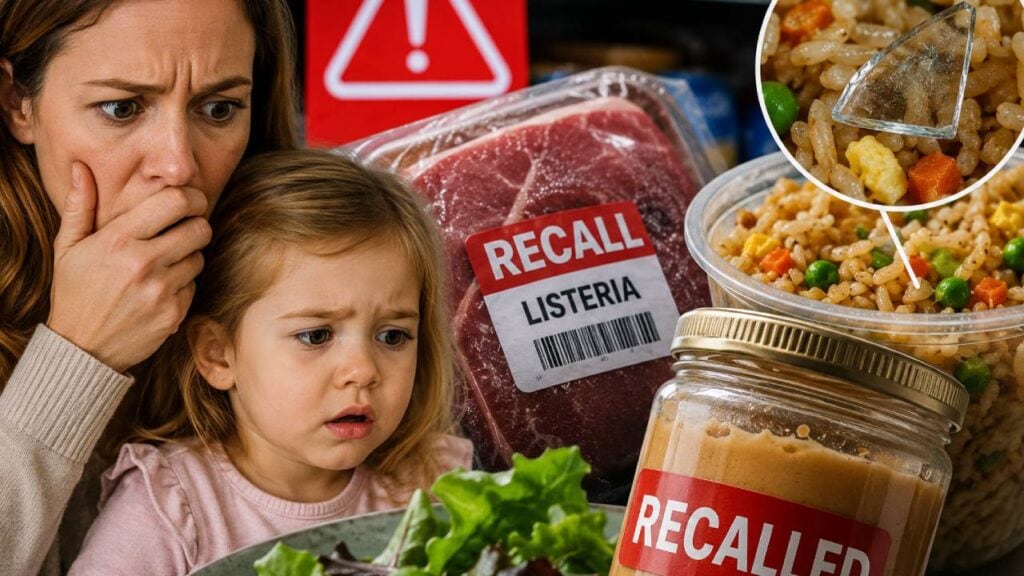
The Clover Hill Dairy recall is the most serious case on this list because it has been tied to a multistate, multiyear Listeria outbreak. As of June 24, federal officials had reported 12 illnesses across four states, including 10 hospitalizations and one death. Testing found the outbreak strain in multiple samples of requeson cheese and inside the Maryland facility, prompting the company to expand its recall to all Clover Hill Dairy cheeses. Some products were repackaged or sold under other names, which can make them harder to identify. Anyone with recalled cheese should not eat it, especially pregnant women, older adults, young children, or people with weakened immune systems.
a2 Platinum Infant Formula: A Heat-Stable Toxin
The a2 Milk Company recalled three batches of a2 Platinum Premium infant formula in May after cereulide was detected in the product. Cereulide is a heat-stable toxin produced by some strains of Bacillus cereus, so preparing the formula with hot water does not destroy it. Symptoms can begin within 30 minutes to six hours and commonly include nausea and vomiting, with infants facing a greater risk of dehydration and other complications. The recall covers 31.7-ounce tins with batch numbers 2210269454, 2210324609, and 2210321712. Parents should check the number and use-by date printed on the bottom of each tin and stop using any affected formula immediately.
California Dairies Milk Powder: A Recall That Spread
California Dairies recalled bulk powdered milk and buttermilk in April because of possible Salmonella contamination, but the concern quickly moved beyond the original ingredients. The powders had already been supplied to manufacturers that used them in other products, triggering downstream recalls involving snack mixes, croutons, seasonings, cheese breads, frozen pizzas, and powdered drinks sold under several brands. That ripple effect makes this case unusually difficult for shoppers to follow: a family may never have purchased powdered milk but could still own food made with it. FDA continued working with manufacturers to determine whether more products required removal, so consumers should compare pantry and freezer items with the agency’s updated recall list.
RAW FARM Raw Cheddar: Nine E. Coli Illnesses
RAW FARM raw dairy products were linked to a multistate E. coli O157:H7 outbreak that ultimately involved nine illnesses in California, Florida, and Texas. Three people were hospitalized; one developed hemolytic uremic syndrome, a serious condition that can cause kidney failure, and more than half of the patients were children younger than five. The company initially resisted FDA requests to remove the cheese, but it voluntarily recalled certain RAW FARM cheeses on April 2 and later updated the announcement. Federal investigators said epidemiologic evidence connected the outbreak to the company’s raw dairy products. Consumers should check the official recall details and avoid eating any cheese included in the affected batches.
Ajinomoto Frozen Meals: Nearly 37 Million Pounds Recalled
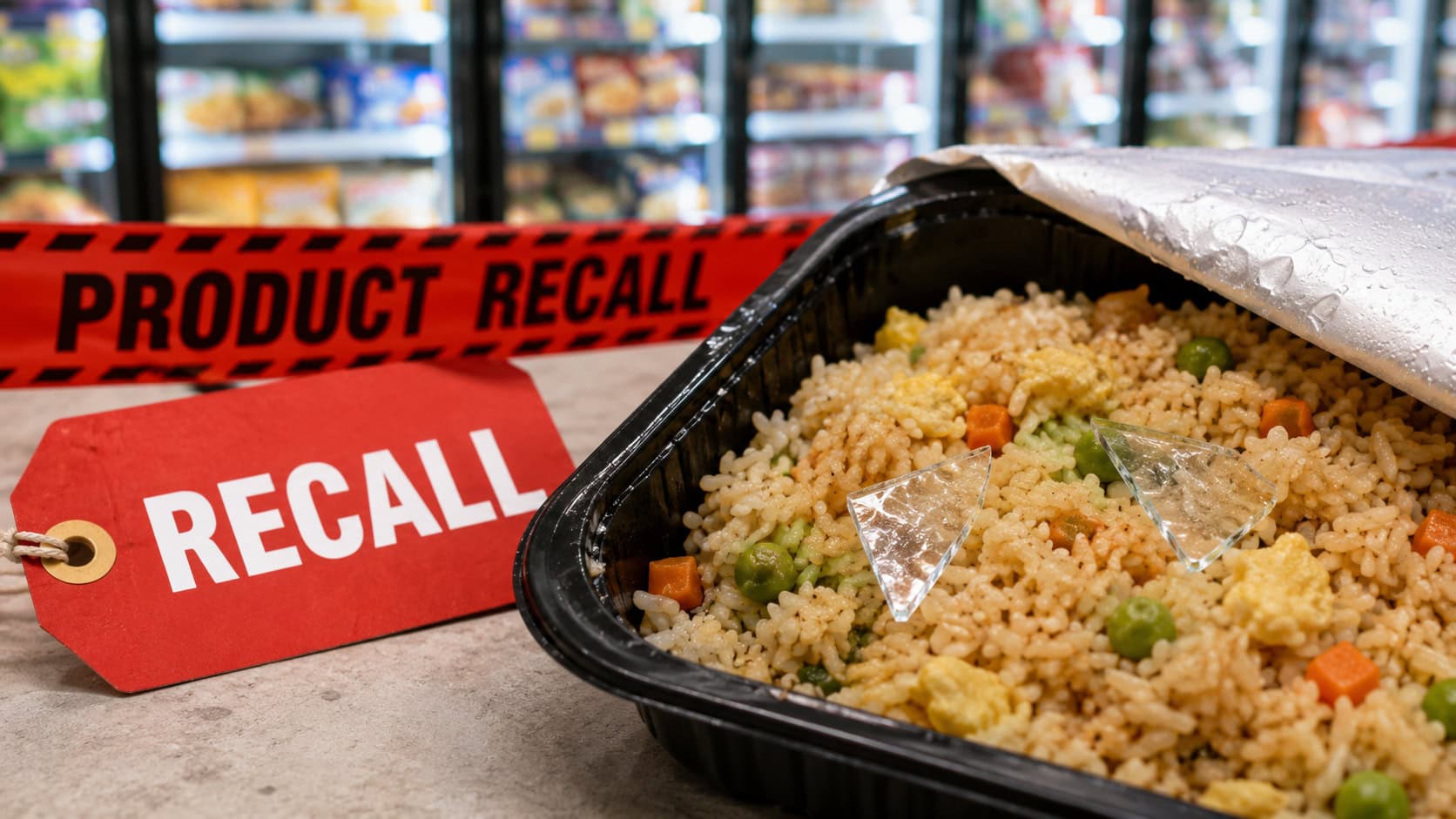
Ajinomoto Foods North America expanded a major recall in March to cover nearly 37 million pounds of frozen fried rice, ramen, and shu mai products because they may contain pieces of glass. The list included foods sold under Ajinomoto and several retailer or restaurant brands, including multiple Trader Joe’s fried rice and dumpling products. The sheer size of the recall means affected packages may still be sitting in household freezers months later. Consumers should not rely only on the front label, since the recall covered numerous products, lot numbers, and best-by dates. Check every matching frozen meal against the full FSIS list, and throw away or return any package included in the recall rather than attempting to inspect the food yourself.
Synear Soup Dumplings: An Undeclared Peanut Risk
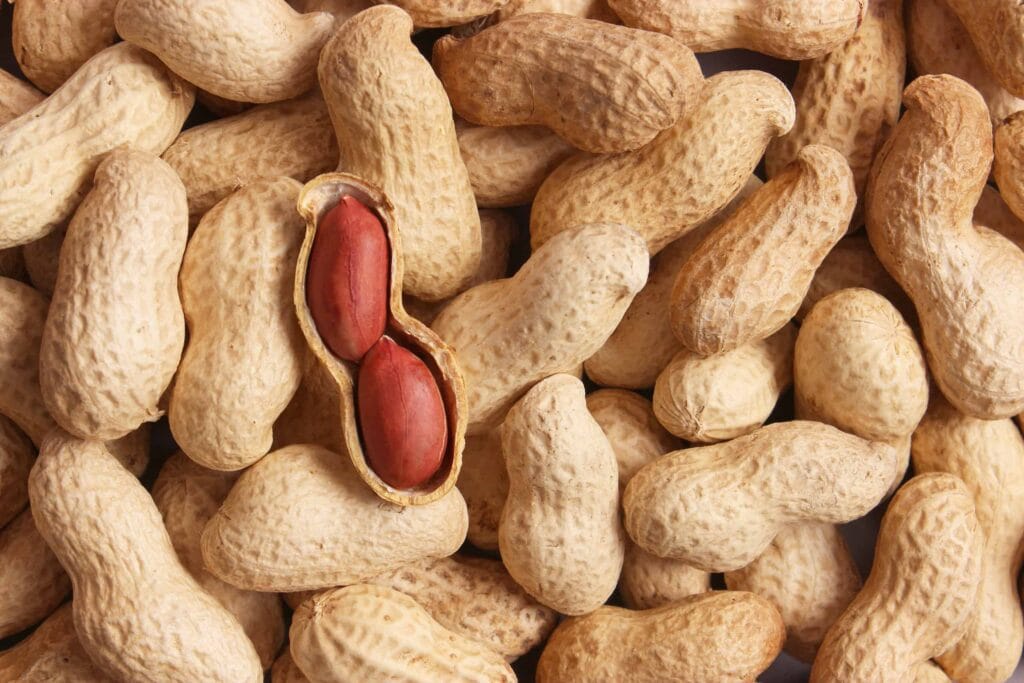
Synear Foods USA recalled about 71,603 pounds of frozen pork-and-crab soup dumplings after federal inspectors discovered that peanut oil was used in the product, but peanuts were not declared on the label. That omission created a potentially life-threatening risk for anyone with a peanut allergy, especially because shoppers would have little reason to expect peanuts in pork-and-crab dumplings. FSIS classified the recall as Class I, its highest risk level. The products were shipped to retailers in several states and carried multiple best-by dates extending into 2027. Families with peanut allergies should check bags of Synear Supreme Soup Dumplings carefully and return or discard any matching package without opening or tasting it.
Spring & Mulberry Chocolate: A Recall That Kept Expanding
Spring & Mulberry’s recall began in January with one lot of Mint Leaf date-sweetened chocolate and later expanded to additional flavors and lots after an investigation traced the likely problem to a single lot of dates used in production. In May, the company recalled all finished bars made with that ingredient because of possible Salmonella contamination. The affected products had been sold online and through specialty retailers across the country. No confirmed illnesses had been reported, and the finished recalled bars tested negative, but the company removed them as a precaution. Shoppers should check both the flavor and lot code on the back of each bar, since only products made with the implicated ingredient were included.
Suzanna’s Kitchen Chicken: Listeria in a Ready-to-Eat Product
Suzanna’s Kitchen recalled approximately 13,720 pounds of fully cooked grilled chicken breast fillets in January because they may have been contaminated with Listeria monocytogenes. Ready-to-eat products are especially concerning because consumers may serve them without another cooking step that could reduce some bacterial risks. The recalled chicken was packaged in 10-pound cases containing two five-pound bags and was produced on October 14, 2025. Listeria can cause severe illness in pregnant women, newborns, older adults, and people with weakened immune systems, even when food looks and smells normal. Consumers and food-service operators should check lot information carefully and discard or return any affected chicken.
Fly By Jing Noodles: Possible Peanut Cross-Contact
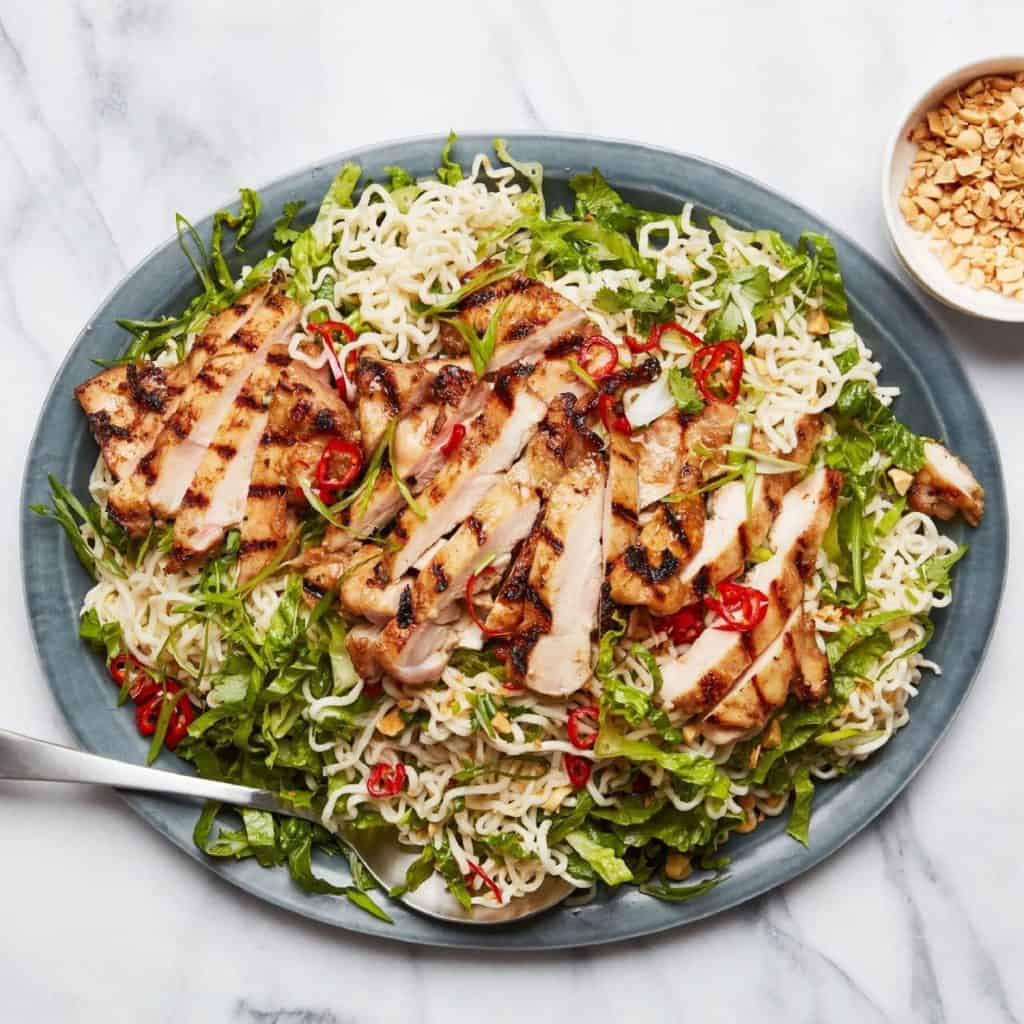
Fly By Jing recalled certain lots of its Creamy Sesame Noodles after learning that a third-party manufacturer had produced them on equipment that also handled peanuts. Peanuts were not an intended ingredient, but possible cross-contact created a serious or life-threatening risk for people with peanut allergies. The recall covered both single packs and four-packs distributed nationwide through Whole Foods, Thrive Market, the company’s website, and other retailers between February 1 and May 8, 2026. Affected packages carry best-by dates of October 15, 2026; December 6, 2026; or March 23, 2027. No other Fly By Jing noodle flavors or sauces were included, but anyone with a peanut allergy should not eat a matching package.
Birch Benders Pancake Mix: Undeclared Egg
Hometown Food Company recalled one lot of Birch Benders Sweet Potato Pancake and Waffle Mix after discovering that the product may contain egg that was not declared on the label. For most shoppers, the issue may seem minor, but undeclared allergens can cause serious or life-threatening reactions in people with severe sensitivities. The recall applies only to 12-ounce bags with lot code 5 265 and a best-if-used-by date of March 24, 2027. Because dry pancake mix can remain in a pantry for months, affected bags may still be in homes long after the announcement. No illnesses had been reported when the recall was posted, but anyone with an egg allergy should return or discard the product rather than use it.