Food has never been simple in the USA. The nation is enormous, the regional culture is rich, and a few centuries of cultural interaction have resulted in a national cuisine that can be both world-class and absolutely incomprehensible. Usually, there is nothing wrong with that. But try visiting another country and explaining what you normally eat in the US, and you may very soon realize that some typical foods cannot be easily translated.
These are 12 American foods that are guaranteed to turn heads in other countries, and not in a good way.
Candy Corn
Candy corn has been an American Halloween staple since the 1880s, but for visitors from other countries, it’s more baffling than almost anything else in the seasonal candy aisle. It is basically sugar with a waxy texture. There is nothing like it in Europe or Asia. It’s not a gummy and it’s not fruit. It’s extremely sweet with a firm yet brittle, slightly chalky texture.
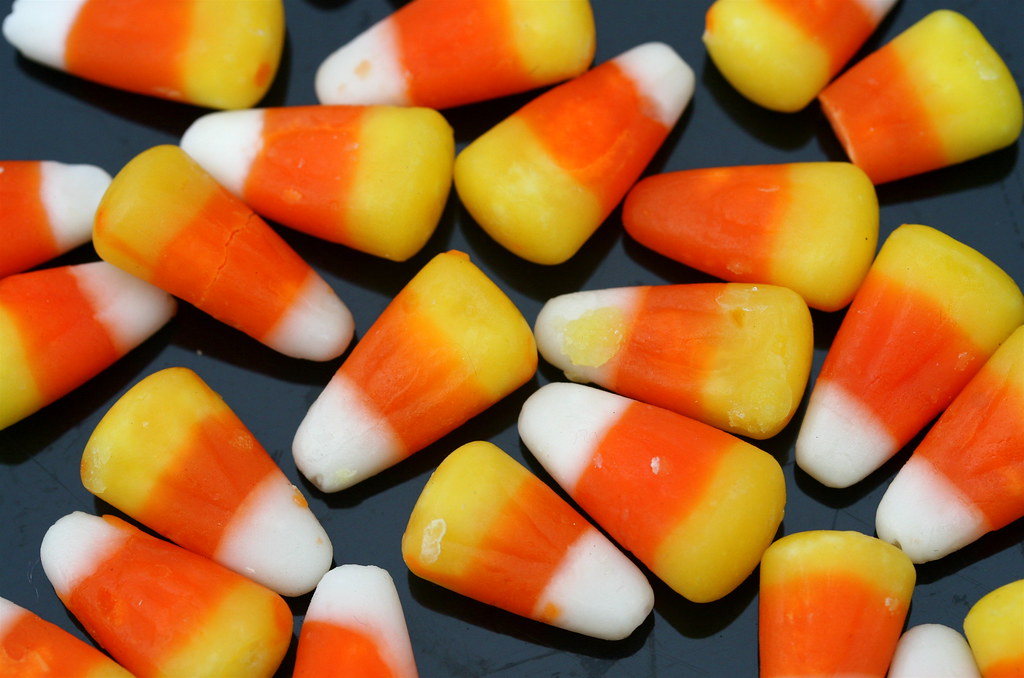
Most visitors describe the experience as eating a scented candle. For those who come from countries with rich pastry culture (such as France, Japan, and Italy), it is very strange that something as basic as “candy” would exist with no actual flavor profile beyond sugar. The fact that Americans eat it by the pound every October only makes it weirder.
Deep-Fried Butter
Deep-frying the most improbable things is an established tradition in the U.S., and tourists know it, but when it comes to deep-fried butter, it still makes them pause.
This original creation, which earned the Big Tex Choice Award at the Texas State Fair in 2009, involves taking balls of whipped butter, freezing them, encasing them in dough, and frying them. It has appeared at fairs across the country since.
The thing about this food that horrifies foreigners is not the idea of deep-frying butter, as many cultures love frying their rich foods, but rather its straightforwardness. The food is exactly what it says it is, and there is no attempt at embellishing it whatsoever. You are eating a fried ball of fat, and that is the whole point.
Processed Cheese Slices
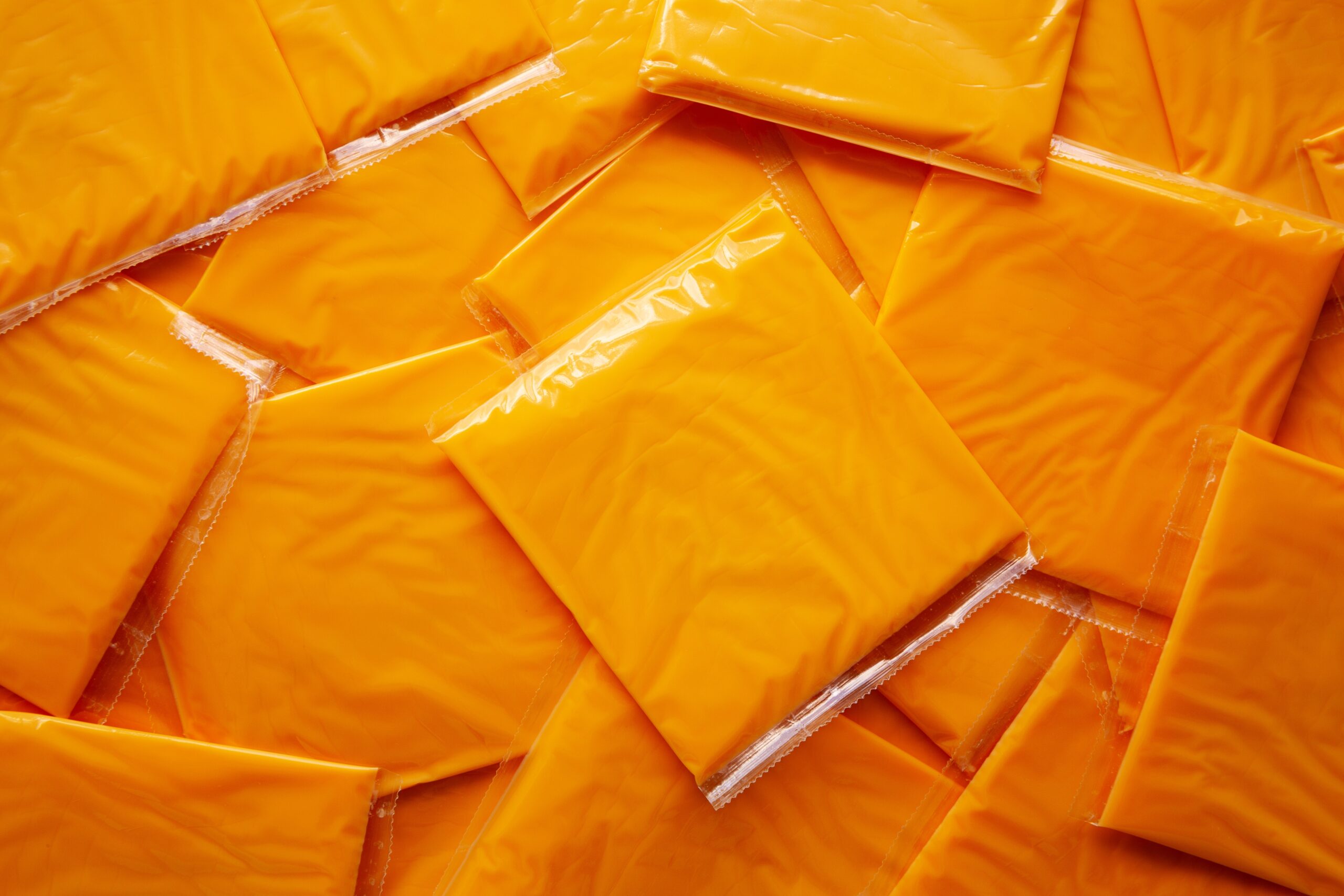
American processed cheese, especially the individually wrapped plastic slices, is not available in most of the world, and tourists frequently question whether it qualifies as food at all. By law, the item often cannot be referred to as “cheese” and has to be classified as “cheese product” or “cheese food.” For countries where cheese is a cultural pillar, the idea of eating something that looks like cheese but can’t even be legally labeled as such feels a bit offensive.
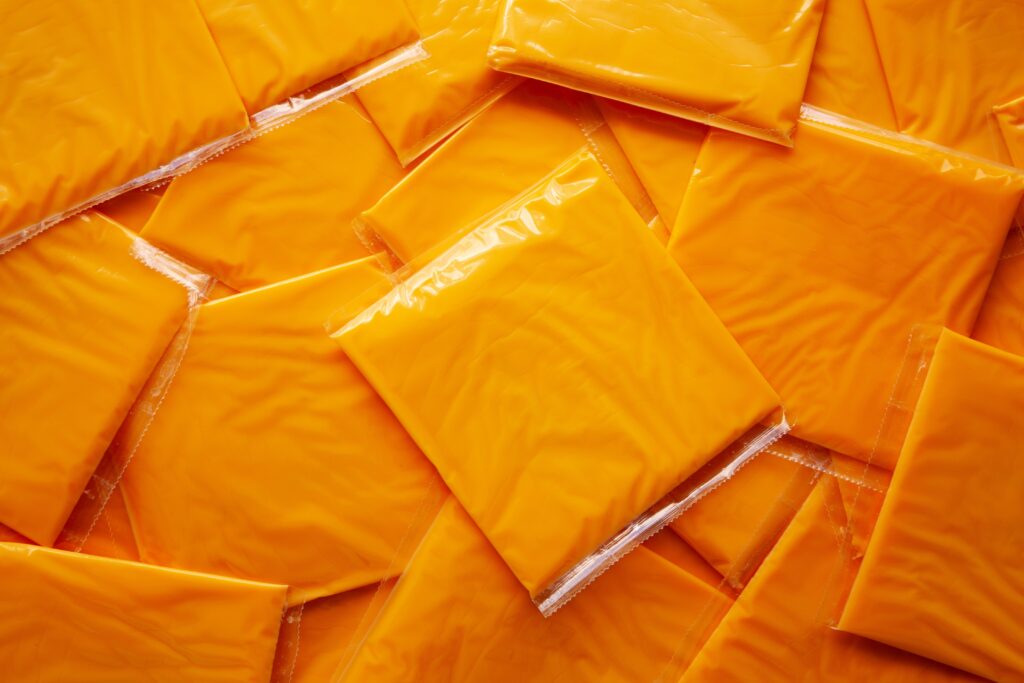
In France, Italy, and throughout most of Europe, the concept of packaging a single slice of processed dairy product into plastic feels wrong. Sliced cheese is a thing there, just not the individually wrapped kind. You will also have trouble finding cheese that has been so heavily processed that it has to be called “cheese product.”
The Americans who travel overseas and try asking for “American cheese” are met with confusion. Once they explain what it is, that confusion turns into mild disgust.
Peanut Butter and Jelly Sandwiches
The PB&J seems perfectly fine in the United States. It’s not even that weird, so it can be surprising to find that it’s seen as a completely bizarre combination anywhere else. Other nations have peanut butter. They also have jelly. Putting those two together between two slices of soft white bread and eating it is something Americans came up with and it puzzles most Europeans. The texture combination (sticky, sweet, soft) is especially weird for Europeans who are used to putting real food like cheese or ham on their sandwich. They may go for jelly or jam if they’re craving something sweet but that’s about it.
UK food journalists have been writing about the PB&J in Great Britain with a combination of curiosity and discomfort for decades. The softness of American sandwich bread and the sweetness of the whole package seem like dessert rather than lunch, and it’s not just what’s on the bread, but even the bread itself. To most Europeans, American sandwich bread is basically cake.
Corn Dogs
A hot dog covered in cornbread batter and fried on a stick is an idea that hasn’t gained much ground outside of the United States. Other countries accept hot dogs as they are and the whole thing ends there. Maybe a little ketchup and mustard but that’s it. Americans, being the food pioneers that they are, decided to take it further. When you add sweet cornbread coating, it changes the flavor in a direction that confuses someone that’s used to having their bread be a savory vehicle.
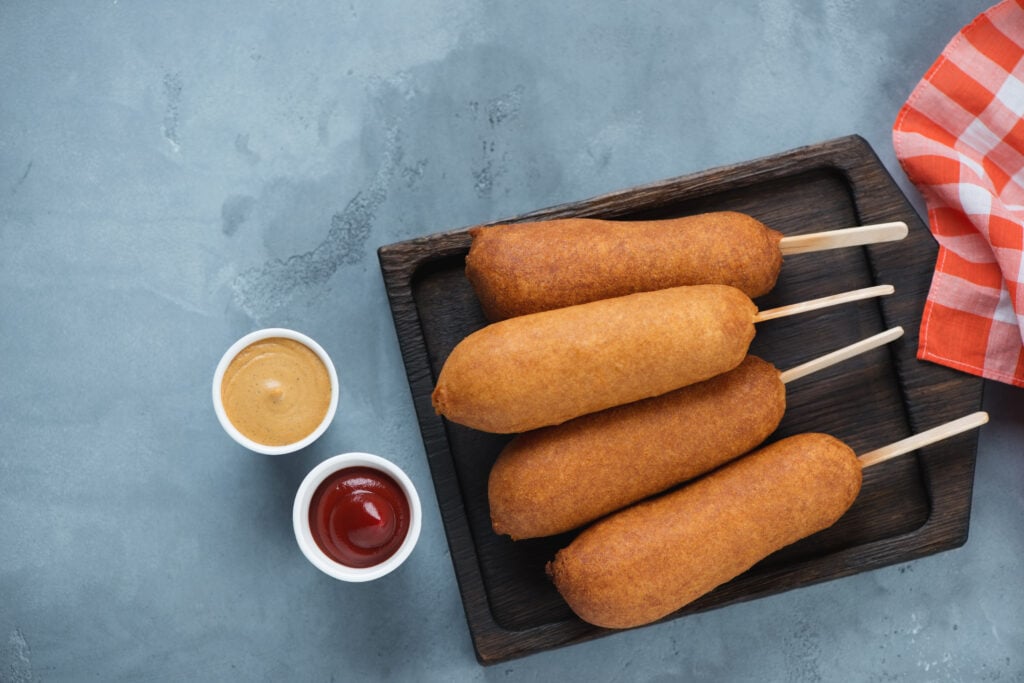
Cornbread batter is basically cake batter outside of American cuisine. Then there’s the stick, which only adds to the confusion. It’s not rare to eat food on a stick in other countries, from satay to yakitori to grilled meats, but those foods are usually savory. The corndog however, sits in this weird food purgatory. It’s a sausage, a lollipop, both and neither. That middle space is where international visitors tend to lose the thread.
Root Beer
Root beer tastes almost exactly like Europeans and Asians would expect a medicinal product to taste. Its historical flavoring came from sassafras and different herbs, although the FDA banned real sassafras from commercial use in 1960, and now root beer only uses artificial flavors. In Europe, it’s usually associated with cough syrup, while Japanese tourists frequently describe their first root beer as tasting like cold medicine because of wintergreen oil that also goes into the traditional Japanese pain relief patch.
That’s not to say that root beer is a bad product. In fact, it’s a well-crafted soda with a rich hundred-year-old tradition. However, the statement “this tastes like the thing my parents gave me when I had a fever” is usually not a great selling point for the rest of the world, especially since Americans drink it as a special treat with ice cream and call it root beer float. That pushes the experience further into a territory that foreigners find difficult to understand, let alone praise.
Fluffernutter Sandwiches
If Americans are weirded out by the P&BJ, wait until they hear about the fluffernutter sandwich. It’s peanut butter and marshmallow cream on white bread, a New England regional staple with a small but devoted following. It definitely qualifies as something that is “genuinely horrifying” to outsiders.
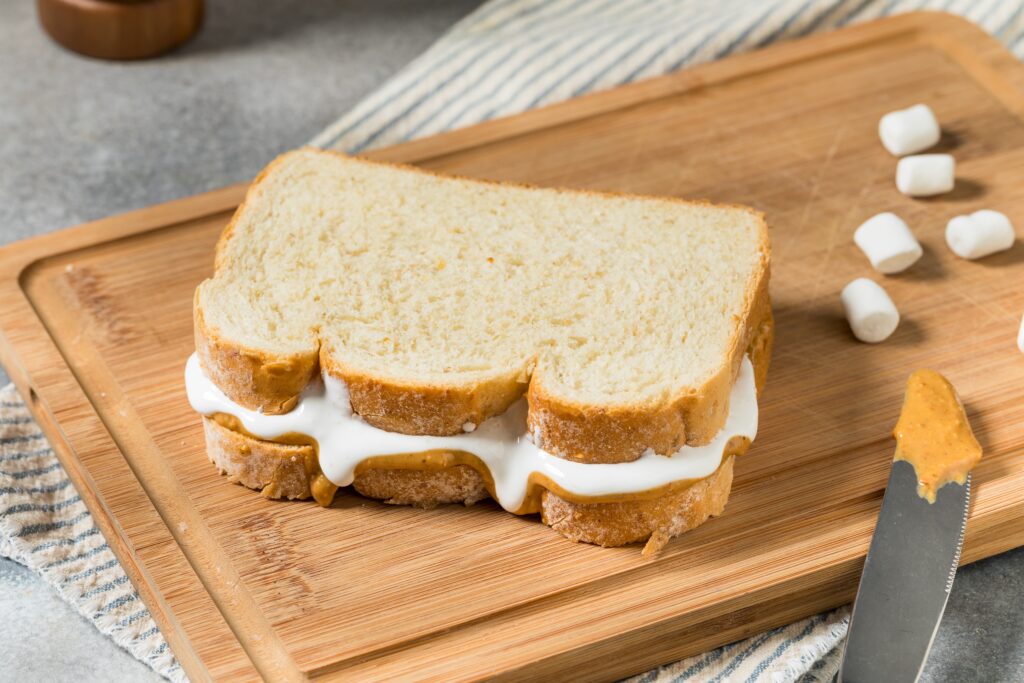
Foreigners who find fluffernutter will either be alarmed or fascinated. Probably a mixture of both. Two products with unusual mouth feel put together to create something sticky and hard to get off your teeth. It is a cherished dish in Massachusetts and essentially unknown beyond the northeastern US, making it even more of a curiosity for everyone trying it out for the first time.
Marshmallow cream, or Fluff, is an almost exclusively American product, but the idea of putting it on bread along with peanut butter and eating it as a meal, that’s exclusively American and other nations will probably go to war to make sure it stays that way.
Chicken and Waffles
Chicken and Waffles are popular all around the country, and one of the better-known American food combinations abroad. However, it might be difficult to understand for outsiders due to its unusual sweet-savory combination. In countries where there is a clear divide between the two kinds of food (most of them), the dish will usually warrant mixed reactions at first encounter. The fact that there is syrup touching the chicken tends to trigger discomfort.
The dish has deep roots in African American cooking, and the fried version traces back to Harlem in the 1930s when Wells Supper Club became the late-night destination for jazz musicians who needed something that could serve both as dinner and breakfast. The result is something that feels like neither.
Turducken
It has been called an abomination abroad and it’s no wonder. A chicken within a duck within a turkey, de-boned and with stuffing between the layers, roasted as one piece: the Turducken is a truly American Thanksgiving creation that has gotten international coverage mostly as an object of horror. Originally from Louisiana and often attributed to Cajun chef Paul Prudhomme in the 1980s, the Turducken has since been a Southern specialty that sometimes goes national during the holidays.
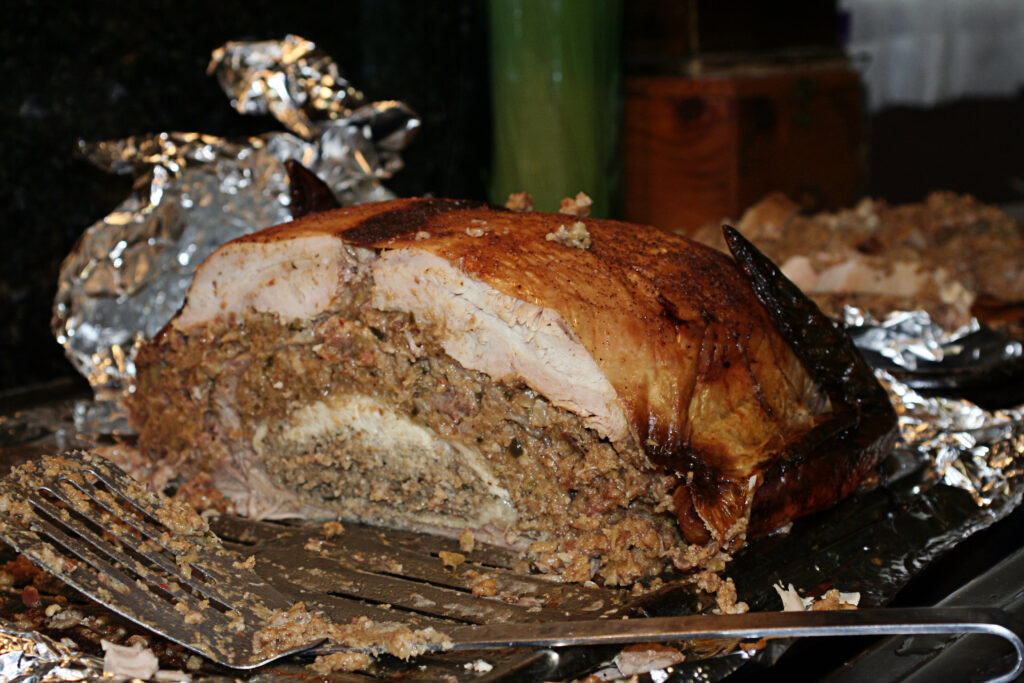
The reaction abroad tends to be visceral. Three different birds, nested in one another and meant as a festive centerpiece, is seen both as excessive and unsettling. There’s nothing wrong with eating those three birds separately, they do it all over the world. But cramming them inside each other feels wrong for most foreigners. They can’t explain why, but the feeling is there.
Jell-O Salads
Savory or semi-savory dishes prepared using flavored gelatin, suspended veggies, sometimes meat, and occasionally cream cheese. International response to it is usually confusion and mild distress. Using gelatin as a carrier for carrots and celery violates the expected rules of how gelatin should be used.
The Jell-O salad is served at potlucks and family gatherings in the Midwest and South regions. Its heyday came during the middle of the twentieth century when gelatin technology was new, and homemakers were enthusiastic about the format. It never completely disappeared.
Tourists coming from Europe or Asia have already been acquainted with the use of gelatin as a dessert component in dishes like gelatin jelly or panna cotta, but the casual, potluck-style Jell-O salad with mixed vegetables is usually seen as more of an accident than a deliberate dish.
Pumpkin Spice Everything
The pumpkin spice flavor is present to some degree elsewhere in the world, but the practice of using this cinnamon-nutmeg-clove blend on absolutely everything (lattes, cereal, cookies, beer, protein powder, candles, soap) in October does not have any kind of international equivalent. Foreign visitors who experience this pumpkin spice period find themselves bemused and somewhat alarmed.
Hot Dog Water
On the fringe side of American cuisine, we have hot dog water, the leftover liquid inside the jar once all the hot dogs have been eaten. In 2018, a Canadian vendor tried selling it as a health drink during a festival for $38 a bottle as a prank, and people bought it. But Americans’ gastronomic relationship with hot dog water doesn’t end there.

Some Americans really do use hot dog brine as an enhancer. They put it in beans, mac and cheese, potatoes, and other dishes, the way others might use pickle brine or pasta water. It provides saltiness and a smoky quality. For foreigners, even the smell tends to trigger the most visceral reactions. Hot dog water as a purposeful ingredient has no equivalent elsewhere in the world, and most foreigners would prefer that to remain so.