















The U.S. States Where Gold Can Still Be Found Today
Gold has been mined in the United States for more than 170 years, and while the famous California Gold Rush of 1848 may be long over, gold hasn't disappeared. In fact, deposits can still be found across multiple states, with some regions continuing to produce gold today.
This article explores 18 U.S. states where gold can still be found, from historic mining hubs to lesser-known locations that still hold valuable deposits. Whether through active mining operations or recreational prospecting, these states remain part of America's long-running connection to gold.
Nevada
Nevada is the U.S.'s largest gold-producing state, accounting for over 70% of the country's annual output.
- The Carlin Trend
- Cortez Trend
- Goldstrike Mine
- Round Mountain Mine
Nevada has produced over 225 million ounces of gold since the mid-1800s. The state's top gold-producing counties are:
- Eureka
- Elko
- Nye
The three counties account for over 90% of Nevada's gold production.
Nevada has an estimated reserve of over 100 million ounces and over 200 million ounces of resources.
Colorado
Colorado is home to some of the largest and most productive mines in the U.S., and it continues to be a major producer of gold today.
- The Cresson Mine
- The Phoenix Mine
- The Fort Knox Mine
Colorado has produced over 44 million ounces since the mid-1800s. The top gold-producing counties are:
- Teller
- San Miguel
- Summit
These areas account for over 70% of Colorado's gold production.
Colorado features an estimated reserve of over 6 million ounces and resources of over 20 million ounces.
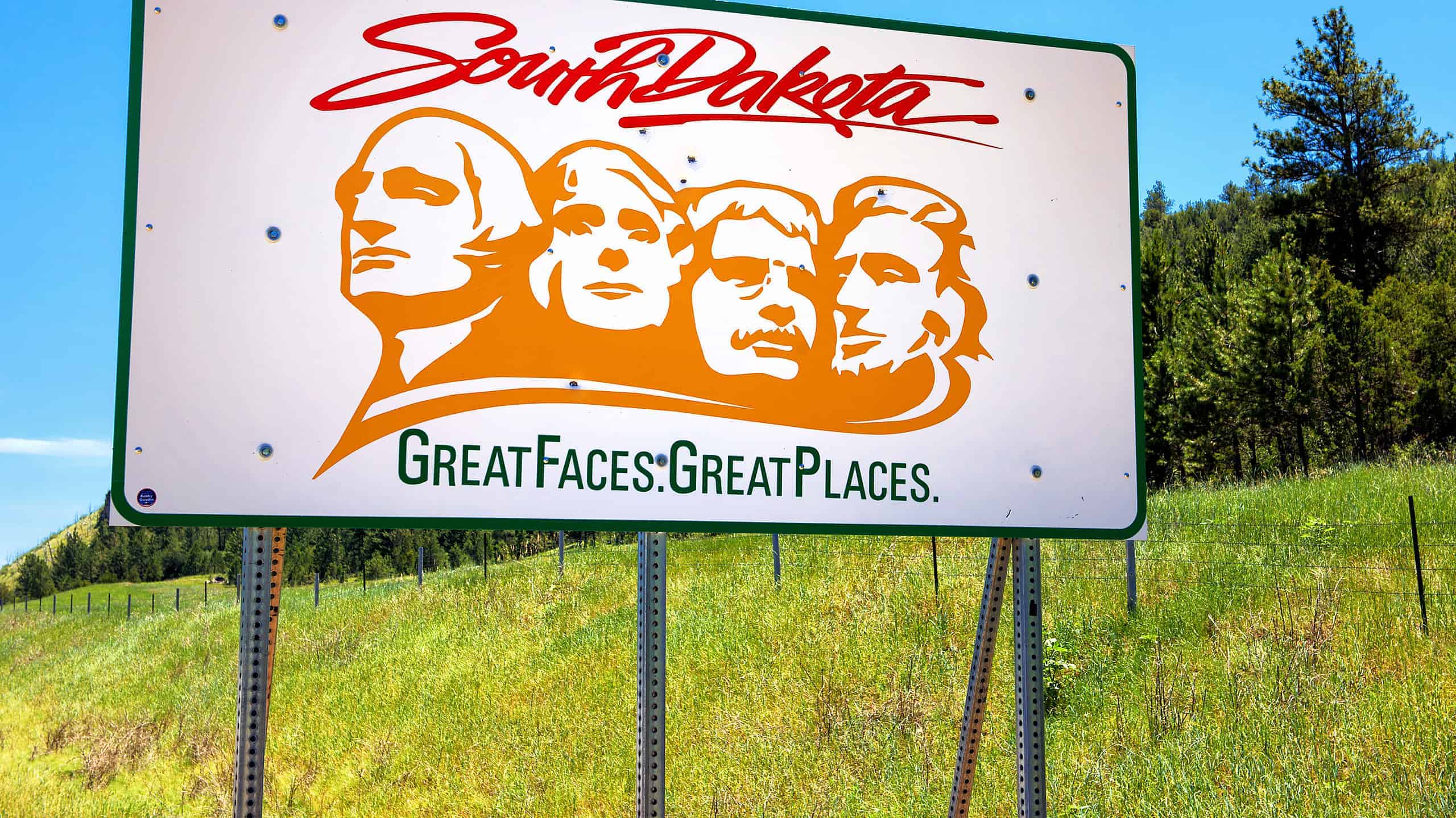
South Dakota
South Dakota also features a rich gold mining history. It has significant reserves and resources of precious metal.
- The Homestake Mine
- The Wharf Mine
- The Golden Reward Mine
South Dakota has produced over 40 million ounces since the state's first discovery. South Dakota's top counties are:
- Lawrence
- Pennington
- Custer
The counties account for over 90% of South Dakota's gold production.
South Dakota has significant reserves and resources of gold, with estimated reserves of over 1 million ounces and resources of over 6 million ounces.
Wyoming
Wyoming has significant gold reserves and resources, although its mining industry is smaller than some other states on this list.
- The Carissa Mine
- The South Pass Mine
Wyoming has produced over 2 million ounces of gold since its discovery in the state. Fremont County is the state's top gold-producing county, producing over 1 million ounces of gold.
Wyoming has significant reserves and resources of gold, with estimated reserves of over 400,000 ounces and resources of over 1 million ounces.
Montana
Montana's gold deposits are primarily located in the western part of the state, with several large-scale gold mines.
- The Golden Sunlight Mine
- The Zortman-Landusky Mine
Montana has produced over 20 million ounces of gold since the discovery of gold in the state.
The state's top gold-producing county is Jefferson County, which has produced over 4 million ounces of gold.
Montana has significant reserves and resources of gold, estimated at over 3 million and 10 million ounces, respectively.
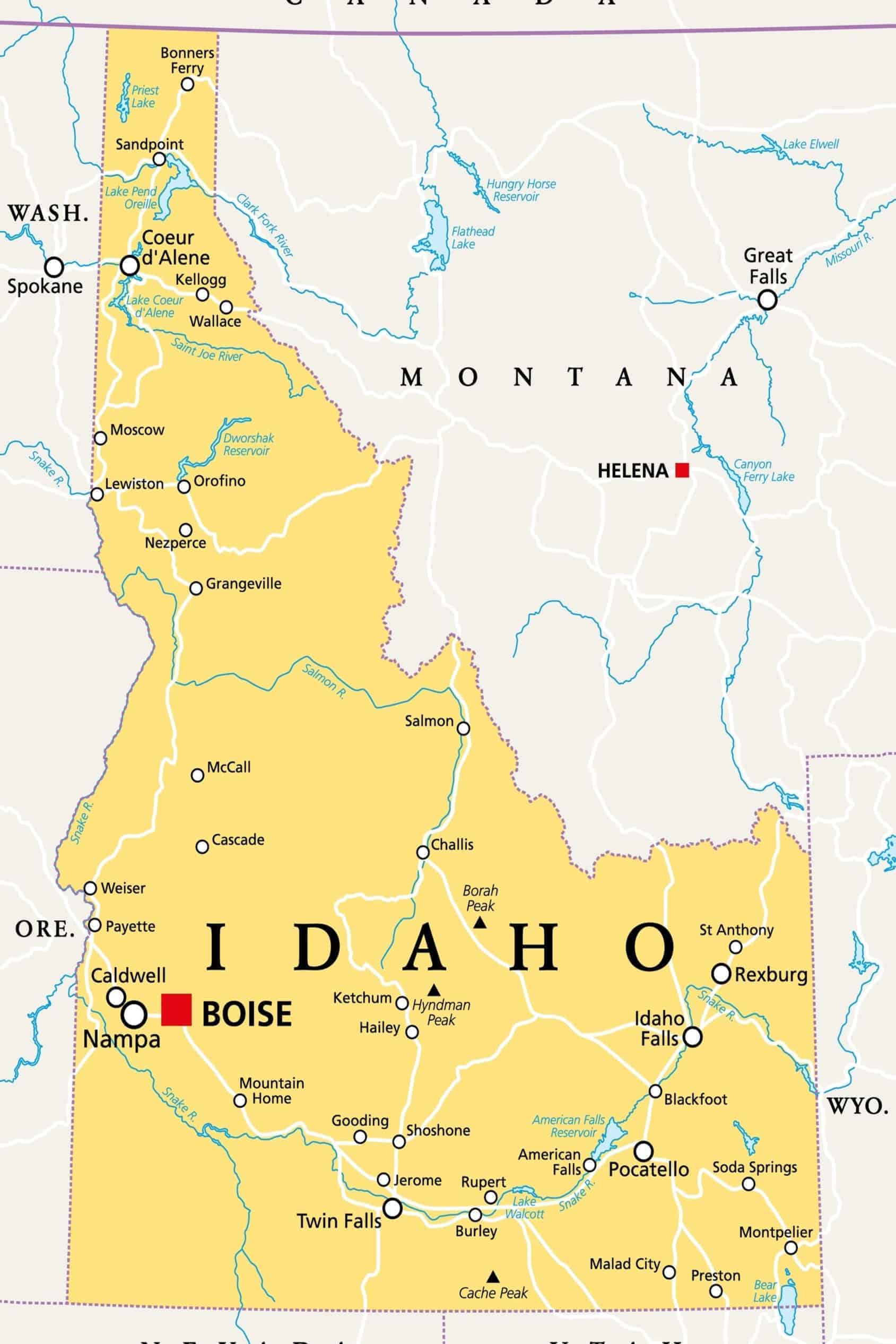
Idaho
Idaho is another major play with several large-scale gold mines.
- The Bingham Canyon Mine
- The Stibnite Gold Project
Idaho has produced over 8 million ounces of gold since its discovery in the state.
Blaine County is the state's top county, producing over 2 million ounces of gold.
Idaho has significant reserves and resources of gold, estimated at over 3 million and 15 million ounces, respectively.
Utah
Utah is an important gold-producing state in the U.S., with several active gold mines.
- The Bingham Canyon Mine
- The Kennecott Copper Mine
- The Goldstrike Mine
Utah has produced over 7 million ounces of gold since its discovery in the state.
The state's top gold-producing county is Tooele County, which has produced over 4 million ounces of gold.
Utah has significant reserves and resources of gold, with estimated reserves of over 1.5 million ounces and resources of over 6 million ounces.
Oregon
Gold mining in Oregon is focused on small-scale mining operations that use traditional mining methods, such as panning and sluicing, to extract gold from streams and rivers.
- The Rogue River
- Applegate River
While the state's gold production is relatively small compared to other gold-producing states, recreational gold mining remains a popular pastime for many Oregonians.
Oregon has no large-scale gold mines, with most of the state's gold production coming from small-scale mining operations.
- The Bohemia Mining District in Lane County
- The Quartzville Mining District in Linn County
Oregon has produced over 6 million ounces of gold since its discovery in the state.
New Mexico
- The Ortiz Mountains
- The Gila Wilderness
- The Pinos Altos Mining District
- The Mogollon Mining District
New Mexico has produced over 2.5 million ounces of gold since its discovery in the state.
Washington
- The Liberty Mining District
- The Swauk Mining District
Washington State has produced over 2 million ounces of gold since its discovery in the state.
South Carolina
- The Brewer Mine
- The Ridgeway Mine
South Carolina has produced over 1.2 million ounces of gold.
Michigan
- The Upper Peninsula's Menominee River
- The Ontonagon River
Michigan has produced over 1.5 million ounces of gold since the first discovery in the state.
Georgia
- The Dahlonega Gold Belt
- The City of Cripple Creek
Georgia has produced over 8.5 million ounces of gold since the first discovery in the state.
North Carolina
- The Carolina Slate Belt
- The Uwharrie Mountains
- The Reed Gold Mine
North Carolina has produced over 1 million ounces since the first discovery in the state.
Tennessee
- The Douglass Mine—one of the most productive mines in the state
- The Coker Creek district—a popular location for recreational gold prospecting
Tennessee has produced an estimated 90,000 ounces of gold since the first discovery in the state.
Texas
- The Presidio Mine in Presidio County
- The Hazel Mine in Culberson County
Texas has produced an estimated 1.7 million ounces throughout its history, making it one of the top 10 gold states in the U.S.
Virginia
Virginia's most significant mine was the Franklin Mine in Spotsylvania County. It operated from 1831 until 1861 and produced over 50,000 ounces.
Other notable mines in Virginia include the Goodwin Gold Mine in Buckingham County, the Gold Hill Mine in Culpeper County, and the Whitehall Mine in Orange County.
The total amount of gold mining in Virginia is estimated at around 500,000 ounces.
Wisconsin
Most of the gold found in Wisconsin is from lode deposits rather than placer deposits, which makes it more difficult to extract.
The Flambeau Mine is Wisconsin's most significant mine. It's located in Ladysmith in Rusk County. The mine operated from 1993 to 1997, producing approximately 181,000 ounces of gold.
Wisconsin's gold production has been limited, with the Flambeau Mine being the only significant producer.