Andrew Clemente
James St. John / BY 2.0

Alexander Lukatskiy/Shutterstock.com
dennmarkk/Shutterstock.com
Geartooth Productions/Shutterstock.com
Photo: L. C. McClure / Public domain
AACTV/Shutterstock.com
Roman Bodnarchuk/Shutterstock.com

optimarc/Shutterstock.com

Stephen Moehle/Shutterstock.com
Photo: L. C. McClure / Public domain

Images by Dr. Alan Lipkin/Shutterstock.com

Digiphoto/iStock.com

Flugklick/Shutterstock.com


The Gold Nugget So Massive It Weighed More Than Most Men
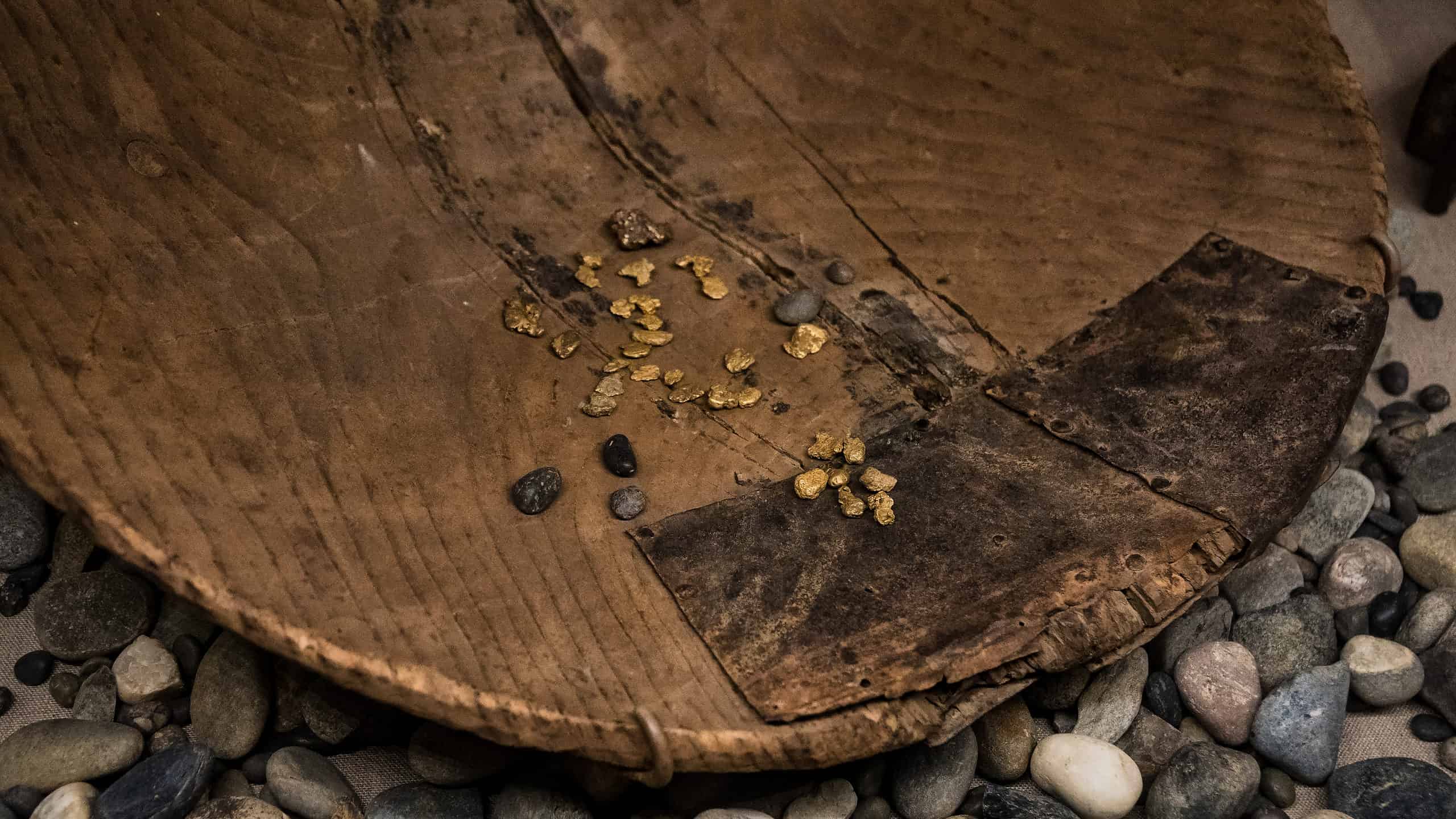
The California Gold Rush sent thousands of people west with the same dream: find enough gold to change their lives overnight. Most prospectors spent long, exhausting days sifting through riverbeds and dirt for tiny flakes or small nuggets. Every once in a while, though, someone found something so large that it became part of Gold Rush legend.
One of those discoveries was a massive gold nugget said to weigh as much as a grown man. At a time when even a modest find could transform a prospector’s future, a nugget of that size was almost impossible to ignore. Its story captures the excitement, risk, and wild hope that defined the Gold Rush era, when ordinary people chased fortunes across California and a single discovery could become famous for generations.
What Is a Gold Nugget?
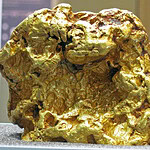
- A gold nugget is a natural, shapeless piece of native gold discovered by placer mining or by exploring sites of previous mining operations.
- Gold is measured in troy weight, a system of mass used mainly in the precious metals industry.
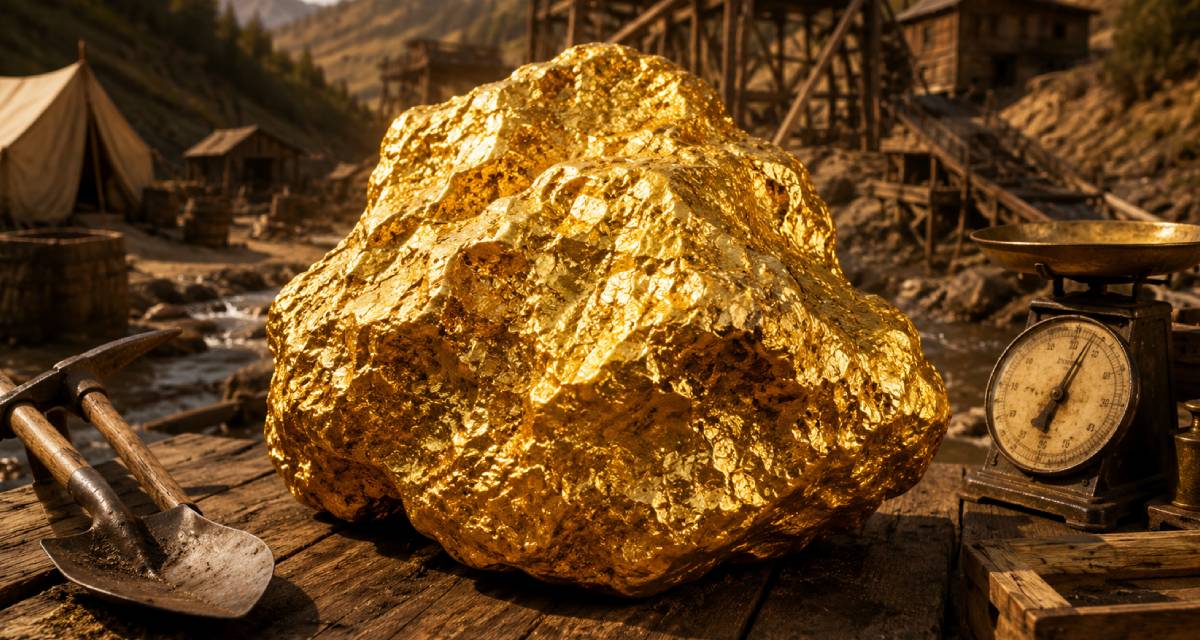
- The largest gold nugget ever found weighed 195 troy pounds and was discovered at Carson Hill, California, in 1854.
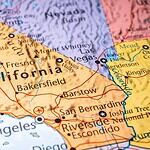
Where Is Carson Hill Located on a Map?
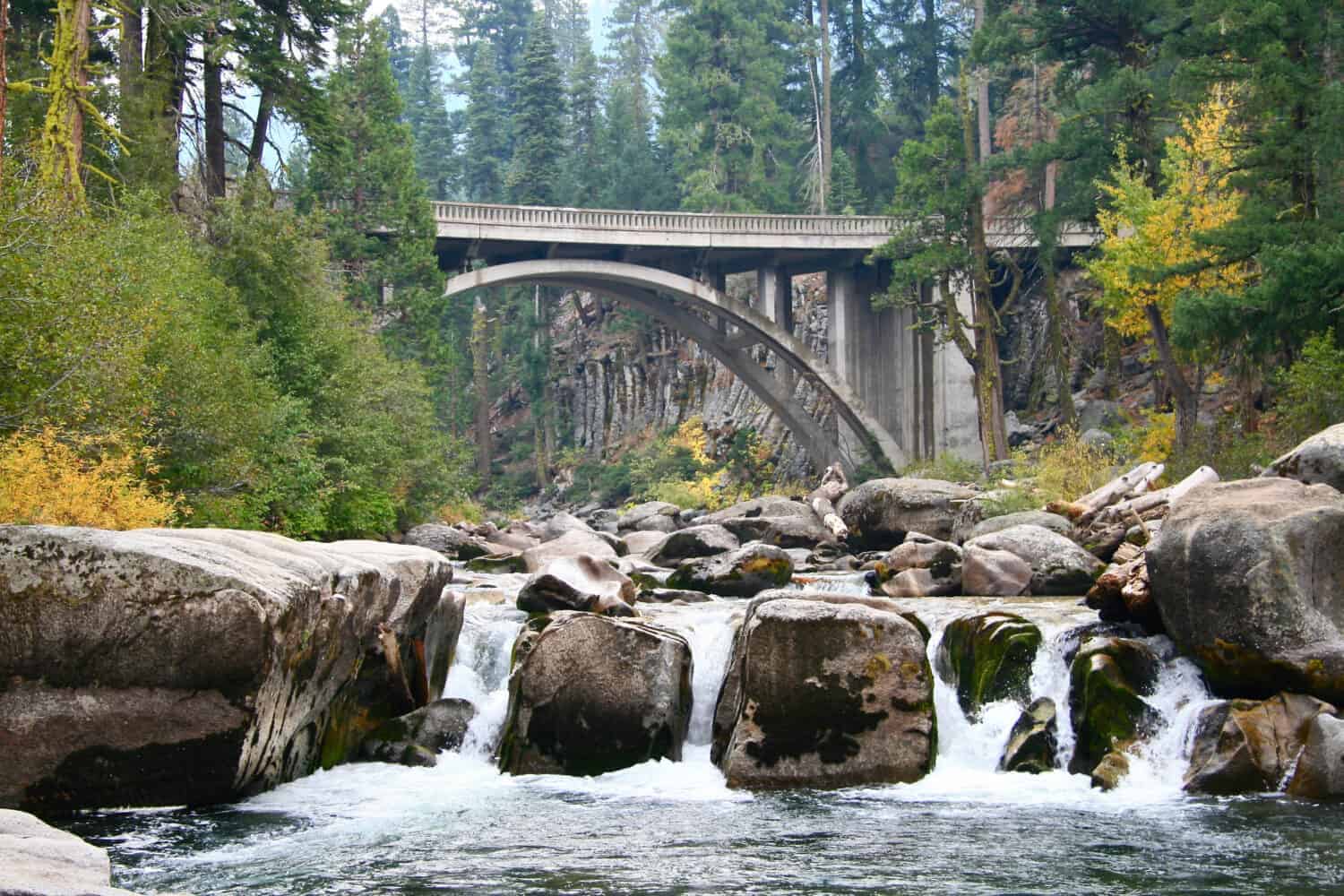
- Carson Hill is now a ghost town in Calaveras County, California, but it was once a productive gold mining site during the California Gold Rush.
- The town is named after Sergeant James Carson, who traveled through Weber Creek and joined a gold mining party before heading south in search of gold.
Where Is Carson Hill Located on a Map? (Cont.)
- The group panned for gold at a small tributary of the Stanislaus River, where they finally found gold in 1848.
- That stretch of the river became known as Carson Creek, and the area later took the name Carson Hill after James Carson.
How Was the Largest Gold Nugget in California Discovered?
- On November 29, 1854, five miners were digging for gold at the Morgan Mine in Carson Hill when one of them, Perkins, discovered a 195-troy-pound gold nugget.
- The men originally planned to take it to New York, but they sold it on the way to a New Orleans buyer for $40,000.
The Impact of the Discovery
- The California Gold Rush had a profound impact on the state and the country, bringing tremendous wealth and helping shape California into the prosperous state it is today.
- The Carson Hill gold nugget remains one of the most famous and valuable gold nuggets ever discovered in California.
The Impact of the Discovery (Cont.)
- Though the whereabouts of the gold nugget are unknown, it remains one of the most popular nuggets ever discovered during the California Gold Rush.
- Many more miners and everyday people flocked to Carson Hill after the discovery, and it became a symbol of the wealth and prosperity the Gold Rush brought to the state.
Other Gold Nuggets Found in California
- Aside from the 195-troy-pound Carson Hill nugget, California saw several other remarkable gold nugget discoveries during and after the Gold Rush.
- These finds helped fuel the rush of people eager to dig for gold across the state.
The Monumental Gold Nugget
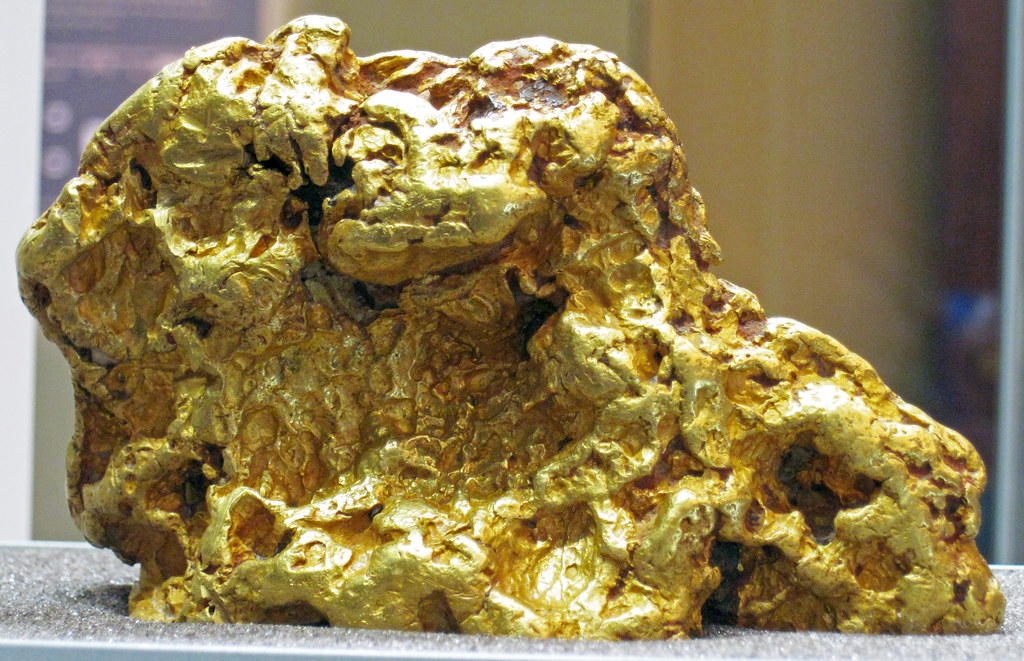
- The Monumental gold nugget was discovered in 1869 at the Sierra Buttes Mine in Sierra County and weighed 103 pounds.
- It was later broken into chunks and gold dust, though a replica is on display at the Kentucky Mine Museum.
The Magalia Nugget
- In 1859, miners found the Dogtown nugget in Magalia, California, and it weighed 54 troy pounds.
- The original was melted down, but replicas are owned by the Paradise Chamber of Commerce and the Division of Mines and Geology.
A 50-Pound Nugget From Tuolumne County
- In 1851, Mr. Strain found a 50-pound slab nugget near Knapp’s Ranch in Tuolumne County.
- The nugget was about 14 inches long and was worth about $8,500 after it was crushed and melted.
Gold in El Dorado
- Miners discovered a crystalline gold piece near Spanish Dry Diggings in El Dorado County in 1878.
- It weighed more than 12.6 troy pounds and is now on display at the California Mining and Minerals Museum in Mariposa County.
The Mojave Nugget
- The Mojave nugget was found near Randsburg, California, in 1977 by Ty Paulsen using a metal detector.
- It weighed about 12 troy pounds and was later donated to the Natural History Museum of Los Angeles County.
Conclusion
- California has a long history of gold discovery, and the largest gold nugget helped shape the state’s development and the nation’s economy.
- Today, gold mining continues in California on a smaller scale, still generating revenue for the state.