Andrew Clemente
Reddit Snacks
soapylovedeb / BY 2.0
Missing attribution
dnguy3n / BY 2.0
Reddit Nostalgia
Reddit Vintage Snacks
theimpulsivebuy / BY-SA 2.0
Reddit Nostalgia
theimpulsivebuy / BY-SA 2.0
Reddit Vintage Snacks
Reddit Nostalgia
Mental Floss
Reddit Snacks
Reddit Vintage Snacks
Reddit Snacks
Change.org
Youtube
gordasm / BY-ND 2.0
Nabisco Snacks
Reddit Nostalgia
20 Childhood Snacks From the ’90s We Wish Would Come Back
Growing up in the 1990s meant walking into a snack aisle filled with neon boxes, loud mascots, unusual shapes, and flavors created to grab a kid's attention. Lunchboxes were packed with colorful fruit snacks, sugary drinks, pizza-flavored chips, and frozen treats that could turn an ordinary school day into something worth looking forward to. Food companies competed to make snacks feel like entertainment, and many of the decade's most memorable products were as much fun to play with as they were to eat.
Some of those favorites survived, but many quietly disappeared as brands changed hands, recipes were retired, and new trends took over store shelves. Today, these snacks live mostly in old commercials, childhood memories, and the occasional online campaign demanding their return. From peanut butter-filled crisps to soda-shaped gummies and fast-food-inspired lunch kits, these 20 discontinued snacks helped define the 1990s and still make an entire generation wonder why they ever went away.
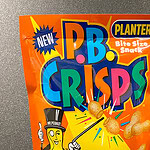
Planters PB Crisps
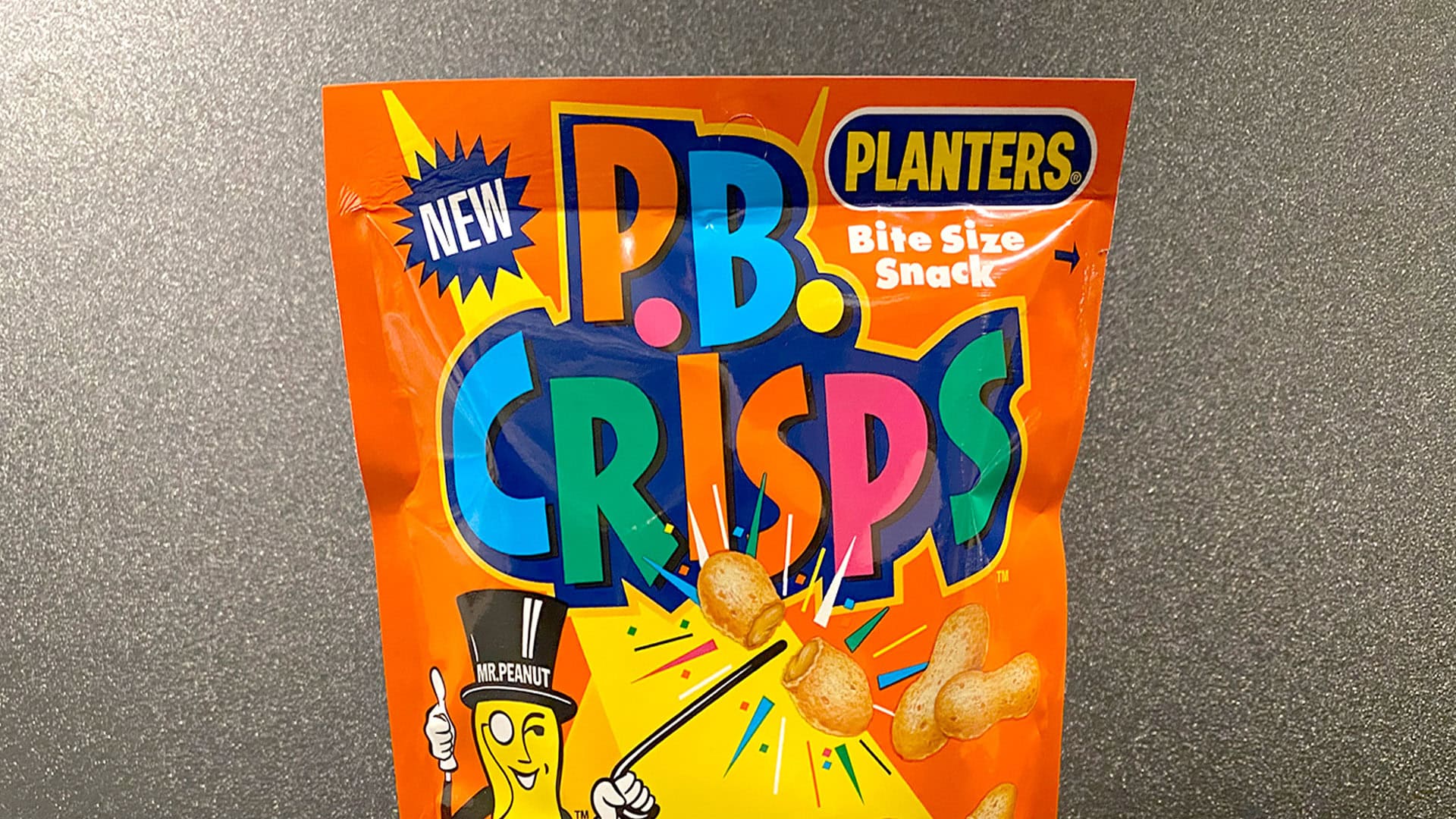
Planters PB Crisps had a simple idea that proved nearly impossible to replace. Each snack featured a crisp, peanut-shaped graham shell filled with creamy peanut butter, creating the kind of salty and sweet combination that made it difficult to stop after one handful. Planters introduced them in 1992, and they quickly became a lunchbox favorite for kids who wanted something more exciting than ordinary crackers or cookies. The product disappeared only a few years later, but its fan base never went away. Decades later, nostalgic shoppers still trade memories online and support campaigns calling for Planters to bring PB Crisps back. Few discontinued snacks inspire the same devotion, which says plenty about the hole these little peanut-shaped treats left behind.
Squeezit
Squeezit was more than a fruit drink. It was a brightly colored bottle that turned drinking into an activity. General Mills packaged the beverage in soft plastic containers that children had to squeeze, making the bottle nearly as memorable as the sugary liquid inside. Flavors carried playful names such as Silly Billy Strawberry and Berry B. Wild, giving each drink the personality of a cartoon character. Squeezit became a familiar sight in school lunches and convenience store coolers throughout the 1990s. The brand made limited returns in the early 2000s, but it never regained a permanent place on grocery shelves. Today, those oddly shaped bottles feel like pure 1990s design, and fans still remember twisting off the top and squeezing out every last drop.
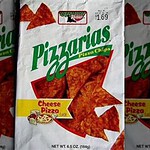
Keebler Pizzarias
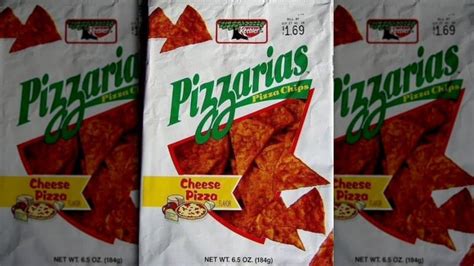
Keebler Pizzarias promised the flavor of pizza in a crunchy chip, and for many 1990s kids, they delivered. Made with pizza dough and coated in a bold blend of cheese, tomato, and Italian-style seasoning, the chips tasted different from the standard potato and tortilla options filling most snack aisles. They became a favorite for after-school snacking, sleepovers, birthday parties, and video game nights. Pizzarias arrived early in the decade and developed a loyal following, but they vanished after changes involving the Keebler brand later in the 1990s. Similar pizza-flavored chips have appeared since, yet fans insist none recreated the same texture or seasoning. The fact that people still ask about them decades later shows how completely Pizzarias captured the era's love of bold snack food.
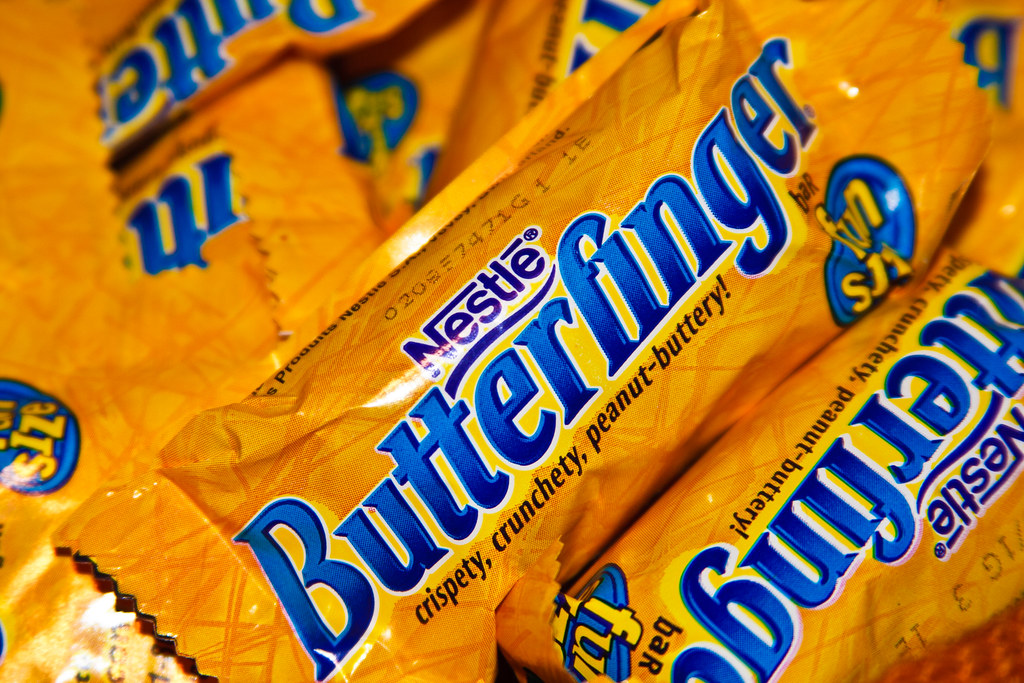
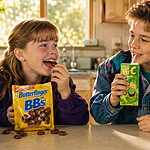
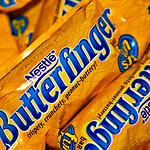
Butterfinger BBs
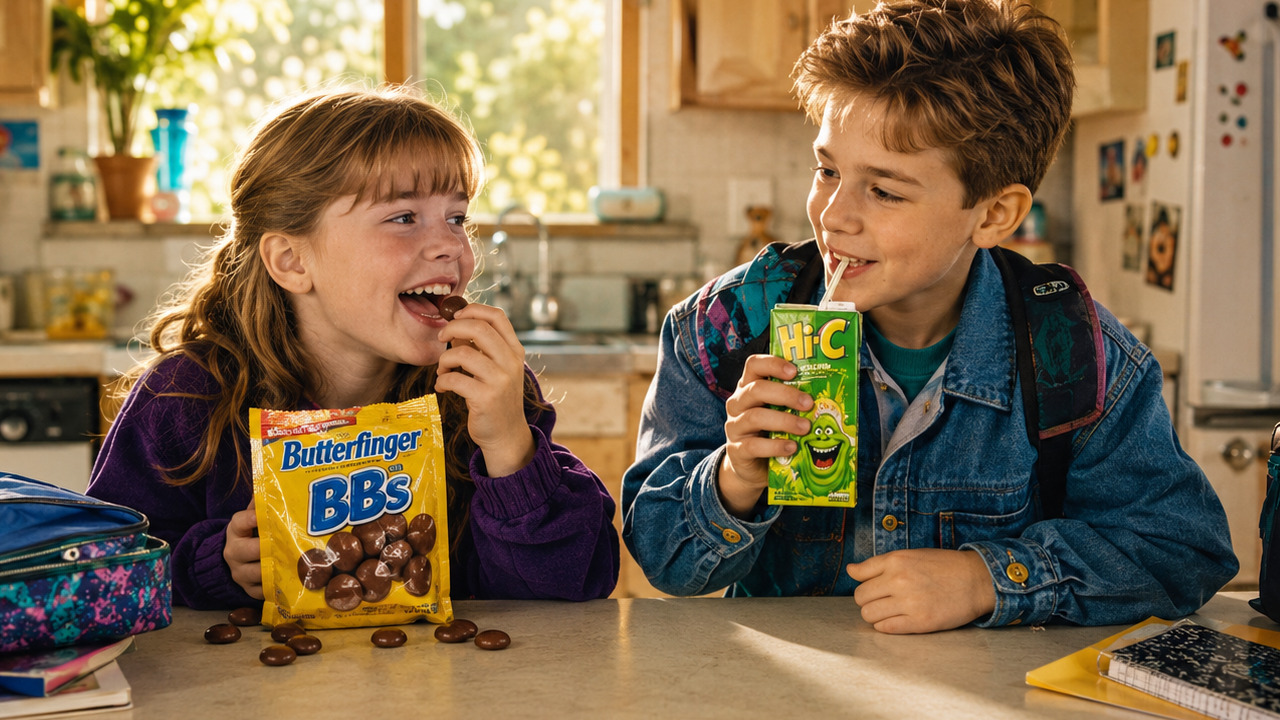
Butterfinger BBs took the familiar flavor of a Butterfinger bar and transformed it into small, poppable chocolate spheres. Each piece had a milk chocolate coating surrounding the candy bar's crisp peanut butter center, making an open bag dangerously easy to finish. The bite sized format helped the candy become especially popular at movie theaters, concession stands, and convenience stores throughout the 1990s and early 2000s. Bart Simpson appeared in memorable advertisements, linking the product even more closely to the decade's pop culture. Butterfinger BBs were discontinued in 2006, and later products never fully satisfied fans who remembered the original. Much of the appeal came from that specific balance of chocolate, crunch, and size, along with the unmistakable yellow bag.
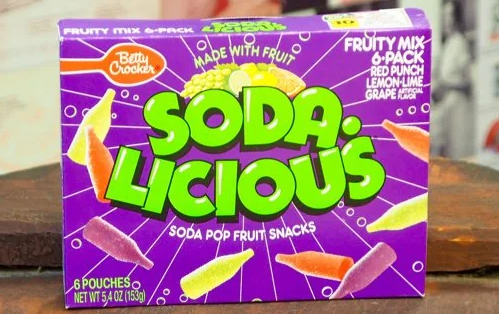
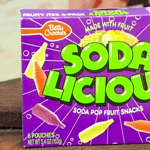
Sodalicious
Sodalicious fruit snacks looked like miniature bottles and mugs filled with imaginary soda, which was more than enough to make them irresistible to children. Betty Crocker introduced the gummies in 1991 with flavors inspired by soft drinks, including root beer and cherry cola. A coating of sugar crystals gave the candy a fizzy appearance meant to resemble carbonation, adding another playful touch to a product built around novelty. Sodalicious fit perfectly into an era when fruit snacks came in elaborate shapes and were marketed as both food and entertainment. The brand lasted through most of the decade before disappearing in 1998. A lasting return has never happened, leaving fans with old packaging photos and commercials. For many former 1990s kids, those soda bottle shapes remain instantly recognizable.
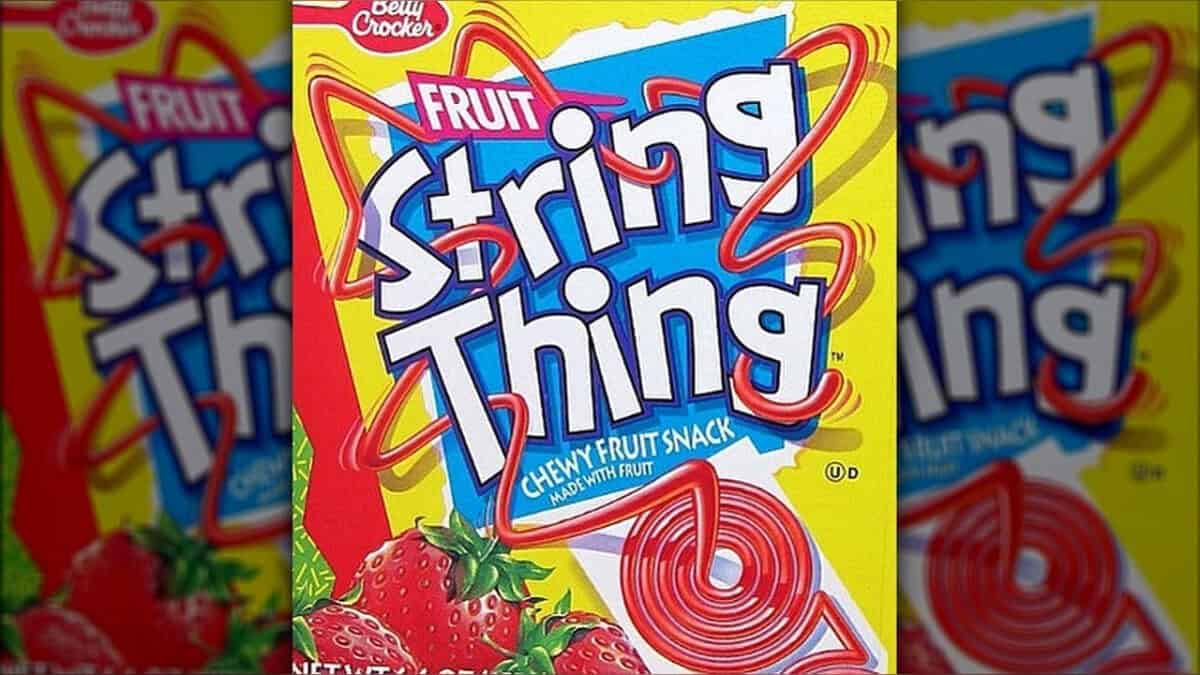
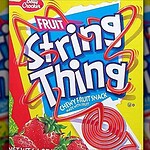
Fruit String Thing
Fruit String Thing arrived in 1994 and turned an ordinary fruit-flavored snack into something children could pull apart, twist, loop, and shape before eating. The thin strings were arranged in patterns on a backing sheet, encouraging kids to treat the snack like a miniature craft project. That combination of food and play was a defining feature of 1990s lunchbox culture, when the experience often mattered as much as the flavor. Fruit String Thing was colorful, sticky, and just messy enough to feel fun compared with more conventional fruit snacks. The product survived into the 2000s before quietly disappearing. Anyone who remembers peeling those strings from the wrapper can recognize how perfectly the snack reflected the decade's anything goes approach to food made for kids.
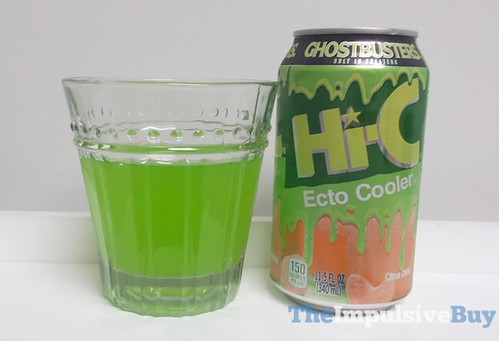
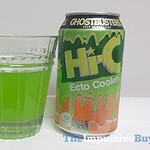
Hi-C Ecto Cooler
Hi-C Ecto Cooler began as a promotional tie-in for The Real Ghostbusters in 1987, but the bright citrus drink became so popular that it outlasted the cartoon that inspired it. Slimer appeared on the package, helping the green beverage stand out in lunchboxes and refrigerators throughout the 1990s. Coca-Cola eventually removed the Ghostbusters branding and sold similar versions under other names, but the original identity remained the one fans remembered. Ecto Cooler briefly returned in 2016 alongside the Ghostbusters reboot, creating a wave of nostalgia and proving how strong demand still was. That revival did not last. For many people, the tangerine flavor, green color, and Slimer artwork make Ecto Cooler one of the most recognizable discontinued drinks of the era.
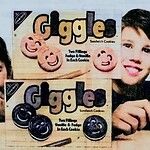
Nabisco Giggles Cookies
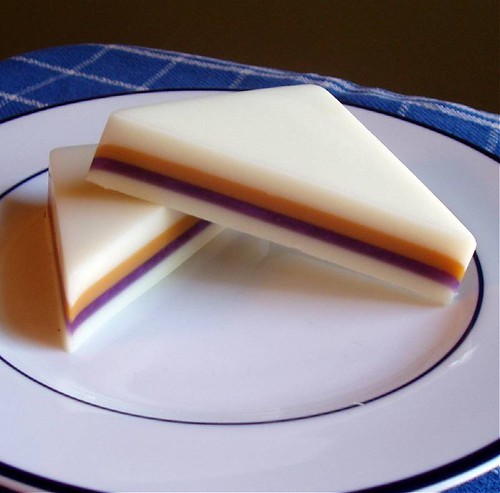
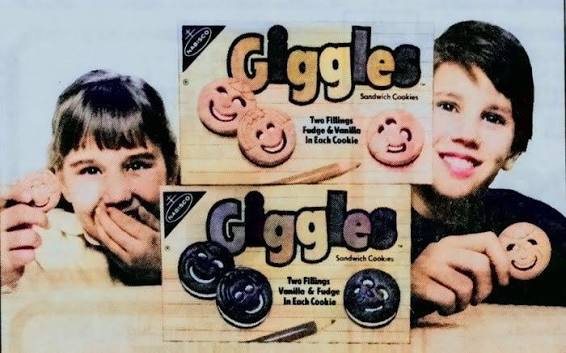
Nabisco Giggles were sandwich cookies with smiling faces stamped into the tops and a swirl of fudge and vanilla cream inside. The cookies became popular in the late 1980s and remained a familiar lunchbox treat into the 1990s. Their cheerful expressions gave them an advantage over ordinary sandwich cookies, especially with younger children who cared as much about how a snack looked as how it tasted. The two tone filling also made them feel more distinctive than the standard chocolate or vanilla options sold beside them. Giggles disappeared without a major farewell campaign, and Nabisco never gave the cookies a widely publicized comeback. That quiet exit may be why they now feel like a half-remembered piece of childhood. Mention the name, and many former kids can still picture those smiling faces.
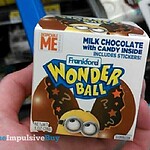
Wonder Ball
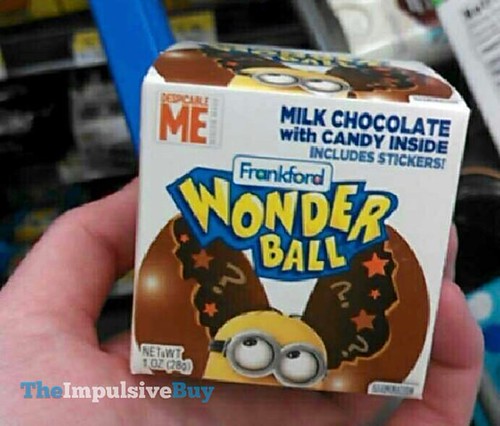
Wonder Ball offered two of the most powerful things in a child's world: chocolate and a surprise. The original version was a hollow milk chocolate sphere with a small toy hidden inside, making every package feel like a miniature event rather than a simple candy purchase. Choking concerns led to the toy being removed in 1997 and replaced with small candies, often shaped around popular cartoon or movie characters. The product was reworked and relaunched more than once, but the line eventually disappeared. Although similar surprise candies remain available, Wonder Ball has never returned as a lasting national product. Fans mostly remember the anticipation of cracking open the shell to discover what was inside, a simple idea that made the candy feel far more exciting than an ordinary chocolate bar.
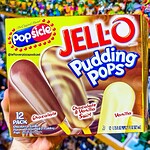
Jell-O Pudding Pops
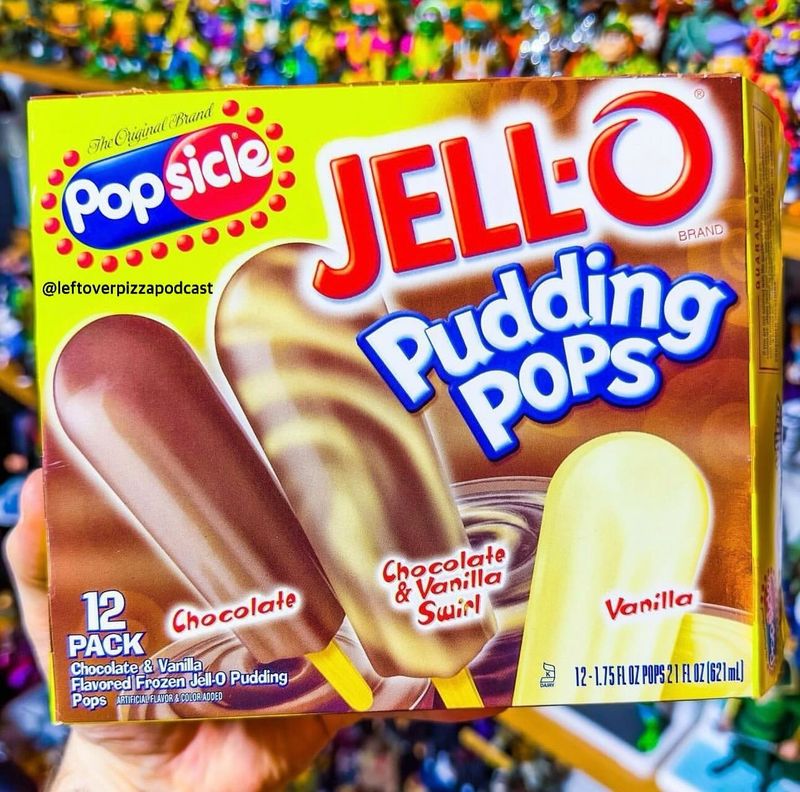
Jell-O Pudding Pops were a freezer staple for families throughout the 1980s and 1990s. Unlike ordinary ice pops, they had a rich, creamy texture that made them feel closer to frozen pudding than flavored ice. Chocolate, vanilla, and the especially popular chocolate and vanilla swirl gave children enough variety to develop a favorite. The treats became closely associated with summer afternoons, neighborhood play, and the moment someone opened the freezer looking for dessert. Even with a loyal following, the original Pudding Pops eventually disappeared from stores. Home recipes and pudding pop molds can produce something similar, but longtime fans argue that the texture and flavor never quite match the packaged version. They remain one of the era's most requested frozen treats.
Nabisco Crackups
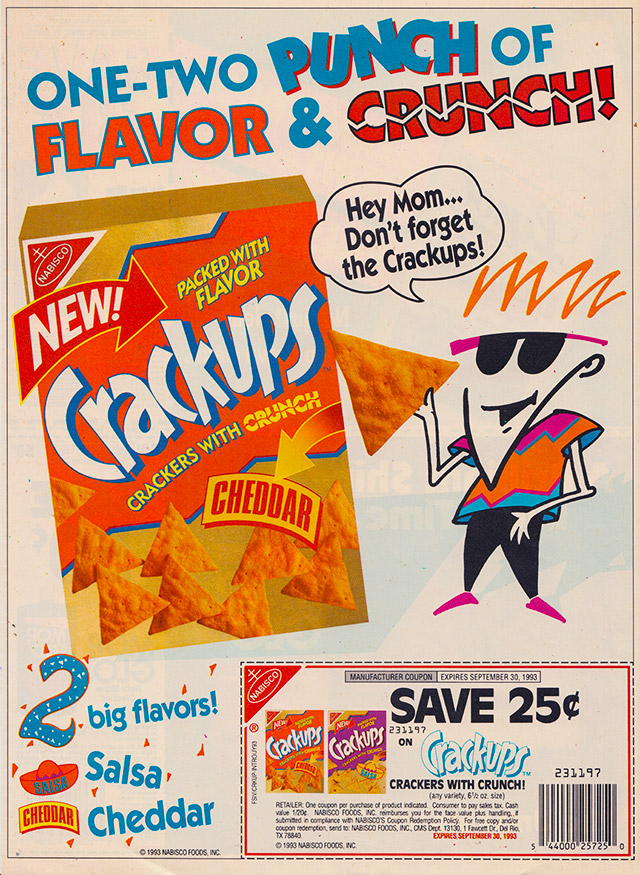
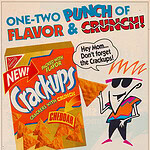
Nabisco Crackups arrived in 1993 as a triangular cracker aimed directly at teenagers, a group food companies wanted to reach with products that seemed bolder than traditional children's snacks. Flavors such as cheddar and salsa were designed to feel more adventurous, while the sharp shape and irreverent name separated Crackups from ordinary crackers. Nabisco also connected the product to the movie Coneheads, hoping the comedy's unusual characters would give the brand a pop culture boost. The promotion did not create a lasting hit, and Crackups quickly faded into obscurity. Because the snack had such a short life, many 1990s kids never encountered it. Those who did often remember the shape and packaging more clearly than the flavor, making Crackups one of the decade's stranger forgotten experiments.
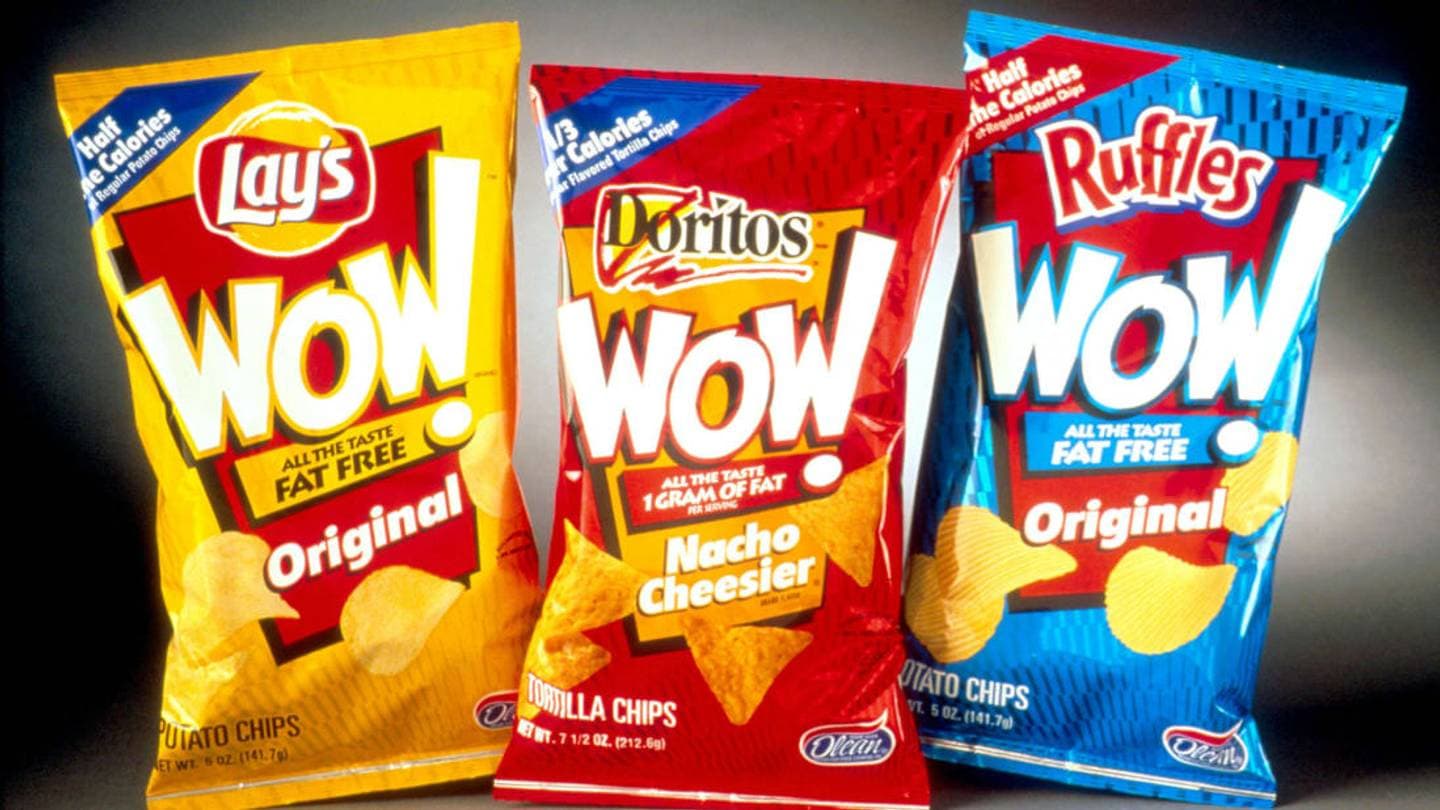
Frito-Lay WOW Chips
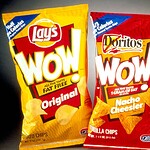
Frito-Lay introduced WOW Chips in 1998 at the height of the low fat food craze. The chips were made with Olestra, a fat substitute that allowed the package to advertise dramatically reduced fat without giving up the taste and crunch consumers expected. The promise sounded ideal, but the ingredient became notorious for causing digestive problems in some people. Packaging carried warnings about possible gastrointestinal effects, creating the rare situation in which a snack's health claim and caution label competed for attention. Frito-Lay later renamed the products Light chips and continued selling them for a time, but the line eventually disappeared. WOW Chips are remembered less for their flavor than for the controversy surrounding them, making them a perfect symbol of the decade's obsession with fat free food.
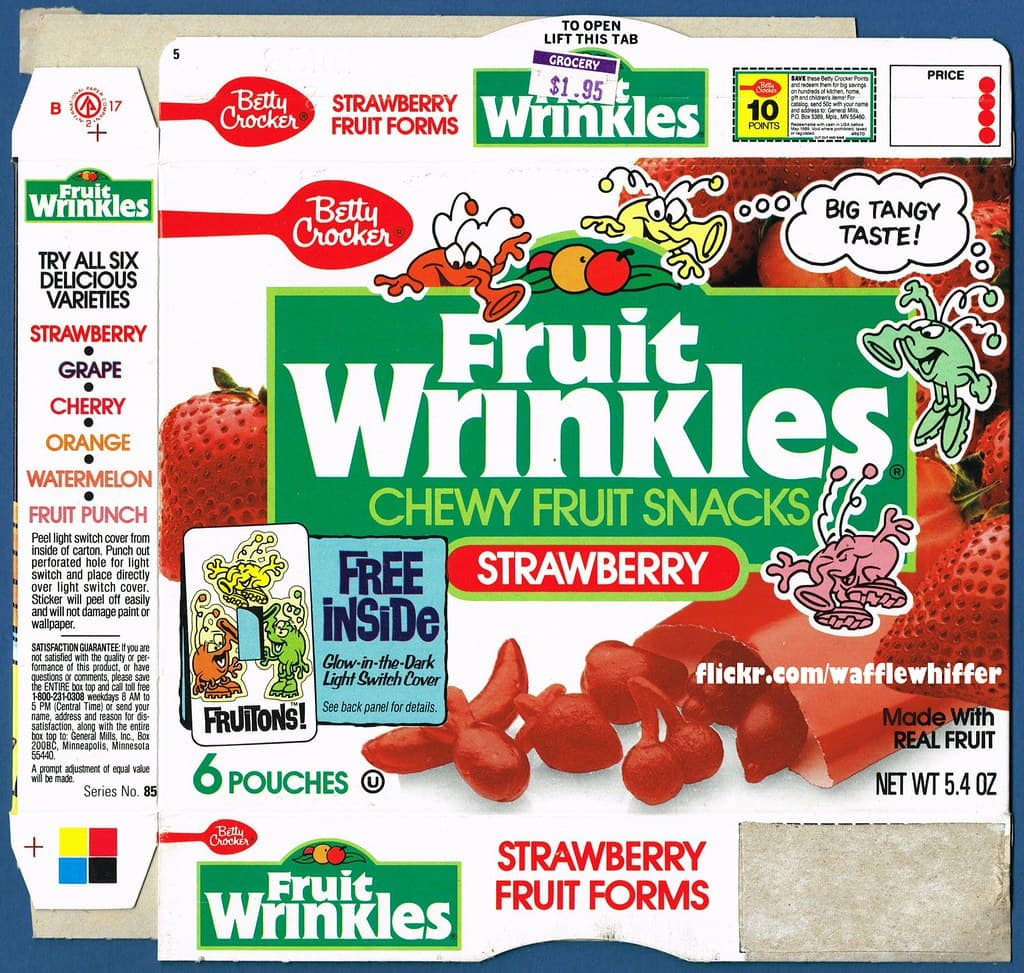
Fruit Wrinkles
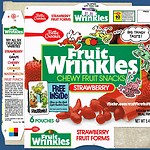
Fruit Wrinkles tried to occupy the sensible side of the fruit snack aisle. The small, chewy pieces looked wrinkled and irregular, but they were marketed around the idea that they were made with real fruit, giving parents a reason to choose them over flashier competitors. Children still got a sweet, soft snack that was easy to pack into a lunchbox, while the unusual appearance made the product memorable. Advertising even leaned into the fact that Fruit Wrinkles were not especially attractive, showing adults reacting to their odd looks as part of the joke. The brand disappeared before the 2000s and never received a major revival. It now occupies a strange place in snack history, remembered as a product that tried to satisfy parents and children without losing the playful weirdness of the 1990s.
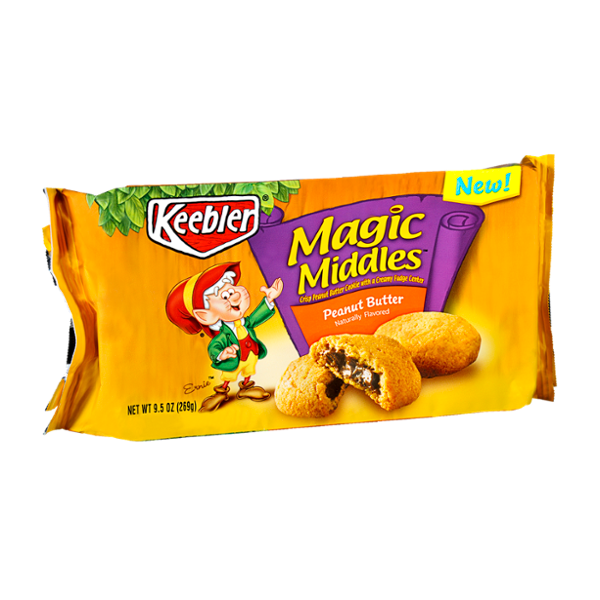
Keebler Magic Middles
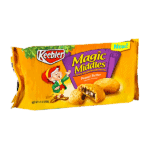
Keebler Magic Middles looked like ordinary shortbread cookies until the first bite revealed a soft center of fudge or peanut butter. That hidden filling made them feel special, and warming a cookie briefly could turn the middle even creamier. The snacks became popular in school cafeterias, packed lunches, and family pantries during the late 1980s and early 1990s. Their appeal came from a combination that still sounds marketable today: a crisp exterior surrounding a rich center. Even so, Magic Middles quietly vanished without the kind of announcement that helps fans understand why a favorite product is gone. Keebler has never brought the original version back permanently. Of all the snacks on this list, Magic Middles may be one of the easiest to imagine succeeding today, which makes their absence especially puzzling.
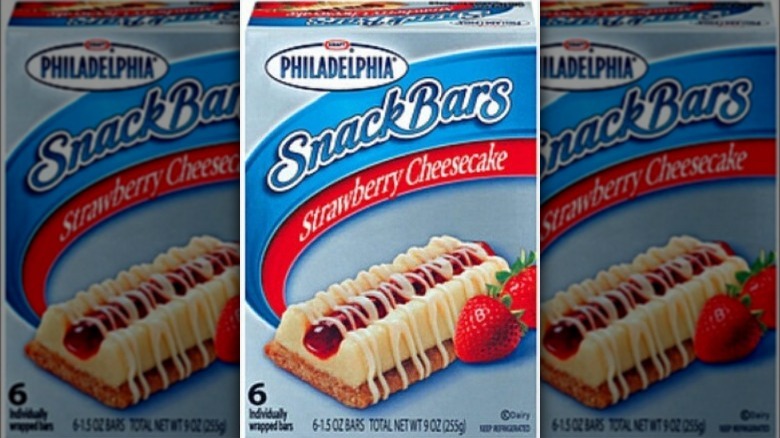
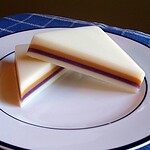
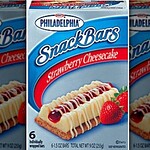
Philadelphia Cheesecake Snack Bars
Philadelphia Cheesecake Snack Bars offered a refrigerated dessert that felt more substantial than a cookie but required none of the work of making cheesecake. Kraft sold the individually wrapped bars in several flavors, with a creamy cheesecake layer, crust, and fruit or chocolate topping depending on the variety. They became popular with shoppers who wanted a convenient dessert that could be placed in a lunchbox or eaten straight from the refrigerator. Few competing products occupied the same space, helping the bars develop a loyal following. Kraft discontinued them without a major public explanation, and repeated requests from fans have not produced a lasting return. Their disappearance still surprises people because today's refrigerated section is filled with single serve treats aimed at the same audience.
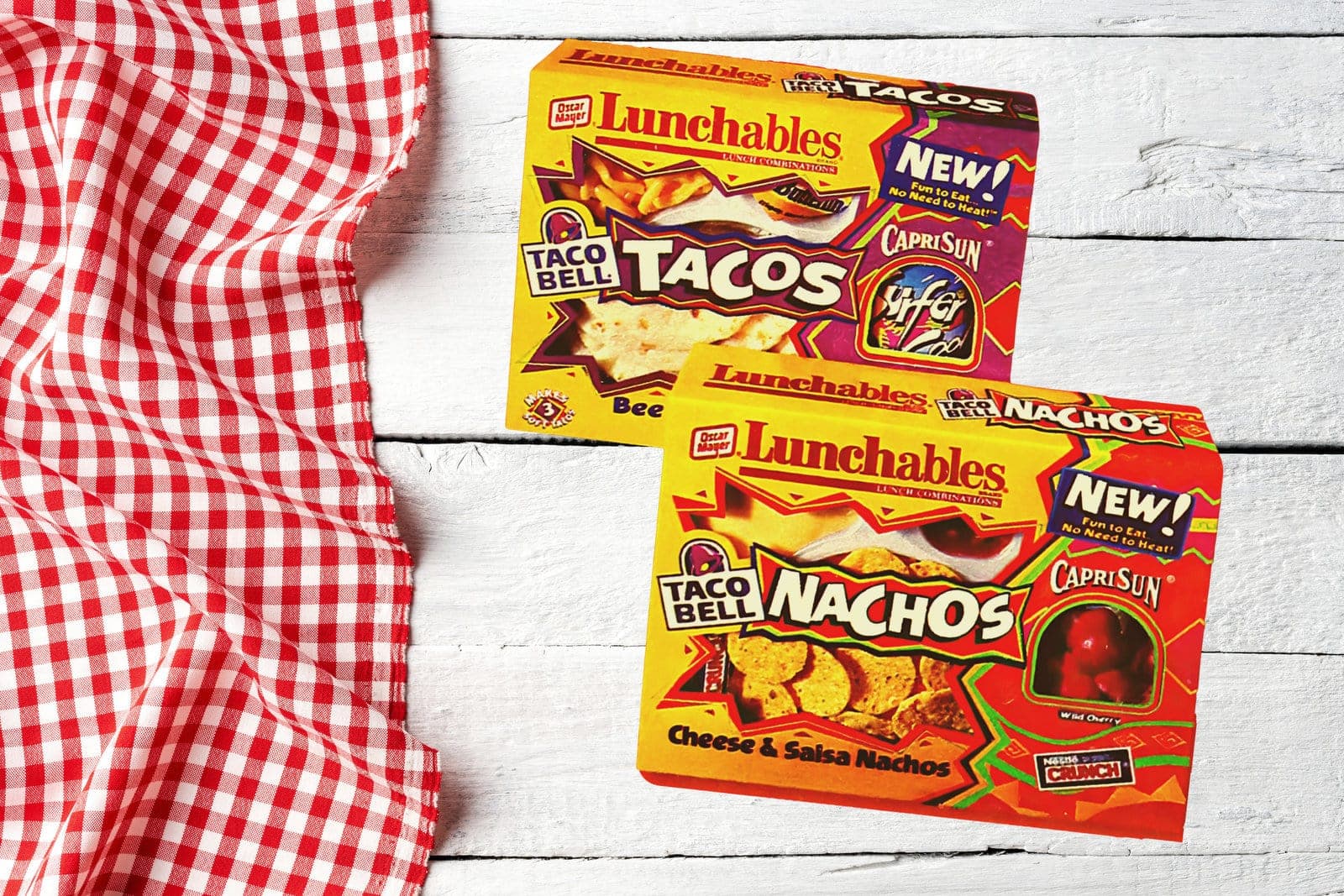
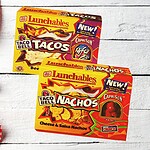
Lunchables Taco Bell Edition
The Taco Bell edition of Lunchables gave children the experience of assembling fast food at the cafeteria table. Depending on the version, the tray included soft tortillas or small round chips, seasoned meat, shredded cheese, sauce, candy, and a drink. The meal was not exactly the same as visiting a Taco Bell restaurant, but that hardly mattered to kids who enjoyed building tacos or nachos at school. The partnership captured two enormous 1990s brands at the height of their popularity and turned an ordinary packed lunch into something that felt like a special event. The Taco Bell versions disappeared when the collaboration ended, and current Lunchables products have never recreated the same combination. For former students, these trays remain an unforgettable lunchbox status symbol.
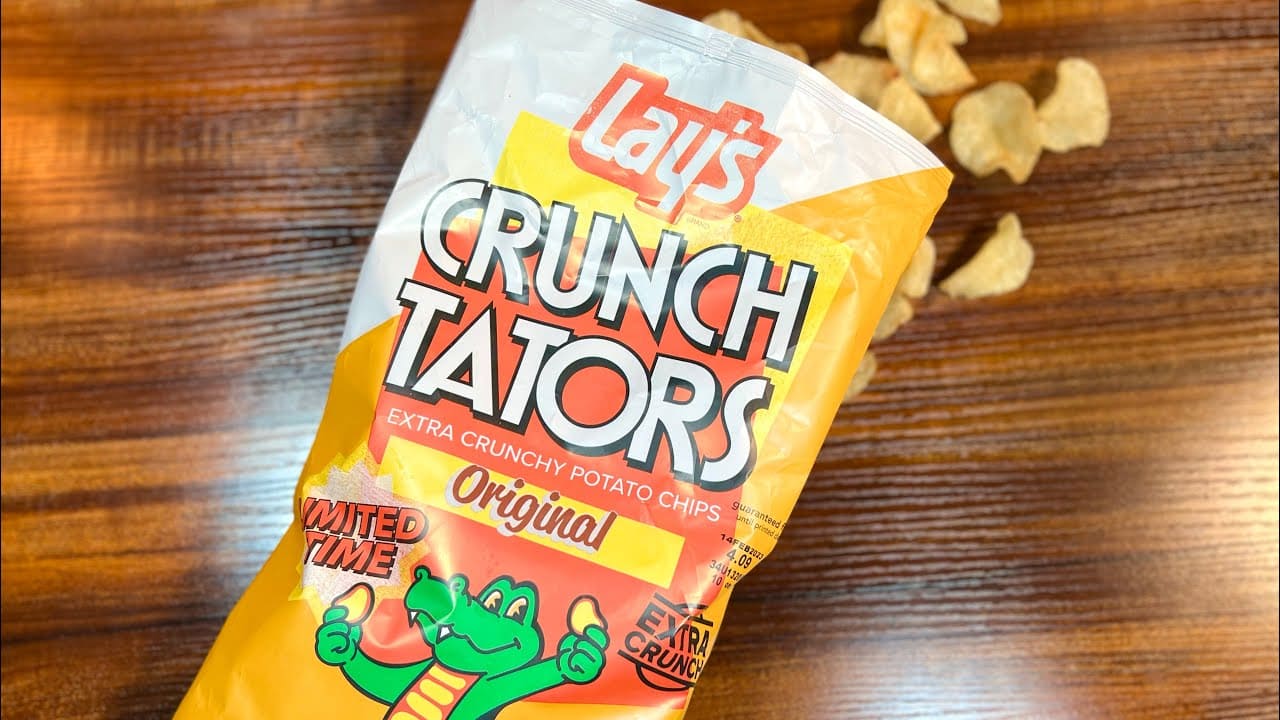
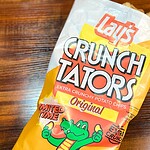
Crunch Tators
Crunch Tators were thick, heavily seasoned potato chips made for people who wanted more crunch and stronger flavor than a standard bag could provide. Frito-Lay sold varieties with names such as Mighty Mesquite Barbecue and Hoppin' Jalapeno, using bold branding that fit the oversized personality of early 1990s snack food. The chips gained an unexpected place in pop culture when a bag appeared in the 1990 movie Home Alone. That brief appearance helped keep the brand recognizable long after the product disappeared. Frito-Lay has never restored Crunch Tators as a permanent national line, although fans still compare them with other kettle style chips and insist the seasoning was different. The Home Alone connection ensures that viewers keep noticing the forgotten bag every holiday season.
Fruitopia
Coca-Cola launched Fruitopia in 1994 as a fruit drink brand with colorful packaging and names that matched the decade's alternative, mystical mood. Flavors included Strawberry Passion Awareness, Citrus Consciousness, and Lemonade Love and Hope. The drinks appeared in vending machines, school cafeterias, convenience stores, and malls, making Fruitopia difficult to avoid during the middle and late 1990s. Its marketing sold more than juice. It presented the beverage as a small expression of creativity and individuality. Coca-Cola eventually consolidated its drink lineup, and Fruitopia disappeared from most American shelves, although versions remained available in some international markets. In the United States, the brand survives through old commercials, pop culture references, and memories of its distinctive bottles and dispensers.
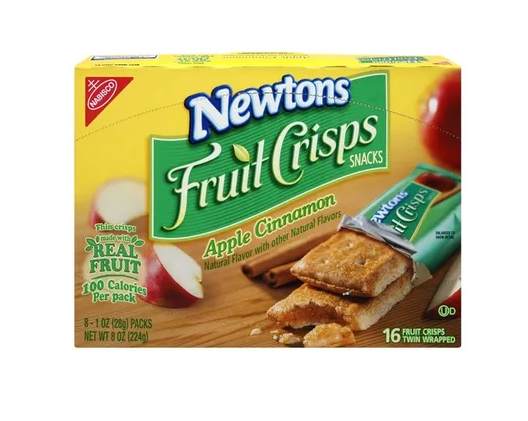
Nabisco Orchard Crisps
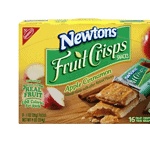
Nabisco introduced Orchard Crisps in 1993 as a sweet, low fat cracker available in flavors such as apple cinnamon and banana walnut. The product sat somewhere between a cookie, a cracker, and a breakfast snack, making it difficult to compare with anything else in the aisle. Reviews at the time were positive, and the fruit inspired flavors offered something different from the chocolate, cheese, and peanut butter products dominating packaged snacks. Still, Orchard Crisps disappeared after roughly a year, giving them barely enough time to become a familiar lunchbox item. Their short run means they are less widely remembered than many products on this list, but that rarity is part of the appeal. For people who tried them, Orchard Crisps remain a forgotten experiment that vanished before most shoppers knew it existed.
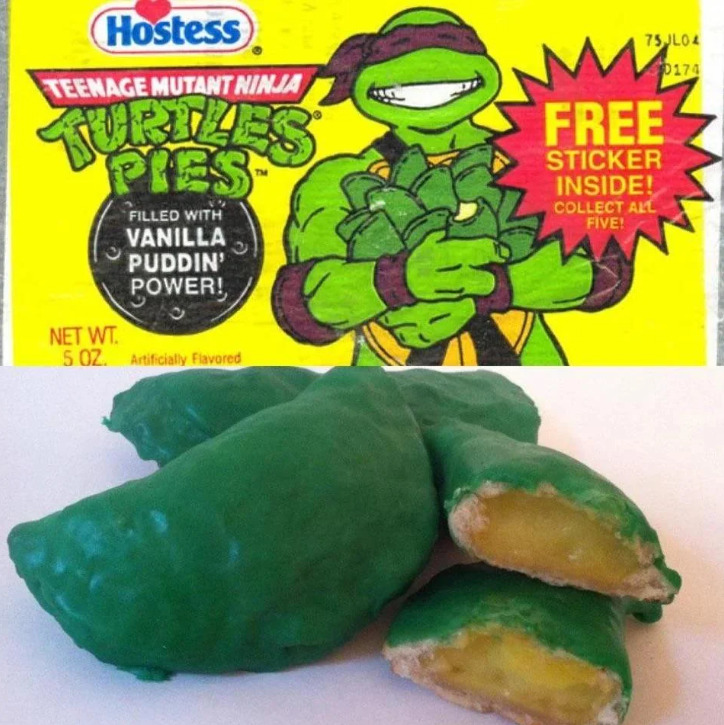
Hostess TMNT Pudding Pies
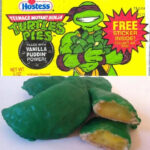
Hostess joined the Teenage Mutant Ninja Turtles craze with a limited promotional pudding pie that may have been one of the most aggressively 1990s snacks ever created. The Vanilla Puddin' Power Pie featured a green glazed crust surrounding a vanilla pudding filling, with packaging built around the cartoon heroes. Its unusual color and character tie in made it instantly appealing to children, even if adults were less certain about eating a bright green pastry. The promotion was designed for a short run, reportedly lasting about 20 weeks, so the pies disappeared soon after arriving. The Teenage Mutant Ninja Turtles remained popular through movies, television revivals, and new toys, but Hostess never made the pie a recurring product. Fans now remember it as a strange, sugary artifact from the franchise's first huge wave of popularity.