
antoniodiaz/Shutterstock.com
MMD Creative / Shutterstock.com

faungg's photos / Flickr

kckate16 / Shutterstock.com

Solange_Z / iStock via Getty Images
Prostock-studio / Shutterstock.com
Ildar Imashev / iStock via Getty Images
AtlasStudio / Shutterstock.com
Yermakova Iryna / Shutterstock.com

xpixel / Shutterstock.com

Jillian Cooper / iStock via Getty Images


10 Fast-Food “Facts” That Aren’t Quite True
Most fast-food meals never make it to a dining-room table. Nearly three-quarters of all restaurant traffic now comes from takeout, drive-thru, or delivery, according to the National Restaurant Association’s 2025 Off-Premises Restaurant Trends report. At limited-service restaurants, a category that includes most fast-food chains, that share reached 83% in 2024. The appeal isn’t hard to understand. Customers want food that is quick, affordable, easy to grab, and often paired with a discount or loyalty reward.
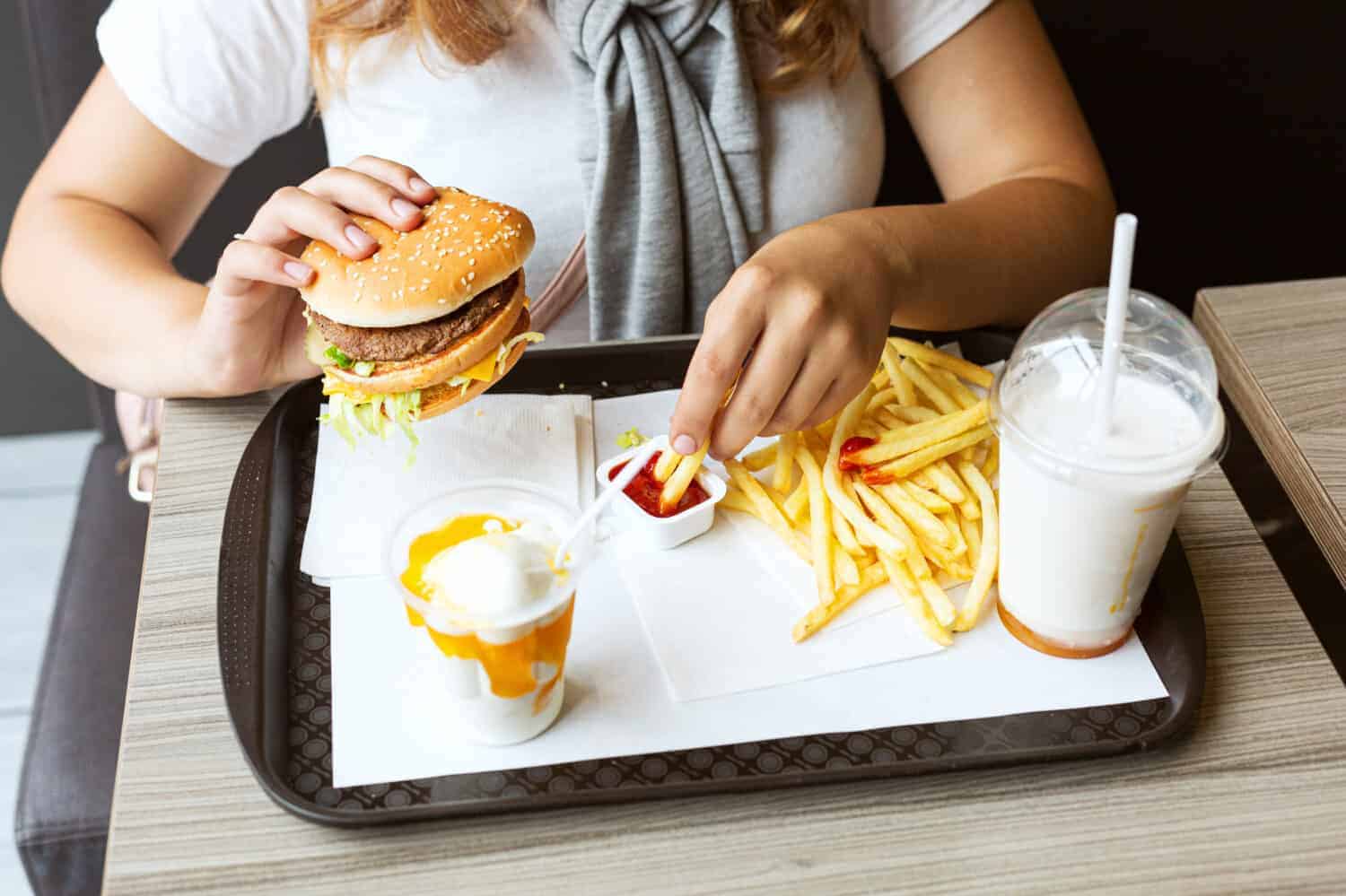
Fast food has also inspired years of rumors about mystery ingredients and frightening health effects. Some of those claims began with legitimate research but lost important context as they spread. Others make familiar ingredients sound dangerous simply because they’re also used in industrial products. These 10 widely repeated fast-food claims deserve a closer look. We checked what the evidence actually shows and what diners should know before placing their next order.
10. A Small Study Found Bacteria in Fountain Drinks
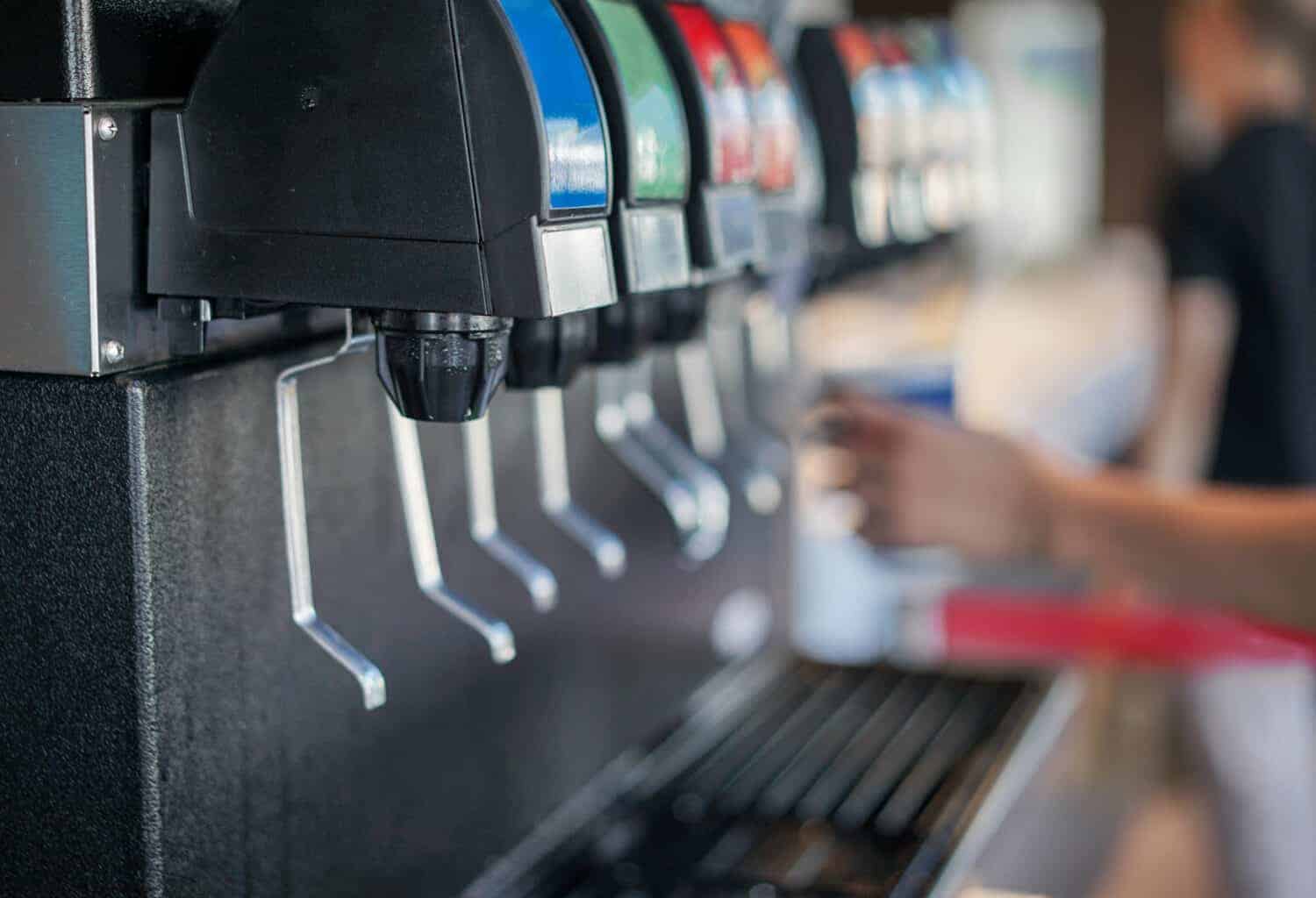
A 2010 study published in the International Journal of Food Microbiology tested 90 beverages collected from 30 soda fountains in Virginia’s Roanoke Valley. Researchers detected coliform bacteria in 48% of the drinks and Escherichia coli in more than 11%. Those findings raised legitimate concerns about fountain maintenance and cleaning.
The study does not prove that half of all fast-food soda machines contain fecal matter. It examined a small regional sample, and total coliforms can also occur in soil, water, and vegetation. The researchers did not report that the detected E. coli belonged to a dangerous outbreak-causing strain. The accurate takeaway is that poorly maintained dispensers can harbor microorganisms, not that every fountain drink is contaminated or likely to make someone sick.
9. Fast-Food Eggs Are Prepared in Different Ways
The claim that breakfast sandwiches contain “the same ingredients as soap” is based on an outdated and misleading comparison. Recipes vary by chain and menu item. McDonald’s currently says its Egg McMuffin uses a freshly cracked Grade A egg, while its scrambled eggs begin as liquid eggs and its folded eggs arrive precooked and frozen. All of them are still real egg products, although their preparation and additional ingredients differ.
Glycerin, the ingredient commonly singled out in versions of this claim, can be used in both food and personal-care products. That overlap does not make it soap or make food containing it unsafe. The FDA recognizes food-grade glycerin as safe when it is used according to good manufacturing practices. Because recipes change, consumers concerned about additives or allergens should check the chain’s current ingredient list instead of relying on a decade-old article.
8. A Salad Is Not Automatically the Lightest Choice
Calling every fast-food salad unhealthy is as inaccurate as assuming every salad is the best nutritional choice. Cheese, bacon, fried chicken, tortilla chips, creamy dressing, and large portions can raise a salad’s calories, saturated fat, and sodium considerably. Current menus illustrate the range: McDonald’s lists a Big Mac at 580 calories, while Wendy’s lists salads ranging from 510 calories for its Apple Pecan Salad to 660 for its Cobb Salad.
Calories are only one part of the comparison. A salad may provide more vegetables, fiber, and micronutrients than a burger even when their calorie totals are similar. Dressing and toppings can also be reduced or served on the side. Large U.S. chains must display calories and make additional nutrition information available, so checking the complete numbers is more useful than trusting labels such as “fresh” or “healthy.” For more high-calorie examples, explore these popular fast-food meals.
7. One Burger Can Include Beef From Many Cattle
Large ground-beef batches can combine trimmings from many animals. In 2015, McDonald’s confirmed to The Washington Post that one of its patties could contain beef from more than 100 cattle. That makes the number possible, not universal. A patty made by a restaurant that grinds beef from a single animal could have a very different origin.
The old claim that one burger “requires two herds” is meaningless because each animal contributes meat to a much larger production batch. Commercial ground beef is also not automatically an emulsified slurry. The USDA says it is generally made from less tender cuts and trimmings, which are ground and blended to reach a target fat content. Because grinding can distribute surface bacteria throughout the meat, the USDA recommends cooking ground beef to an internal temperature of 160 degrees Fahrenheit.
6. Old Burgers Can Dry Out Instead of Growing Mold
Photographs of remarkably well-preserved fast-food burgers are real, but they do not prove the food is indestructible or packed with mysterious preservatives. A widely shared example involved a McDonald’s hamburger purchased in 1999 that showed little visible decay after 14 years. The thin, cooked patty and toasted bun had lost enough moisture to dry out before mold could take hold.
Under humid conditions, the same burger can decompose. Food experiments have also shown that similarly sized homemade and fast-food burgers behave alike when exposed to the same environment. In dry, open air they may dehydrate, while a sealed container can retain enough moisture for mold to grow. None of this makes an old burger safe to eat. The USDA advises discarding perishable food left at room temperature for more than two hours, or one hour when the temperature exceeds 90 degrees.
5. Ultra-Processed Foods Are Linked to Cognitive Decline
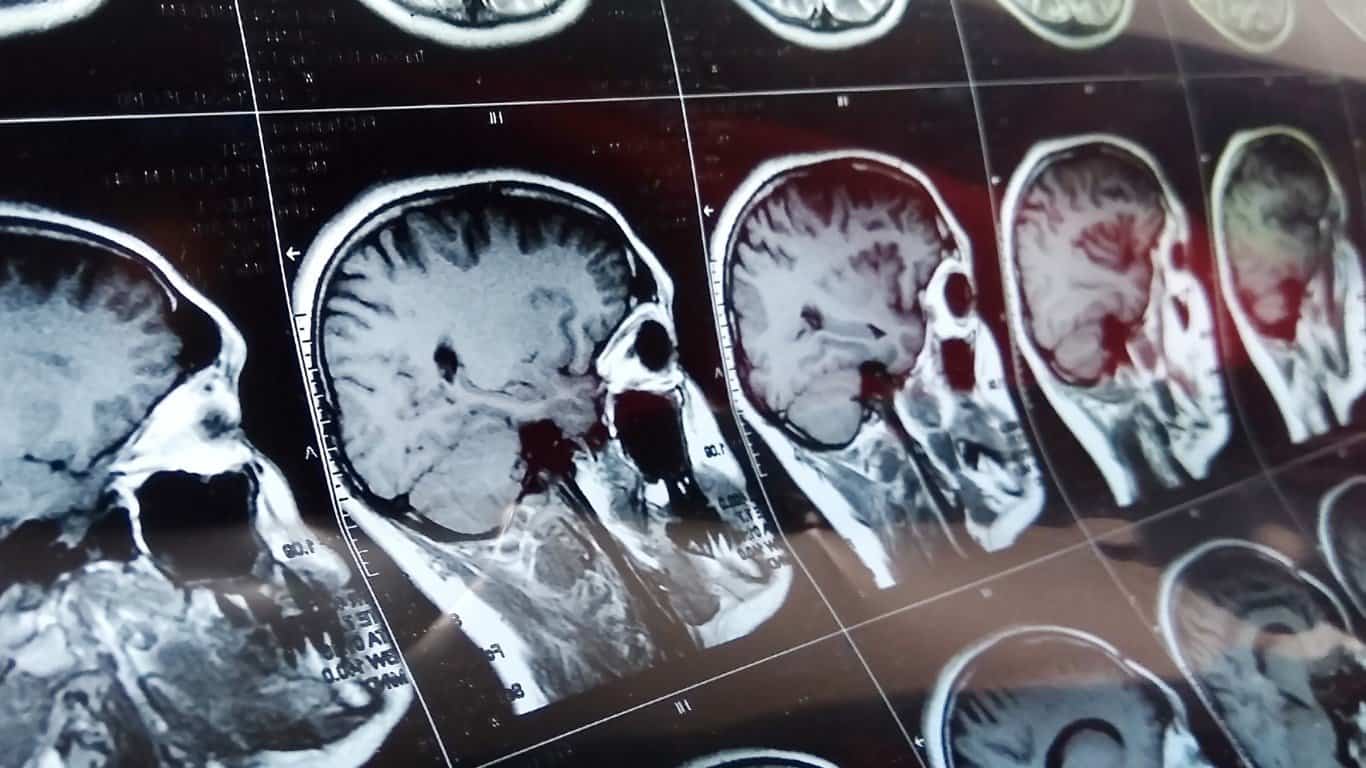
Research has not shown that eating a fast-food meal literally shrinks the brain. A 2022 study published in JAMA Neurology followed 10,775 Brazilian adults for a median of eight years. Participants who received more than 19.9% of their daily calories from ultra-processed foods experienced faster declines in global cognition and executive function than those who ate less.
The study examined ultra-processed foods as a broad category, not fast food alone, and it did not include brain imaging. It was also observational, so it identified an association rather than proving that those foods caused the decline. More recent reviews have generally found similar links, but researchers still call for better long-term and experimental evidence. The defensible conclusion is that a diet dominated by ultra-processed foods may be unfavorable for cognitive health, not that an occasional order of fries makes the brain shrink.
4. The “Almost No Meat” Chicken Nugget Claim Is Misleading
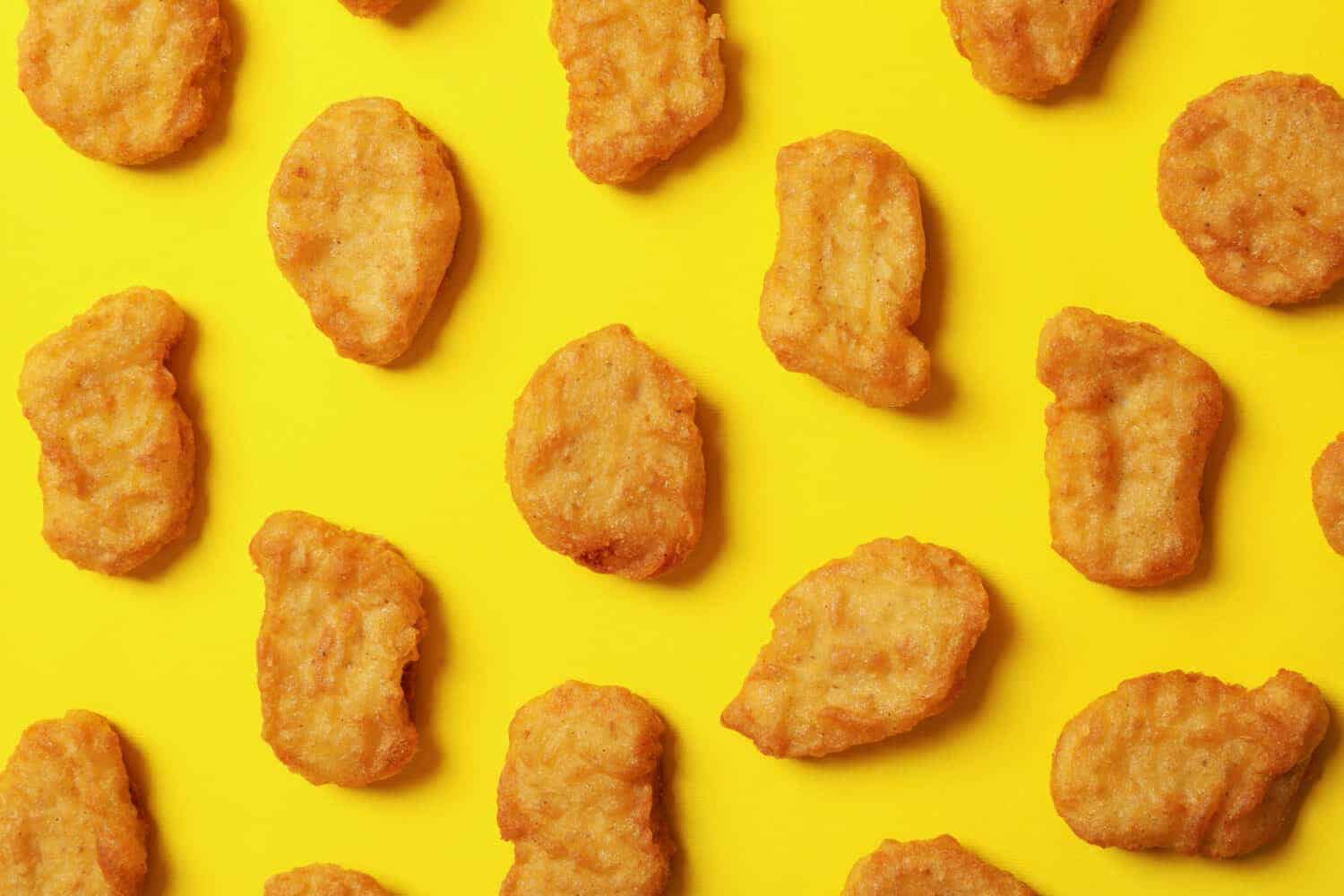
A 2013 report in The American Journal of Medicine examined one nugget from each of two unnamed fast-food chains. Under a microscope, the researchers found that skeletal muscle was not the predominant material and identified fat, connective tissue, nerves, bone, and epithelium. Those findings accurately describe the two samples, but a sample size of two cannot establish what is in every brand’s nuggets.
Recipes have also changed. McDonald’s says its current U.S. McNuggets are made with boneless white meat from the breast, tenderloin, and rib, which is mixed with a marinade, formed, battered, partially fried, frozen, and then fully cooked in restaurants. Nuggets remain processed foods whose breading and frying add fat and sodium, but saying they contain “almost no meat” or are made from mysterious pink slime is not supported by the evidence.
3. Milkshake Ingredient Lists Can Be Surprisingly Long
A fast-food milkshake can contain more than milk, ice cream, and fruit. McDonald’s, for example, describes its current Strawberry Shake as soft serve blended with strawberry syrup and topped with whipped light cream. Each of those components has its own ingredient list, which may include sweeteners, stabilizers, emulsifiers, colors, preservatives, and natural or artificial flavors. The chain currently lists 470 calories in a small shake.
The claim that an average shake contains “100 chemicals” came from discussions of how flavorists reproduce flavors, including a 2006 Guardian article. A flavor can be assembled from numerous aromatic compounds, but that does not mean every fast-food shake contains the same 100 separate additives. Everything in food is made of chemicals, including milk and strawberries. The practical concerns are the shake’s calories, added sugar, saturated fat, allergens, and disclosed ingredients, not an unsupported chemical count.
2. Food-Grade Silicon Dioxide Is Not the Same as Eating Sand
Silicon dioxide, or silica, is sometimes added to powdered foods and seasoning blends to prevent clumping. Sand is also composed largely of silicon dioxide, but describing the food additive as sand leaves out an important distinction. Food manufacturers use purified synthetic amorphous silica, not grains of beach or construction sand. It is not unique to spicy menu items and is more likely to appear in a dry seasoning than in the meat itself.
U.S. regulations permit silicon dioxide as an anticaking agent at no more than 2% of a food’s weight and require manufacturers to use no more than needed for that purpose. A 2020 scientific review discussed unanswered questions about different particle forms, but a 2024 European Food Safety Authority reassessment concluded that the additive did not present a safety concern at reported uses and exposure levels.
1. Castoreum Is Not Secretly Sweetening Most Fast Food
Castoreum is a strongly scented substance produced in sacs located near a beaver’s anus. It has historically been used in fragrances and occasionally as a flavoring, particularly in products meant to evoke vanilla or raspberry notes. A published safety assessment notes that the FDA recognizes castoreum extract as safe for its intended food use. It is a flavoring, however, not a sweetener.
There is no evidence that castoreum commonly appears in fast-food sodas or milkshakes. Harvesting it is difficult and expensive, and modern manufacturers can obtain vanilla-like flavors far more cheaply from vanilla beans or synthetic vanillin. Although castoreum could legally appear under the broad term “natural flavor,” food and flavor experts say it is now rare in mass-market products. “Birch tar” and “Russian leather” are descriptions of its odor, not secret ingredient names used on food labels. For a different look at the industry, see the most popular fast-food chain in every state.