Topp Images/ Shutterstock

Melinda Nagy / Shutterstock.com
JeniFoto / Shutterstock.com

Justin Sullivan / Getty Images

Alst / Getty Images

jeffreyw / BY 2.0

scaredykat / Flickr

dinnercraft / BY 2.0

JFreetime / Shutterstock.com

NicoElNino / Shutterstock.com

chokja / Getty Images

Roman Samborskyi / Shutterstock.com

Parilov / Shutterstock.com

HandmadePictures/Shutterstock


American Food Habits and How They're Viewed Abroad
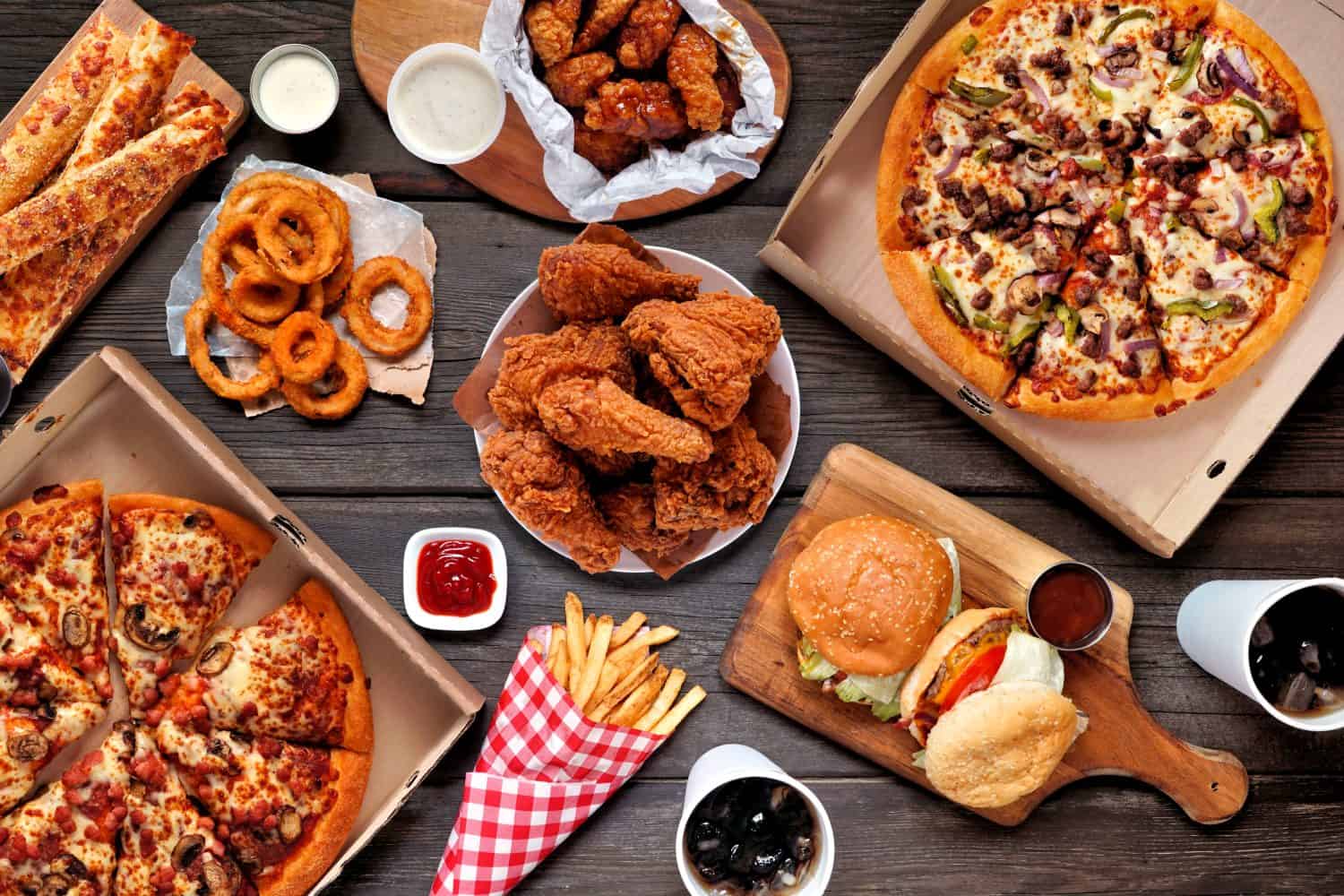
When people outside the United States picture American food, the usual suspects are easy to guess: cheeseburgers, hot dogs, oversized sodas, and something deep-fried that probably didn't need to be. Fair enough. But that picture leaves out a lot, from regional specialties and home cooking to the huge variety of dishes Americans have adopted and made their own.
There are real nutrition concerns behind some of the stereotypes. Federal surveys found that U.S. adults got about 53% of their calories from ultra-processed foods in 2021-2023. The CDC also estimated that 40.3% of adults had obesity during that period. Those figures matter, but they don't mean everyone eats the same way, and diet isn't the only factor affecting someone's weight or health.
So which foods have become shorthand for American eating, and which habits tend to stand out in comparisons with other countries? Here's a look at some recognizable examples and the criticism surrounding them. These are common impressions and documented dietary trends, not a scientific poll of what everyone overseas thinks about American food.
What Counts as the American Diet?
There isn't one menu that represents the entire country. Louisiana gumbo, Texas barbecue, New England seafood, California produce, and a weeknight meal cooked at home can all be American food. What people eat also depends on income, family traditions, work schedules, and access to grocery stores. That last point matters: the USDA tracks places where distance and transportation make shopping for healthy food more difficult. When people criticize the 'American diet,' they're usually talking about a broader pattern of convenience foods, sweetened drinks, and heavily processed products, not every plate served from coast to coast.
Foods Commonly Associated With America
Ask someone to name a distinctly American meal, and there's a good chance a burger or hot dog comes up before a vegetable. Fast-food chains, movies, and television have done a pretty thorough job of exporting that image. The foods on the next few slides are familiar American staples, but most have counterparts or influences elsewhere in the world. What makes them notable is often how they're served, marketed, or combined with other foods here. A stereotype can contain a grain of truth without telling the whole story of what a country eats.
Breakfast Cereal
A brightly colored cereal aisle is one of the more recognizable features of an American supermarket. Sweetened cereals have been marketed to children for generations, complete with mascots, prizes, and enough nostalgia to fill a Saturday morning cartoon marathon. But cereal isn't an exclusively American breakfast, and it isn't automatically unhealthy. Oatmeal and low-sugar, whole-grain cereals are very different from candy-like varieties. The nutritional difference usually comes down to added sugar, fiber, and serving size. It's more accurate to say American stores offer a remarkable range of cereals than to assume everyone starts the day with a bowl of sugar.
French Fries
Few foods are as closely tied to American fast food as a carton of French fries. Whether they're shoestring, crinkle-cut, waffle, or loaded with toppings, fries turn up alongside burgers and countless other meals. Their name doesn't settle their origin, though. France and Belgium have long been part of the debate over where the modern fried potato became popular, and versions are eaten around the world. Fries also aren't automatically a dietary disaster; portion size, added salt, and how they're prepared make a difference. Americans didn't invent the idea of frying potatoes, but we've certainly made them a fast-food fixture.
Pancakes and Waffles
A stack of fluffy pancakes with butter and maple syrup is an instantly recognizable American breakfast. So is a plate of waffles, especially when the toppings start looking more like dessert than breakfast. Restaurants such as IHOP and Waffle House have helped make these meals part of the country's dining identity. Of course, pancakes and waffles exist in many forms around the world, from thin crepes to crisp Belgian-style waffles. The bigger nutritional question is often what goes on top: fruit and a modest drizzle of syrup are very different from whipped cream, candy, and a generous pour of sweet sauce.
Cheeseburgers
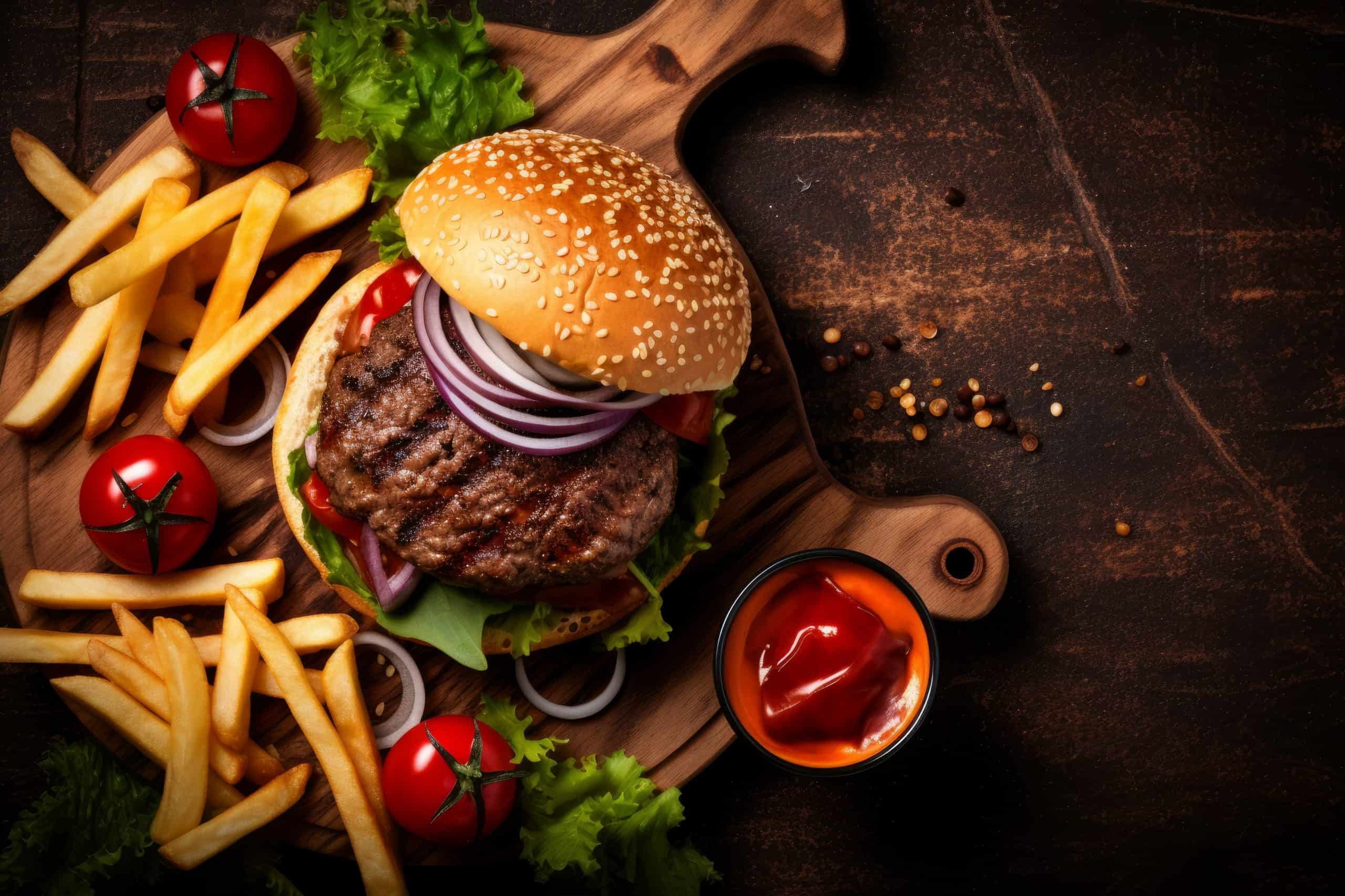
The cheeseburger has become an unofficial ambassador for American food, thanks in large part to fast-food chains that now operate around the world. The classic version is simple: a beef patty, a bun, cheese, and whatever toppings the restaurant or cook prefers. Processed American cheese is common, but it's hardly the only option, and there's no reason to assume every burger uses a particular brand. Like most meals, the nutrition varies. A modest burger with vegetables isn't the same as a towering double patty stacked with bacon and sauce. Still, if you're trying to explain American casual dining in one picture, a cheeseburger is a pretty good place to start.
Hot Dogs
Hot dogs belong at ballgames, backyard cookouts, street carts, and just about any American event where eating with one hand is useful. Their history draws on European sausage-making traditions, but the familiar hot dog in a bun became a fixture of American food culture. Toppings change from city to city, sometimes dramatically. Many packaged hot dogs are processed meats and can be high in sodium, so they're better treated as an occasional convenience than a nutritional staple. But there's no basis for declaring every sausage served abroad 'higher quality.' Ingredients, preparation, and portions vary on both sides of the Atlantic.
Deep-Fried Fair Foods
If there's one place American food earns its over-the-top reputation, it's the fairground. Deep-fried Oreos, pickles, cheesecake, and other unlikely candidates regularly show up on carnival menus. Part of the fun is seeing what vendors will put in a fryer next. None of that means Americans eat these foods every day, and fried treats are hardly unique to the United States. Cultures around the world have their own versions, from fritters to fried pastries. Fair food is designed to be indulgent and memorable, which is exactly why it makes such a lasting impression on visitors.
Which American Food Habits Stand Out Abroad?
The foods themselves are only half the story. In conversations about American eating habits, a few themes tend to come up repeatedly: sweetness, serving sizes, fried meals, and salt. Some criticisms line up with nutritional research; others depend heavily on personal taste and the particular restaurant or product being discussed. Someone who visits a chain restaurant on vacation may leave with a very different impression from someone who shares a home-cooked meal. The next slides separate the measurable concerns from the stereotypes that don't hold up quite so neatly.
Added Sugar in Everyday Foods
Sweet drinks, desserts, flavored coffee, and some breakfast cereals can contribute substantial amounts of added sugar to an American diet. It's a legitimate concern, especially because sugar can show up in foods that don't taste particularly sweet. But the original claim that high-fructose corn syrup is inherently worse than regular table sugar goes too far. The FDA says it has not found evidence that comparable amounts of the two sweeteners differ in safety. The practical issue is how much added sugar people consume overall, not whether a label names one particular sweetener. Checking the added-sugars line on a Nutrition Facts label is more useful than guessing.
Portion Sizes Can Be Larger
Visitors sometimes notice the size of restaurant meals and fountain drinks in the United States, and there's research behind at least part of that impression. Studies comparing food portions in France and America have found larger portions in certain U.S. settings. That doesn't mean every American serving is enormous or that every country serves less. A small espresso in one place also isn't directly comparable with a cup of brewed coffee somewhere else. The concern is that larger default servings can make it easy to eat more than intended, especially when a meal comes with fries, a drink, and a dessert before anyone has considered how hungry they actually are.
Is Everything Really Fried?
The idea that Americans fry absolutely everything is an easy joke, especially after seeing what turns up at a state fair. But it's a stereotype, not a reliable description of daily eating. Grilled fish, roasted vegetables, salads, soups, and home-cooked meals are just as much part of American food culture as fried chicken and mozzarella sticks. At the same time, convenience foods can make less nutritious choices easy to grab when money or time is tight. The better criticism isn't that every American meal comes out of a fryer. It's that heavily processed and restaurant-prepared options are such a large part of the modern food environment.
Sodium Is Easy to Overlook
A meal doesn't have to taste especially salty to contain a lot of sodium. Bread, deli meats, pizza, sauces, packaged soups, and restaurant dishes can all contribute, often before someone reaches for a saltshaker. The CDC reports that Americans consume more than 3,300 milligrams of sodium per day on average, above the federal recommendation of less than 2,300 milligrams for most teens and adults. Excess sodium can raise blood pressure and increase cardiovascular risk. Whether one country's cooking tastes saltier than another's is subjective, but the amount of sodium in the American food supply is a measurable issue worth taking seriously.