
A cold can of diet soda delivers the familiar fizz without the sugar found in regular soda. For someone trying to cut back on added sugar, that can be useful. But a zero on the nutrition label doesn’t answer every question about what happens when diet soda becomes an everyday habit.
Over the years, researchers have reported links between artificially sweetened drinks and several health problems, including heart disease, stroke, and type 2 diabetes. The catch is that much of this research is observational. It can show that two things occur together, but it usually cannot tell us whether the drink caused the problem. People who already have certain health risks may also be more likely to choose diet beverages in the first place.
Controlled studies add some important perspective. Replacing sugary drinks with diet versions can reduce sugar and calorie intake and may help with modest weight loss. The American Diabetes Association’s 2026 guidance allows non-sugar sweeteners as a moderate, short-term substitute for added sugar, while favoring water overall. The World Health Organization advises against relying on these sweeteners as a long-term weight-control strategy, based on uncertain long-term benefits. That recommendation does not apply to people with pre-existing diabetes.
So what should regular diet soda drinkers actually know? Here are 10 areas researchers have examined, what the evidence suggests, and where the headlines have gotten ahead of the science.
Here are 10 health concerns and research questions involving diet soda:
1. Heart disease
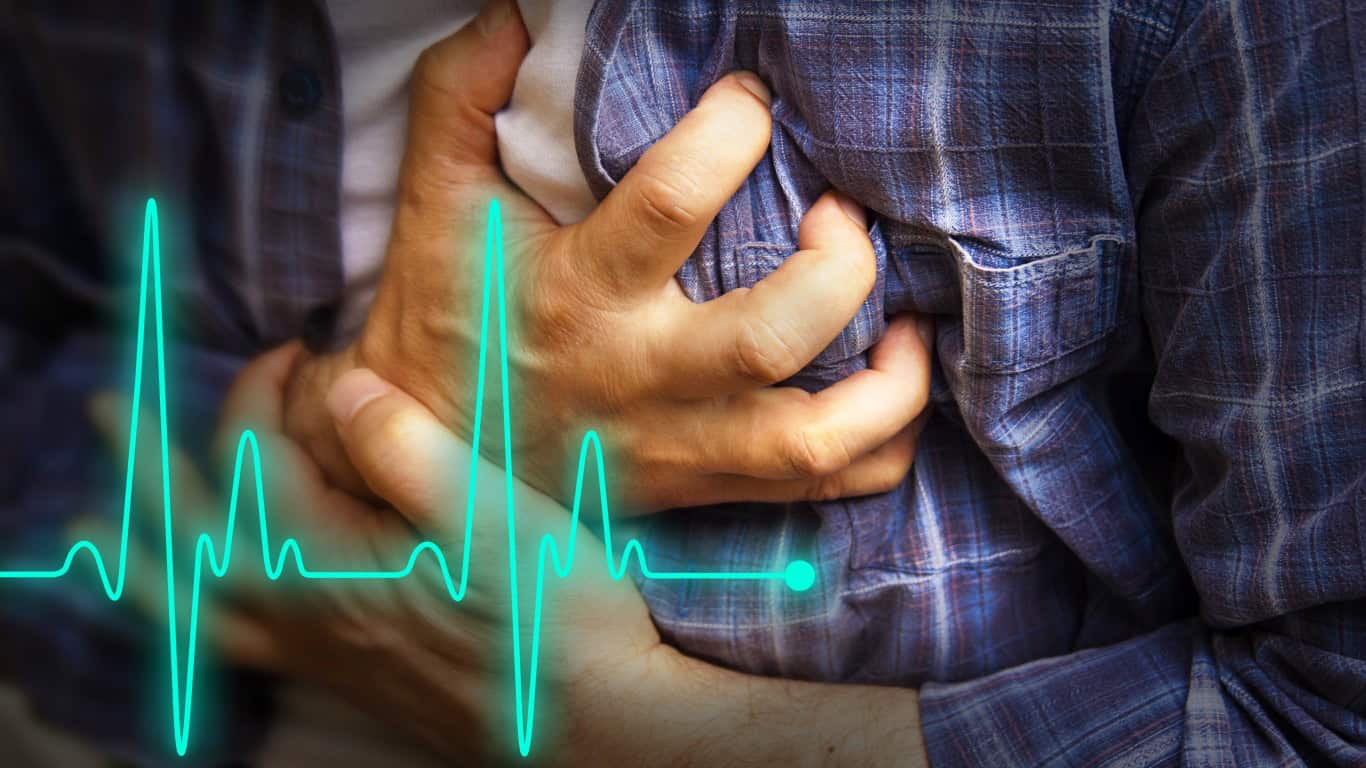
Heart disease is often mentioned in stories about diet soda, but the research needs a closer look. Heart attacks, heart failure, and cardiovascular disease are not interchangeable diagnoses, and the studies frequently cited about diet drinks generally measure a range of cardiovascular outcomes rather than showing that the drinks cause heart failure specifically.
A 2024 review of 12 prospective studies involving more than 1.2 million participants found associations between frequent consumption of artificially sweetened beverages and some cardiovascular outcomes, including stroke and cardiovascular death. That is worth studying, but it is not proof of cause and effect. Underlying health conditions, other dietary habits, and the possibility that people switch to diet drinks after developing health concerns all complicate the picture.
2. Weight and appetite

Some long-running studies have found that people who regularly drink diet soda are more likely to have a higher body mass index or larger waist circumference. That sounds counterintuitive for a drink with little or no sugar, but it does not establish that artificial sweeteners make people gain weight. Someone trying to lose weight may choose diet soda precisely because they are already concerned about their weight.
Randomized trials offer a different view. When diet drinks replace sugary beverages, some studies find small improvements in body weight. A 2024 analysis of 78 trials reported possible modest benefits, although the researchers rated much of the evidence as low certainty. The World Health Organization’s 2023 advice against using non-sugar sweeteners for long-term weight control reflects that uncertainty, not a finding that an occasional diet soda inevitably causes obesity.
3. Dementia

A widely reported 2017 Framingham Heart Study analysis examined dementia outcomes in 1,484 adults ages 60 and older. Researchers found an association between daily artificially sweetened beverage consumption and a higher rate of dementia during follow-up. Some comparisons suggested nearly three times the risk, but those estimates came from a relatively limited number of cases and should not be treated as a prediction for any individual drinker.
The study did not demonstrate that diet soda damages the brain or causes dementia. Researchers have to account for factors such as diabetes, cardiovascular health, and changes in drinking habits over time, and even careful statistical adjustments cannot eliminate every possible explanation. For now, the findings are a reason to keep studying the connection, not grounds for saying diet soda leads to dementia.
4. Stroke

The same 2017 Framingham research followed 2,888 adults ages 45 and older to examine stroke risk. Daily consumption of artificially sweetened beverages was associated with a higher incidence of stroke, and later reviews of population studies have also reported modest associations. The results are concerning enough to investigate, but they do not establish that an artificial sweetener directly triggers a stroke.
Blood pressure, smoking, diabetes, activity levels, and other factors have powerful effects on stroke risk. It can be difficult to separate those influences from someone’s beverage choices. The available findings are not an argument for switching back to sugar-sweetened soda, which has its own established health drawbacks. Unsweetened drinks remain the simpler everyday choice.
5. High blood pressure

Several observational reviews have linked greater consumption of artificially sweetened beverages with a somewhat higher likelihood of hypertension. A 2025 umbrella review, for example, reported an association of roughly 14% in some pooled comparisons. That figure describes an average association across groups, not a demonstrated increase in blood pressure caused by each can of diet soda.
The older explanation that a typical diet soda’s sodium content is enough to drive hypertension is unconvincing. Many sodas contain relatively little sodium compared with the amounts people consume across their entire diet, and formulations vary. Someone watching blood pressure should pay attention to their broader eating pattern, caffeine intake if they are sensitive to it, and any guidance from their clinician rather than assuming the sweetener is the culprit.
6. Type 2 diabetes and eye health

Diet soda generally contains little or no sugar, so replacing regular soda with a diet version can reduce the sugar and carbohydrate load of a drink. Although some population studies have linked artificially sweetened beverages with later type 2 diabetes diagnoses, those findings cannot establish that the sweeteners caused the disease. People who are overweight or already concerned about blood sugar are also more likely to choose sugar-free options.
The eye-health claim comes from a 2018 study of 609 people with diabetes. Those who reported more than four cans of diet soft drink per week had higher odds of proliferative diabetic retinopathy, a serious eye complication. But the study measured people at one point in time; it could not show that diet soda caused the condition or caused blindness. The American Diabetes Association’s 2026 guidance supports moderate, short-term use of non-sugar sweeteners in place of sugary products while recommending water as the preferred beverage.
7. The gut microbiome

Your digestive system is home to trillions of microorganisms, and researchers are exploring whether different sweeteners can change that environment. In a 2022 randomized trial involving 120 healthy adults, researchers tested several non-sugar sweeteners in sachets over two weeks. They observed different changes in gut bacteria and other biological measures, with saccharin and sucralose affecting glucose responses in some participants.
Those findings are more nuanced than the claim that every artificial sweetener harms the gut. The trial did not test years of diet soda consumption, and it did not show that everyone who drinks a diet soda will develop digestive problems or glucose intolerance. The effects may vary by sweetener and by individual. More long-term human research is needed to understand what the changes mean for health.
8. Liver health
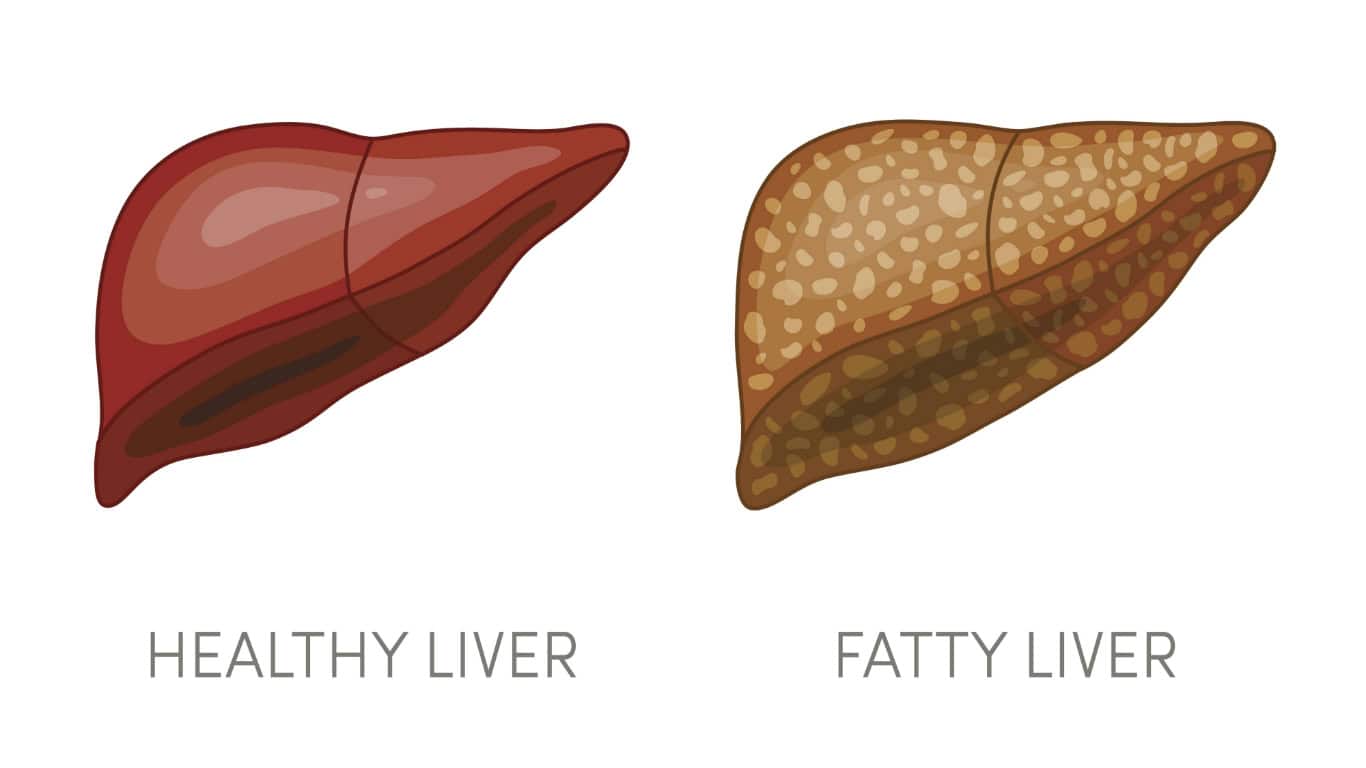
Research has also examined diet drinks and metabolic dysfunction-associated steatotic liver disease, or MASLD, the newer name used for many cases previously described as nonalcoholic fatty liver disease. A 2025 study of more than 173,000 UK Biobank participants found that both sugary and artificially sweetened beverages were associated with higher rates of certain adverse liver outcomes during follow-up.
That doesn’t prove that diet soda, or aspartame in particular, damages the liver. People with existing metabolic problems may select sugar-free drinks, and observational studies cannot fully untangle those decisions. The older suggestion that normal aspartame consumption has been shown to deplete liver-cell energy and cause fatty liver in people goes well beyond the established evidence. Reviews of clinical trials cited in the American Diabetes Association’s 2026 guidance have not shown a clear increase in liver enzymes from non-sugar sweeteners.
9. Bone health
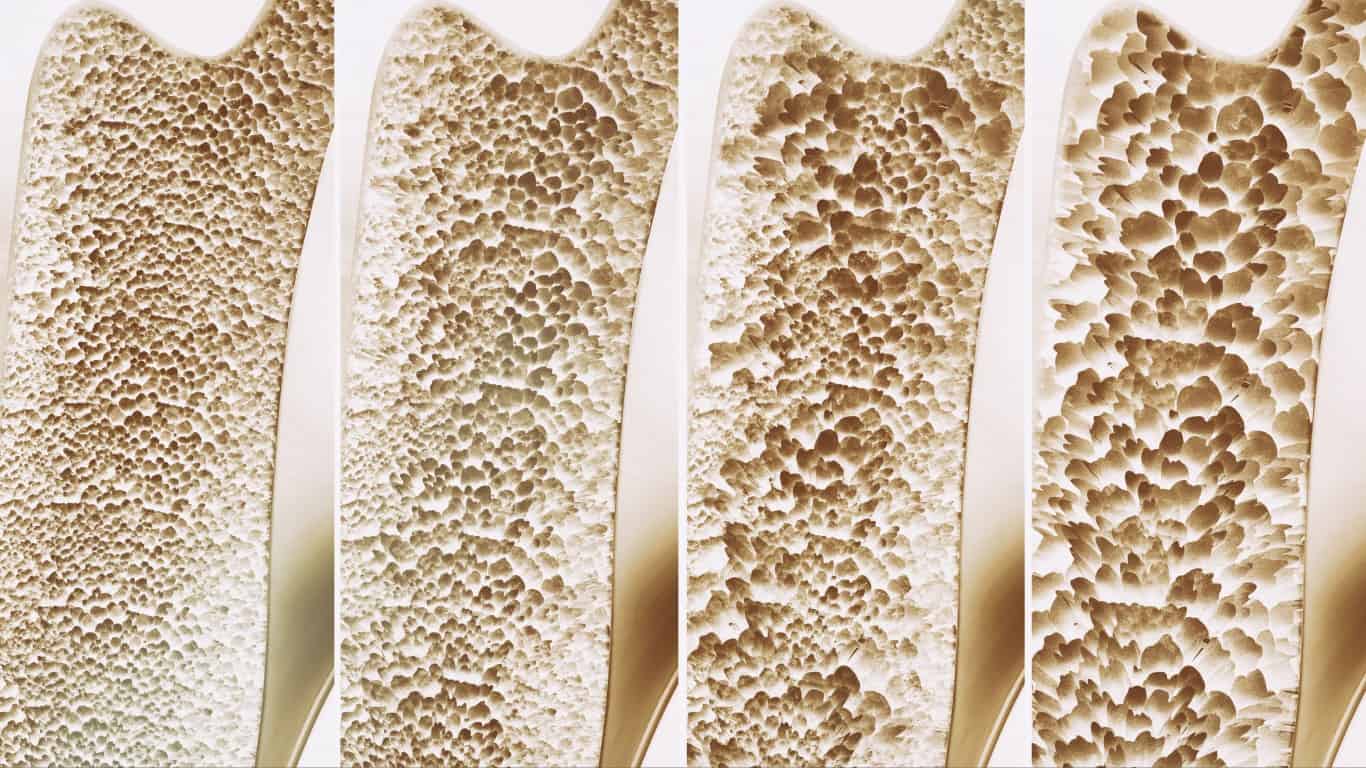
The concern about diet soda and bones is more specifically a concern about cola. A 2006 Framingham Osteoporosis Study found that women who drank cola every day had lower bone mineral density at certain hip sites than women who rarely drank it. The association appeared with both regular and diet cola but was not seen for non-cola carbonated drinks or in the study’s male participants.
Researchers have considered several explanations, including caffeine, phosphoric acid, and the possibility that frequent cola drinkers consume fewer calcium-rich beverages. The study could not prove which factor, if any, caused the difference. It also does not mean carbonation itself causes osteoporosis. Getting adequate calcium and vitamin D, staying active, and following individualized bone-health advice matter far more than treating one study as a universal ban on diet cola.
10. Cancer concerns

In 2023, the International Agency for Research on Cancer classified aspartame as ‘possibly carcinogenic to humans,’ based on limited evidence. The wording sounds alarming, but the classification identifies a potential hazard; it does not establish the cancer risk posed by drinking a typical diet soda. Another international expert panel, JECFA, kept its existing acceptable daily intake for aspartame, and the U.S. Food and Drug Administration continues to regard approved uses as safe for the general population.
The research is still evolving. A 2026 pooled analysis of 11 prospective cohorts involving more than 1.5 million adults found no association between artificially sweetened drinks and liver cancer. Another 2026 cohort analysis reported associations between aspartame intake and certain cancers, but no clear dose-response pattern, which makes the findings harder to interpret. Neither study proves that diet soda causes or prevents cancer. One firm exception to the general safety advice: people with phenylketonuria (PKU) must avoid or restrict aspartame because they cannot properly process phenylalanine.
The bottom line: If switching from regular soda to diet soda helps you consume less added sugar, that can be a reasonable step. But sugar-free does not mean that a drink improves health, and research on long-term outcomes is still developing. For everyday hydration, water or an unsweetened drink is the clearest choice.