Marcos Mesa Sam Wordley / Shutterstock.com

B Rosen / BY-ND 2.0

JeepersMedia / BY 2.0

greensefa / BY 2.0

Rohane Hamilton / Shutterstock.com

tedeytan / BY-SA 2.0

JeepersMedia / BY 2.0
Beau B / BY 2.0

[email protected] / Getty Images

ipopba / Getty Images
chyenchyen / Getty Images

Dmitry-Arhangel 29 / Shutterstock.com

BrianAJackson / Getty Images
Thinkstock


What to Know About Aspartame and the Health Concerns Around Diet Drinks
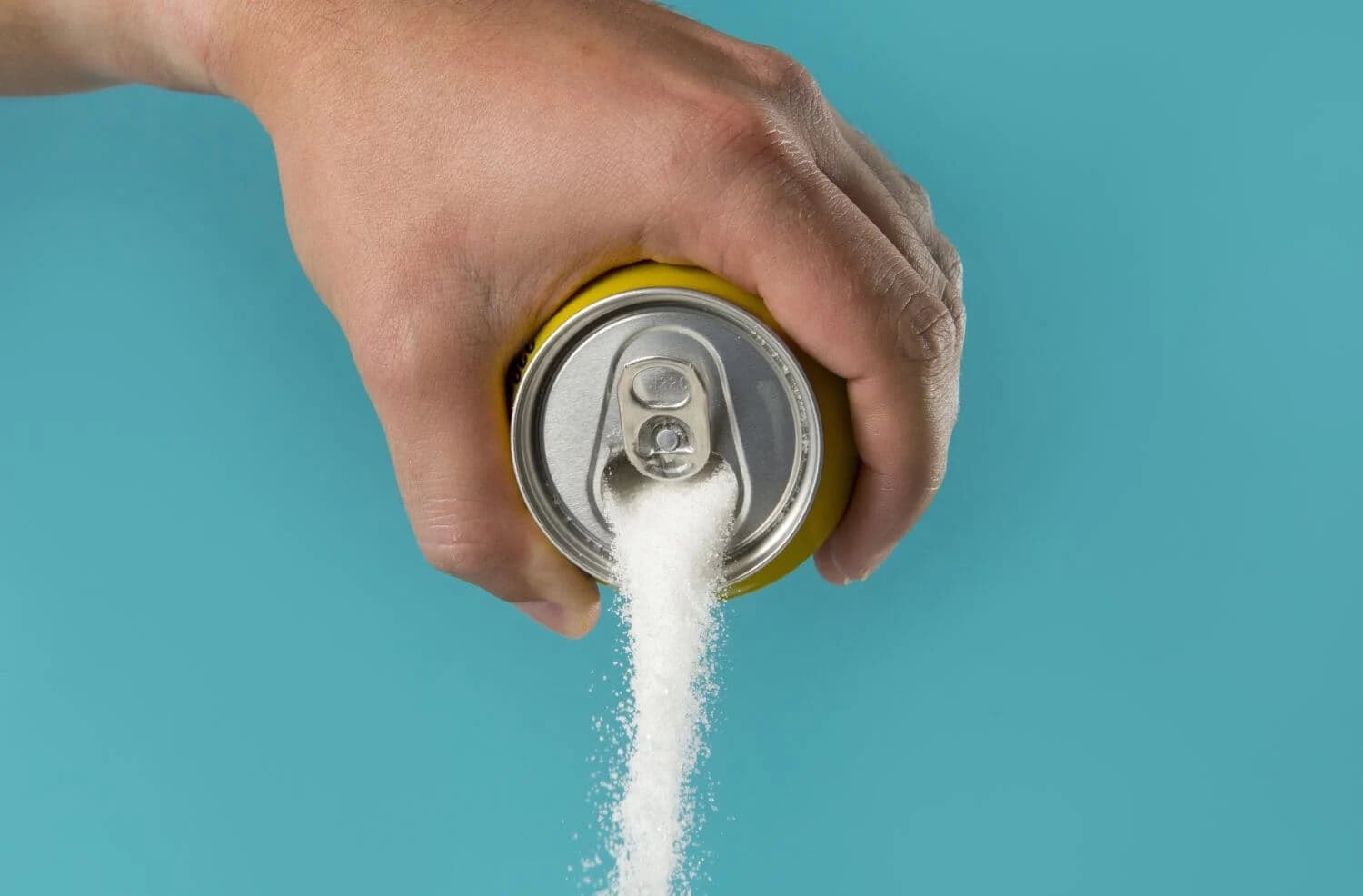
Diet sodas have long been promoted as a lower-calorie alternative to sugar-sweetened beverages, with aspartame providing the sweetness without the added calories. Despite its widespread use, questions about the artificial sweetener’s long-term health effects have lingered for decades.
New research has brought aspartame back into the spotlight, fueling renewed debate about its safety and prompting many consumers to rethink their drink choices. As interest grows in natural sweeteners and additive-free products, understanding the potential risks and benefits of aspartame has become increasingly important. Here is a closer look at what the science says and what it could mean for your daily habits.
Aspartame’s Global Reach
Aspartame is one of the most widely used artificial sweeteners, present in countless diet sodas and sugar-free products across the globe. It’s sold under brand names like NutraSweet and Equal, and it's about 200 times sweeter than sugar. While it adds zero calories, its use has been the subject of intense debate since the 1970s.
FDA’s Early Battles Over Aspartame
In 1974, the FDA initially approved aspartame for dry foods, but backlash delayed full approval. Critics cited possible links to brain lesions, neuroendocrine disorders, and flawed toxicology studies. After years of review, it was fully approved for general food use in 1996. Despite regulatory backing, skepticism among consumers and scientists has never fully vanished.
The EFSA’s 2013 Safety Review
The European Food Safety Authority concluded in 2013 that aspartame was safe for the general public. The assessment included dozens of scientific studies, with EFSA favoring those that reported no harm. This review helped reinforce aspartame’s presence in European products. However, some researchers now question the objectivity of that evaluation.
University of Sussex Report Challenges Findings
A 2024 reanalysis by UK researchers from the University of Sussex argues the EFSA’s 2013 review was biased. Their report claims that studies showing harm were unfairly dismissed, while those showing no harm were more leniently judged. This has reignited public debate over how safety data is selected and interpreted, especially surrounding sugar-free products.
Trade Groups Push Back
The International Sweeteners Association disputes the new findings and maintains that aspartame is safe. They argue that EFSA’s review ruled out gene or brain damage risks. Additionally, a UK government-funded study found no acute adverse effects from aspartame sensitivity. However, some experts argue more thorough studies are needed.
Growing Consumer Distrust
Despite regulatory approvals, consumer trust in aspartame continues to wane. The rise of natural alternatives like stevia and monk fruit reflects this shift. Many consumers now seek 'clean label' products without artificial additives.
Diet Soda’s Broader Health Implications
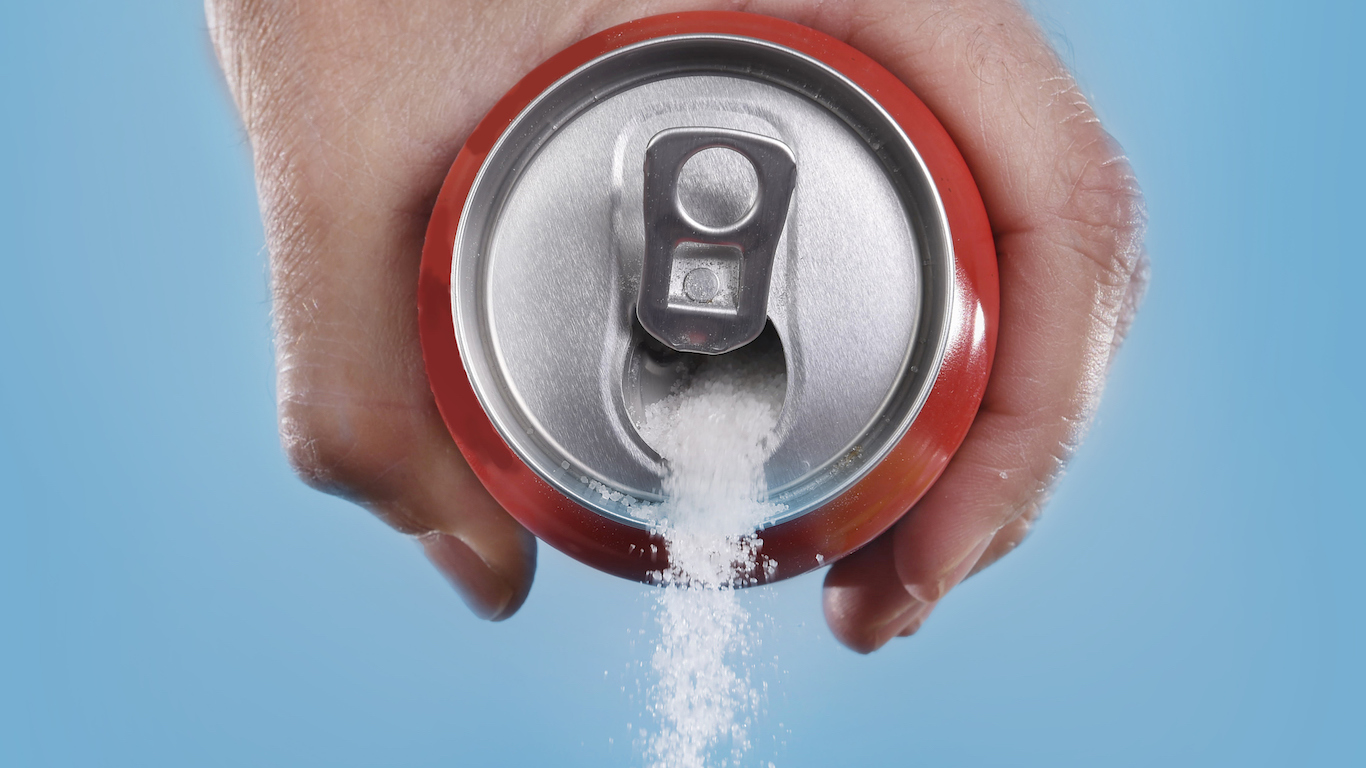
Artificial sweeteners like aspartame are not the only concern. Diet sodas themselves are under scrutiny. Some research links diet sodas to metabolic syndrome, heart disease, and weight gain. Critics argue they may confuse the body’s insulin response. Health experts suggest reducing both diet and regular soda intake.
Aspartame and Brain Health Concerns
Studies have explored aspartame’s potential effects on brain chemistry and neurological function. While some findings are inconclusive, others suggest it may impact mood, learning, and memory. Phenylalanine, one of aspartame’s components, can cross the blood-brain barrier.
How Aspartame Affects Gut Health
Emerging studies suggest artificial sweeteners may negatively affect gut microbiota. Changes in gut bacteria could contribute to inflammation, glucose intolerance, and metabolic disorders. Though not all studies directly implicate aspartame, the class of sweeteners it belongs to has raised red flags.
Public Policy and Labeling Laws
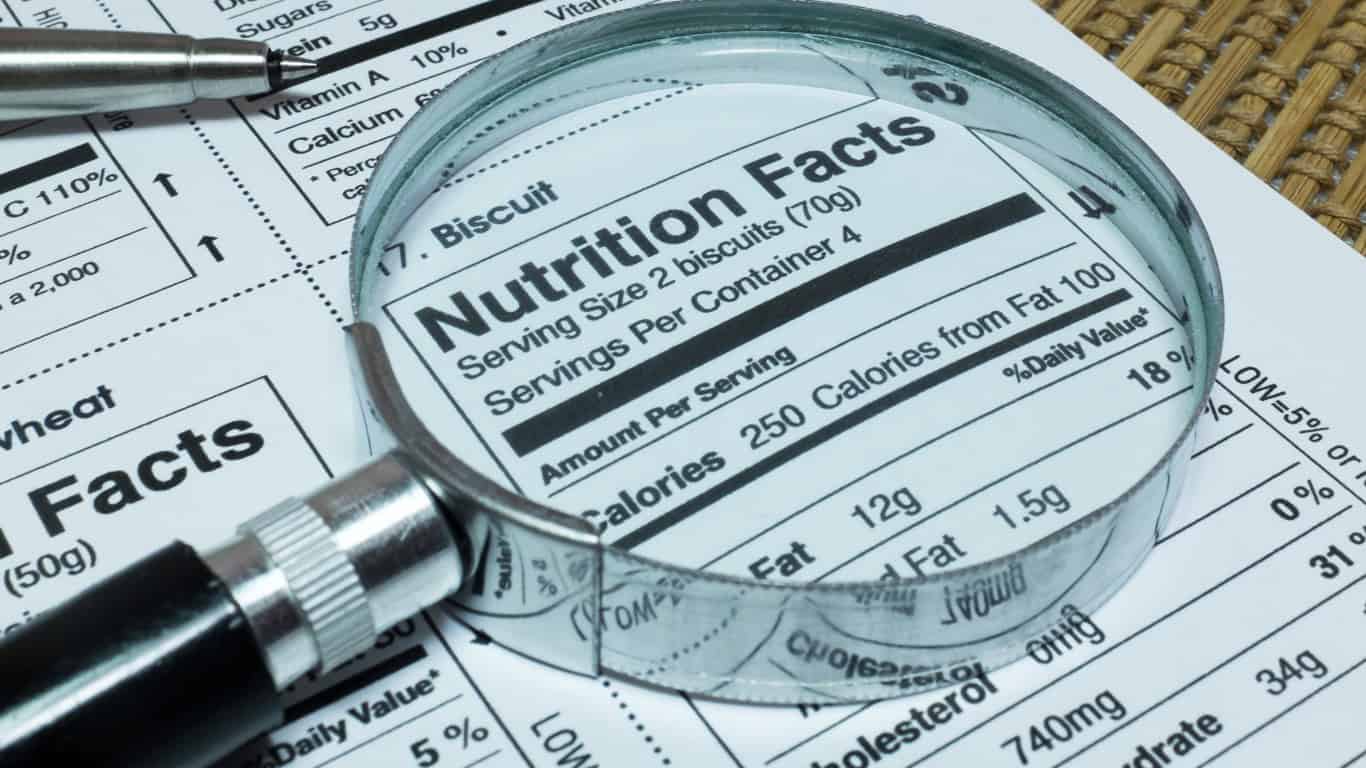
Labeling requirements for artificial sweeteners vary globally, with some countries mandating warning labels. In the U.S., aspartame must be disclosed, but no hazard warnings are required. Advocates are pushing for clearer labeling and updated safety reviews. Transparency is a major issue for informed consumer choices.
The Rise of “Clean” Beverages
A growing number of soda brands now advertise being free of artificial sweeteners. 'Clean' sodas often use fruit extracts or natural flavorings instead. These drinks are changing what the future of diet sodas looks like.
Reevaluating Diet Culture
The popularity of diet sodas is linked to decades of diet culture and calorie-counting. Today, more people focus on holistic wellness rather than just cutting calories. This shift challenges the role of 'zero calorie' products like aspartame-laced drinks. Nutritional value and ingredient quality are now at the forefront.
What You Can Do Now
Anyone who's concerned about artificial sweeteners can opt for filtered water, teas, or naturally flavored drinks. Reading ingredient labels and choosing whole foods are key strategies. Reducing your overall intake of both sugar and sugar substitutes may benefit your long-term health. At the end of the day, awareness and moderation are your best tools.