
AlexRaths / iStock via Getty Images

ALPS DESIGN / Shutterstock.com

Twinkies (BY 2.0) by JeepersMedia

sulit.photos / Shutterstock.com
Pat_Hastings / Shutterstock.com

Matt Krofcheck / Shutterstock.com

Aleksandrs Samuilovs / Shutterstock.com

Skittles (BY 2.0) by JeepersMedia
Only 4K Ultra HD / Shutterstock.com

Fernati2007 / Shutterstock.com

DronG/Shutterstock.com

BW Folsom / Shutterstock.com


SONGPON PIROM / Shutterstock.com


American Foods That Are Banned Around the World
The typical American diet is comprised of processed foods, items typically high in fat and sodium, low in nutrient value, and containing an excess of sugar. Even items that appear to be relatively harmless contain ingredients like dangerous food dyes, pesticides, preservatives, and chemicals that are known to cause severe health issues, like heart disease.
Many American brands are banned in other countries because of this potential for harm. Sometimes these brands do exist in other countries, but taste and look substantially different because of their difference in ingredients.
To curate this list of American foods that are banned around the world, 24/7 Tempo consulted various food, health, and news websites. These sources include the FDA, the Chicago Tribune, Healthline, and Dairy Farmers of Canada.
This post was updated June 4th, 2025, to reflect additional information.
Twinkies
Twinkies are an American staple. These delicious cream-filled vanilla snack cakes were invented in 1930. They took off quickly, but you won't find them in every country. These sponge cakes are filled with added sugar and harmful dyes like Yellow 5.
Twinkies
Because of this, you won't see them on the shelves in Austria or Norway. Yellow 5 has been linked with hyperactivity in children, however, the FDA doesn't require a warning label.
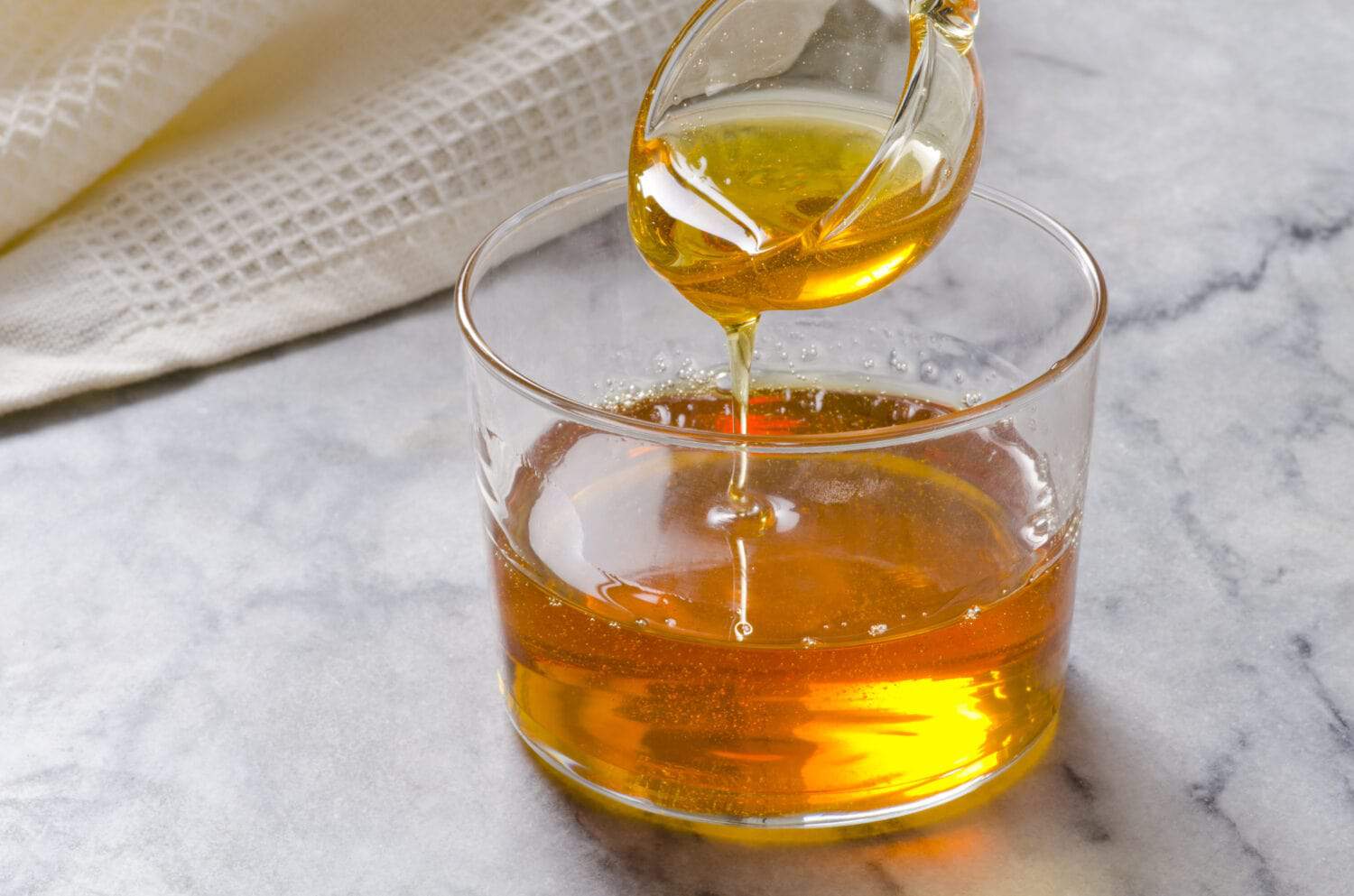
High Fructose Corn Syrup
So many American snacks use high-fructose corn syrup instead of real sugar. This high-calorie sweetener is cheaper than sugar but has some possible health risks. In the U.S., it became popular during the 1970s and is in just about anything including salad dressing, candy, sodas, and more.
High Fructose Corn Syrup
Interestingly, while high-fructose corn syrup isn't banned in the European Union, it is heavily regulated with production quotas.
Drumstick Ice Cream
Have you ever watched a Drumstick ice cream melt? It melts slowly and looks awful after an hour. Technically, Drumstick isn't an ice cream but a frozen dessert. This sweet but overly processed dessert contains carrageenan, an additive that thickens and smoothens the texture of foods. The use of carrageenan isn't allowed in the European Union.
Skittles
Is it even slightly surprising that Skittles makes our list of foods banned in other countries but still eaten in the U.S.? Skittles is a colorful fruit-flavored candy that uses various amounts of dyes including Red 40, Yellow 5, and titanium dioxide.
Skittles
Titanium dioxide is banned in the European Union because of safety concerns. Titanium dioxide might be linked to DNA damage and immune system toxicity.
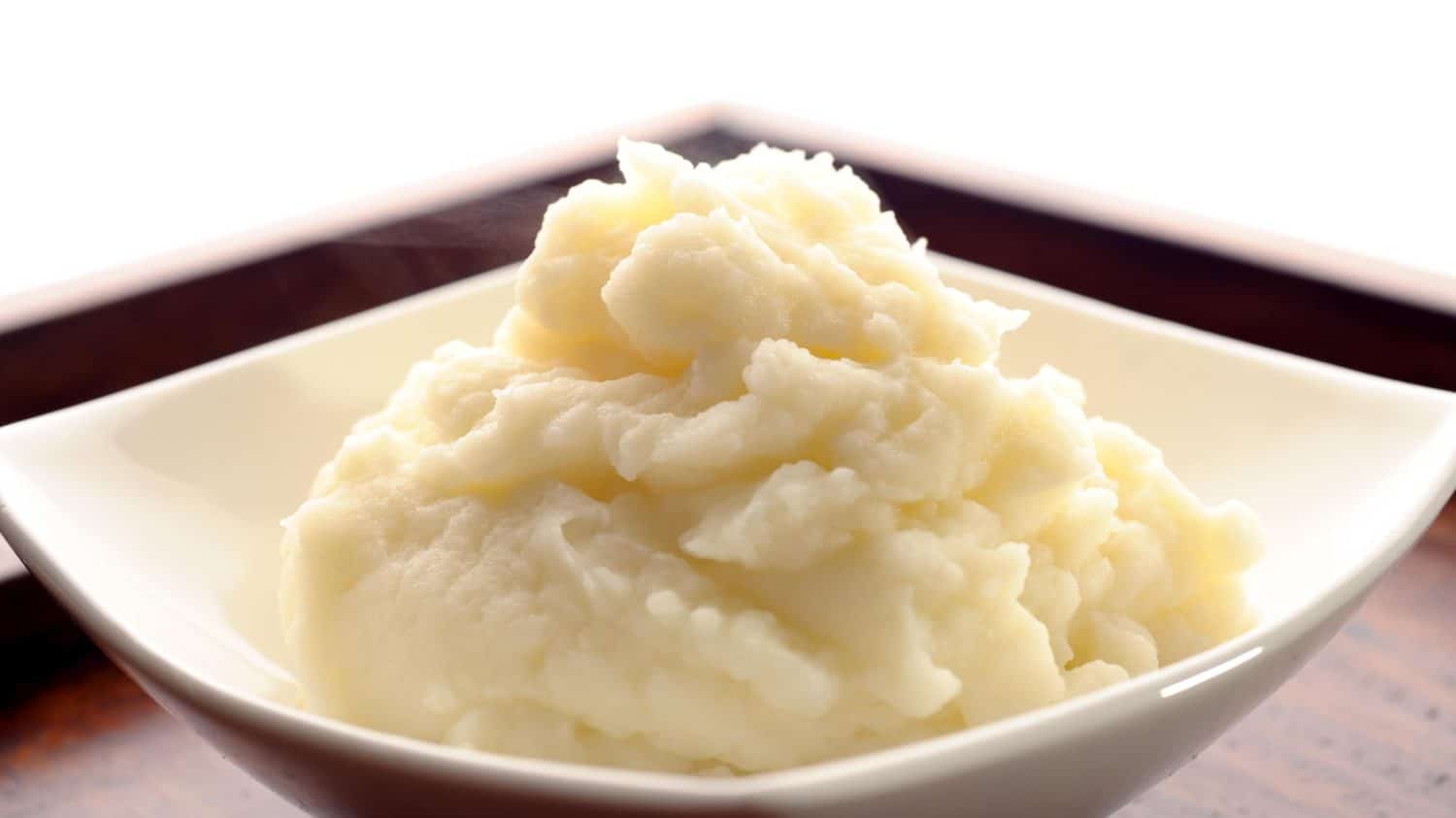
Instant Mashed Potatoes
Instant mashed potatoes are convenient, but they might not be so healthy. That depends on which country you visit. In the United States, mashed potatoes are cheap and easy to make. All you need is a little bit of water or milk.
Instant Mashed Potatoes
Be warned, if you visit the EU, you won't be able to make yourself instant mashed potatoes. They are banned for their use of Butylated hydroxyanisole (BHA) and butylated hydroxytoluene (BHT). This preservative extends the shelf-life of the product. You can also find BHA and BHT in American cereals.
Chlorinated Chicken
Chlorinated chicken does not sound appetizing and yet it's common in the United States. This is chicken that has been washed or treated with chlorine. It's a practice that the European Union banned in 1997. You'll have a hard time finding imported meat from the U.S. in the E.U.
Stove Top Stuffing
A lot of processed foods are banned or super-regulated in the European Union, and the U.K. Stove Top Stuffing is no exception. This delicious boxed stuffing is found in most grocery stores for cheap in the U.S. Stove Top Stuffing contains BHA and BHT. Because of this, countries like Japan and the U.K. have banned the product.
Stove Top Stuffing
But what's wrong with BHA and BHT? It's hard to find a straight answer. However, there are concerns that BHA and BHT may cause blood clot problems. BHA and BHT may also be linked to cancer.
Coffee-Mate Creamer
Coffee Mate creamer also makes our list of foods banned in various countries, not including the U.S. This popular lactose-free creamer is common in most office spaces and coffee shops in the country. However, you won't find it in Austria, Norway, and Iceland because of the product's use of hydrogenated oil, something connected to trans fat.