
Aging is influenced by many factors, including genetics, sleep, stress, and exercise. But data also consistently links diet to the rate at which we age. While no single food suddenly makes someone look older overnight, certain foods may contribute to inflammation, dehydration, and other effects linked to premature aging. Foods high in refined carbohydrates, sodium, unhealthy fats, and added sugars can place extra strain on the body. The good news is that awareness about what these foods could be doing to us can often go a long way. Here are 10 foods that nutrition experts commonly associate with accelerated aging.
Soda

Sugary sodas may seem refreshing but regularly drinking them can take a toll on the body over time. These drinks are packed with added sugar, which has been linked to inflammation and a process called glycation that can damage collagen and elastin in the skin. That damage may contribute to wrinkles and reduced skin elasticity as people age. Sodas also offer little nutritional value while adding lots of empty calories. Even diet sodas have raised concerns among some researchers regarding long-term metabolic health.
Processed Meat

Processed meats like bacon, sausage, hot dogs, and deli meats have long been associated with negative health effects and are classified as carcinogenic by the World Health Organization. These foods are often high in sodium, preservatives, and compounds associated with inflammation. Some processed meats also contain nitrates and nitrites, which may contribute to oxidative stress. Diets high in processed meat consumption can lead to increased risks for several chronic diseases.
French Fries
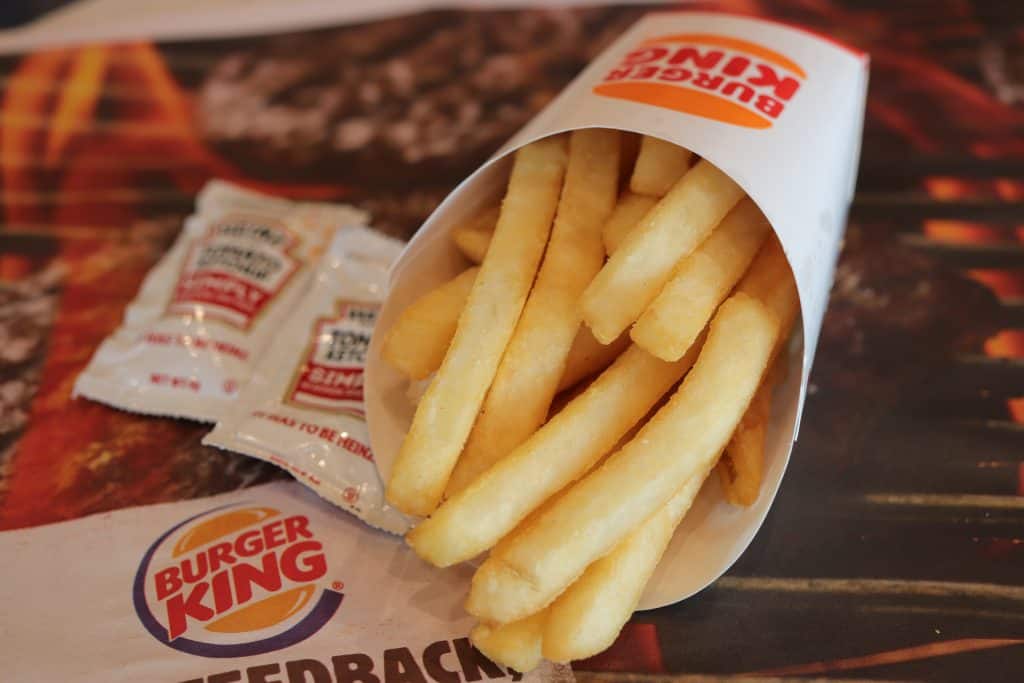
French fries combine several factors that nutrition experts link to unhealthy aging: deep frying, refined carbohydrates, and excess salt. Frying foods at high temperatures can generate compounds called advanced glycation end products, or AGEs, which are tied to inflammation and cellular damage. Excess sodium consumption may contribute to dehydration and bloating as well. Delicious as they are, fries probably are not helping anyone turn back the clock.
Alcohol

Alcohol can affect the body in many ways, particularly when consumed heavily or frequently over long periods. There is now data to suggest that even moderate alcohol consumption is bad for our health. It can dehydrate the skin, interfere with sleep quality, and contribute to inflammation. Alcohol has also been associated with liver damage, cardiovascular problems, and premature aging of the skin. Even light alcohol intake may cause redness or puffiness for some people.
White Bread

White bread is made using refined flour that has had much of its fiber and nutrients removed. Because it digests quickly, it can cause spikes in blood sugar levels. Repeated blood sugar spikes are tied to inflammation and glycation. Refined carbohydrates also tend to be less filling than whole grains, potentially contributing to overeating. Swapping white bread for whole grain options will provide more fiber, which is linked to good health.
Potato Chips

Potato chips may be one of the most universally loved snack foods, but they are not exactly known for their health benefits. Most chips are heavily processed and loaded with sodium, refined oils, and fats (not the healthy kind). Like French fries, they are cooked at high temperatures that can create compounds that result in oxidative stress. Over time, diets high in ultra-processed snacks can lead to inflammation and other health concerns linked to aging.
Candy

Candy is essentially a concentrated dose of sugar with almost zero nutritional value. Excess sugar intake has been linked to glycation, the same process associated with damage to collagen and skin elasticity. As mentioned previously, constant sugar spikes can cause inflammation and metabolic strain. Sticky candies can additionally increase the risk of dental problems, and oral health is connected to overall health. While candy certainly satisfies a sweet tooth, it is not doing much for your long-term wellness.
Fast Food Burger

Fast food burgers use several ingredients associated with poor long-term health, including processed meat, refined bread, tons of sodium, and saturated fat. Many also contain large amounts of calories packed into relatively small meals that won’t leave you feeling full for long. Diets with a lot of ultra-processed fast food have been linked to inflammation, obesity, and cardiovascular disease. Pairing burgers with fries and sugary drinks only compounds the issue.
Margarine

Margarine developed a bad reputation decades ago because many older products contained artificial trans fats, which ended up being strongly linked to inflammation and increased cardiovascular disease risk. Modern margarine products vary widely, and many are now far healthier than earlier versions. Still, they remain highly processed spreads. Reading ingredient labels carefully is important when choosing these products.
Instant Noodles
Instant noodles are inexpensive, convenient, and surprisingly tasty. Unfortunately, they are also almost always high in sodium and low in fiber, protein, and essential nutrients. Many varieties are packed with preservatives and processed flavor packets to make them delicious. Diets containing lots of these highly processed foods likely result in inflammation and poor long-term health.