
New Africa/Shutterstock

Source: Marcos Castillo / Shutterstock.com
Source: Justin Sullivan / Getty Images
Source: tarapong srichaiyos/Shutterstock
Source: portumen / Shutterstock.com
Source: George Dolgikh/Shutterstock
Source: amphaiwan/Shutterstock
Source: Igor Normann/Shutterstock
Source: Sea Wave / Shutterstock
Source: Oksana Shufrych/Shutterstock
Source: Krasula/Shutterstock
Source: Dmitriy Gutkovskiy/Shutterstock
Source: Devil23/Shutterstock
Source: MaraZe/Shutterstock
Source: Jeong-Seon / Shutterstock.com
Source: Marian Weyo / Shutterstock
Source: chokja / Getty Images
Source: Roman Samokhin / Shutterstock
Source: Brent Hofacker / Shutterstock.com
Source: Dmitrii Pridannikov/Shutterstock
Source: HandmadePictures/Shutterstock
Source: virtu studio/Shutterstock
Source: Tiger Images/Shutterstock






Dogs are the most popular pets in the United States, and according to the American Pet Products Association, 58 million households own a dog – compare that to 40 million that own a cat and you can see that dogs reign supreme by a wide margin. Dog owners consider their pets family and spend a considerable amount – between food, supplies, and vet care, to ensure they live well. As humans, we can occasionally make mistakes with what we give our dogs. Avoid these common foods that are harmful to your dog if you want to avoid a trip to the vet.
Lifespan varies depending on size and breed, but the average dog lives for 10 to 13 years. During this time, it's up to dog owners to make sure their precious pets are being cared for in the most thoughtful ways. Careless dog owners regularly make mistakes when it comes to the health and well-being of their pets. The biggest mistake is accidentally letting their dogs eat food they shouldn't, whether they are unaware or accidentally leave food in range for their dog to grab.
To gather this list of the common foods that are harmful to your dog, 24/7 Tempo consulted several health-centered and animal-friendly sources. These include WebMD, American Kennel Club, Healthline, Vets Now, and We Love Pets. (Click here to learn about the 20 dogs that stay puppies the longest.)
Chocolate
The worst possible food to feed your dog would be chocolate, and this fact has become common knowledge. Since chocolate contains methylxanthines, it's beyond toxic for pups to consume. Human beings don't have an issue with chocolate since we metabolize methylxanthines at a much quicker rate. Keep in mind, that the smaller your dog is in size, the worse this situation becomes. The darker and more bitter a piece of chocolate is, the more dangerous it is as well.
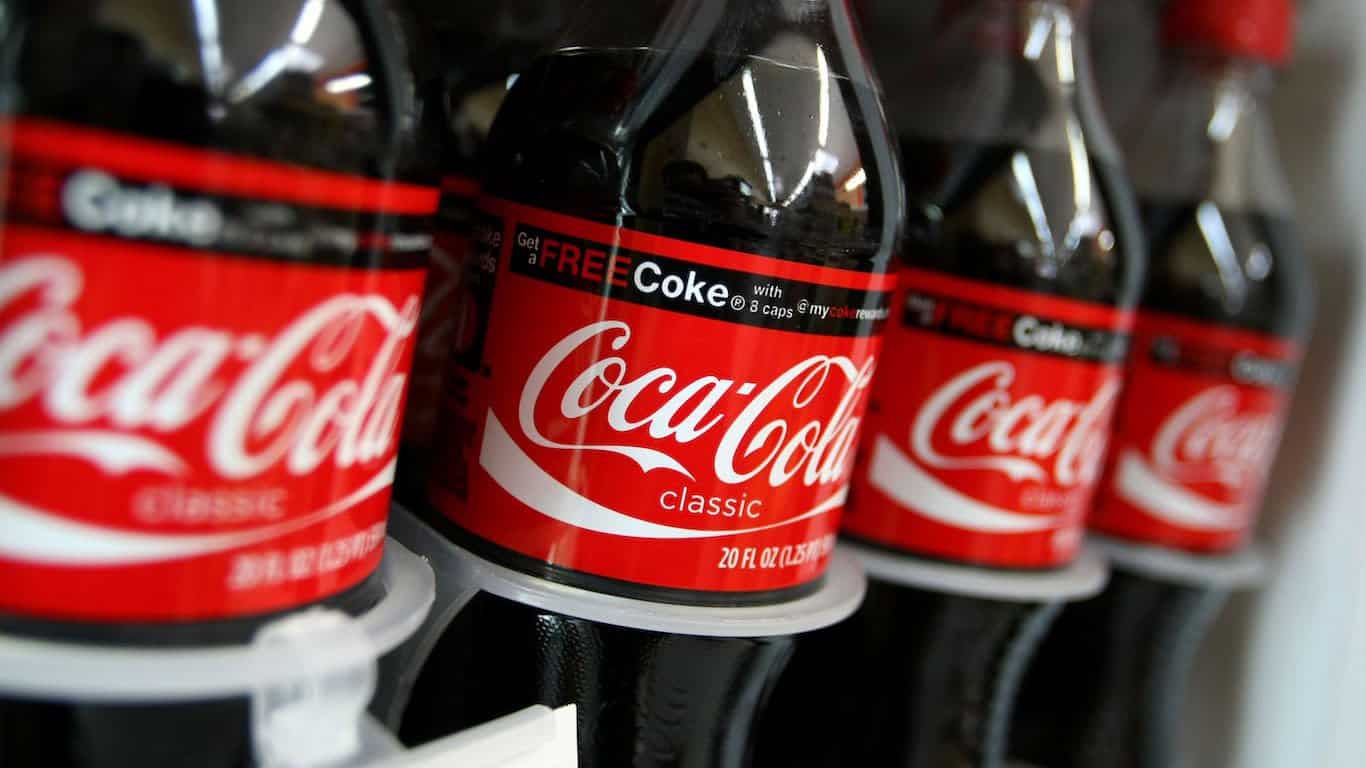
Soda
Human beings already know we shouldn't drink soda every day, which means it's definitely not something dogs should do. Instead of letting soda be an occasional treat for dogs, they shouldn't ever drink it because soda contains too much sugar and will potentially lead to gastrointestinal issues like flatulence, diarrhea, and vomiting.
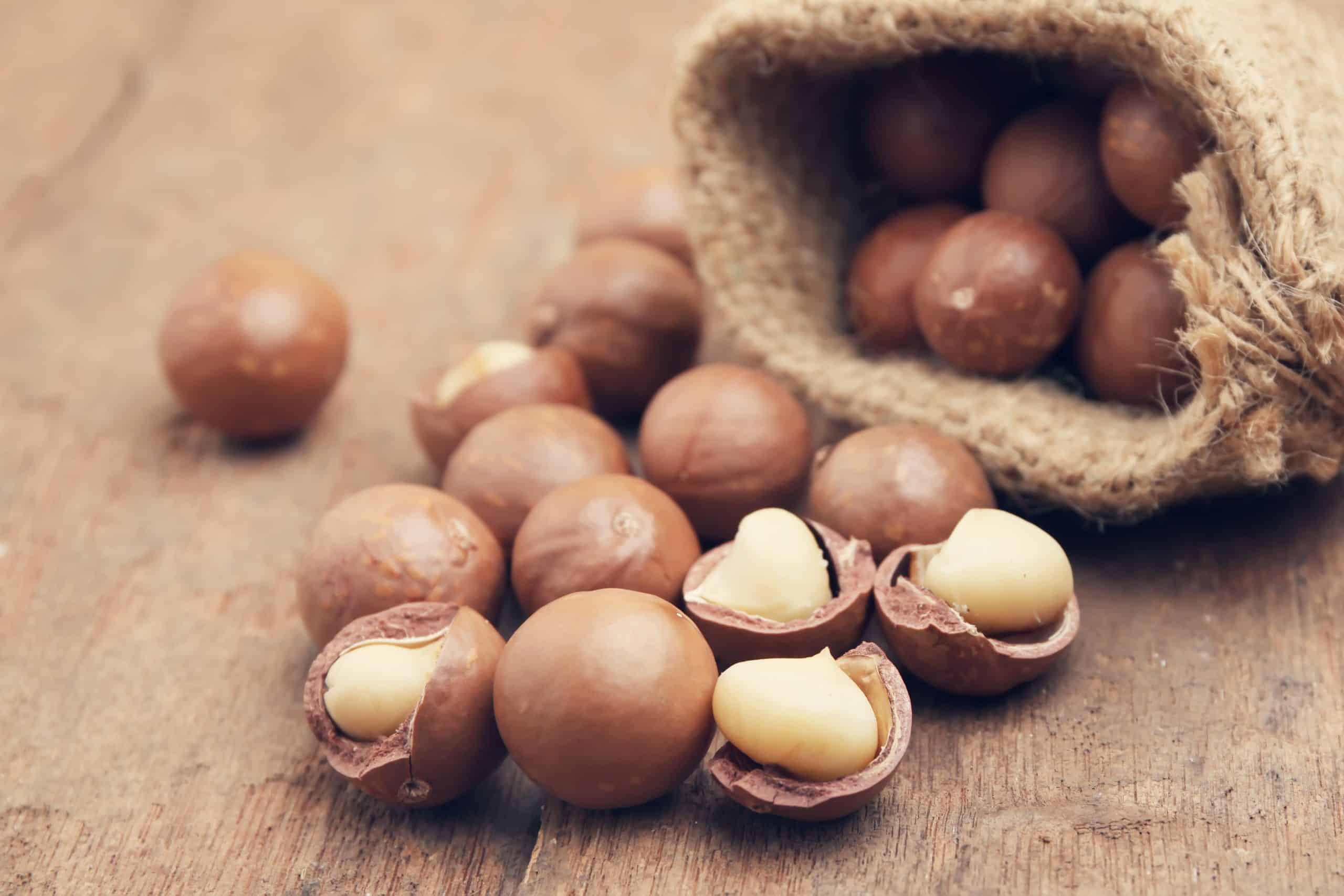
Macadamia Nuts
There's a reason macadamia nuts are considered one of the most dangerous foods to feed a dog. Macadamia nuts will potentially lead to hyperthermia, muscle weakness, vomiting, and depression in your pup. They will also lead to ataxia, which is a lack of coordination. Dogs are recognized for being naturally coordinated creatures with tons of spatial recognition but these nuts will completely throw them off their game.
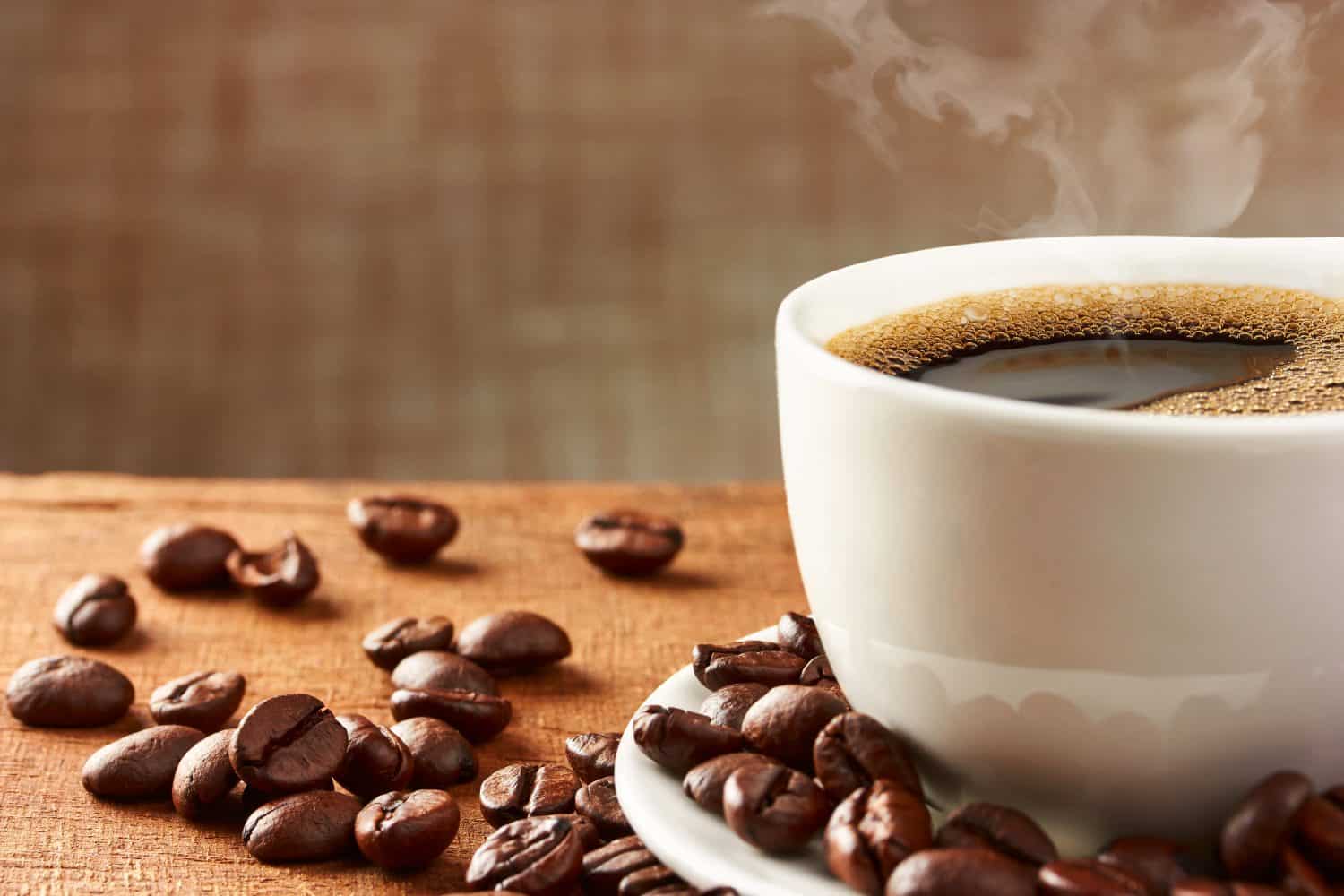
Caffeine
Humans often enjoy drinking coffee to help them feel more awake in the mornings. Just because people can indulge in caffeine doesn't mean dogs can too. Caffeine is known to cause cardiac arrhythmias in pups. It will also raise their blood pressure, which is beyond dangerous for your four-legged friend. A dog that's hyped up on caffeine may lose muscle control which could lead to seizures or tremors.
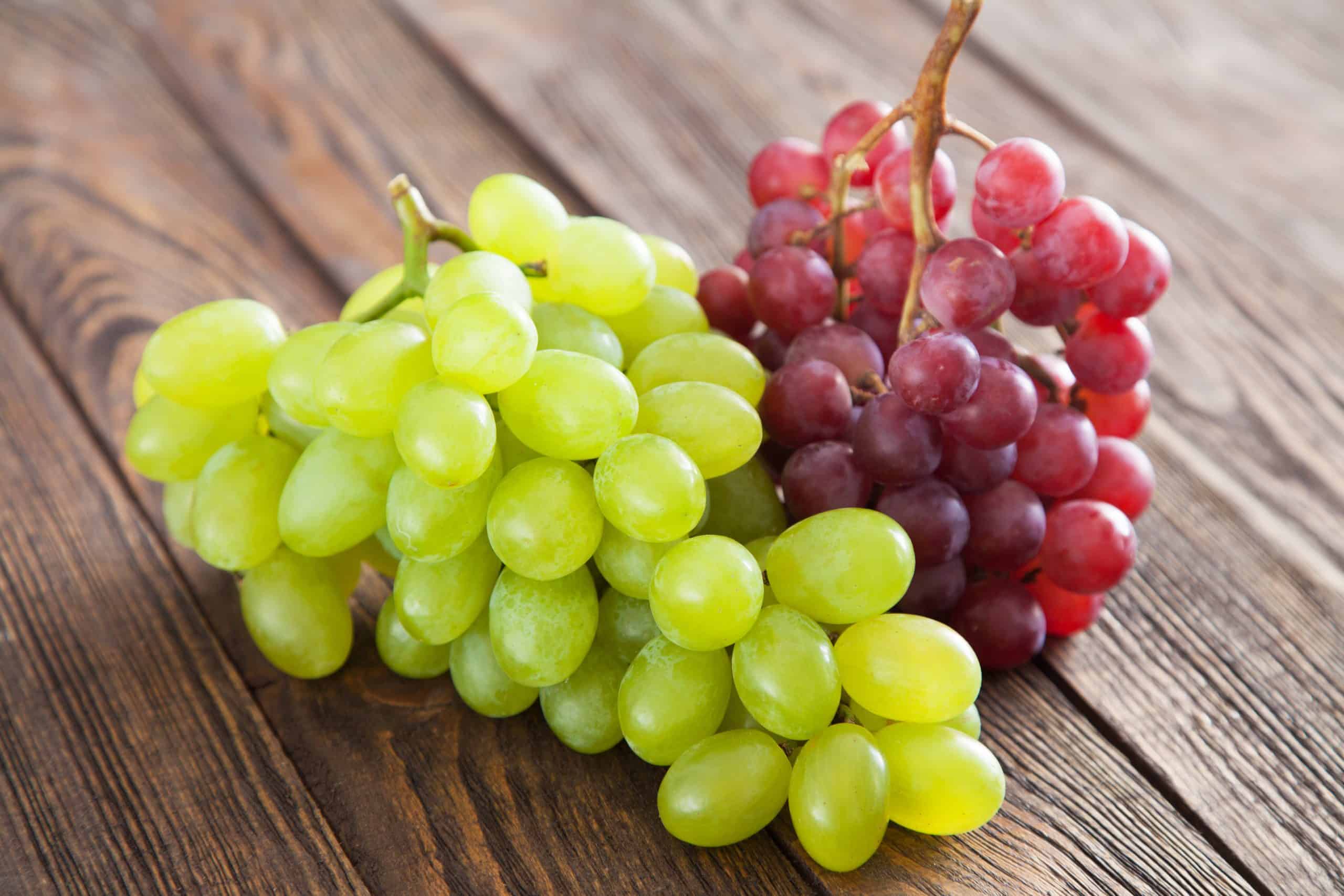
Grapes
It's never okay for a dog to consume grapes. People often enjoy grapes as a healthy snack but this fruit should never be shared with dogs. Grapes can potentially lead to sudden kidney failure in your dog. This is because dogs are incapable of metabolizing the monosaccharides, tannins, and flavonoids inside grapes.
Raisins
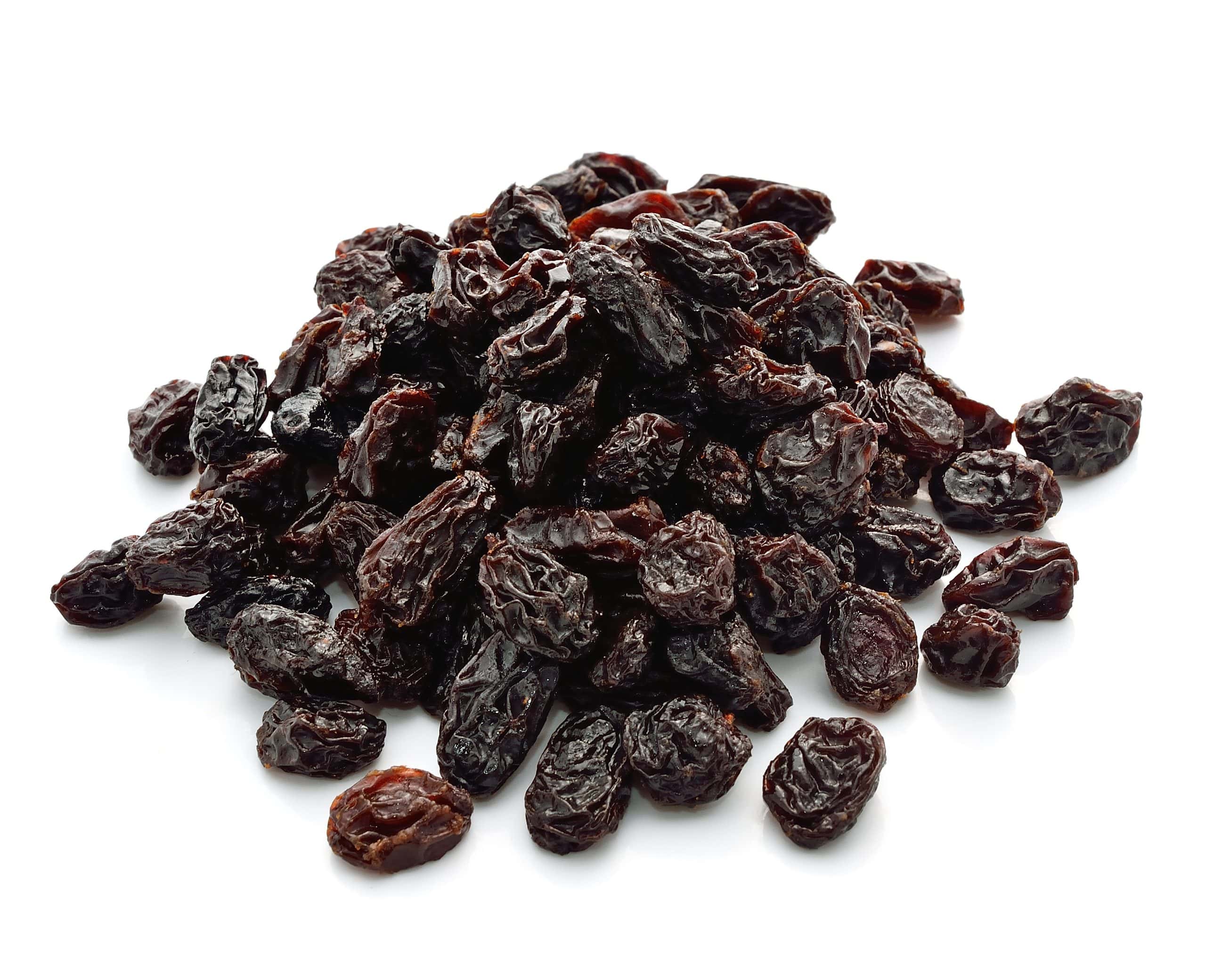
Since raisins come from the same family as grapes, it makes sense that they'd also be dangerous for dogs to consume. Raisins, and anything else in the raisin family like currants and sultanas, are considered poisonous to dogs. This dried grape will cause all sorts of gut problems in your pup. if the number of reasons your dog has eaten is on the higher side, kidney failure is another possible outcome.
Anything Spicy
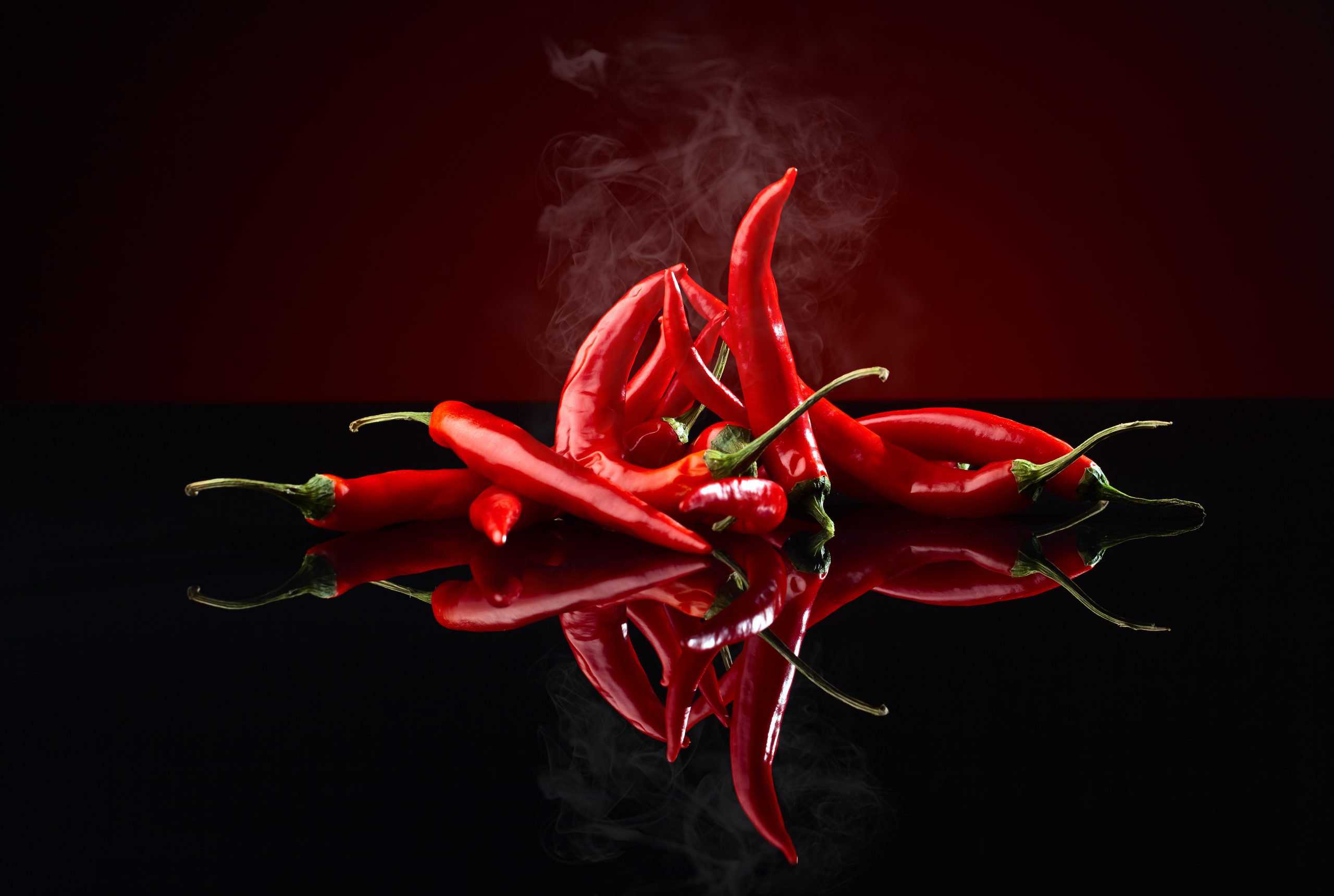
Spicy foods will cause dogs to have all sorts of tummy troubles, bodily discomfort, and gastrointestinal distress. A few examples of spicy food that shouldn't be served to your dog include hot peppers, Cajun chili, jerk chicken, and leftover scraps from buffalo wings.
Milk
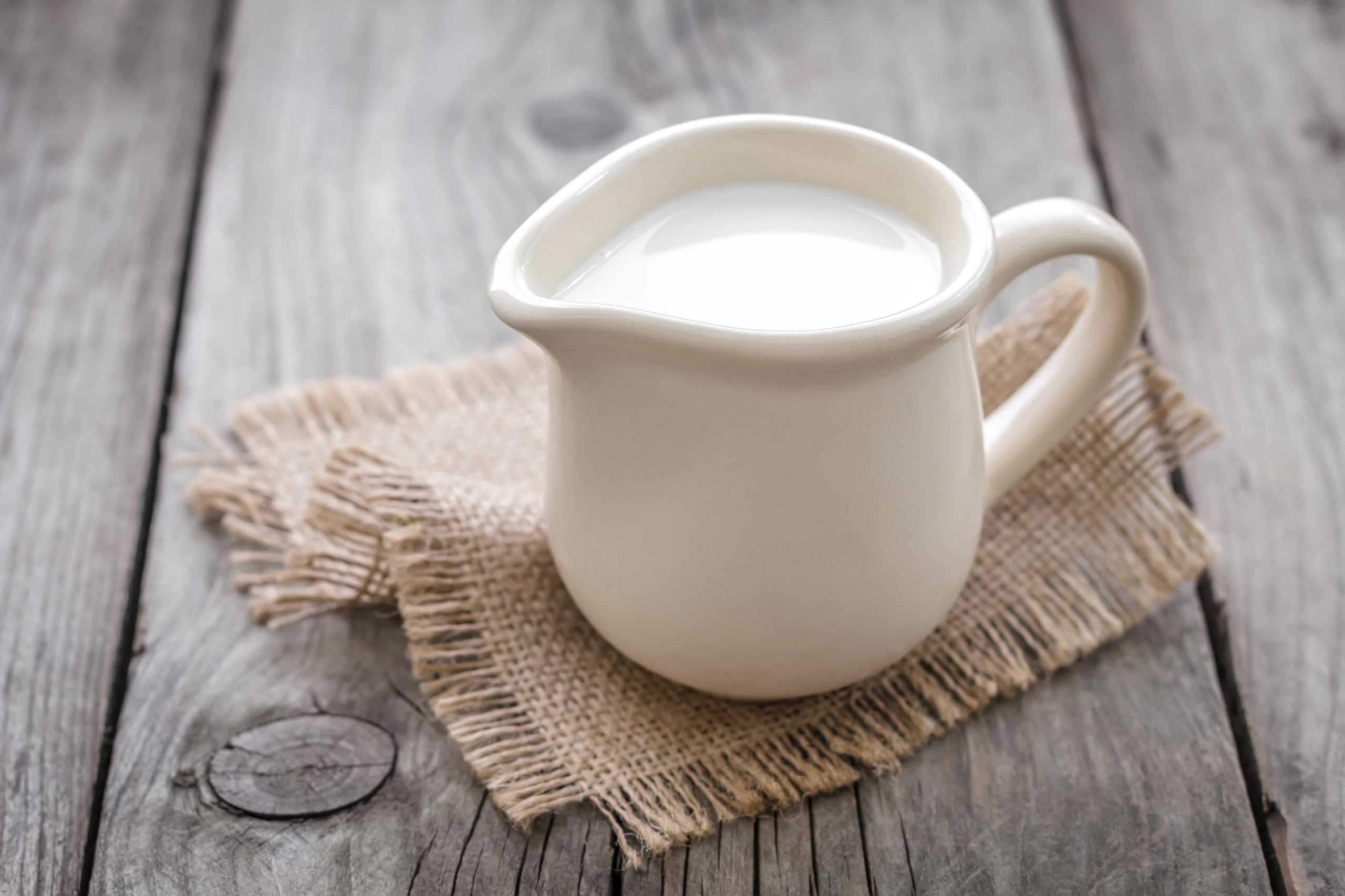
Milk may be safe in small quantities, like a tablespoon at most, but if your dog has a lactose intolerance, it can cause serious issues. It might be best to avoid it altogether. This dairy beverage can lead to many short-term and long-term health problems. Your dog may face diarrhea, vomiting, an upset stomach, and loose stools. On the long-term side, your dog may face obesity and pancreatitis.
Nutmeg
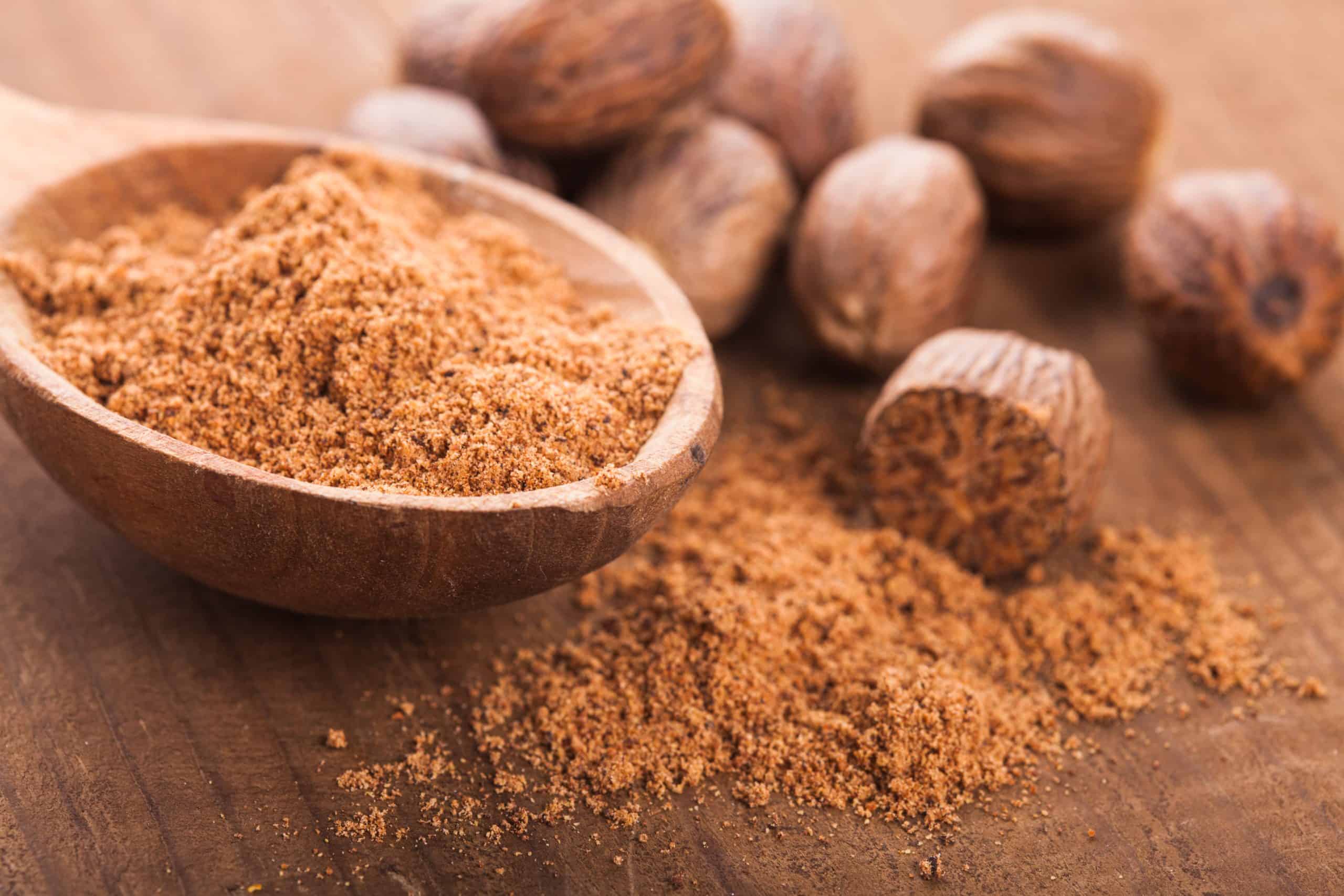
One of the most pleasant seasonings to use during the holiday season is nutmeg. After all, it makes most desserts smell and taste better. Despite the fact, nutmeg shouldn't be served to dogs. It can lead to an increased heart rate, high blood pressure, abdominal pain, and hallucinations. In the most dire cases, the consumption of nutmeg will also lead to seizures.
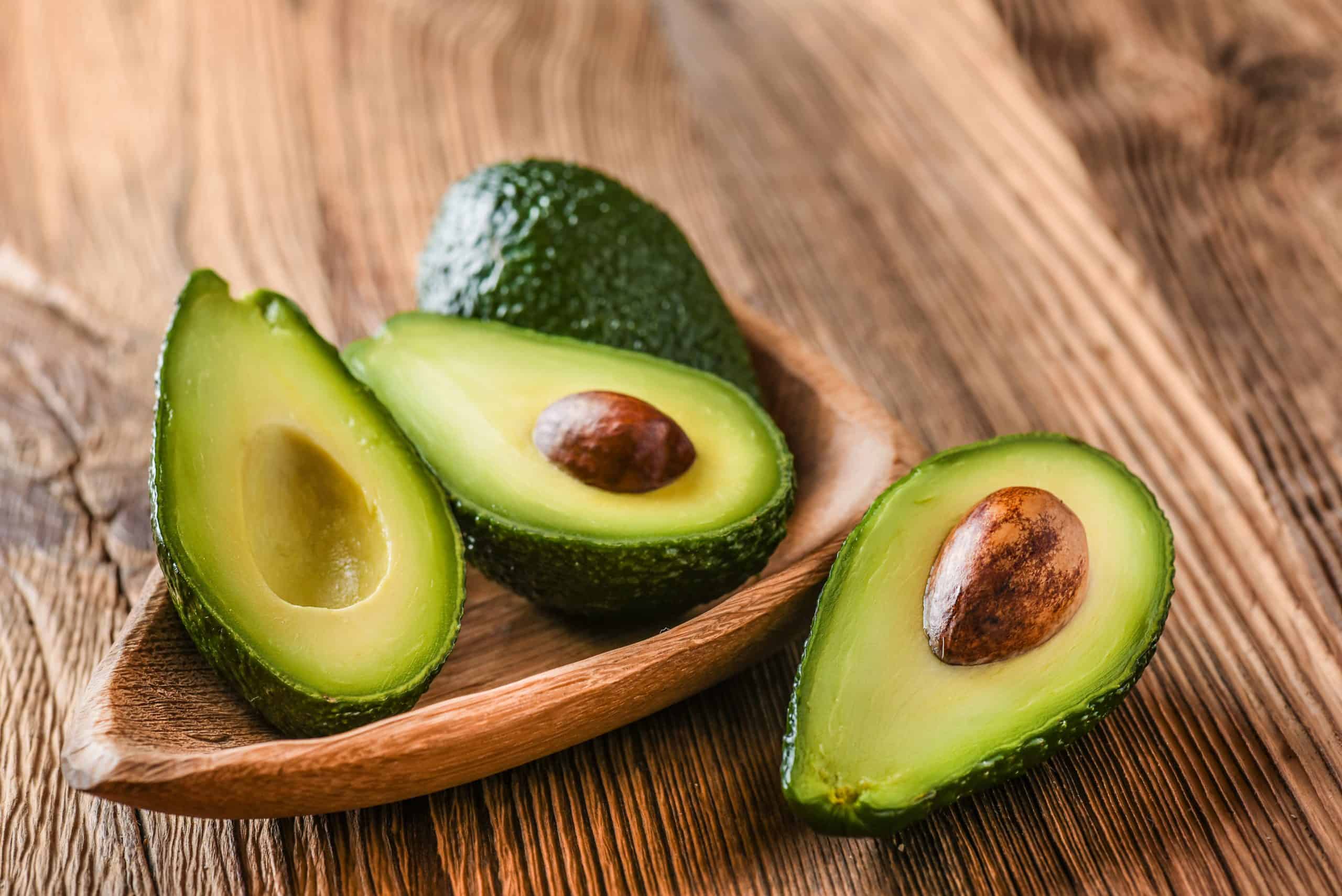
Avocados
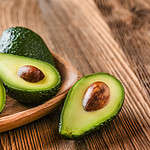
People love slicing avocados for breakfast toast, salads, green smoothies, and other healthy recipes. Avocados have a great reputation for being a nutritious part of our diets. For dogs, though, avocados are quite dangerous. That's because they're full of persin, which is an acetogenin.
Persin leads to vomiting, diarrhea, and heart congestion inside pups. The pit of an avocado is also highly dangerous because it's a choking hazard — and it's also full of persin.
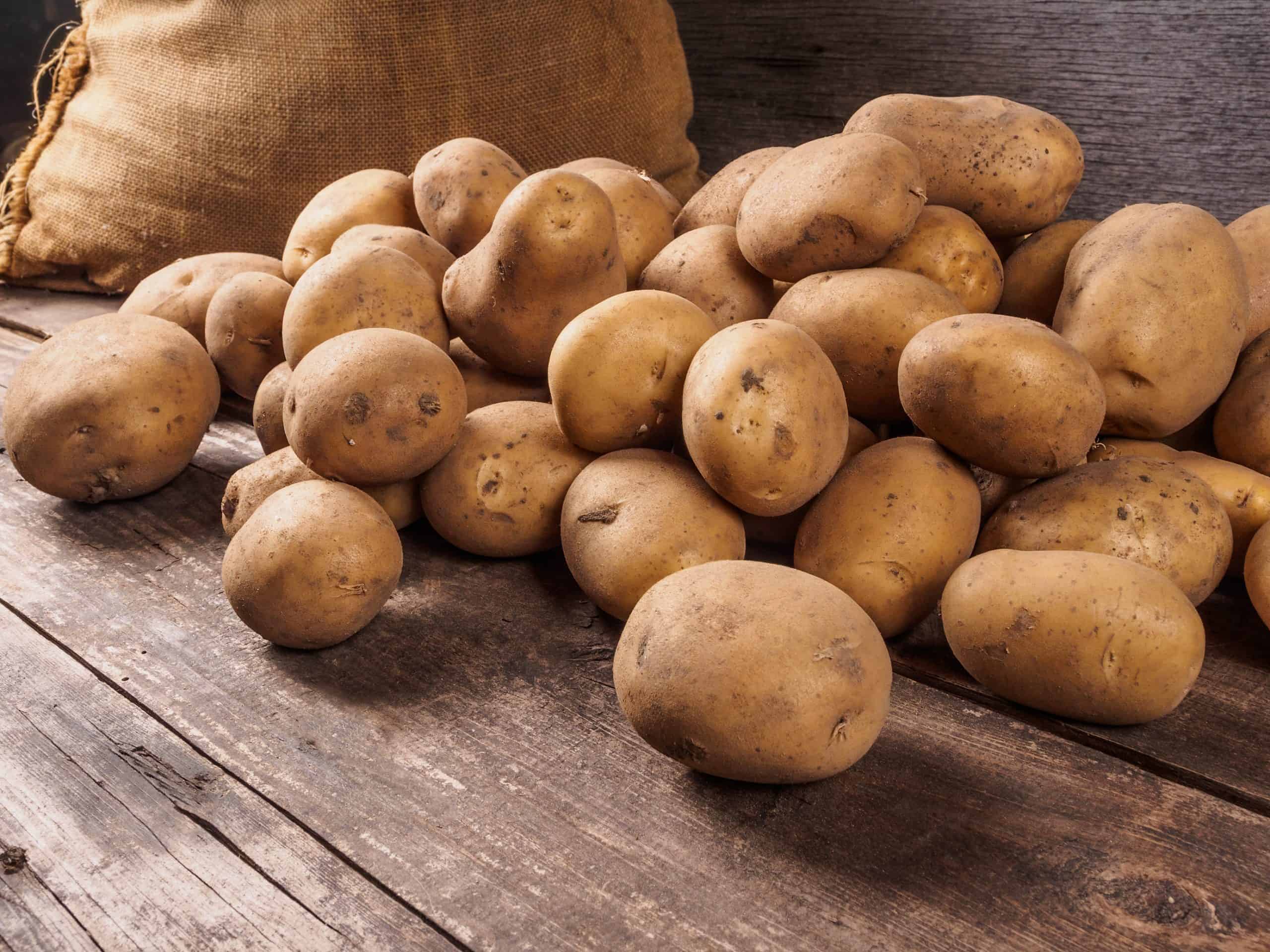
Raw Potatoes
Since raw potatoes contain solimine, they should be off-limits to any dogs you have in your life. People focused on health, fitness, and nutrition might rely on raw potatoes as a nice addition to a well-rounded meal. Raw potatoes won't provide any of those positive benefits to dogs, though.
That's because solimine is toxic to them. If your dog has a habit of trying to dig potatoes out of your garden, it's in your best interest to add a fence around your growing plants as a way of protecting your furry friend.
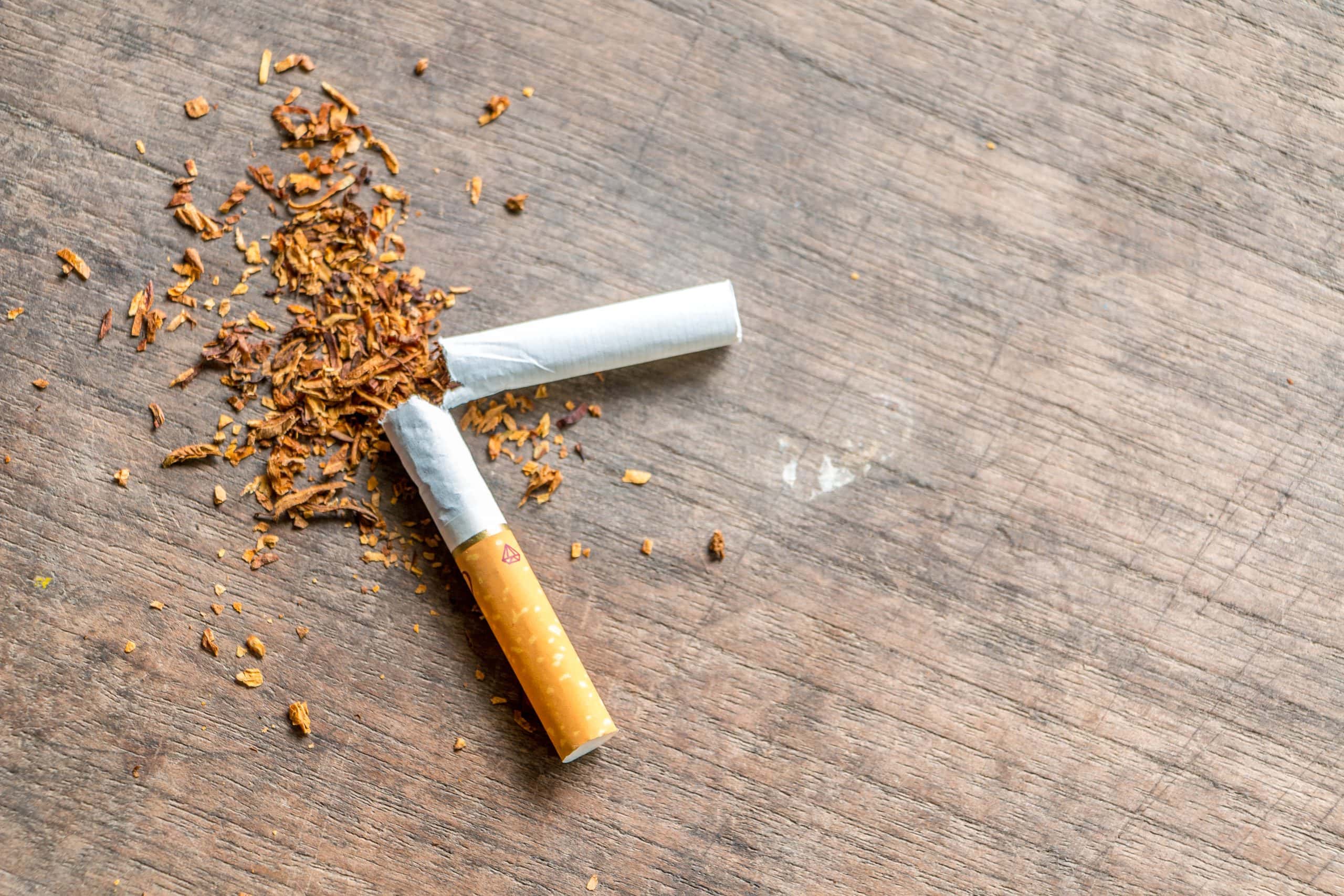
Tobacco
It should go without saying that dogs shouldn't consume tobacco – or any products containing tobacco. It's already been revealed that tobacco is highly damaging to the human body, which means it's even more devastating to dogs with physical frames that are much smaller.
If a dog consumes tobacco, it will potentially lead to seizures, tremors, an abnormal heart rate, diarrhea, vomiting, a weakened pulse, and visual hallucinations. In the most serious cases, tobacco consumption by a dog will cause hypertension, paralysis, cardiac arrest, and death.
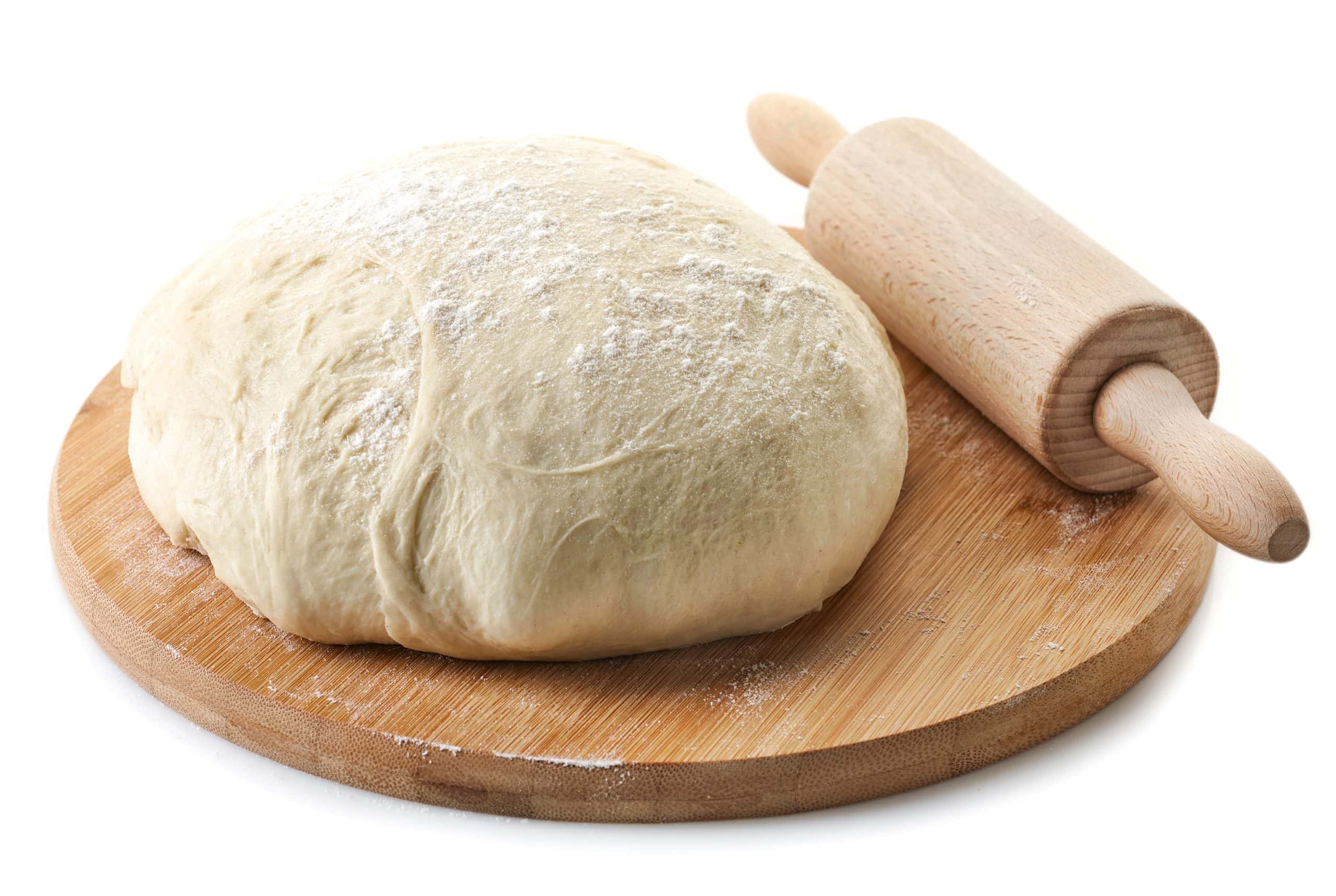
Raw Dough and Yeast
If you're the type of person who loves baking fresh bread at home, you have to be very careful if you also have a dog scurrying around. Raw dough and yeast are completely unsafe for dogs to eat. Yeast leads to thickened skin, hair loss, head shaking, diarrhea, vomiting, uncontrollable drooling, itchy skin, and hyperpigmentation. In the worst cases, yeast can lead to deadly bloating.
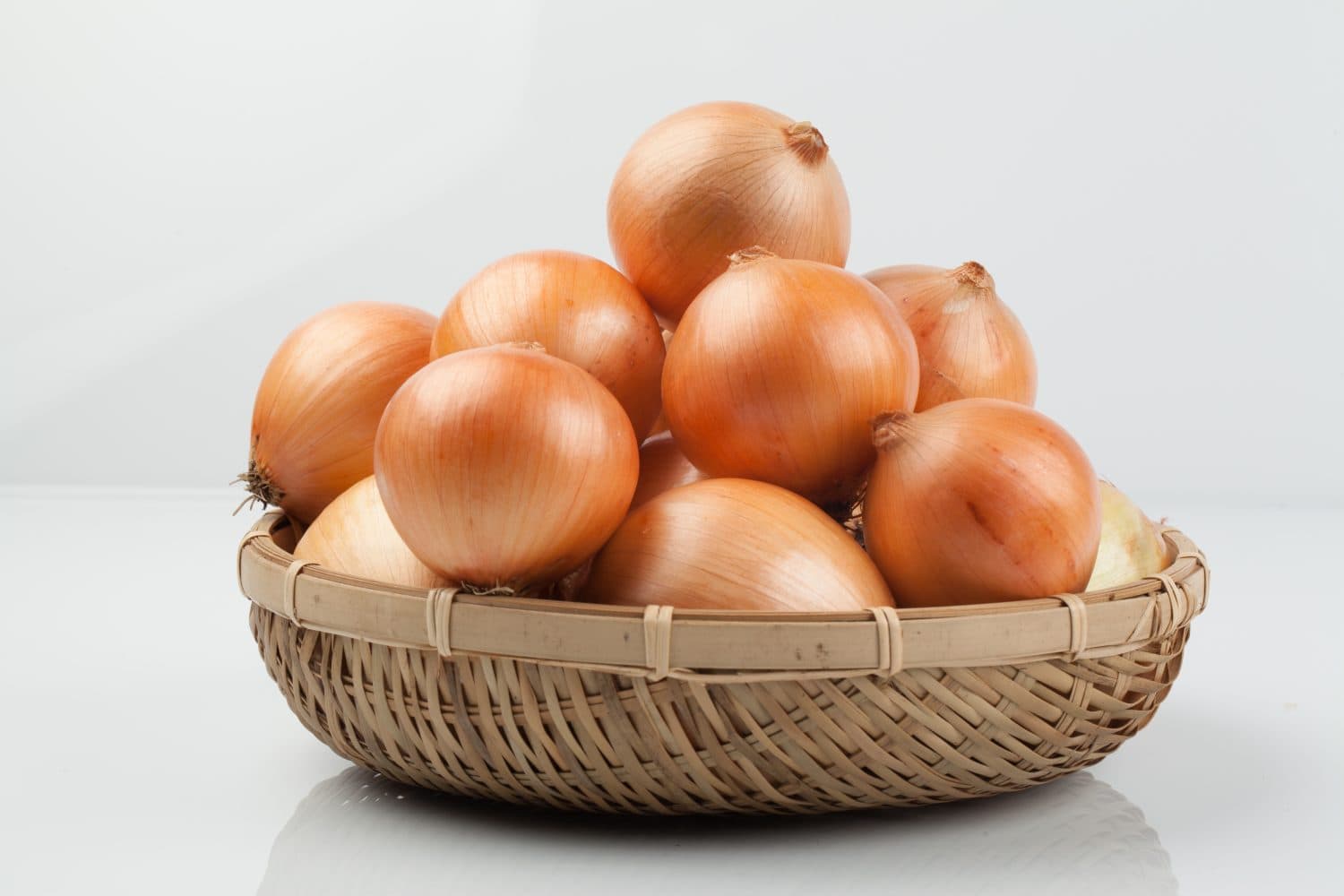
Onions
There are certain compounds traced in foods that have been deemed highly unsafe for a dog's consumption. N-propyl disulfide happens to be one of them. It's toxic because it breaks down the red blood cells inside a dog, which leads to anemia. If a dog chows down on too many onions, it can result in fatal outcomes.
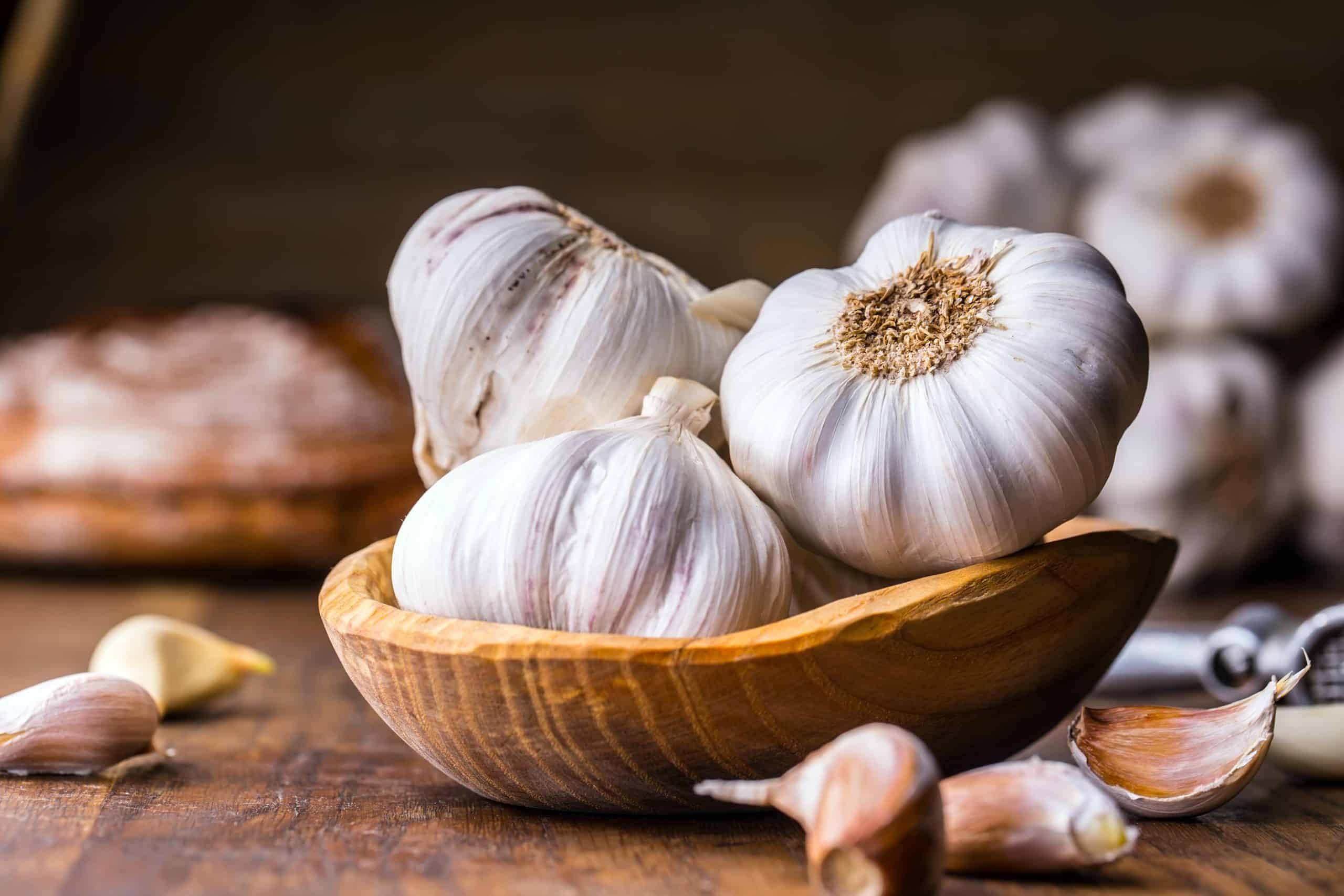
Garlic
It's common practice to add garlic to different savory dishes like pizza, pasta, and steak. Handing off leftovers of your food to your dog with garlic sprinkled on top would be a huge mistake, though. That's because garlic causes muscle weakness, rapid breathing, abdominal pain, lethargy, and diarrhea in dogs.
It makes them lose their appetite, dehydrates them, and it turns their urine into a shade of brown. In some cases, garlic consumption will lead to heavy panting, inflammation, and seizures.
Xylitol
Some people rely on xylitol as a sugar substitute to stay in shape in the process of weight management. Others think of xylitol as an incredible product for freshening your breath. Regardless of what you might personally use xylitol for, it should never be fed to your dog. It's extremely toxic for pups because it will lead to hypoglycemia, liver failure, seizures, and possibly even death.
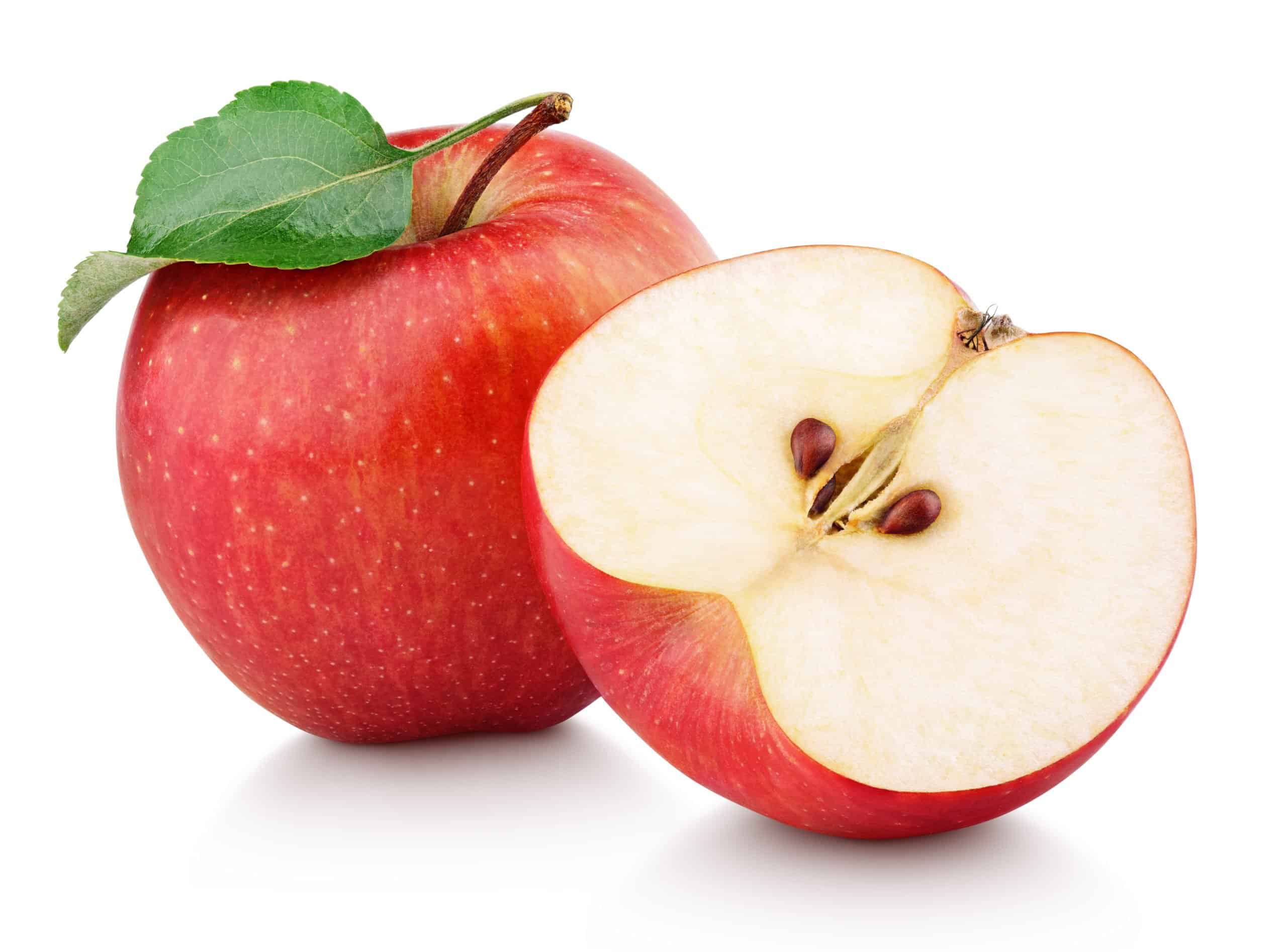
Apple Seeds
You might automatically assume that apples are perfectly safe to feed to your dog. That assumption likely comes from the fact that apples have long been considered a healthy dietary option for weight management. In reality, apple seeds contain trace amounts of cyanide, which is completely poisonous and deadly.
Cyanide can take out both human beings and dogs. Since people know better than to chew and swallow apple seeds, there's not much of a concern there. Dogs, on the other hand, don't know better. Dog owners can feed them apples, but they have to make sure the seeds have been fully removed first.
Alcohol
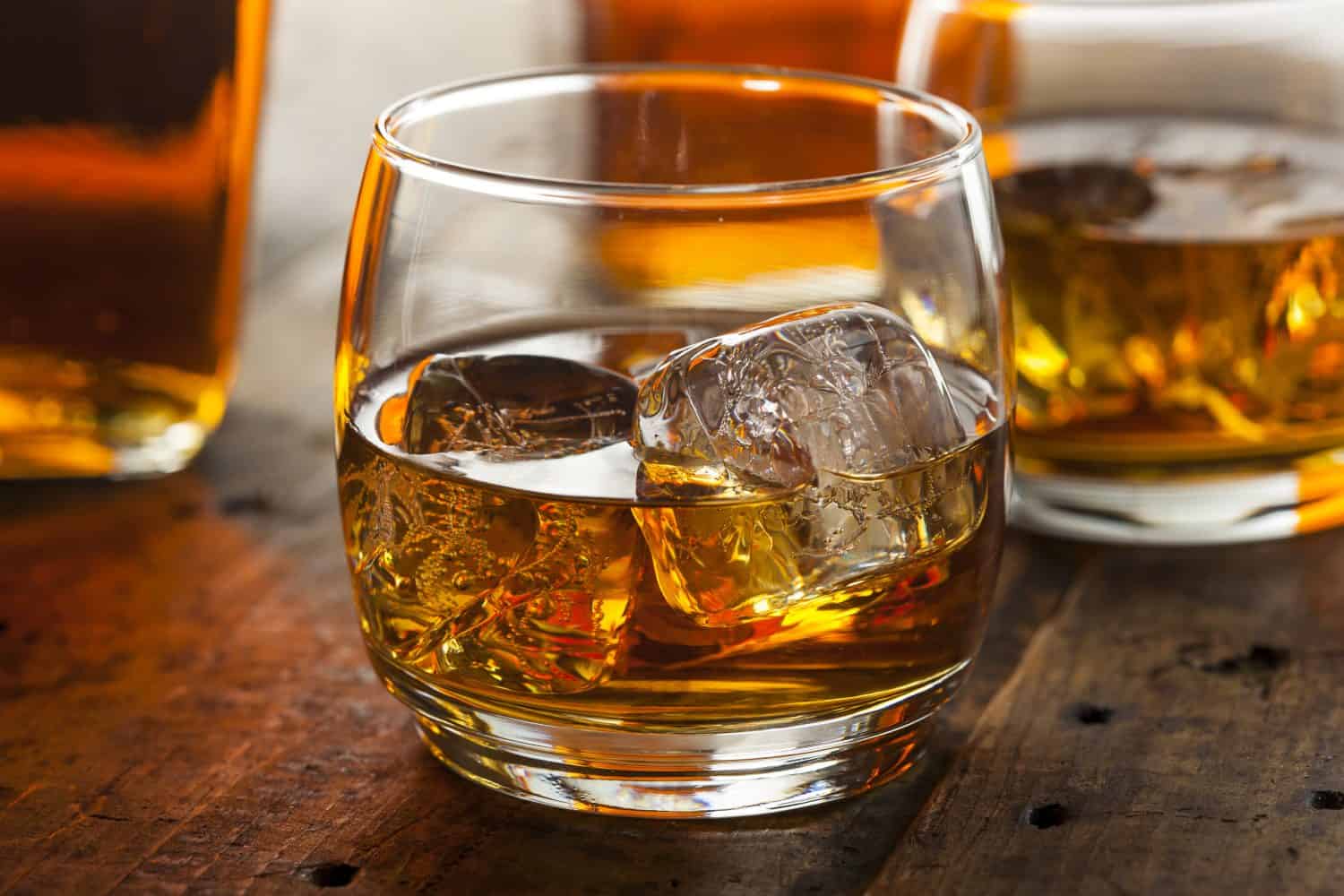
Just like tobacco, alcohol is another product that dogs shouldn't have access to. The stats say it all. Zero dogs in existence can safely consume alcohol. Dogs can't metabolize alcoholic beverages, which means it's toxic for them to have in the first place. If a dog has alcohol, it will lead to dangerously low body temperatures, respiratory depression, and lethargy. In the most serious cases, it will lead to death.
Fatty Meat Trimmings
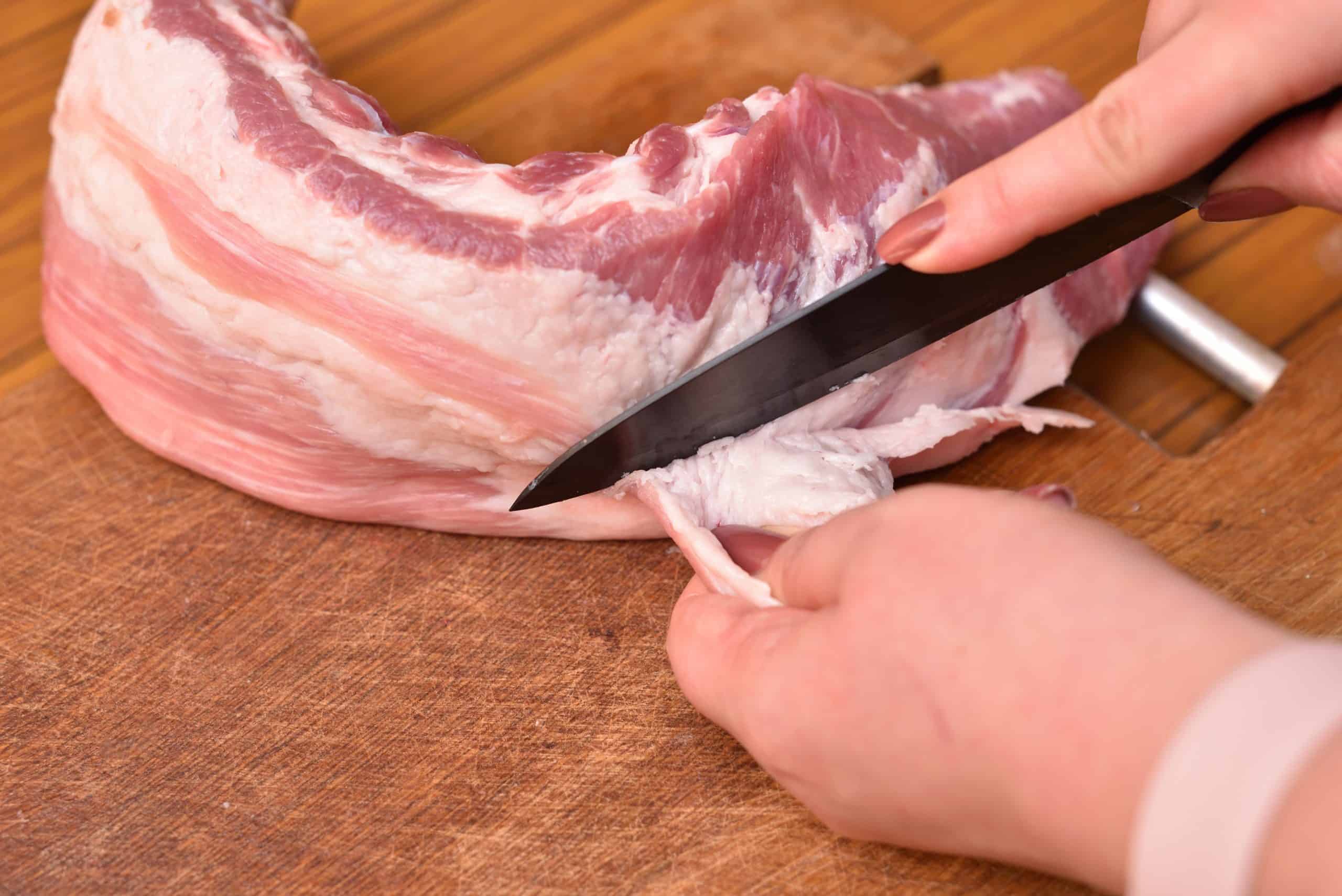
Too many dog owners are under the impression that it's no big deal to feed fatty meat trimmings to their dogs. Since people don't typically enjoy fatty meat trimmings, this stuff occasionally ends up in your dog's food bowl. Instead of tossing it to your dog, fatty meat trimmings belong in the trash.
Feeding this stuff to your dog will cause nausea, vomiting, diarrhea, dehydration, abdominal pain, a decreased appetite, and a fever. If your dog eats way too much of it, they could potentially develop pancreatitis.
Raw Salt
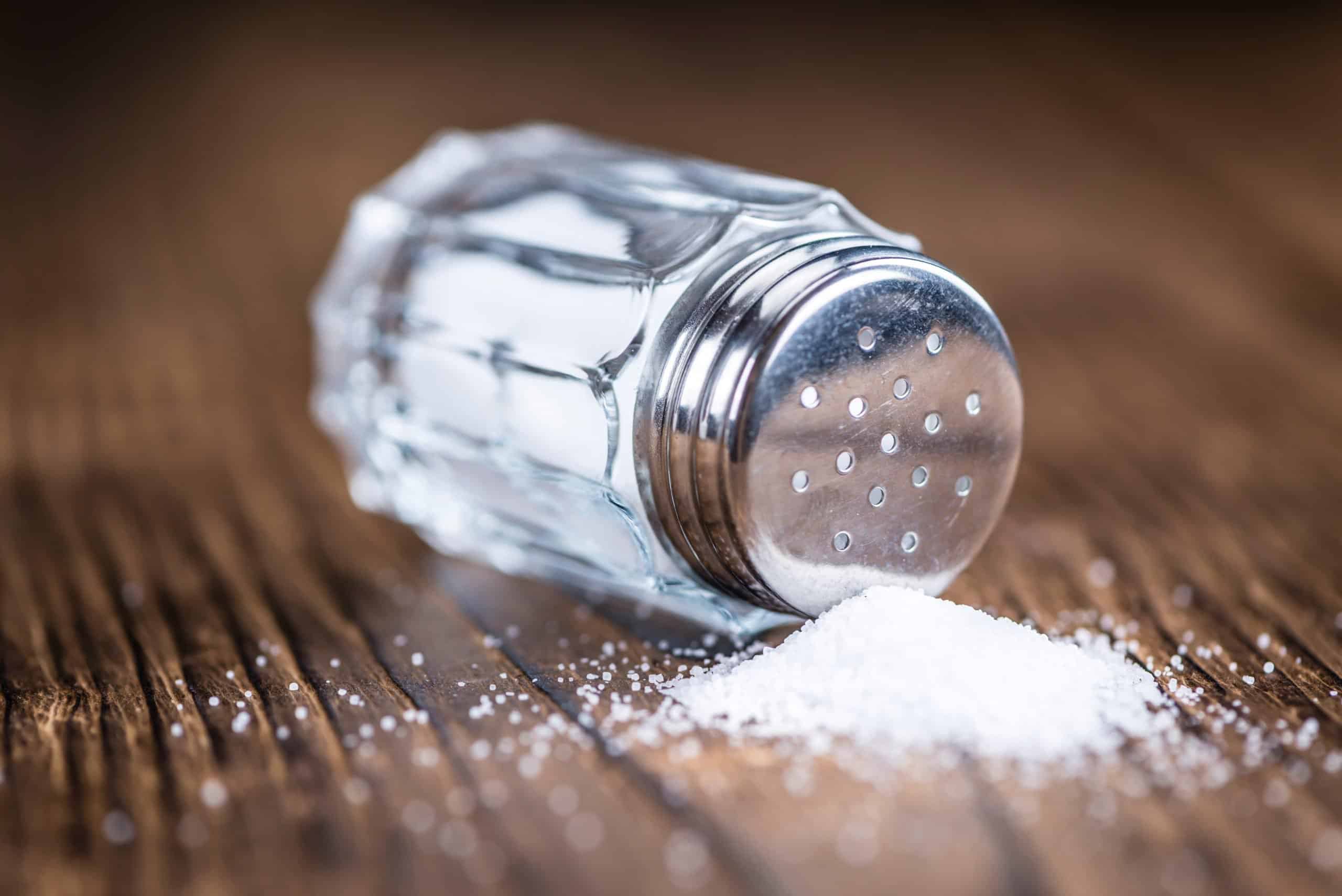
Offering up a salty treat for your dog to eat is a terrible idea. Raw salt is an electrolyte that can mess up the balance of your dog's muscle and nerve functions. It's problematic if they consume too much of it. When a dog consumes too much salt, it leads to something alarming called toxicosis.
Toxicosis occurs when the levels of sodium in your dog's blood are way too high. It puts a strain on the natural well of water from your dog's cells to accommodate your dog's bloodstream.
Raw Eggs
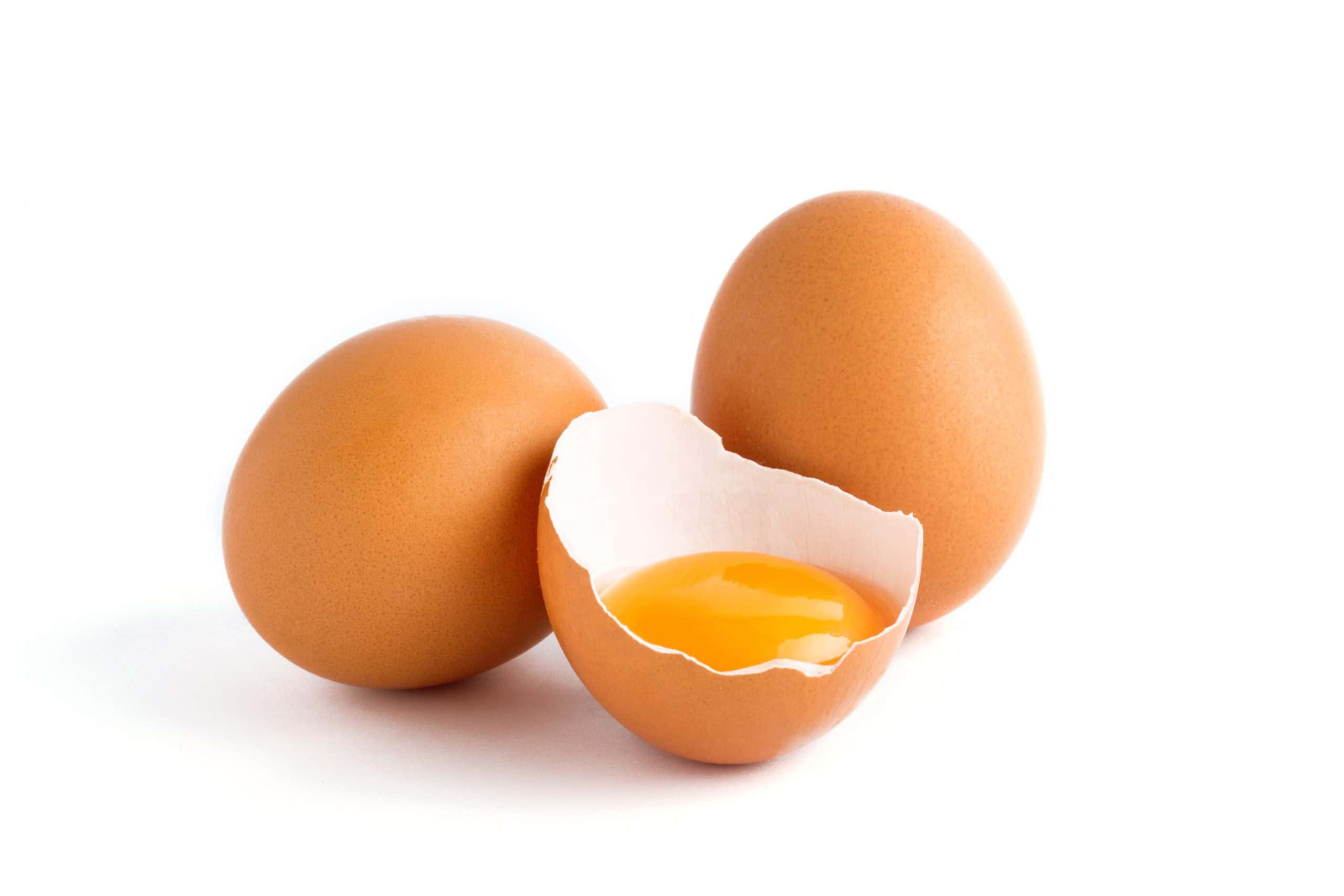
People already know better than to consume raw eggs, so it's pretty obvious that raw eggs don't belong in a dog's diet either. The most obvious reason why? There's a high chance that raw eggs are full of salmonella bacteria. If a dog eats something that's been contaminated by salmonella, they'll possibly develop salmonellosis.
If you're curious to know whether or not dogs can eat scrambled eggs, that answer is much more positive. As long as an egg has been fully cooked, your dog is welcome to chow down.
Green Tomatoes
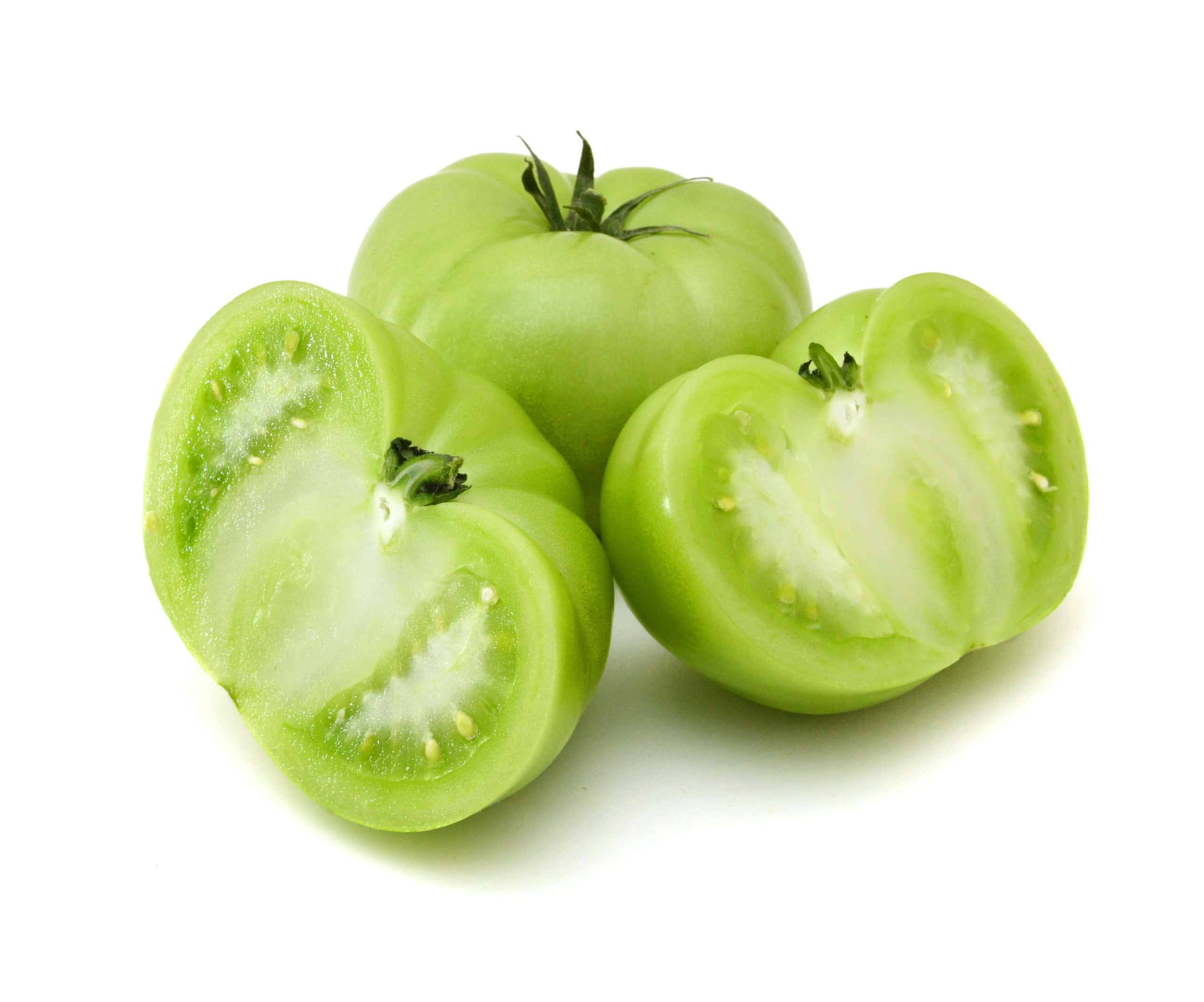
Green tomatoes are a no-go for your dog. If eaten in large quantities, they're highly poisonous for your pup since they're chock-full of solanine and tomatine. Dog owners who love gardening should be wary of this fact before accidentally letting them come into contact with the fruit.
Dogs who dig up green tomatoes from a garden will be exposed to those natural chemicals. The stems and leaves of a tomato are just as dangerous for a dog to consume. (Now that we know which foods can harm your dog, click here to find out which dogs have the shortest natural lifespans.)