
Key Points:
- Dieting has been around for centuries, and some of history’s most memorable diets are quite strange.
- Fad diets promise quick results with minimal effort; and they’re often downright weird.
- The diets on this list feature everything from consuming primarily cookies to the dangerous practice of swallowing cotton balls!
Fad diets have long intrigued the public. Strange as they may sound, some of us still wonder if they might actually work. From cabbage soup cleanses to bizarre restrictions, fad diets often promise quick results with little effort. Throughout history, people have been willing to try just about anything in the pursuit of weight loss. Even when the methods seem extreme, unusual, or downright questionable, there have been individuals willing to give it a try. These diets often gain popularity through word of mouth, media buzz, or bold claims, only to fade as quickly as they appear.
While some fad diets are relatively harmless (even if ineffective), others cross the line into risky behavior, raising serious concerns about health and nutrition. What they all have in common is a focus on swift results rather than practical sustainability. And most of them are downright weird. Looking back at these diets reminds us how weight loss has evolved over time, and just how far people are willing to go to drop a few pounds.
To compile this list of the most famous fad diets of all time, Tempo reviewed several sources, including Harvard Health Publishing and WebMD.
The Grapefruit Diet

The name of this fad diet might have you thinking you are only going to be munching on grapefruits for a designated period, but that’s not what the grapefruit diet is. You are going to be eating grapefruits and drinking grapefruit juice, but you can also eat regular, protein-rich meals. The two to three-week diet calls for either a grapefruit or grapefruit juice with each protein-rich meal you consume (some versions of the diet limit daily caloric intake to 800 calories). Why grapefruits? It’s believed they have fat-burning enzymes that help accelerate weight loss. However, there is no research to date that supports this notion. People see success when they try this diet simply because they are eating fewer calories and focusing on protein rich choices.
The Mediterranean Diet
With the Mediterranean diet, your focus is on plant-based foods alongside healthy fats. You eat primarily fruits and vegetables as well as whole grains. For a healthy source of fat, you use plenty of extra virgin olive oil. Fish and seafood are also central to this diet. For poultry, you’re limited to one serving per day. The same goes for low-fat dairy and eggs. For red meat, you’re limited to one serving per week. The same goes for sweets. This diet helps to lower your heart disease risk and can increase your life expectancy as well.
The Cabbage Soup Diet

Aimed toward short-term weight loss, the cabbage soup diet requires that you consume a homemade cabbage soup for all of your meals during a seven-day period. There are variations of the diet, including some that are more permissible and allow one or two extra foods (like fruits and vegetables). Whereas some fad diets require a longer commitment, the cabbage soup diet is meant to jump-start a weight loss plan. Since it’s highly restrictive, it’s not the easiest of all fad diets to follow. The diet’s effectiveness hasn’t been formally studied but those who’ve tried it say they can lose up to 10 pounds in a week (though this may likely be due to water weight).
The HCG Diet

This diet takes things to another level because along with a heavily restricted daily caloric intake, you also inject human chorionic gonadotropin (HCG) daily. HCG is a hormone pregnant women release, which is then extracted from their urine (though the modern version is usually synthetic). The diet became popular in the 1950s and was believed to promote fat burn for fat loss (and minimal muscle loss). Along with the daily injection, those on the HCG diet are limited to 500 calories per day. With such restricted calories, it’s no wonder people lose weight on the diet. However, it’s dangerous and unsustainable. Furthermore, the FDA says HCG is ineffective for weight loss.
The Tapeworm Diet

A diet without any restrictions sounds too good to be true, but that’s what the tapeworm diet is. You don’t have to make any changes and can indulge in all your favorite foods! There’s just one catch: you must take a worm-laced pill. Supposedly, that worm goes to work double-time to eat any of the delicious foods you enjoy. Luckily, this diet is likely a myth. There is little credible evidence that this was ever widely practiced.
The Keto Diet
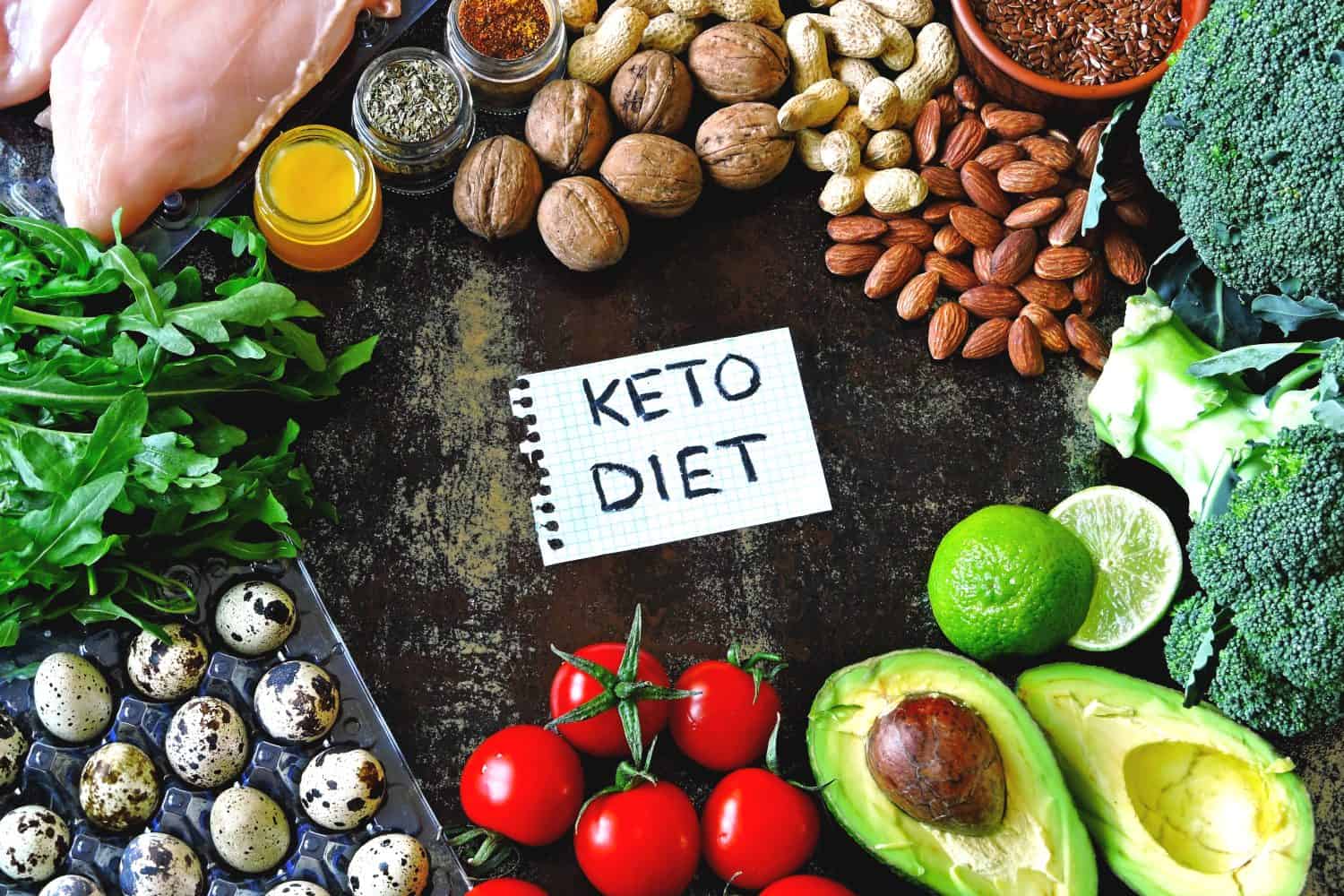
The keto diet remains popular for some people while others give it up altogether because of the restrictions it presents. With this diet, you eat an extremely low-carb diet, focusing primarily on high levels of fat along with moderate protein to sustain you. The goal is to get your body to move into a state of ketosis. During ketosis, your body burns fat. Additionally, ketones emerge from fat in your liver, which gives your brain a boost. These diets prove beneficial in lowering blood sugar and insulin levels as well. There are some variations of the diet, which include the standard version, a cyclical version, a targeted version and a high protein version.
The Sleeping Beauty Diet

You can’t eat while you’re comfortably tucked in bed and slumbering, right? This is the premise of the sleeping beauty diet. The more you sleep, the fewer waking hours you have available to consume calories. In some cases, people have taken the sleeping beauty diet to the extreme, relying on sedatives to keep them unconscious for long periods (sometimes up to 20 hours). The irony of this is that some sleeping pills, like Ambien, are notorious for inducing sleepwalking and in some cases, sleep eating!
The Atkins Diet
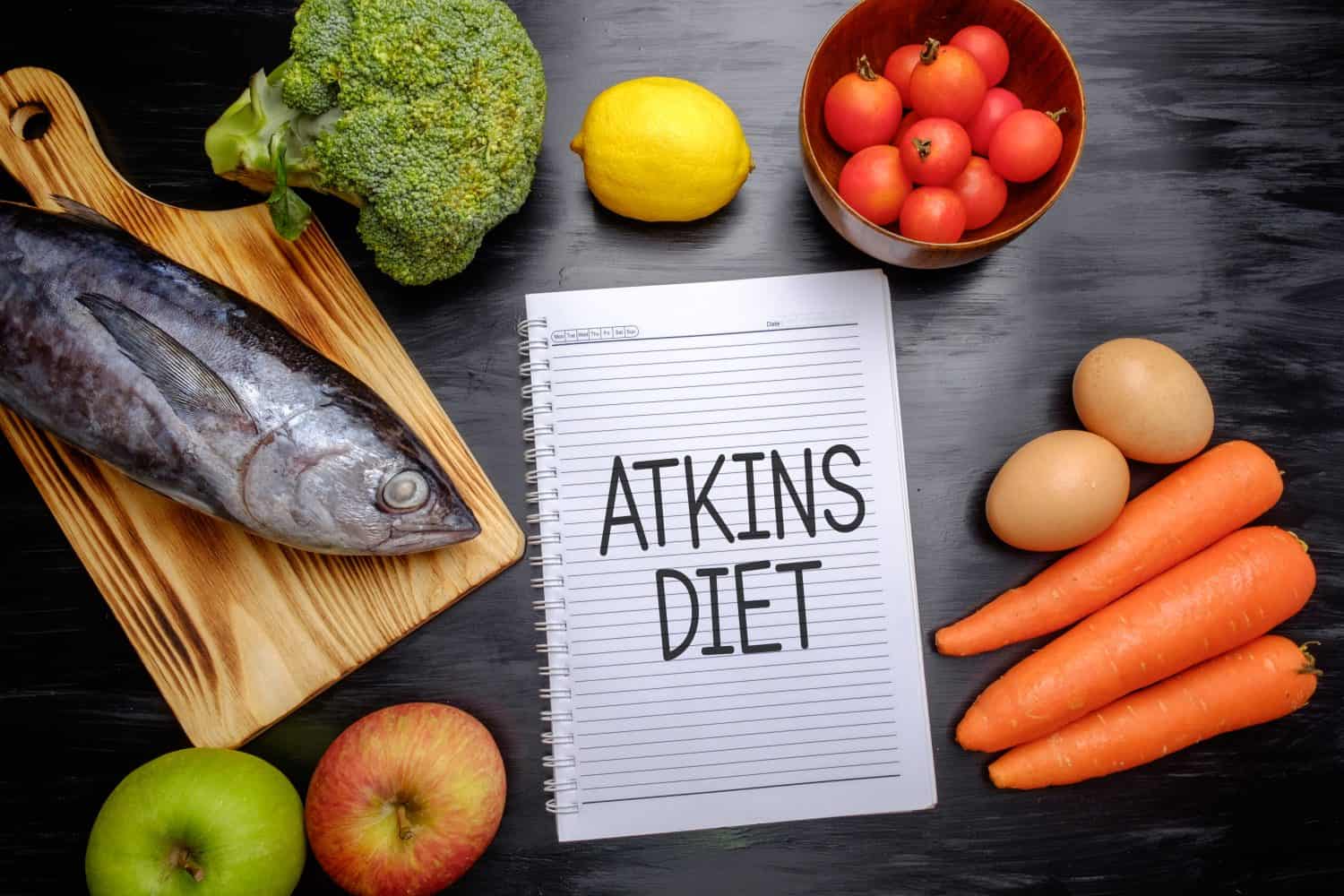
This is a low-carb diet that allows primarily protein and fat. Studies support the claim that following a low-carb diet is effective for losing weight. Nevertheless, there continues to be a debate on the effects of saturated fat. With the Atkins diet, you follow four phases that include induction, balancing, fine-tuning and maintenance.
The Baby Food Diet

There is no official set of rules for the baby food diet. Basically, you replace meals and snacks throughout the day with baby food jars. These jars range in calories. On the lower end, you’re consuming 20 calories per jar. On the higher end, it’s 100 calories per jar. This diet is supposed to be a maintenance diet to keep weight off long-term. In some variations, you’re allowed one chewable meal per day.
The Paleo Diet
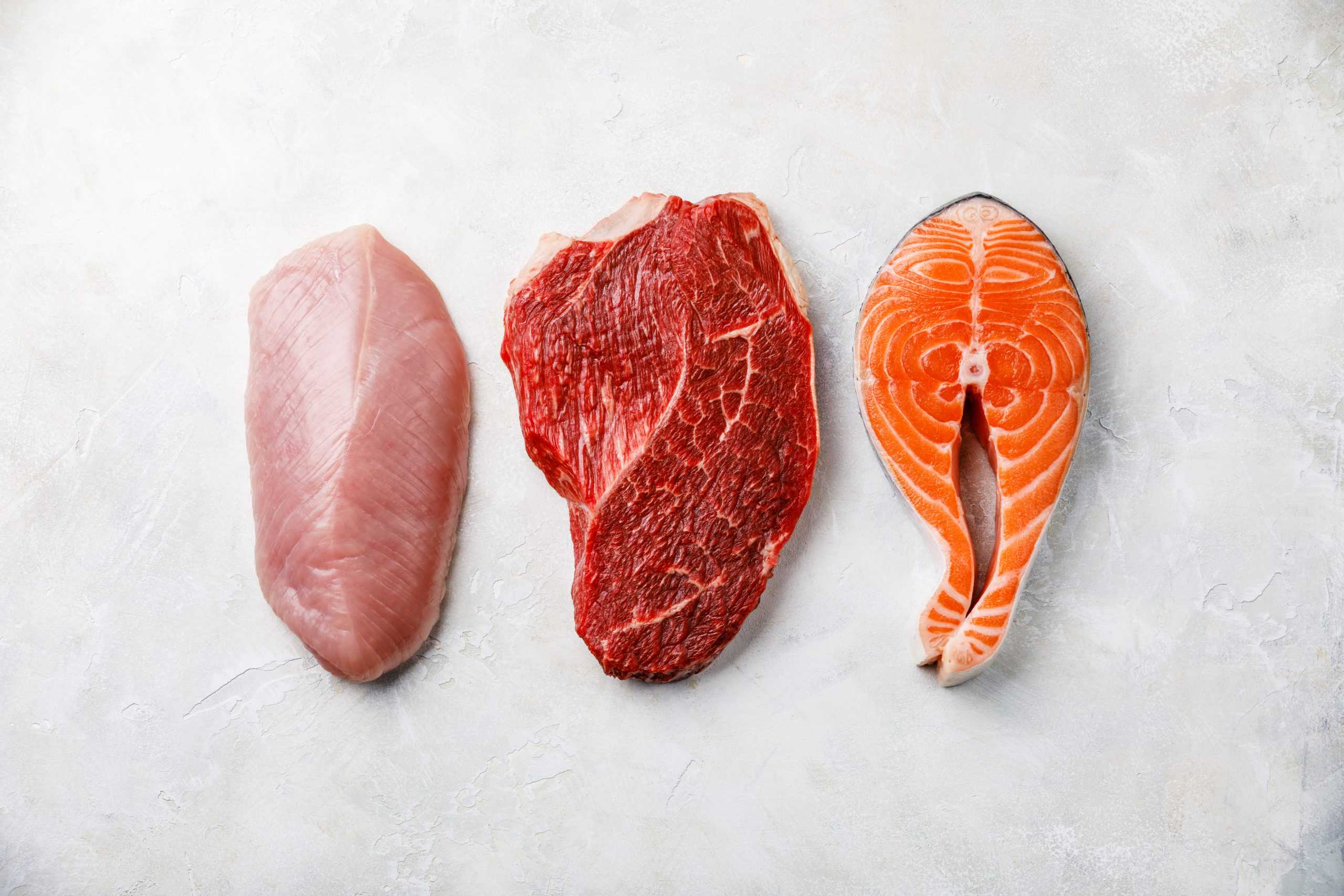
This diet is based on the idea that humans during the Paleolithic Era didn’t eat legumes, grains or dairy products, which came about through farming. Instead, they relied on hunting and gathering to supply their bodies with the energy they needed. The paleo diet incorporates fish, eggs, lean meats, fruits, vegetables, nuts and seeds. Following this diet can aid with weight loss or weight maintenance. Additionally, it may help to reduce the risk of cardiovascular disease. However, it should be noted that data shows early humans did consume some grains and legumes.
The Cotton Ball Diet

With the cotton ball diet, you ingest cotton balls soaked in juice so that you feel full and can keep calories restricted. This diet has long been identified as dangerous and potentially deadly. Although it started out as a fad diet, it is now considered disordered eating, as the ingestion of non-food items is highly risky. The cotton ball diet can cause intestinal obstructions and malnutrition.
The Cookie Diet
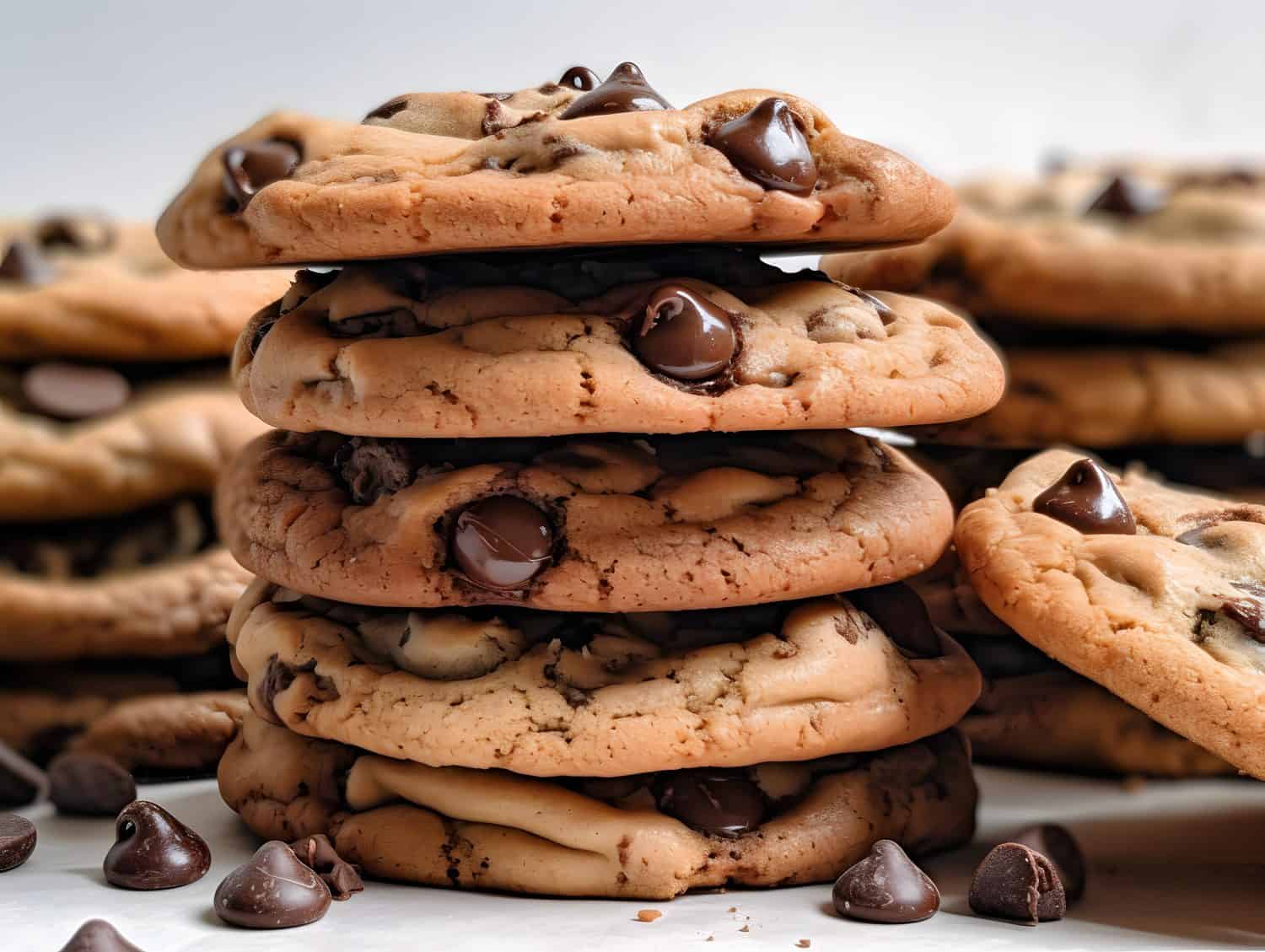
This weight loss diet is especially appealing to those with a sweet tooth. Some suspect marketing claimed that those who try the cookie diet can lose up to 17 pounds over the course of 30 days. Instead of eating breakfast, lunch, and snacks throughout the day, the “dieter” consumes cookies instead. But not just any cookies. They’re special cookies developed by Dr. Sanford Siegal and contain between 52.5 and 60 calories each. After your daily allotted cookies, you’re allowed a dinner that includes 250 grams of fish or lean meat along with a side of vegetables.
The Lemonade Diet

Also known as “The Master Cleanse,” the lemonade diet requires you to remain on a liquid-only diet for a minimum of 10 days. The claim is that you’ll lose weight and detox, which will reduce cravings. You’re only allowed a lemonade, a salt-water beverage and an herbal laxative throughout the 10 days. Then, you can start reintroducing foods slowly, starting with soup and juice immediately after stopping the lemonade diet.
The Slim Fast Diet

With the Slim Fast diet, you replace meals with shakes and snack bars. It doesn’t promise rapid weight loss. Instead, you are supposed to lose weight at a safer rate of one to two pounds per week. Each day, you have two meal replacements and three 100-calorie snacks. You can also enjoy a 500-calorie sensible meal of your choice. The diet incorporates gluten-free and lactose-free components, which makes it available to those with certain dietary restrictions.
The Raw Food Diet
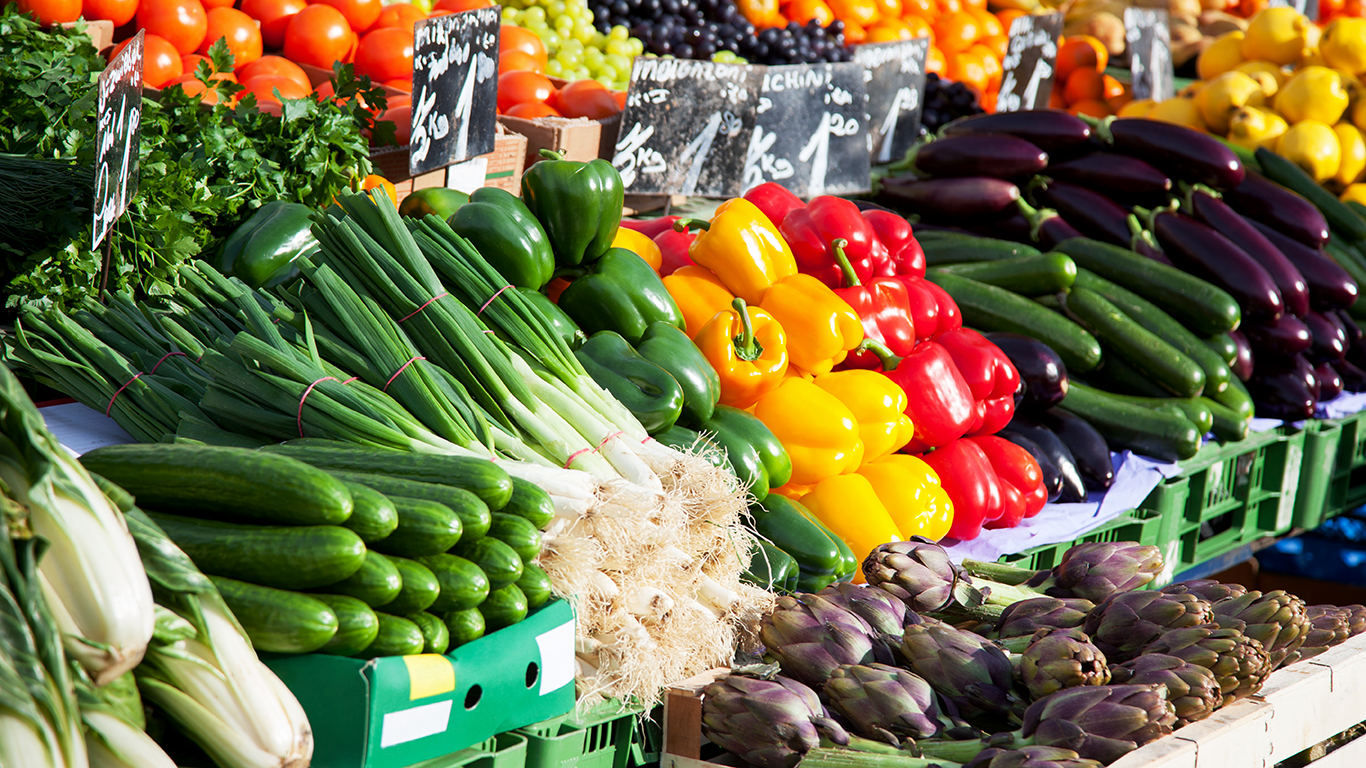
With the raw food diet, you only consume unprocessed, raw foods. The way to know which foods are raw is to ensure they’ve never been processed, pasteurized, cooked, refined, or heated over 104°F. You’re left with a mostly plant-based diet, but there are variations that incorporate raw eggs, dairy, and raw fish and meat (though this is less common). To prepare foods, you have several options, including dehydrating, juicing, and soaking.
The DASH Diet

With the DASH diet, you work toward lowering your blood pressure. The diet limits your sodium intake as well as added sugars and saturated fat. You focus on eating fruits and vegetables along with whole grains. You can also have fish and poultry, beans and nuts, and low-fat (or fat-free) dairy. Ultimately, you want to ensure you’re consuming foods rich in potassium, magnesium, calcium, protein, and fiber.
The Carnivore Diet
This is one of those diets that may be unsafe for certain people. It eliminates nearly all types of foods, except for meat and animal products. There is anecdotal evidence of its benefits, which include weight loss and blood sugar regulation. Some people who’ve tried it noted it improved mood issues. However, there is currently limited research to support these claims.
The Zone Diet
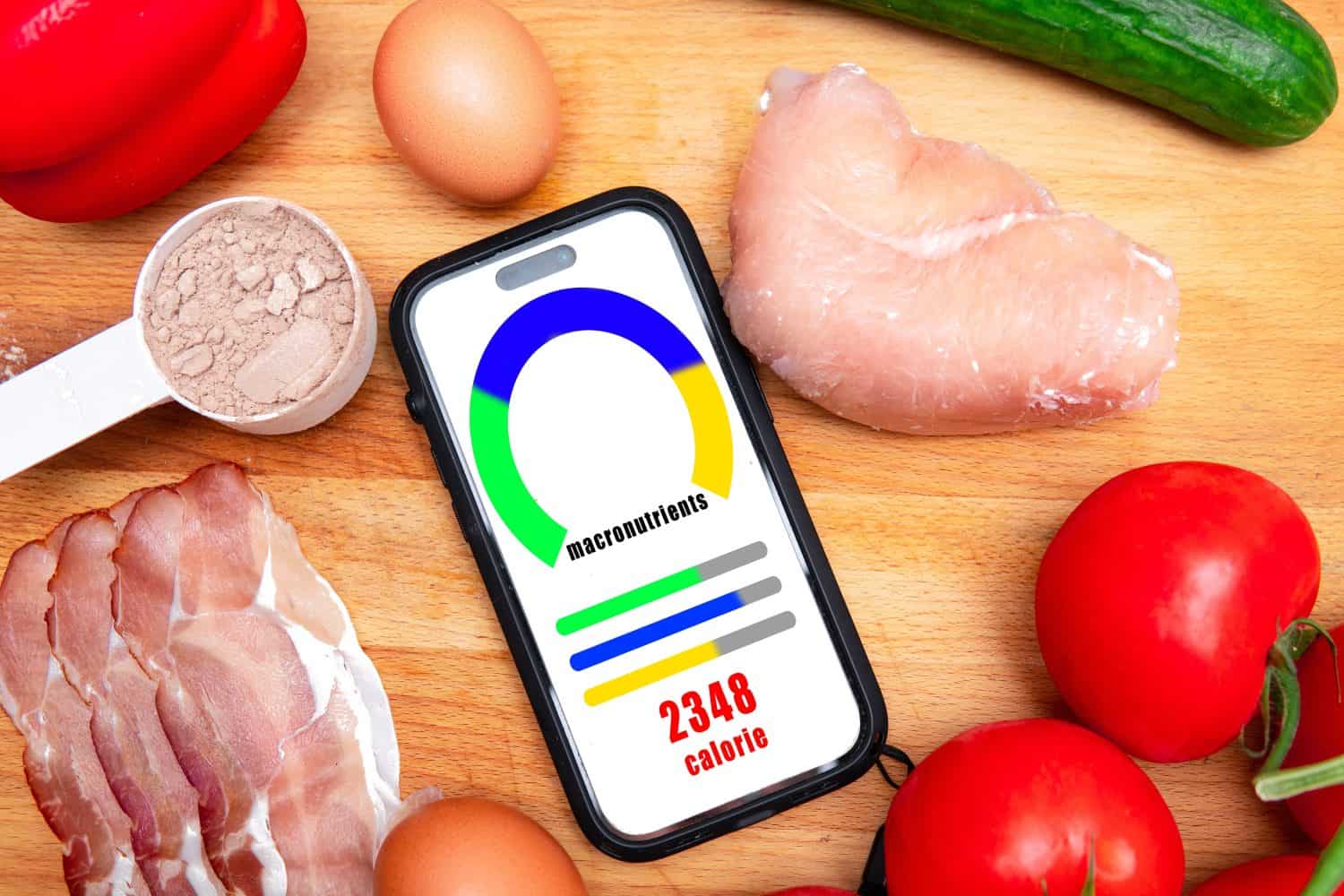
With the zone diet, the aim is to reduce inflammation in your body. There is a specific ratio of macronutrients you must abide by. Each day, you should consume 40% carbs, 30% protein, and 30% fat. When it comes to carbs, you must stick with foods that have a low glycemic index.
The Special K Diet
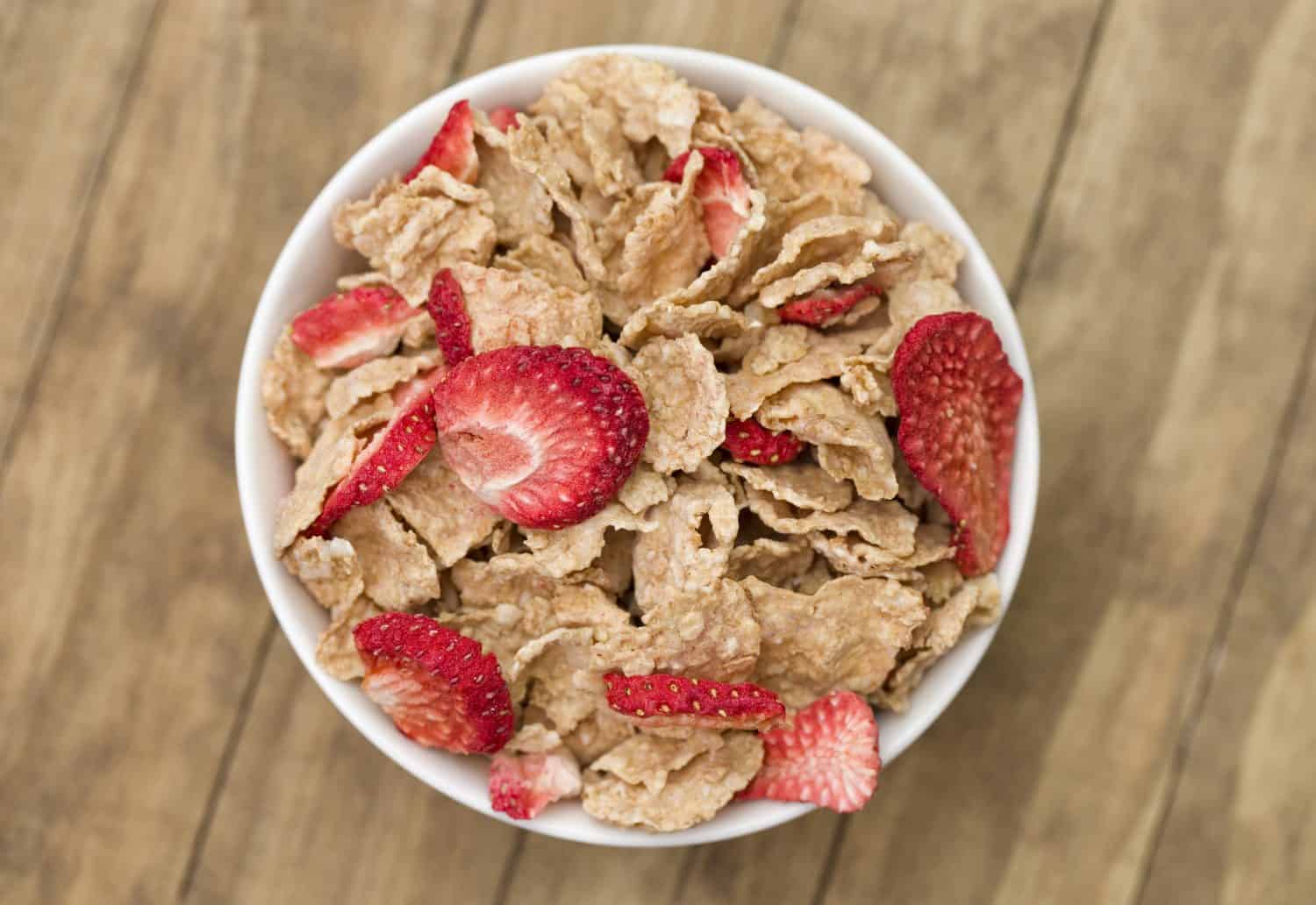
This diet is another meal substitution plan. Instead of eating foods you would regularly indulge in, you replace them with Special K cereal twice per day. It’s meant to assist with portion control over the course of two weeks. The diet allows for small snacks, fruits and vegetables as well as a dinner of your choice. It’s not meant as a long-term diet; rather, the Special K diet is supposed to help jumpstart weight loss.
Weight Watchers
This weight loss program has earned a 4.10 out of 5 score according to Healthline. The diet is based on a system of points, which allows for a customizable plan and flexible lifestyle. It’s one of the more sustainable diets, which is why it has remained popular over the years. You get a personalized point budget, and you can select which foods you prefer, so long as you stay within your points budget.