© Prostock-studio/Shutterstock.com
© taveesak srisomthavil/Shutterstock.com

© "A couple of red traffic lights against a blue sky" by Horia Varlan is licensed under BY 2.0.
© Photographicss/Shutterstock.com
© AYO Production/Shutterstock.com
© Salivanchuk Semen/Shutterstock.com
© robtek/Shutterstock.com
© wedmoments.stock/Shutterstock.com
© Virrage Images/Shutterstock.com
© Rawpixel.com/Shutterstock.com
© Billion Photos/Shutterstock.com
© Raman Venin/Shutterstock.com

© MustafaKawa/Shutterstock.com






Black History Pioneers Many Americans Have Never Heard Of
Most Americans can name at least a few major figures from the civil rights movement, but many of the Black inventors, engineers, and innovators who helped shape everyday life remain far less familiar. Their work influenced everything from household technology and transportation to communication and personal safety, yet their names rarely receive the same recognition as the inventions themselves.
The pioneers on this list helped create or improve things millions of people still use today, often while facing barriers that made patents, funding, and professional recognition much harder to obtain. Some became celebrated in their lifetimes, while others remained largely unknown outside their fields. Here are the Black history pioneers whose ideas helped change everyday life in America.
Lewis Latimer
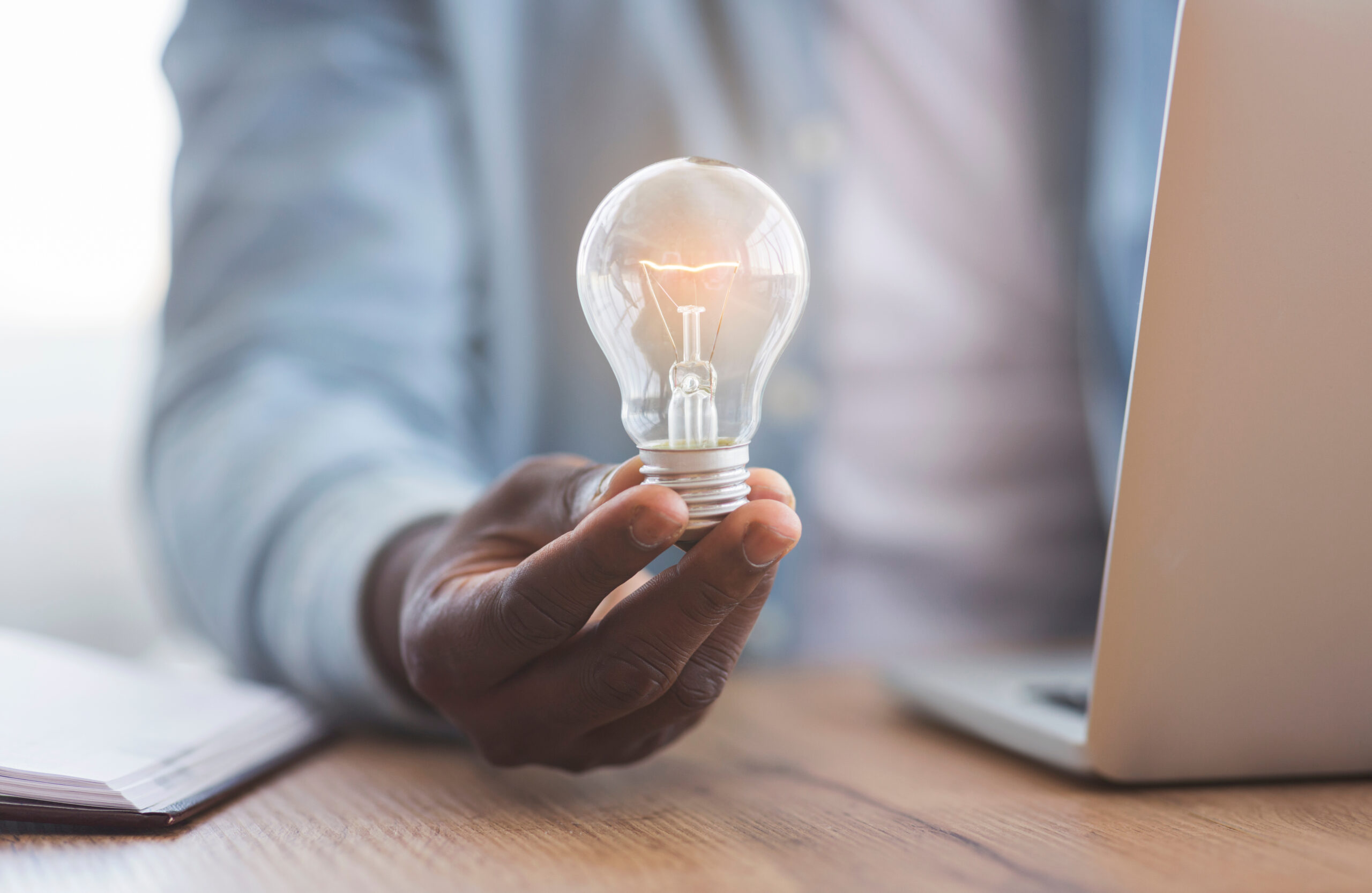
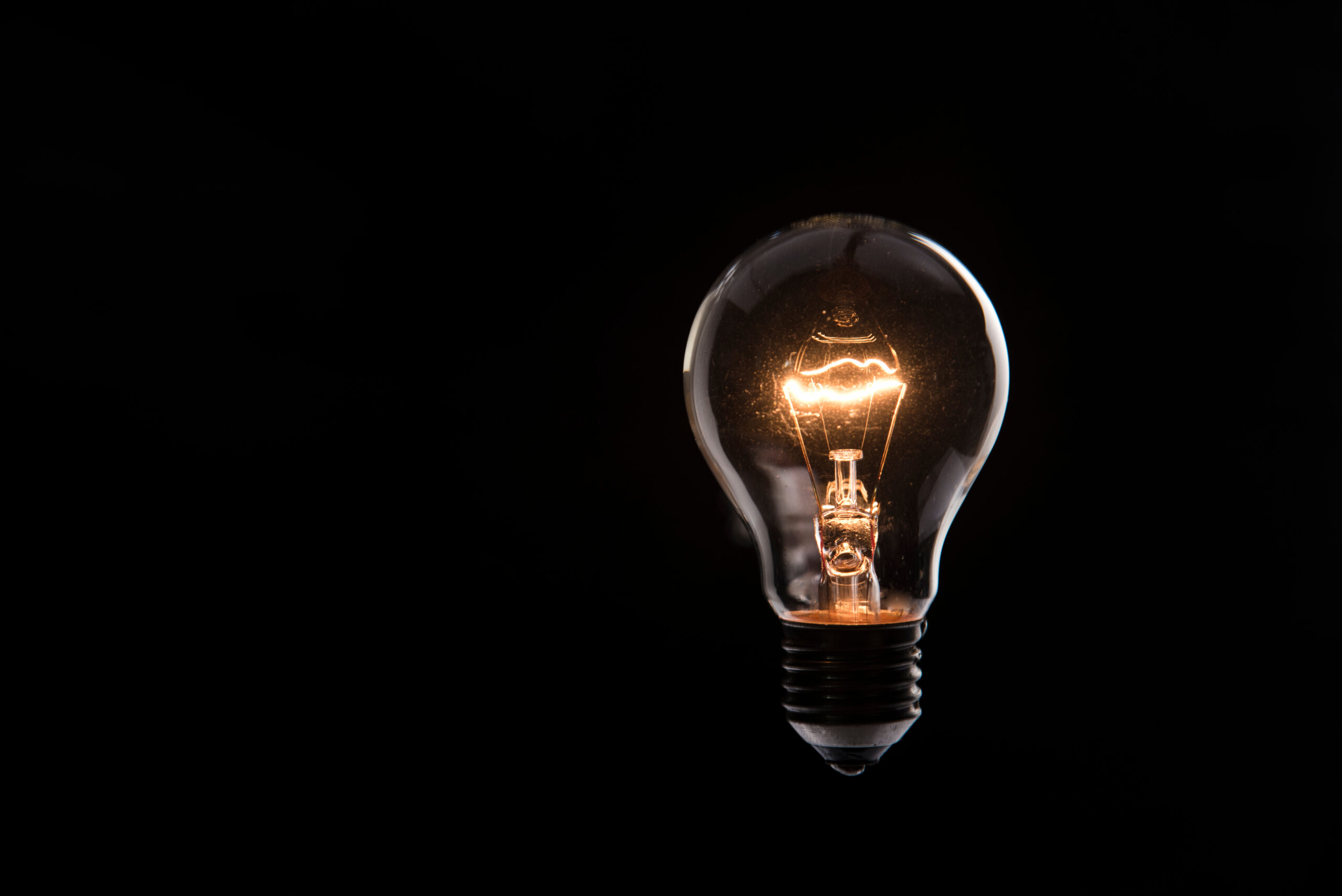
Edison is credited with inventing the light bulb, but his early version was short-lived and too expensive to mass-produce. Latimer solved that. His carbon filament patent made electric light durable and affordable enough for households. Latimer also drew up the patent drawings for Alexander Graham Bell's telephone, which means two of the defining inventions of the 19th century passed through his hands before they reached the public.
Garrett Morgan
In 1923, Morgan patented a traffic signal with a middle warning phase between stop and go. That basic three-step logic still runs every traffic light in the country. Seven years earlier, he'd already proven his instincts under fire. When an explosion trapped workers in a tunnel beneath Lake Erie, Morgan rushed to the scene with the smoke hood he'd invented and helped pull survivors out himself. City officials later downplayed his role, and it took decades for the record to be corrected.
Marie Van Brittan Brown
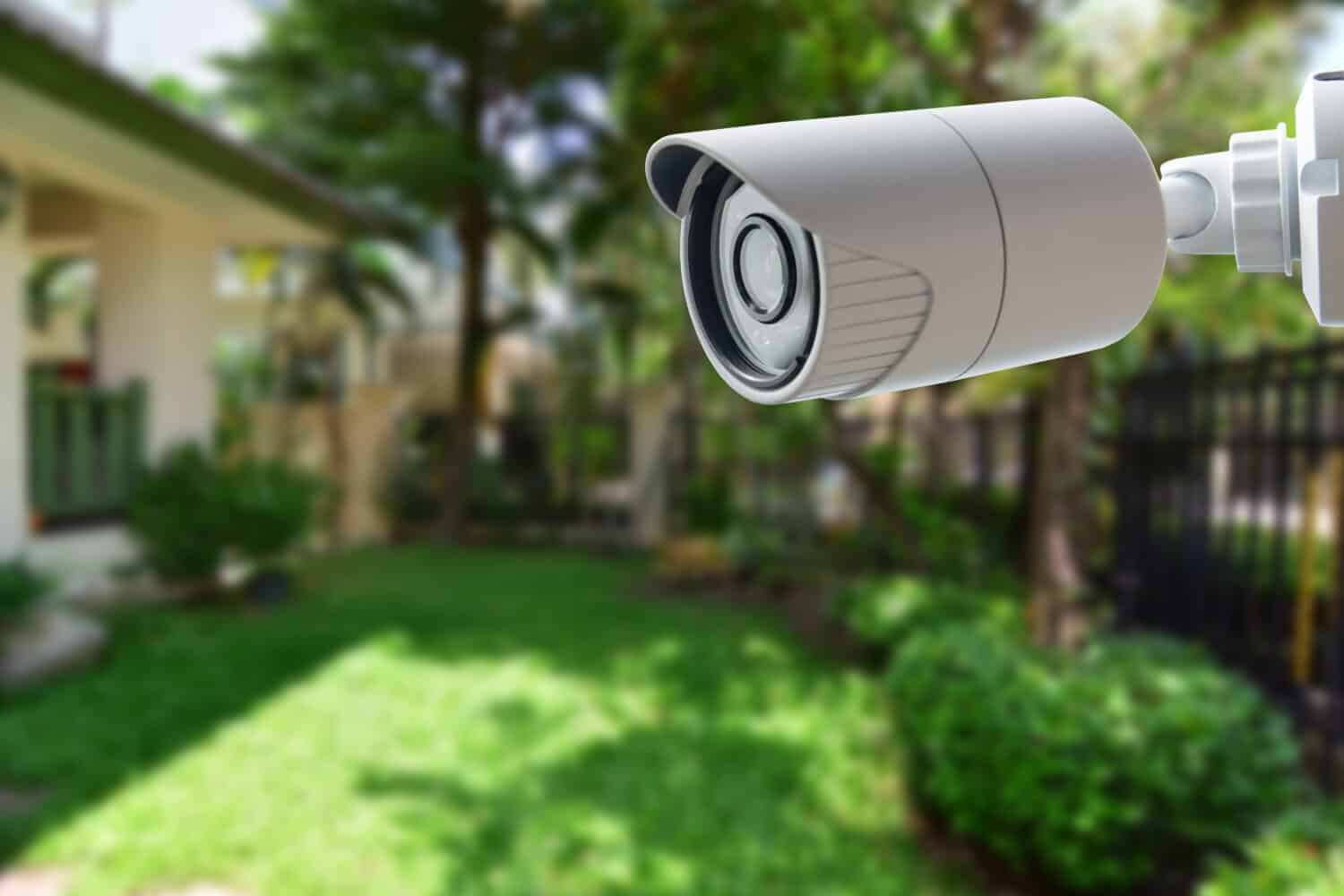
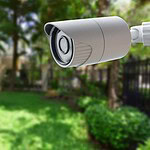
In 1966, Marie Van Brittan Brown filed a patent for a home security system built around a camera that could slide between several peepholes and a television monitor inside the house. It was granted three years later, and it's the direct ancestor of every video doorbell sold today. She built it out of practical necessity. Police response times in her neighborhood were slow, and she and her husband both worked odd hours, so she wanted a way to see who was at the door before anyone opened it.
Otis Boykin
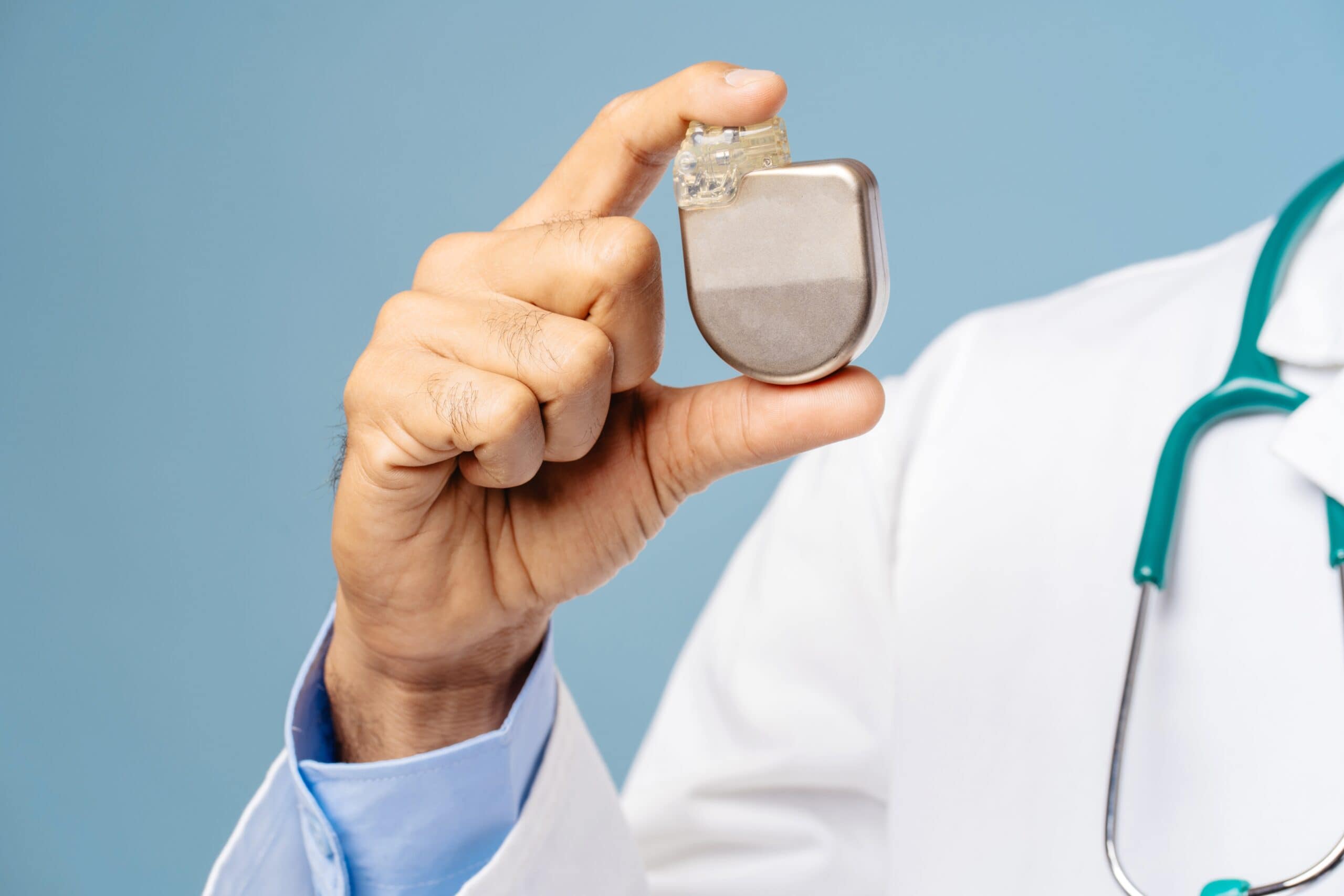
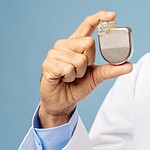
Boykin's wire precision resistor, patented in 1959, let manufacturers control the flow of current with far greater accuracy than before. A later version of it became one of the components used to regulate a pacemaker's function, letting doctors control heartbeat rates with far more precision. He died of heart failure in 1982. In 2014, more than three decades after his death, Boykin was inducted into the National Inventors Hall of Fame.
Mark Dean
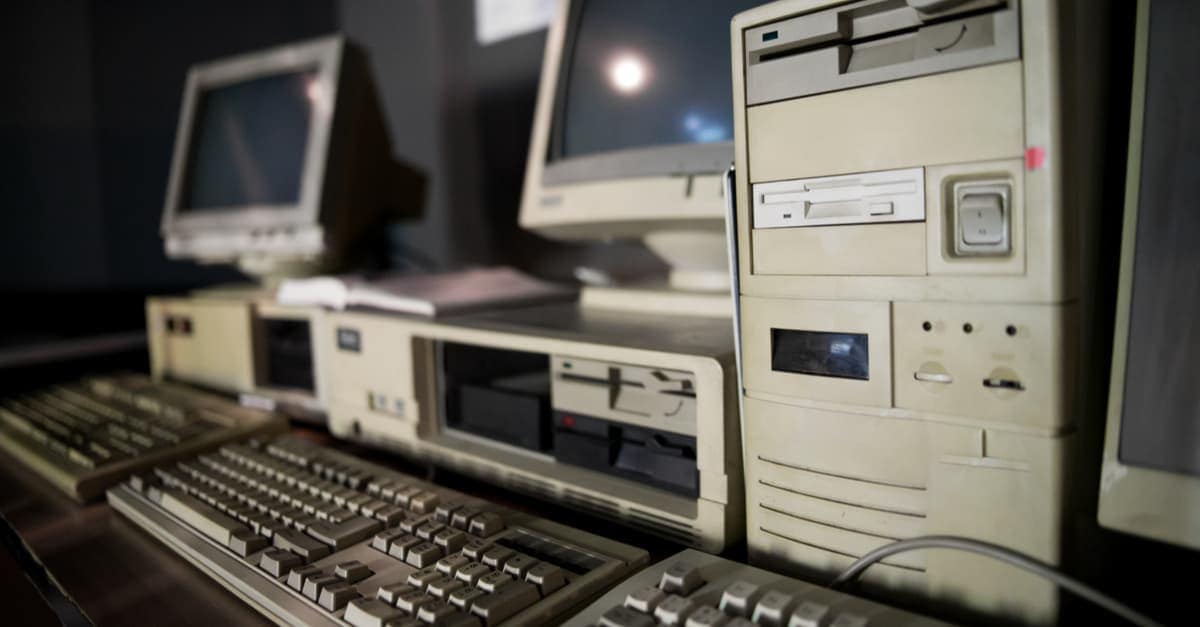
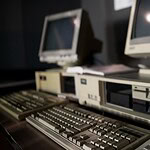
In 1980, Dean was pulled into a secretive twelve-person team at IBM, nicknamed the "Dirty Dozen," tasked with building the company's first personal computer from scratch in under a year. That project became the IBM PC. Out of that work came the ISA bus, which Dean co-invented, letting printers, modems, and other peripherals connect to a computer's motherboard. It became an industry standard for more than a decade and still shapes how computers are designed today. He also led the team that built the first one-gigahertz computer chip in 1999.
Jerry Lawson
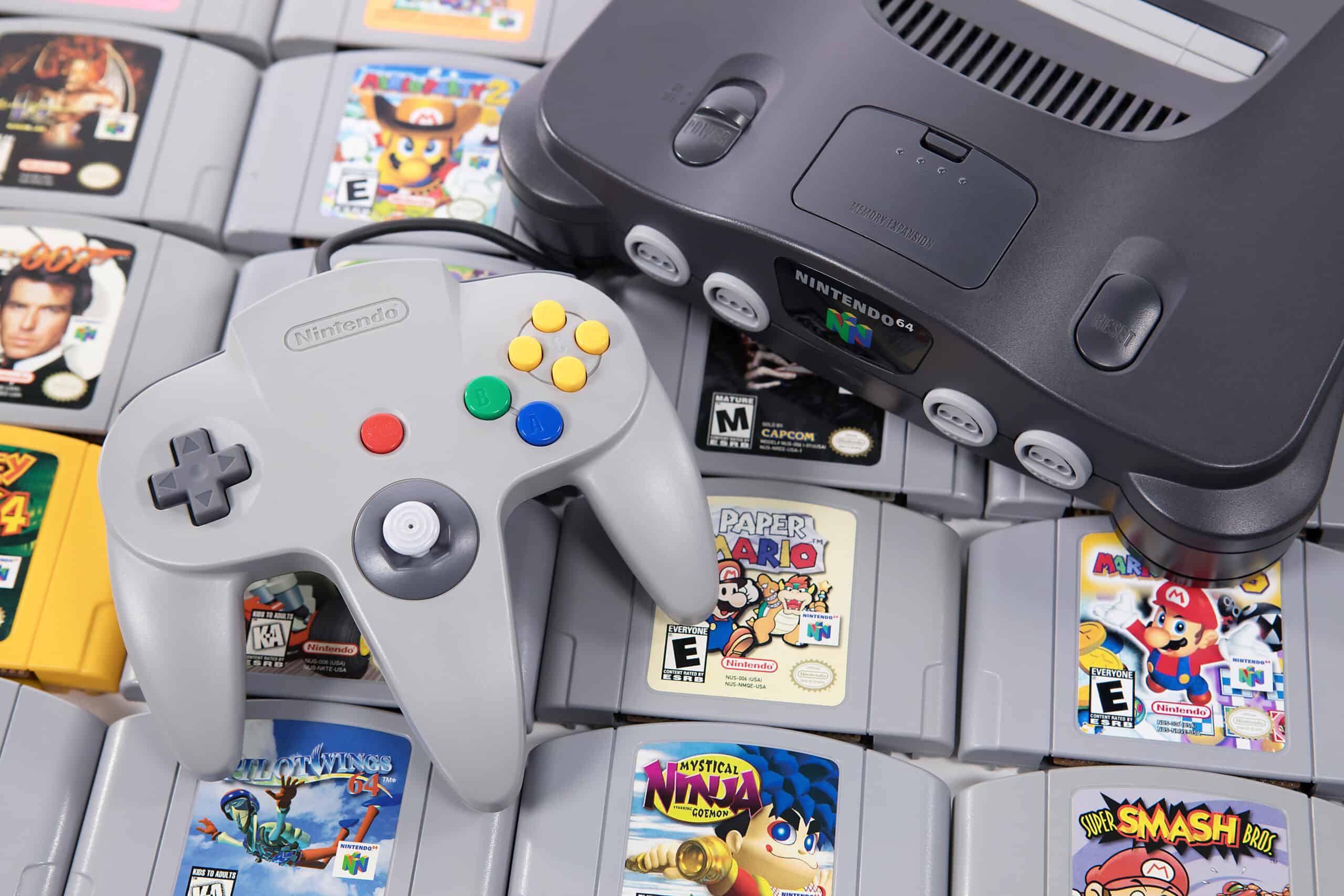
Before Lawson, home video game consoles played exactly one game, hardwired in. He was part of the team that built the Fairchild Channel F in 1976, the first console with swappable game cartridges, a full year ahead of Atari. He was self-taught, spending his teenage years repairing other people's televisions and running an amateur radio station before he ever set foot in an engineering classroom.
Dr. Patricia Bath
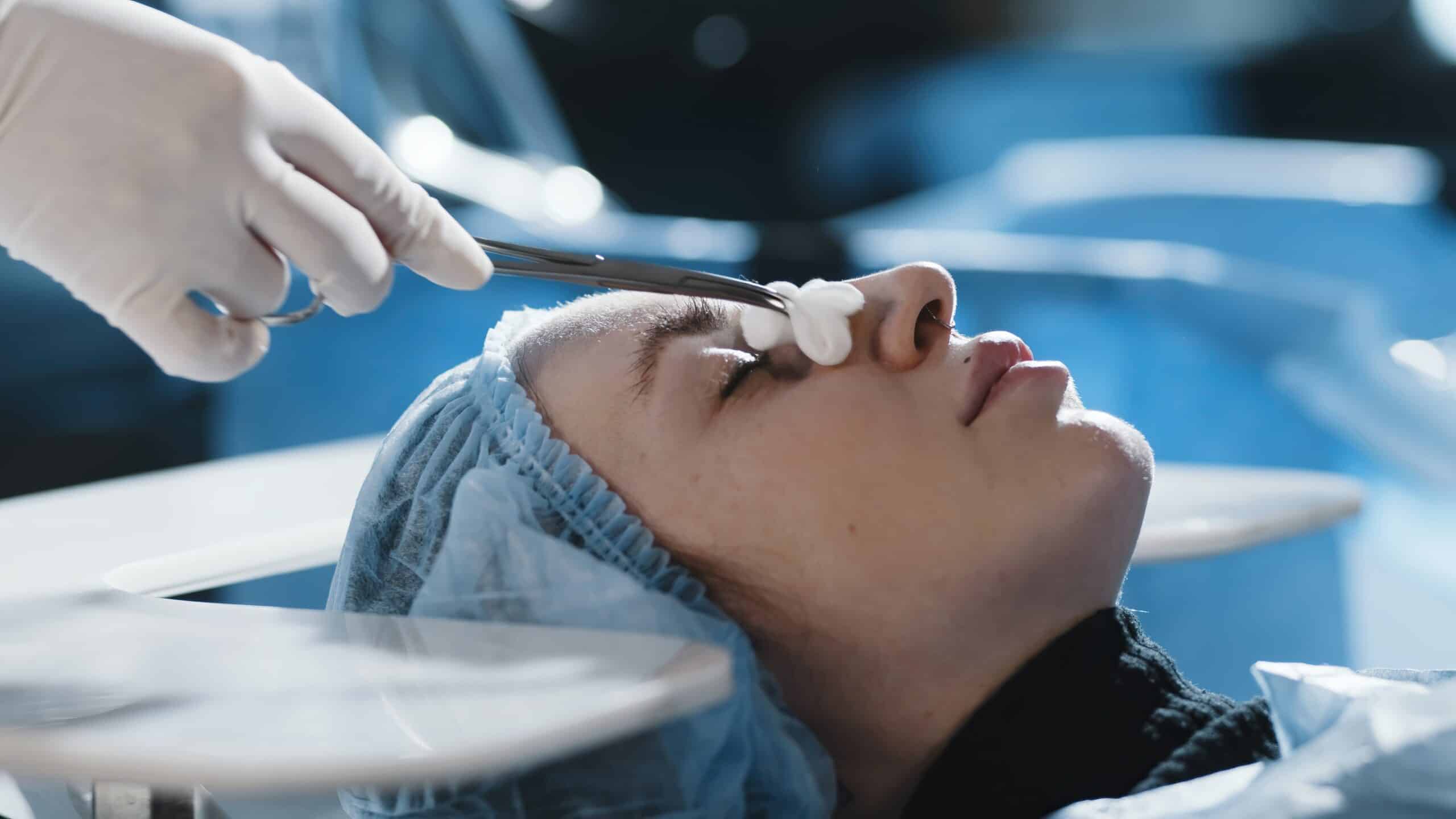
Bath spent five years developing the Laserphaco Probe, completing it in 1986. The device used a laser to remove cataracts with a precision no manual surgical tool could match, and it later restored sight to patients who'd been blind for decades. She was also the first Black person to complete an ophthalmology residency at New York University back in 1973.
Frederick McKinley Jones
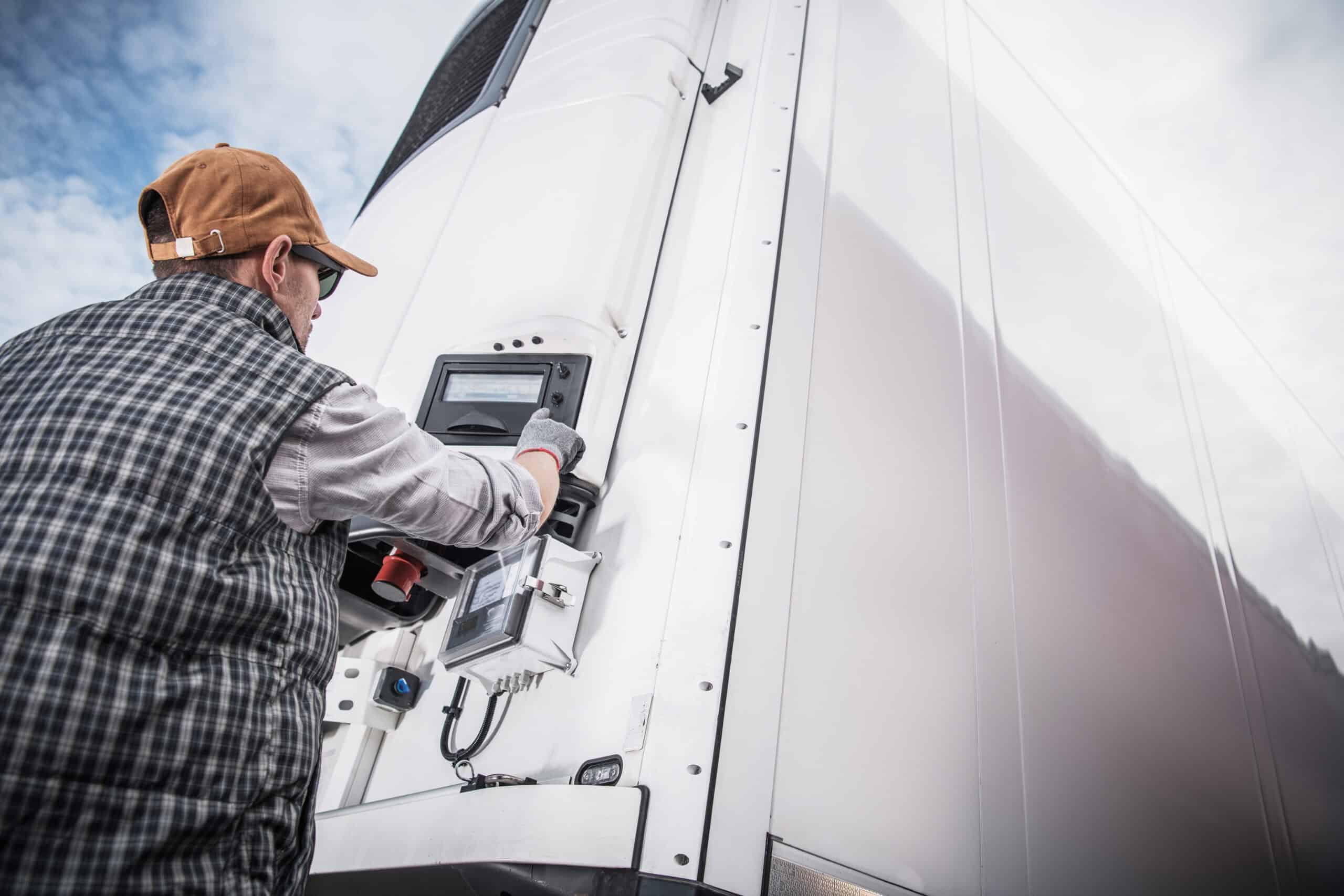
Jones patented a compact, shock-resistant refrigeration unit for trucks in 1940. It solved a problem that had plagued the food industry for decades, as perishable goods kept spoiling in transit. It made national and international food distribution practical for the first time, and during World War II, the same units kept blood and medicine viable for soldiers on the front line.
Valerie Thomas
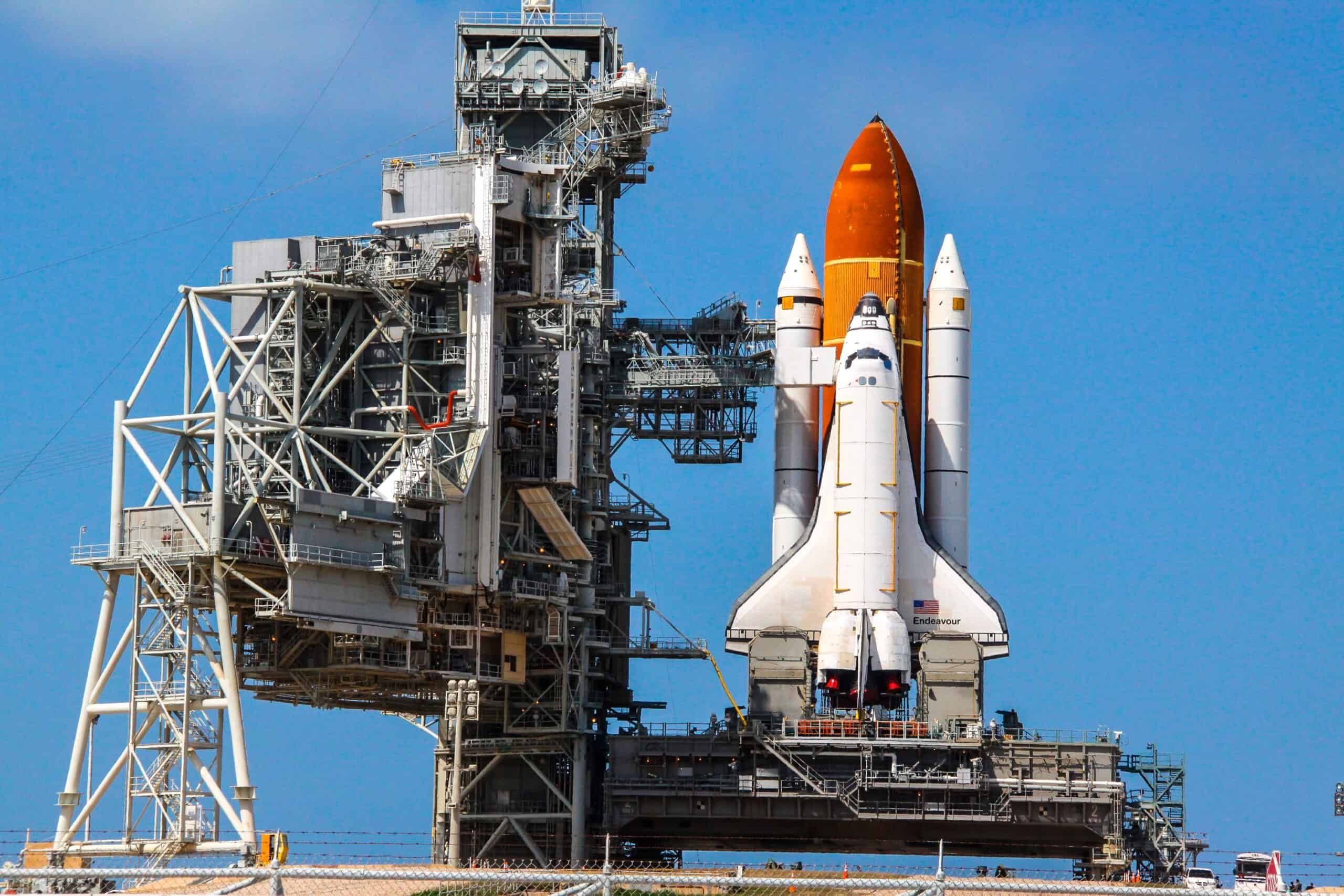
While working at NASA, Thomas patented the illusion transmitter in 1980, a device that used two concave mirrors to project an image so convincingly three-dimensional it seemed to float in space. NASA used variations of her design for decades until the same optical principle was adapted for surgical imaging.
Alice Ball
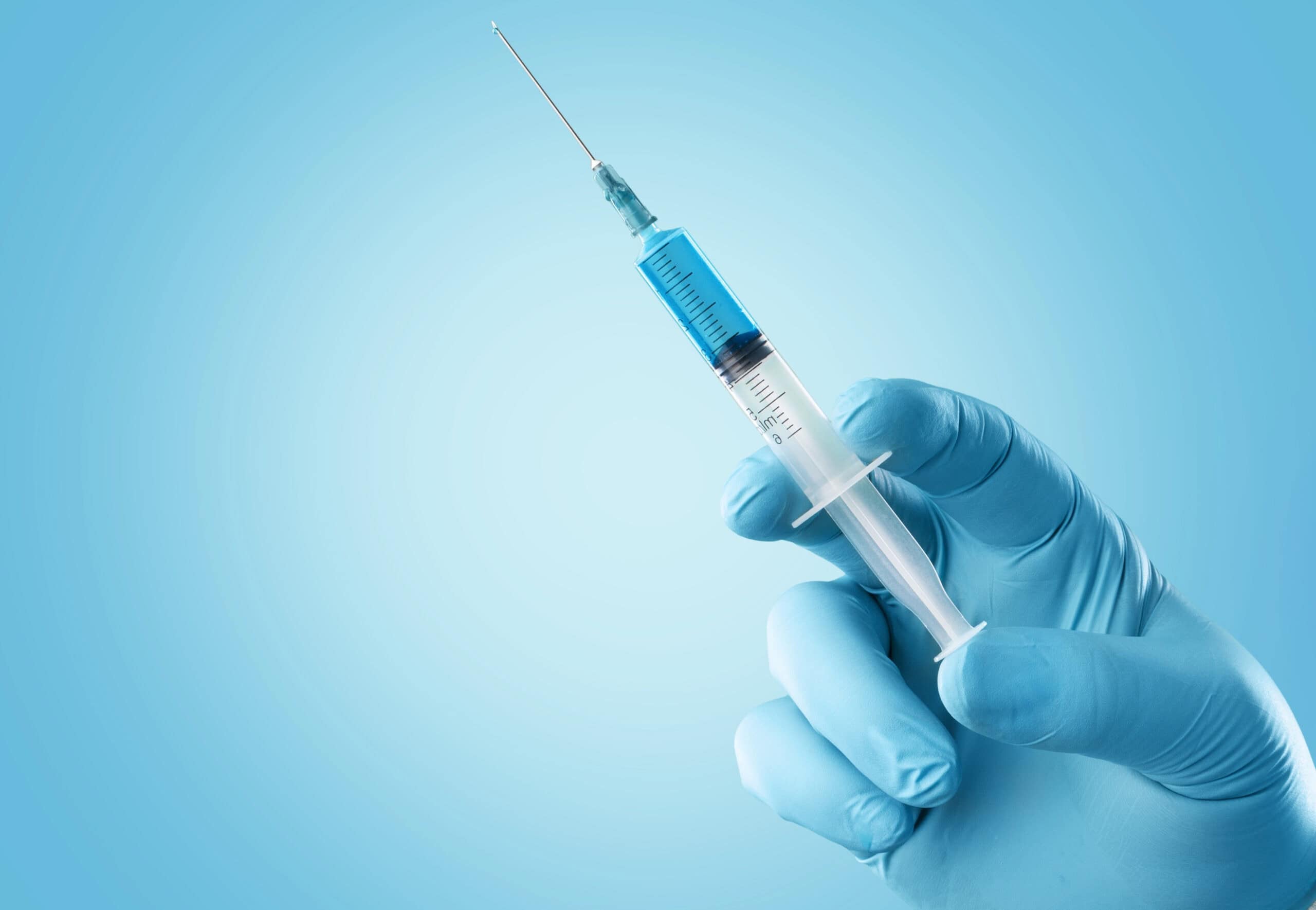
At 23, working as a chemistry instructor in Hawaii, Ball solved a problem doctors had struggled with for years: how to make chaulmoogra oil, the standard leprosy treatment at the time, injectable and effective instead of painful and inconsistent. She passed away the following year, before she could publish her own research. The head of her department took over her work and published it under his own name. It took nearly a century for the record to be corrected.
Bessie Blount Griffin
Griffin invented an automatic feeder that let veterans who'd lost the use of their arms in World War II eat without help from a nurse. She built the prototype herself, at home. The U.S. Veterans Administration turned it down. Griffin gave the rights to the French government instead, and French military hospitals promptly started using it.
Emmett Chappelle
Chappelle, a NASA biochemist, discovered that a chemical reaction borrowed from fireflies could make living cells glow measurably in a lab. He built that discovery into a bioluminescence test still used today to detect bacteria in food, water, and hospitals. The same method was designed for a much recent job: scanning soil samples on NASA's Viking Mars mission for signs of microbial life.