sjharmon / E+ via Getty Images
wing-wing/Shutterstock.com
Zyn Chakrapong/Shutterstock.com
StanislavSukhin/Shutterstock.com
Collins Unlimited/Shutterstock.com
RDNichols/Shutterstock.com
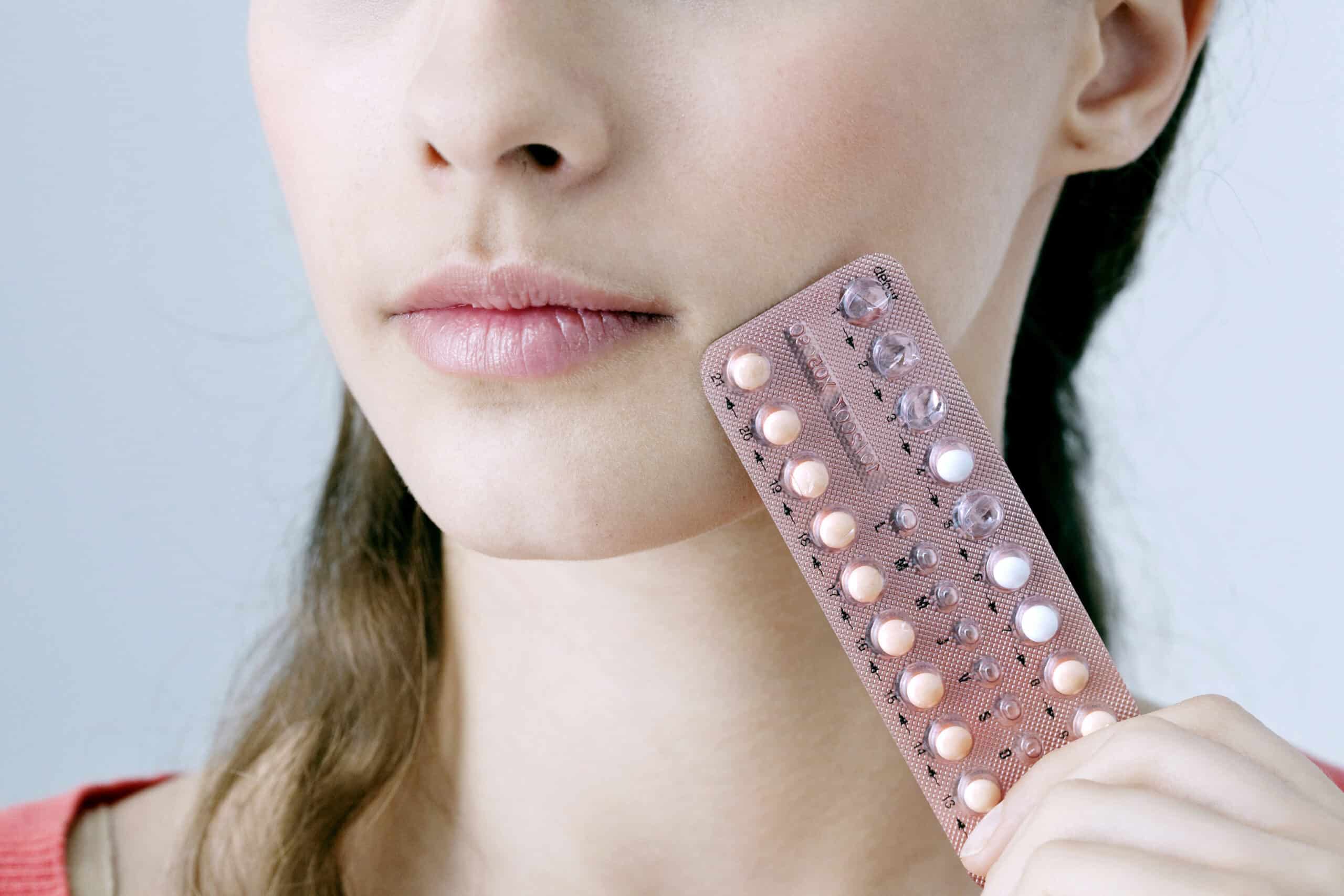
Image Point Fr/Shutterstock.com
Hsyn20/Shutterstock.com

Kakaldey6996/Shutterstock.com
New Africa/Shutterstock.com
luchschenF/Shutterstock.com
cozyta/Shutterstock.com
Sexmidnight/Shutterstock.com
Africa Studio/Shutterstock.com
Arjuna Kodisinghe/Shutterstock.com
Stocksnapper/Shutterstock.com
AYO Production/Shutterstock.com
HordynskiPhotography/Shutterstock.com
Zaruna/Shutterstock.com
Gajus/Shutterstock.com
Yavdat/Shutterstock.com




20 Inventions Baby Boomers Grew Up With That Changed Everyday Life
Baby boomers are generally defined as Americans born from 1946 through 1964, and they grew up while everyday life was changing at a pretty remarkable pace. The postwar years brought expanding suburbs, new consumer products, major medical breakthroughs, and electronics that gradually shrank from room-sized equipment into things ordinary people could actually use.
Not everything on this list was invented while the Baby Boom itself was still underway. A few arrived later in the 1960s, when the oldest boomers were already entering adulthood. But all of them emerged during the postwar world this generation grew up in, and many went on to change how Americans paid for things, cooked dinner, traveled, communicated, listened to music, raised children, and stayed alive. Some were instant hits. Others took years before everyone realized just how useful they were.
The General-Purpose Charge Card (1950)
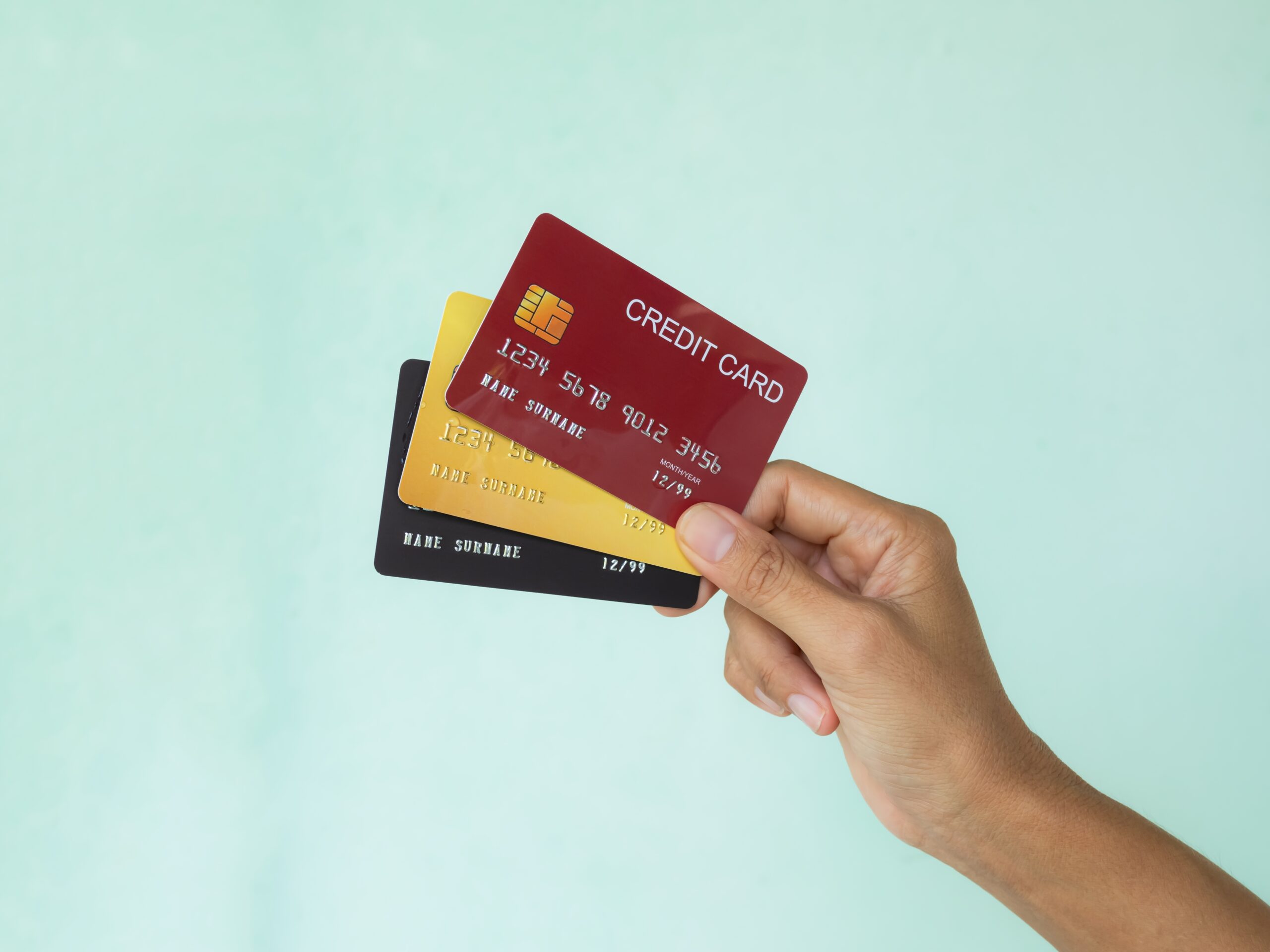
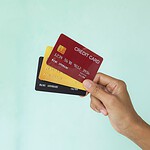
Diners Club launched in 1950 as the first multipurpose charge card, giving customers a way to pay at participating businesses without carrying cash. There had been store cards and other forms of consumer credit long before that, so the idea of buying now and paying later was nothing new. What changed was the ability to carry one card that worked at multiple unrelated businesses.
The idea caught on quickly. American Express introduced its first charge card in 1958, and Bank of America launched BankAmericard that same year. BankAmericard added revolving credit, allowing customers to carry a balance rather than paying the entire bill each month, and eventually became Visa. The modern credit-card industry grew from there, and wallets have been considerably more dangerous ever since.
The Home Microwave Oven (1955)
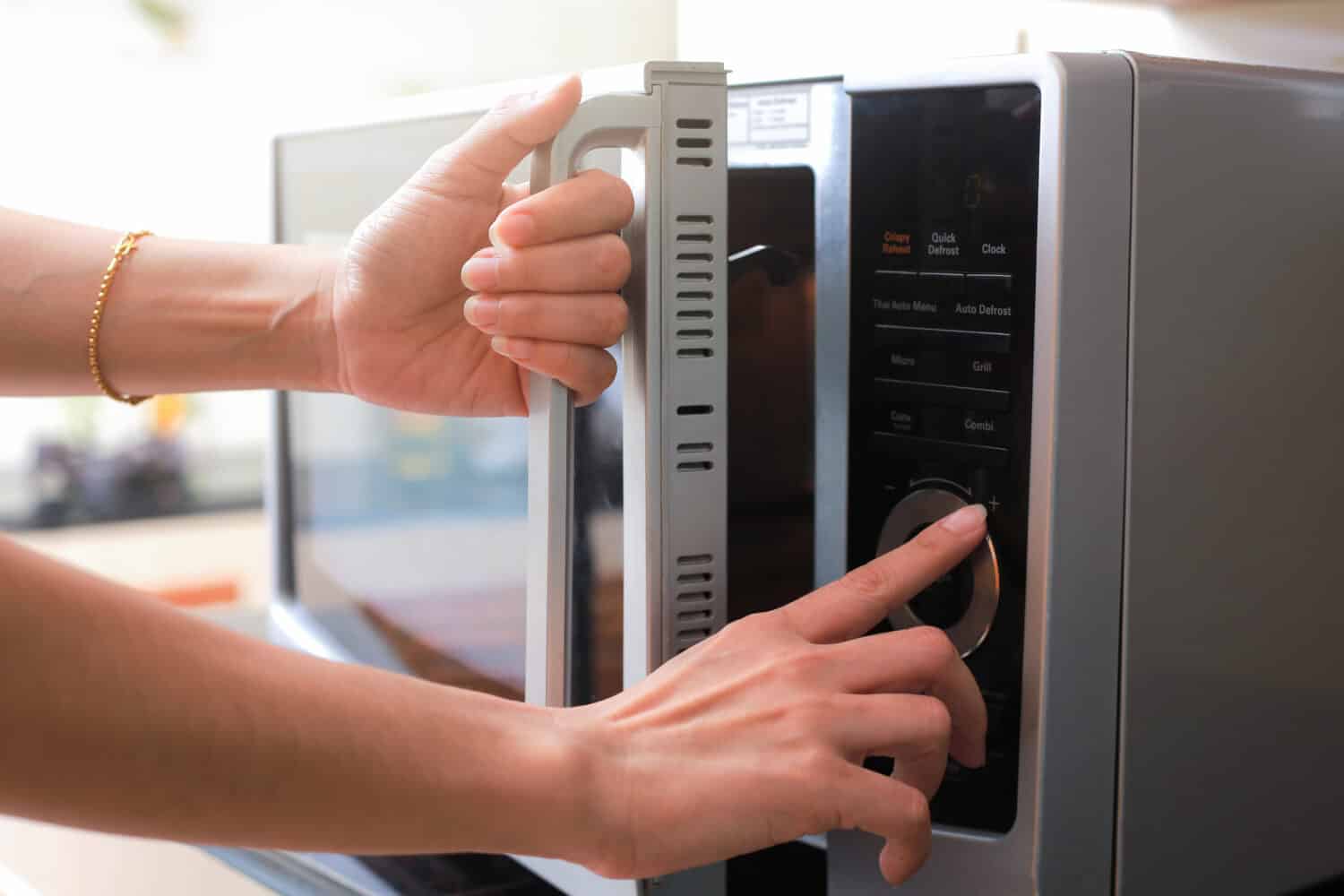
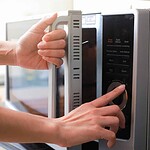
Microwave cooking grew out of radar technology developed during World War II. Raytheon engineer Percy Spencer recognized that microwave energy could heat food, and the company sold its first commercial Radarange in 1947. It was almost six feet tall, weighed close to 750 pounds, and cost about $3,000. Putting one on the kitchen counter was not exactly an option.
Tappan and Raytheon introduced the first microwave designed for home use in 1955, but it still cost $1,295 and only 34 were made that first year. The appliance most people would recognize as a practical home microwave arrived in 1967, when Amana introduced a smaller Radarange for $495. Prices continued falling, and by 2000 microwaves were in about 90% of U.S. homes. Leftovers would never be the same.
The Salk Polio Vaccine (1955)
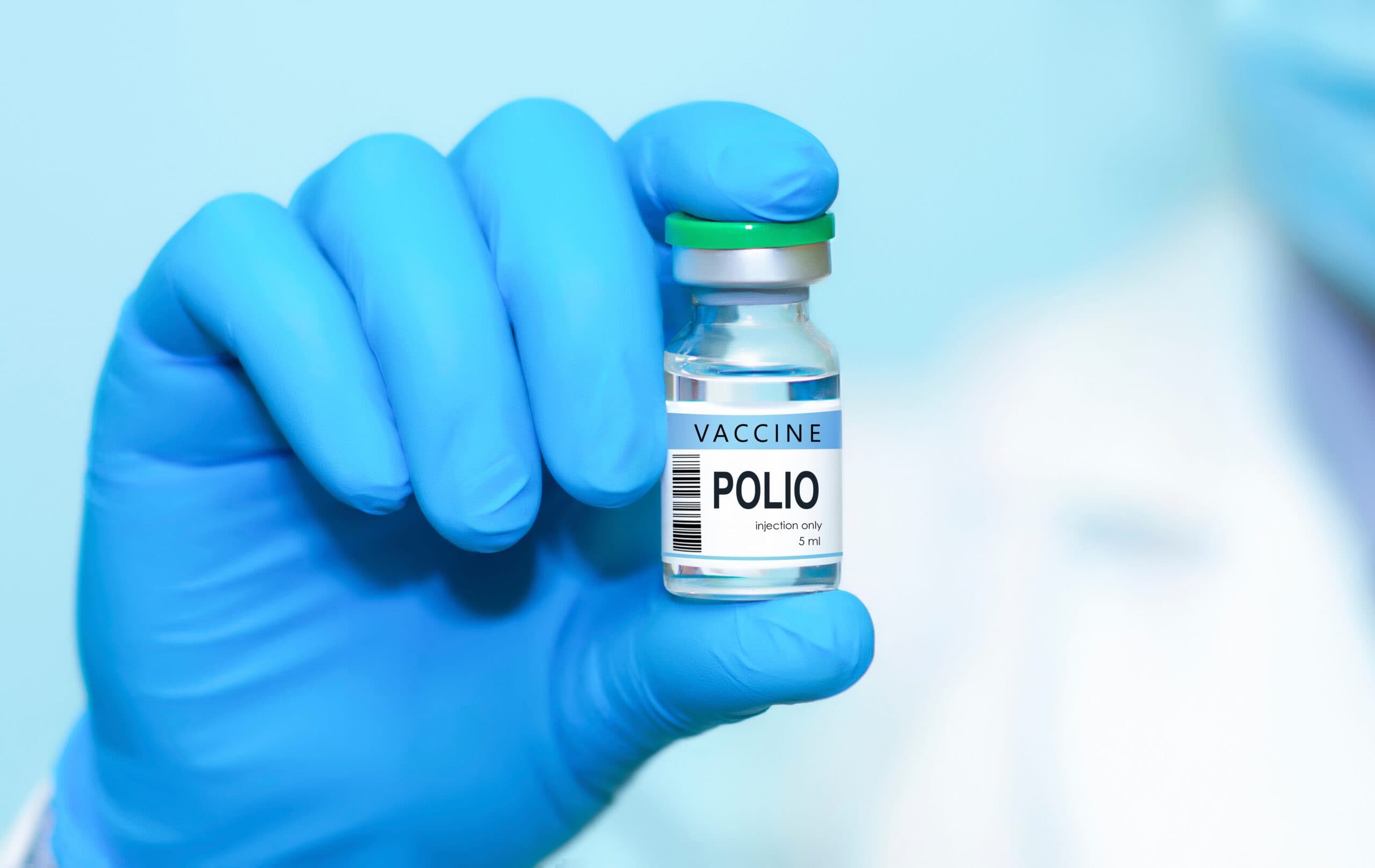
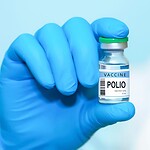
Jonas Salk and his team at the University of Pittsburgh developed an inactivated polio vaccine during the early 1950s. A massive 1954 field trial involved roughly 1.8 million children in the United States, Canada, and Finland. On April 12, 1955, researchers announced that the vaccine was safe, effective, and potent, and it was licensed for use in the United States shortly afterward.
The stakes were enormous. Before widespread vaccination, paralytic polio affected roughly 13,000 to 20,000 people a year in the United States. Vaccination drove those numbers down dramatically, and the country's last indigenously acquired case of wild poliovirus occurred in 1979. Plenty of inventions made life more convenient during this period. This one saved people from a disease that had terrified American families for generations.
The TV Dinner (1954)
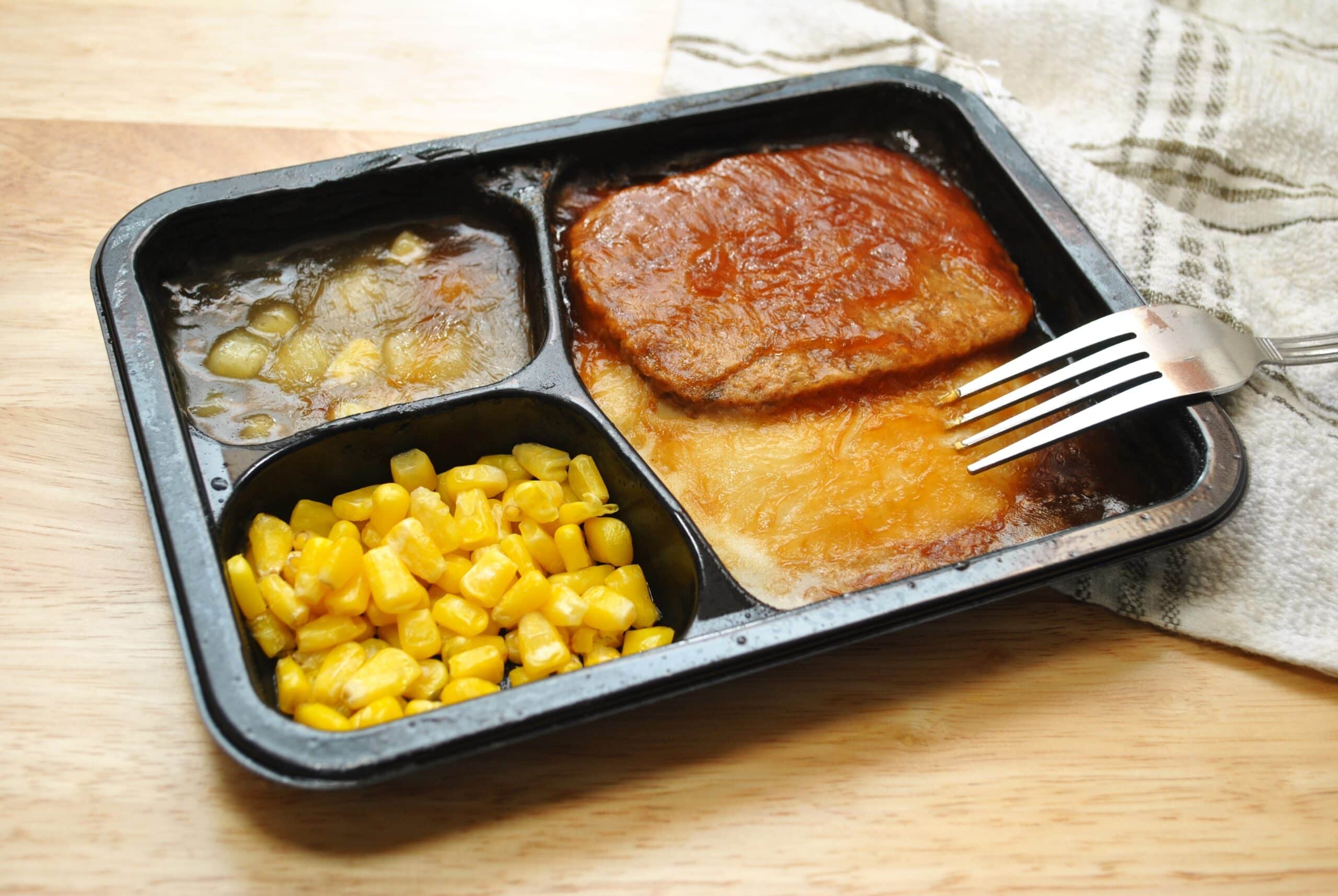
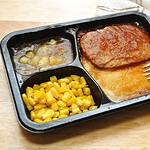
Swanson did not invent frozen food or even the first frozen prepared meal. What it did in 1954 was package the idea brilliantly. The company's TV Dinner put a complete frozen meal into a divided aluminum tray and tied the product directly to America's rapidly growing television culture.
The appeal was obvious. Instead of preparing an entire dinner, families could heat one up with very little work and eat it in front of the newest attraction in the living room. The TV Dinner did not single-handedly create the convenience-food industry, but it helped make the frozen prepared meal a normal part of American life. Today's freezer aisle owes it a pretty substantial debt.
The Transistor Radio (1954)
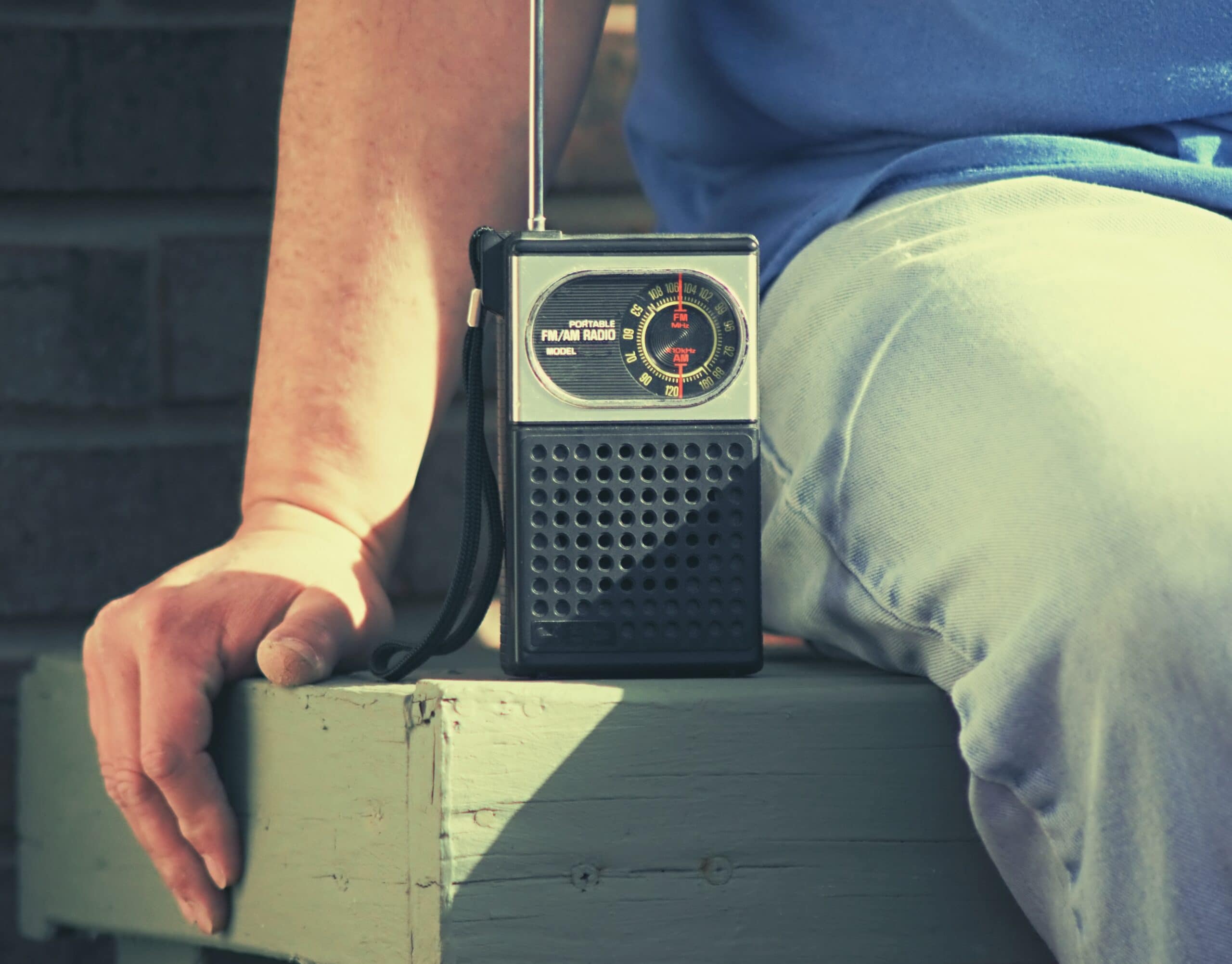
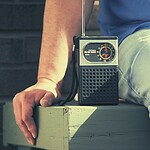
The transistor itself was developed at Bell Labs in 1947, but it took a few more years before the technology escaped the laboratory and landed in people's pockets. The Regency TR-1, introduced in the United States in late 1954, became the world's first commercially sold transistor radio.
Sony pushed the idea much further. Its TR-63 arrived in 1957 as the world's smallest transistor radio at the time and became a major U.S. success. Suddenly music and news did not have to come from the big family radio sitting in the living room. Teenagers could carry their own entertainment with them, a basic idea that would later run through portable cassette players, MP3 players, and eventually smartphones.
The Birth Control Pill (1960)
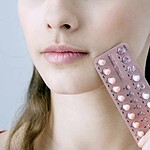
The FDA approved Enovid as the first oral contraceptive in 1960. Its development was not the work of one or two people. Biologist Gregory Pincus and gynecologist John Rock played central roles in the decade-long effort, with major support from birth-control advocate Margaret Sanger and philanthropist Katherine McCormick.
The pill was prescription medication, so it did not make contraception completely independent of doctors or the legal restrictions women still faced in parts of the country. It did, however, provide a reliable new way for women to control the timing of pregnancy. Its arrival became part of much broader changes in family planning, marriage, education, careers, and women's lives during the 1960s and beyond.
The Integrated Circuit (1958-1959)
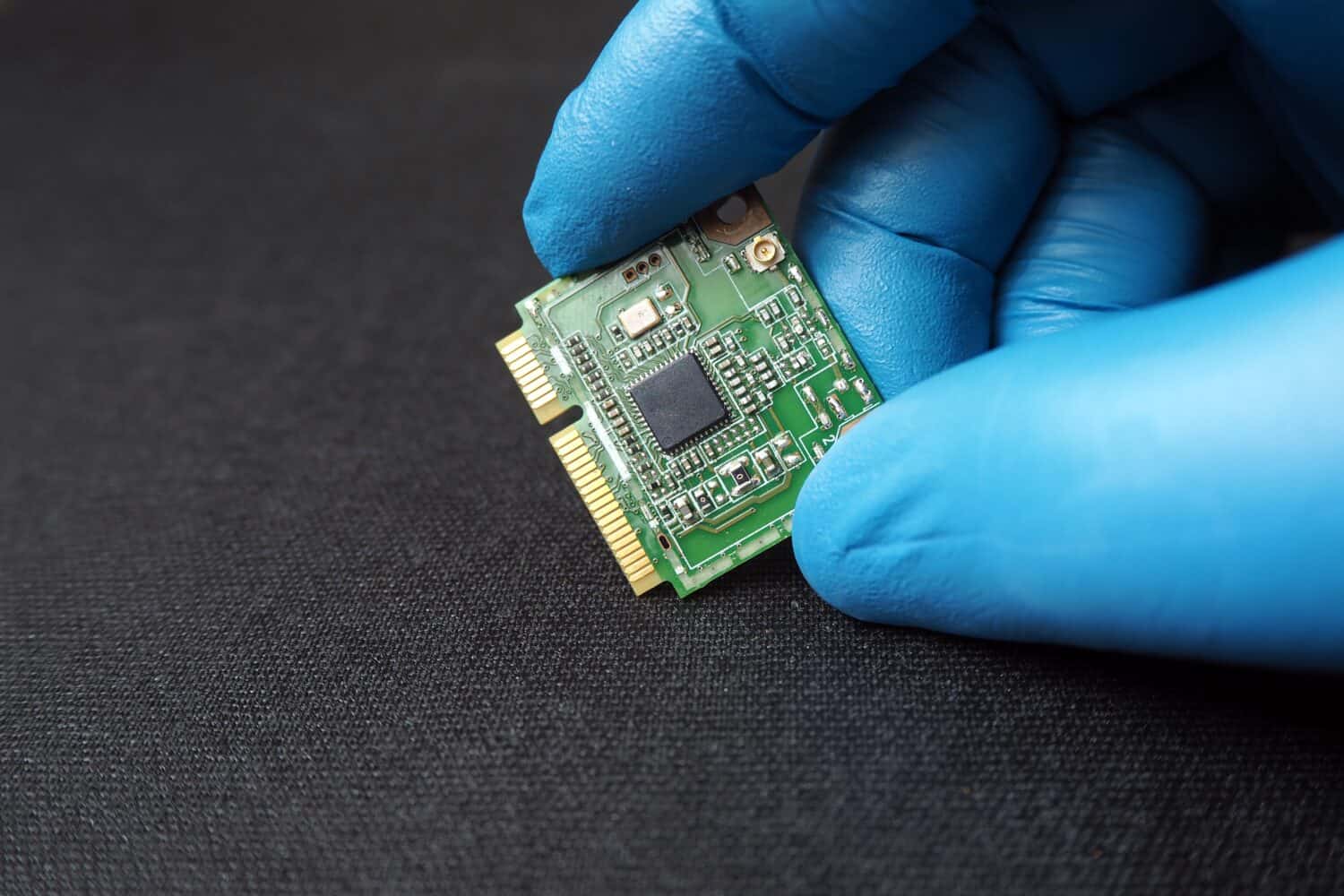
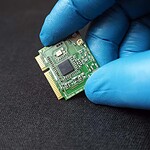
Jack Kilby of Texas Instruments successfully demonstrated a working integrated circuit in September 1958. Robert Noyce at Fairchild Semiconductor independently developed a different approach in 1959, using the planar manufacturing process to create a design that was better suited to mass production. Today, both men are credited as co-inventors of the integrated circuit.
The breakthrough allowed multiple electronic components to be built together on a tiny piece of semiconductor material instead of being wired together individually. That made electronics smaller, faster, cheaper, and vastly more complicated. Computers, smartphones, digital cameras, medical devices, automobiles, and countless other technologies eventually grew out of that basic idea. Kilby received half of the 2000 Nobel Prize in Physics for his role in the invention.
The Barcode Patent (1952)
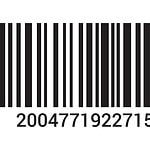
Norman Joseph Woodland and Bernard Silver filed their patent application for an automatic product-identification system in 1949, not 1952. The patent was granted on October 7, 1952. Woodland said the idea grew partly from Morse code, and one early version used a circular bull's-eye pattern rather than the familiar vertical bars seen in stores today.
The technology took another two decades to become part of everyday shopping. On June 26, 1974, a pack of Wrigley's Juicy Fruit gum became the first retail product scanned with a Universal Product Code at a Marsh supermarket in Troy, Ohio. Barcodes eventually transformed checkout lines, inventory management, shipping, manufacturing, and logistics. It is a tiny pattern that quietly keeps an enormous part of modern commerce organized.
The Three-Point Seat Belt (1959)
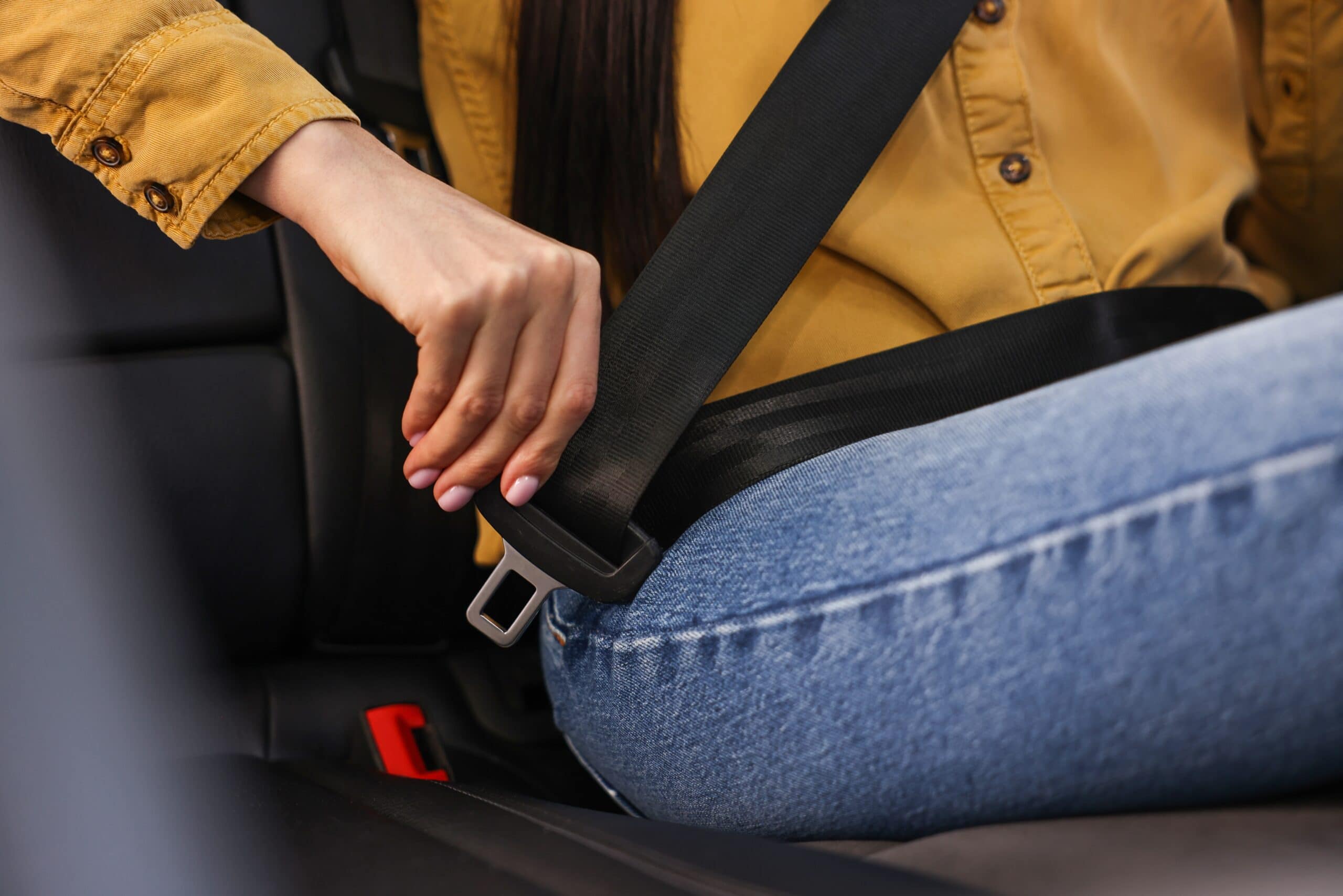
Volvo engineer Nils Bohlin developed the modern three-point seat belt and introduced it in Volvo cars in 1959. The design combined a lap belt and shoulder restraint into one easy-to-use system that spread crash forces across stronger parts of the body. Volvo patented the design but made the technology available to other automakers rather than trying to keep a potentially lifesaving advantage to itself.
Seat belts were not immediately mandatory in every American car. Federal rules required passenger cars manufactured on or after January 1, 1968, to have lap-and-shoulder belts at the front outboard positions and belts at the other seating positions. What now feels like one of the most basic things you do after getting into a car took years of engineering, regulation, and persuasion to become normal.
The Laser (1960)
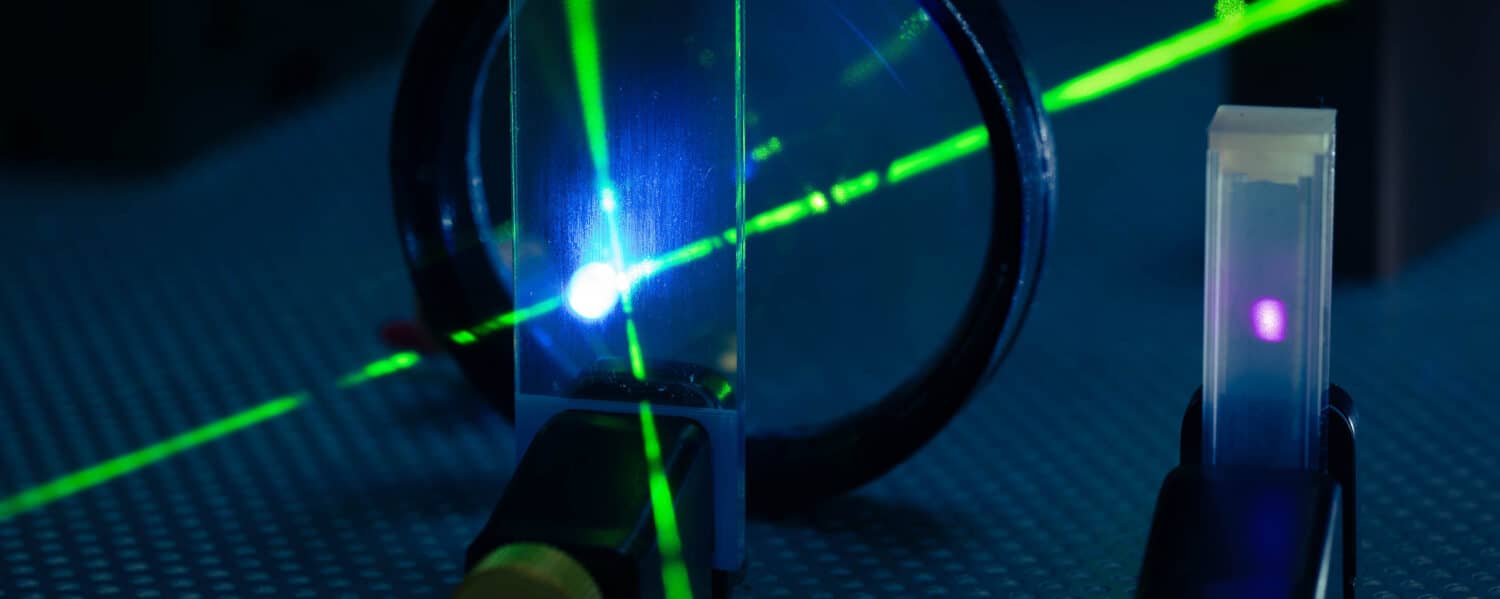
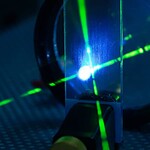
On May 16, 1960, physicist Theodore Maiman and his team at Hughes Research Laboratories in Malibu successfully operated the first working laser. The device used a synthetic ruby crystal surrounded by a powerful flash lamp to produce a short pulse of coherent red light.
At the time, nobody had a grocery-store scanner or LASIK surgery in mind. Lasers eventually found their way into telecommunications, manufacturing, medicine, checkout scanners, optical discs, printers, surveying, and countless scientific instruments. It is one of those inventions most people rarely think about even though modern life would look very different without it.
The ATM (1967)
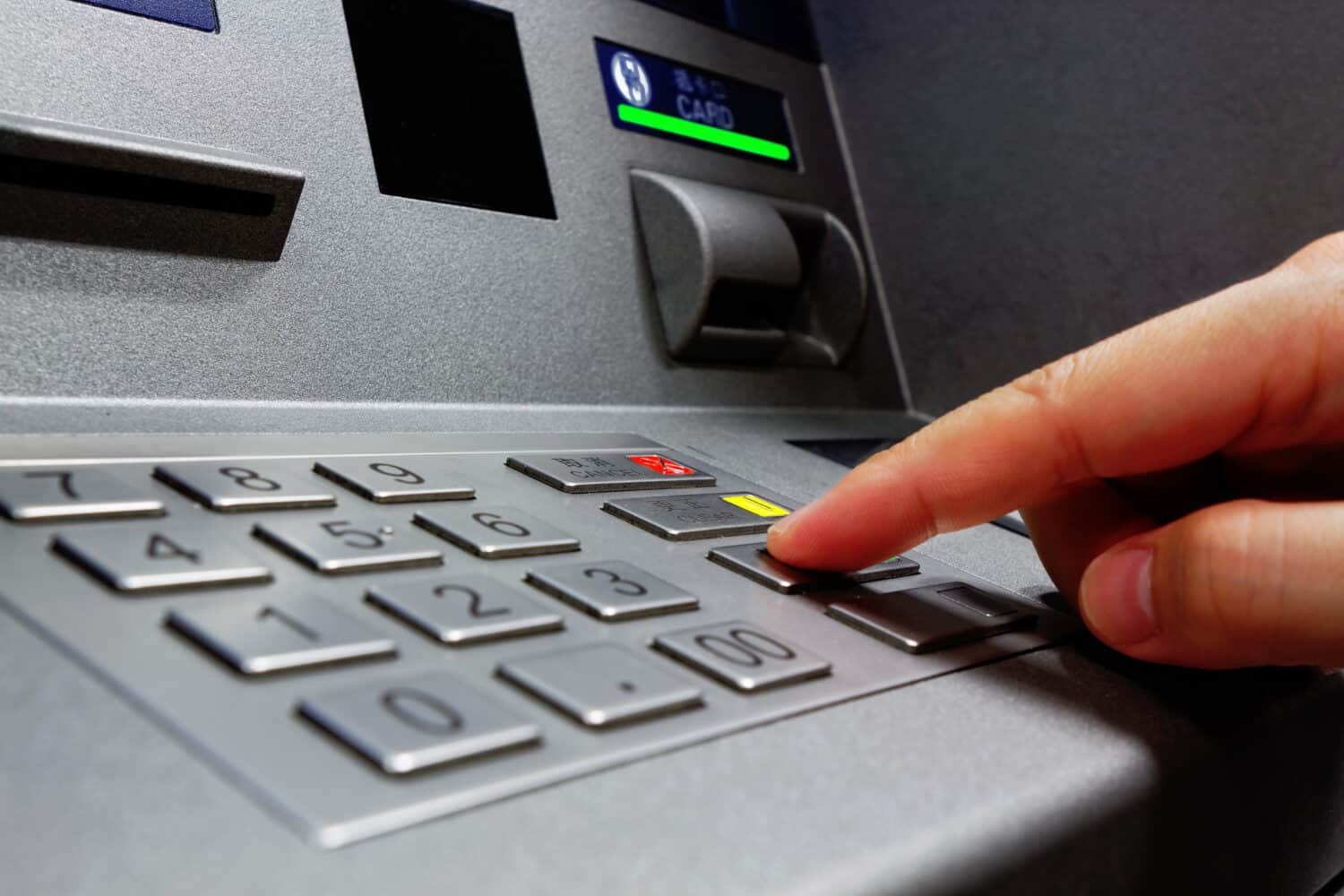
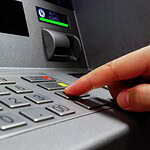
One of the first modern automated cash machines began operating at a Barclays branch in Enfield, England, in 1967. The machine was developed through work involving inventor John Shepherd-Barron and the printing and security company De La Rue. Early versions were much more limited than today's ATMs, but the basic appeal was obvious: cash did not have to be locked behind a bank's business hours.
The United States followed soon afterward. A Docutel machine developed under Don Wetzel's leadership was installed at a Chemical Bank branch on Long Island in September 1969. Later ATMs added deposits, balance inquiries, transfers, and other services. Before online banking and smartphone apps, getting cash at midnight without begging a cashier for change felt pretty revolutionary.
The Computer Mouse (1964)
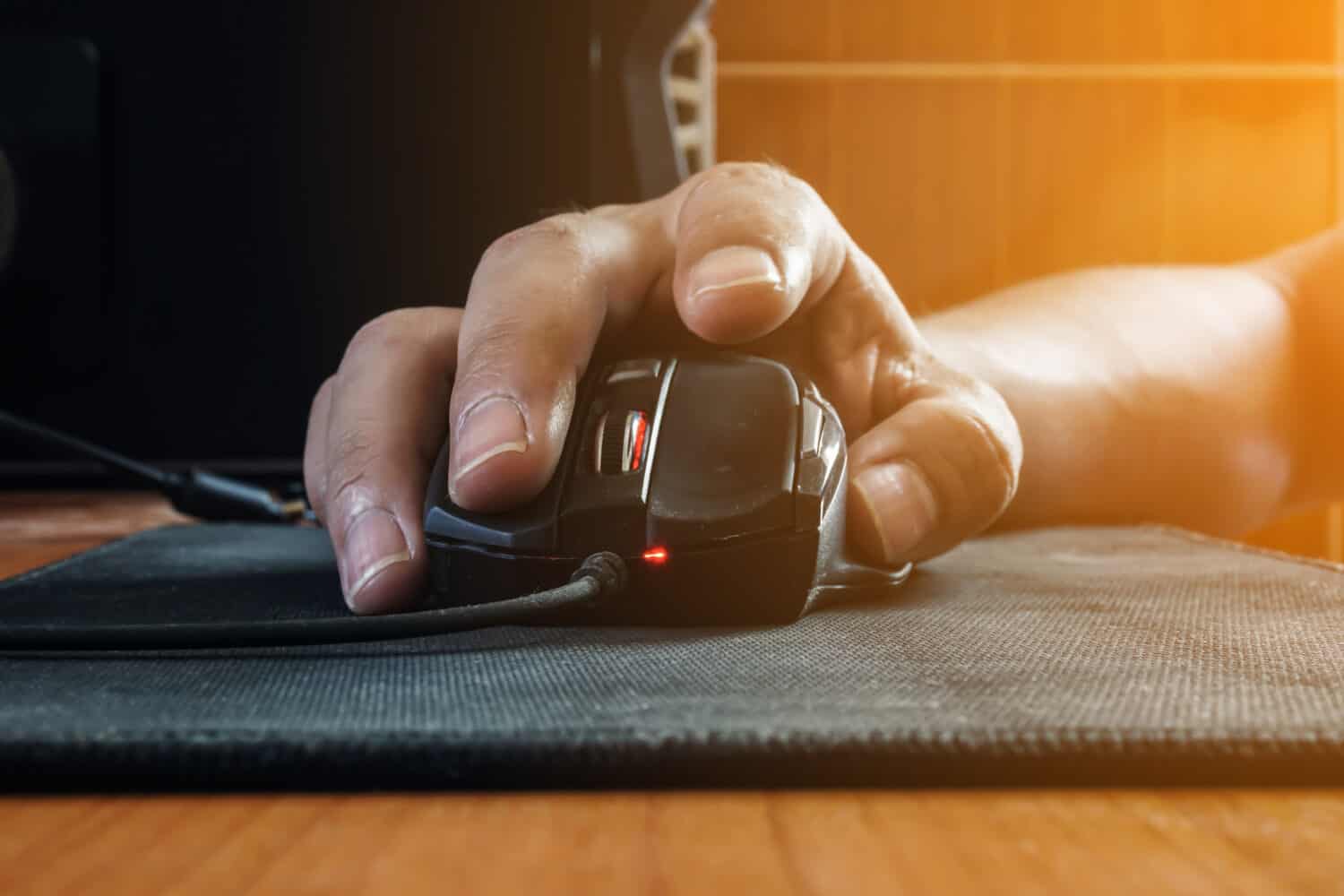
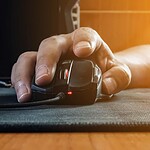
Douglas Engelbart led the development of the computer mouse at the Stanford Research Institute, now SRI International, and engineer Bill English built the first prototype in 1964. The early device was a small wooden box with wheels underneath, a long way from the wireless mouse sitting next to a modern laptop.
Engelbart publicly demonstrated the mouse in December 1968 during the presentation later nicknamed the "Mother of All Demos." The same presentation showed ideas including hypertext, real-time text editing, multiple windows, and collaborative computing. Xerox used a mouse with its experimental Alto computer in the 1970s, and Apple helped bring graphical, mouse-driven computing into the mainstream during the 1980s. Engelbart was not just ahead of his time. He was basically waiting for everyone else to catch up.
The Compact Cassette (1963)
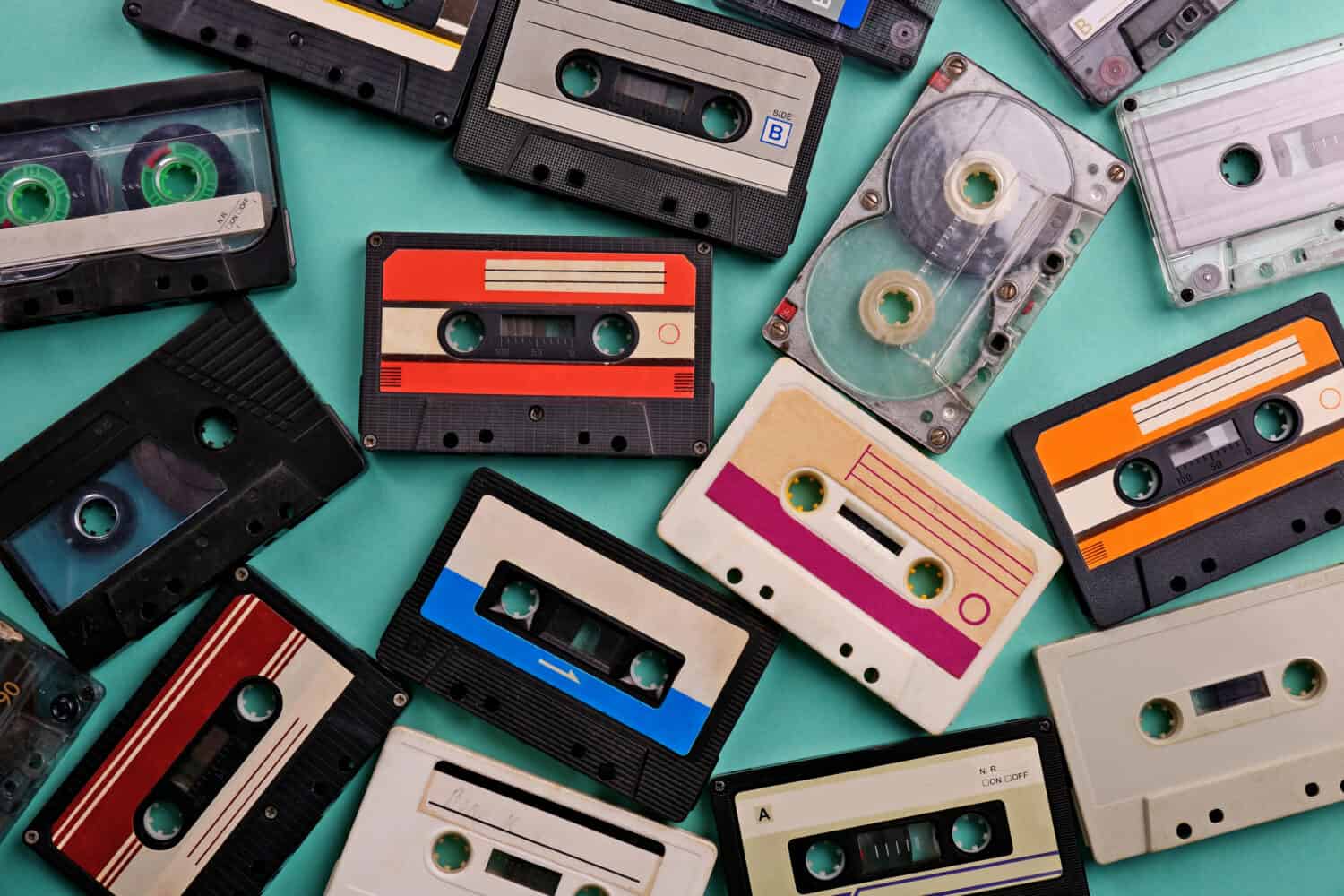
Philips introduced its first Compact Cassette recorder at the Funkausstellung radio exhibition in Berlin in August 1963. Compared with reel-to-reel tape, the cassette was tiny, enclosed, and much easier for ordinary people to handle. Recorded sound was becoming something you could carry around instead of equipment you practically needed furniture for.
The cassette really took off as machines became cheaper and prerecorded music became widely available. Car stereos, portable recorders, boom boxes, and eventually the Sony Walkman turned the format into a fixture of everyday life. Cassettes also made it wonderfully easy to record your own music collections. Entire teenage relationships would eventually rise and fall on the quality of a mixtape.
ARPANET (1969)
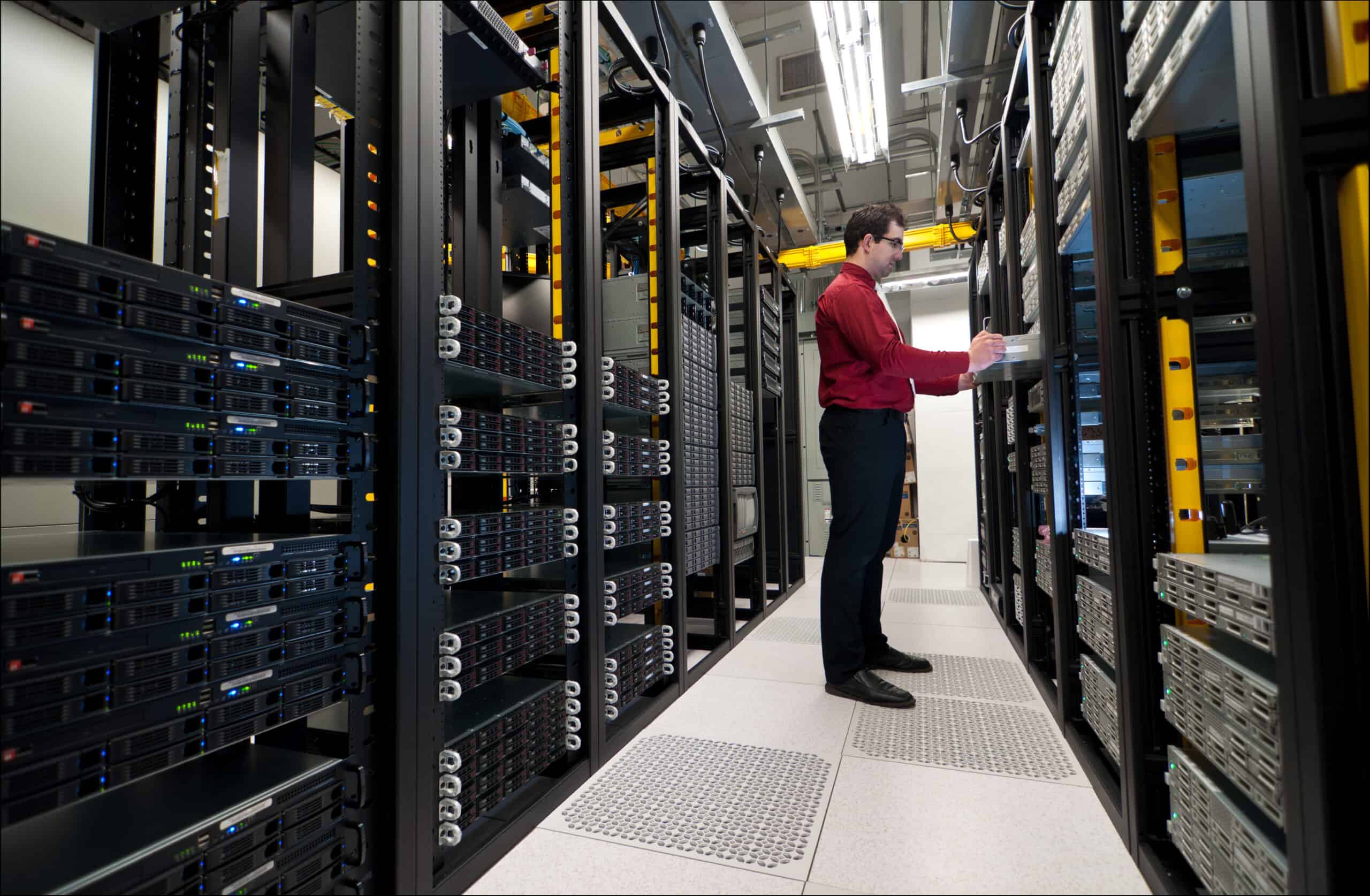
Calling ARPANET "the Internet" in 1969 skips a few important chapters, but it was one of the modern Internet's most important ancestors. On October 29, 1969, programmer Charley Kline at UCLA tried to log in remotely to a computer at the Stanford Research Institute. The system crashed after transmitting the first two letters, making "LO" the network's accidental first message. The complete login worked less than an hour later.
ARPANET is sometimes described as a network built specifically to survive a nuclear war, but that oversimplifies its origins. ARPA researchers were interested in connecting geographically separated computers and sharing computing resources more effectively. The work helped advance packet-switched networking and other ideas that later fed into the Internet. Nobody in 1969 was checking email from the couch, but an important piece of the machinery was finally running.
The Hook-and-Loop Fastener (1955 U.S. Patent)
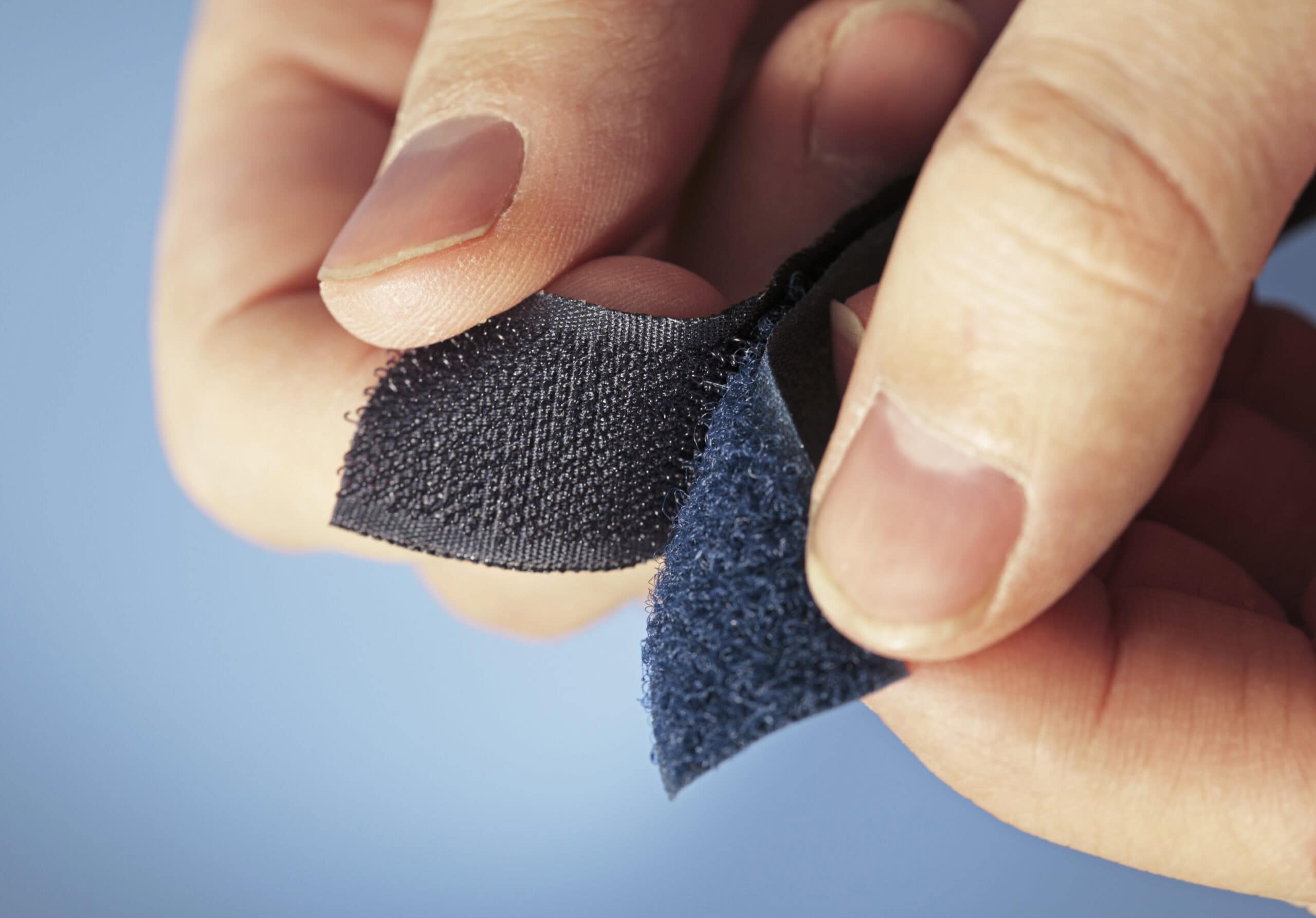
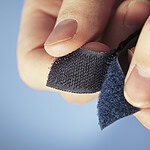
Swiss engineer George de Mestral got the idea for the hook-and-loop fastener in 1941 after noticing burrs clinging stubbornly to his clothing and his dog's fur. He examined them under a microscope and saw tiny hooks grabbing onto fibers. Turning that simple observation into something that could be manufactured reliably took about a decade of work.
De Mestral received a Swiss patent in 1954 and a U.S. patent in 1955. He named his brand VELCRO, combining the French words for velvet and hook. The generic invention is properly called a hook-and-loop fastener. NASA did not invent it, despite a stubborn myth, but its use during the space program helped make the technology famous. It later ended up everywhere from shoes and jackets to medical equipment and cable organizers.
The Implantable Pacemaker (1958)
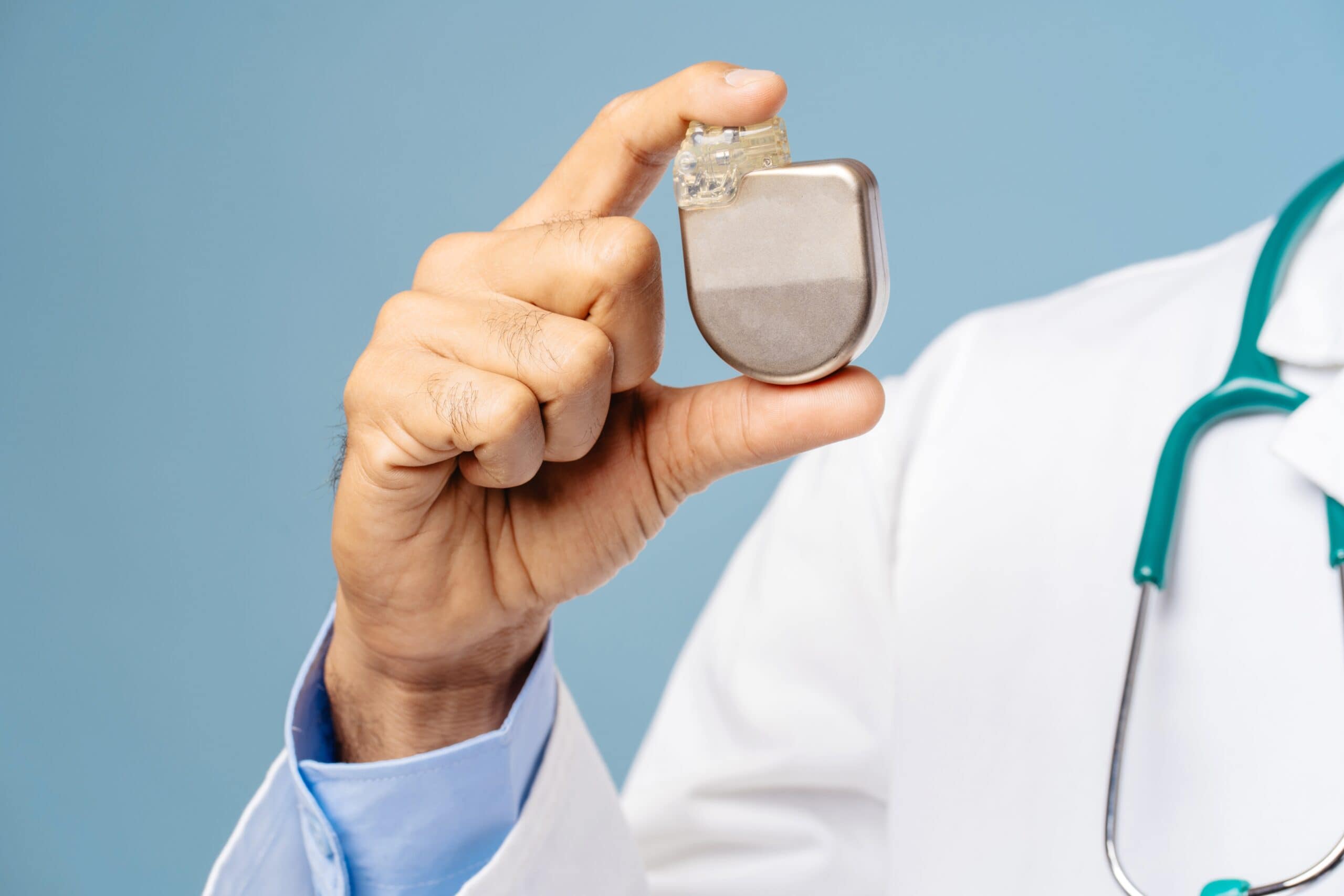
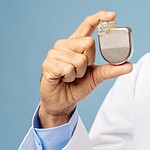
The history of the implantable pacemaker is more complicated than the familiar story about American inventor Wilson Greatbatch grabbing the wrong resistor. On October 8, 1958, Swedish engineer Rune Elmqvist and surgeon Åke Senning implanted the first fully internal pacemaker in patient Arne Larsson. The first unit failed within hours and its replacement lasted only days, but the idea worked.
Meanwhile, Greatbatch was developing a self-powered implantable pacemaker in the United States with physicians William Chardack and Andrew Gage. Their device was successfully implanted in a human patient in 1960 and helped move pacemakers toward practical long-term use. Greatbatch later played an important role in developing lithium battery technology for the devices. Modern pacemakers are vastly smaller and more sophisticated, but those early machines proved a failing heartbeat could be assisted from inside the body.
The Non-Stick Pan (1956)
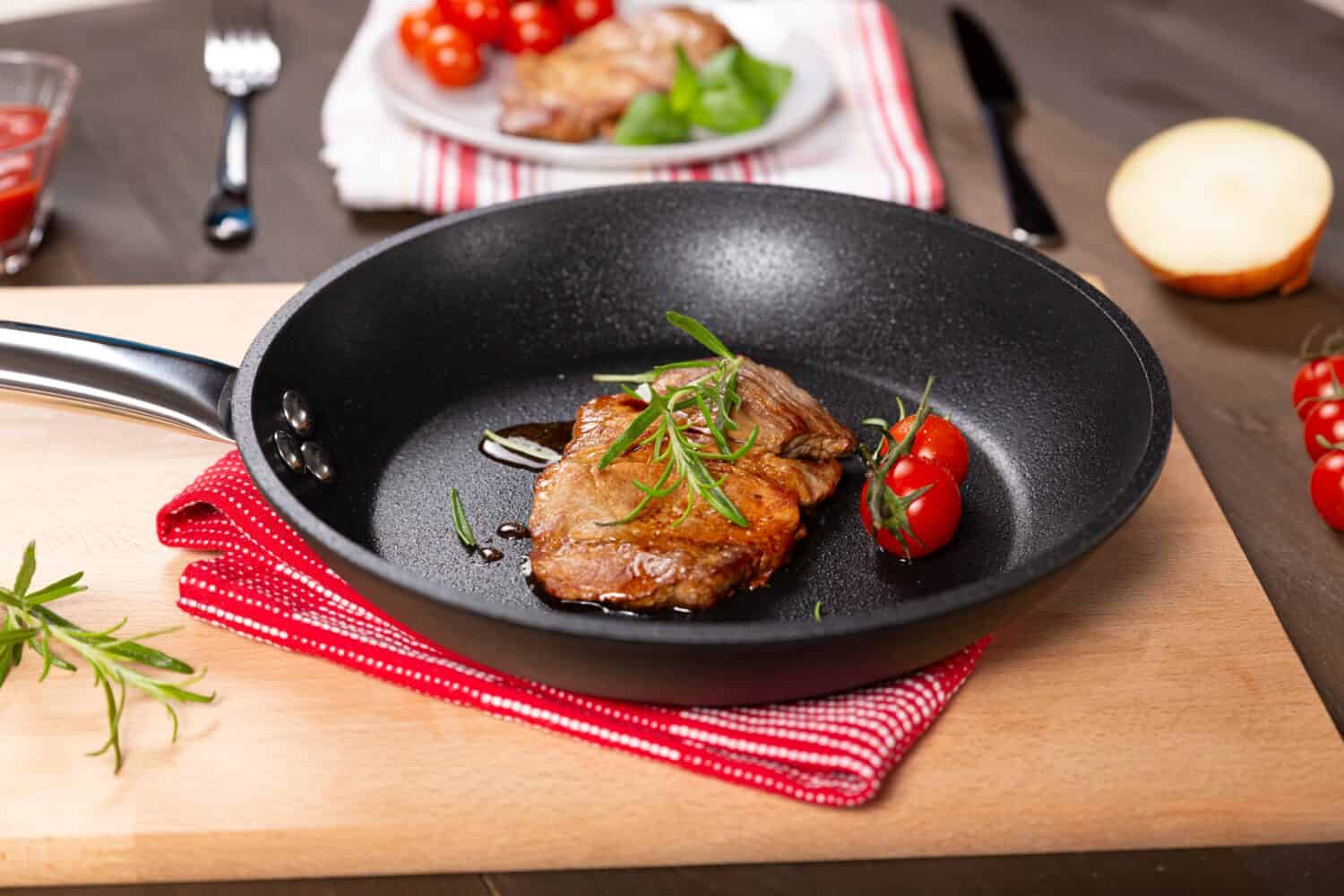
French engineer Marc Grégoire developed a way to bond PTFE, a slippery fluoropolymer, to aluminum cookware. He patented the non-stick frying pan in 1954, and Tefal launched its first non-stick pan in 1956. The appeal was immediate: food stuck less, cleanup became easier, and cooking generally required less added fat to keep things from welding themselves to the pan.
The health story needs a little more care than simply saying "non-stick chemicals cause cancer." PFOA, a PFAS chemical historically used as a processing aid in the manufacture of some fluoropolymers, became the focus of major health and environmental concerns. Under an EPA stewardship program, eight major companies worked toward eliminating PFOA and related chemicals from emissions and product content by 2015 and reported meeting those goals. PFOA and the PTFE coating on a modern non-stick pan are not the same chemical, even though the terms are sometimes casually lumped together.
Oral Rehydration Therapy (1968)
In 1968, David Nalin, Richard Cash, Rafiqul Islam, Majid Molla, and Robert Phillips published clinical research showing that a glucose-and-electrolyte solution taken by mouth could help maintain hydration in people with cholera. The basic concept is remarkably simple: water, glucose, and carefully balanced salts can be absorbed through the intestine even during severe diarrheal illness.
Simple does not mean insignificant. Oral rehydration therapy can reduce the need for intravenous fluids, and people who are not in shock may sometimes be treated with oral solution alone. The World Health Organization says that by 2007, oral rehydration therapy alone was estimated to have prevented 54 million deaths from diarrheal disease. It may not have transformed the average American kitchen, but globally it belongs on any serious list of breakthroughs from the era.
The Touch-Tone Phone (1963)
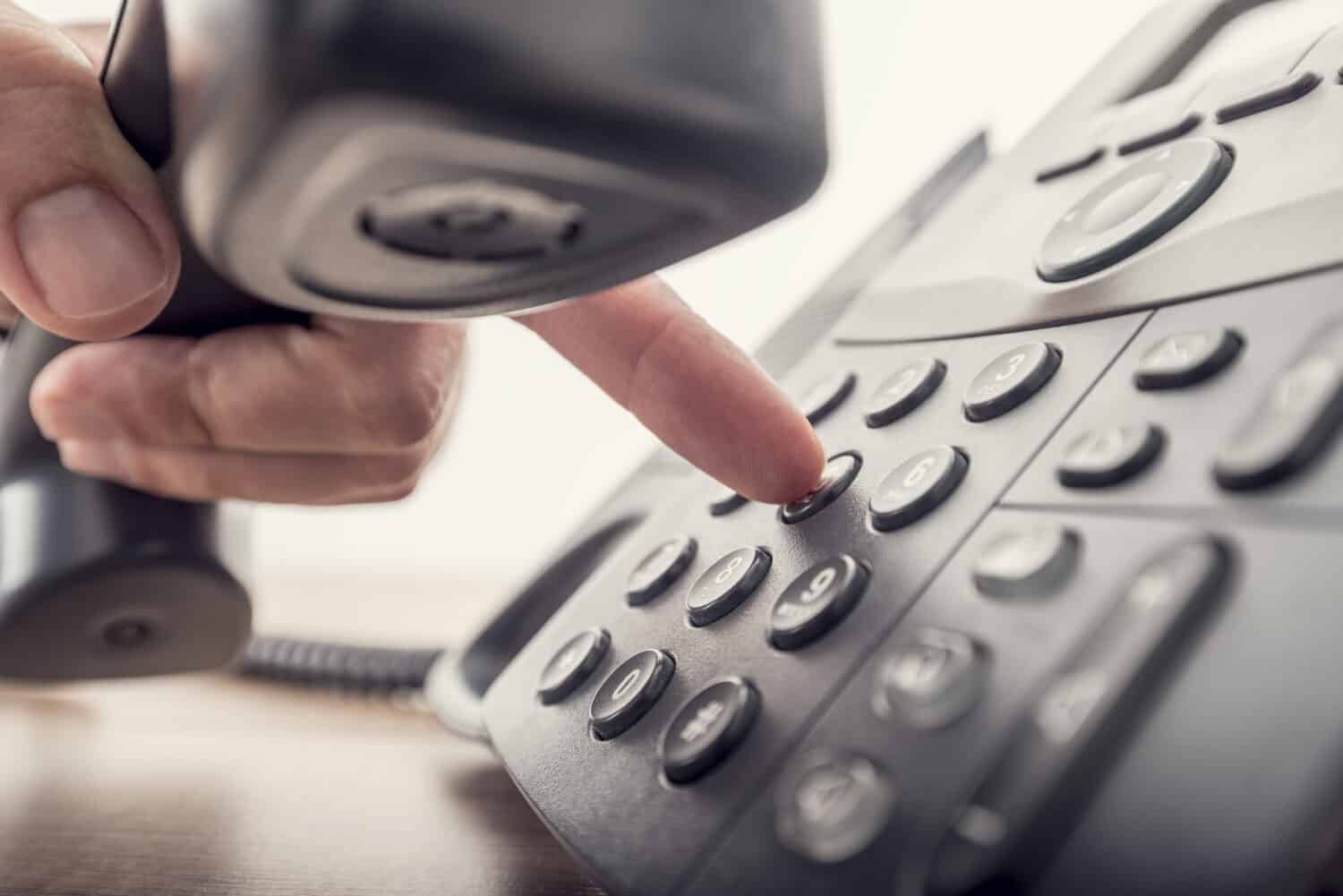
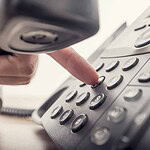
Bell Telephone introduced the world's first commercial Touch-Tone telephone service on November 18, 1963. It did not debut at the Seattle World's Fair, which had actually ended the year before. The first customers were in Carnegie and Greensburg, Pennsylvania, and their new phones had 10 push buttons instead of a rotary dial.
Each button generated a pair of electronic tones that telephone equipment could recognize, making dialing faster and opening the door to automated telephone services. The familiar * and # buttons were added later. Rotary phones hung around for years, but once people got used to pressing a number instead of waiting for a dial to slowly crawl back into place, there was not much reason to miss them.
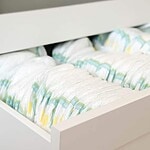
Pampers and the Modern Disposable Diaper (1961)
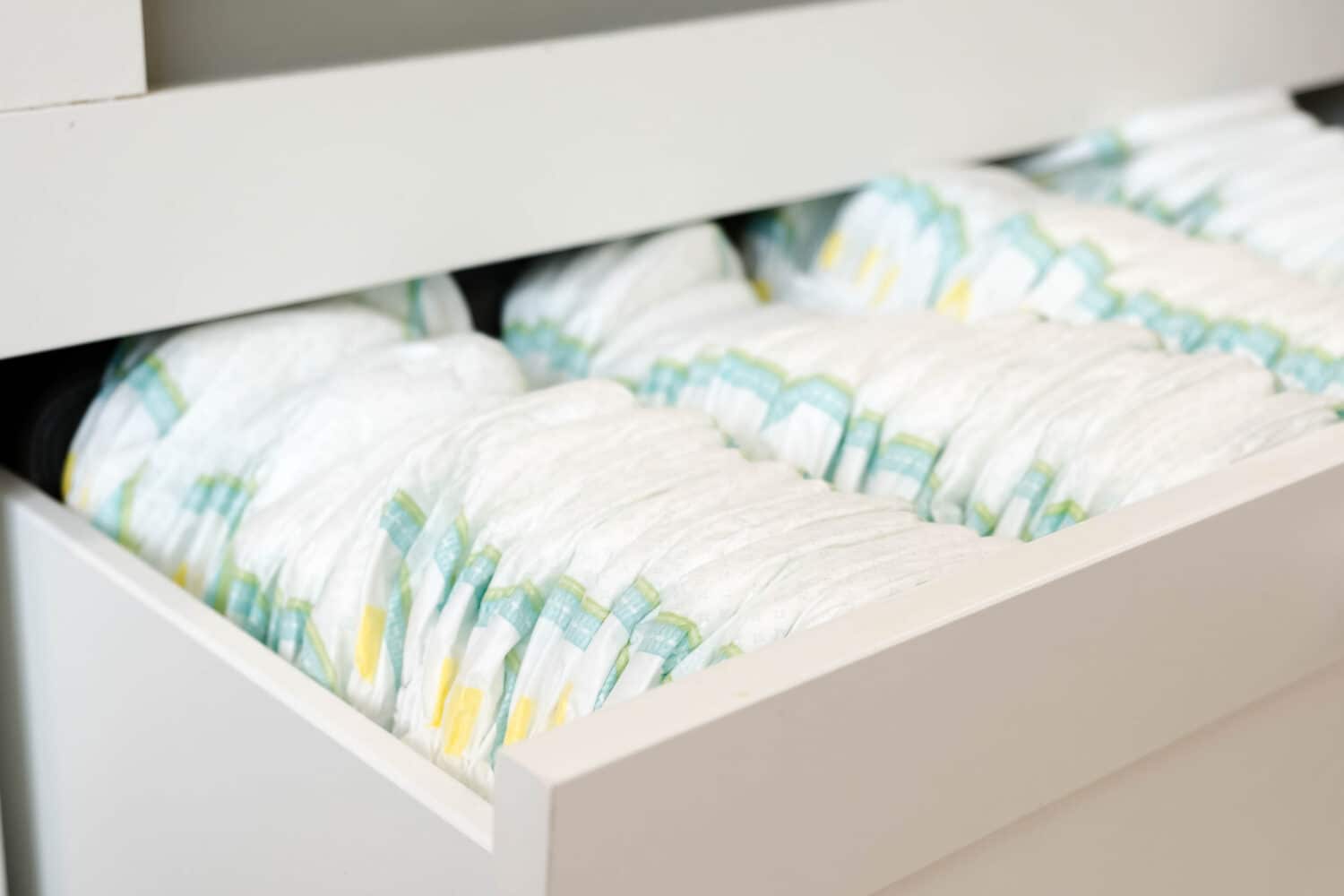
Disposable diapers existed before Pampers, so Procter & Gamble researcher Victor Mills did not invent the entire concept from scratch. What Mills and his P&G colleagues did was develop a disposable diaper that could become an affordable mass-market consumer product. Pampers reached stores in 1961 after Mills was inspired in part by the hassle of dealing with cloth diapers while caring for his grandchild.
The convenience changed parenting in a hurry. Disposable diapers became dramatically thinner, more absorbent, and easier to use over the decades that followed. They also created a very large waste stream. The EPA estimated that disposable diapers, including adult incontinence products and their contents, accounted for about 4.1 million tons of U.S. municipal solid waste in 2018. So this particular convenience came with a tradeoff that did not disappear once diaper pins did.