Fast food joints may look clean from the customer’s point of view, but the reality behind the clean counters and cheerful uniforms is totally different. Some of it involves taking on jobs that are truly unpleasant by any standard. These jobs aren’t pretty, but someone has to do them.
Here’s a list of some of the dirtiest jobs in the fast food industry, ranked from bad to absolutely grim.
10. Walk-In Cooler Deep Clean
The walk-in cooler may feel like the cleanest area in a fast-food kitchen, and that’s why spills and residue are often ignored there longer than anywhere else in the building.
Mold can accumulate in refrigeration units, and once it takes hold inside the cooler, it can spread to the evaporator coils and fans. Clearing it takes some serious effort. A proper deep clean of the area means pulling every shelf and scrubbing the walls along with the ceiling panels. Employees will also need to clear the floor drain.
Health inspectors pay close attention to any mold accumulation and its presence during a walk-in inspection can trigger fines or temporary closure.
9. Cleaning the Shake Machine and Soft-Serve Dispenser
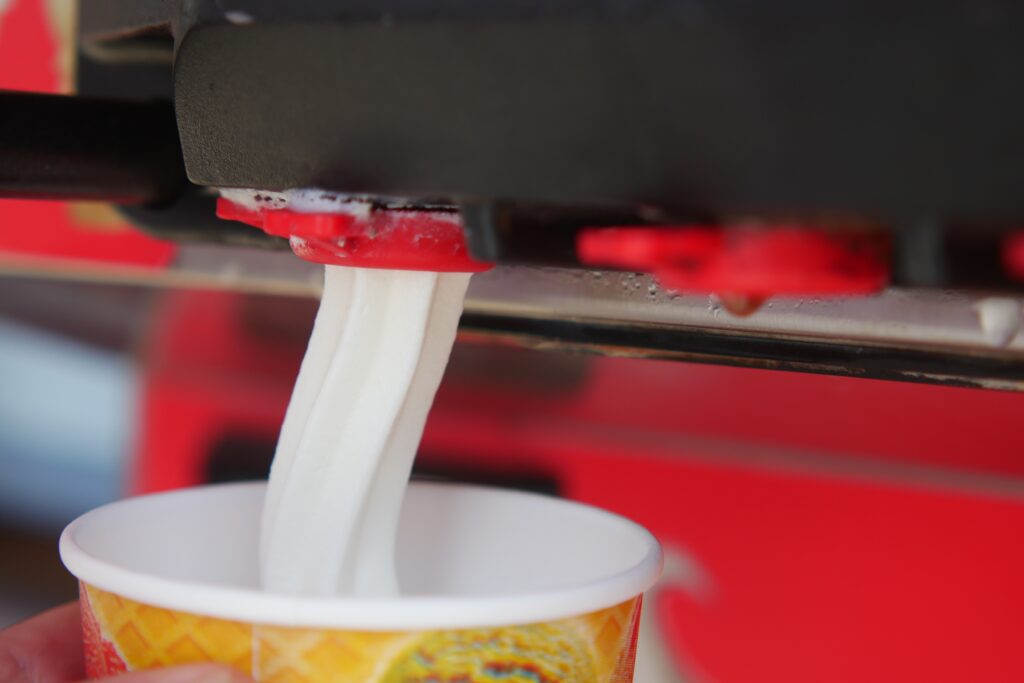
The equipment seems sealed and sterile at first. Its inside tells another story. For shake machines and soft serve dispensers, internal reservoirs and tubing have to be fully dismantled and cleaned on schedule. When that doesn’t happen, the results can be very serious.
In 2023, a Listeria outbreak in Tacoma, Washington was found to be caused by inadequately cleaned milkshake machines used in a local burger restaurant. The outbreak caused six hospitalizations and three deaths. The manufacturer’s required cleaning tool was never used, allowing bacteria to build up in the tubing. A 2005 outbreak at a McDonald’s in Ohio caused by a staphylococcus contamination in a soft-serve machine infected more than 120 people. Outbreaks like these are what happen when high-maintenance equipment doesn’t get the attention it requires.
8. Sanitizing the Ice Machine
Ice machines are among the most consistently neglected pieces of equipment in food service. They’re also among the most likely to develop contamination problems. The interior stays dark and damp, and it’s constantly pulling in air from the kitchen. Contamination can go unnoticed for a long time because the machine looks fine from the outside and the ice appears normal.
Since ice is considered food by the FDA, any contaminated ice would be a violation of food safety laws. Health inspectors have cited mold contamination in ice machines at major chain restaurants in Georgia, California, Pennsylvania, Texas, and numerous other states. The machines can also harbor E. coli and Norovirus, among other pathogens. Cleaning the machine will require taking it apart, scrubbing the interior with food-safe sanitizer, and flushing the entire system. Skip it long enough, and the buildup starts again within weeks of the last clean.
7. Raw Meat Prep Station Cleanup
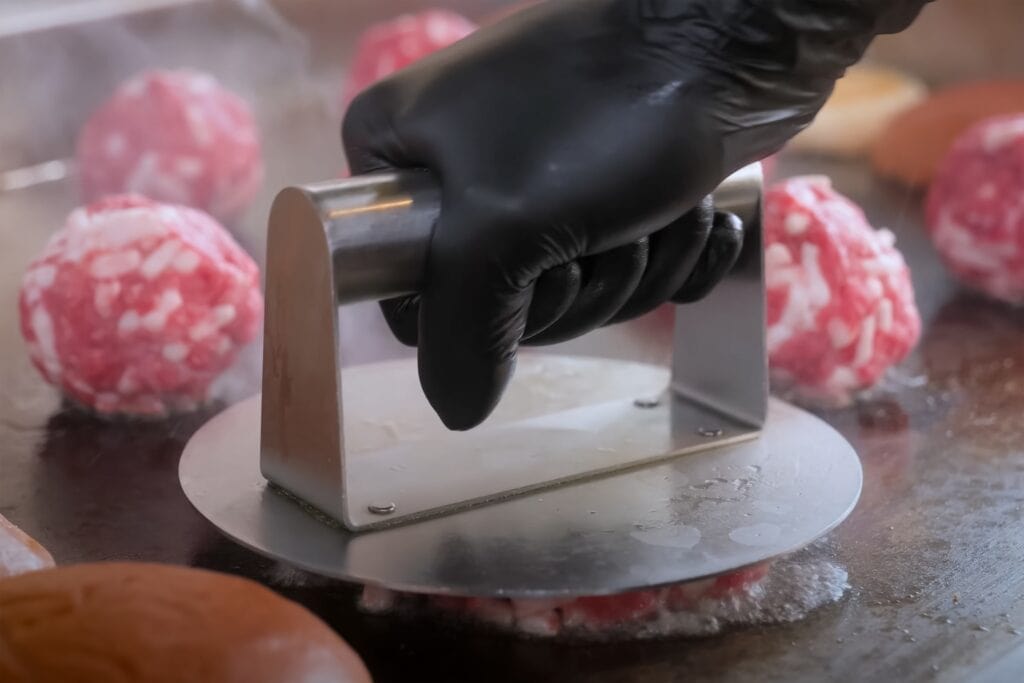
Fast-food places that use raw chicken or beef in the kitchen need to have a prep station. A kitchen turning over multiple batches per shift can build up quite a lot of residue by the end of the day, so that prep station needs to be dismantled and disinfected at the end of service. Someone has to wash the cutting surfaces and remove the fat and blood residue from the surrounding area.
Cross-contamination is a key factor, so everything has to be done while keeping everything away from the ready-to-eat zones. Raw chicken can contain bacteria like Salmonella and Campylobacter, and those can stay on surfaces long after the food itself is gone. The people cleaning the prep stations need to make sure the transfer risk is eliminated before the next shift.
6. Hood Vent and Exhaust Fan Cleaning
The exhaust hood above the fryers traps continuous grease-laden vapor. Over time, that grease solidifies in the hood and ductwork. In a fast food establishment that uses fryers continuously throughout the day, this grease build-up happens quite quickly. High-volume kitchens generally have to ensure that their exhaust system is cleaned by a professional company each month. It’s not an easy job.
Ductwork grease build-up is one of the most common sources of kitchen fires in restaurants. To clean them, technicians reach deep into ductwork packed with hardened grease and clear exhaust fans on the roof coated in weeks of accumulated residue.
5. Fryer Oil Management
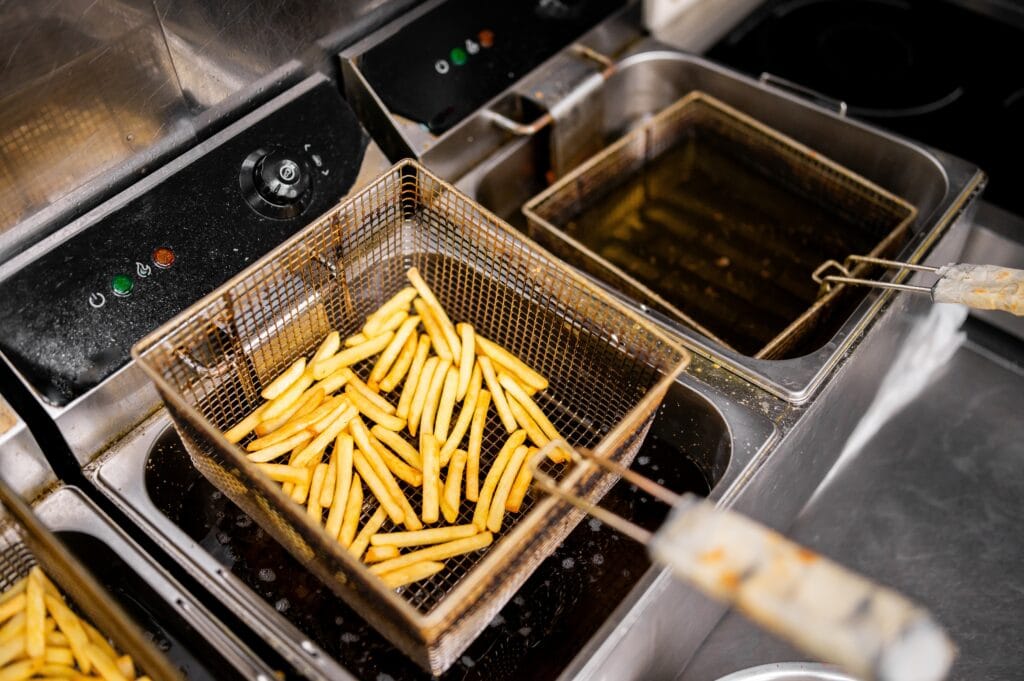
The deep fryers operate continuously in the fast-food restaurant kitchen, and the oil within them needs constant attention. During heavy traffic, the staff members filter the oil and check its color and smell to judge when it needs replacing. Eventually, they drain the deep fryer to change the oil completely. It’s a dirty job and a dangerous one too. The draining process takes place while the oil is still hot, and that’s where the true danger lies.
The used cooking oil sits above 350 degrees Fahrenheit, and any spillage of the oil results in severe burns. The filtering step alone includes handling hot oil and operating machinery that remains heated even after service ends. Some restaurants have automated oil management systems, but at many older or smaller kitchens, the manual process is employed right at the cooking line during peak hours.
4. Bathroom Maintenance During Rushes
Fast-food restrooms are open to the public at full capacity during the busiest hours of the day, and employees in charge of these restrooms have to work against an environment that changes quicker than they can handle. Between the customer volume and the occasional situation that goes beyond normal wear, taking care of bathrooms at peak times is harder than it sounds.
Fast-food restrooms are also a sanitation concern — high-traffic surfaces that can carry illness back into the kitchen. Anyone moving from bathroom duty back to food prep has to do a full handwash and change gloves. Do that job in a 200-seat restaurant on a Saturday afternoon and see how the afternoon goes.
3. Dumpster Area Maintenance
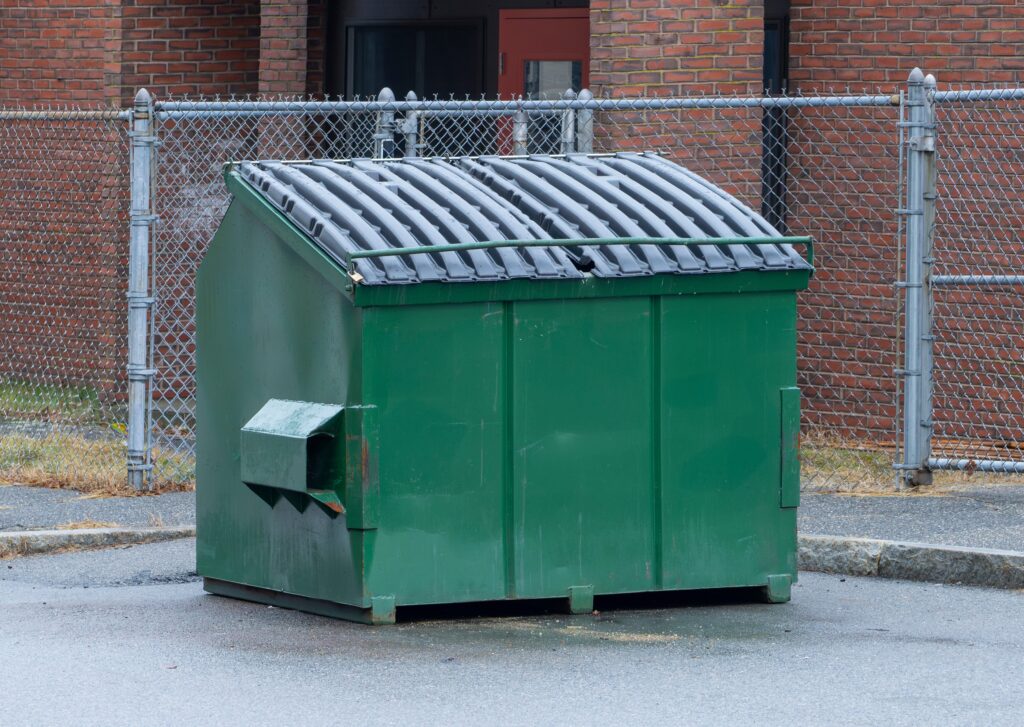
The dumpster area behind the restaurant is usually ignored because it’s not visible to customers. On warm days, the smell hits you the moment you open the back door. On bad days, so do the pests.
Maintaining this part of the restaurant means hosing the concrete pad, keeping the covers tightly closed, and making sure the drains stay clear. Neglecting this part of the restaurant provides a breeding ground for rodents and insects that can migrate inside the restaurant. Pest-related health code violations are among the most serious a restaurant can receive, and the dumpster area is usually where the trail starts.
2. Maintain the Floor Drains
The floor drains in a fast food restaurant take everything that lands on the floor. Fryer oil, meat run-off, mop water, food scraps — whatever comes off the floor or the bottom of equipment when someone moves it. Under the grates of the floor drain, the piping accumulates a layer of grease and organic material. If not cleaned, the pipes will start to smell and eventually back up into the kitchen.
Cleaning a floor drain involves taking out the grate, pulling out the collected debris, and either snaking the line or flushing the pipes using a degreasing agent. In older kitchens, the buildup can be severe. An obstructed floor drain poses a health risk as well as a slip hazard. As recently as 2026, there were health violations related to debris accumulation in the floor drains of a major chain restaurant in Syracuse, New York. It’s the kind of job that gets put off because it’s unpleasant, which only makes it worse when it finally has to happen.
1. The Grease Trap
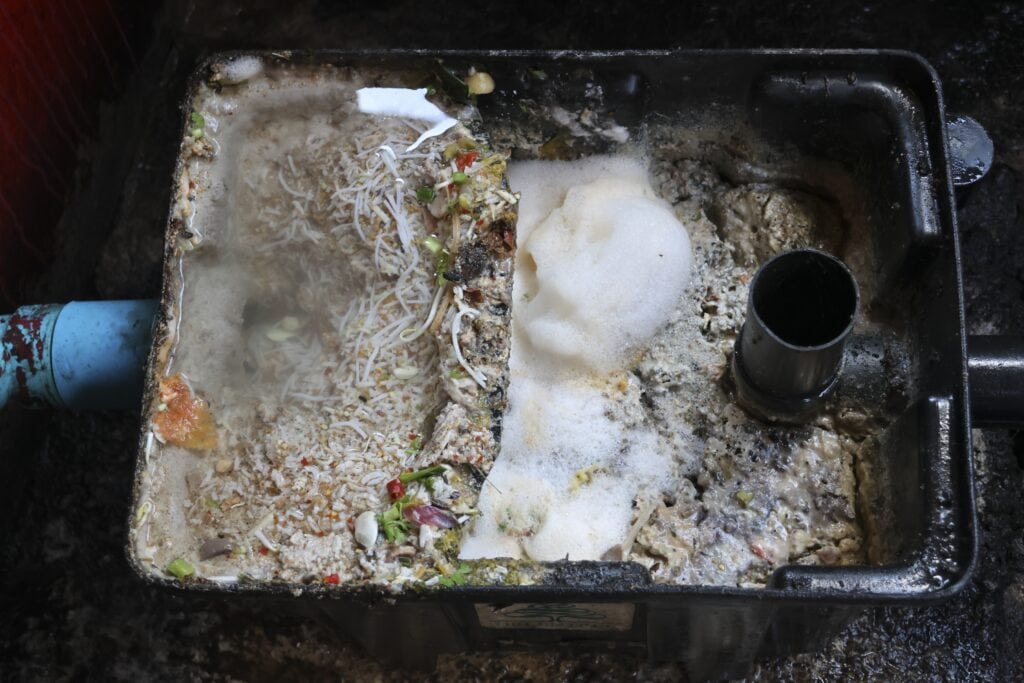
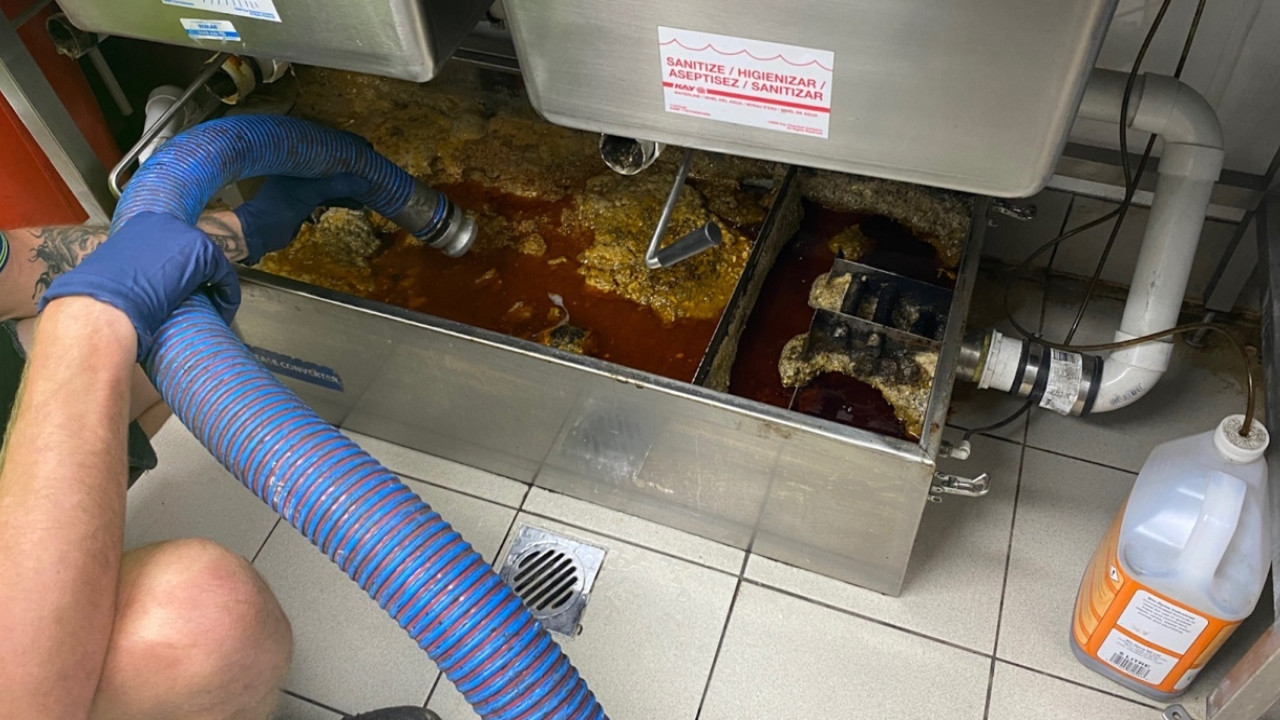
Cleaning the grease trap beats everything else that has to be done in the fast food kitchen. The grease trap sits below the kitchen, connected to the drainage system, catching fats and oils before they reach the municipal sewer. At a fast food establishment with a lot of traffic, this grease trap will need to be serviced every two to four weeks.
What’s inside is solidified grease, decomposing food, and weeks-old wastewater. The smell is immediate and powerful. Emptying it means pumping out the contents, scrubbing the walls, and handing the waste off to licensed haulers. It’s not possible to dump the contents in a regular dumpster or flush it back into the drainage system. The establishment risks sewage backing up into the kitchen sinks and dishwashers, usually right in the middle of their busiest hours. Fines for non-compliance can reach into the thousands of dollars, and some municipalities have shut down locations for failing to maintain proper service records. It’s the worst job in the building, and someone has to do it.