
The 1960s changed horror forever. The decade moved away from the classic monsters like Dracula and Frankenstein’s monster that had previously spooked generations of movie goers. It introduced darker, more psychological stories that were much more disturbing. Filmmakers experimented with realistic scenarios and shocking violence that people had never seen before. These are some of the most influential horror movies of the 1960s.
1. Psycho (1960)
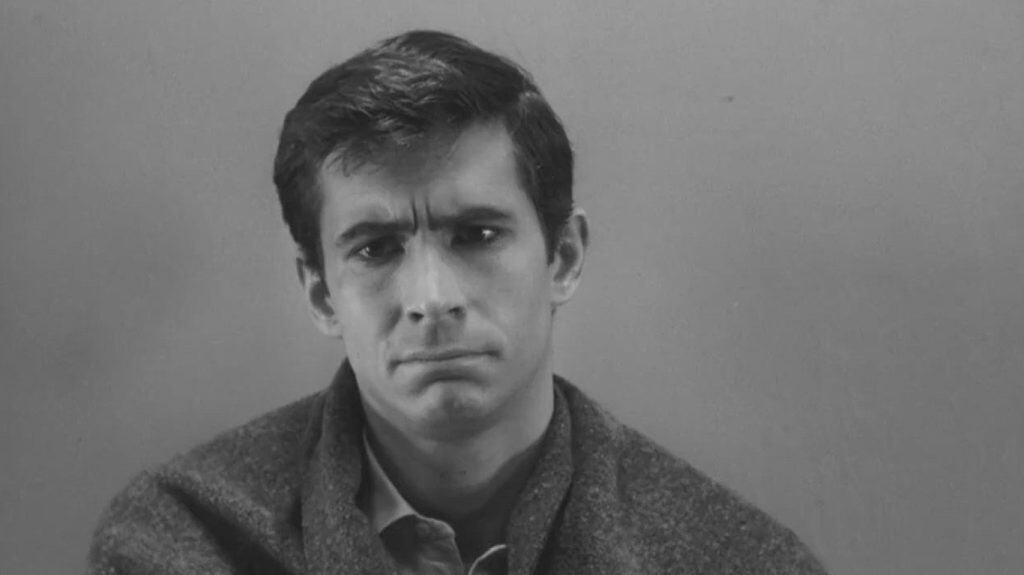
Alfred Hitchcock’s Psycho completely changed what horror movies could be. The film stunned and initially confused audiences by killing off its main character early. It proceeded to turn an ordinary motel into a nightmare. Its famous shower moment is still one of the most analyzed scenes in film history. It was also incredibly violent for the time. Psycho’s clever story and twist ending helped create the modern psychological thriller.
2. Peeping Tom (1960)
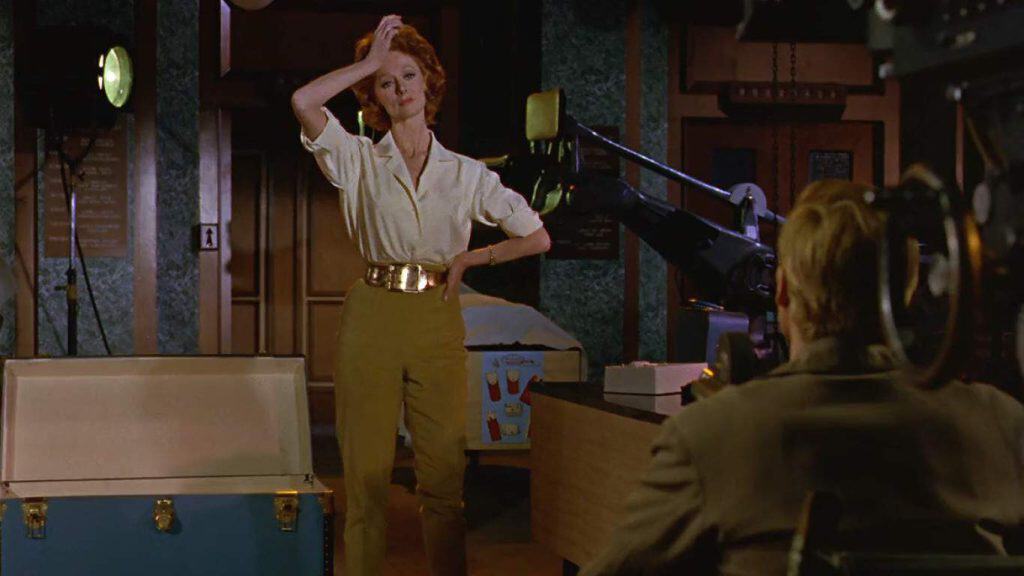
Released the same year as Psycho, Peeping Tom explored horror from the killer’s perspective. The murderer in the movie is obsessed with filming his victims. Its disturbing subject matter shocked critics at the time, so much so that it ruined director Michael Powell’s career. Over the years, however, the movie gained the recognition it deserves. People saw that it was a groundbreaking film. It did an excellent job of depicting the darker side of human behavior.
3. The Innocents (1961)
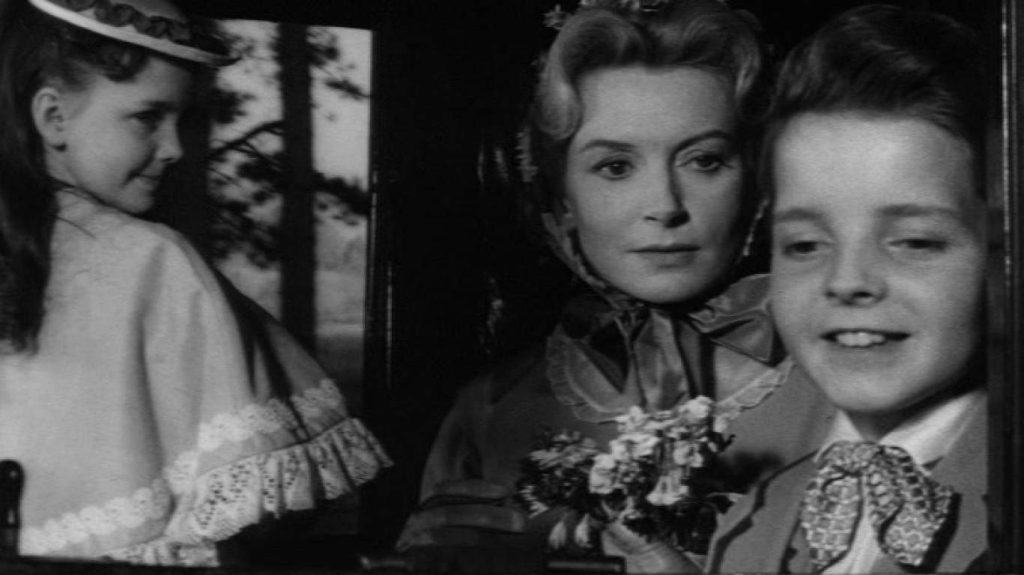
Based on Henry James’ novella The Turn of the Screw, The Innocents became the best example of atmospheric horror. The movie relied on suggestion, imagery, and tension and stayed far away from graphic violence. It expertly used sound and shadows to scare audiences. Many modern haunted house movies still take a page from its sense of dread.
4. The Birds (1963)
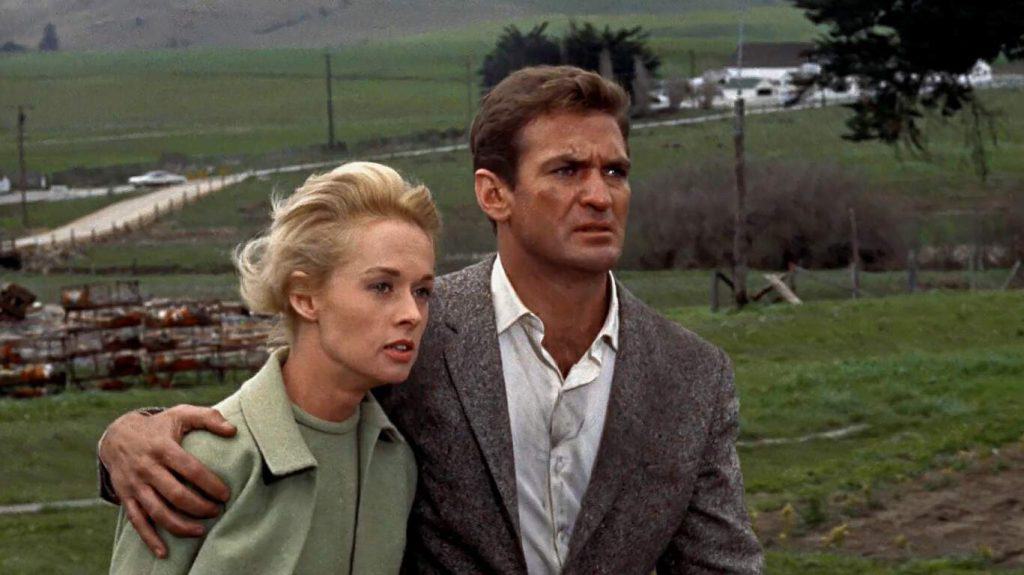
Alfred Hitchcock followed Psycho with another horror classic. This one turned an innocent, everyday part of life into something terrifying. The Birds imagined a world where harmless creatures suddenly become threats. For the time period, it included groundbreaking special effects. It’s a truly excellent nature-gone-wrong horror movie.
5. The Haunting (1963)
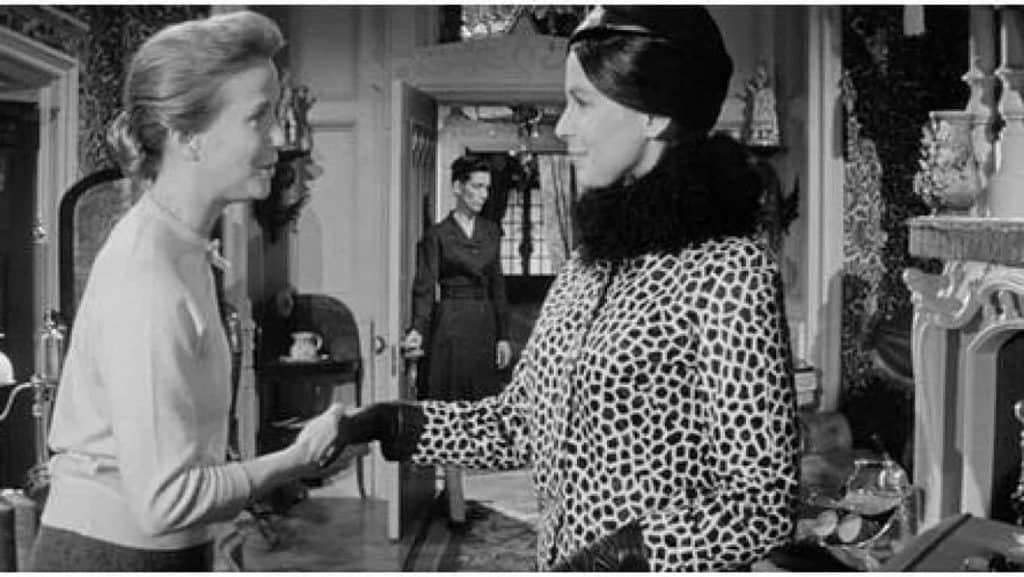
Robert Wise’s The Haunting was spooky without showing much at all. The film follows a group investigating a supposedly haunted mansion. Instead of jump scares or gore, it uses camera angles and sound design to create atmosphere. Its psychological approach influenced later haunted house movies, proving that imagination can be scarier than anything a filmmaker can put on screen. It is the ultimate big screen haunted house story.
6. Night of the Living Dead (1968)
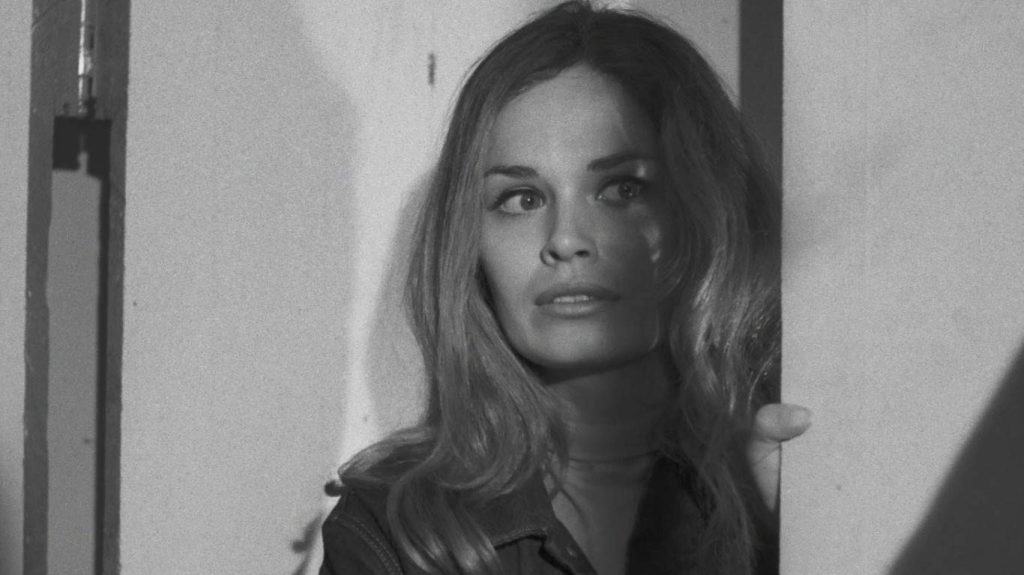
George A. Romero’s Night of the Living Dead turned zombies from an ambiguous concept into one of the genre’s most utilized monsters. Though made on a tiny budget, the movie shocked audiences with its unique elements. It had plenty of violence, a doom and gloom ending, and included social commentary. It was responsible for establishing many of the modern zombie rules that later films followed.
7. Rosemary’s Baby (1968)
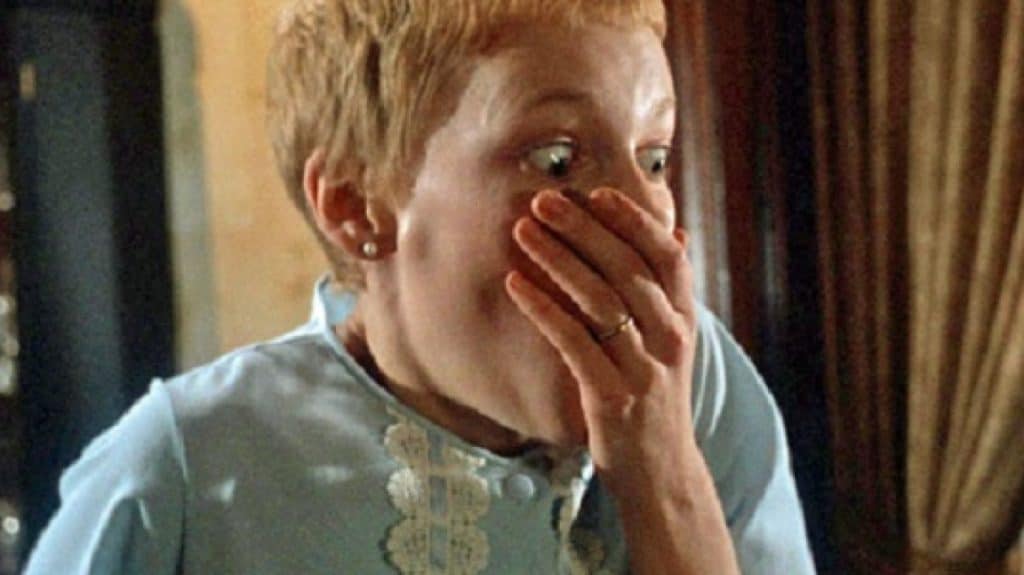
Roman Polanski’s Rosemary’s Baby brought horror into the world of communal apartment living, everyday neighbors, and marital relationships. This one hid its monsters in plain sight. It created fear through paranoia, the unknown, and the suspicion that something terrible was happening. The film helped to popularize occult horror. Its influence is still felt.
8. The Masque of the Red Death (1964)
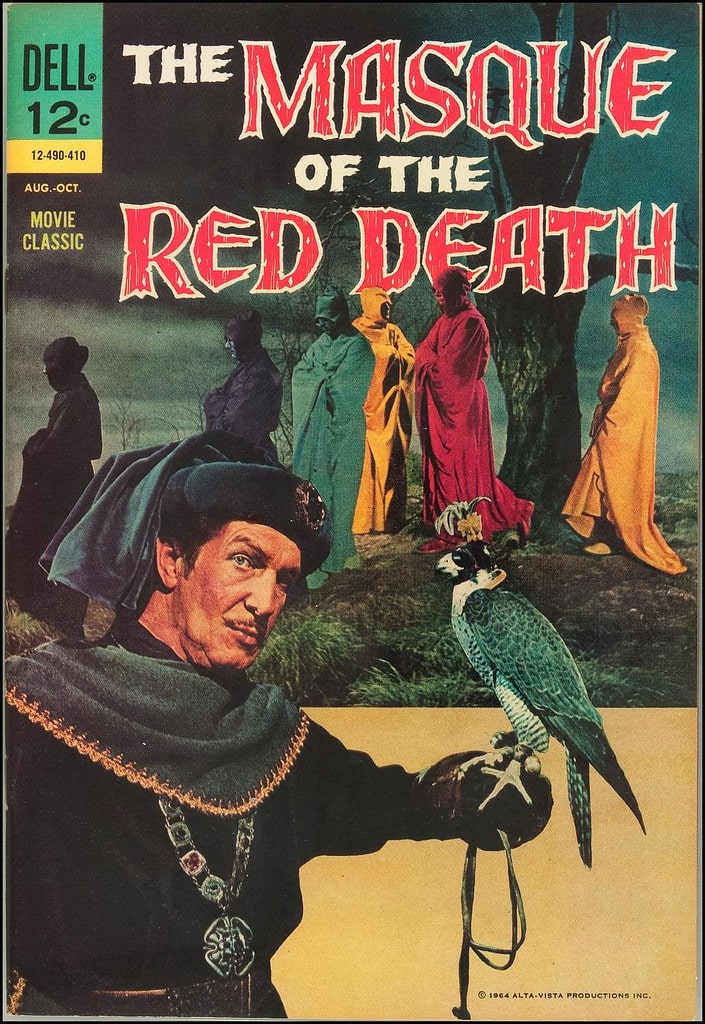
Roger Corman’s adaptation of Edgar Allan Poe’s story came at the material through a stylish, surreal approach. It included colorful visuals and dreamlike scenarios, making horror highly artistic. It was gothic horror meets fantasy and led to more experimental films of the late 1960s. It helped prove that horror could be beautiful as well as creepy.