Vampires have been some of horror’s favorite villains for ages, but their supernatural abilities and vulnerabilities aren’t always consistent. The rules change based on the show or movie. In some stories, sunlight instantly turns vampires to ash, while in others, they can walk around midday, provided it’s gloomy. Some vampires are deterred by garlic, while others laugh in the face of the common kitchen ingredient. Even the rules surrounding crosses, invitations, and dietary needs seem to change depending on production. These differences come from writers and filmmakers putting their own spin on the monsters. From Dracula to Twilight, here are eight vampire rules that fluctuate depending on the fictional universe.
Whether Sunlight Kills Them
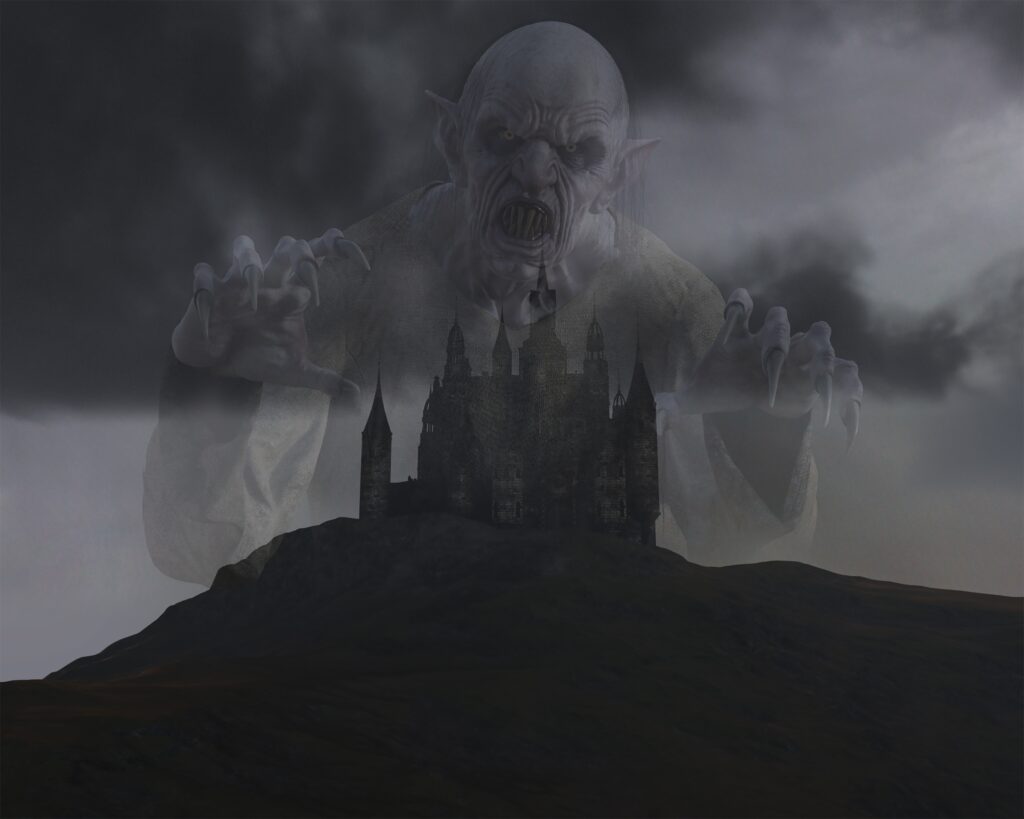
One of the most recognizable vampire weaknesses is sunlight. After all, this is why they are called creatures of the night and lock themselves tightly in coffins by day. But this vulnerability isn’t as universal as people might think. One of the earliest mainstream films to use this was the 1922 horror classic Nosferatu. Count Orlok is destroyed by the rising sun, popularizing the idea that daylight means death to vamps. However, Bram Stoker’s famous Dracula novel doesn’t follow this rule. The title character goes about his business throughout the day, though his powers are diminished. In The Vampire Diaries, vampires can survive sunlight if they wear special daylight rings, which is cheating the folklore if you ask us. Meanwhile, the vampires in Twilight choose to live in the perpetually-gloomy Pacific Northwest, not because the sunlight kills them, but because it causes them to sparkle in the sexiest of ways. When it comes to vampires, direct sunlight runs the gamut from causing instant death to merely making one glitter like a disco ball.
Whether They Need an Invitation to Enter a Home
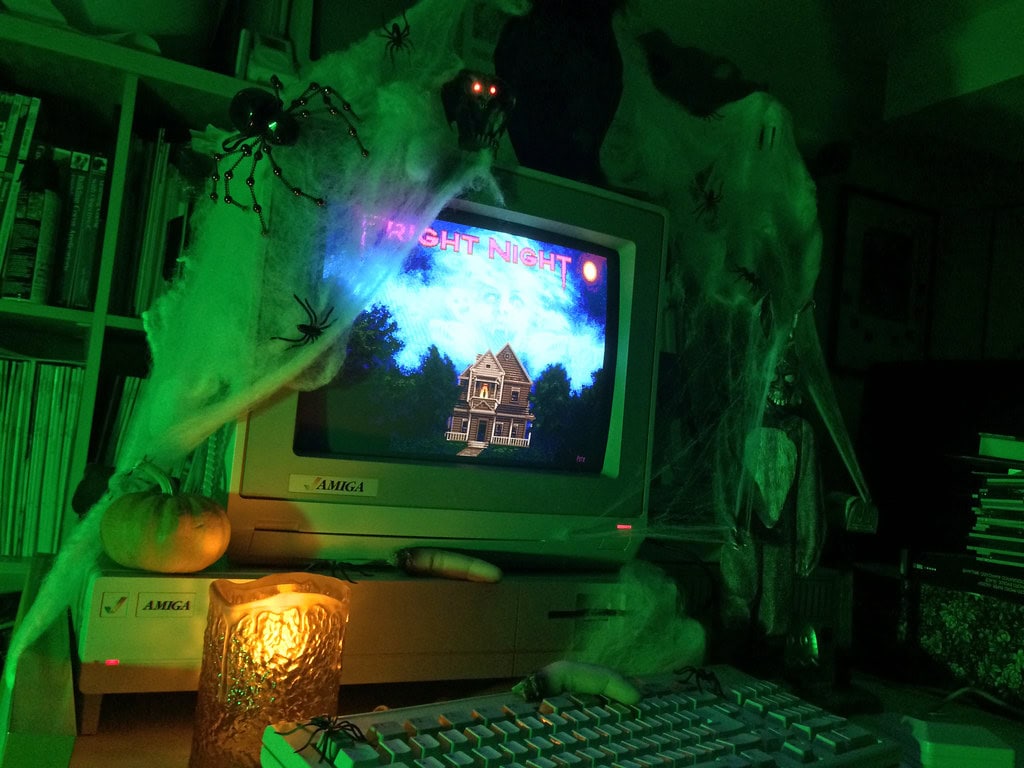
According to vampire folklore, these supernatural creatures cannot enter a private residence unless someone inside invites them into the house. This rule plays an important role in television shows like Buffy the Vampire Slayer and The Vampire Diaries, where homes can actually offer protection from such creatures of the night. In the incredible Swedish vampire love story Let the Right One In, a vampire technically can enter uninvited, but the consequences are gruesome. In The Lost Boys, it is only the head vampire that has to be asked in, and then the cronies are allowed to follow. The invitation rule is also followed in Fright Night; before Charley has a chance to warn his mom, she has already invited the sexy next-door neighbor in for a drink. (It’s Chris Sarandon, so who can blame her?) However, other vampire universes don’t play by this rule at all, allowing vampires to enter homes willy-nilly. Even stories that do follow the invitation rule sometimes disagree on who can grant permission and whether it can later be revoked. Considering how powerful and dangerous vampires are supposed to be, it’s kind of funny that they are thwarted by a closed door and an uncooperative homeowner.
Whether Garlic Actually Repels Them
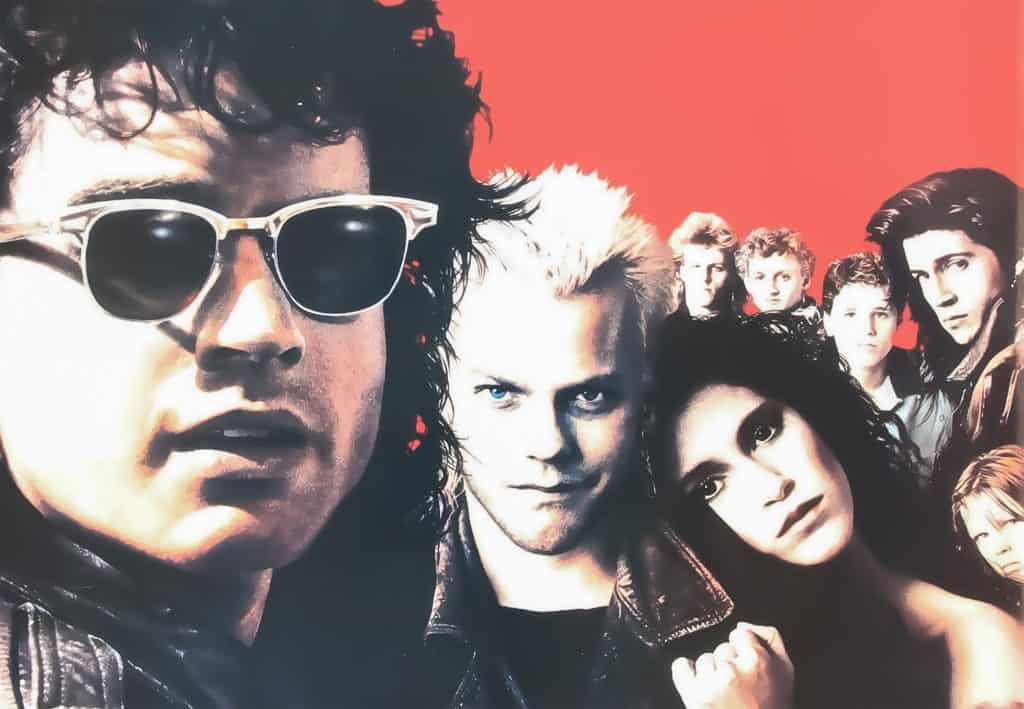
Garlic has been associated with vampire lore for centuries, but its effectiveness varies across stories. In traditional vampire books and films like Bram Stoker’s Dracula, garlic is a powerful protective substance that the undead find repulsive. However, many modern-day vampire stories hardly mention it at all, or even make fun of it. In The Lost Boys, garlic is listed as a defense by the vampire-hunting Frog brothers. Sam (Corey Haim) even goes to bed wearing garlic necklaces. Meanwhile, the vampires in Twilight don’t have any allergy to the stuff, and we’re pretty sure we saw them cooking dinner with it once (the meal was for Bella, but she wasn’t hungry). The whole garlic debacle is actually one of the stranger inconsistencies in vamp mythology.
Whether a Wooden Stake Through the Heart Kills Them

Driving a wooden stake through a vampire’s heart is supposed to end them, right? Well, it depends on which fictional universe you’re in. If you’re running around with the Buffy gang, then yes, 100%. They will disintegrate in a mere instant. However, this classic method isn’t always fatal in other vampire universes. In The Vampire Diaries, an ordinary wooden stake can kill a regular vampire, but the powerful original vampires require a special stake made from white oak. In Day Shift, a specialized bullet through the heart helps, but they also have to be decapitated. The vampires in Twilight are more like Sam Raimi’s Evil Dead villains; their bodies have to be dismembered and burned. Other stories seem to claim that staking will immobilize a vampire, but it won’t permanently defeat one. So, while a wooden stake is always part of a worthwhile vampire-hunting kit, check the universe rules before you use one. After all, if the act doesn’t lead to instant death, a staked vampire is an angry vampire.
Whether Religious Symbols Have Any Power Over Them
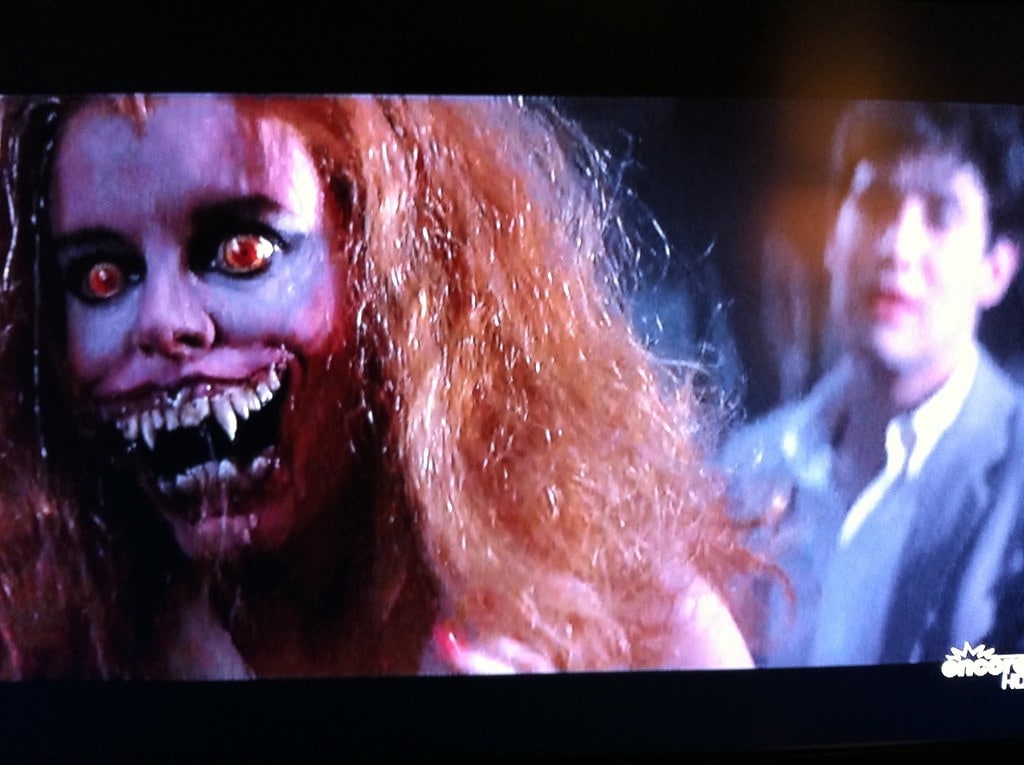
Crucifixes and holy water are traditional weapons used against the undead, but like garlic, they don’t always work. In classic Dracula adaptations, religious symbols repel vampires and seem to cause them some kind of pain. The 1985 horror comedy Fright Night had an interesting variation on this rule: it only worked if the person using it had faith that it would. Meanwhile, Buffy the Vampire Slayer treats crosses and holy water as reliable defenses, while The Vampire Diaries abandons these religious weaknesses entirely. The difference can be meaningful: being deterred by religious symbols doubles down on the fact that vampires are unholy creatures. Other productions treat vampirism more like a supernatural condition, with no connection to religion.
Whether They Can Transform into Bats or Other Animals

The ability to transform into a bat is one of the coolest vampire powers. In Bram Stoker’s Dracula, the title character can take the form of a bat or wolf. The 1992 version of Bram Stoker’s Dracula portrays its vampire as being able to turn into multiple terrifying creatures. In Fright Night and What We Do in the Shadows, the characters can seamlessly turn into bats at will. However, in Buffy the Vampire Slayer and Interview with the Vampire, they are bound to their human form (aside from their monstrous facial features). Of course, the vamps from Twilight don’t need to transform, since they move at superhuman speeds anyway.
Whether They Can Survive Without Drinking Human Blood
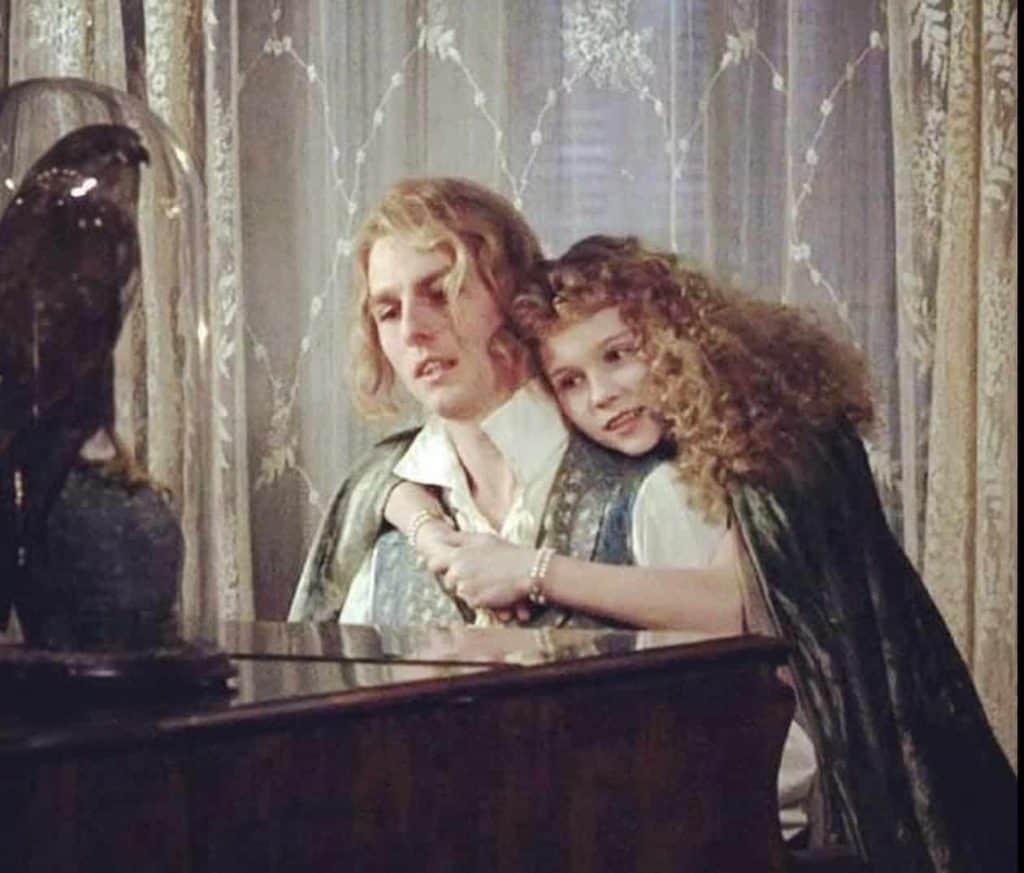
Vampires are best known for their affinity for blood. In fact, they can’t live without it. While traditional vampires have to consume human blood, modern stories have introduced alternatives. In Interview with the Vampire, Louis struggles with killing humans, so for many years, he survives by feeding on animals instead. The Cullen family in Twilight also drinks animal blood, referring to themselves as vegetarians, which doesn’t really make sense, but let’s be honest, not much about Twilight does. In Only Lovers Left Alive, vampire Adam gets his blood through a doctor at a blood bank, making the whole condition feel quite medical. In True Blood, they have synthetic blood as a substitute. These workarounds ensure audiences continue loving the vamps on screen and stop seeing them as cold-blooded killers. However, other vampire stories stick to the classic myth that human blood is an essential part of a vampire’s diet; indeed, the only part. In Nosferatu, human victims are an unavoidable part of their existence.
Whether Vampires Can Have Children

Vampires are undead creatures, which makes the question of reproduction interesting. In many traditional vampire stories, they cannot have biological children. Instead, they create “children” by turning new vampires. However, the Twilight franchise notoriously breaks this rule when Bella gets pregnant with Edward’s half-human, half-vampire daughter, Renesmee. The Blade franchise also features a vampire-human hybrid, although the unusual being results from a pregnant female being attacked. Meanwhile, The Vampire Diaries complicates matters entirely by introducing a vampire pregnancy made possible through magic instead of regular reproduction. Apparently, even death isn’t enough to get vampires out of parenthood.