Horror writers have clever imaginations, but sometimes the real world gives them a little help. Some of the creepiest places in books and movies were inspired by actual places like hotels, houses, and towns. In some cases, the haunting association is obvious. In others, an ordinary-looking place hides something terrifying. You can even visit many of these locations today, although knowing what they inspired might make your trip a bit anxiety-inducing.
The Stanley Hotel — The Shining
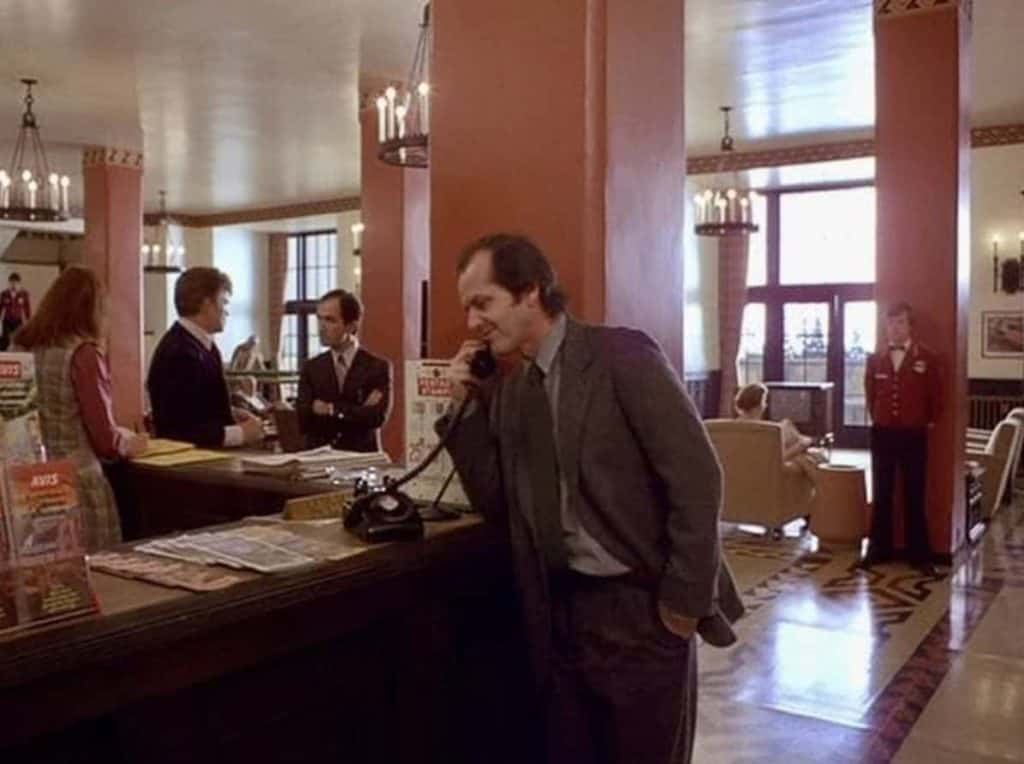
Stephen King didn’t stay at the Overlook Hotel to write The Shining because the Overlook doesn’t actually exist. However, he did spend a night at the Stanley Hotel in 1974. The spooky and nearly empty Colorado hotel gave him a fantastic idea. Because King and his wife were reportedly among the last guests before the hotel closed for the season, they found themselves wandering through long, empty halls. They stayed in Room 217 and ate dinner alone in the dining room. King said he later dreamed about his little boy being chased through the hotel’s corridors. By the time he left, The Shining was already unfolding in his head. The Stanley has gladly embraced its connection to the famously scary novel and later classic horror film.
Amityville, New York — The Amityville Horror
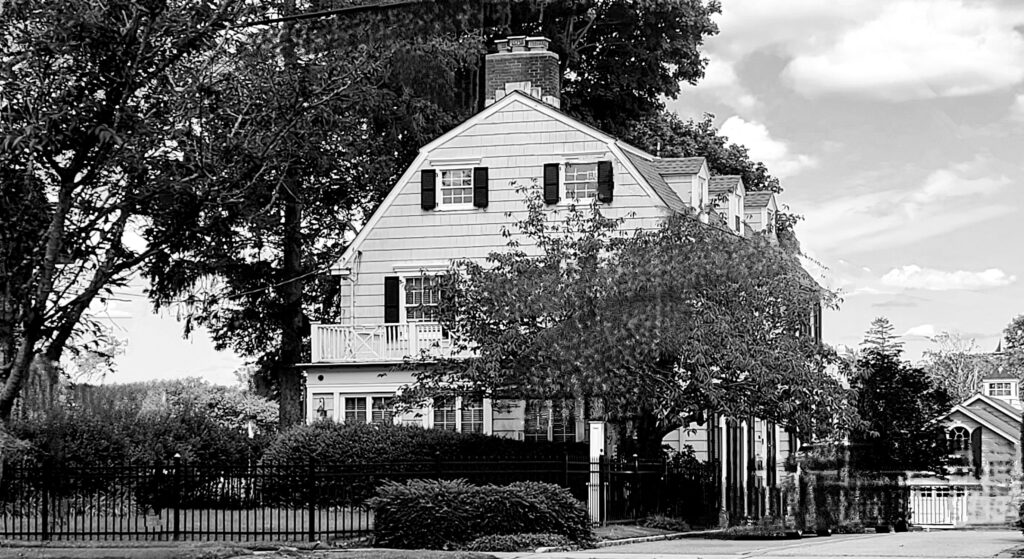
A very real tragedy occurred at the house at 112 Ocean Avenue in Amityville, New York. In 1974, Ronald DeFeo Jr. murdered his family inside the Long Island home. About a year later, George and Kathy Lutz purchased the property. But after moving in with their children, the couple stayed just 28 days. They claimed they experienced terrifying paranormal activity during their time in the house. Their story became the foundation for Jay Anson’s 1977 book The Amityville Horror. The book led to a hugely successful movie and a profitable franchise. Whether you believe the Lutz family’s ghostly claims or not, the brutal 1974 murders were entirely real.
Edinburgh, Scotland — The Strange Case of Dr. Jekyll and Mr. Hyde
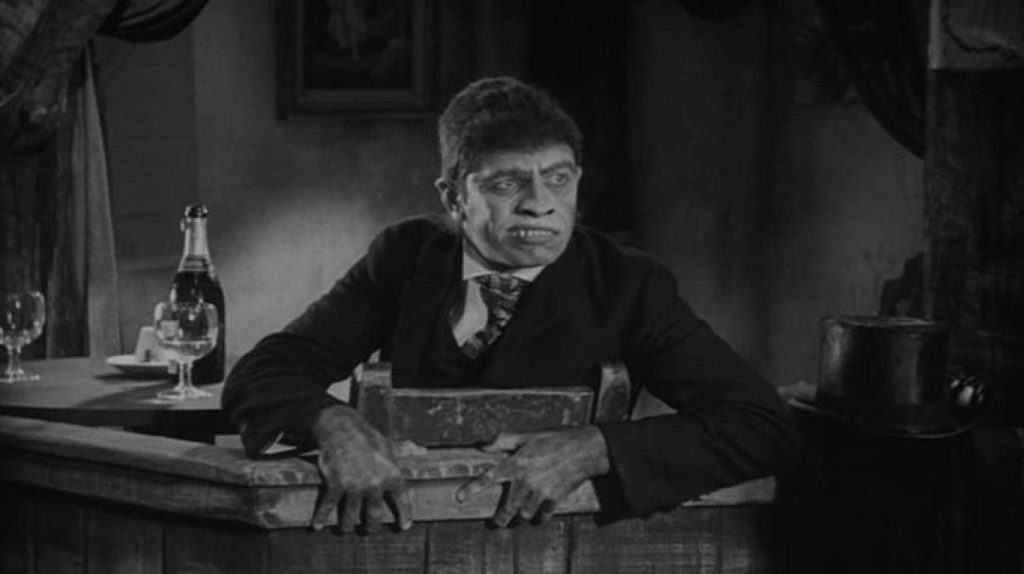
Robert Louis Stevenson’s Strange Case of Dr. Jekyll and Mr. Hyde was certainly fiction, but its main character may have been based on a real-life character. Deacon William Brodie was a respected resident of Edinburgh, Scotland. By day, he worked as a cabinetmaker and was a city councilman. But at night, he secretly committed crimes. His profession gave him access to wealthy households. After learning about these residences, he later came back to rob them. Eventually, Brodie was captured and executed in 1788. Stevenson grew up in Edinburgh and was familiar with Brodie’s story. He may have used this as inspiration to create a character with a similar double life.
Bran Castle, Romania — Dracula

Bran Castle is so deeply tied to Dracula that it’s often simply referred to as Dracula’s Castle. Interestingly, the connection is a little more complicated than many believe. Bram Stoker never went to Romania, and there’s no proof that Bran Castle actually inspired the location in his 1897 classic. However, the way Dracula’s fictional home was described in the novel, it’s easy to imagine it looking similar to the real-life fortress, leading the two to become permanently associated. One look at the medieval castle perched above the Transylvanian landscape, and it’s quite difficult to argue it doesn’t belong in a vampire story.
The Exorcist Steps — The Exorcist
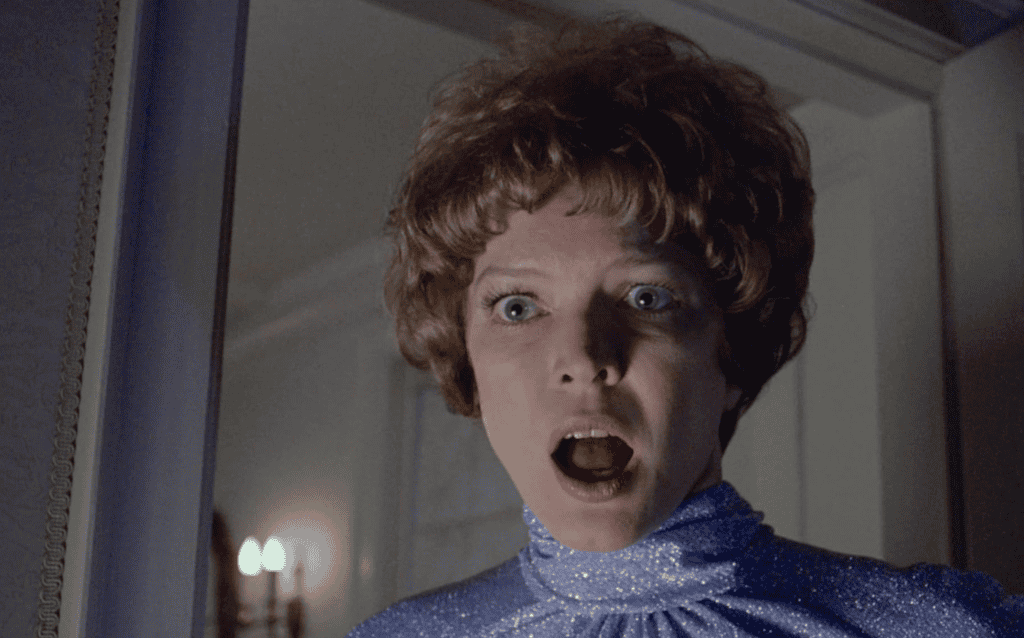
One of the most recognizable locations from The Exorcist is very real, and actually pretty ordinary. The stone staircase next to a building in Georgetown became famous after the big finale of the 1973 film. Author William Peter Blatty went to Georgetown University, and his notoriously creepy novel was inspired by reports of a seemingly possessed teenager in the Washington, D.C., area in 1949. Today, the staircase at 36th and Prospect streets is known as the Exorcist Steps. What was once a very ordinary outdoor staircase has become a major tourist attraction for horror fans.
The Winchester Mystery House — Winchester
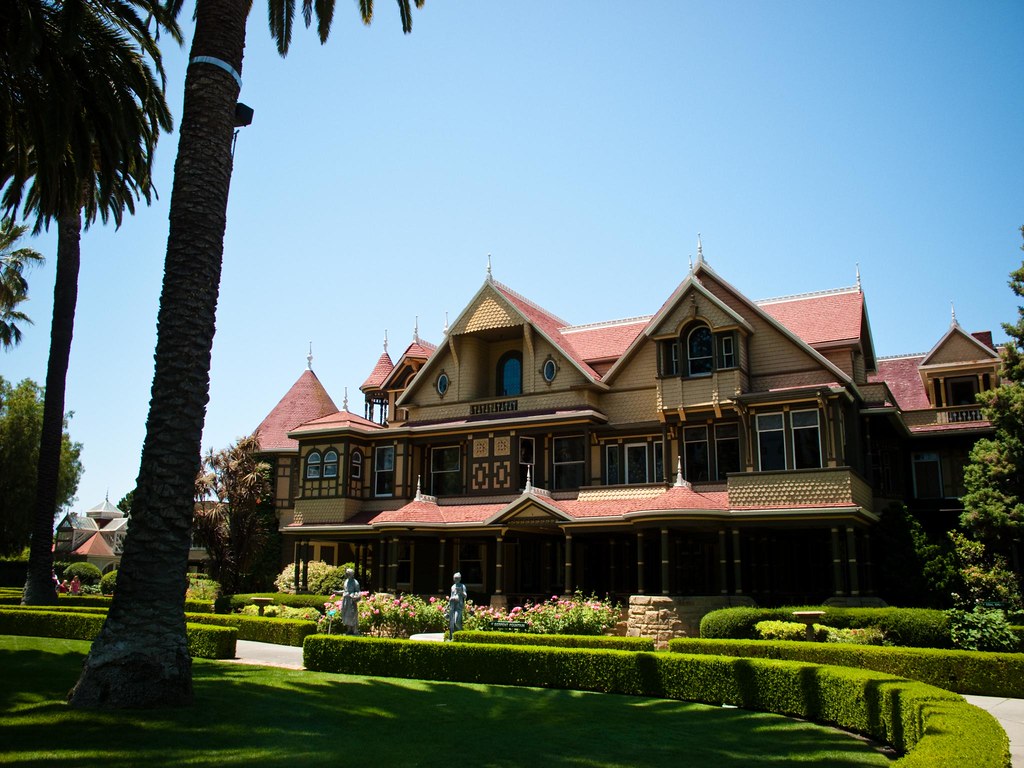
The story behind California’s Winchester Mystery House is exceptionally bizarre. Sarah Winchester, heiress to the Winchester rifle fortune, owned the San Jose home. She spent decades adding onto the structure, building rooms, odd hallways, and stairwells. No one fully understood her reason for the ongoing construction, though some speculated she believed that she was haunted by the spirits of people killed with Winchester rifles. The mansion became famous, not just for its perpetual state of construction, but also for its bizarre features. It had staircases and doors that opened to solid walls. Winchester’s story made great material for horror. The house inspired the 2018 movie Winchester starring Helen Mirren.
Point Pleasant, West Virginia — The Mothman Prophecies
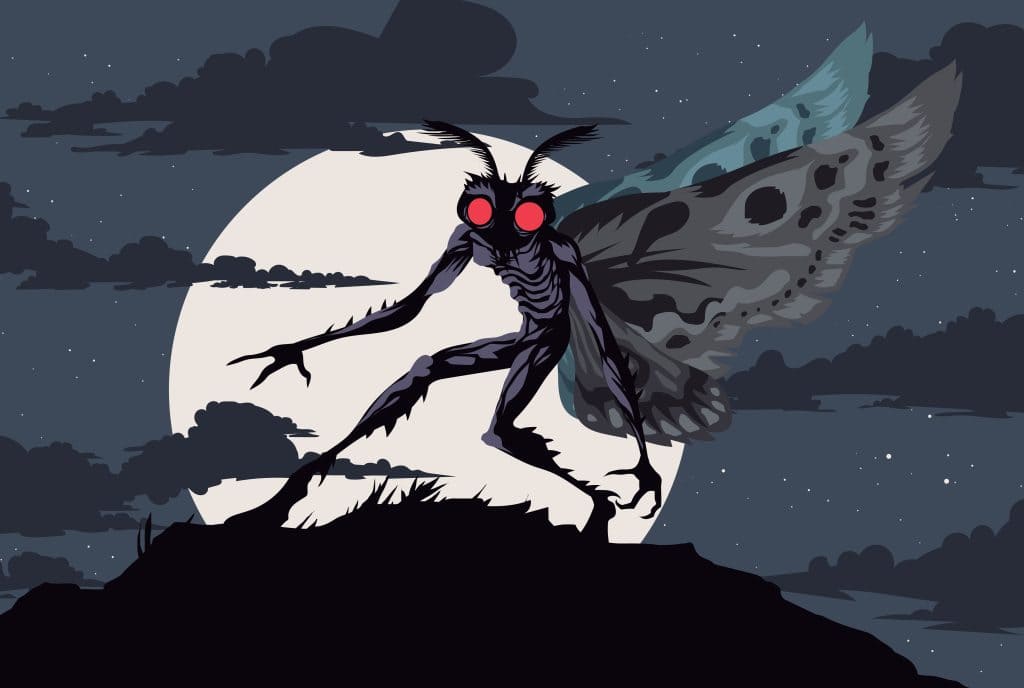
In 1966, residents in and around Point Pleasant, West Virginia, began reporting very odd sightings. They claimed they saw a bizarre, winged creature with glowing red eyes flying through the skies. After newspapers got in on the action, the disturbing figure became known as Mothman. A seemingly unrelated event further rocked the town in 1967 when the Silver Bridge collapsed, killing 46 people. Author John Keel decided to connect the traumatic incidents in his 1975 book The Mothman Prophecies. The book then led to the 2002 Richard Gere movie.
Sleepy Hollow, New York — The Legend of Sleepy Hollow
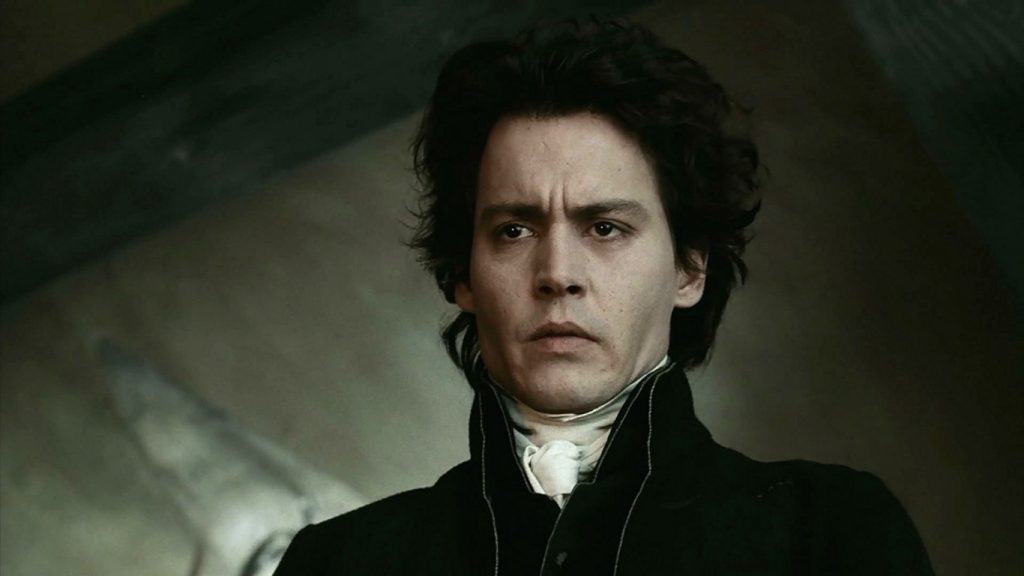
Washington Irving didn’t have to go far to find the setting of his famous ghost story. The Legend of Sleepy Hollow takes place in New York’s Hudson Valley, where Irving lived. The novel was shaped by the area’s more haunting elements, including the nearby forests, old Dutch settlements, and local folklore. Irving didn’t invent the idea of a headless horseman, and European folklore probably influenced his terrifying character. Today, the real village of Sleepy Hollow has taken advantage of its connection to the spooky tale. More than 200 years after Irving published his story, people still travel there every fall for the haunting atmosphere.