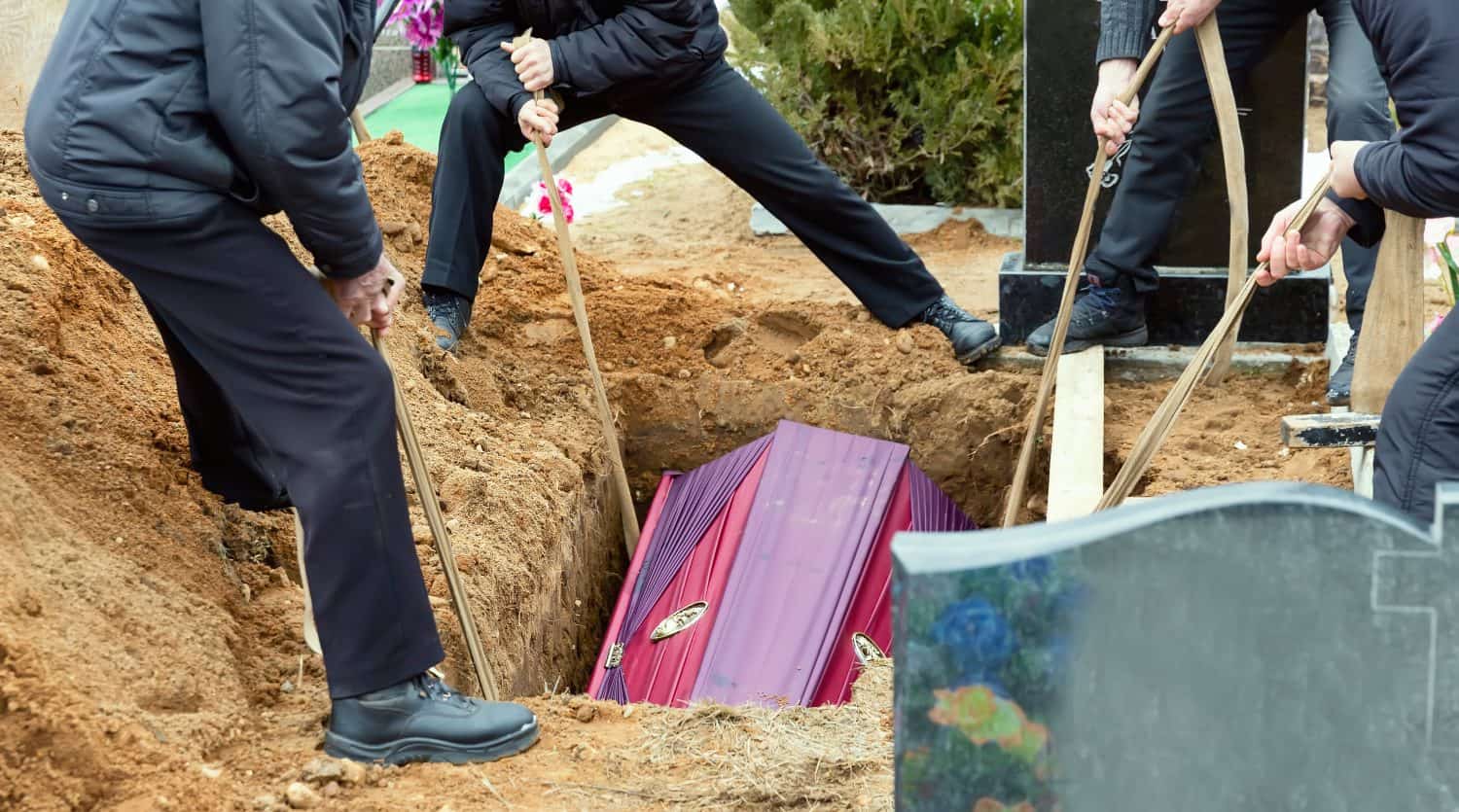
Today, we all pretty much assume that once someone is dead and buried, they’ll stay that way. However, that wasn’t always the case. Throughout history, different cultures feared the dead could rise again, as vampires or other evil beings. Certain communities come up with some elaborate methods of keeping the dead in their graves. Some of these practices were based on religious beliefs, while others came about during misunderstood disease outbreaks when people sought explanations for sudden deaths. Here are a handful of bizarre burial practices intended to keep the dead in their grave.
Driving Stakes Through Corpses
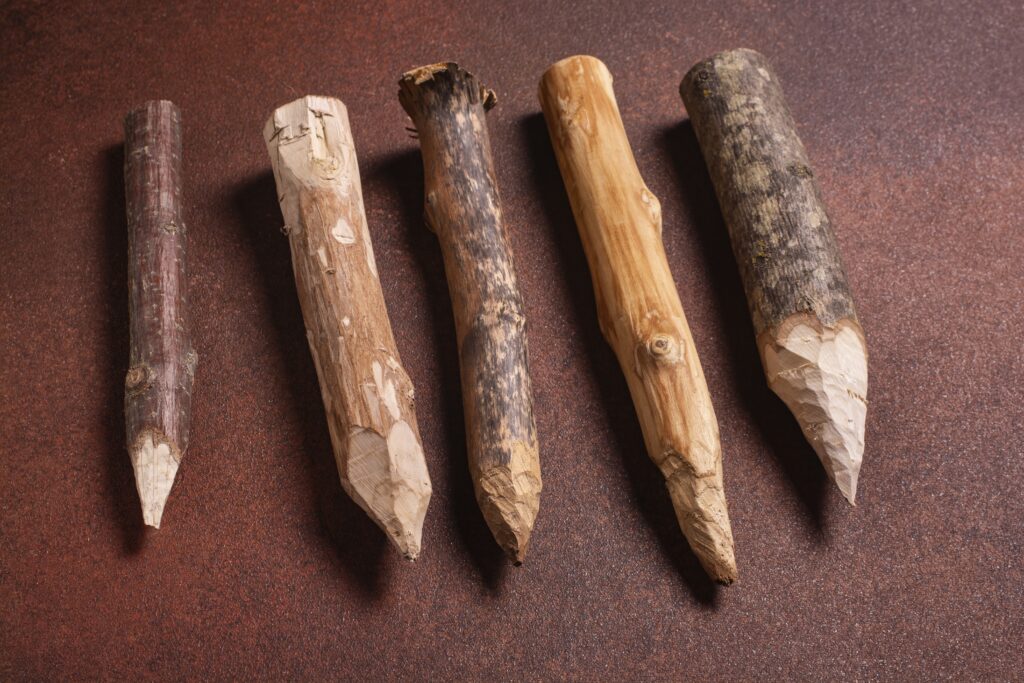
When it comes to vampires, driving a wooden stake through the heart is the most traditional way to kill one. Interestingly, historical burial practices involved a preemptive form of vampire slaying. In parts of Eastern Europe, people drove stakes through bodies or into graves to stop suspected vampires from rising. The stakes weren’t always aimed at the heart, though; in some cultures, the goal was simply to pin the corpse in place. These practices were tied to widespread fears that certain dead people could come back to hurt surviving family members. When a coffin and several feet of dirt didn’t feel like sufficient security, nailing them to the ground seemed like the next logical step.
Placing Sickles Across the Neck
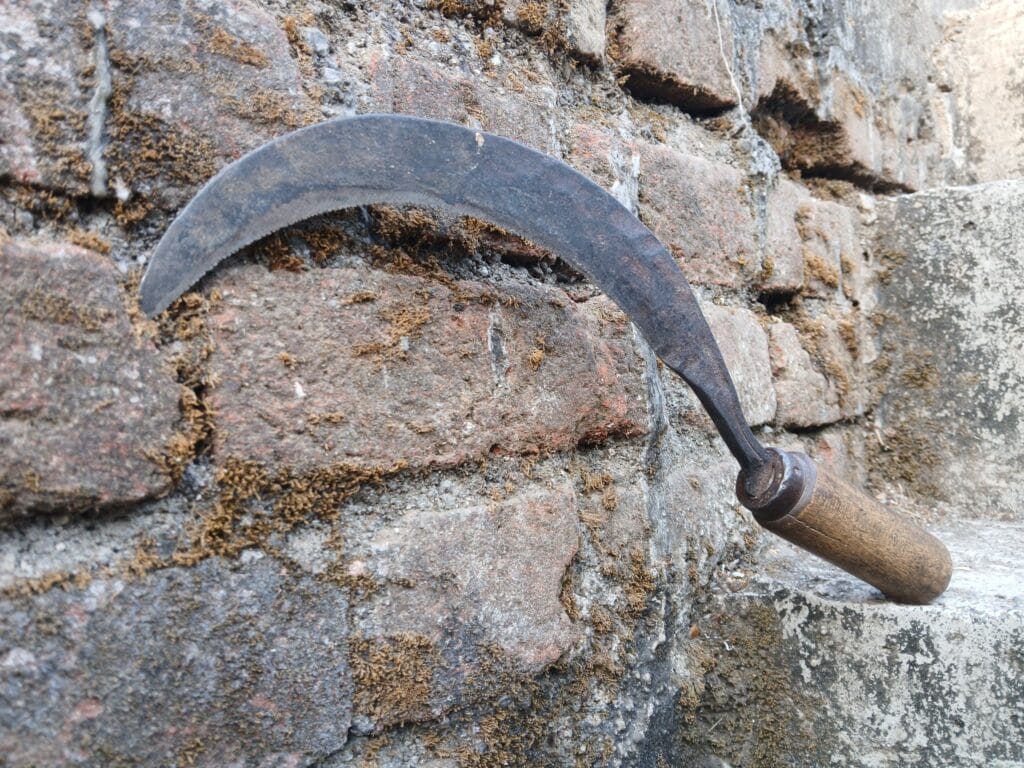
Archaeologists have found unusual burials in Poland where sickles were placed on the necks or bodies of the dead. The sickles were often positioned with their sharp edges facing the body. Though no one knows for sure the reason for such an odd practice, one theory is that the sharp farming tools were meant to keep the dead from rising, potentially injuring the corpse if it attempted to sit up.
Putting Bricks in the Mouths of the Dead
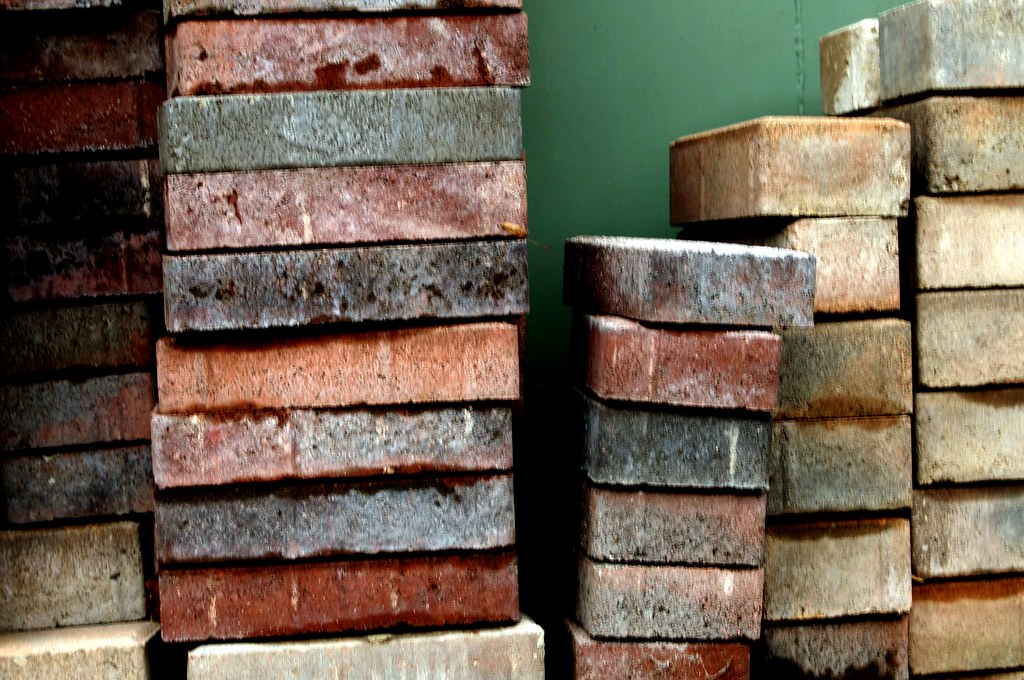
In 2006, archaeologists excavating a burial site in Venice found something rather unusual: the remains of a woman with a brick in her mouth. The burial has been interpreted as a way to stop the corpse from feeding on the living. This ties into a historical belief about dead people eating burial shrouds. In some areas of Europe, people thought corpses could spread death by chewing their shrouds inside their graves! This belief is sometimes associated with the Nachzehrer, a type of revenant in German folklore. It’s rather interesting that the chosen solution to the problem was shoving a brick in the dead person’s mouth.
Burying People Face Down
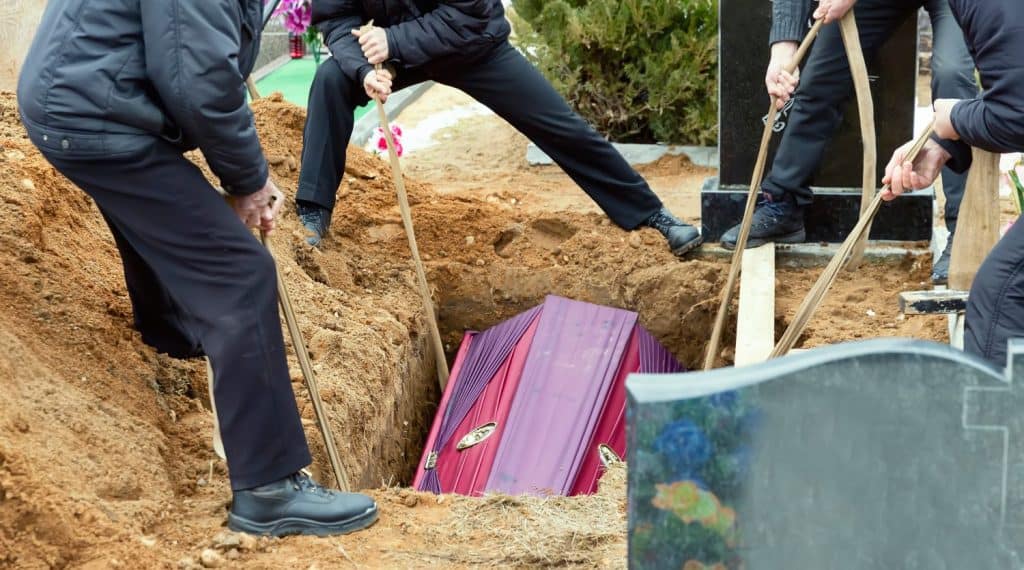
In some historical burials, bodies were placed face down instead of on their backs. Some think this was done out of concern that the dead might rise again. They might have believed burying the corpse face down would stop it from finding its way out, the idea being that a disoriented corpse trying to exit the grave would dig deeper into the ground instead. Archaeologists have indeed documented these prone burials in multiple regions of the world. Some may have been for other reasons, like punishment or social exclusion. Still, the idea of confusing the undead by pointing them in the wrong direction is sort of funny.
Decapitating Bodies
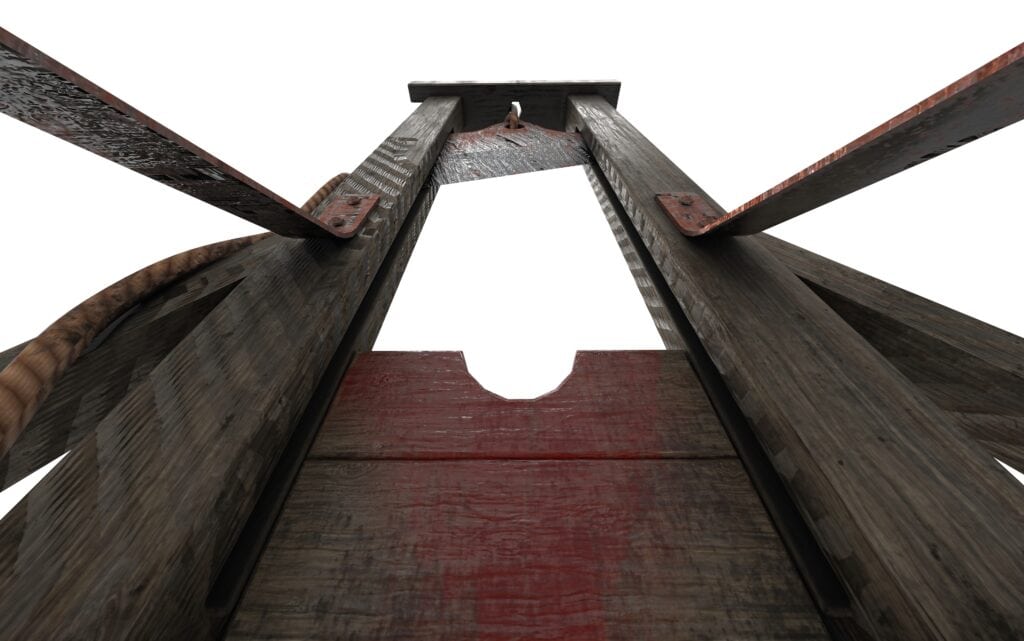
Chopping off a corpse’s head was another way people historically prevented the dead from returning. Separating the head from the body was said to be the end of a vampire’s evil doing. Sometimes, after removal, the head was strangely placed between the legs. In some places, beheading wasn’t enough; historical accounts describe locals exhuming suspected vampires specifically to mutilate their remains. This usually happened after unexplained deaths occurred and fears of the undead mounted. During epidemics, several members of the same family might die one after the other. With little understanding of infectious disease, certain people assumed the first relative to die became a vampire and returned to claim the others.
Weighing Down the Deceased with Stones
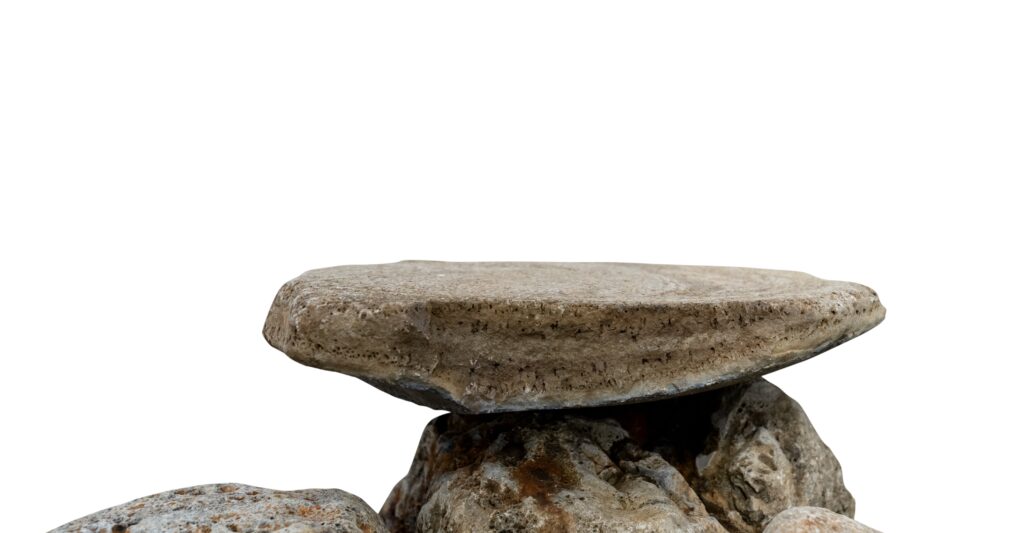
Archaeologists have found graves with large stones on the neck, chest, or other parts of the skeleton. According to one interpretation, the stones were intended to weigh down the body or restrict movement. The idea was straightforward enough: if the dead couldn’t move, they couldn’t cause trouble. Stones could also serve other purposes, though, so their presence doesn’t automatically mean someone was thought to be a vampire.
Burying the Dead with Protective Objects

Not every attempt to stop supernatural activity involved restraining a corpse. In Europe, locals buried loved ones with protective objects, including crosses and religious items. They even used plants that could supposedly repel evil. Garlic is the most famous example, thanks to its association with vampires, although its use varied across regions. The idea was that these protective measures could prevent the dead from causing trouble for the living.
Exhuming and Burning the Dead
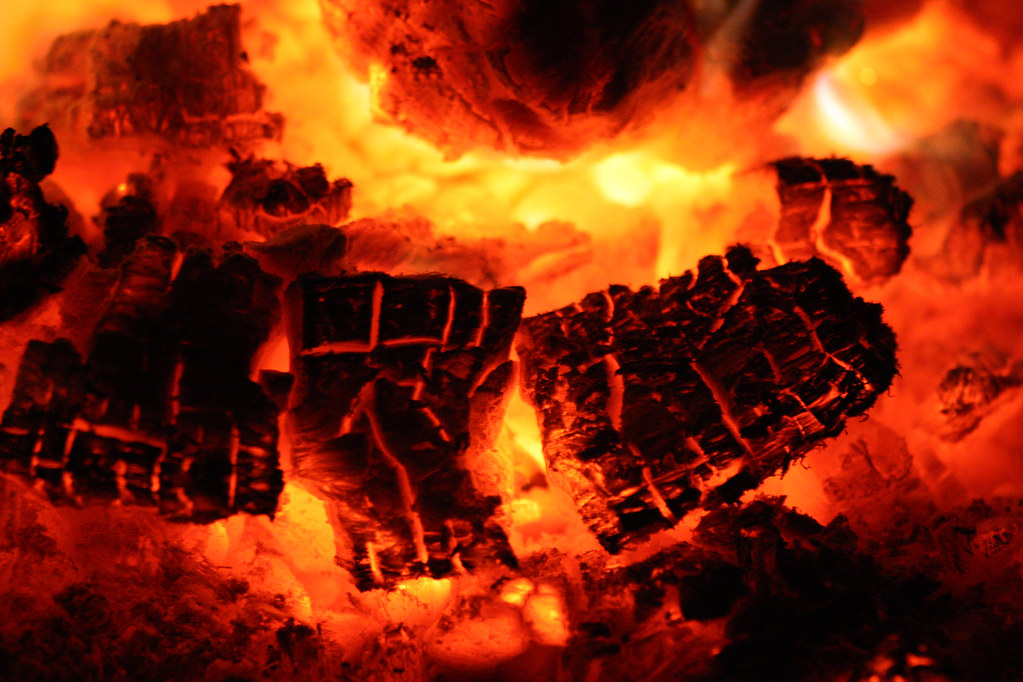
Maybe the most extreme response to suspected vampires involved digging up corpses and destroying them entirely. During the 18th century, several historically documented vampire panics happened across southeastern Europe. Villagers blamed illnesses and deaths on the recently deceased. Generally, bodies were exhumed and inspected for marks of vampirism. If the corpses showed certain signs, they were burned. Unbeknownst to the villagers, many of these so-called vamp signs were actually natural processes of decomposition, including bloating and fluids oozing from the mouth. However, residents were sure these off-putting symptoms were evidence that a corpse had been feeding on the living. Two notable cases were from 18th-century Serbia: Petar Blagojević and Arnold Paole were accused of returning from the dead and killing villagers. Locals exhumed the suspected vampires, found suspicious signs on their corpses, and destroyed their remains.