Fotosearch / Stringer / Getty Images
Jim Griffin / Public Domain / flickr
Nationaal Archief / No copyright restrictions

artin1 / Shutterstock.com

P Maxwell Photography / Shutterstock.com
Marion Doss / BY-SA 2.0

kzenon / iStock via Getty Images
Public Domain / Wikimedia Commons
Topical Press Agency / Stringer / Getty Images

NTshutterth / Shutterstock.com

Montgomery County Planning Commission / BY-SA 2.0

Phillip Pessar / BY 2.0
Fotosearch / Stringer / Getty Images
Public Domain / Wikimedia Commons
wrangel / iStock Editorial via Getty Images
Seattle Municipal Archives / flickr / CC BY 2.0










Strange Professions From History You Won’t Believe Existed
History is full of strange jobs, ones that don't even exist in our modern era. Many of these professions emerged out of necessity, filling all of the gaps in society before technology, industry, or something else changed and made them obsolete. They remind us that what feels normal in one era can look downright bizarre in another. But what jobs still, to this day, seem absolutely unbelievable?
Each of these professions speaks volumes about the creativity and eccentricity of the past. While all of them served a purpose at the time, however peculiar it might seem to us now, they likely could never exist today. 247 Tempo has found some of these odd jobs and all of the details surrounding them, including when these jobs became obsolete and what was required of the people who chose these careers.
Sources used for this piece include historical archives from the British Library, Smithsonian Magazine, History Extra, Atlas Obscura, and various social history texts documenting obsolete trades and professions. Let's check out these unbelievable jobs of the past now.
Leech Collector
- Created: Middle Ages (circa 1100s)
- Disbanded: 19th century
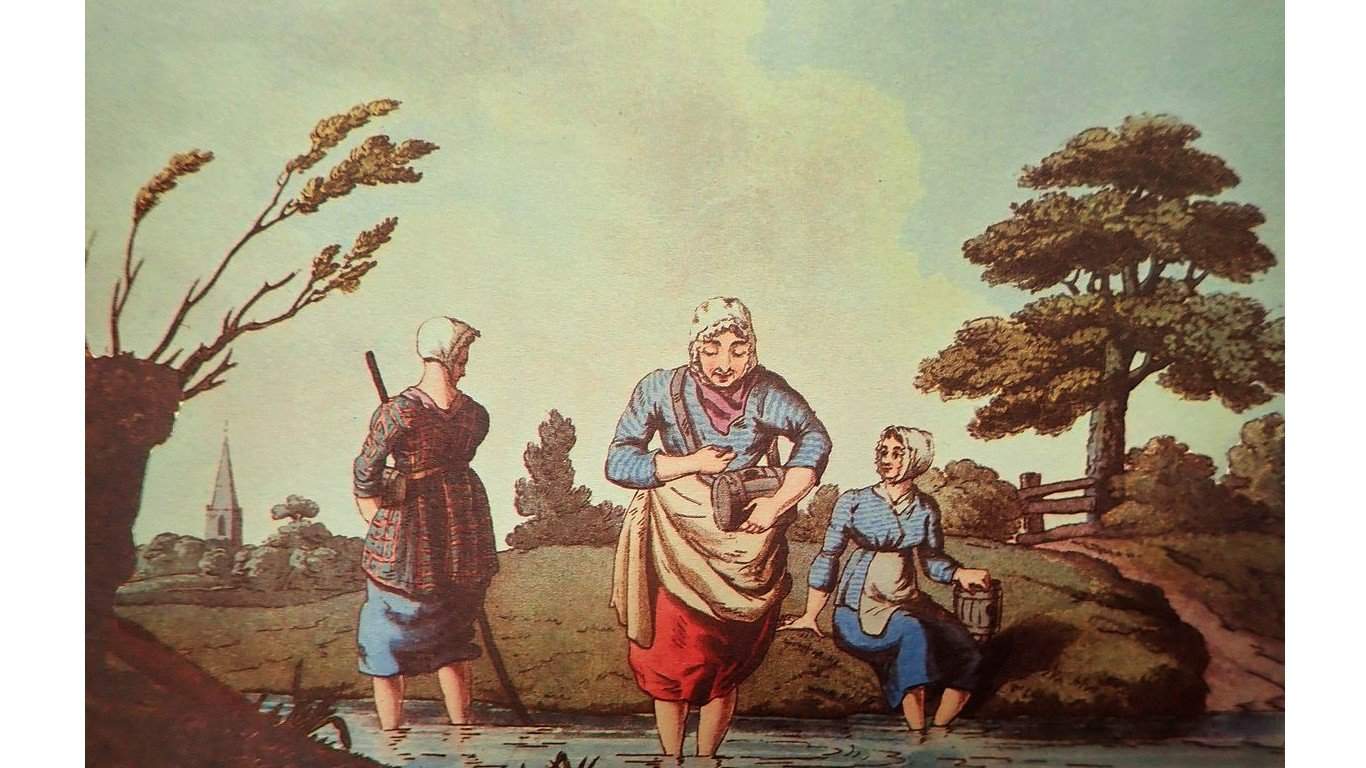
Back in the day, collectors waded into marshes and rivers to gather leeches, which were commonly used for medical bloodletting. The work was filthy and painful, given that leeches often latched onto the collectors themselves. Advances in medicine and the decline of bloodletting ended the trade, which was probably a blessing in disguise for these workers.
Knocker-Up
- Created: early 1800s
- Disbanded: mid-20th century
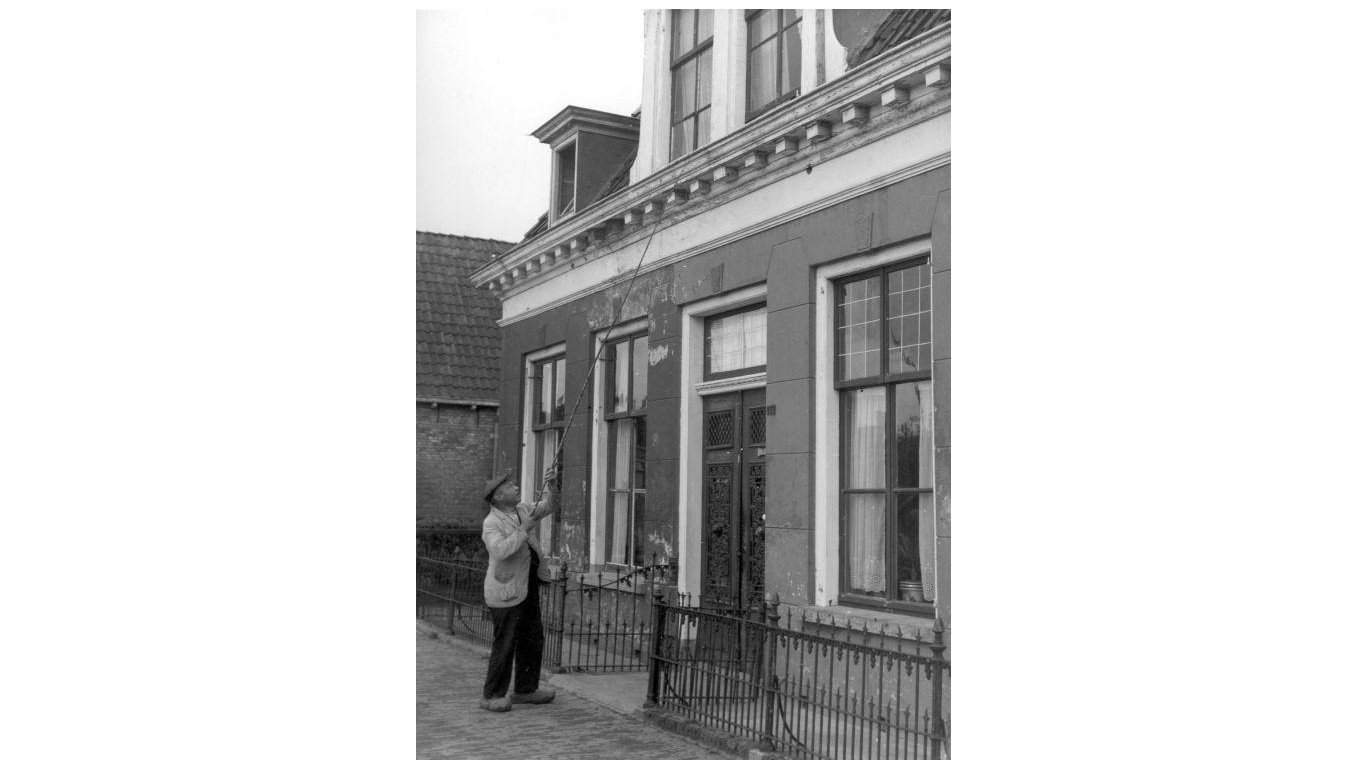
Knocker-ups roamed city streets with long poles, tapping on windows to wake workers before alarm clocks were even a thing. It was an essential service during the Industrial Revolution, but affordable mechanical alarm clocks eventually rendered the profession obsolete.
Resurrectionist (Body Snatcher)
- Created: late 1600s
- Disbanded: 1832 (UK Anatomy Act)
These individuals illegally exhumed corpses to sell to medical schools for dissection, which was a grizzly job, even back in the day. Demand was high because cadavers were vital for anatomical study. Legislation providing legal means for body donation ended the gruesome trade, which was probably for the best.
Whipping Boy
- Created: 15th century
- Disbanded: 17th century
A whipping boy took corporal punishment in place of a young prince, who was considered too noble to be beaten. The idea was that the prince would feel guilt seeing his companion punished, but we all know this likely wasn't what happened. Changing views on royal education eventually abolished this role.
Groom of the Stool
- Created: Tudor England (1500s)
- Disbanded: 1901 (role transformed under Edward VII)
This high-ranking servant assisted English monarchs with their... toilet needs. Oddly enough, it was considered a position of great trust and often led to political influence or careers in other political realms. Modern sanitation and shifting royal customs ended the position, but many who were promoted thanked their lucky stars they started their careers in the bathroom.
Sin-Eater
- Created: 17th century
- Disbanded: 19th century
Families hired sin-eaters to ritually consume bread and ale placed on the chest of the dead, symbolically taking on their sins. It was a strange blend of superstition and folk religion, but common enough to merit an entire career field at the time. The practice faded as organized religion rejected the custom.
Herb Strewer
- Created: 17th century
- Disbanded: 19th century
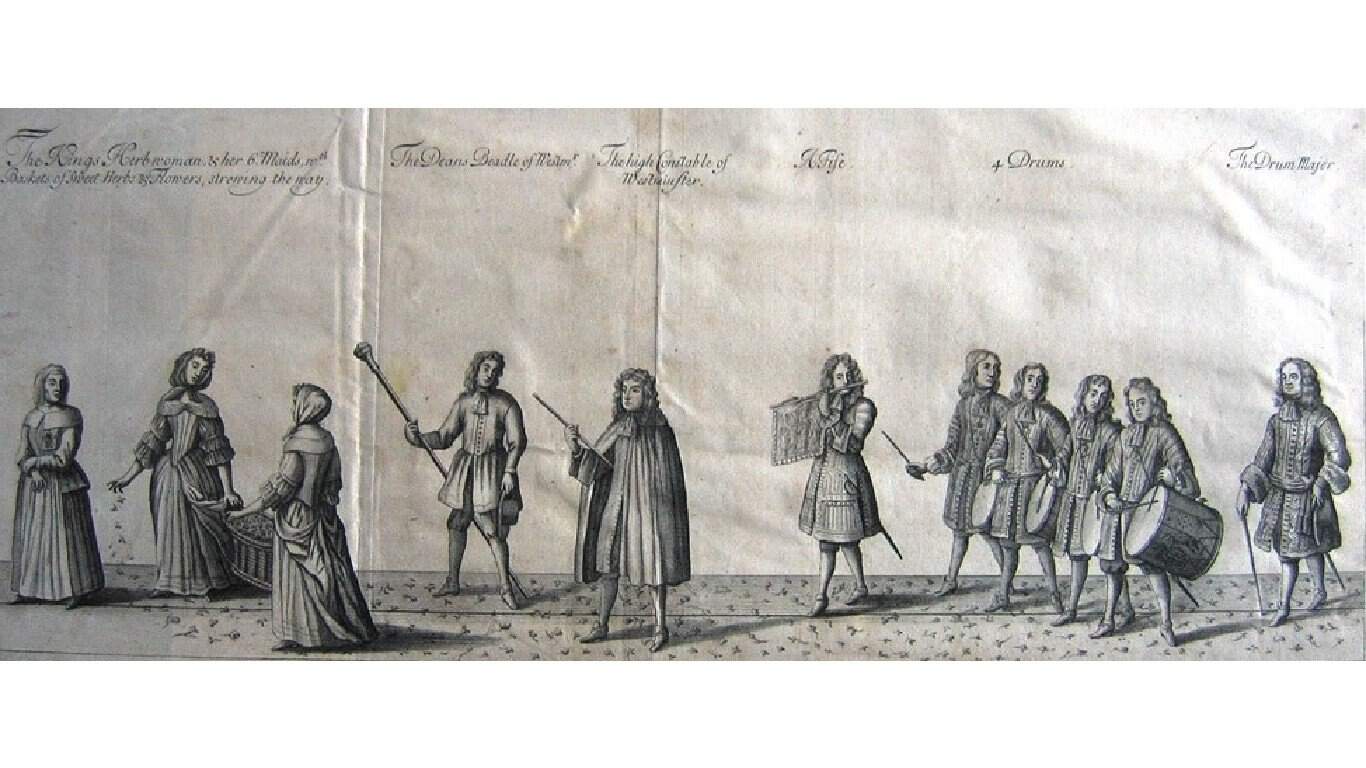
At English coronations, herb strewers scattered flowers and aromatic herbs to ward off disease and bad odors. The role was ceremonial but rooted in old beliefs about the concept of miasma, an ethereal haze supposedly known for causing sickness. Improved hygiene and science made the position unnecessary.
Rat Catcher
- Created: Middle Ages
- Disbanded: early 20th century
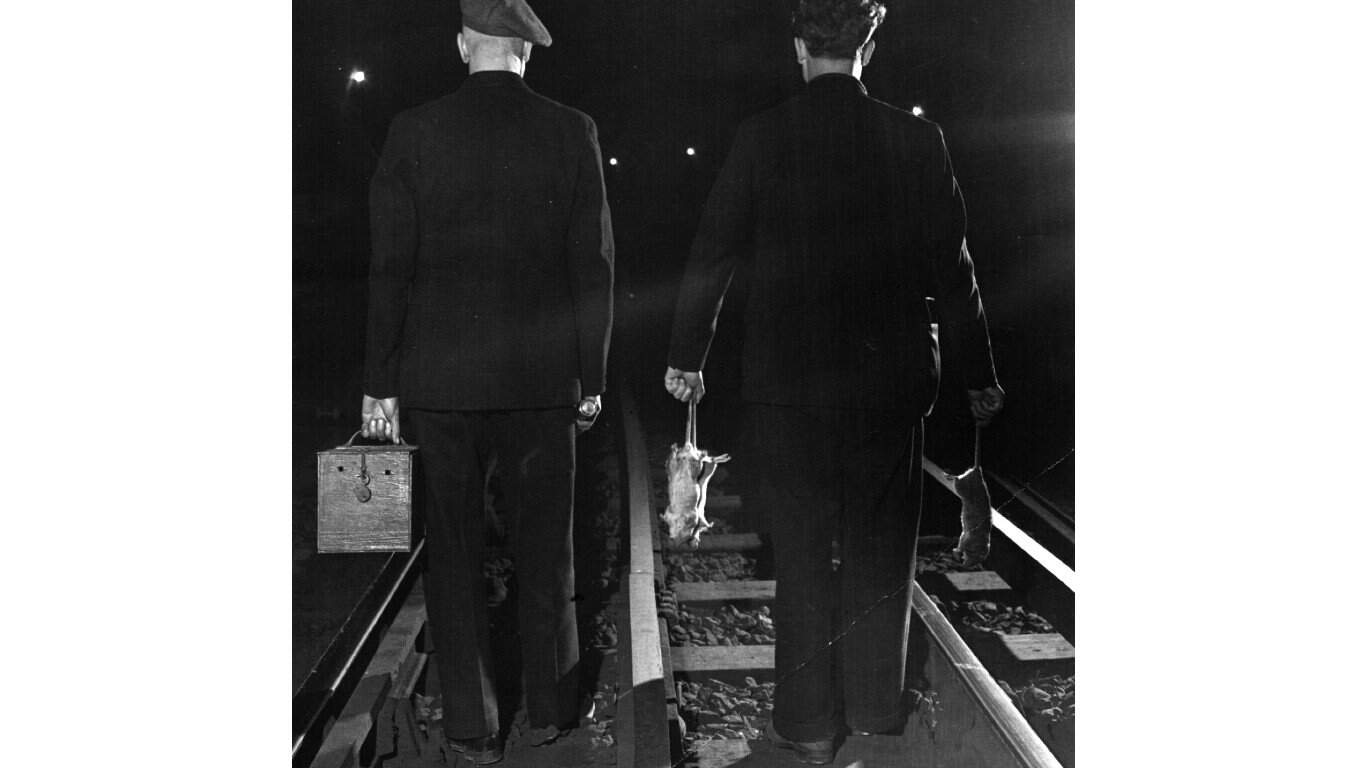
Rat catchers were employed to control vermin in towns plagued by disease. They used dogs, traps, and sometimes even their bare hands to catch rats and dispose of them. Organized pest control systems replaced them as sanitation improved, rendering this career path obsolete.
Armpit Sniffer
- Created: 20th century
- Disbanded: still exists in reduced form
Companies hired human “sniffers” to test deodorant effectiveness by smelling volunteers’ underarms. It sounds bizarre, but it was part of consumer product testing. Machines and chemical analysis have largely replaced the need for human sniffers, but there are still rumors that this job exists today.
Gong Farmer
- Created: Tudor England (1500s)
- Disbanded: mid-1800s
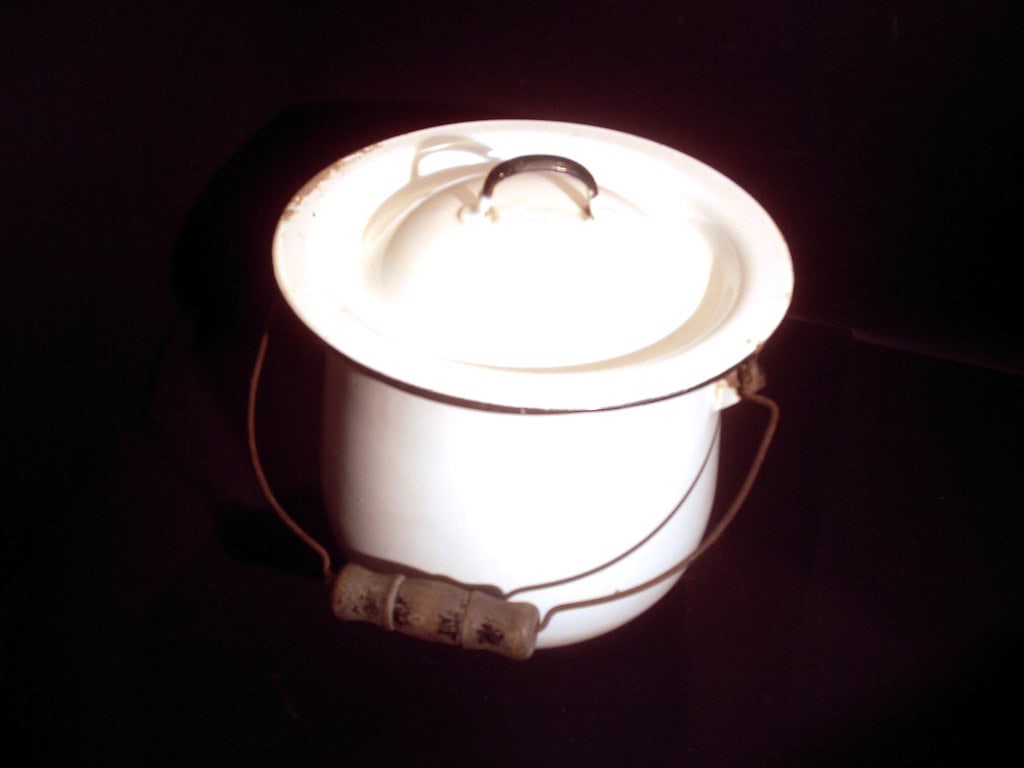
Gong farmers manually removed human waste from cesspits and privies in the dead of night. It was one of the dirtiest jobs imaginable, but it was vital for urban sanitation in this age. Modern sewage systems eventually eliminated the need for them, and thank goodness for that.
Lector
- Created: late 19th century
- Disbanded: mid-20th century
In cigar factories, a lector's job was to read aloud newspapers and novels to workers as they rolled cigars. It kept morale high and workers informed. Radios and recorded media put an end to this unusual profession, but it was a nice addition to factories at the time.
Powder Monkey
- Created: 17th century
- Disbanded: 19th century
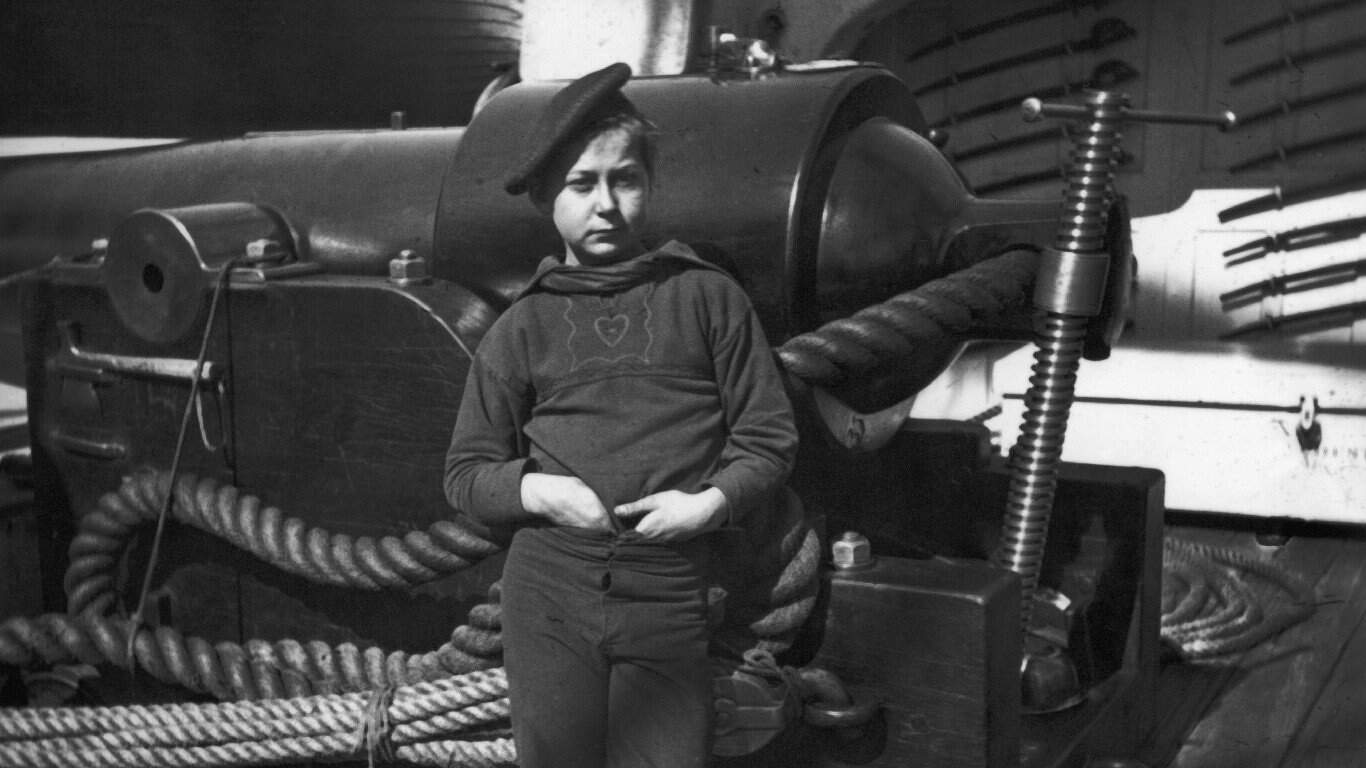
Young boys served on warships carrying gunpowder to cannons during battles. It was dangerous work, but crucial to naval warfare during this era. Improved loading technology and safer naval practices phased out the role, and ultimately saved lives.
Human Computer
- Created: 18th century
- Disbanded: mid-20th century
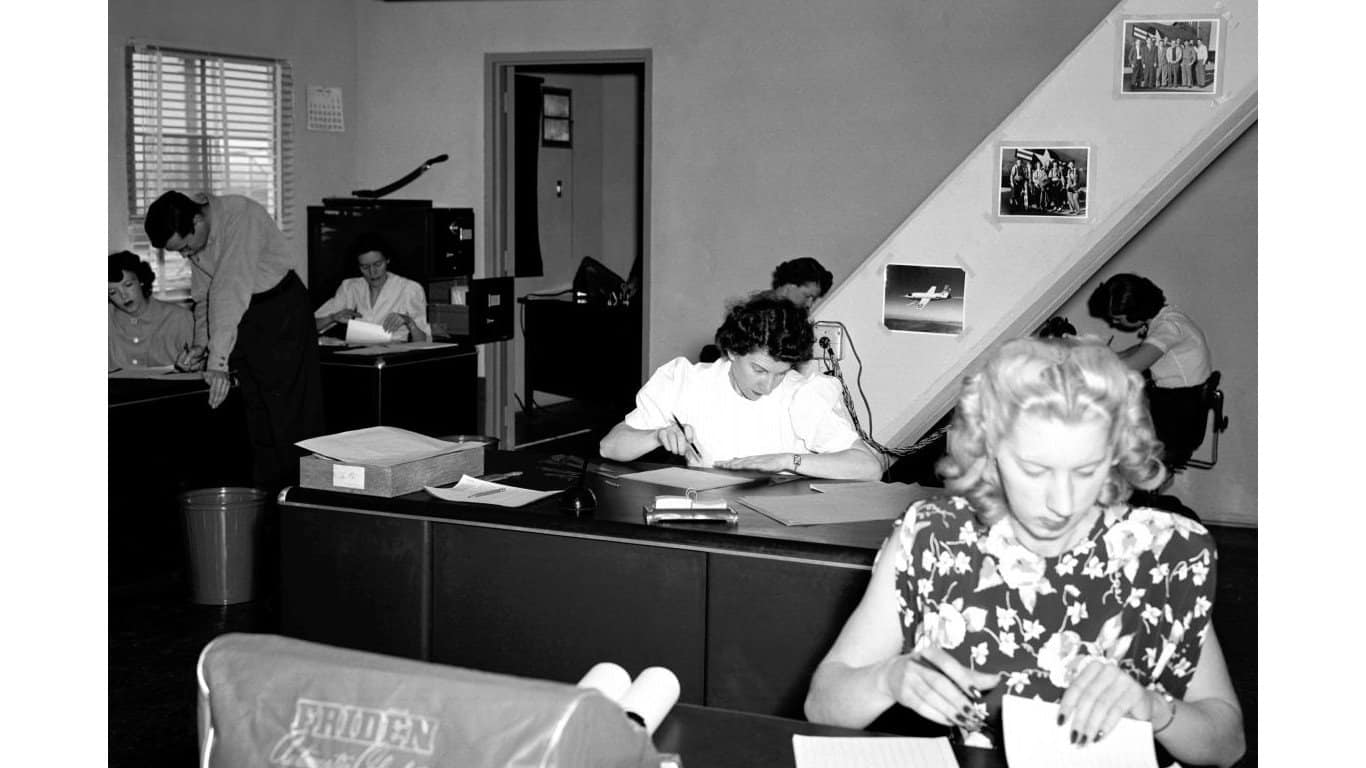
Before electronic computers, people (and often women) were employed to perform complex calculations by hand. They were vital in astronomy, engineering, and wartime projects, especially since women weren't allowed to have many other jobs at the time. Machines gradually replaced them as technology advanced.
Lamp Lighter
- Created: 16th century
- Disbanded: early 20th century
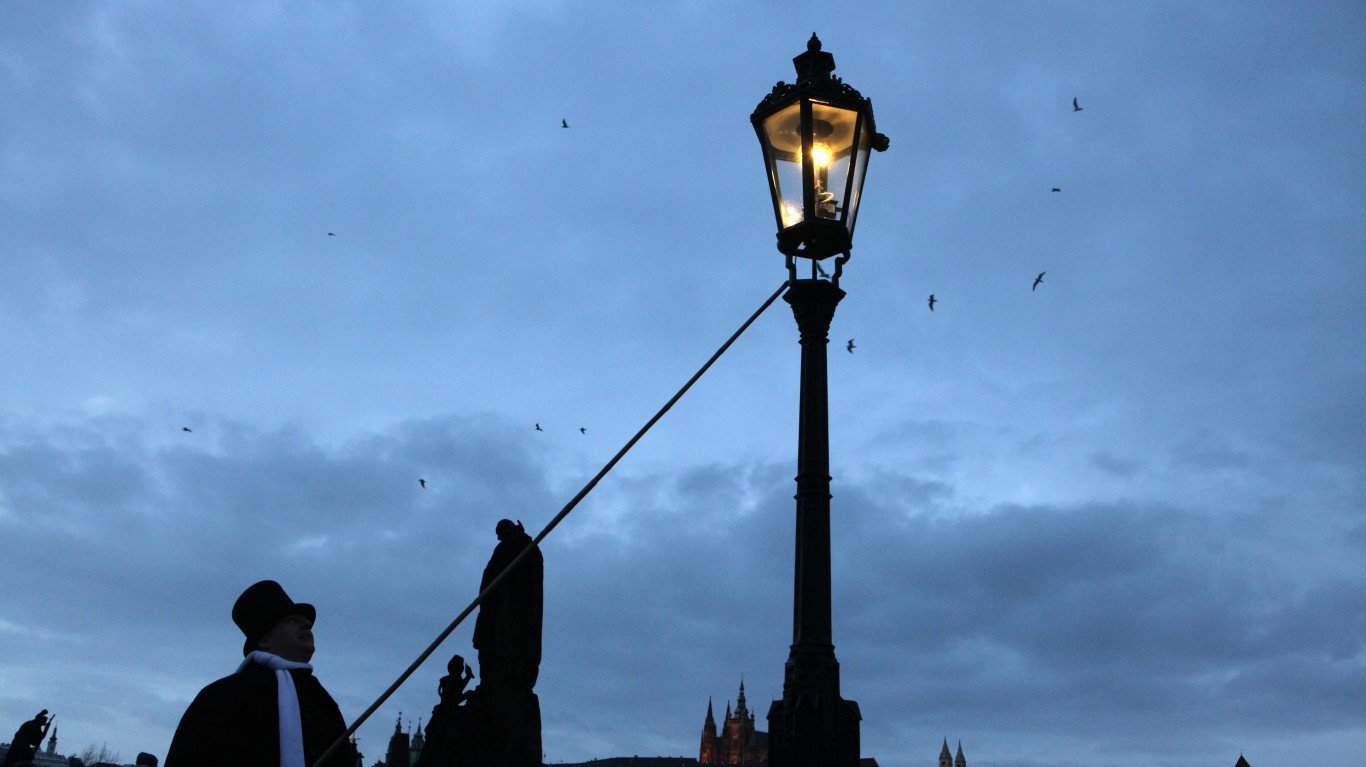
Lamp lighters walked city streets at dusk to ignite oil or gas lamps before electricity existed. They also returned at dawn to extinguish them. The arrival of electric street lighting ended the profession, but some historic areas of the world still have this job on the roster.
Switchboard Operator
- Created: late 19th century
- Disbanded: late 20th century
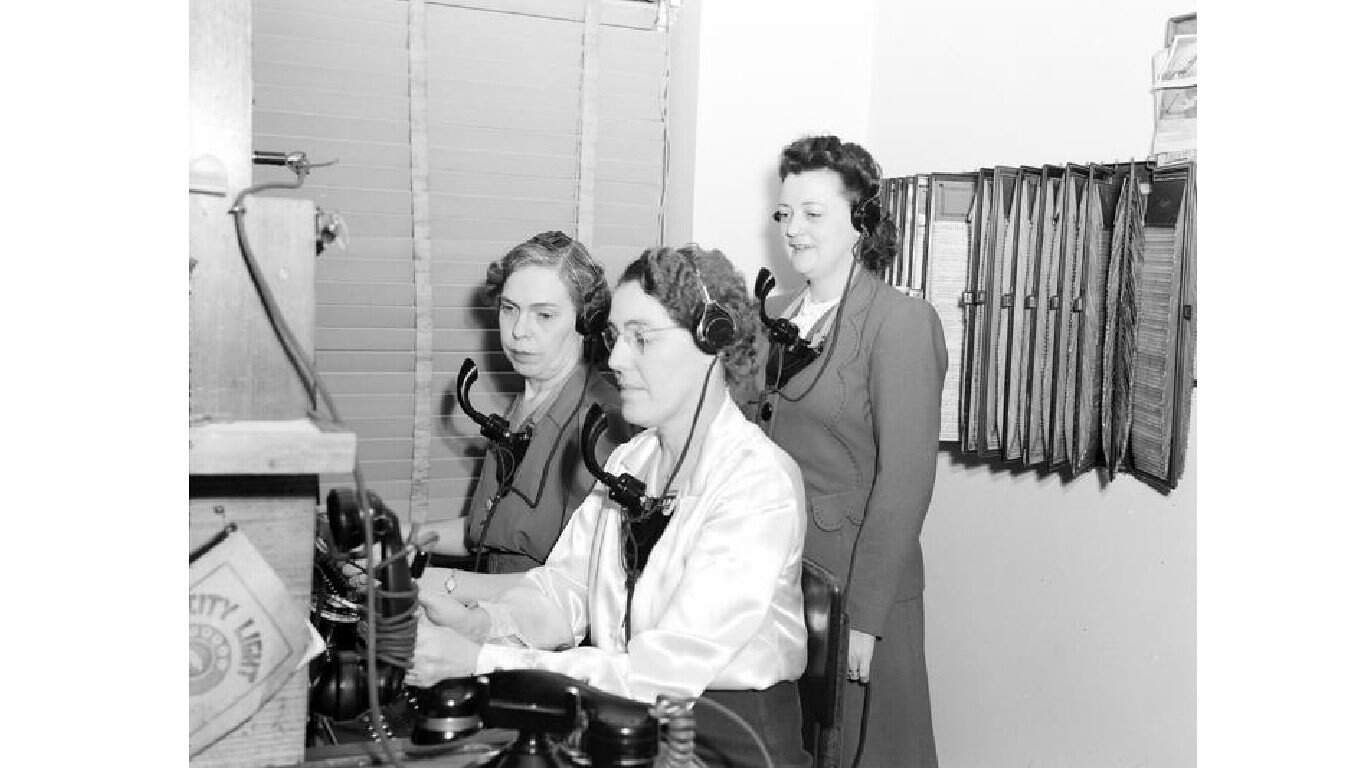
Operators manually connected phone calls by plugging cables into switchboards, a job that was essential for early telecommunications. Automated systems eventually eliminated the need for human operators, who were also often women, given the era and lack of other job opportunities.