Andrew Clemente
Upper Midwest Jewish Archives, University of Minne / No restrictions

OlegKov / Getty Images
Public Domain / Wikimedia Commons
Archive Photos / Stringer / Getty Images
fsse-info / Flickr
Public Domain / Wikimedia Commons
Public Domain / Wikimedia Commons
Jane023 / Wikimedia Commons
Public Domain / Wikimedia Commons
Public Domain / Wikimedia Commons
Public Domain / Wikimedia Commons
Public Domain / Wikimedia Commons
Nationaal Archief / No copyright restrictions
Jim Griffin / Public Domain / flickr
wrangel / iStock Editorial via Getty Images
MichaelMaggs / Wikimedia Commons
University of Southern California / Contributor / Getty Images
Public Domain / Wikimedia Commons

Antagain / E+ via Getty Images
Public Domain / Wikimedia Commons
Clem Rutter / Wikimedia Commons
Hulton Archive / Stringer / Getty Images
Fotosearch / Stringer / Getty Images
Fred Ramage / Stringer / Getty images

Jess Wealleans / iStock via Getty Images
Public Domain / Wikimedia Commons
Topical Press Agency / Stringer / Getty Images
themeowverlord / Flickr
Public Domain / Wikimedia Commons
Seattle Municipal Archives / flickr / CC BY 2.0
General Photographic Agency / Stringer / Getty Images
Trojan_Llama / flickr / CC BY 2.0
Authenticated News / Staff / Getty Images
razor512 / Flickr
Public Domain / Wikimedia Commons


35 Jobs From the Past That Sound Made Up Today
Technology has always changed the way people work. Some jobs disappeared because machines made them unnecessary, while others faded as cities modernized, science advanced, or everyday life became cleaner, safer, and more efficient. At one time, many of these occupations were ordinary parts of daily life. Today, they sound almost impossible to imagine.
To build this list, 24/7 Tempo reviewed historical sources on jobs that were once common but have largely vanished. Some roles were tied to early technology or old infrastructure, while others were entry-level positions, street trades, household services, or professions based on ideas that have since been disproven.
Together, these obsolete jobs show just how much life has changed over the centuries. From workers who handled water, lighting, and sanitation before modern systems existed to jobs replaced by automation and new technology, these occupations reveal a world that was more labor-intensive, less convenient, and often far stranger than the one we know today.
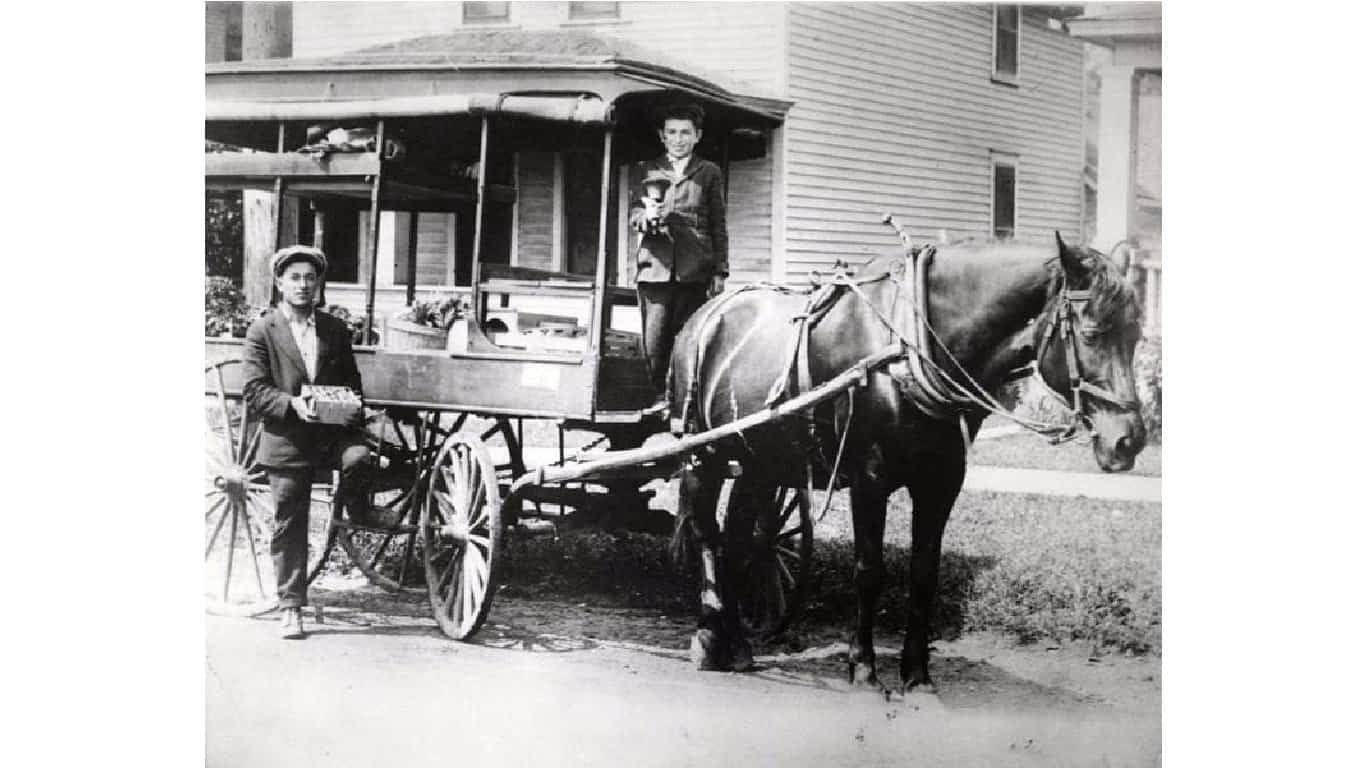
Arabber
Arabbers were street vendors who sold fresh fruit and vegetables from horse-drawn carts. Their carts were normally brightly painted and the vendors used signature slogans and chants to draw in clients. The number of arabbers declined throughout the 20th century with the expansion of supermarkets and the reduction in public horse stables. The job was once especially common on the East Coast, and a handful of arrabers still carry on the tradition to this day in Baltimore.
Billy Boy
Billy boys were mainly tasked with starting fires and brewing tea in “billy” cans for groups of laborers and tradesmen. They were young apprentices who were learning a trade and starting out at the bottom. The position was popular in the United Kingdom, Australia, and New Zealand and fell off with the rise of more formal apprenticeships and more modern methods for preparing tea.
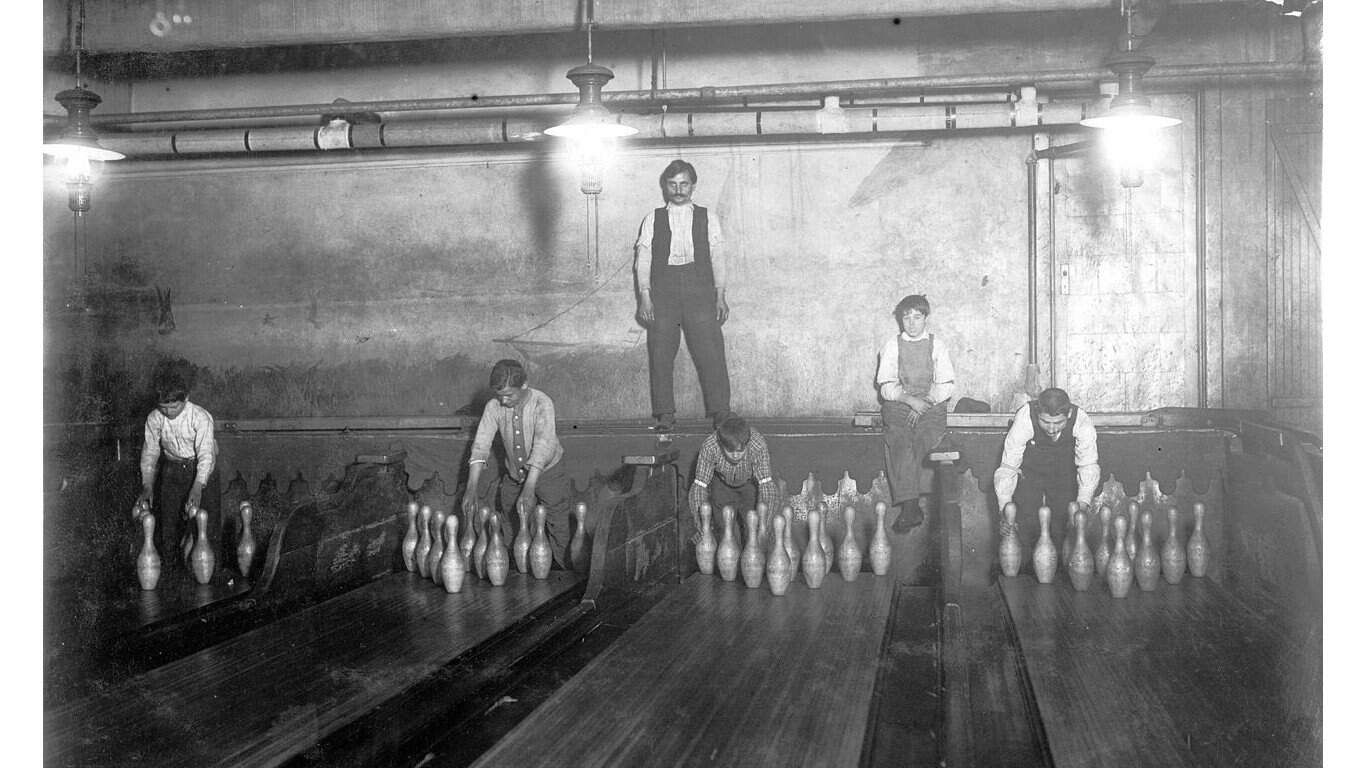
Bowling Pin Setter
Before machines existed to reset bowling pins and return balls, the job was done manually. Normally boys and young men would work in bowling alleys, keeping lanes running smoothly. With the invention of mechanical pinsetters in the 1940s, the job quickly became obsolete.
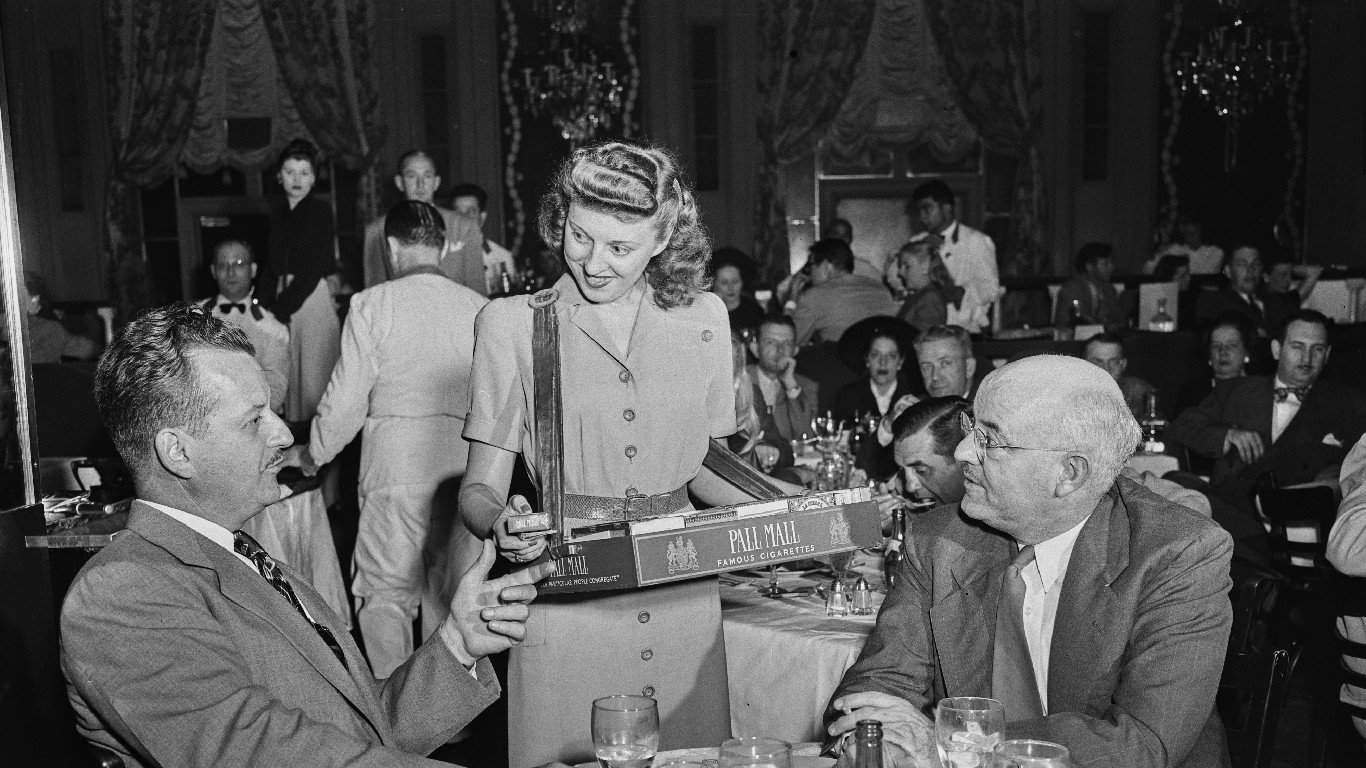
Cigаrette Girl
Cigаrette girls worked at speakeasies, nightclubs, restaurants, sporting events, and other venues. They normally wore short skirts and pillbox hats and carried trays filled with cigаrettes, cigаrs, candy, and other snacks. Cigаrette machines became popular in the mid-1950s and replaced most of the workers and anti-smоking laws extinguished the trade for good. However, a few casinos and nightclubs, especially in Las Vegas, still employ cigаrette girls.
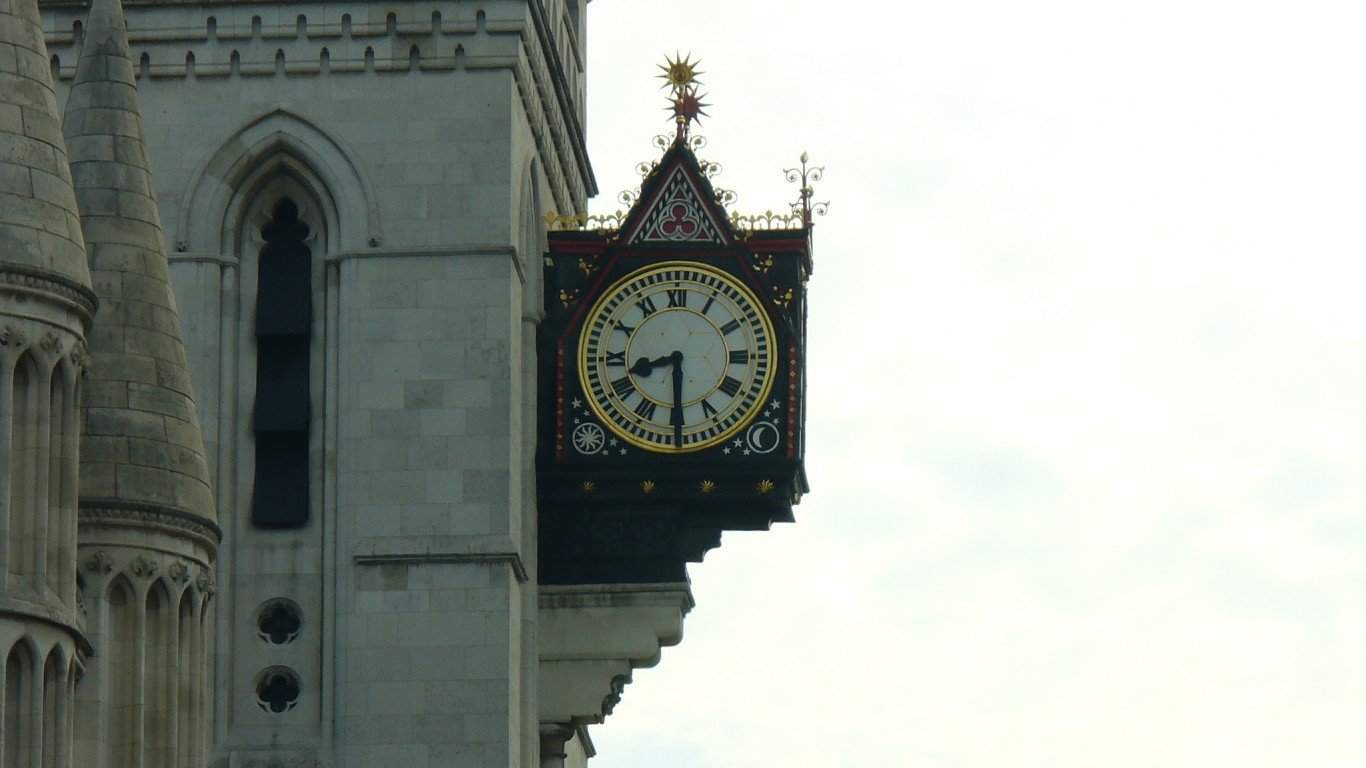
Clock Winder
Before electric clocks were invented, clocks had to be wound up by hand. Clock winders would climb up into the inner workings of large clock towers and turn their mechanisms to keep the massive timepieces functioning. The clock tower that houses London’s Big Ben still employs a clock winder.
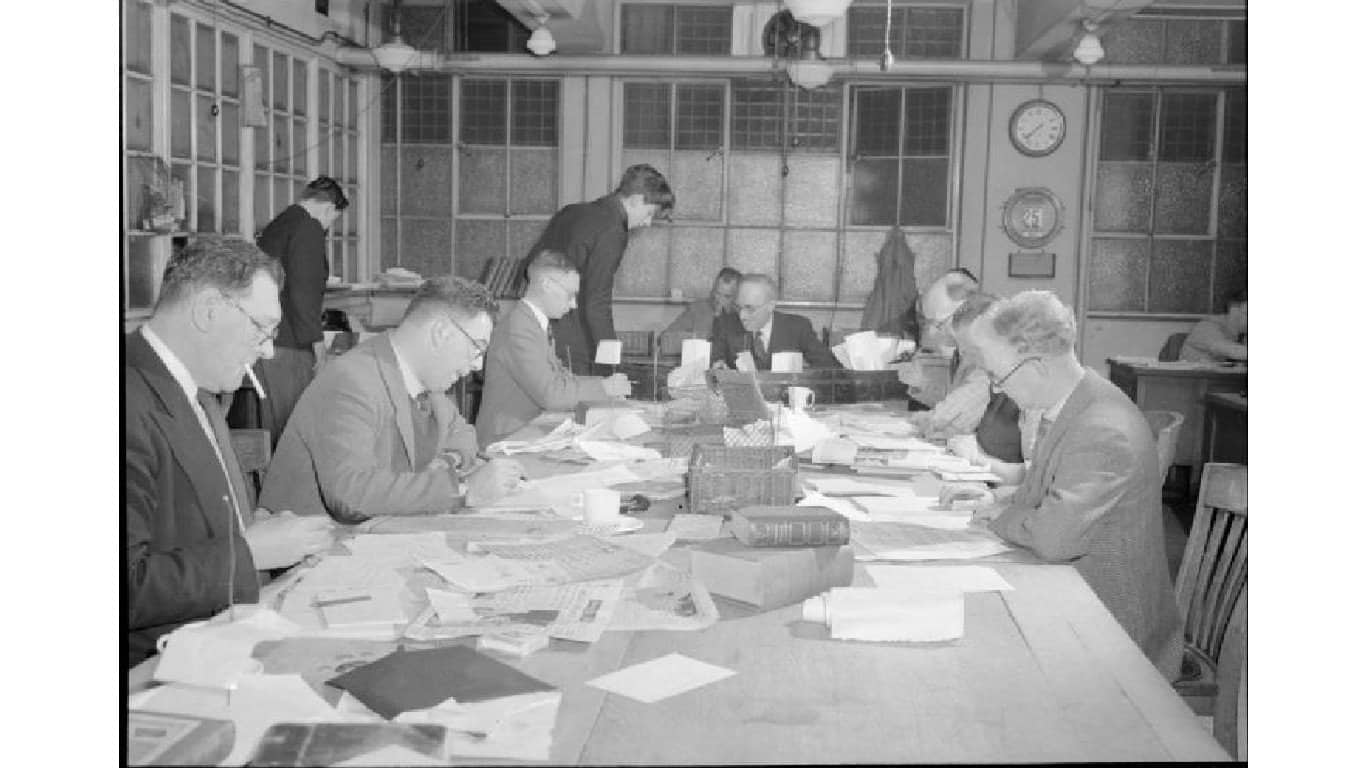
Copy Boy
Copy boys, often the most junior members of newspaper staff, were tasked with bringing typed stories from one department of a newspaper to another. With the advent of the internet and other ways of transporting information, the job became extinct.
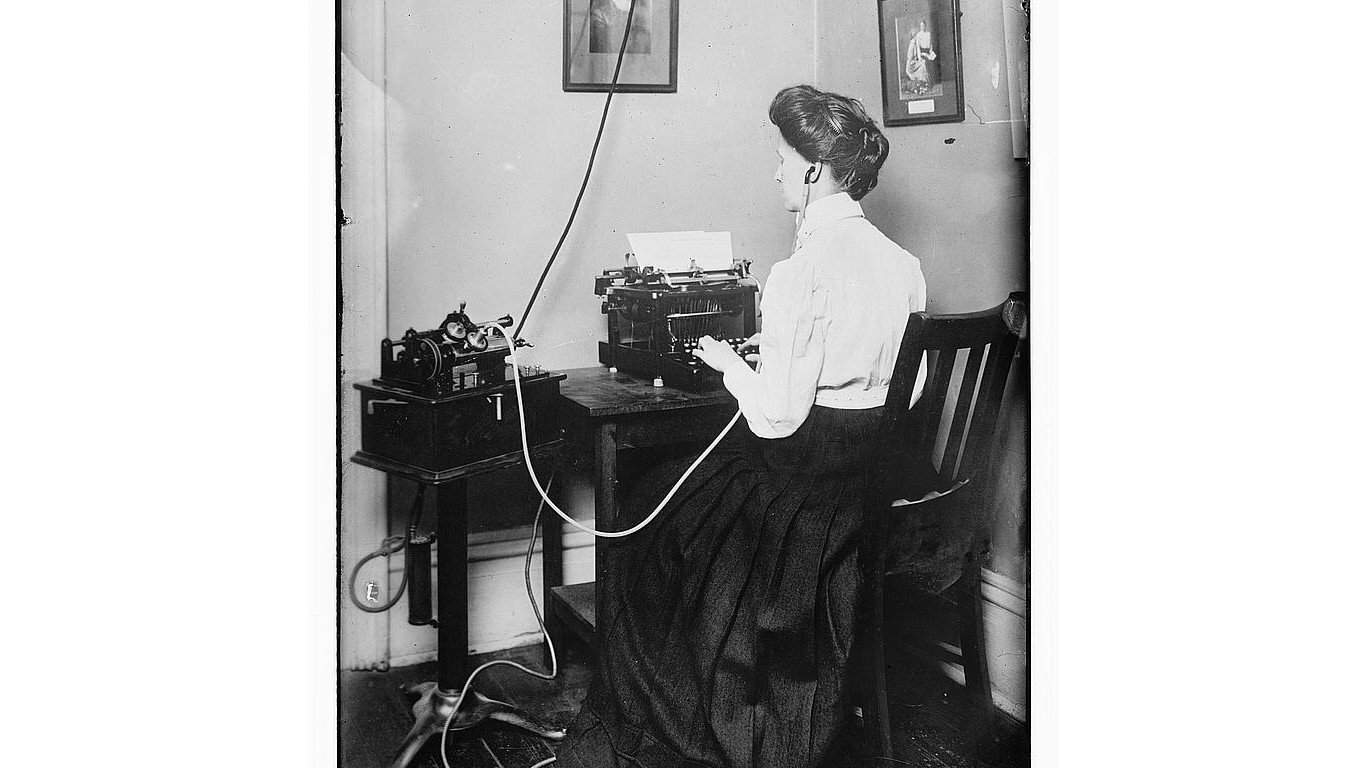
Dictaphone Operator
The Dictaphone, one of the first machines capable of recording sound, was commonly used to record speech to be played back and transcribed. The machine was invented by Alexander Graham Bell and used wax to imprint recordings. The job became obsolete with more convenient recording and playback technology.
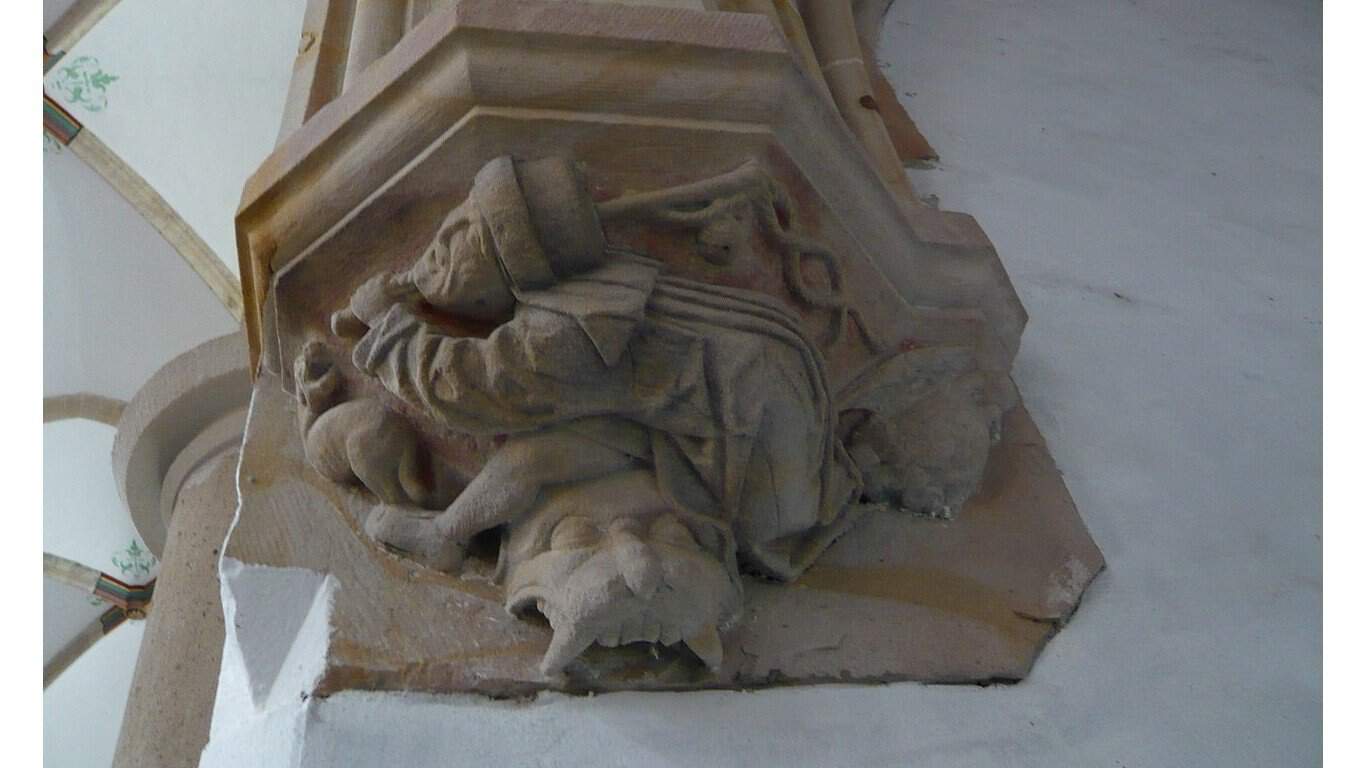
Dog Whipper
Jobs exist when there is a significant demand for the services they provide and, for several centuries in Europe, there was a serious need for someone to keep unruly dogs off church property during services. At the time, it was common for household dogs to follow their owners to church, and someone had to deal with the ones who misbehaved. Dog whippers normally carried a long whip and a pair of tongs for removing canines.
Herb Strewer
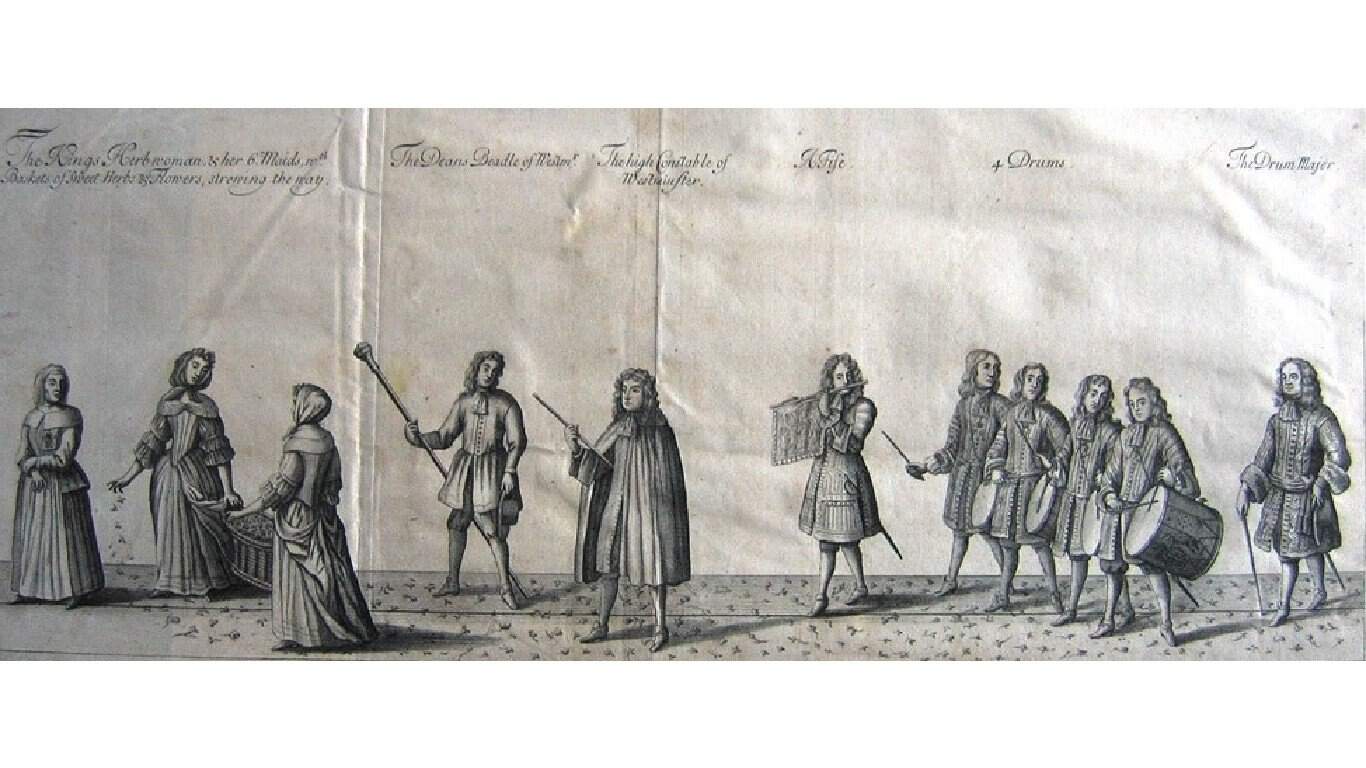
Herb strewers spread herbs and flowers around royal and noble residences in the UK to mask the unpleasant odors of life before sewer systems became prevalent in the 1850s and after. The creation of sewage infrastructure made the position obsolete.
Human Computer
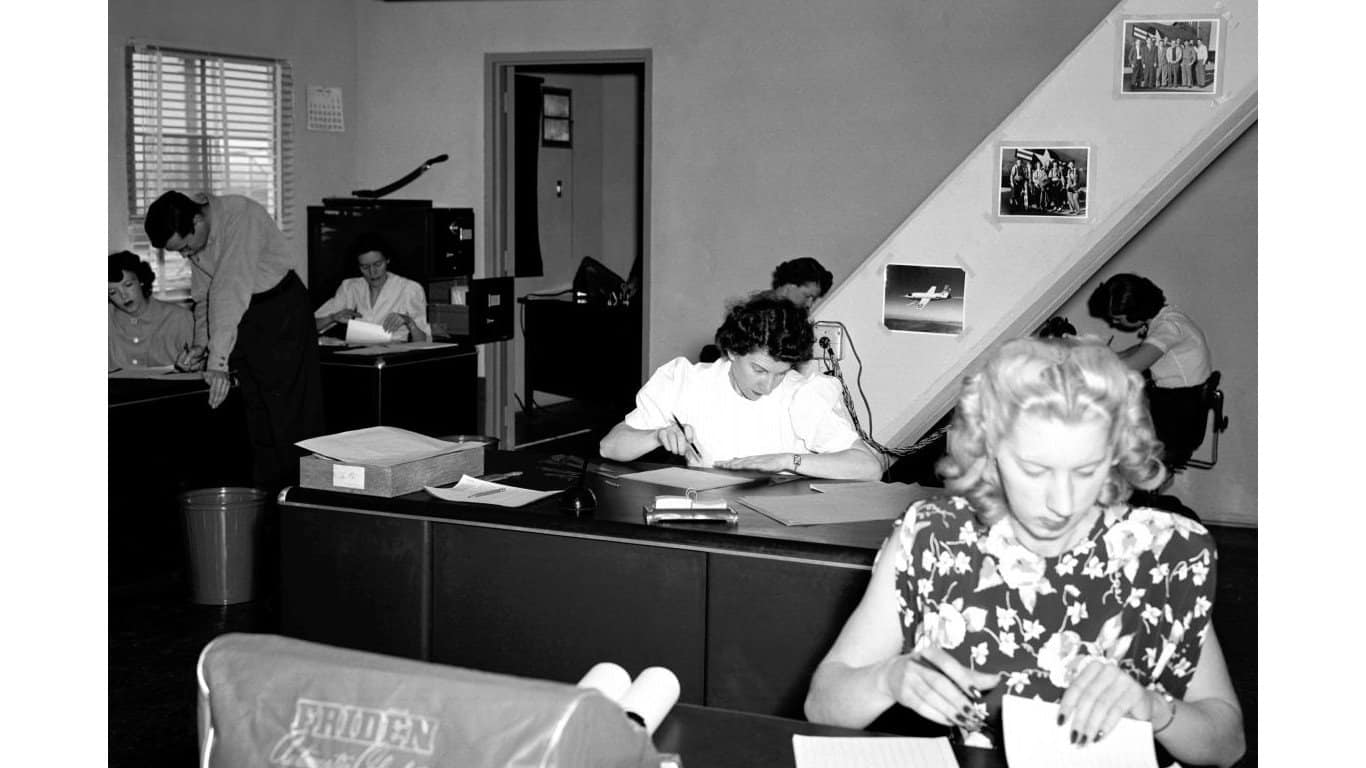
Human computers were people whose jobs were to complete advanced mathematical calculations. They often worked in multiple teams to ensure accuracy. The rise of mechanical computers made their jobs obsolete.
Ice Cutter
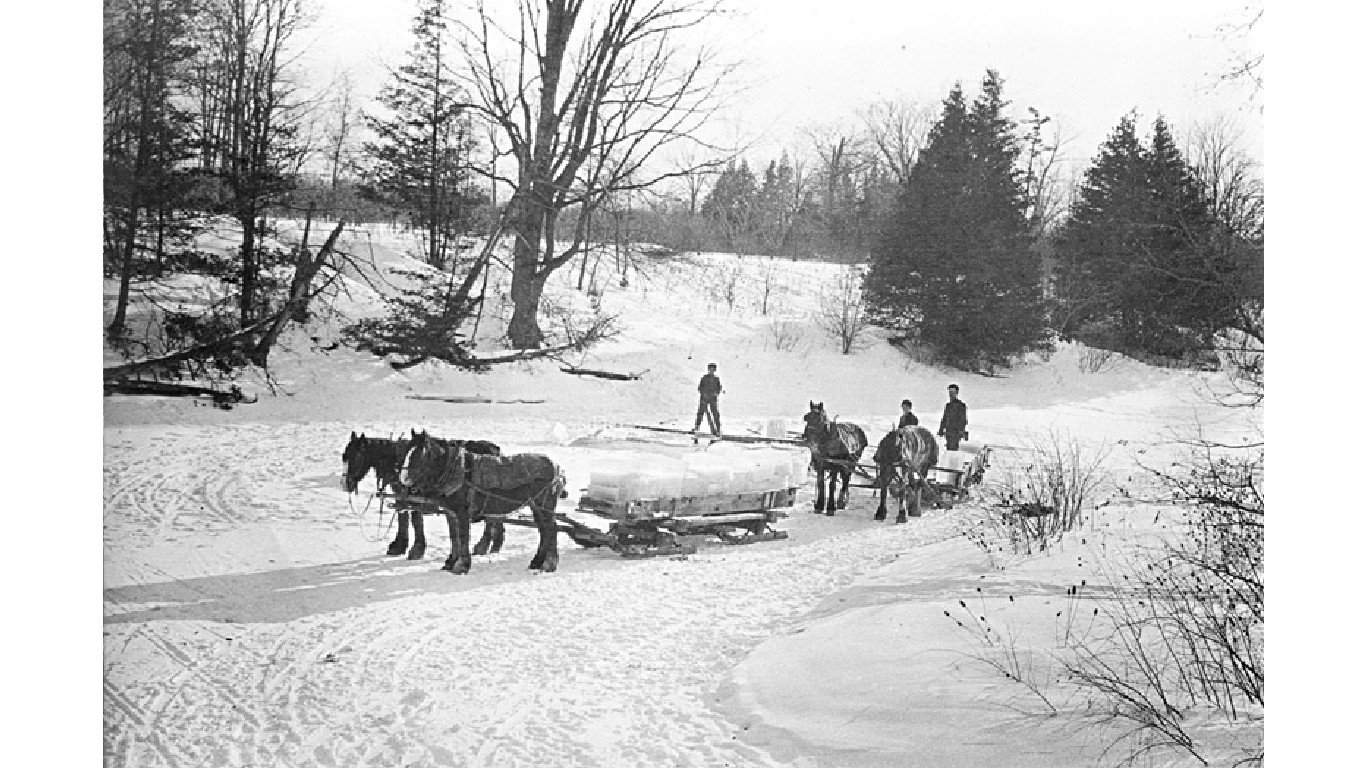
Ice cutters would head out to frozen rivers, lakes, and ponds, cut large chunks of surface ice, and haul them home for personal use or to sell. Before the invention of mechanical refrigerators, people kept food cold in ice boxes or ice houses. The rise of industrial plants for producing ice and then the introduction of home refrigerator freezers in the late ’20s obviated the need to harvest natural ice.
Iceman
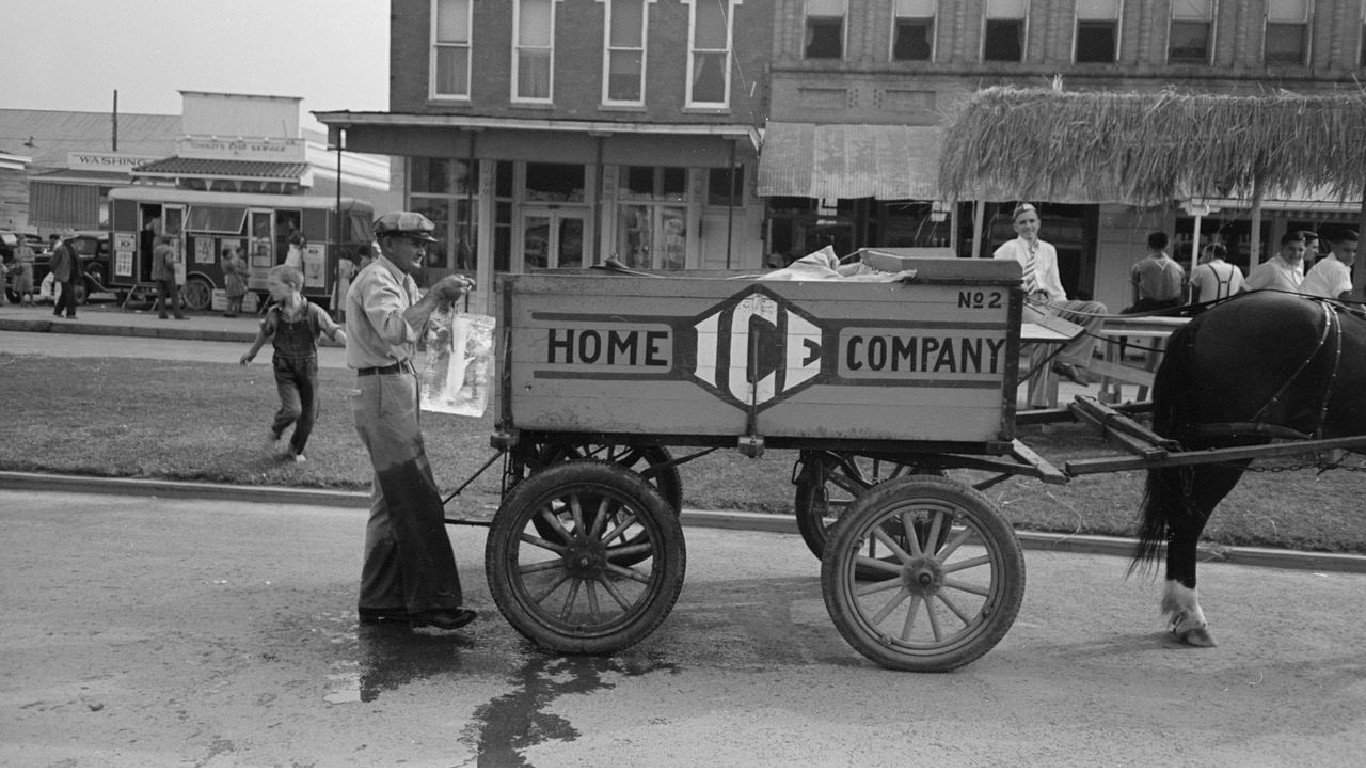
Delivering ice – usually manufactured rather than cut in the wild- to residents and businesses in cities was a popular job, especially when the ice trade was booming. Ice was usually delivered in large blocks and customers would have to break up the ice with an ice pick. The invention of in-home freezers and ice makers made the need for ice delivery largely obsolete.
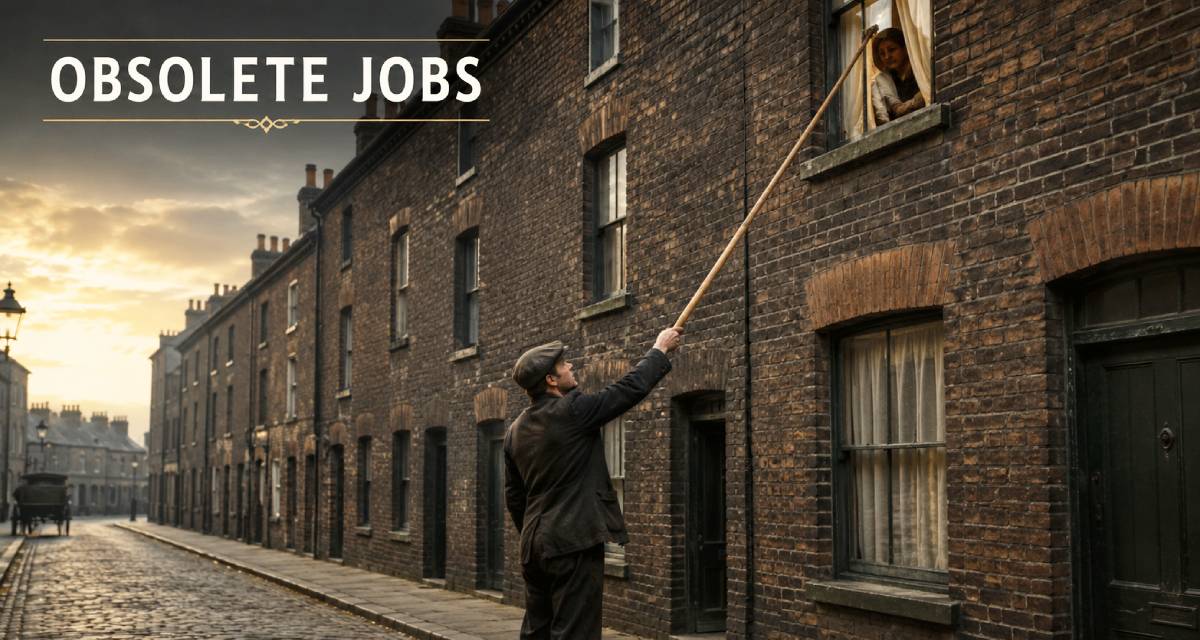
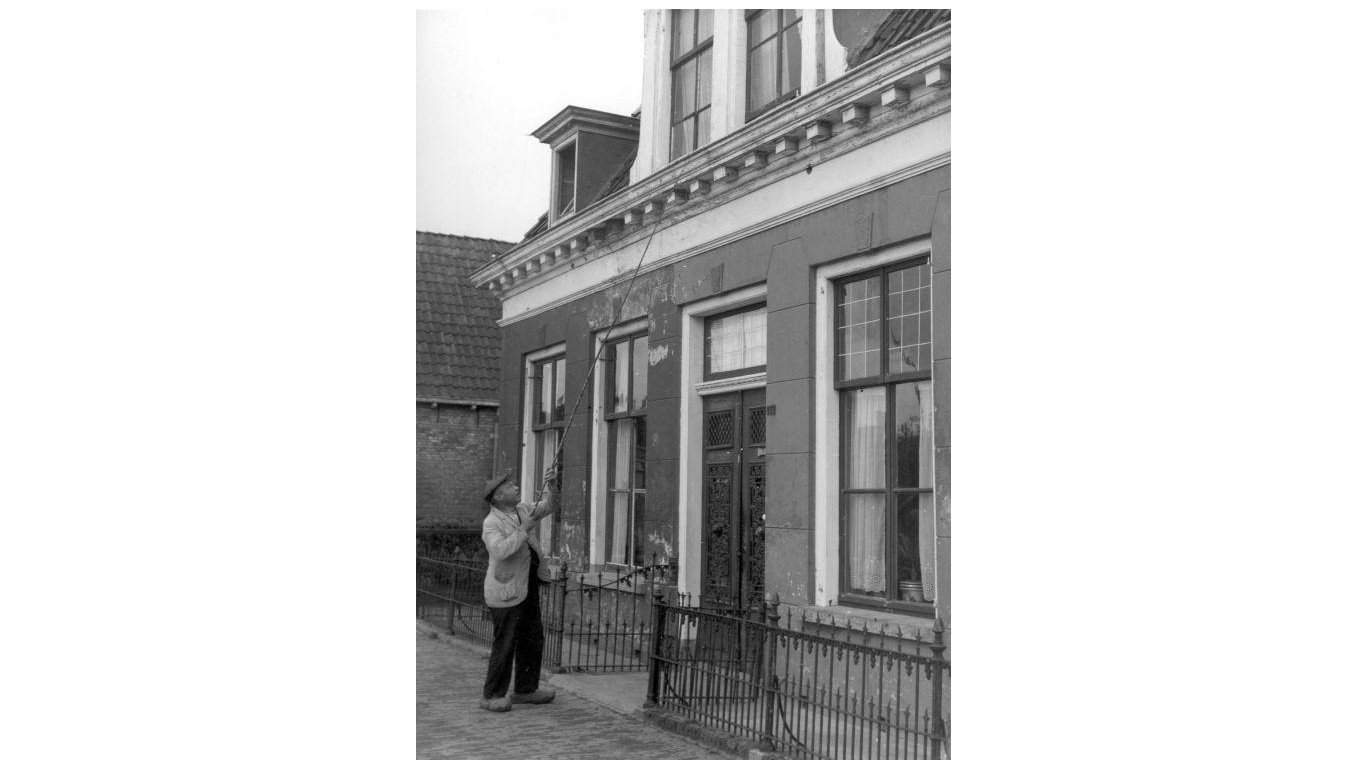
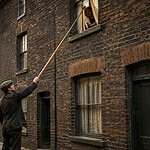
Knocker-Upper
A knocker-upper was a human alarm clock, especially in Great Britain and Ireland. He wielded a long massive pole, used to bang on the windows of clients when it was time for them to wake up. Knocker-uppers were largely employed by mill and dock workers who often worked irregular shifts. They were replaced by the increased availability of cheap alarm clocks in the ’40s and ’50s, though a few persisted in their trade in industrial regions into the early 1970s.
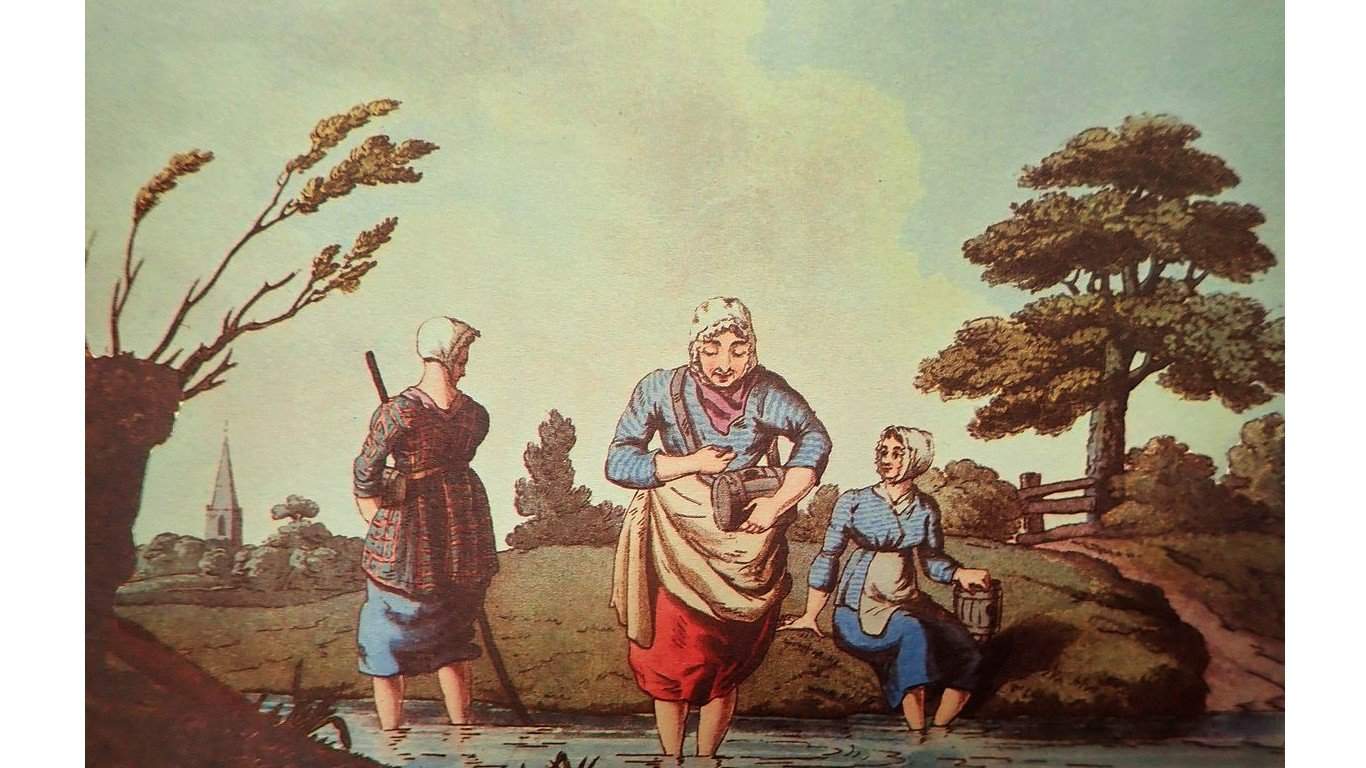
Leech Collector
Leeches were first used in bloodletting, a procedure where medical “experts” would remove bad blood from a patient, in ancient times, but the practice persisted into the late 1800s in some places. The collector was tasked with gathering leeches, often using his own leg as bait in bogs and marshes. Collectors frequently suffered consequences from infections and excessive blood loss. The job went extinct when bloodletting was debunked.
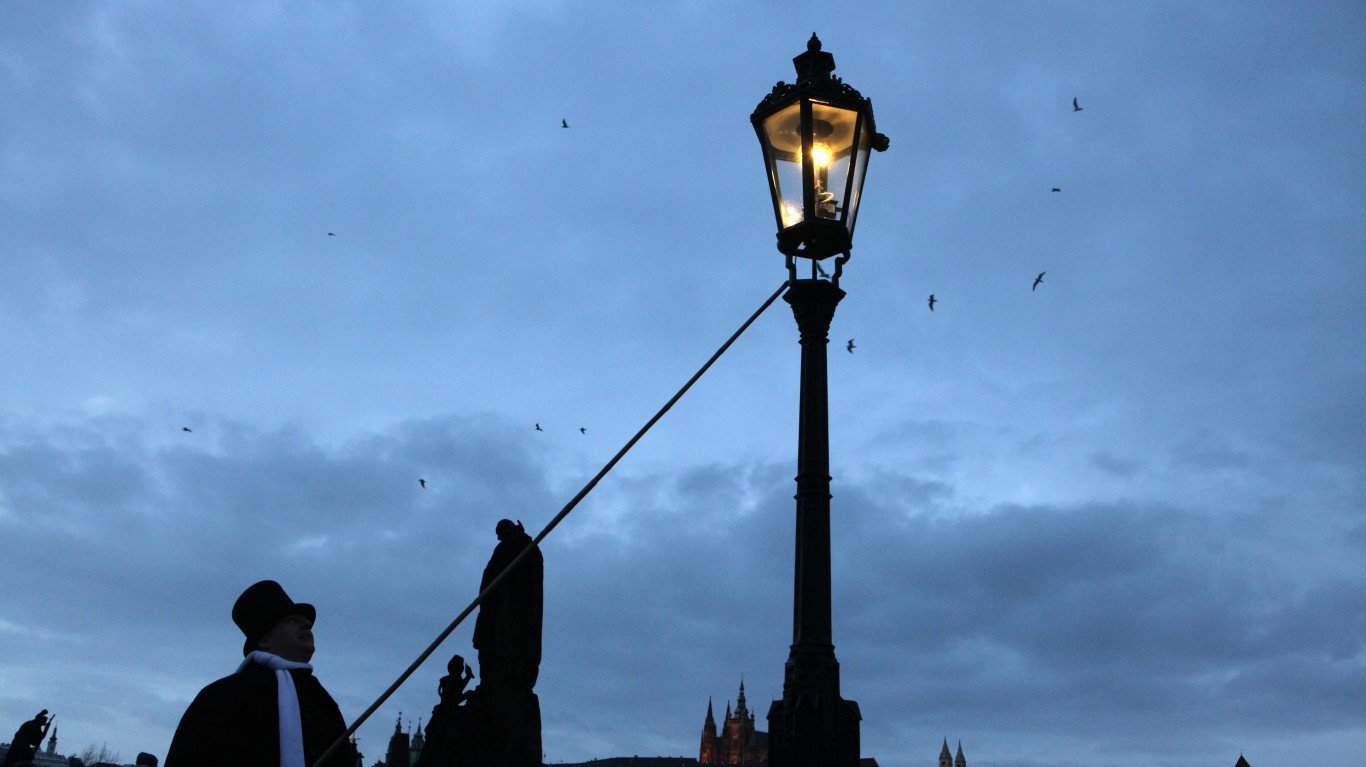
Lamplighter
Before electricity was commonly used, streets were lit by candle or gas street lamps. Instead of flipping a switch and turning on a whole system, individuals had to go from lamp to lamp and light them at dusk every day, returning every morning at dawn to put them out. The profession was no longer needed when electric lights replaced gas ones.
Link Boys
In 18th- and 19th-century England, before street lights were commonplace, people would hire link boys to help illuminate their journey home. Groups would gather and boys carrying torches would lead them safely through the dark to their destination. The rise of street lights made the service unnecessary.
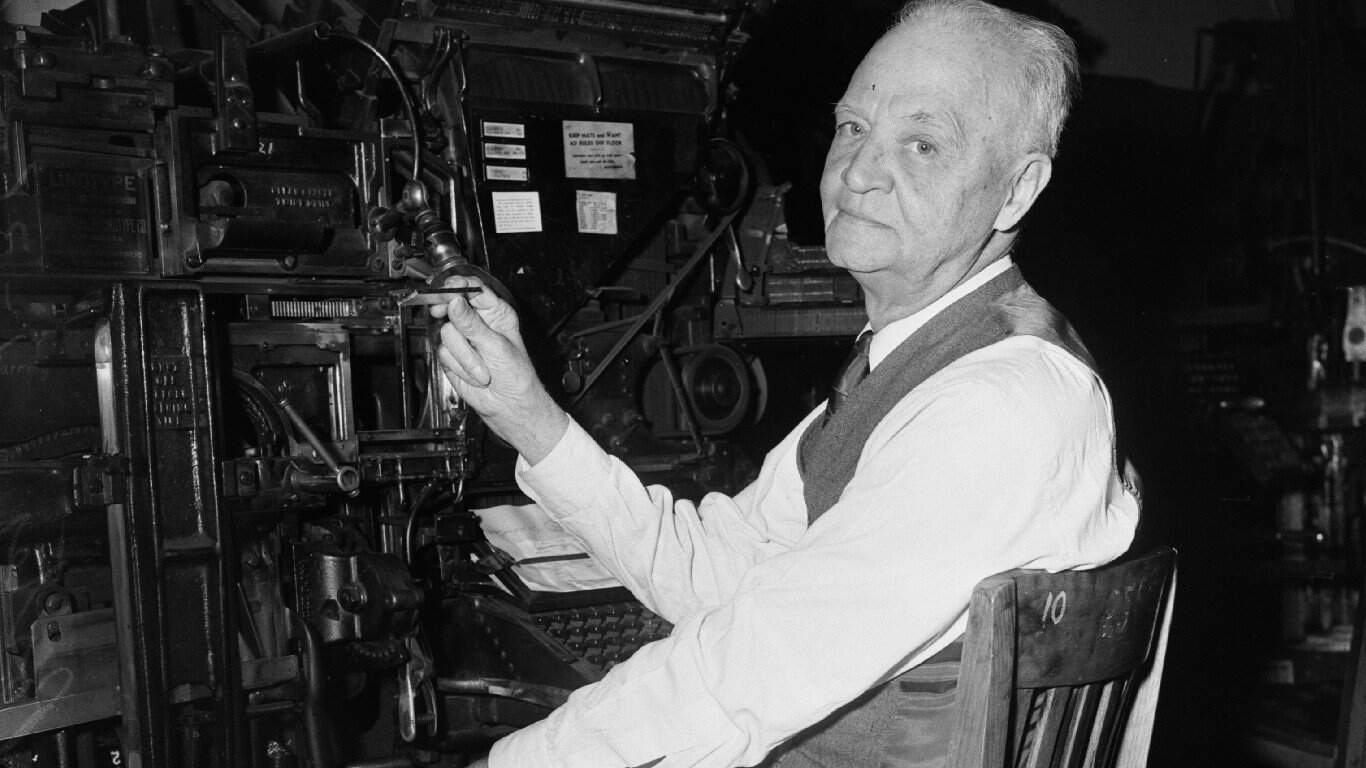
Linotype Operator
Invented in the 1880s, the linotype was the main type of press used to print newspapers until the 1970s. They used hot metal typesetting to cast blocks of metal type that would then be used to print all sorts of works. At the time of its invention, the linotype revolutionized printing and made it much more efficient. However, one hundred years later it was replaced by photo and computer typesetting.
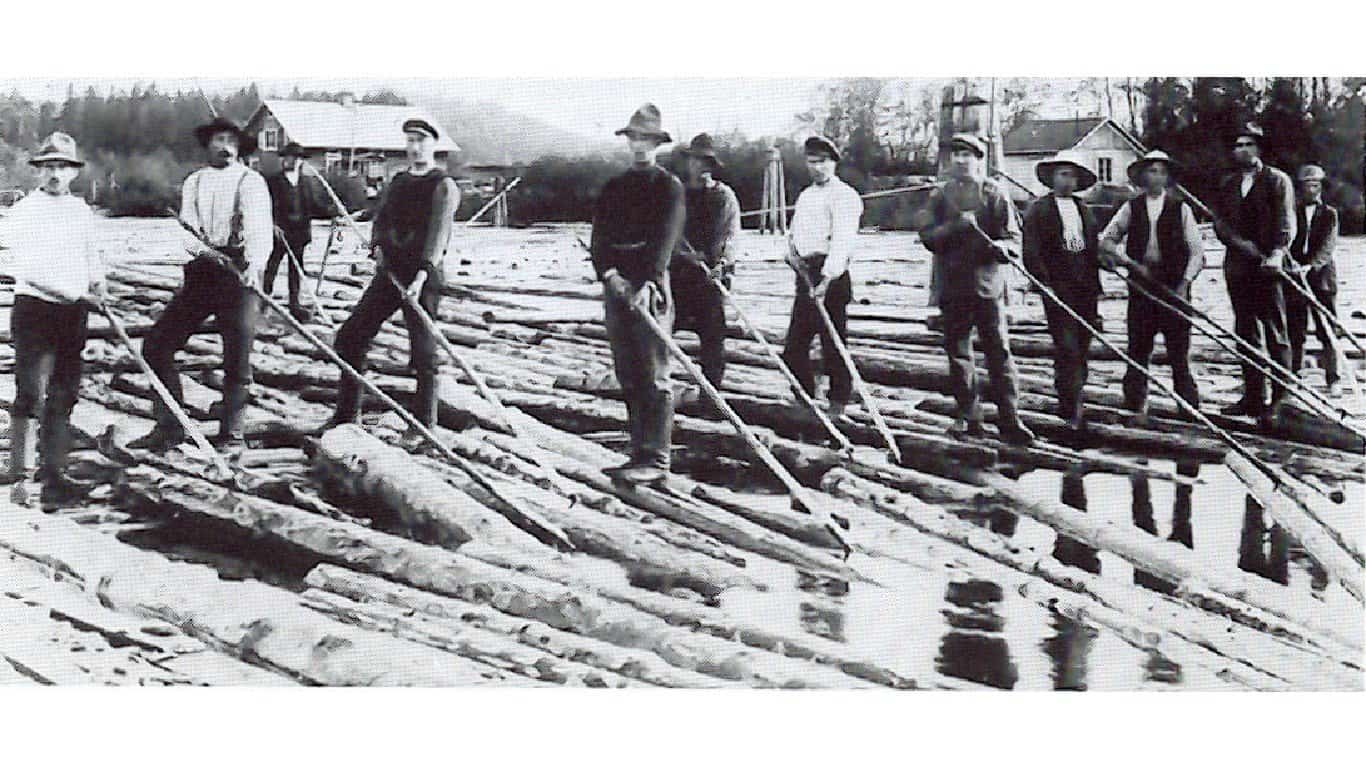
Log Driver
Forests, where lumberjacks cut down trees for lumber, were often far from major settlements, and the easiest way to transport logs was by floating them down a river. However, this was not always easygoing and log drivers (also known as river pigs) would travel with the logs to make sure they flowed smoothly. The work was often very dangerous as drivers would walk across and maneuver massive logs through treacherous waters. The invention of modern trucks and other heavy equipment made transporting logs over land much easier and made log driving an unneeded and risky venture.
Matchstick Maker
Matchstick making was a dangerous profession that exposed workers to high levels of phosphorus daily. The invention of “strike anywhere” matches used white phosphorus on their tips and made them much more toxic. Eventually, humans who made matches were replaced by machines.
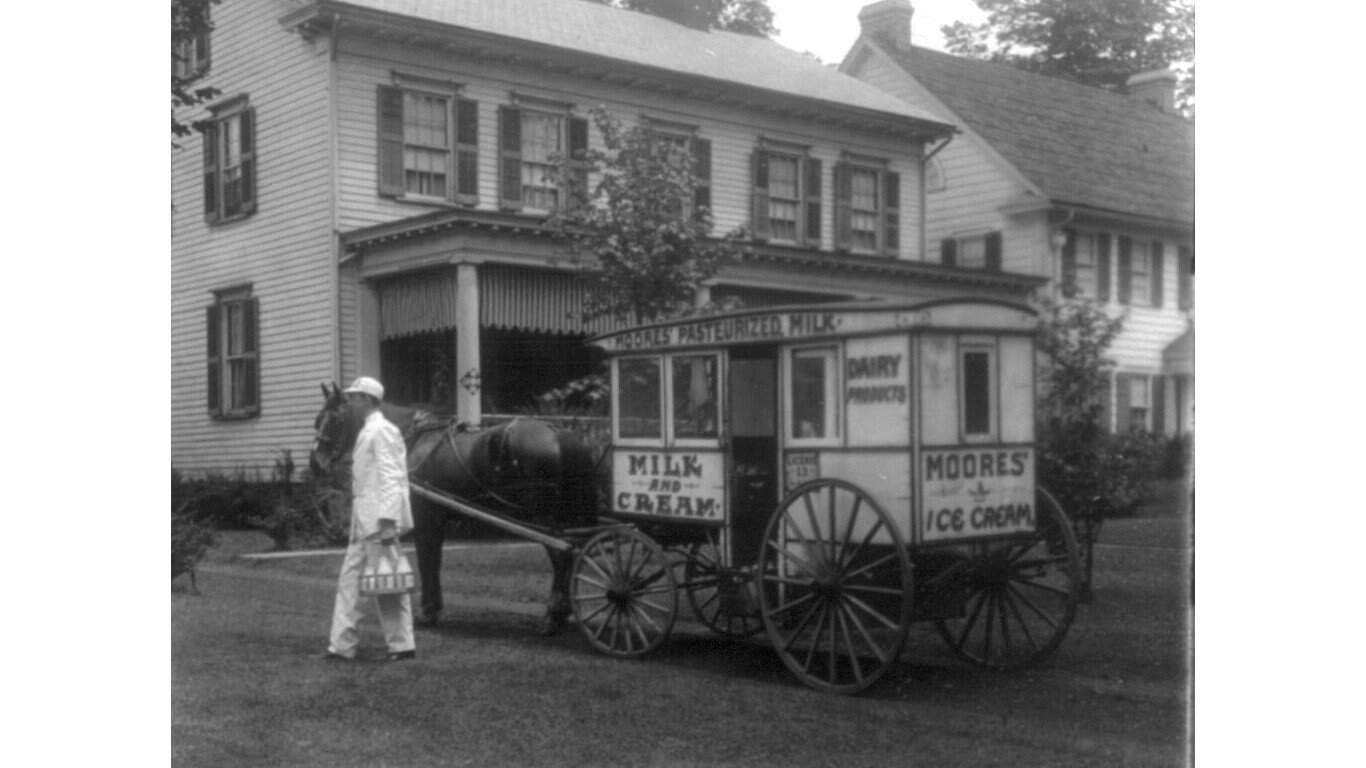
Milkman
Before refrigeration and preservation methods were commonplace, people had milk and other dairy products delivered daily. In the 1860s, deliveries were made by horse-drawn wagons, with motorized vehicles eventually taking their place. There are still milkmen (and -women) in some places, operating on a small scale, but by the 1970s, most people stopped having their milk delivered and the trade died out.
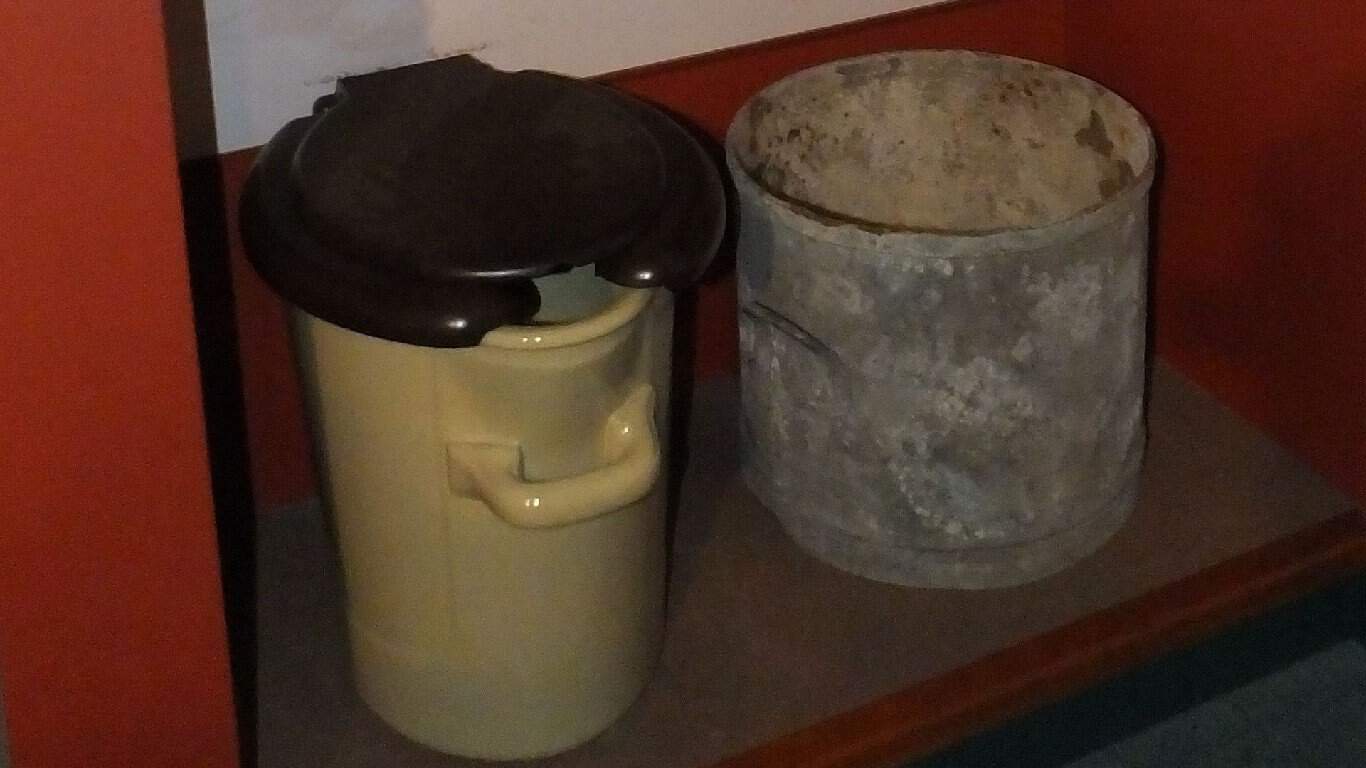
Night Soil Men
Night soil men worked a pretty dirty job. Before indoor plumbing, they would transport and dispose of human waste, taking it from urban centers to rural areas where it was used as fertilizer. They worked primarily at night and were eventually put out of a job with the rise of sewage systems.
Phrenologist
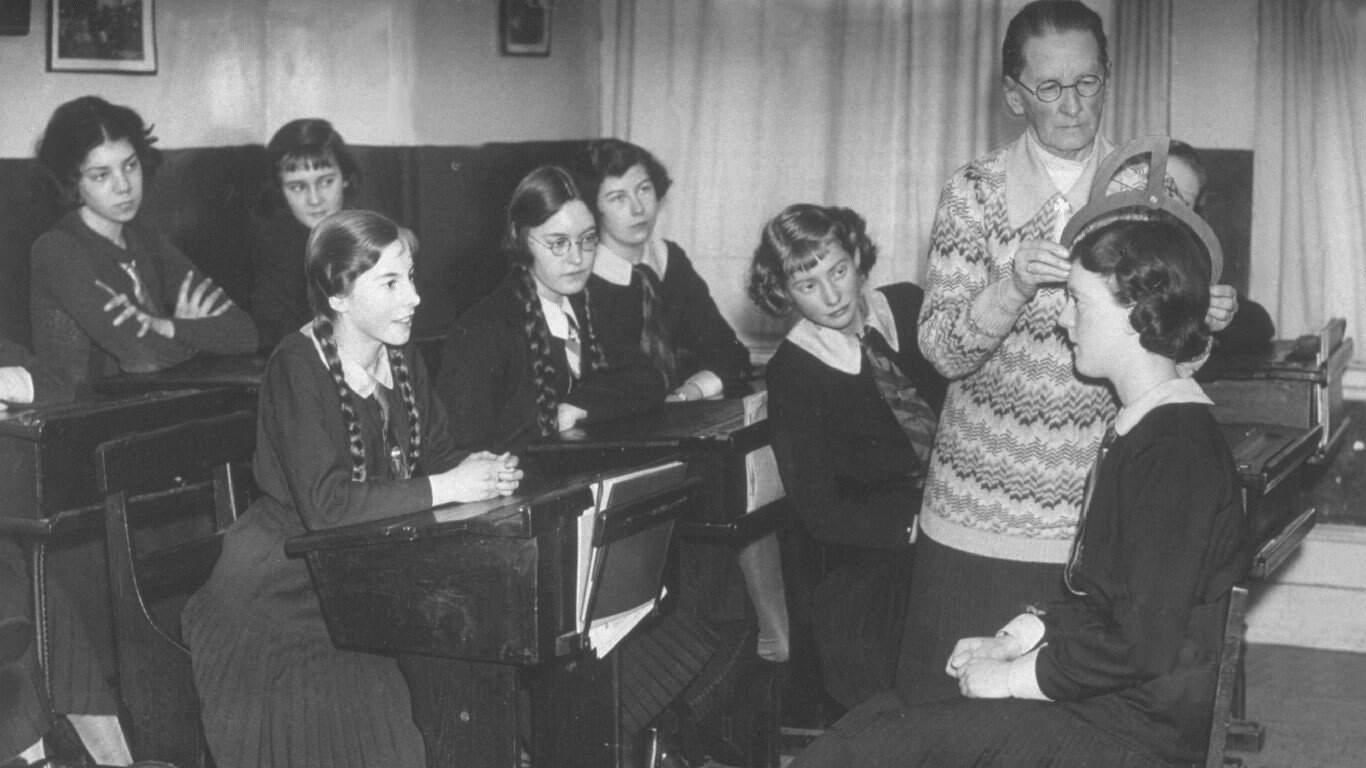
Phrenology is a pseudoscience that links bumps on a person’s head to personality and character traits. It originated in the late 1700s, with the physician who invented it believing that bumps on human brains were detectable on the exterior of skulls and that these bumps were indicators of morality and intelligence. The profession was thoroughly discredited as early as the 1840s.
Powder Monkey
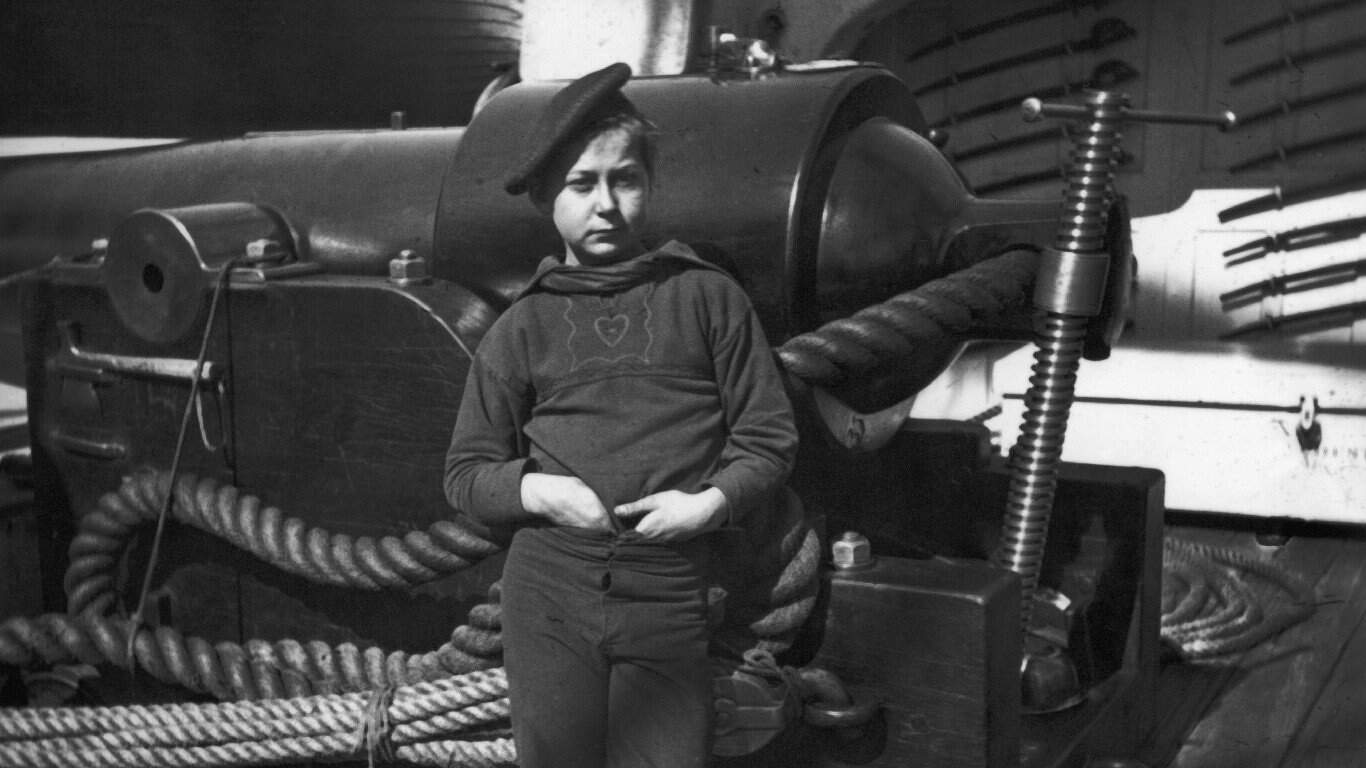
A powder monkey was a boy usually between 12 and 14 years old who worked on sailing warships, bringing gunpowder from the ship’s hold to be used in combat. Smaller boys were preferred as they could more easily move throughout the tight quarters of a ship. Weaponry evolved, though, and powder monkeys were no longer needed by the late 1800s.
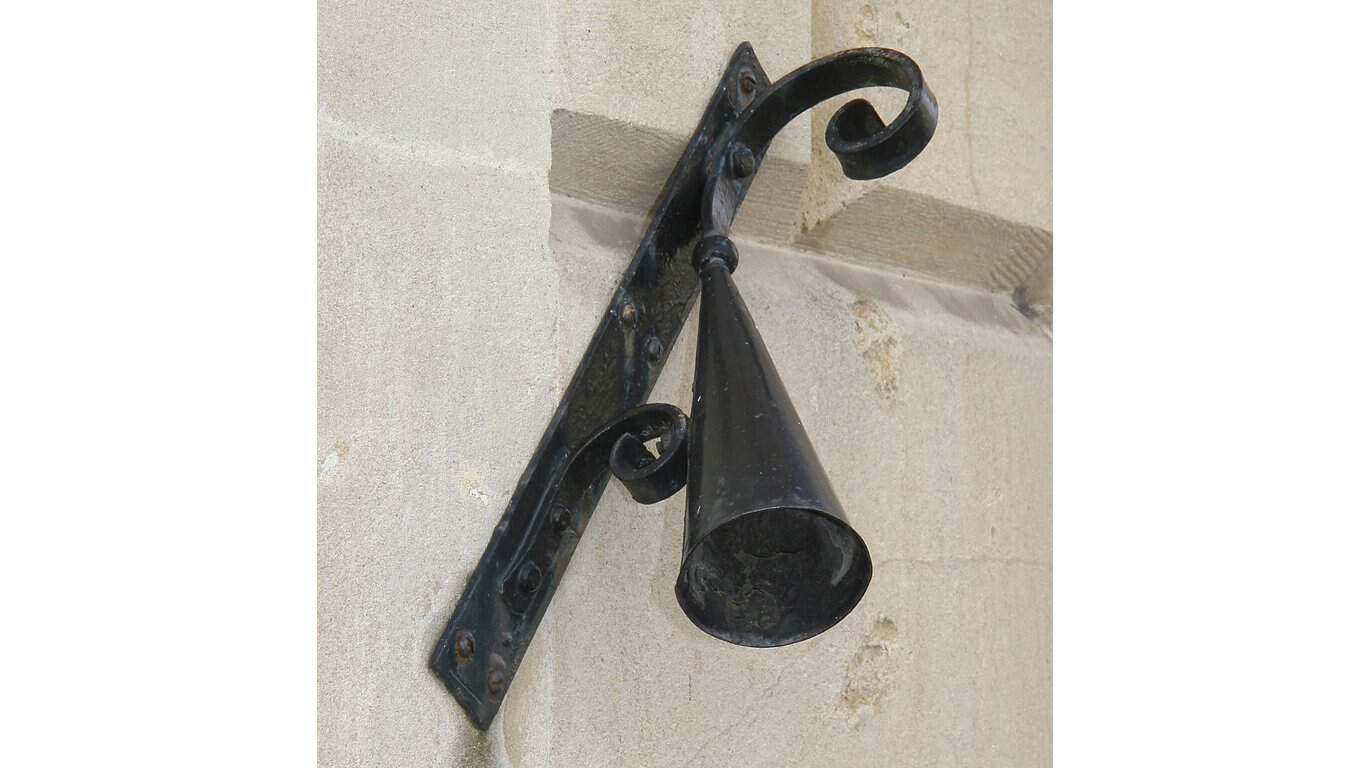
Pre-Radar Listener
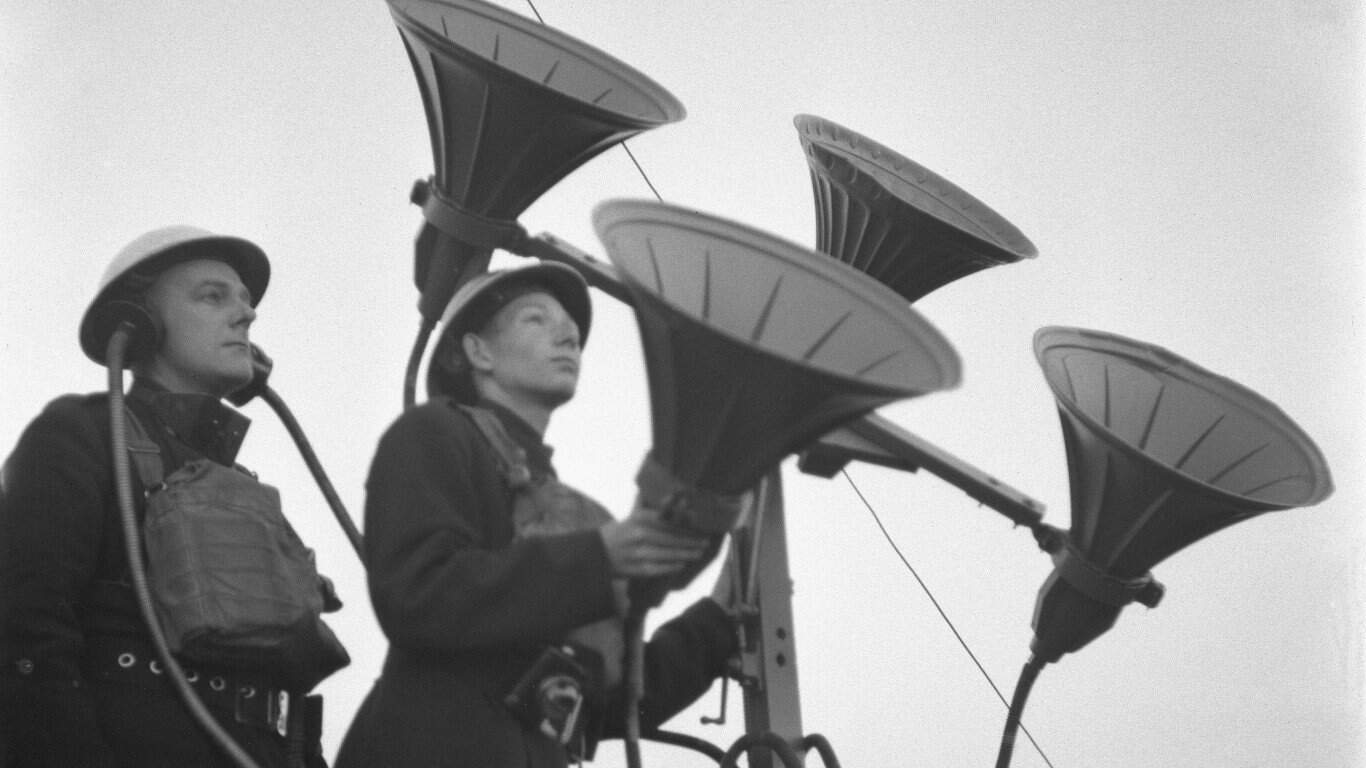
Before the invention of radar, soldiers used massive metal tubes to listen to the sounds of approaching enemy aircraft. The devices, nicknamed “war tubas,” were first used in World War I. Operators would tilt the devices and use a stethoscope to try to lock in on the altitude and location of enemy aircraft. The invention of radar quickly replaced these listening devices.
Pure Finder
In the 19th century, dog feces was an important component in the leather tanning process, used to soften the raw material. Pure finders would go out and collect animal droppings. They’d often operate around areas with high numbers of stray dogs, carrying buckets to collect their material.
Radio Actor
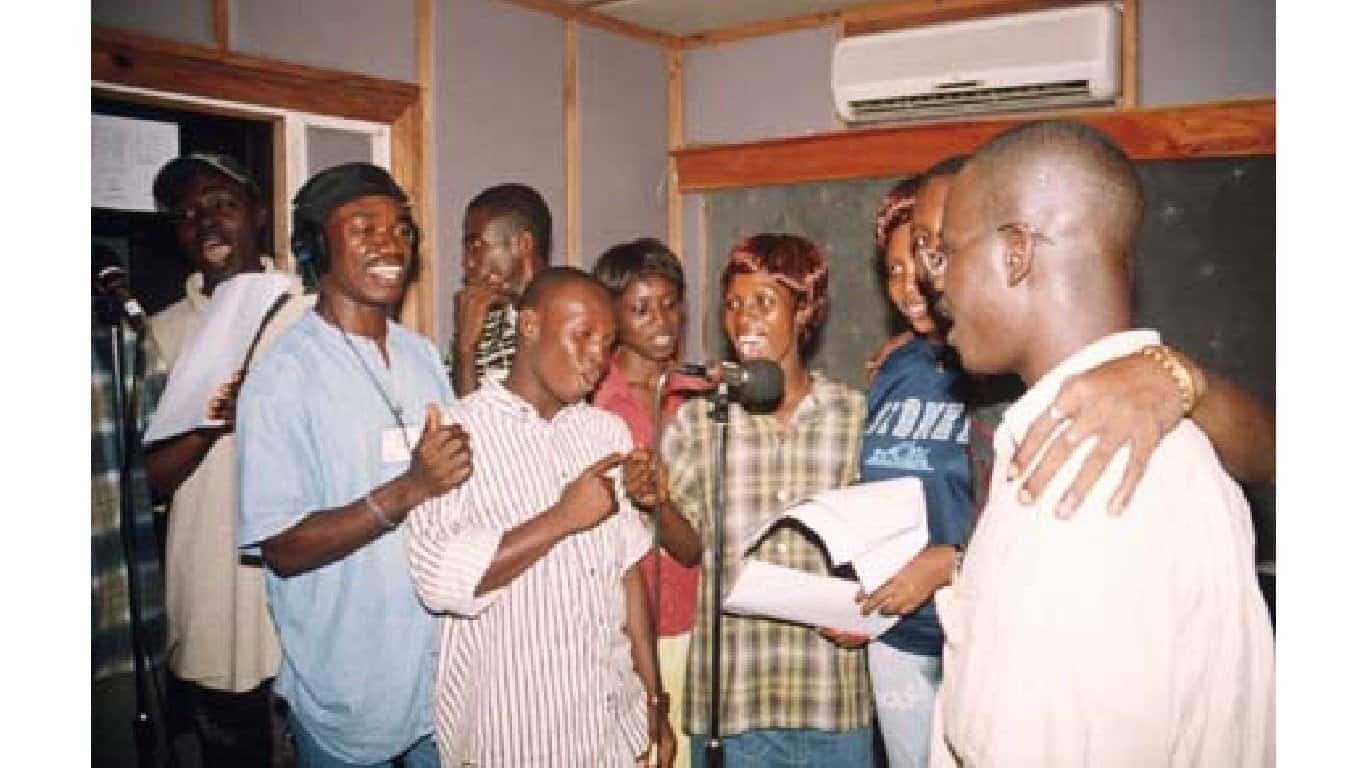
Before movies were commonplace, the easiest way to get drama to the masses was via radio. Some actors became big stars for their voices and abilities to portray multiple characters. However, when movies started to take off, radio actors soon declined in popularity – though they do still exist in small numbers. Podcast performers could be considered their modern-day equivalent.
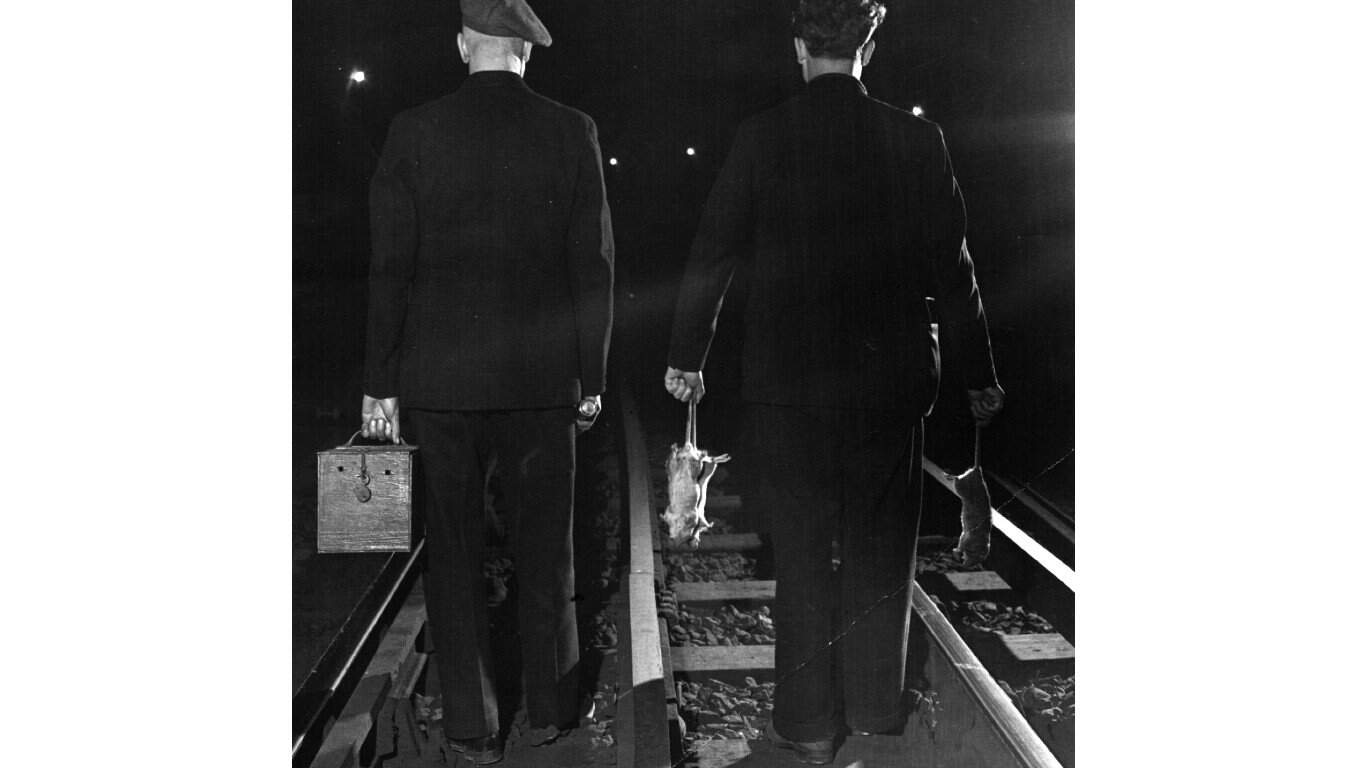
Rat Catcher
Rat catchers were the predecessors of modern-day exterminators, tasked with ridding a city of vermin. Rats carried disease, would get into stored food, and often crawled into straw bedding. Rat catchers were respected professionals who were seen to provide critical service for towns and cities. Catchers used trained animals, traps, and other methods to nab their prey.
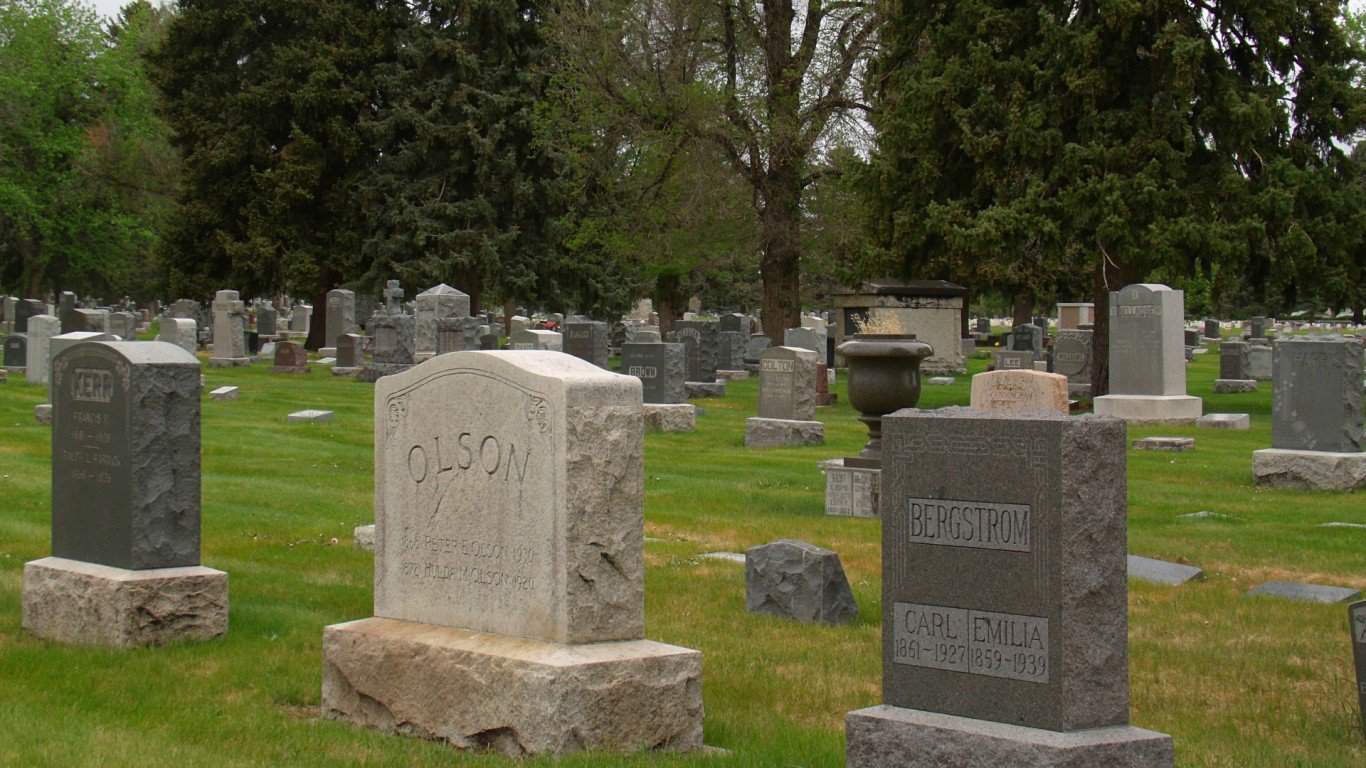
Sin Eater
Sin eaters were paid to eat and drink over the corpse of a suddenly deceased person, therefore “taking on their sins.” It was believed that since the suddenly deceased hadn’t had the opportunity to confess their sins before death they were headed for a rough afterlife. Luckily, a sin eater was able to free them of this burden. It was also believed the procedure would prevent the dead person from returning as a ghost or evil spirit.
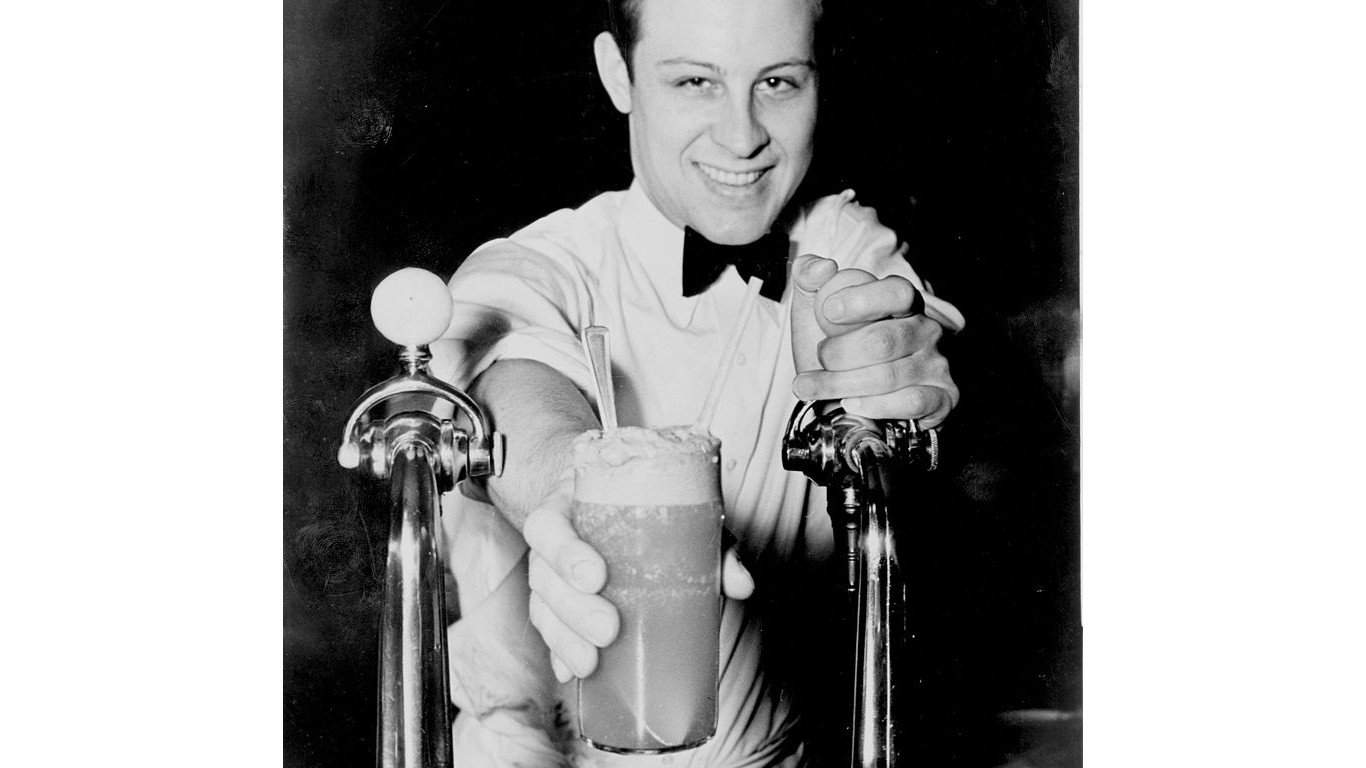
Soda Jerk
Operating in drugstores from the 1920s until the 1960s, soda jerks were employed around soda fountains and made ice cream sodas and were famous for their unique lingo and the intense “jerking” motion needed to operate soda machines. The position began to disappear as soda fountains fell out of popularity, though a few still exist.
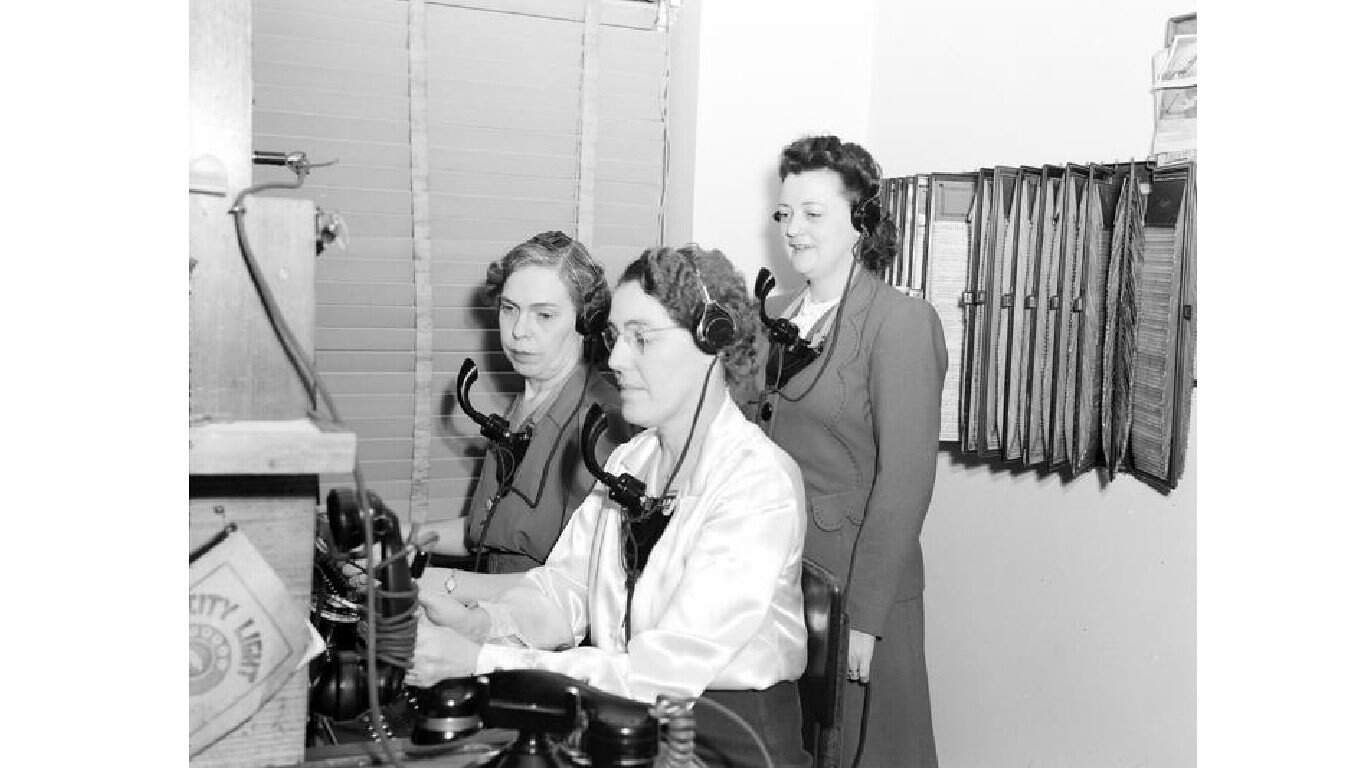
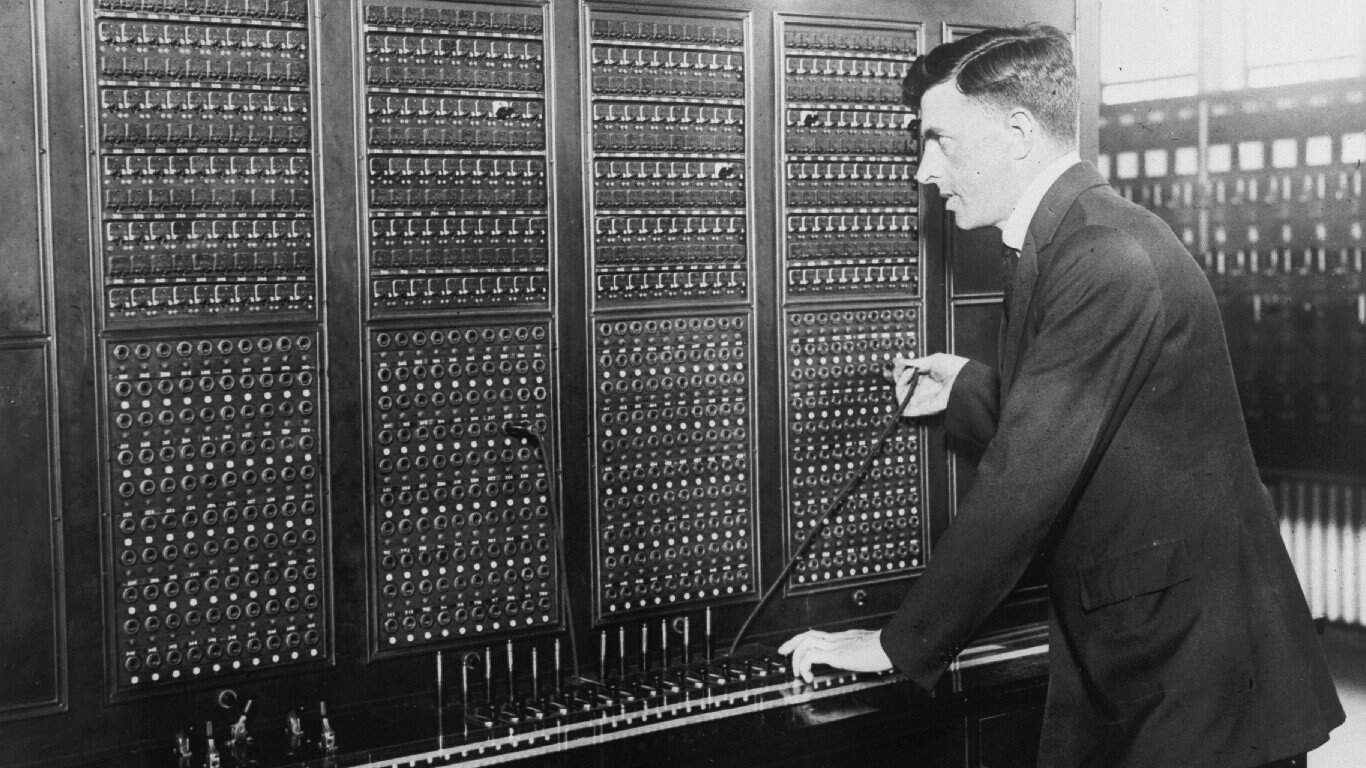
Switchboard Operator
Early telephone systems had to be manually rerouted by switchboard operators to connect calls. The job was largely done by women, who interacted directly with customers, helping them with information and making sure the system ran smoothly. The operators also fixed technical problems, making this one of the few technically oriented jobs available to women in the earlier 20th century. By the 1990s, computer-operated switching systems made the job largely obsolete.
Telegraph Operator
The electric telegraph first became popular in the mid-19th century and continued to see widespread use all the way into the 1970s. Samuel Morse invented an early system to communicate using machines that were later modified by Alfred Vail to use dots and dashes to send messages. An upgraded version was eventually adopted internationally and remained the most popular way to communicate using signal devices. Telegraph operators fell out of demand as other forms of wired and wireless communication became more accessible and affordable.
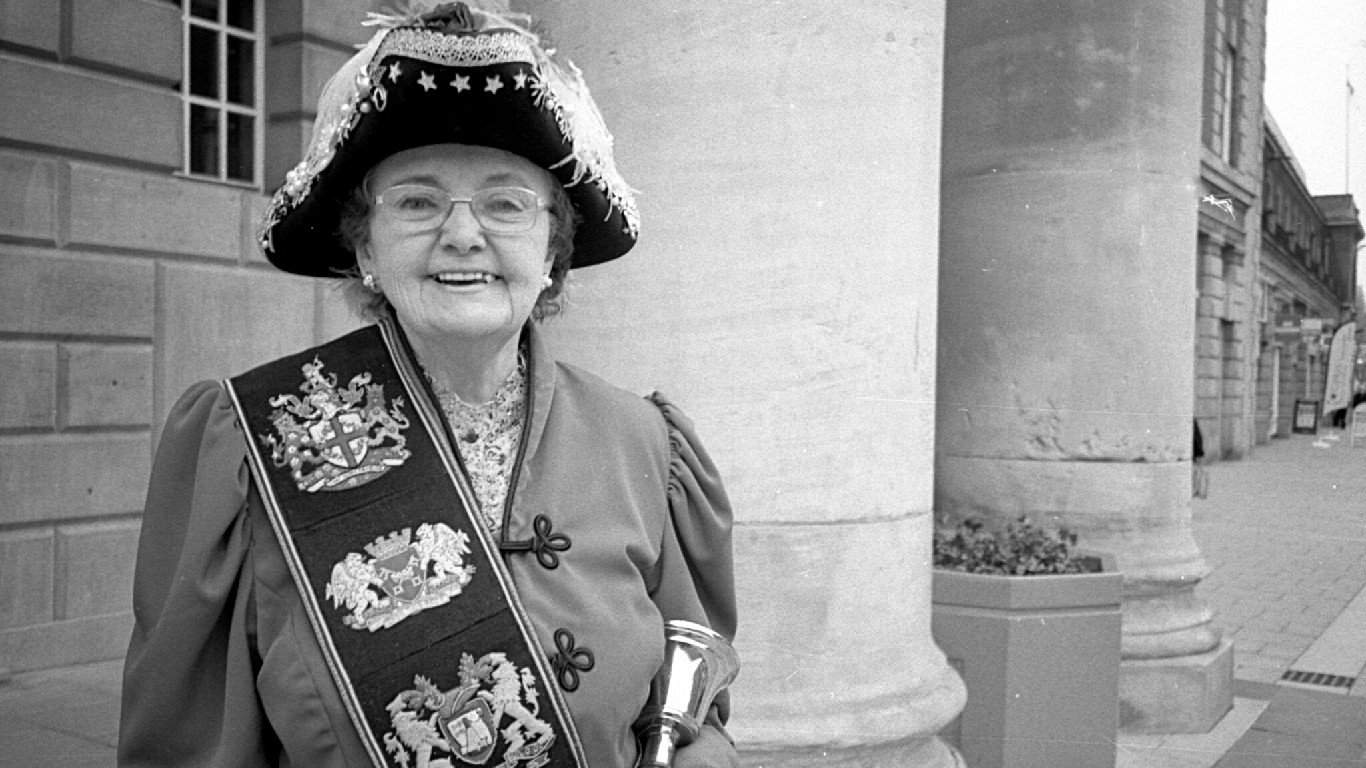
Town Crier
Once upon a time, the easiest way to get news out was for a person to stand in the middle of a busy part of a town and scream it to the people. For much of history, reproducing written texts was tedious and most people couldn’t read anyway. Town criers would also do things like read out crimes committed at public executions and patrol streets at night.
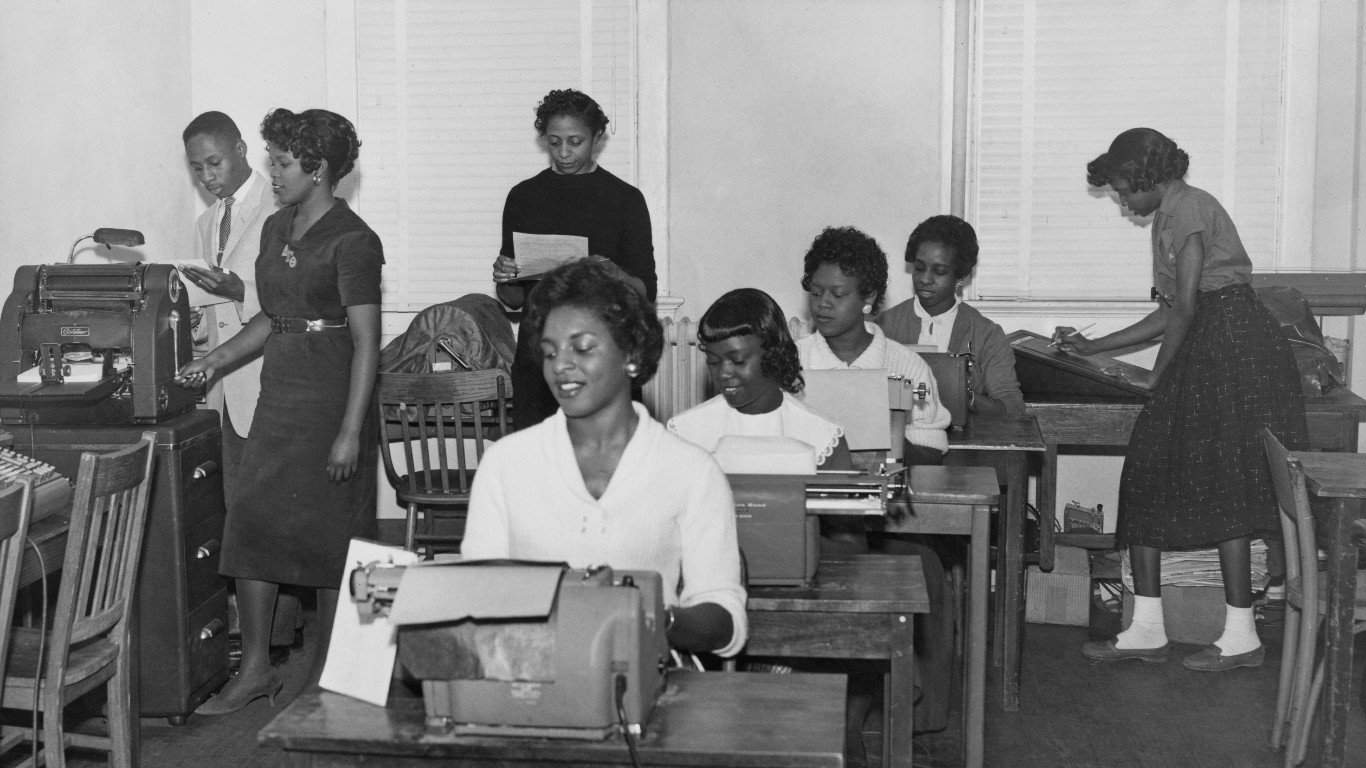
Typists
In the 1880s, typewriters evolved from a novel invention to one that could save workers a massive amount of time. In turn, the skills needed to operate the devices were In demand and most typists were women. With the rise of computers and the expansion of typing skills, specialized typists were no longer needed.
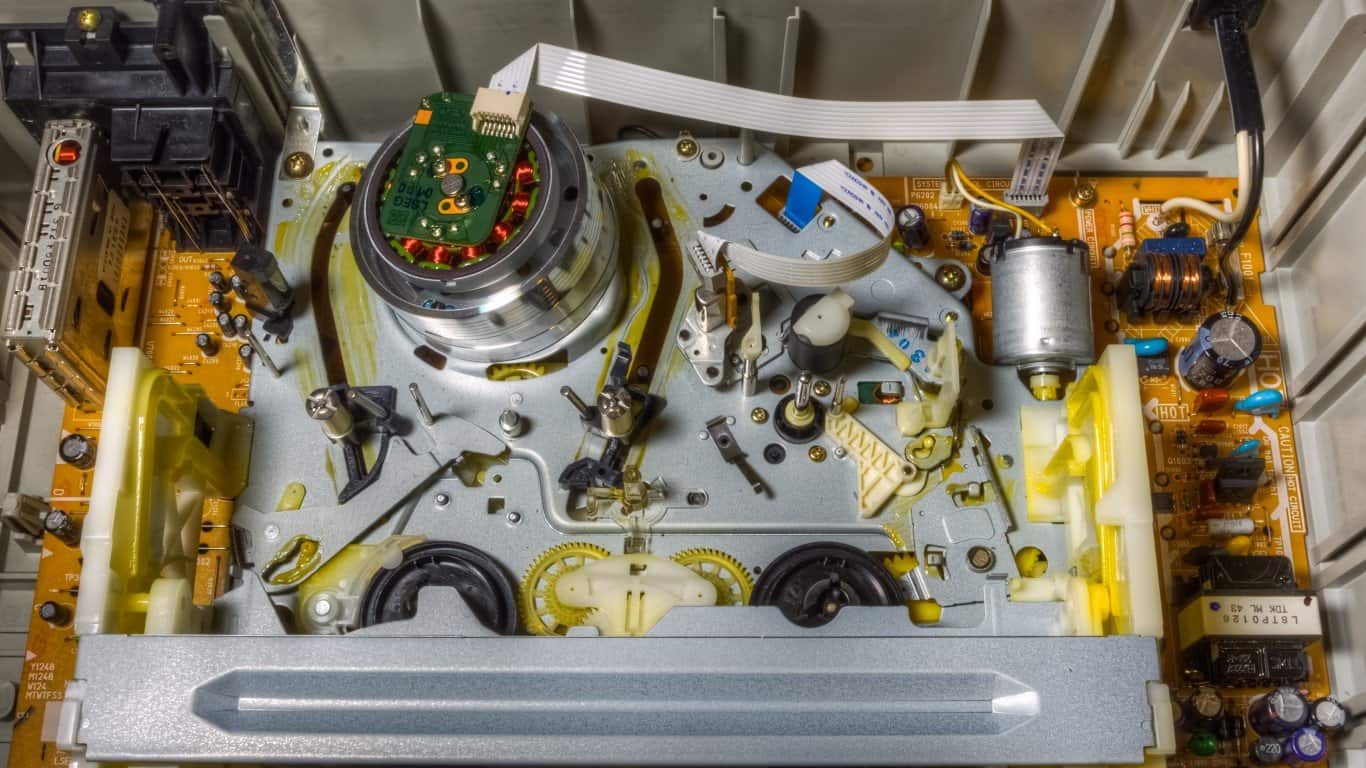
VCR Repairman
Videocassette recorders – VCRs – became popular in the 1970s and were considered cutting-edge technology at the time. These expensive devices require service and repair from trained specialists. While VCRs are far from the medium of choice these days, there are still some people out there who repair them.
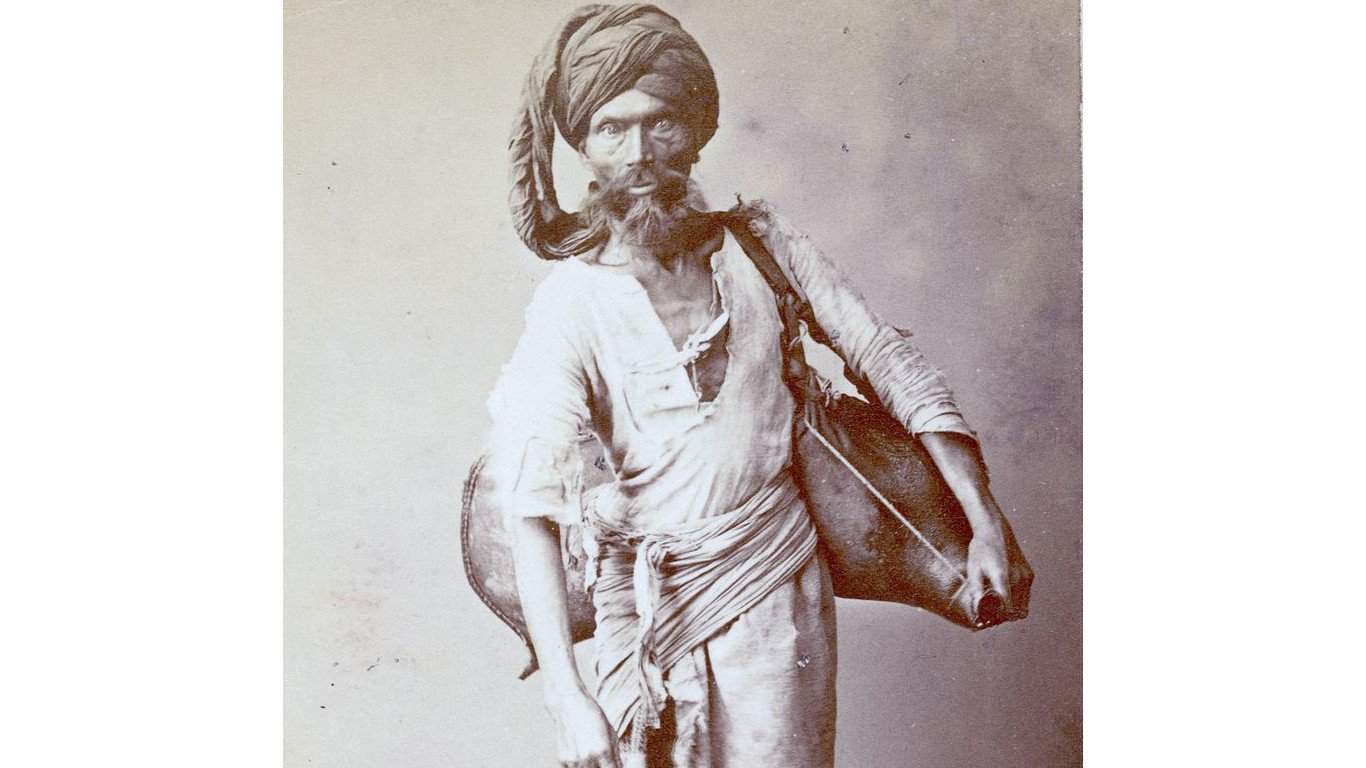
Water Carrier
Before centralized water supply systems, someone had to bring water from rivers, lakes, and wells to places where it was needed. The creation of water infrastructure grids rendered the job largely obsolete in most of the world, though it persists in some underdeveloped nations.