Wikimedia
Nach-Noth / Shutterstock.com
New Africa / Shutterstock.com
Jewish Heritage Org
Wikimedia
Andrew Clemente
Missing attribution
WIkimedia
Teddy-Land
World Travel Blog
World Records Academy
Vintag.es
Creative Commons / Wiki
World Travel Blog
World Travel Blog
World Travel Blog



15 Unique Funeral Traditions From Around the World
Around the world, people say goodbye in remarkably different ways. From brass bands in New Orleans and candlelit vigils in Mexico to colorful coffins in Ghana and cliffside burials in the Philippines, these traditions reveal how cultures honor the dead, comfort the living, and keep memory alive.
New Orleans Jazz Funerals
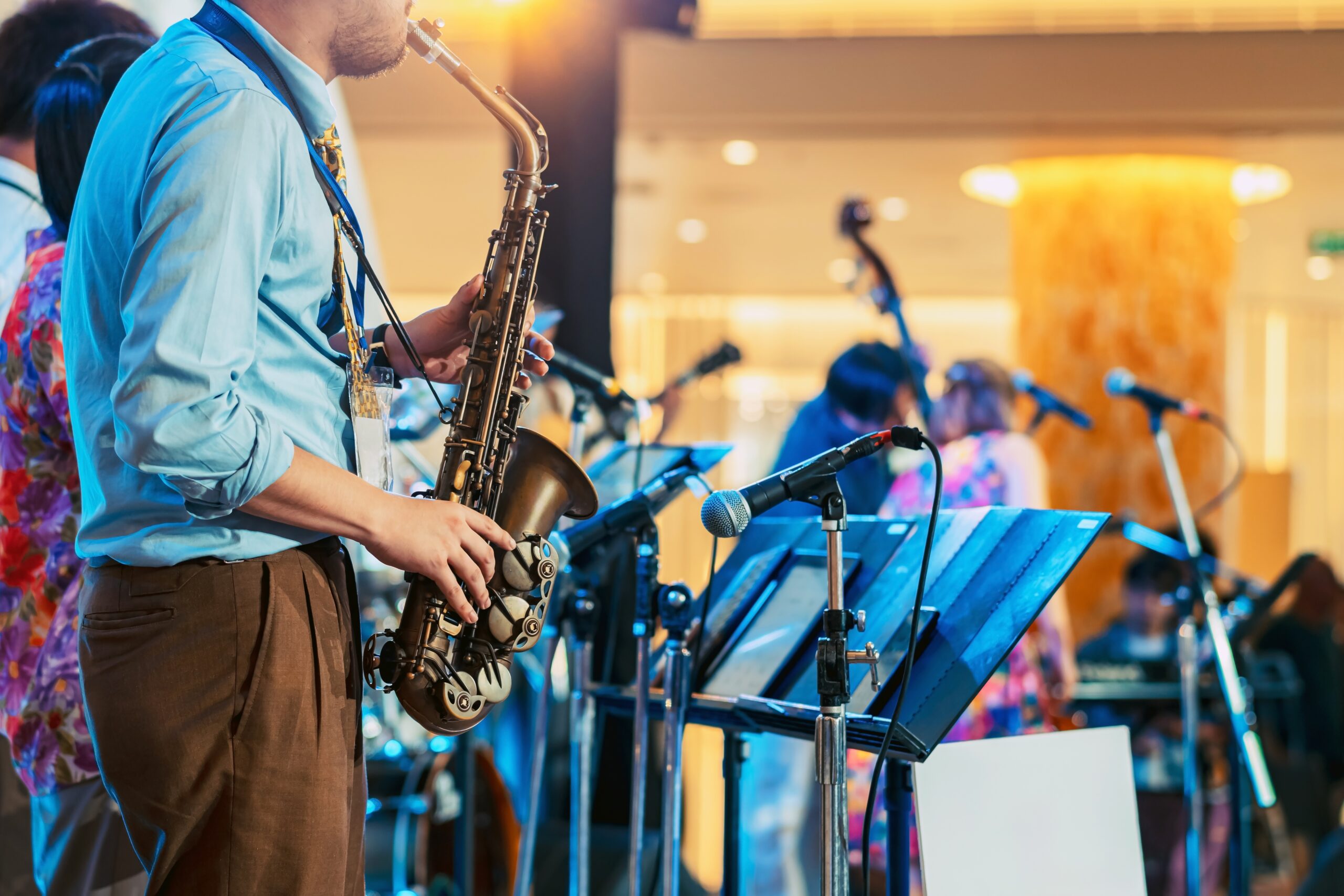
If you expect a funeral procession to stay quiet, New Orleans has other ideas. In the city's jazz funeral tradition, a brass band accompanies mourners through the streets. The music often starts slow and somber before shifting to something more upbeat after the burial. Family, friends, and sometimes respectful passersby may join the procession. It is not about pretending nobody is grieving. It is about honoring someone with the music and energy that have long been part of the city's culture.
The Irish Wake
An Irish wake can be solemn, but it may also be filled with stories the person being remembered would have appreciated. Friends, relatives, and neighbors traditionally visit to offer condolences, say prayers, and spend time with the family. There can be laughter right alongside the tears, although customs vary from one household to another. The heart of the tradition is simple: when a family is grieving, the people around them show up rather than leaving them to face it alone.
Sitting Shiva
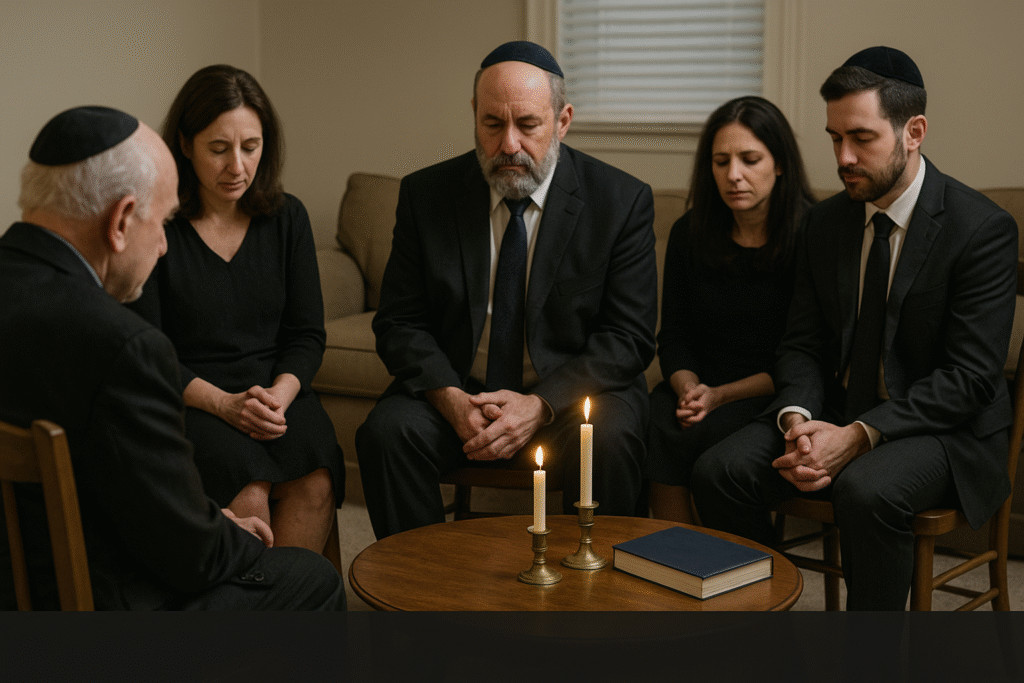
In Jewish communities around the world, the days immediately after a burial are not supposed to feel like business as usual. During shiva, traditionally observed for seven days, close relatives gather to mourn and receive visitors offering comfort. Some families sit on low stools or cover mirrors, while practices differ across communities and households. The idea is to give grief its own time and space instead of expecting people to resume normal life the moment a funeral ends.
Mexico's Day of the Dead
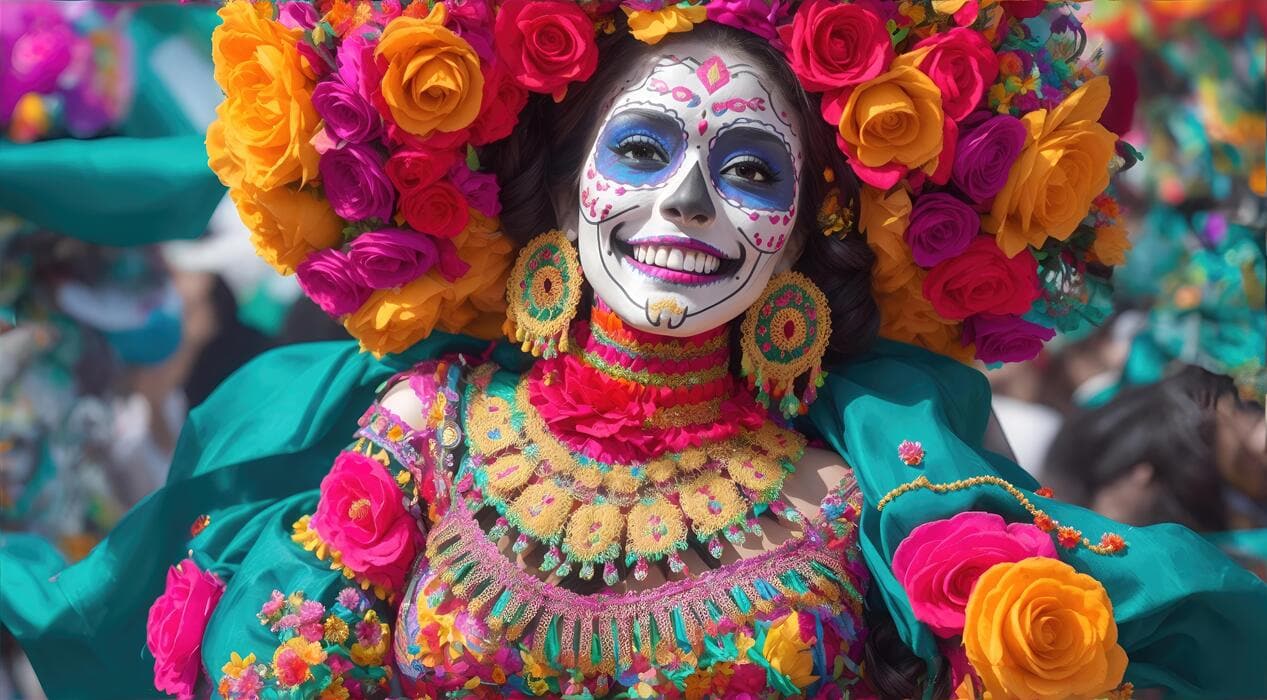
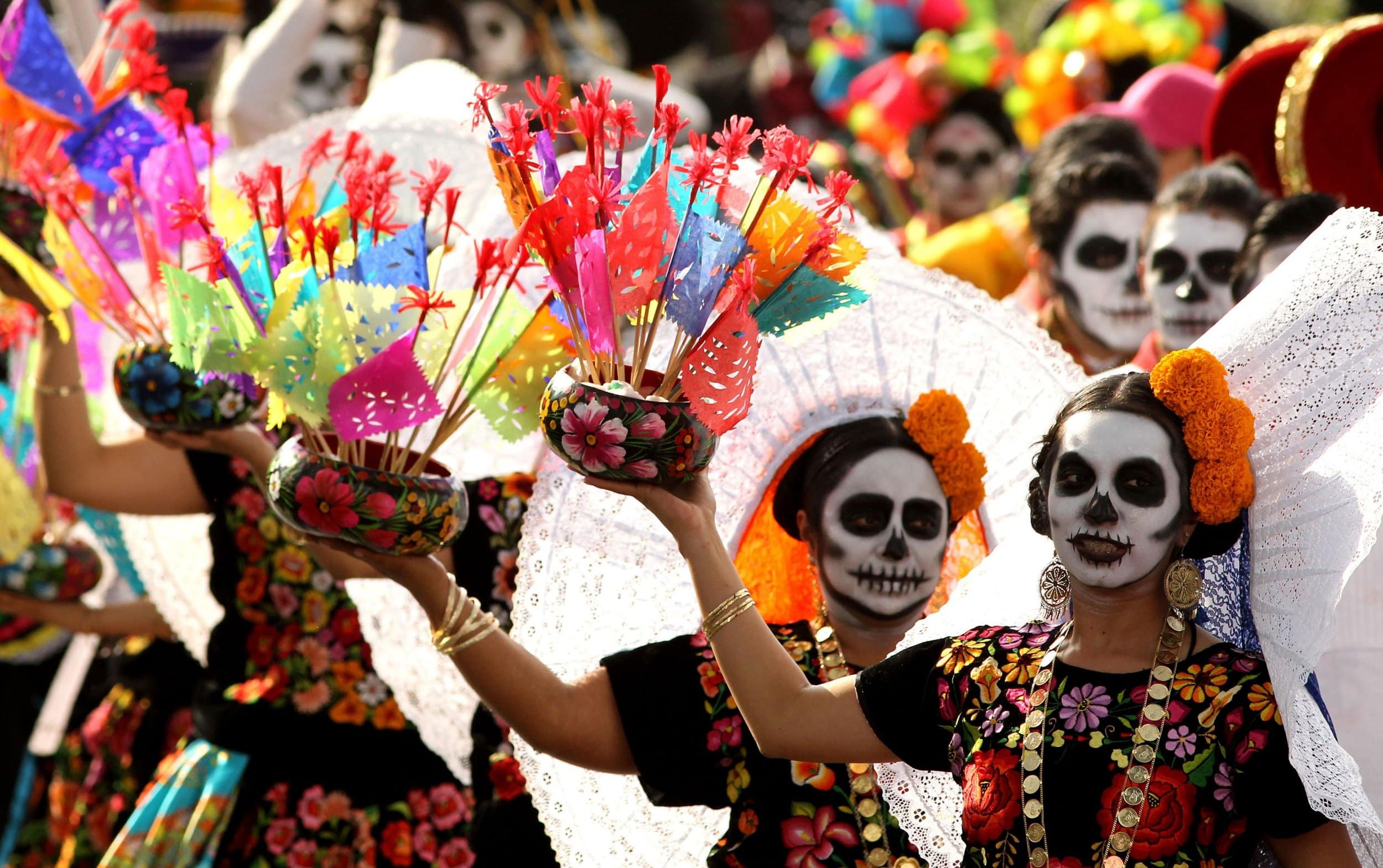
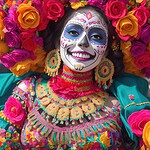
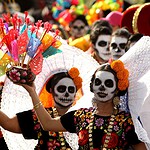
In Mexico, remembrance doesn't always mean silence and dark clothing. During Day of the Dead observances, many families create ofrendas, or altars, with photographs, marigolds, candles, and foods associated with loved ones who have died. Some communities also gather at cemeteries for vigils and prayers. The holiday is not itself a funeral, and traditions vary widely by region. Its central idea, however, is easy to recognize: loved ones may be gone, but their stories still belong at the family table.
Guatemala's Giant Kites
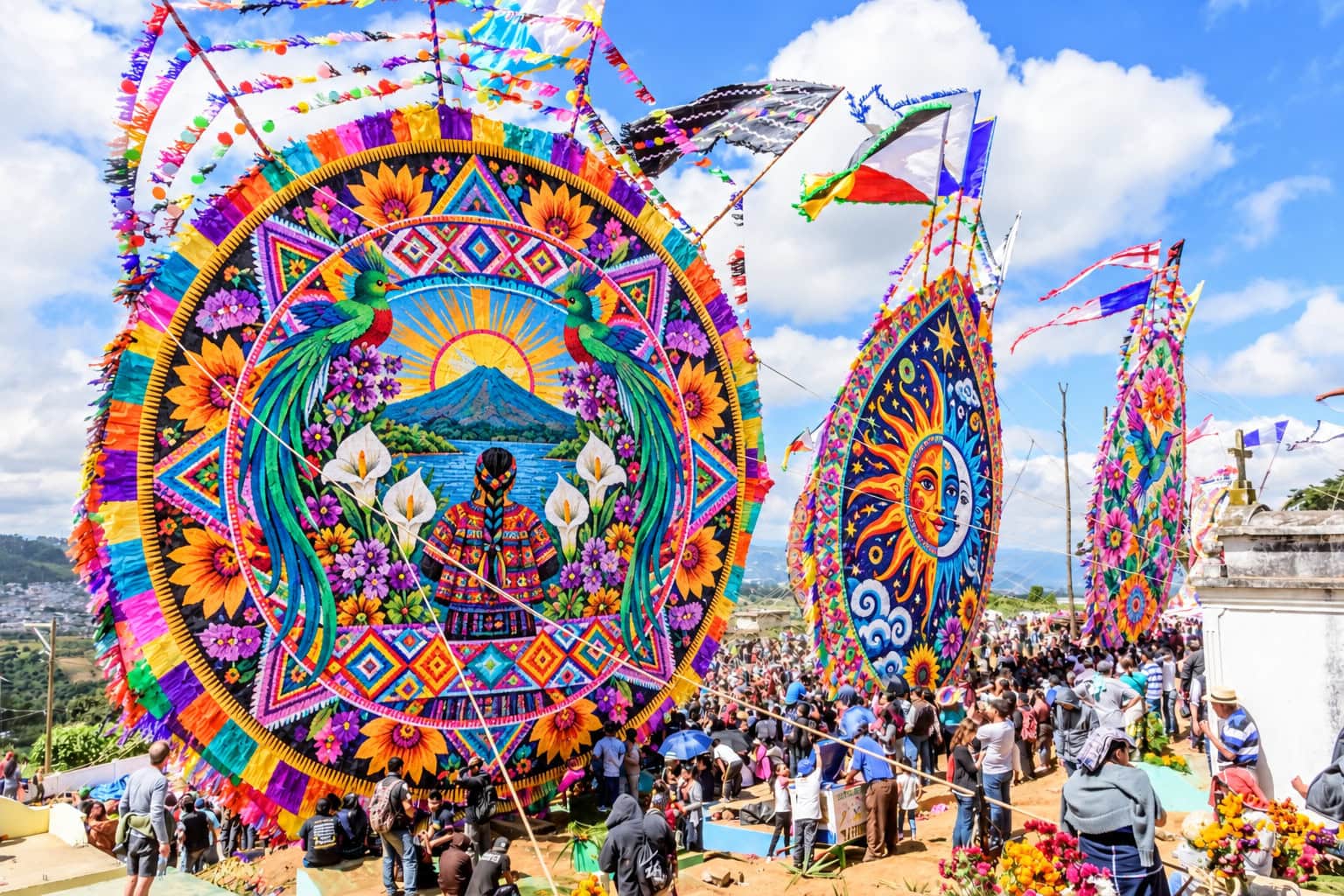
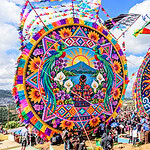
Some remembrances are measured in candles. In the Guatemalan communities of Santiago Sacatepéquez and Sumpango, they can be measured in enormous handmade kites. Groups spend months creating brightly colored designs that are displayed or flown during observances for the dead. The kites are associated with communication with ancestors, protection, and renewal. UNESCO recognized the traditional craft in 2024, but its meaning remains rooted in the families and communities who keep making them year after year.
Māori Tangihanga
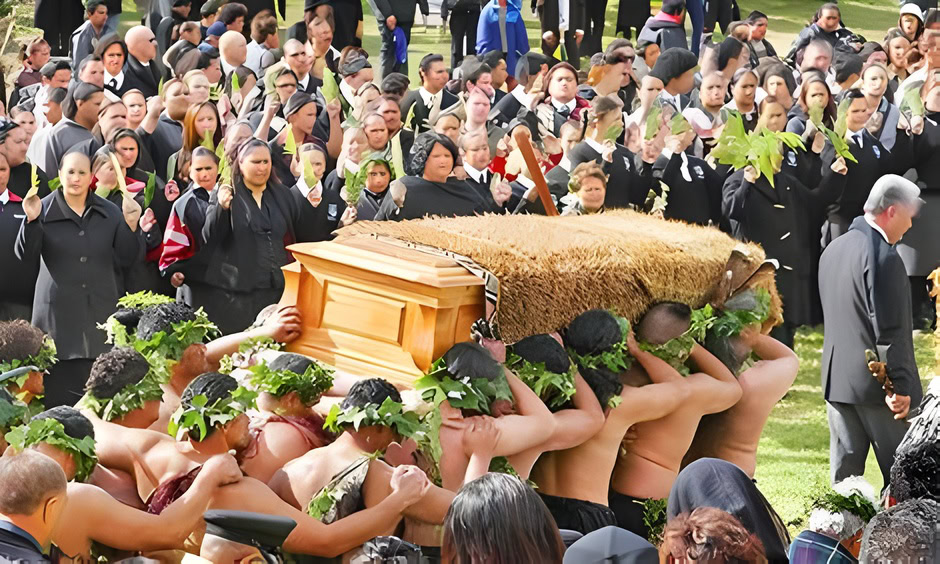
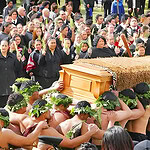
For many Māori families in New Zealand, a farewell is not something to rush through in an afternoon. Tangihanga, often shortened to tangi, brings loved ones and visitors together, traditionally at a marae, for mourning, speeches, songs, and shared remembrance. The gatherings commonly extend over several days, though the arrangements vary. There is room for grief to be expressed openly, and for people to honor not only the person who died but also the family and ancestral connections they leave behind.
Bali's Ngaben Ceremony
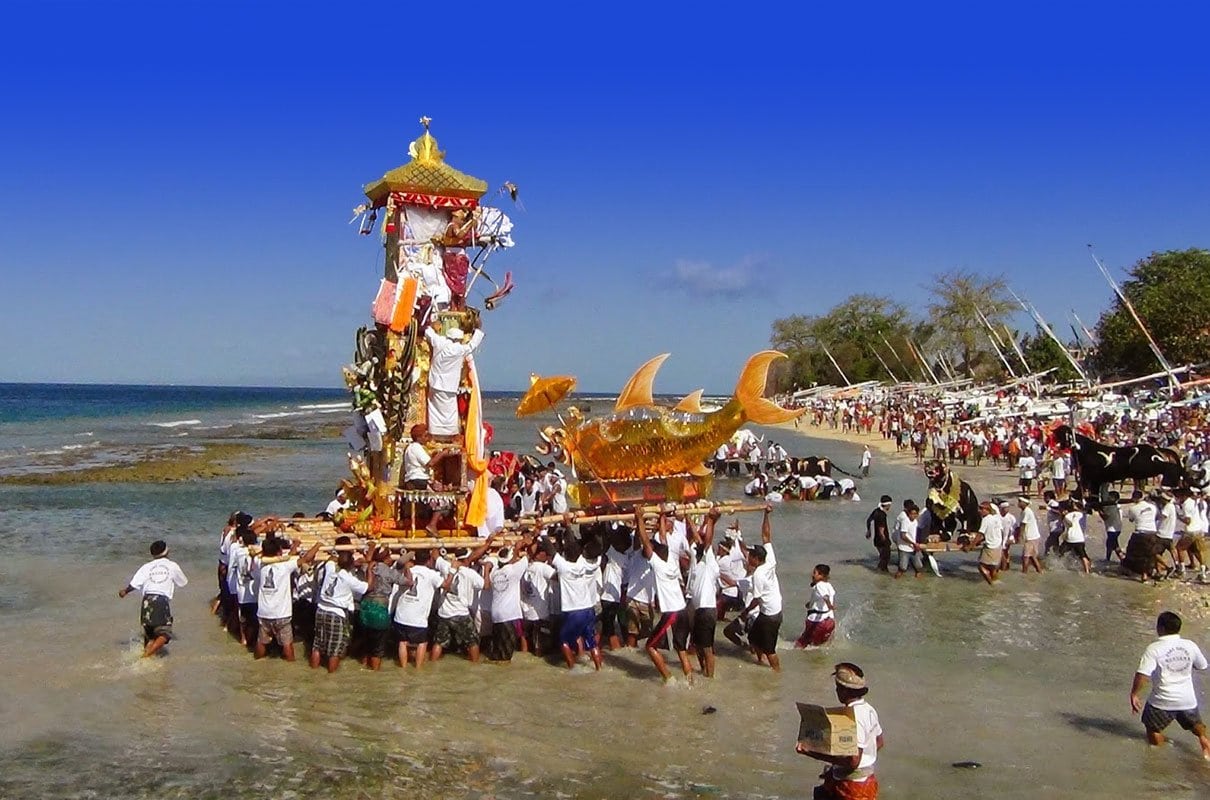
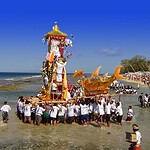
A funeral procession in Bali can include an elaborate, brightly decorated tower called a bade. In the Balinese Hindu tradition of Ngaben, the tower may carry the deceased as relatives and community members take part in prayers, music, and a cremation ceremony. The rituals reflect beliefs about releasing the soul from earthly ties and helping it continue its spiritual journey. Not every family holds the same kind of ceremony, but the attention given to the symbolism makes this a particularly striking farewell.
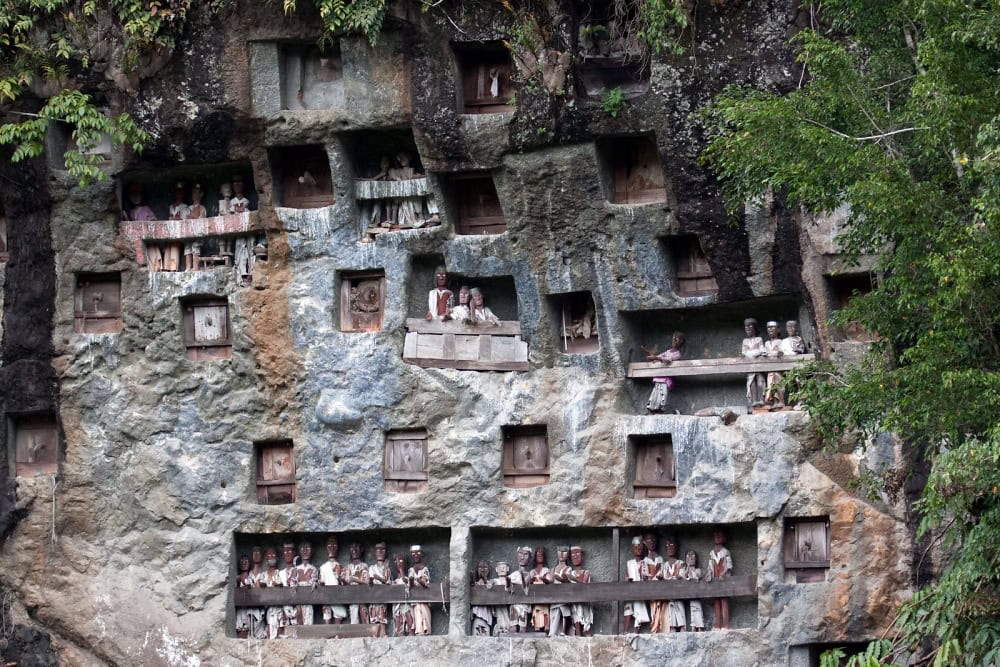
Toraja Cliff Graves
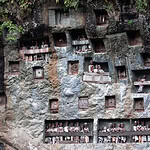
In Indonesia's Toraja highlands, some families have traditionally laid loved ones to rest in tombs carved into cliffs or rocky hillsides. Certain burial sites also feature tau-tau, carved wooden figures representing the people buried nearby. These are not decorative statues placed there for tourists; they are part of a tradition tied to ancestry, remembrance, and social customs. Not all Torajan families follow identical practices, but the cliffside tombs remain one of the region's most recognizable cultural landmarks.
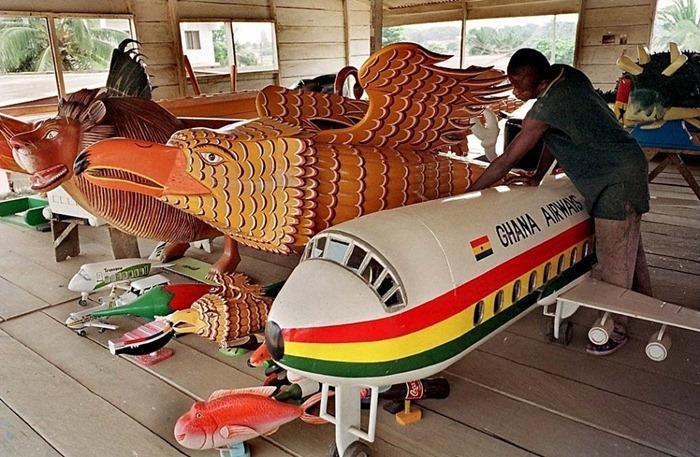
Ghana's Fantasy Coffins
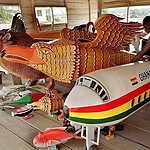
A coffin shaped like a fish, an airplane, or even a car might sound like something invented for a movie. For some Ga families in Ghana, however, these carefully crafted fantasy coffins are a personal tribute. Their shapes can reflect a person's work, interests, status, or aspirations. Skilled artisans turn the idea into a brightly painted wooden creation. The result may be playful to an outsider, but the purpose is serious: to tell the story of the person being honored in a form nobody could mistake for anyone else's.
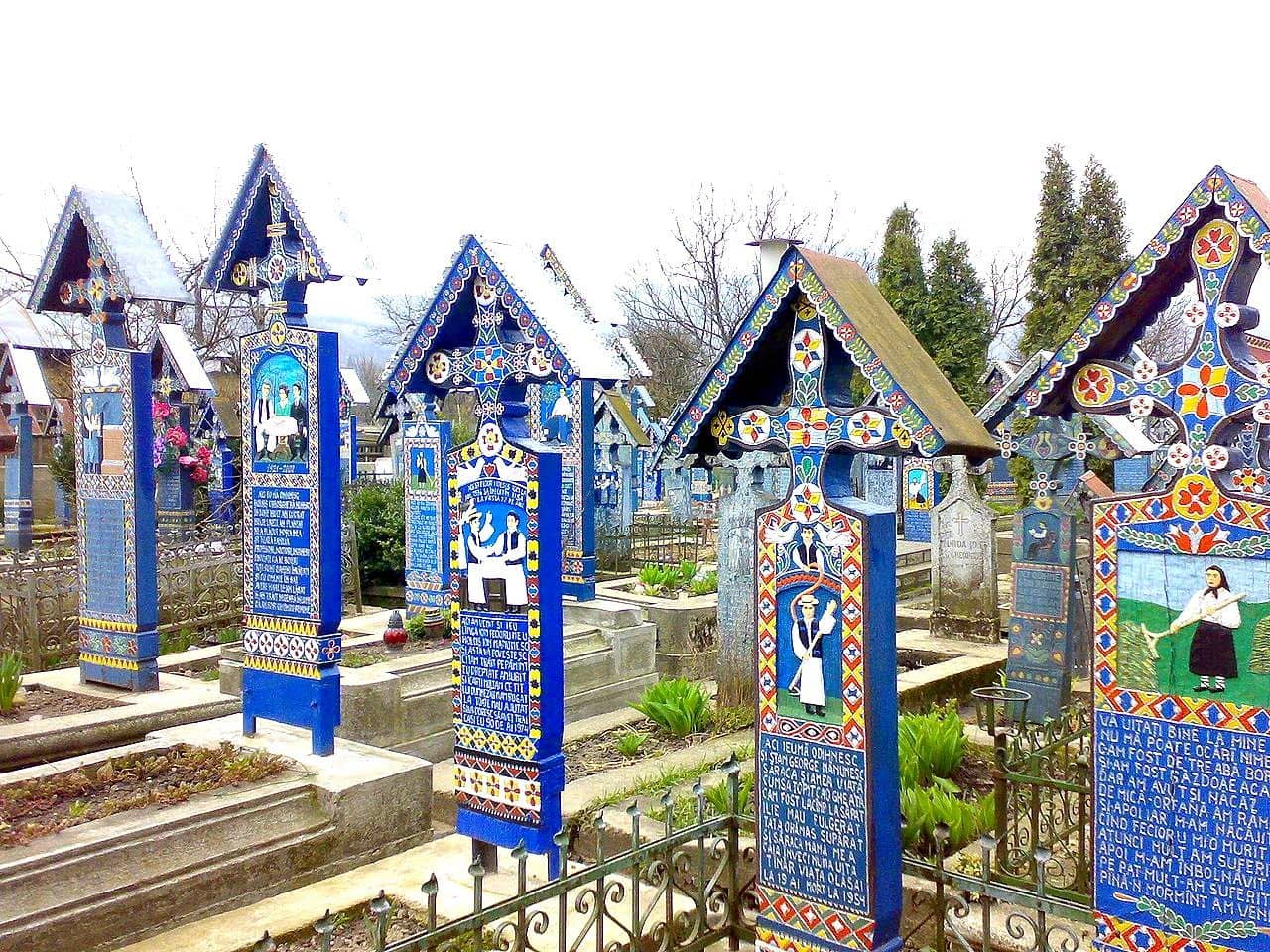
Romania's Merry Cemetery
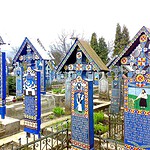
Most cemeteries aren't known for their sense of humor. The Merry Cemetery in Săpânța, Romania, is a notable exception. Its hand-carved wooden grave markers feature vivid colors, painted scenes, and poems that can be touching, candid, or surprisingly funny. The style developed through the work of craftsman Stan Ioan Pătraș beginning in the 1930s and continued after his death. Instead of reducing someone to a name and a date, the markers often give visitors a glimpse of an actual personality.
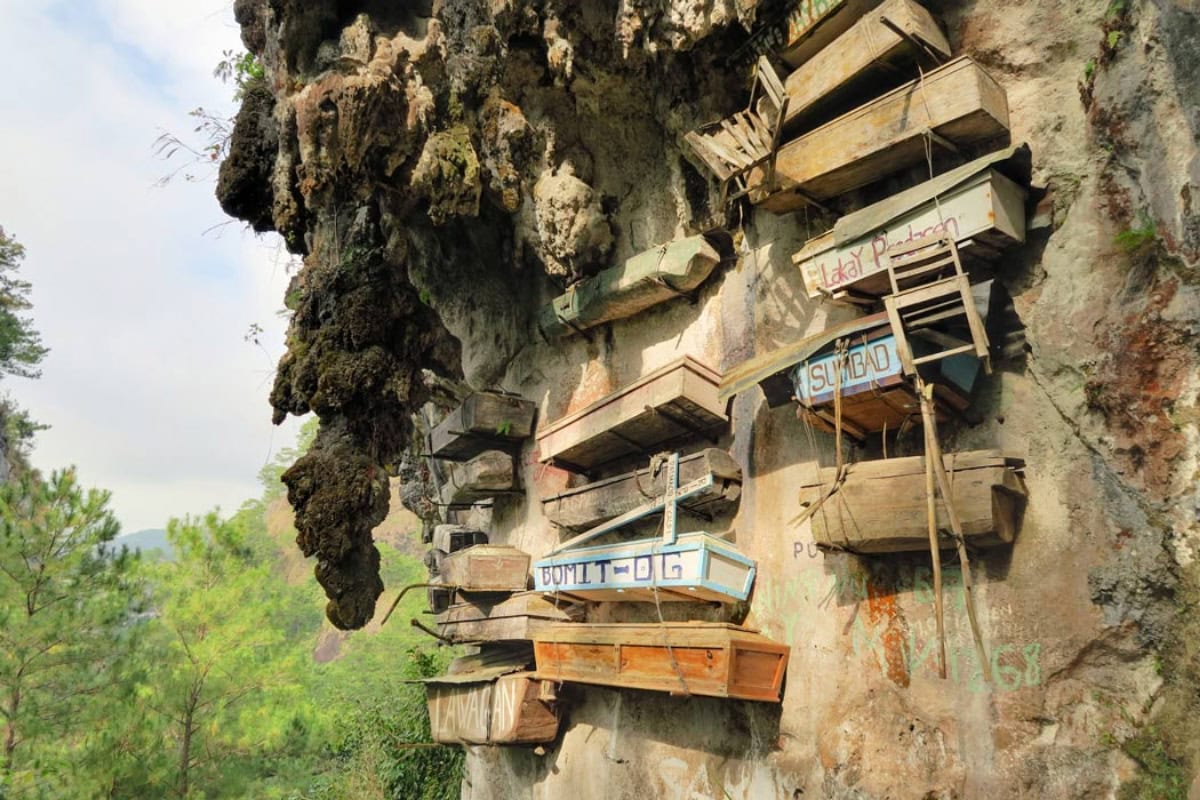
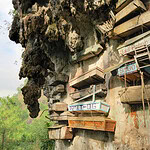
Sagada's Hanging Coffins
The wooden coffins attached to cliffs near Sagada in the Philippines are hard to forget. They reflect an older local burial tradition in which some deceased community members were placed in coffins secured high on limestone rock faces rather than in ordinary ground graves. The practice should not be treated as something all residents follow today. The remaining sites are part of the area's cultural and family history, and they deserve the same respect as any other place where people have laid loved ones to rest.
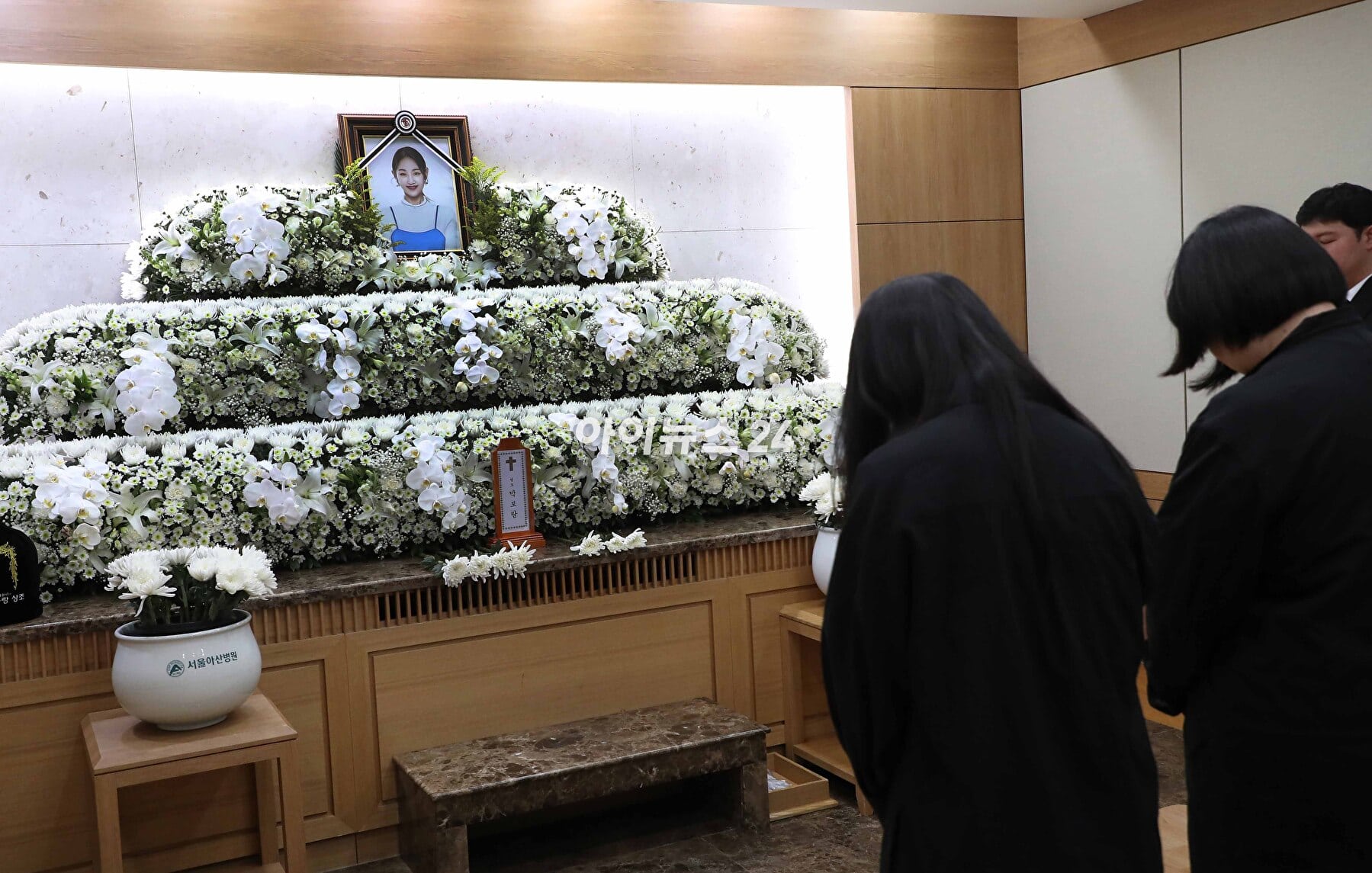
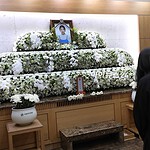
South Korean Funeral Portraits
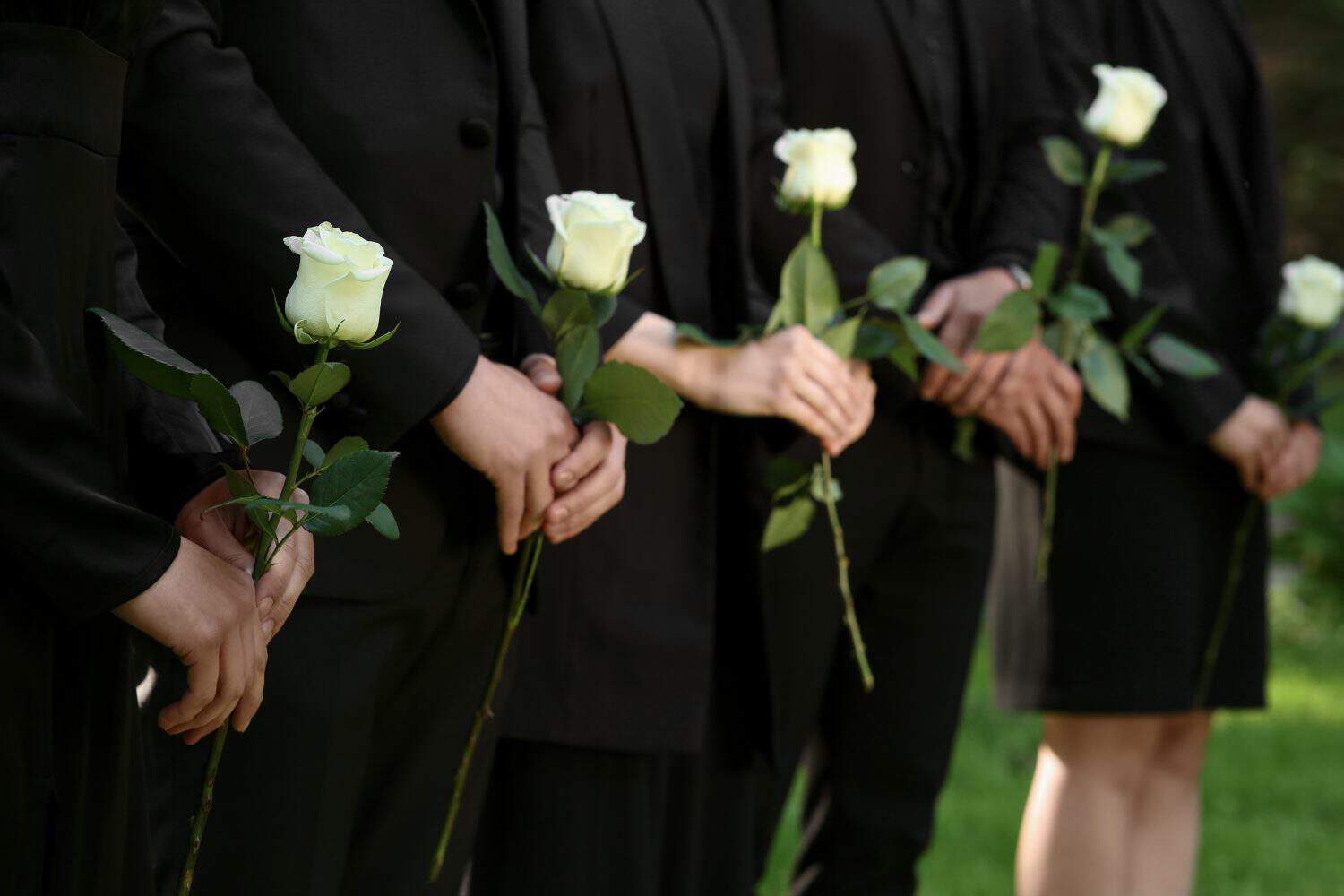
At many South Korean funerals, one of the first things visitors see is a framed photograph of the person who has died. White chrysanthemums and condolence wreaths commonly surround the memorial area, while relatives receive visitors in a funeral hall. It is a simple visual centerpiece, but an important one: mourners are there to remember a particular person, not just mark a formal occasion. Details vary by religion and family, and many modern services take place in hospital-based funeral facilities.
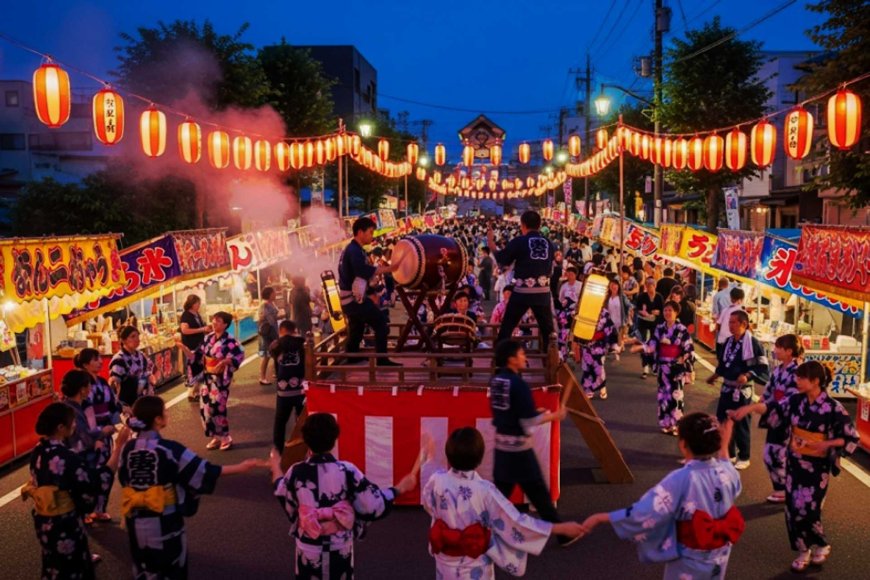
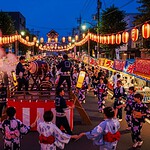
Japan's Obon Festival
Obon isn't a funeral. It is an annual Japanese Buddhist remembrance tradition that brings families together to honor ancestors. Depending on the region, people may visit graves, place offerings at home altars, light lanterns, or take part in Bon Odori dances. Some observances use lanterns to symbolically guide spirits back. It is a good reminder that remembrance doesn't always happen right after a death. Sometimes it becomes a regular date on the calendar, bringing generations of a family together again.
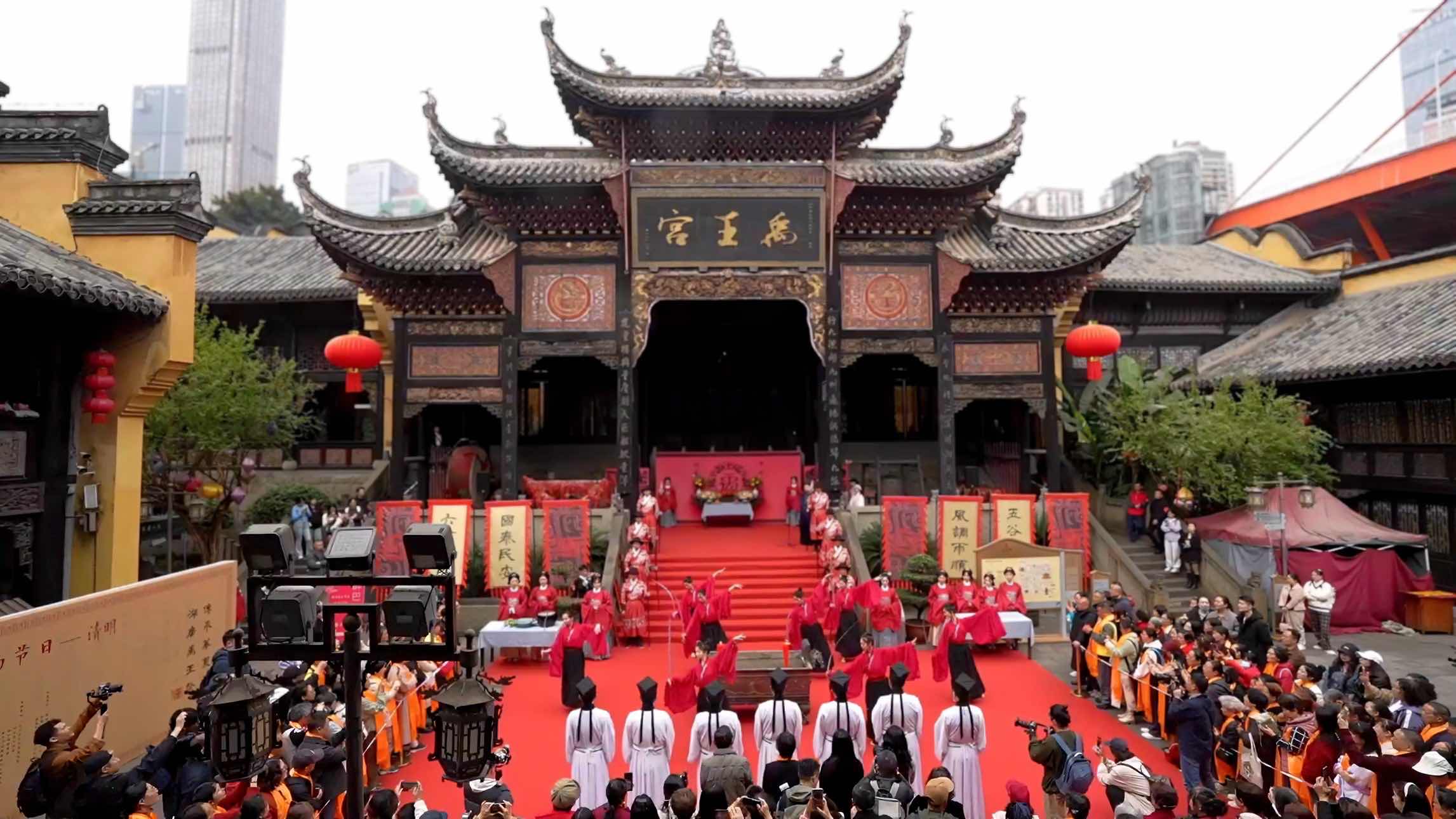
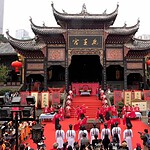
China's Qingming Festival
For many families in China, honoring ancestors involves an annual trip to the cemetery. During Qingming, commonly called Tomb-Sweeping Day, people tend graves, pay their respects, and may leave flowers, food, or incense. Some traditional observances involve burning paper offerings, although practices vary and more environmentally friendly alternatives are increasingly common. Qingming also falls in spring, so visits to family burial places often happen alongside time spent outdoors and with relatives. It is both remembrance and a reason to reconnect.
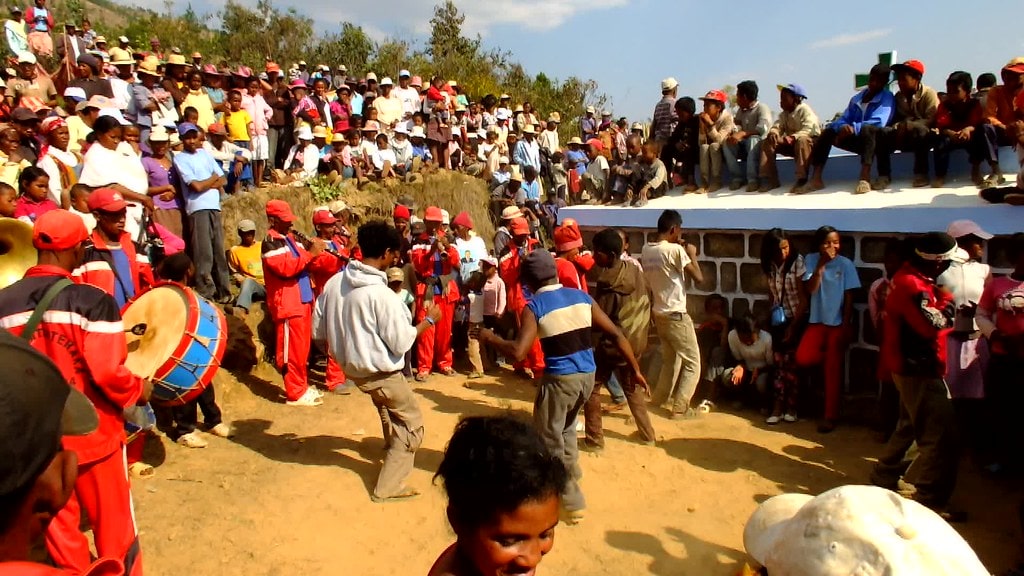
Madagascar's Famadihana
In parts of Madagascar, some families maintain an ancestral remembrance ceremony known as famadihana. Relatives gather for music, shared meals, and a ritual involving fresh cloth for departed family members before they are returned to a family tomb. Customs differ between communities, and the practice has become less common in some places. Outside descriptions sometimes focus only on how unfamiliar the ceremony seems. For the families taking part, its meaning is much more recognizable: honoring ancestors and keeping family connections alive across generations.