
Phoenixns / Shutterstock.com
Silvio Sousa Cabral / BY 2.0
Néstor Carvajal / BY 2.0
MarketMeSuite / BY 2.0
Reddit Gaming

topseller / Shutterstock

dronepicr / BY 2.0
Courtesy of Activision

Hryshchyshen Serhii / Shutterstock.com
Creative Commons
CheatCC
CheatCC






11 Video Games That Were Banned, Censored, or Restricted Around the World
Video games do not cross borders quite as easily as you might think. A game that reaches stores unchanged in one country can be edited, restricted, pulled from sale, or refused release entirely somewhere else.
The reasons are all over the map. Graphic violence and sexual content have triggered restrictions, but so have drug-use mechanics, political borders, nuclear imagery, privacy and security concerns, and material involving minors. And "banned" does not always mean the same thing. In some cases, a government blocked a game outright. In others, a ratings board refused classification until the developer changed the content.
Here are 11 games that ran into bans, censorship, or serious release restrictions around the world. Some of those decisions are still in effect, while others were later reversed after the game was modified or regulators reconsidered the original ruling.
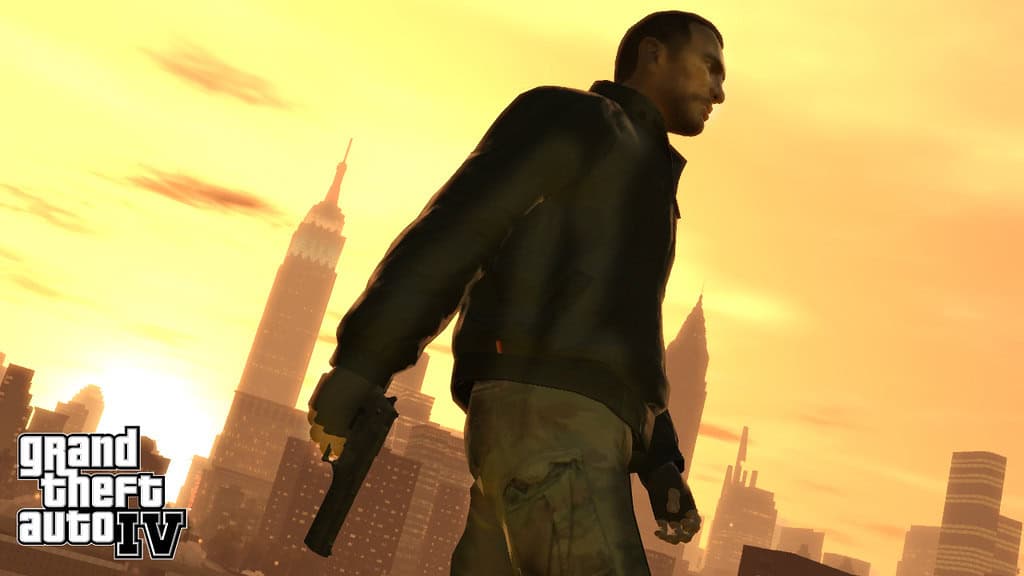
“Grand Theft Auto”
Few game franchises have attracted more censorship fights than Grand Theft Auto, but the restrictions have varied by country and title. In Thailand, Grand Theft Auto IV was pulled from retail shelves in August 2008 after a teenager was accused of killing a taxi driver while attempting a robbery that police said he claimed was inspired by the game. The move came from major distributor New Era Interactive rather than a blanket government ban on the entire franchise.
Grand Theft Auto V also appeared among dozens of games barred from official sale in Saudi Arabia. A widely circulated 2018 report suggested 47 games had suddenly been banned following the reported deaths of two children, but game-industry representatives later clarified that the list largely consisted of titles that had already been prohibited under Saudi regulations. Either way, GTA V was one of the restricted titles.
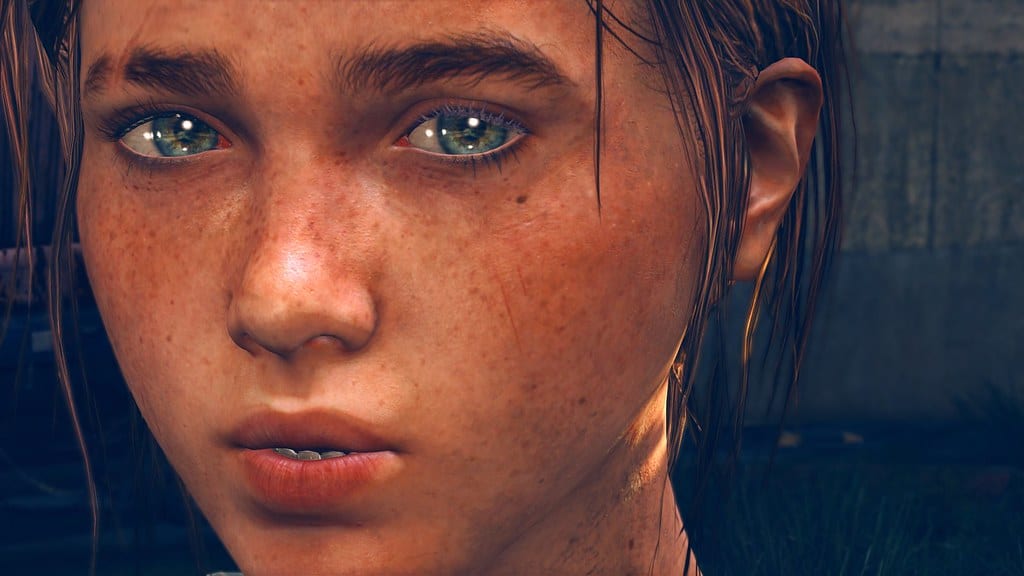
"The Last of Us Part II"
The Last of Us Part II did not receive an official digital release in Saudi Arabia or the United Arab Emirates when it launched in 2020. The game was missing from the countries' PlayStation Stores, and PlayStation support reportedly told customers that it had been prohibited by the relevant local authorities.
The game contains sexual content, nudity, and prominent LGBTQ+ characters and relationships, all of which were widely cited as likely reasons for the restriction. Neither country's regulator publicly issued a detailed explanation identifying one specific scene or theme as the reason, however, so it is safer to leave the motive there rather than pretending Sony handed everyone a memo.
“The Guy Game”
The Guy Game was a 2004 trivia game that rewarded correct answers with footage of women exposing themselves during spring break. The problem became far more serious when one participant sued after learning that topless footage of her had appeared in the game. She had been 17 years old when she was filmed.
A Texas court issued a temporary restraining order in December 2004 preventing further distribution, followed by a temporary injunction in January 2005. The Texas Third Court of Appeals upheld that injunction later that year. That makes this different from a nationwide law formally banning a video game: distribution was stopped through litigation brought by the participant, and the game's publisher and developer were prohibited from continuing to distribute the disputed material.
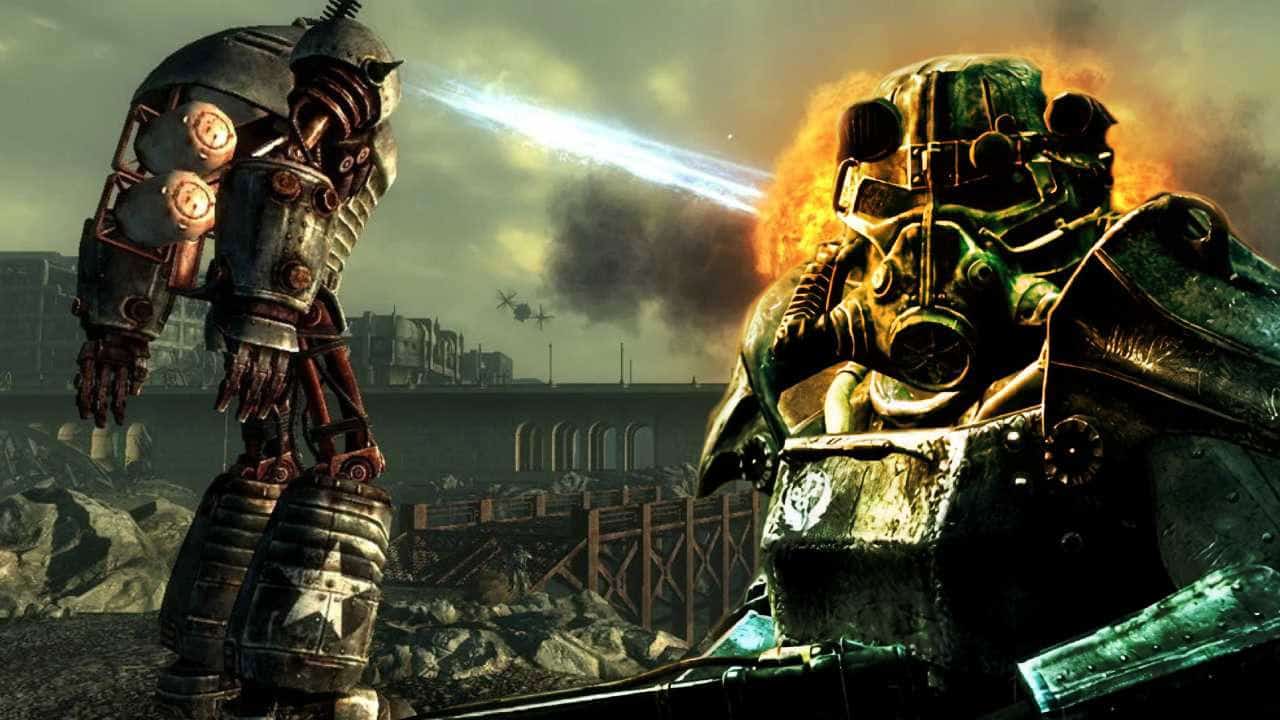
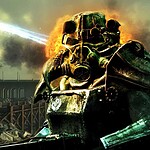
"Fallout 3"
Fallout 3 underwent different edits depending on where it was released. For the Japanese version, Bethesda modified the "Power of the Atom" quest so players could no longer choose to detonate the nuclear bomb in the town of Megaton. The character Mr. Burke, who provides that option in other versions, was removed from the quest. Bethesda also removed human dismemberment and changed the name of one weapon for the Japanese release.
Germany received a substantially less graphic version with blood and gore effects removed. The uncut international edition was placed on Germany's index of media considered harmful to minors, which restricted its advertising and availability. That restriction ended in 2016 when the uncut version was removed from the index.
“Football Manager 2005”
No blood, no gore, no guns. Football Manager 2005 still managed to run into a government ban in China over something much more politically sensitive: maps and national borders. In December 2004, China's Ministry of Culture ordered authorities to stop the distribution of copies that treated Taiwan, Hong Kong, Macao, and Tibet in ways the government said challenged China's sovereignty and territorial integrity.
The ministry ordered copies to be confiscated and websites, software markets, internet cafes, and other distributors to be inspected. Sega said the version circulating in China had not been officially released there and was largely being distributed through imported or pirated copies. A localized Chinese version was subsequently prepared with political designations changed to comply with Chinese requirements.
"Wasteland 3"
Australia initially refused classification to Wasteland 3 in 2020, which meant the game could not legally be sold, advertised, or demonstrated there. The problem was not simply that drugs appeared in the game. Australia's Classification Board objected specifically to a cannabis-like drug called "Rocky Mountain Moosegrass" because using it gave the player's character a gameplay benefit.
The developer submitted a modified version that removed the interactive use of that drug. On March 13, 2020, the revised game received an R18+ classification and could be released in Australia. It is a good example of why "banned" can sometimes mean "change this and try again."
"Soldier of Fortune: Payback"
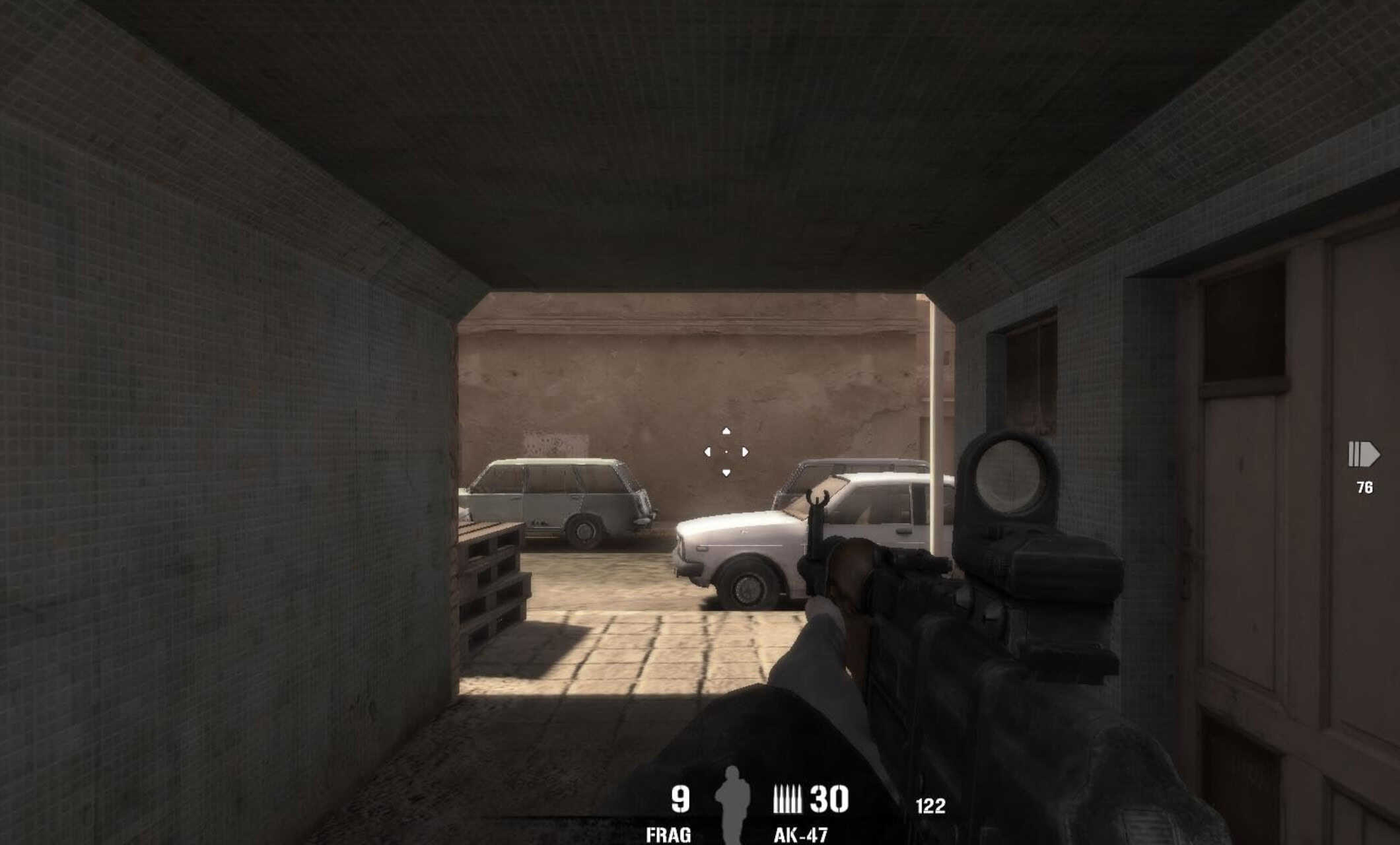
Soldier of Fortune: Payback hit a similar roadblock in Australia in 2007. The original version was refused classification because of its graphic violence, including substantial blood effects and the ability to shoot off individual limbs.
Activision modified the game and submitted it again. The Australian release reduced blood effects, removed enemy dismemberment, and toned down some of the game's physics. The edited version received an MA15+ classification on November 21, 2007, allowing it to go on sale.
"Bully"
Bully puts players in control of troubled teenager Jimmy Hopkins at the fictional Bullworth Academy. The game includes fighting, pranks, harassment, cliques, school rules, and plenty of bad behavior. In 2008, a Brazilian judge barred its importation, distribution, sale, and advertising after a consumer-protection action argued that its depiction of violence, humiliation, and corruption in a school setting could be harmful to young people.
The court order applied nationwide. The restriction did not last forever, though. On June 23, 2016, Bully returned to legal sale in Brazil through digital PC and PlayStation 4 releases, eight years after the original ruling.
"Manhunt"
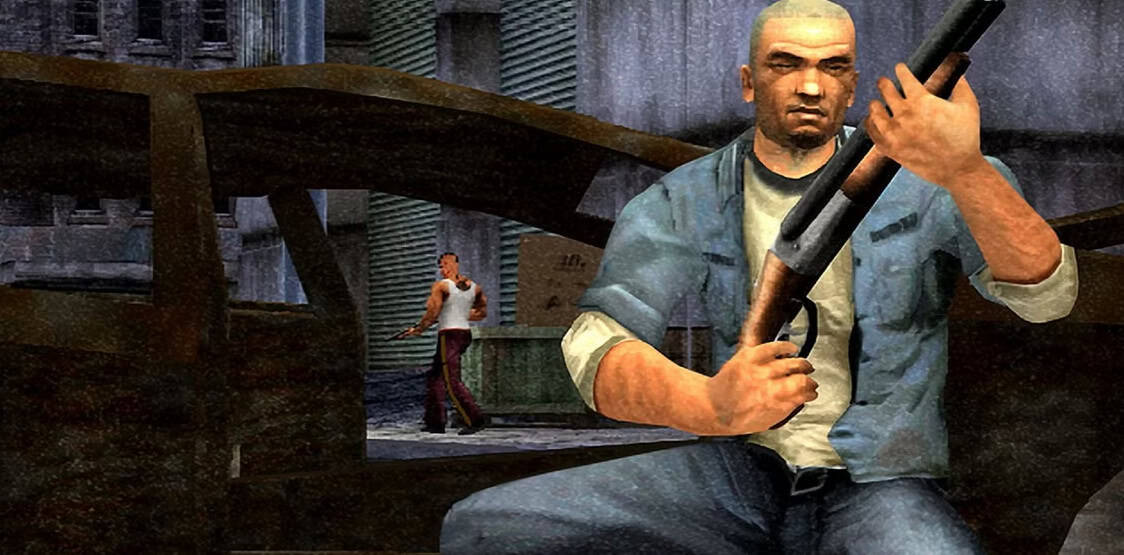
Rockstar's Manhunt follows death-row prisoner James Earl Cash, who is forced to kill gang members while a sadistic director records the violence for snuff films. The stealth game was deliberately brutal, and regulators in several countries treated it accordingly.
New Zealand classified Manhunt as objectionable in 2003, making it the first video game banned there under that system. That decision was reconsidered in 2023, when the Classification Office determined that the game no longer met the country's high legal threshold for a ban and reclassified it R18 for graphic violence. Australia originally gave the PlayStation 2 release an MA15+ rating, but that classification was reviewed in 2004 and replaced with Refused Classification, preventing the original version from being legally sold there.
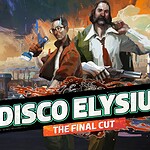
"Disco Elysium: The Final Cut"
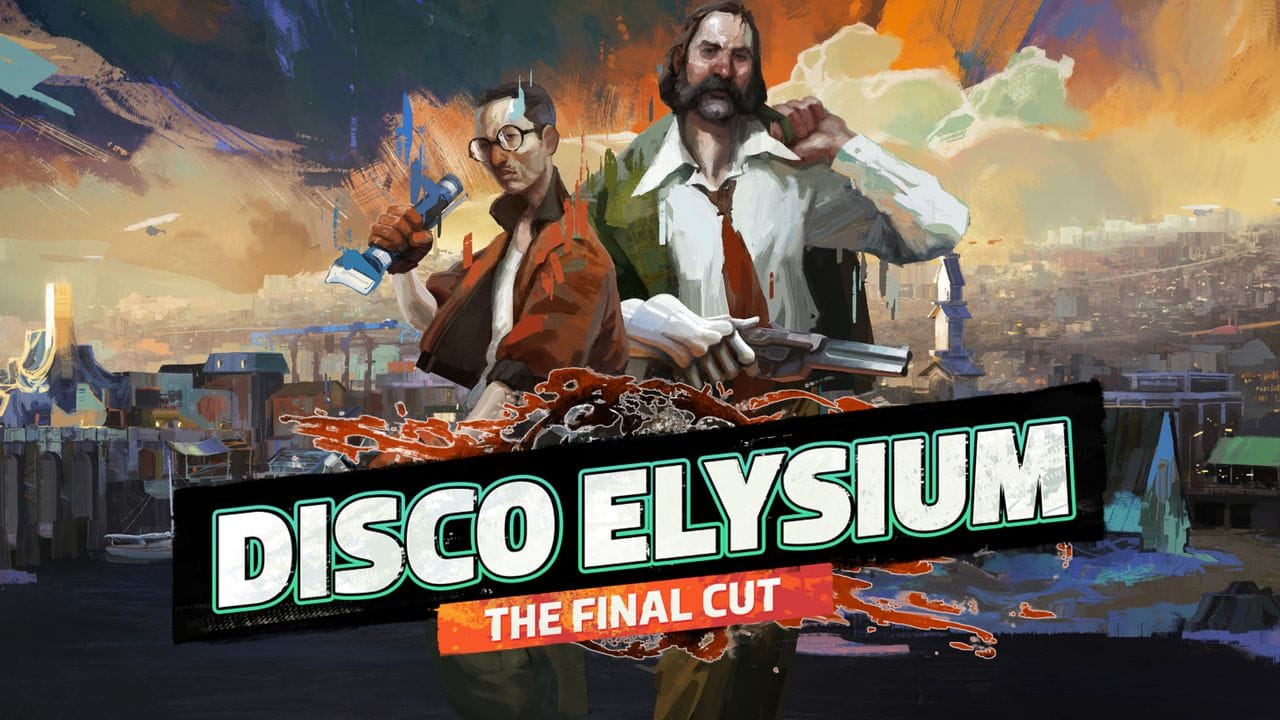
Australia initially refused classification to Disco Elysium: The Final Cut on March 18, 2021. Under Australian law, that meant the game could not legally be sold or advertised. The classification dispute centered heavily on the game's treatment of drug use and addiction, including mechanics that could temporarily alter the player's abilities.
Developer ZA/UM appealed, and this time the game did not need to be rewritten. On May 13, 2021, Australia's Classification Review Board overturned the refusal and gave The Final Cut an R18+ rating. The board concluded that the game's drug mechanics also carried meaningful negative consequences, putting them in a different context than straightforward drug use rewarded by gameplay.
"PUBG Mobile"
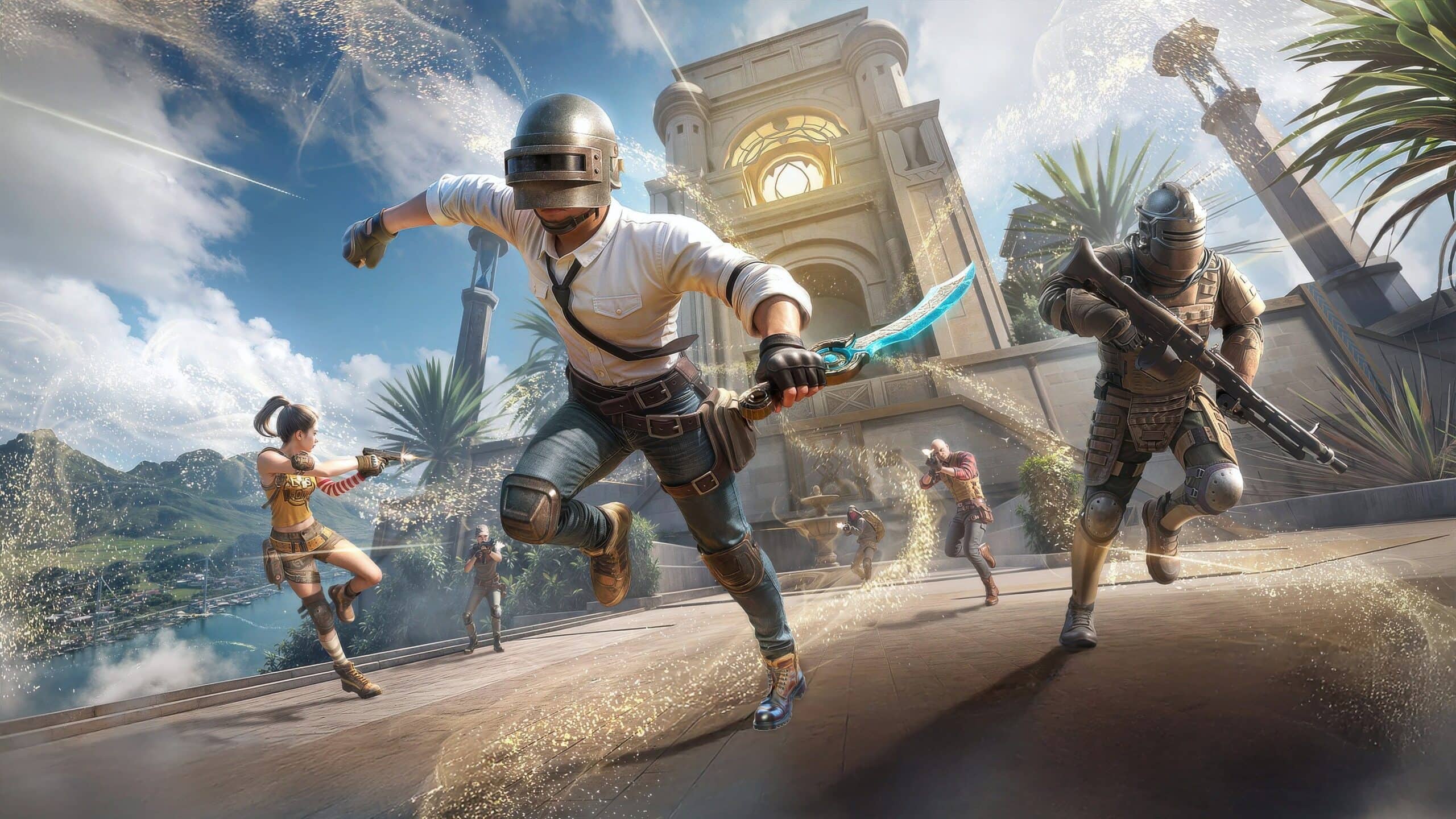
India blocked PUBG Mobile and PUBG Mobile Lite in September 2020 as part of a much larger crackdown involving 118 mobile apps. Unlike many of the cases on this list, the dispute was not primarily about violence or age-appropriate content.
India's Ministry of Electronics and Information Technology invoked Section 69A of the Information Technology Act, saying the blocked apps raised concerns involving India's sovereignty and integrity, national defense, state security, public order, and the unauthorized transmission of user data to servers outside the country. PUBG Mobile was therefore caught in a national-security and data-privacy dispute rather than a traditional video-game censorship fight.