Plastic Pollution Statistics to Know About
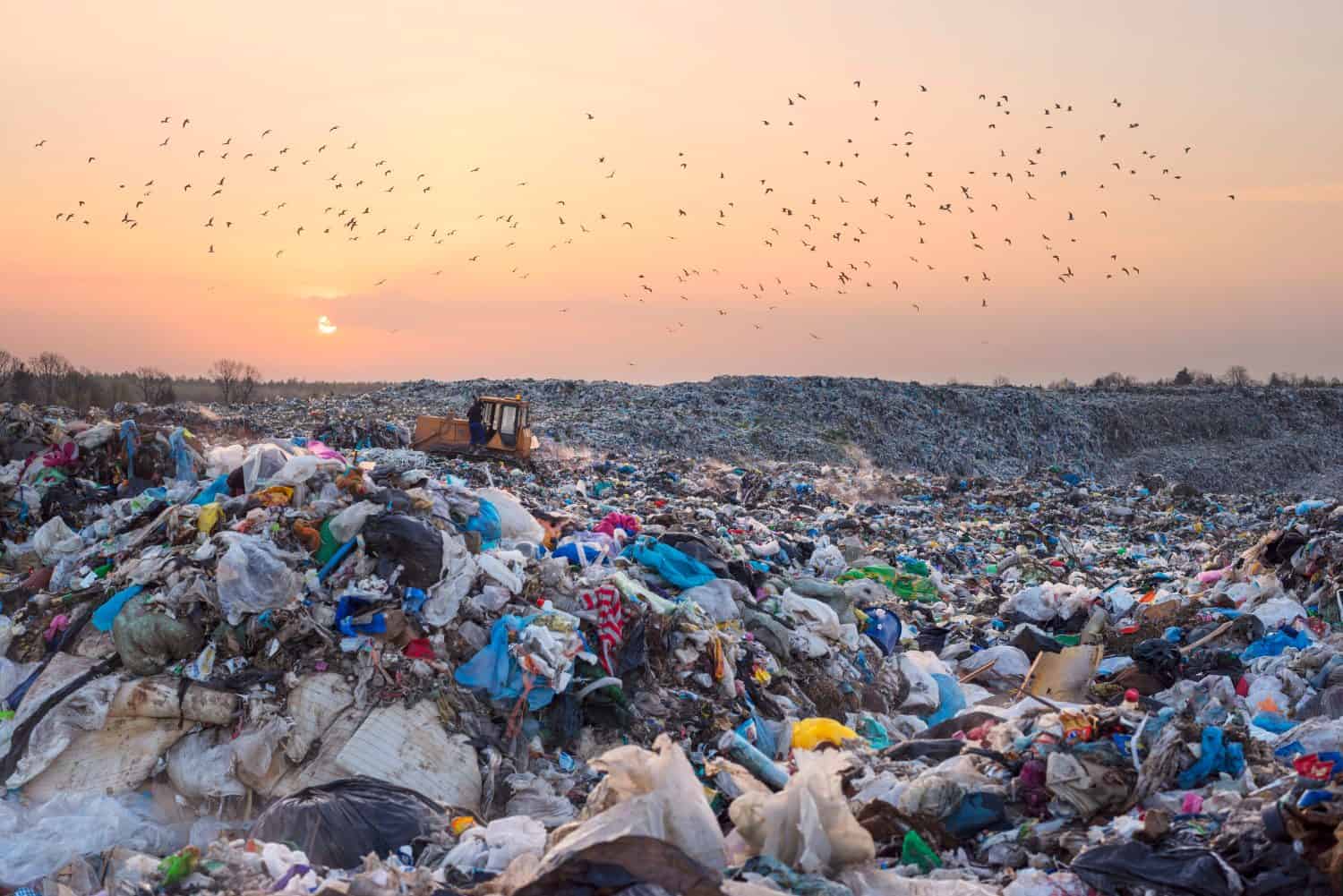
We use plastic for everything: bags, containers, utensils, and more. They also end up everywhere including in our oceans, lakes, soil, and even blood. As we continue to produce more and more single-use plastics, it's important to understand the consequences. Click through the slideshow for plastic pollution statistics you should know
How Much Plastic Is Produced Every Year?
Fish Consume a Lot of Plastic
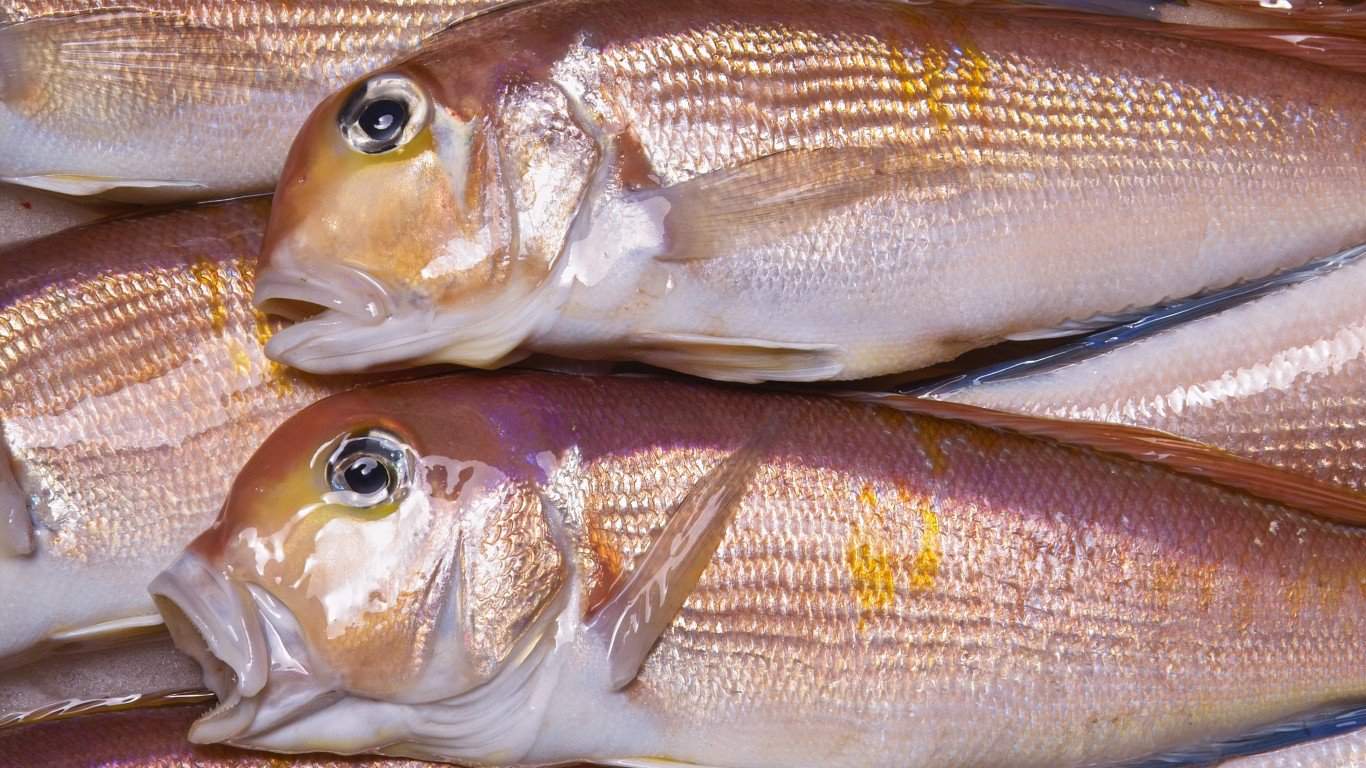
About 1 in 3 fish caught for human consumption contain plastic!
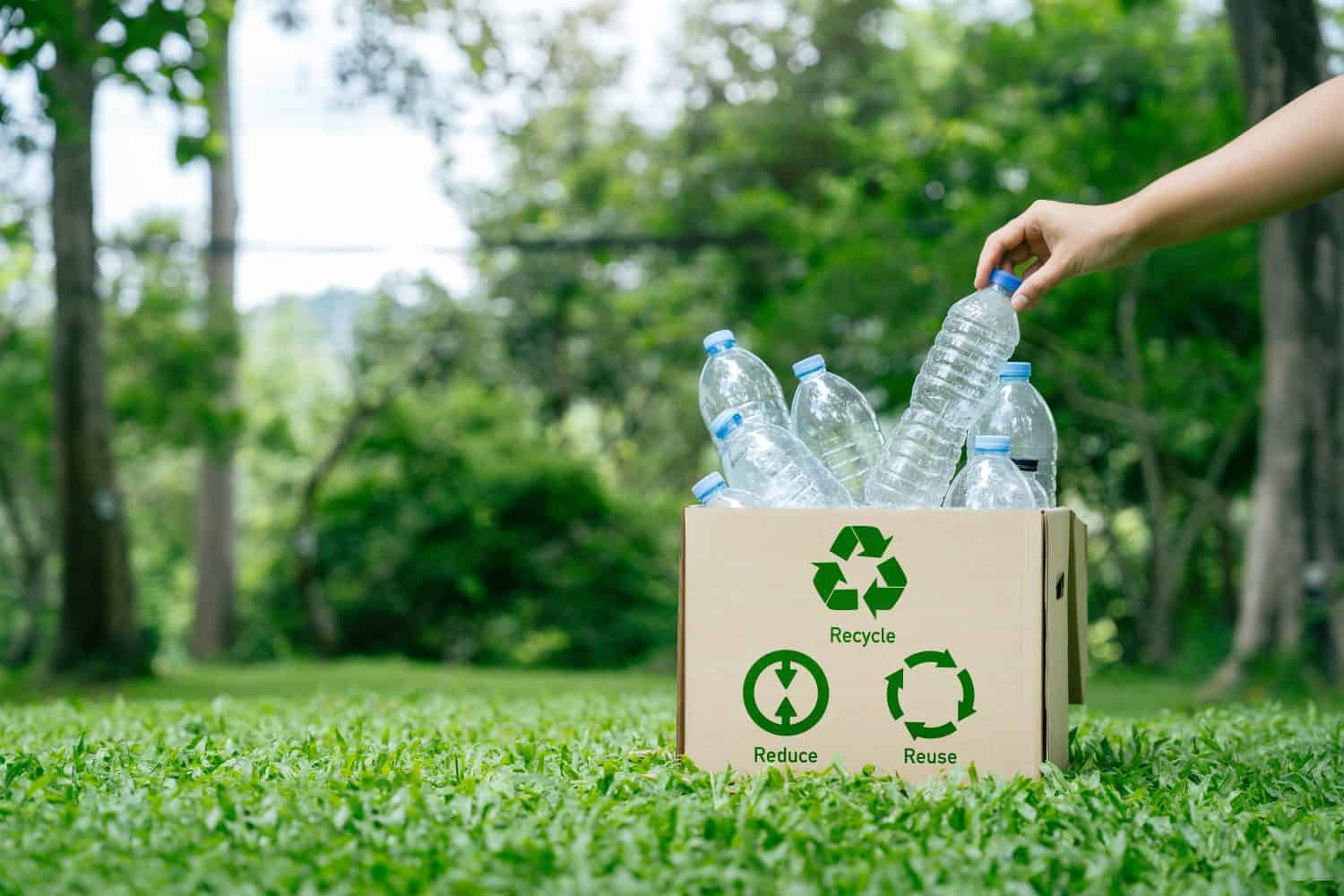
Only a Small Amount of Plastic is Recycled
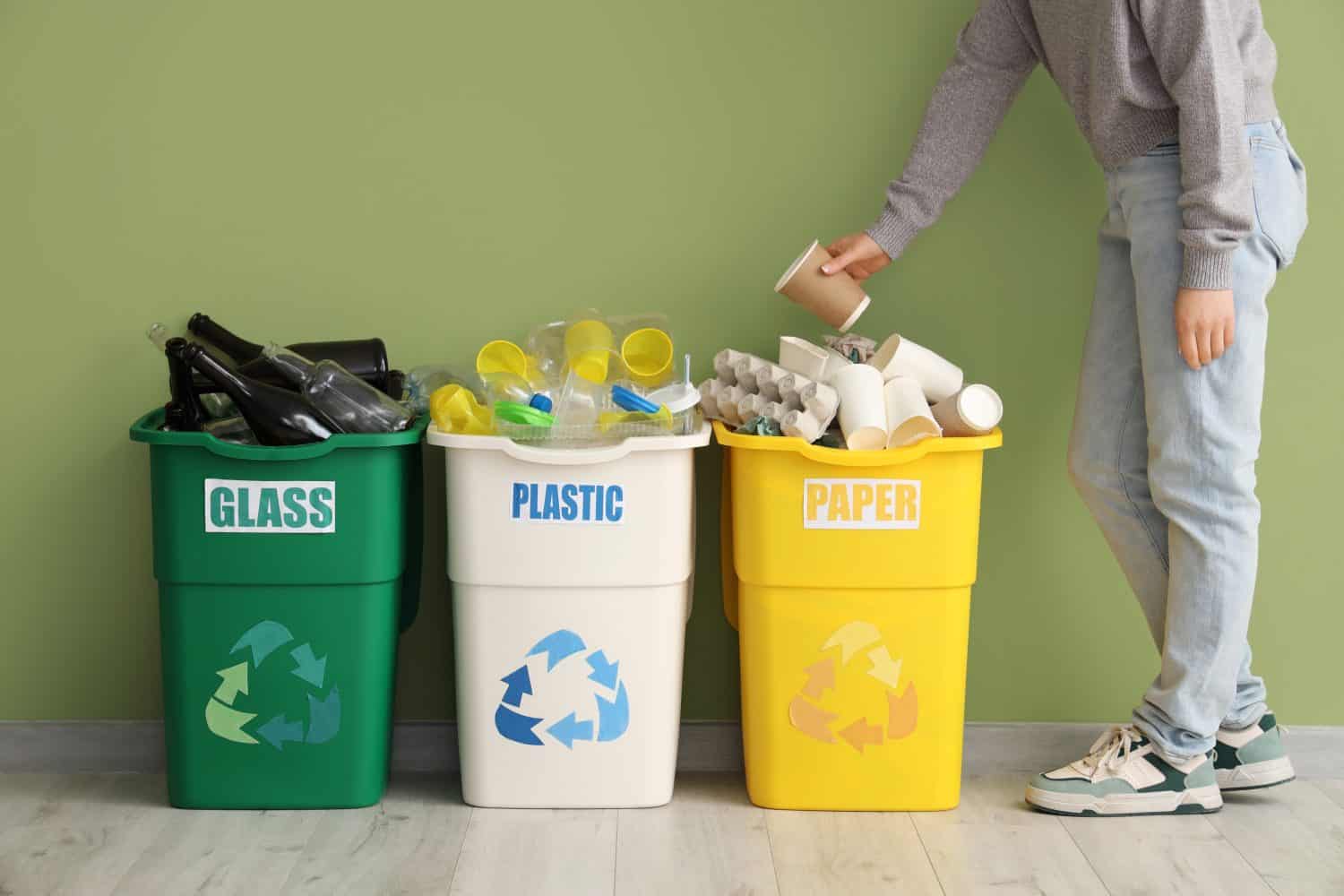
In 2019, only 9% of plastic was recycled, while another 22% was mismanaged.
Fossil Fuels
Over 98% of plastic is made from fossil fuels.
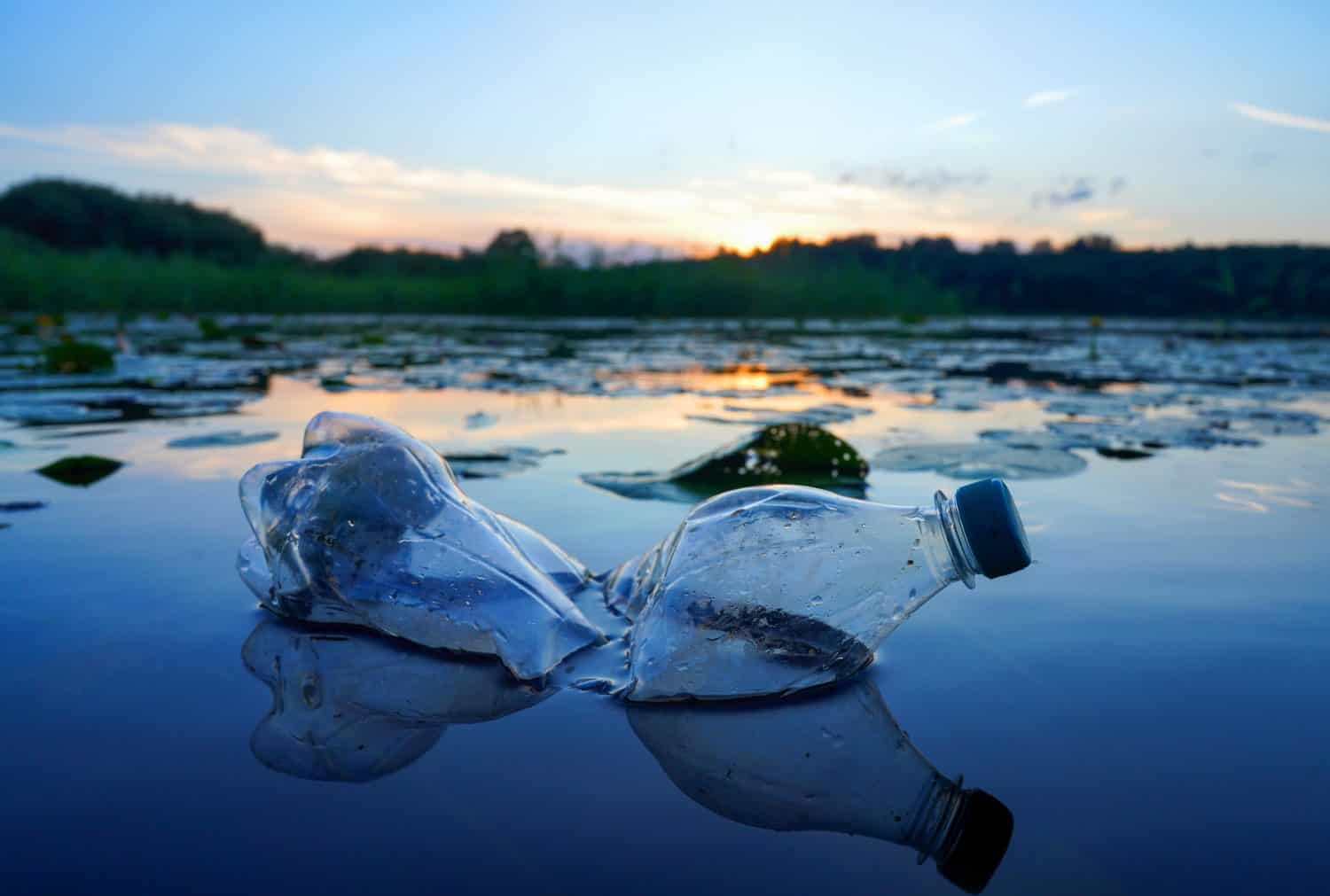
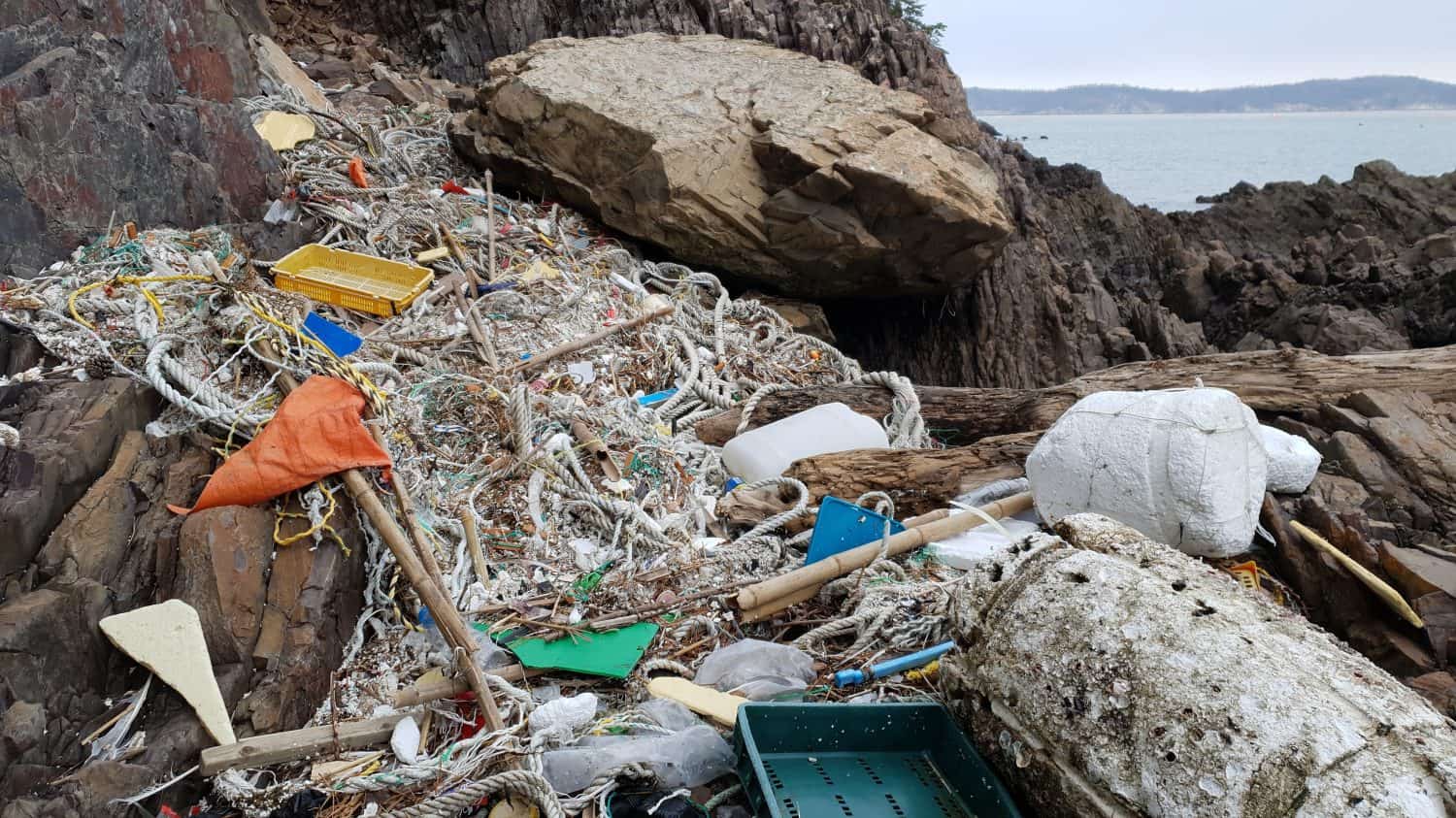
Trash Continues to Find Its way to Our Oceans
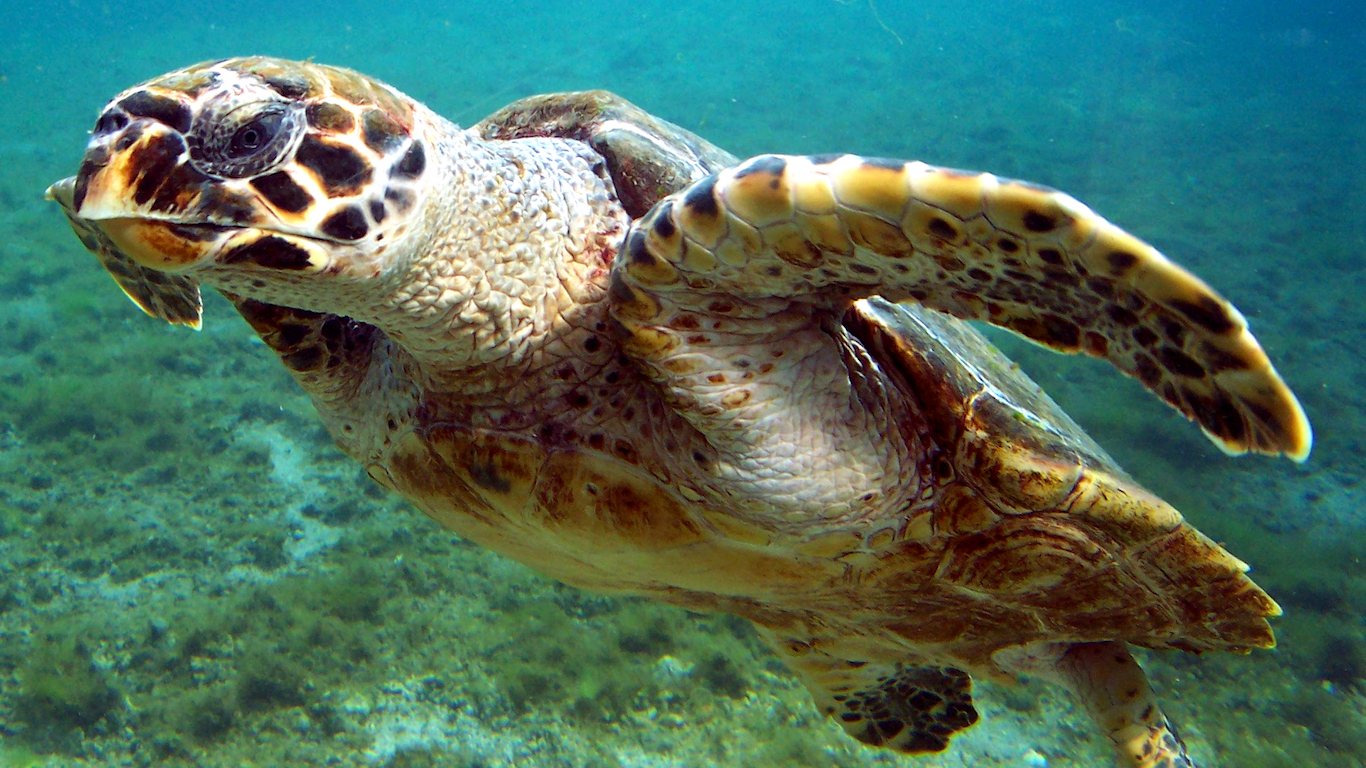
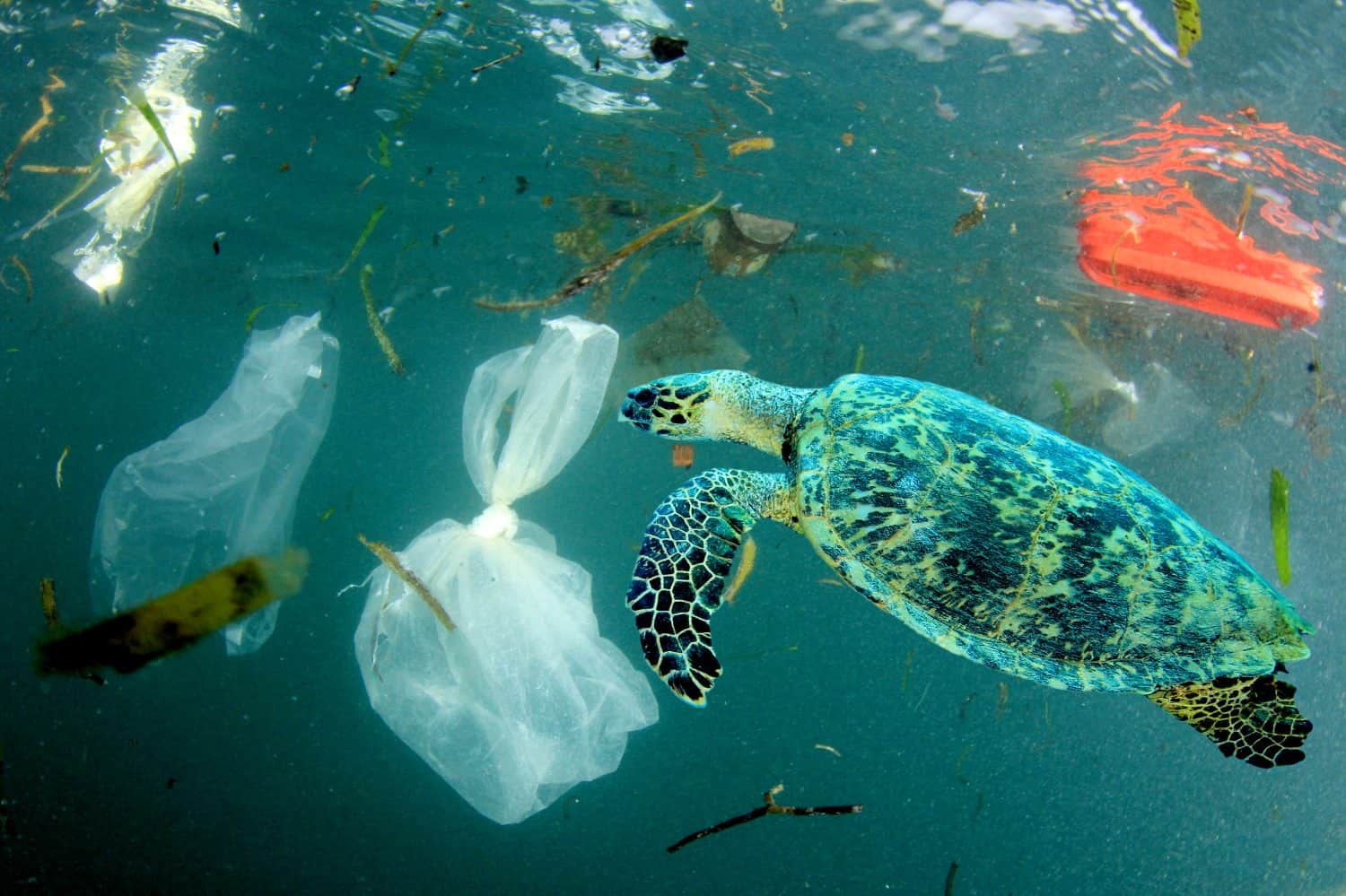
Plastic is Killing Marine Life
It's estimated that over 1 million marine animals die from plastic pollution. This doesn't even include non-marine wildlife.
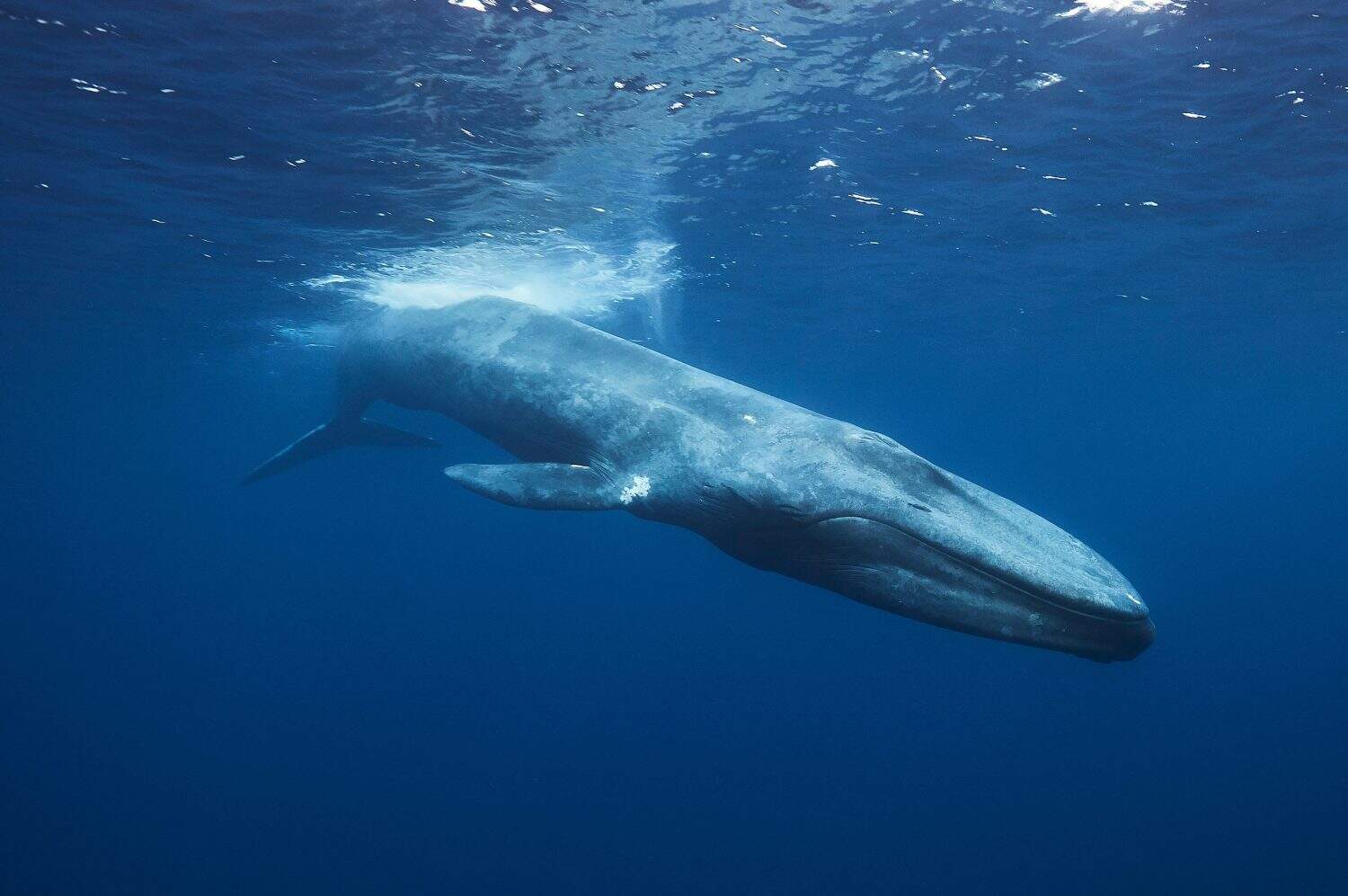
Whales Consume the Most Plastic Of All Animals
The Numbers are Worrying for 2050
By 2050, experts estimate plastic leakage will rise from 24 million tons (2019) to 50 million tons.
Plastic Never Really Disappears
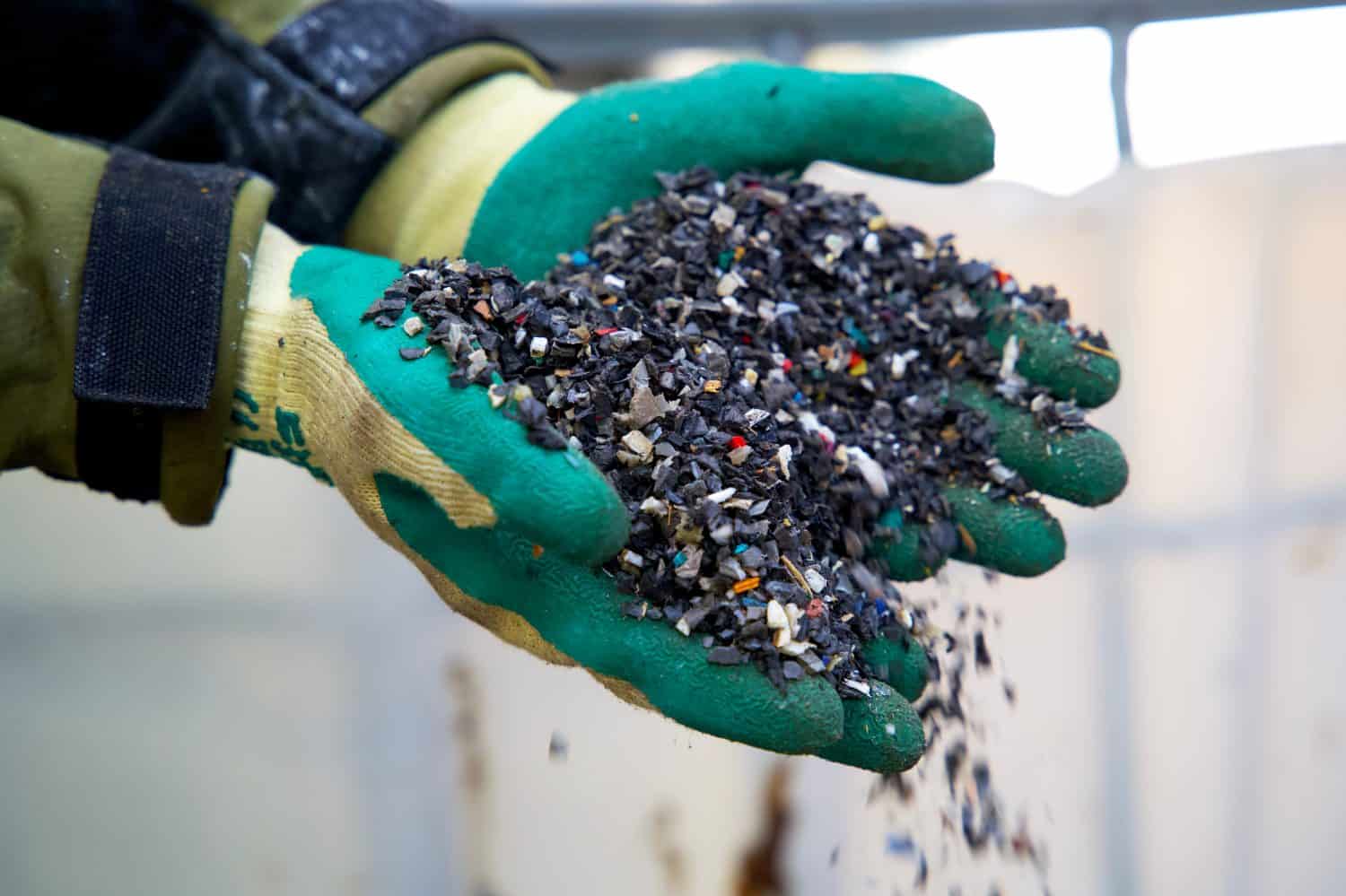
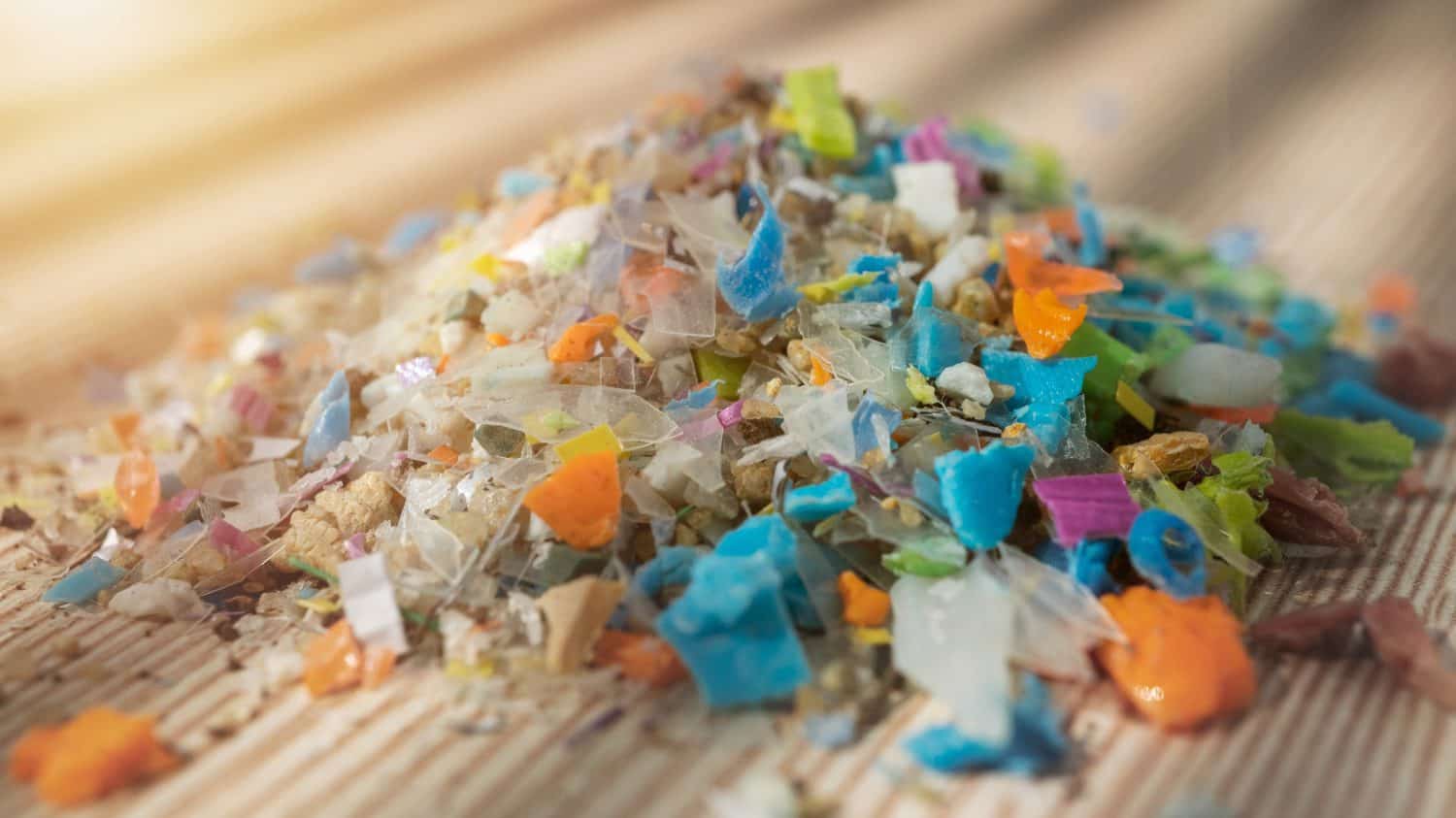
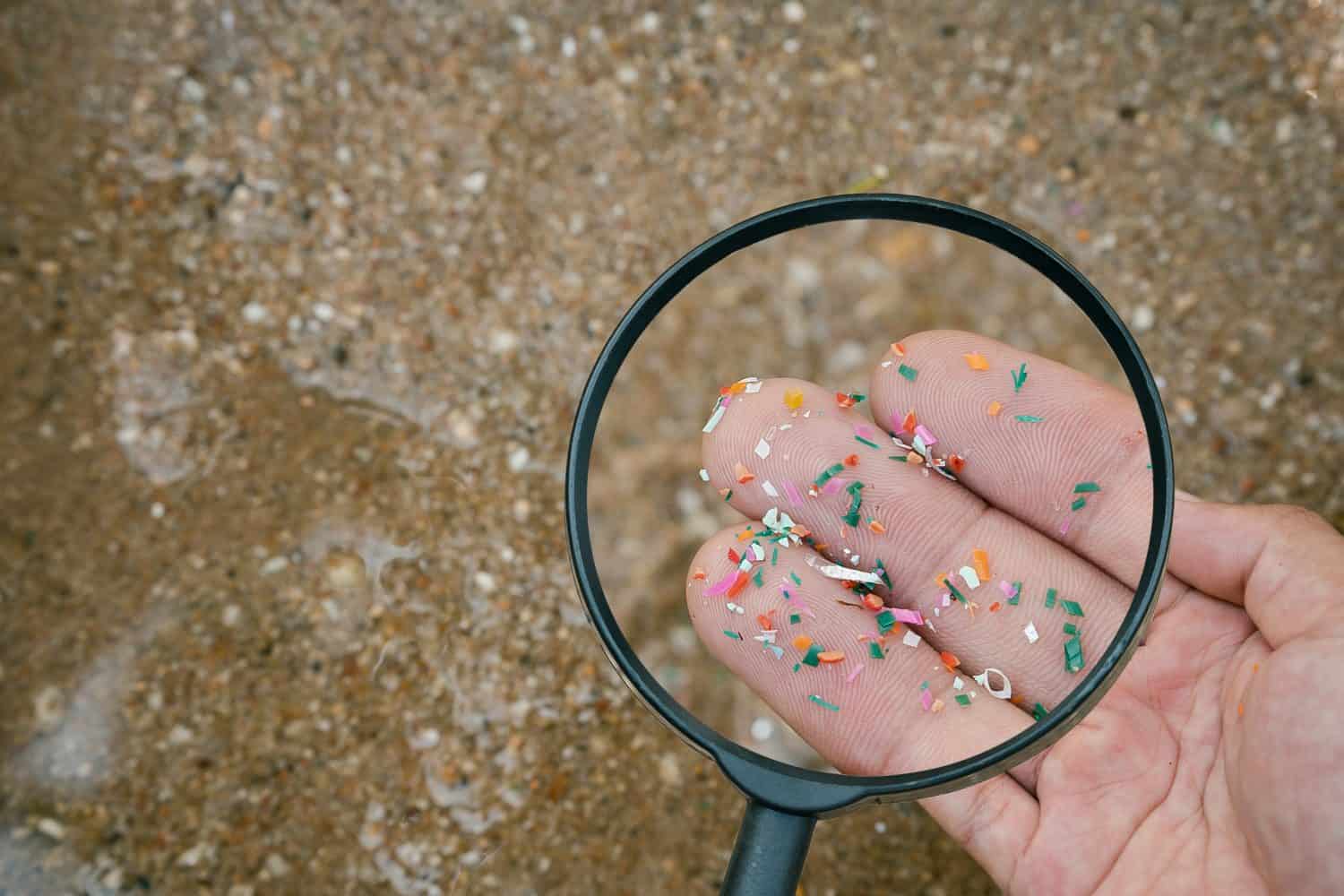
One water bottle can take over 450 years to break down, but that doesn't mean it goes away. Instead, plastic never really disappears, it just becomes microplastics.
Where is the Plastic in the Ocean?
Only 1% of the plastic in the ocean sits at the top. Another 94% has already sunk to the bottom.
Plastic in Our Bodies
Did you know we are consuming plastic? One study found that out of 22 blood donors, 17 samples had plastic in them. They've also been found in the lungs! In another study 11 out of 13 lung samples contained microplastics.
The Great Pacific Garbage Patch
Within the Great Pacific Garbage Patch, experts estimate there are over 1.8 trillion pieces of garbage. Most of this trash is plastic.