Greenpeace.org
Unknown / CC BY-SA 2.0 KR
Department of Sanitation, Mexico
IMysticcc / CC BY-SA 4.0
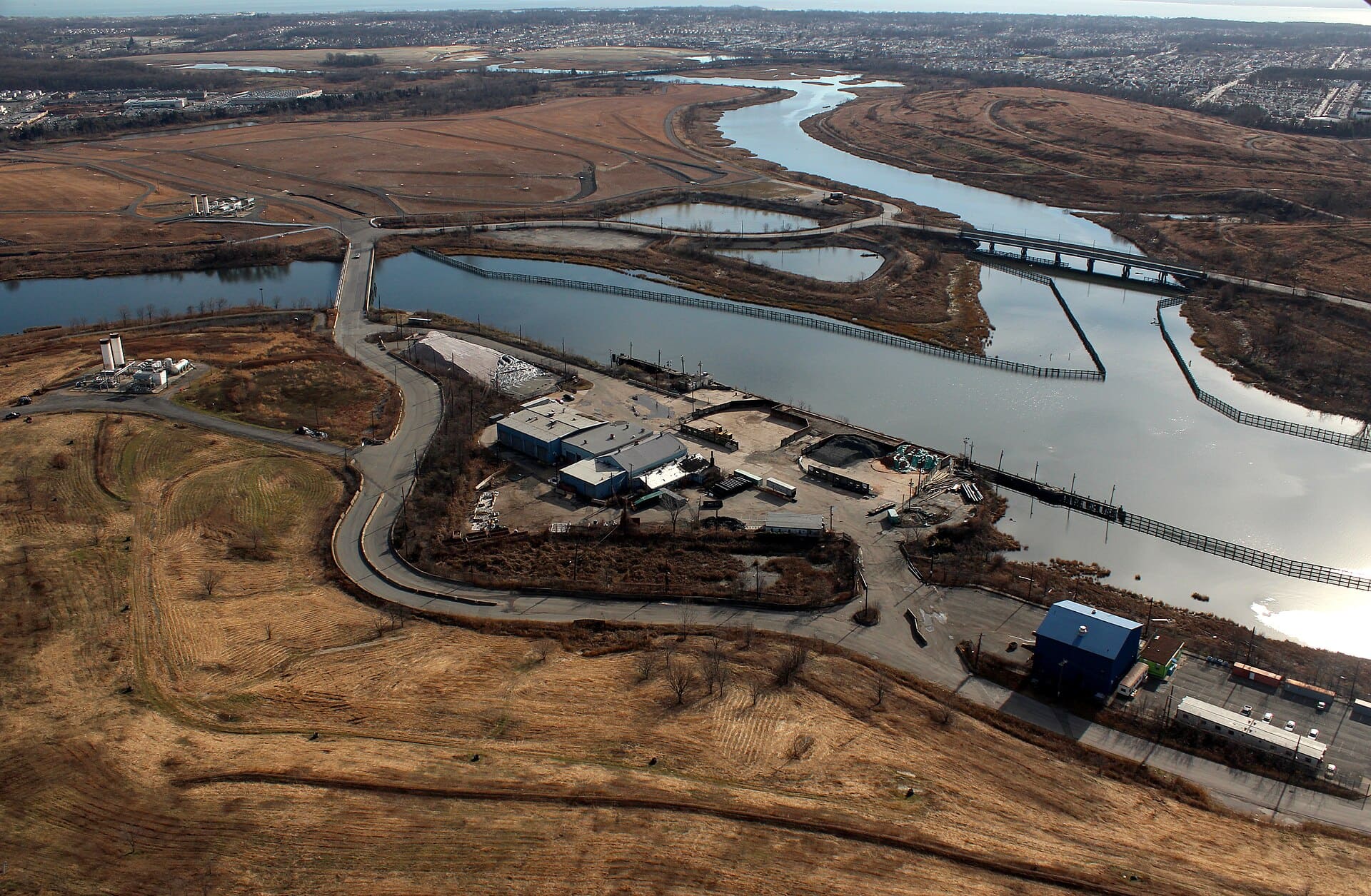
USEPA, Jeanethe Falvey / Public Domain
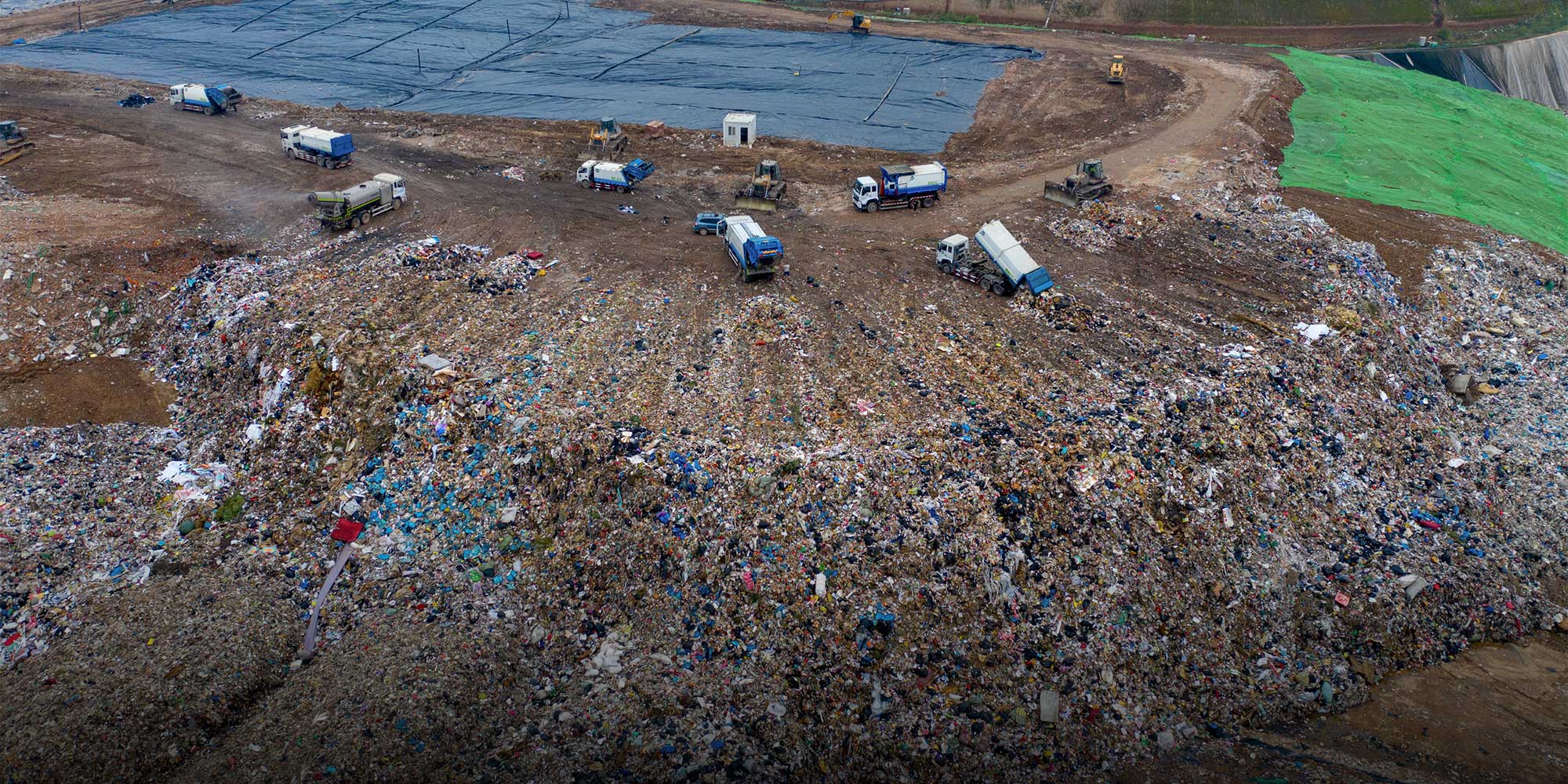
Chinese Environmental Protection Agency
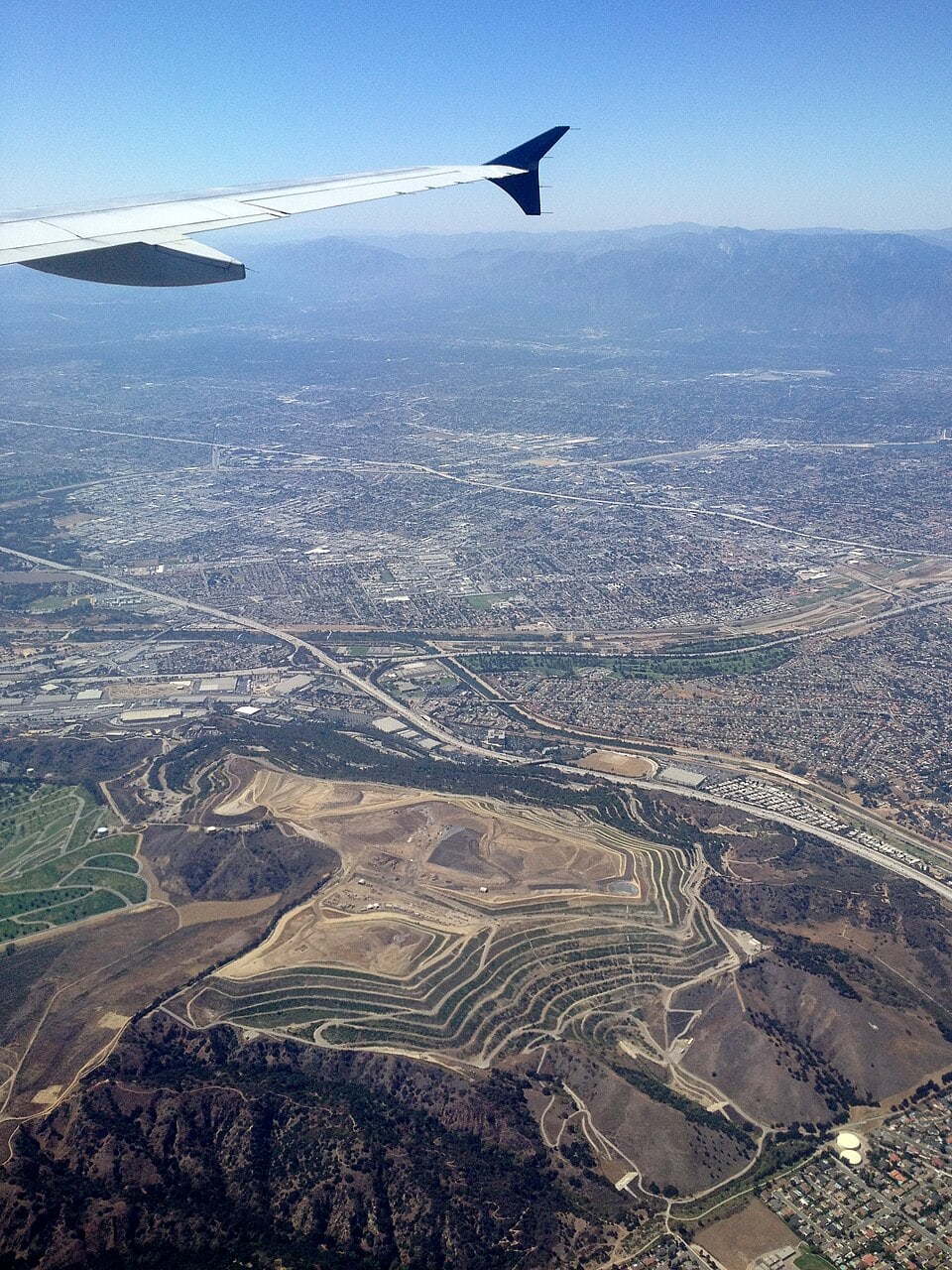
Britta Gustafson / CC BY-SA 2.0
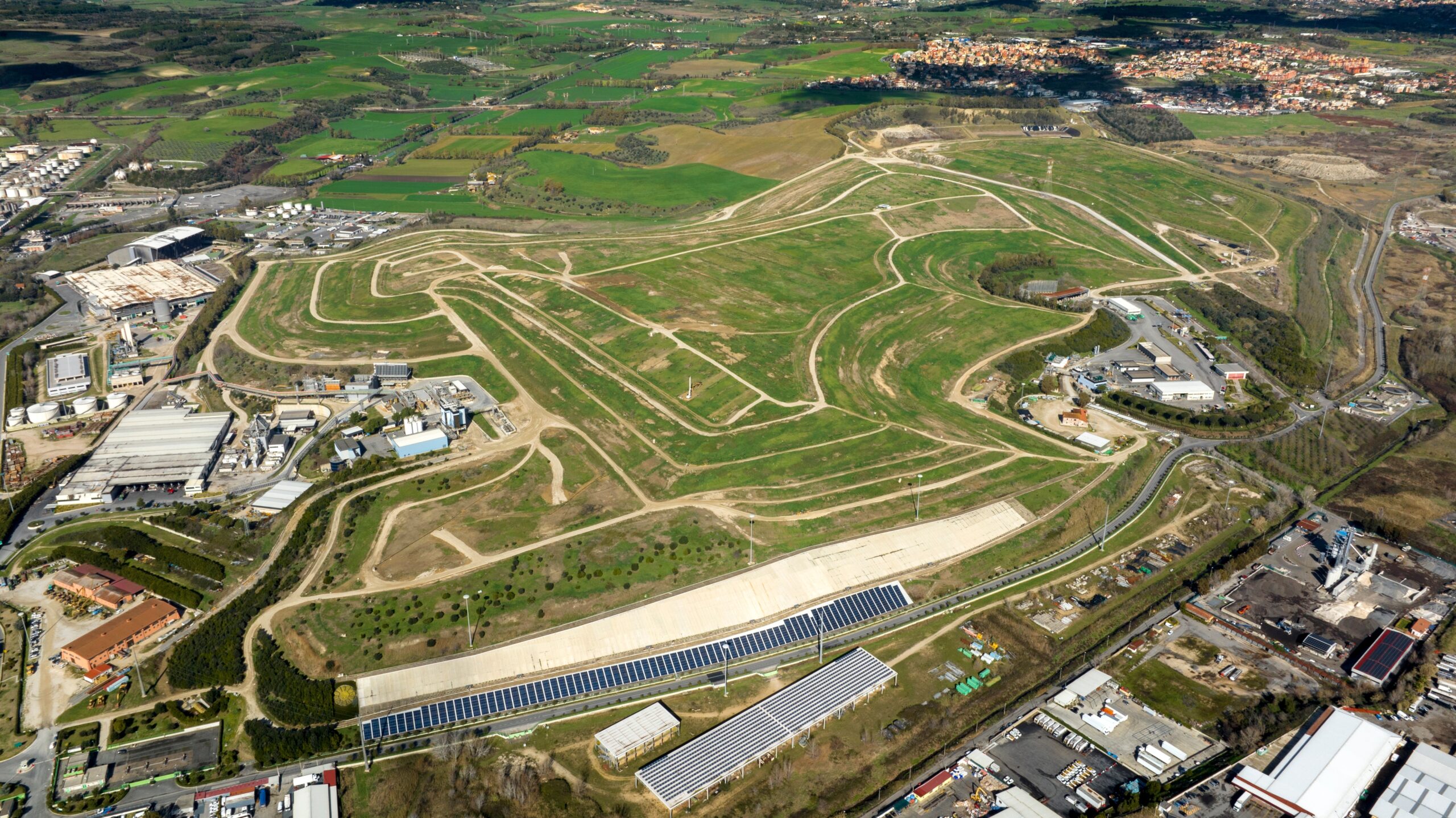
Stefano Tammaro / Shutterstock.com
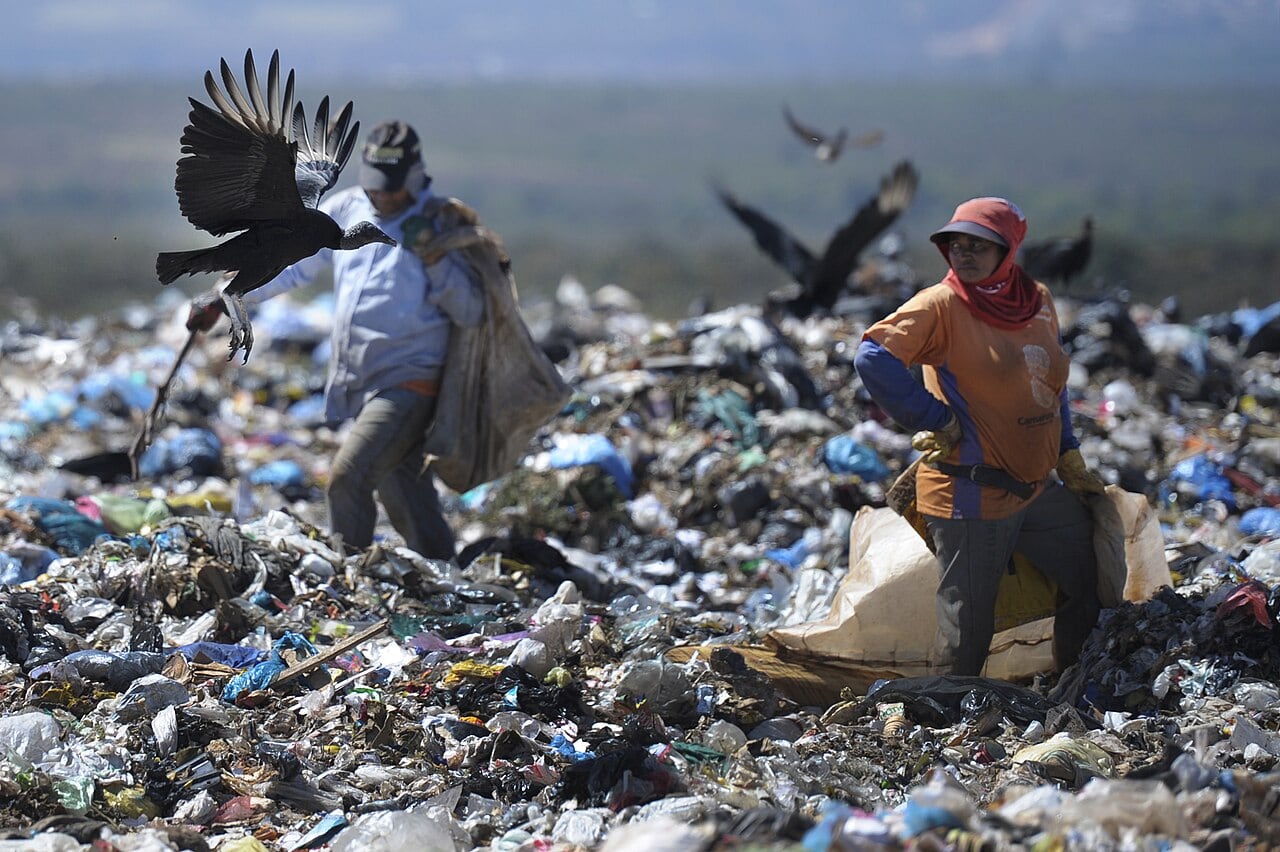
Edilson Rodrigues, Agência Senado / CC BY 2.0
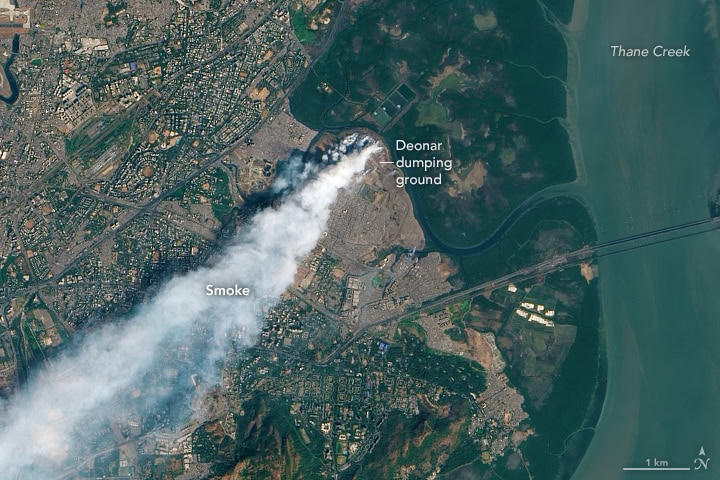
NASA / Public Domain
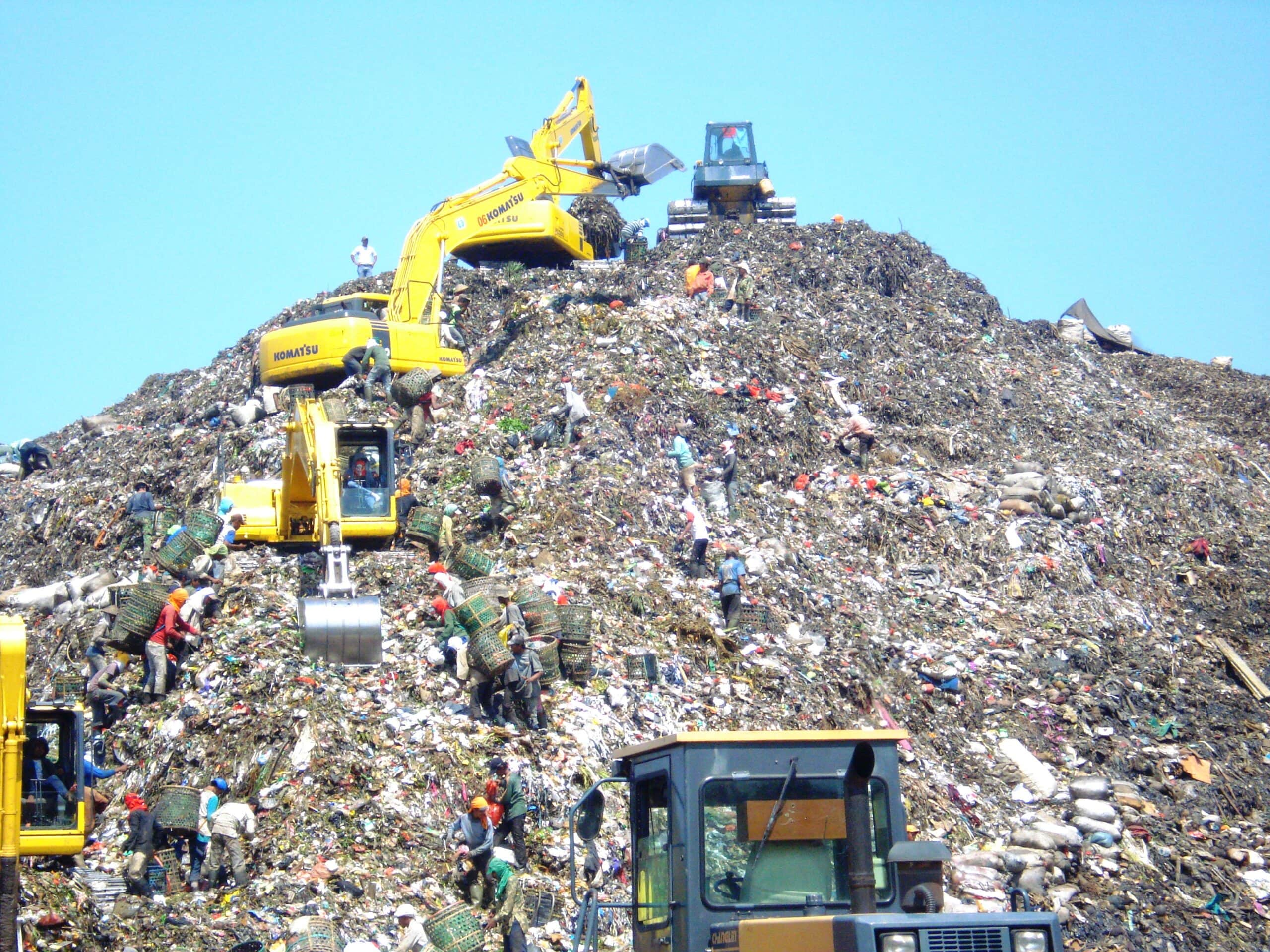
22Kartika / CC BY-SA 3.0
10 of the Biggest Landfills on Earth, Including One Nearly 4,000 Acres
Every city has to put its garbage somewhere, but the scale of the world's largest landfills can be difficult to comprehend until you see them from above. Some stretch across thousands of acres. Others have accumulated tens of millions of tons of waste, creating artificial hills that rise above the communities around them.
A few of these massive sites still receive thousands of tons of trash every day, while others have closed and are slowly being capped, cleaned up, or transformed into parks and energy projects. South Korea has even built a golf course over part of a former landfill.
There is no perfect worldwide ranking because operators report size in different ways, including total property area, active landfill footprint, capacity, and accumulated waste. These 10 sites are among the largest and best-documented examples, and together they show just how much physical space our garbage can consume.
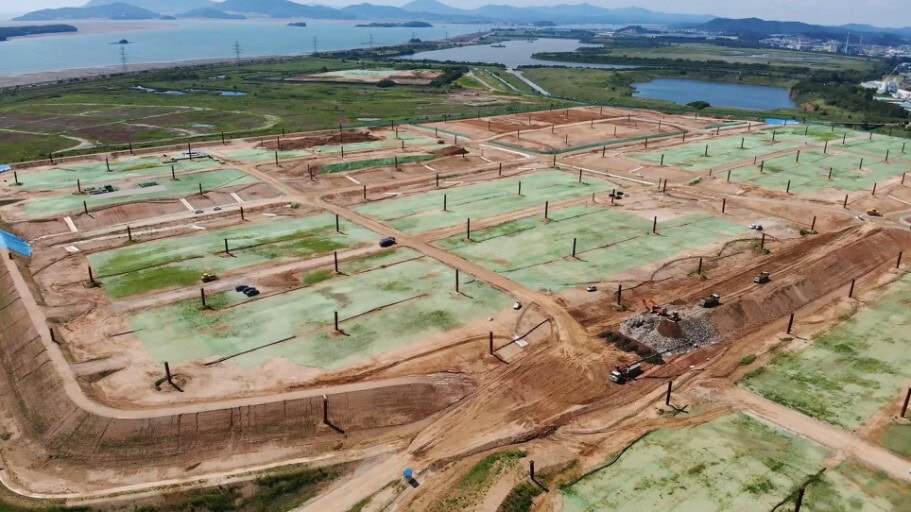
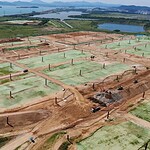
Sudokwon Landfill Site - Incheon, South Korea
The Sudokwon complex covers about 16 million square meters, or roughly 3,954 acres, with about 9.15 million square meters designated for landfill use. It serves the Seoul metropolitan region, and while its first two landfill areas are closed, a newer section remains active. Parts of the older site have been transformed into a golf course, gardens, and other public spaces.
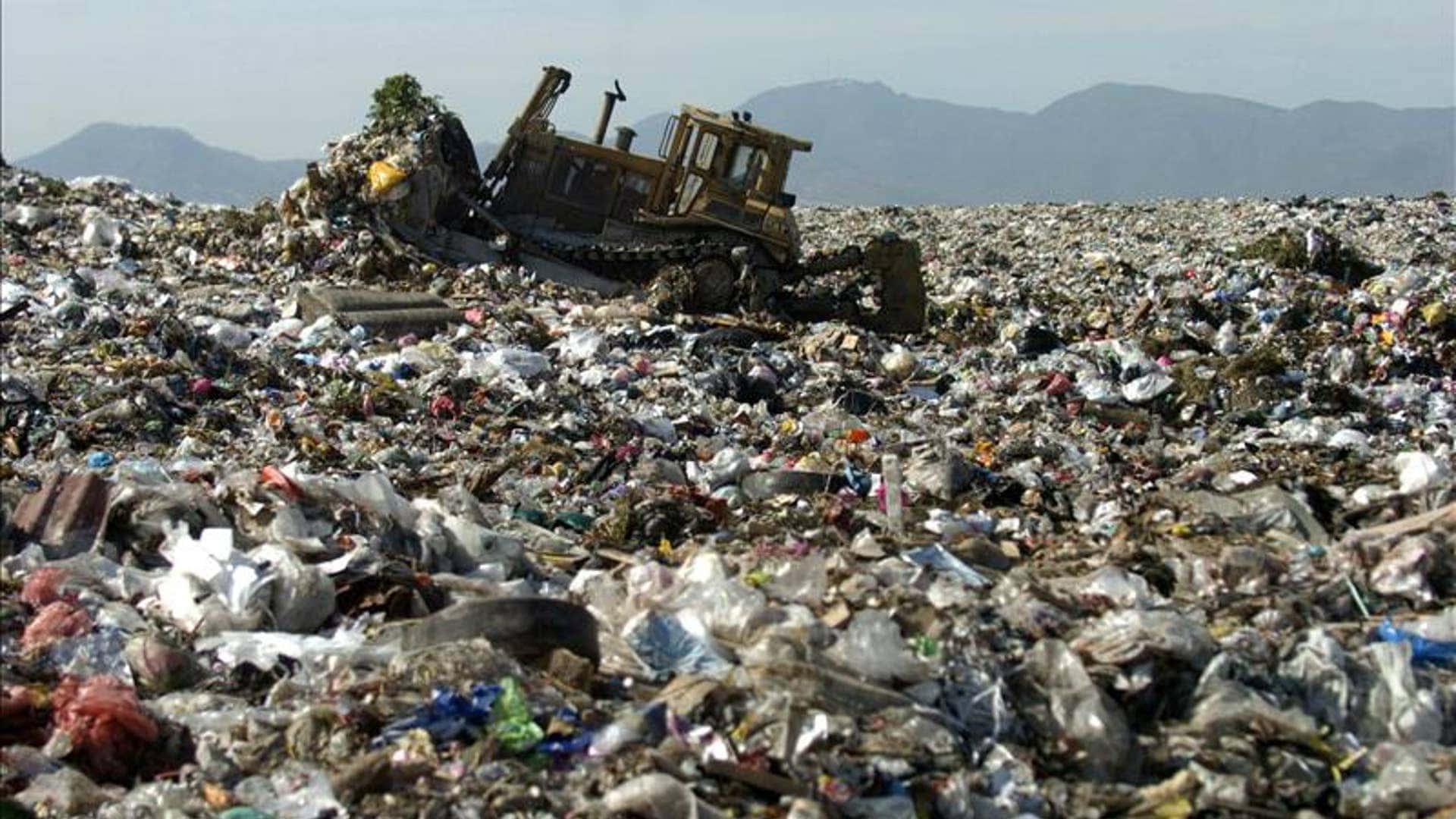
Bordo Poniente - Mexico City, Mexico
Bordo Poniente occupies a 1,000-hectare federal property, about 2,471 acres, and 721 hectares were used across its four landfill stages. Mexico City closed the landfill to regular waste in December 2011 after decades of use; city documents say roughly 70 million tons were deposited in Stage IV alone from 1994 to 2011. The site is now tied to recycling, composting, and energy projects.
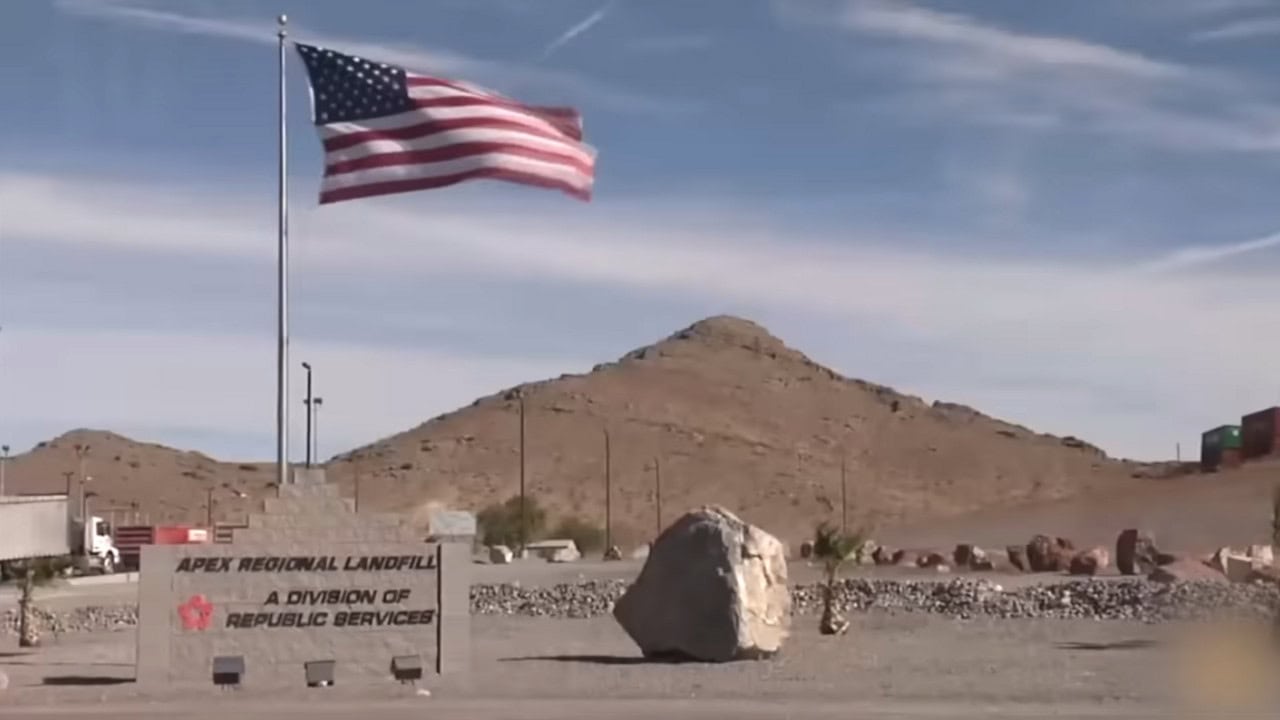
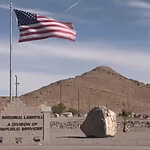
Apex Regional Landfill - Nevada, United States
North of Las Vegas, Apex Regional Landfill sprawls across about 2,285 acres. Clark County says the site was designed for roughly 865 million cubic yards of refuse and a service life of more than 400 years, making its planned capacity almost as striking as its footprint. Apex has accepted waste since 1993 and also captures landfill gas for energy production.
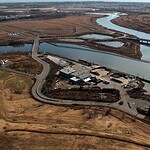
Fresh Kills Landfill - New York City, United States
Fresh Kills covers roughly 2,200 acres on Staten Island and was once described by New York City as the world's largest landfill. At its peak in the 1980s, the site received as much as 29,000 tons of garbage per day before regular trash deliveries ended in 2001. Today, the enormous former dump is being converted piece by piece into Freshkills Park.
Laogang Landfill Complex - Shanghai, China
Shanghai's Laogang landfill system grew through multiple phases along the East China Sea. UN-Habitat reports that Phases I through III cover about 3.26 square kilometers and Phase IV another 3.36 square kilometers, for a combined footprint of roughly 1,636 acres. Shanghai stopped landfilling primary municipal solid waste by late 2021, while the complex continues handling residual waste streams and undergoing ecological restoration.
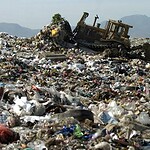
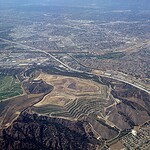
Puente Hills Landfill - California, United States
The former Puente Hills Landfill covers about 1,365 acres in Los Angeles County and operated for nearly six decades before closing in 2013. Once described by the county as the nation's second-largest landfill, its terraced trash mound became a landmark in the San Gabriel Valley. Plans call for part of the property to become public parkland, while landfill gas is still used to generate electricity.
Malagrotta Landfill - Rome, Italy
Malagrotta covered about 240 hectares, or roughly 593 acres, on the outskirts of Rome and was long described as one of Europe's largest landfills. Waste deliveries ended in September 2013 after years of pressure over environmental concerns and European waste rules. More than a decade later, the closed site remains a major remediation and waste-management issue for the Lazio region.
Estrutural Dump - Brasília, Brazil
Brasilia's former Estrutural dump covered about 200 hectares, roughly 494 acres, beside Brasilia National Park. The open dump operated for decades and was widely described by Brazilian authorities as the largest in Latin America before it stopped receiving municipal waste in January 2018. The area still contains tens of millions of tons of legacy waste and remains the focus of environmental study and recovery work.
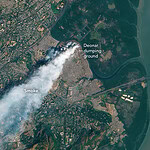
Deonar Dumping Ground - Mumbai, India
Deonar has received Mumbai's waste since 1927, making it one of the city's oldest and most notorious disposal sites. A current municipal site map places the dumping ground's boundary at about 127 hectares, or roughly 314 acres. Mumbai is now pursuing biomining, waste-to-energy development, and large-scale removal of legacy waste from the property.
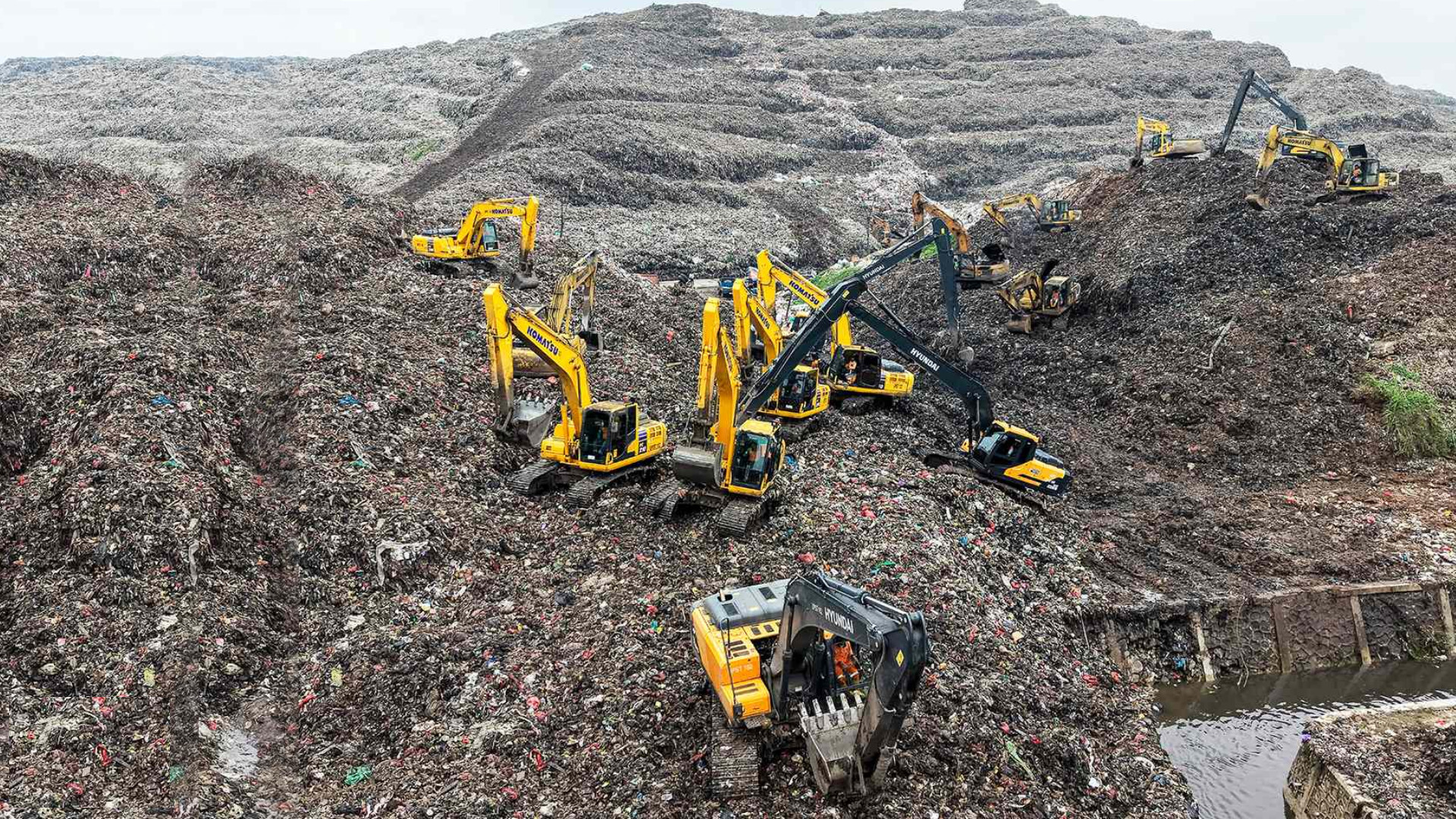
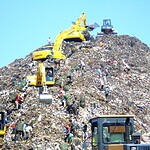
Bantargebang Landfill - Bekasi, Indonesia
Bantargebang, just outside Jakarta, covers roughly 110 hectares, or about 272 acres, and remains one of Southeast Asia's best-known waste sites. Jakarta officials have said around 55 million tons of trash had accumulated there by 2025, and the facility continues to rerecive thousands of tons a day. A March 2026 landslide temporarily disrupted parts of the site, underscoring the pressure created by decades of disposal.