Sean Pavone/iStock.com
Sean Pavone/iStock.com
isabel kendzior/Shutterstock.com
Suzanna Pratt/Shutterstock.com
Nani Rossetti/iStock.com
Mykola Gomeniuk/Shutterstock.com
Ovedc / Wikimedia Commons
ZSM / Wikimedia Commons
Nvvchar / Wikimedia Commons
OoziBubble_Photography/Shutterstock.com
HelloRF Zcool/Shutterstock.com
mehmetkrc/Shutterstock.com
Public Domain / Wikimedia Commons
Bouchecl / Wikimedia Commons
Tuangtong Soraprasert/Shutterstock.com
NakigandaJ / Wikimedia Commons
S zillayali / Wikimedia Commons
Lukas Bischoff Photograph/Shutterstock.com
Andrei Stepanov/Shutterstock.com
Nelson Deolinda Amin / Wikimedia Commons
19 Dams That Changed Entire Regions Forever
Few pieces of infrastructure can change a landscape as dramatically as a major dam. Rivers that once rose and fell with the seasons have been turned into reservoirs stretching for hundreds of miles, while water that once rushed toward the sea has been redirected toward cities, farms, factories, and power plants.
Those transformations have rarely come without a price. Some dams helped bring electricity, irrigation, drinking water, and flood protection to millions of people. Others submerged towns, displaced entire communities, blocked fish migrations, altered coastlines, and created environmental problems that are still being dealt with decades later. These 19 projects show just how much one wall across a river can change everything around it.
Hoover Dam
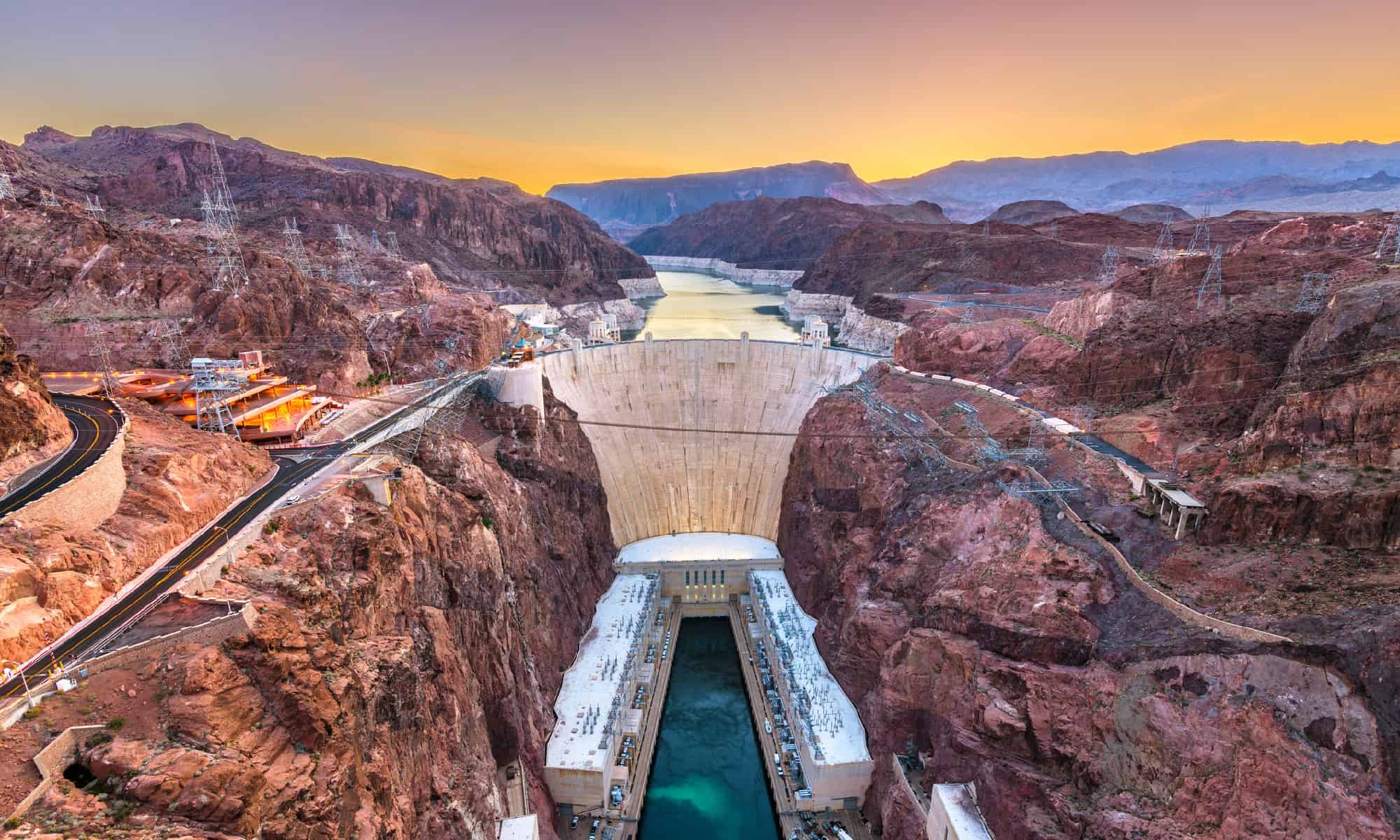
Hoover Dam changed the Colorado River and helped reshape the American Southwest. Concrete placement in the dam was finished in 1935, the overall project was accepted in 1936, and the first generating units began producing electricity later that year. The reservoir behind it, Lake Mead, became a huge storage bank for Colorado River water, while the power plant supplied electricity across the region. Hoover did not single-handedly create cities such as Las Vegas or Southern California's sprawling communities, but reliable water storage, river regulation, and electricity helped make their growth possible. The tradeoffs have become increasingly obvious as well. Decades of heavy Colorado River demand and prolonged drought have pushed Lake Mead to historically low levels and forced the West to rethink how much water the river can sustainably provide.
Three Gorges Dam
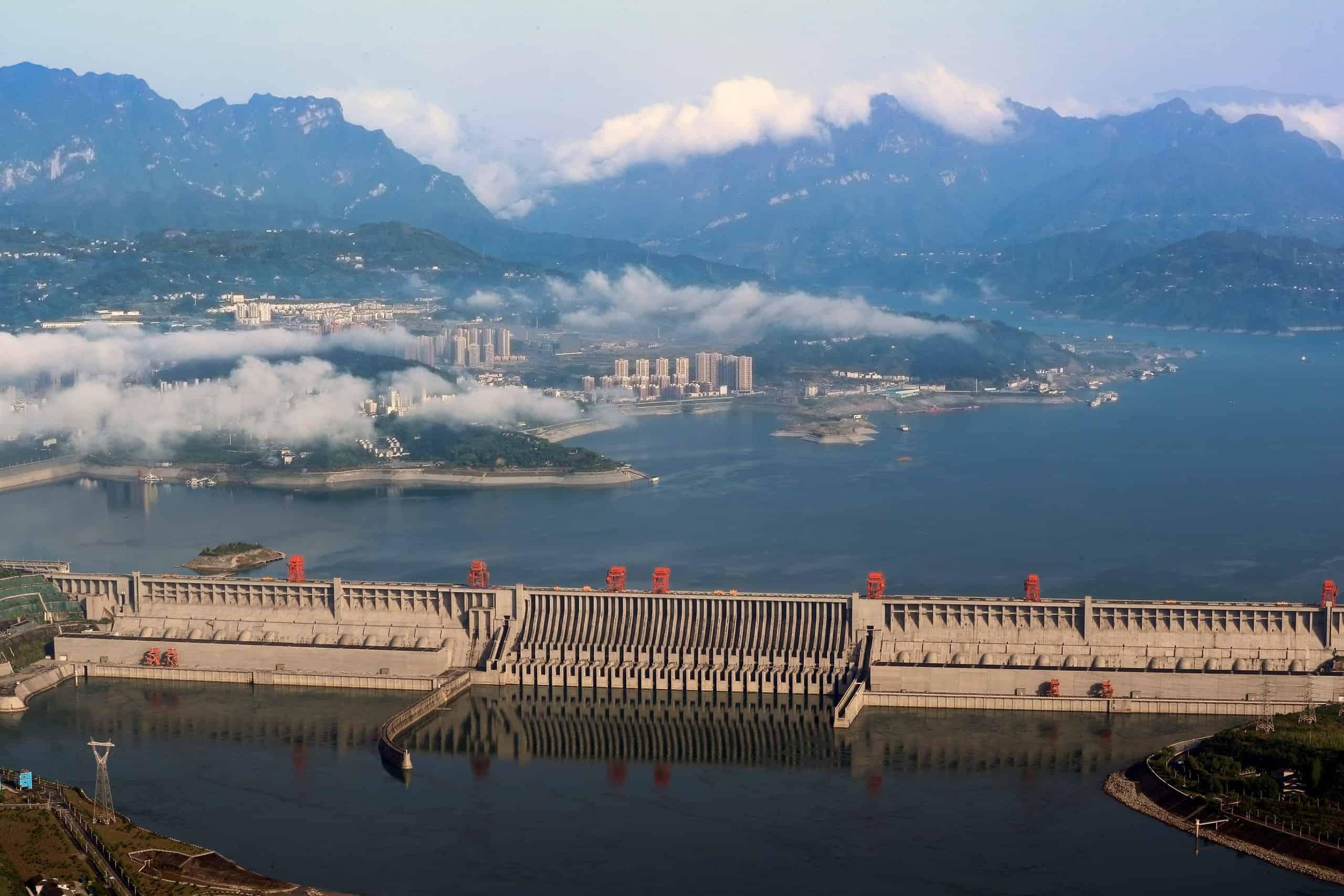
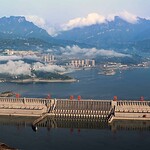
Few projects demonstrate the scale of modern dam building like China's Three Gorges Dam on the Yangtze River. Construction began in the 1990s, and all 32 main generating units were operating by 2012, giving the complex 22,500 megawatts of installed generating capacity. The reservoir improved navigation deep into China's interior, added major flood-control capacity, and created an enormous source of hydroelectric power. It also permanently changed hundreds of miles of the Yangtze Valley. Chinese government figures put the number of people resettled for the project at roughly 1.3 million. Towns, archaeological sites, farmland, and ecosystems were inundated, while scientists have continued studying the project's effects on sediment, wildlife, landslides, and the river itself. Calling it simply a triumph or a disaster misses just how enormous both sides of the story are.
Grand Coulee Dam
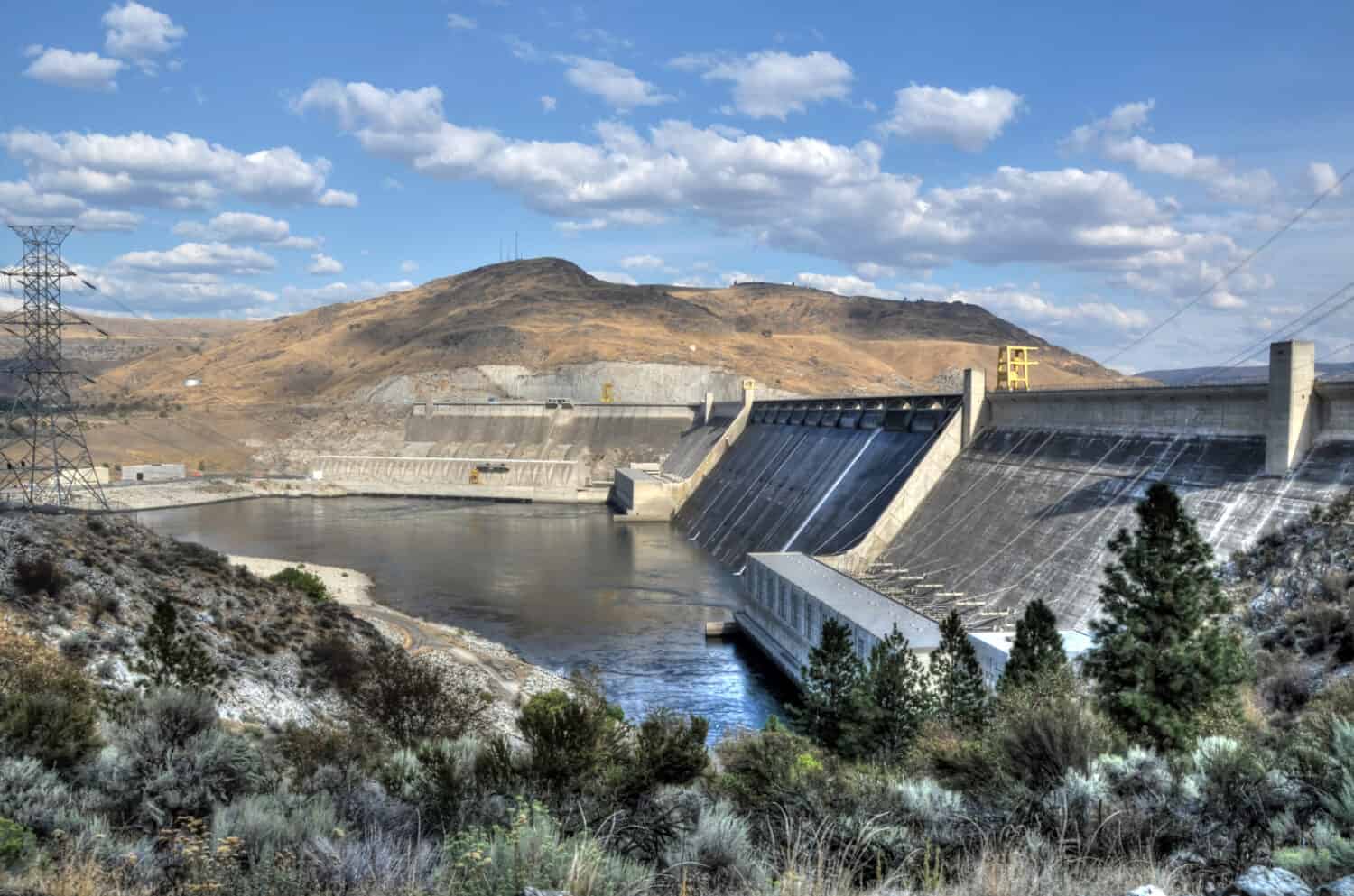
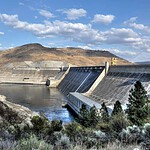
Grand Coulee Dam is difficult to separate from the modern history of Washington state. Construction on the original dam ran from 1933 to 1941, with the enormous complex expanding for decades afterward. Today, water associated with the Columbia Basin Project irrigates roughly 680,000 acres of east-central Washington, helping turn dry country into some of America's most productive farmland. The dam also became the largest hydroelectric producer in the United States and powered industries that expanded across the Northwest. The transformation came with an extraordinary ecological and cultural cost. Grand Coulee completely blocked migrating salmon from reaching the upper Columbia, inundated communities and landmarks including Kettle Falls, and disrupted Indigenous cultures that had depended on the river's fish runs for generations. Few projects have shaped the Pacific Northwest more dramatically in both positive and destructive ways.
Kariba Dam
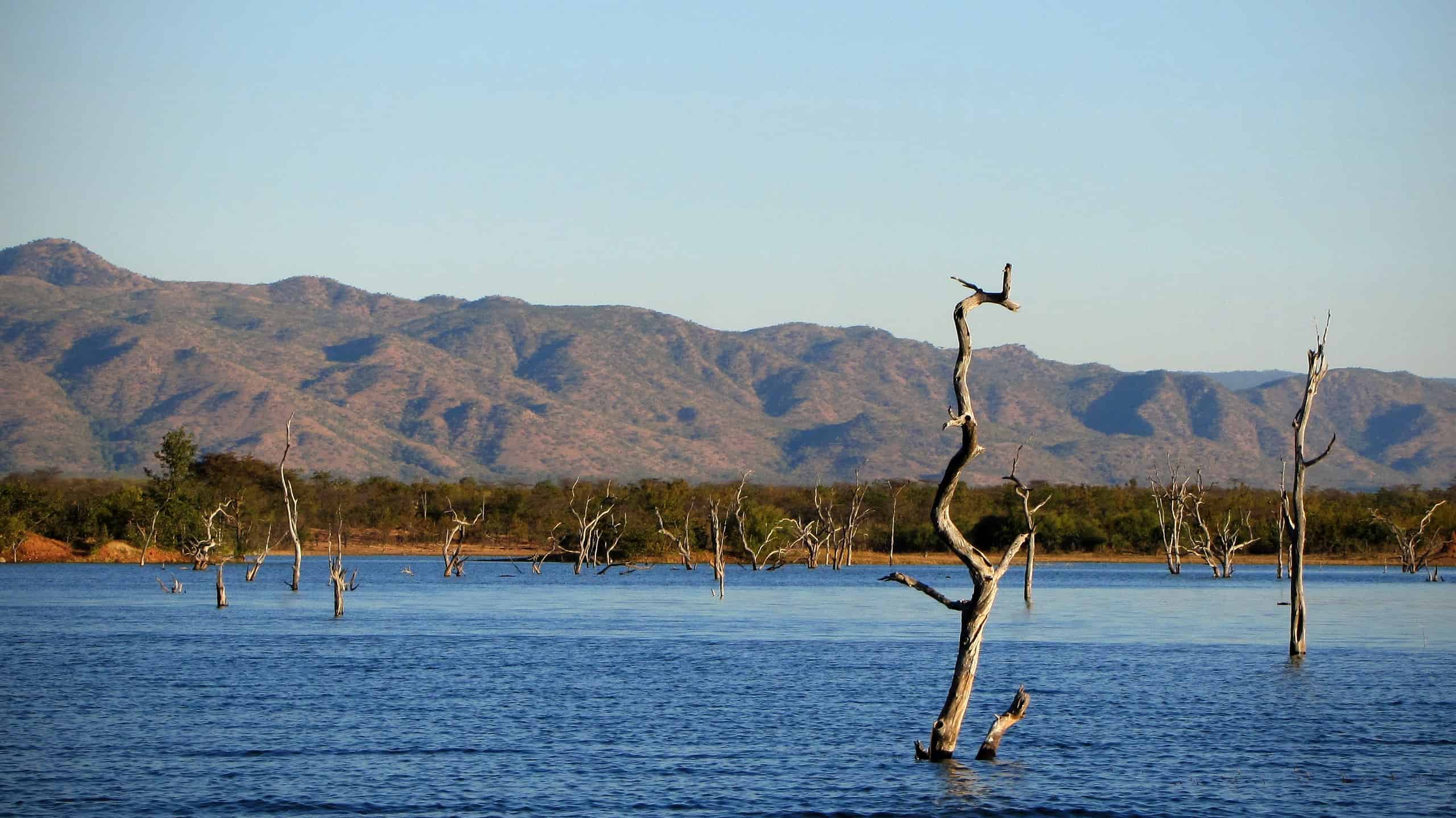
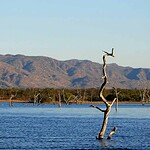
Completed across the Zambezi River in 1959, Kariba Dam created a reservoir so immense that Lake Kariba remains the world's largest artificial lake by volume. Its electricity became deeply important to both Zambia and Zimbabwe, supporting cities, mines, and industry on both sides of the border. The human cost was equally large. Roughly 57,000 Tonga people were forced from communities along the Zambezi as the reservoir filled, permanently changing a culture built around the river. Kariba is still evolving more than six decades later. The Zambezi River Authority has been carrying out a major rehabilitation of the aging dam, and reported in May 2026 that the project was about 94% complete. The structure remains essential to the region, but drought and fluctuating reservoir levels continue to demonstrate how vulnerable hydro-dependent power systems can be.
Itaipu Dam
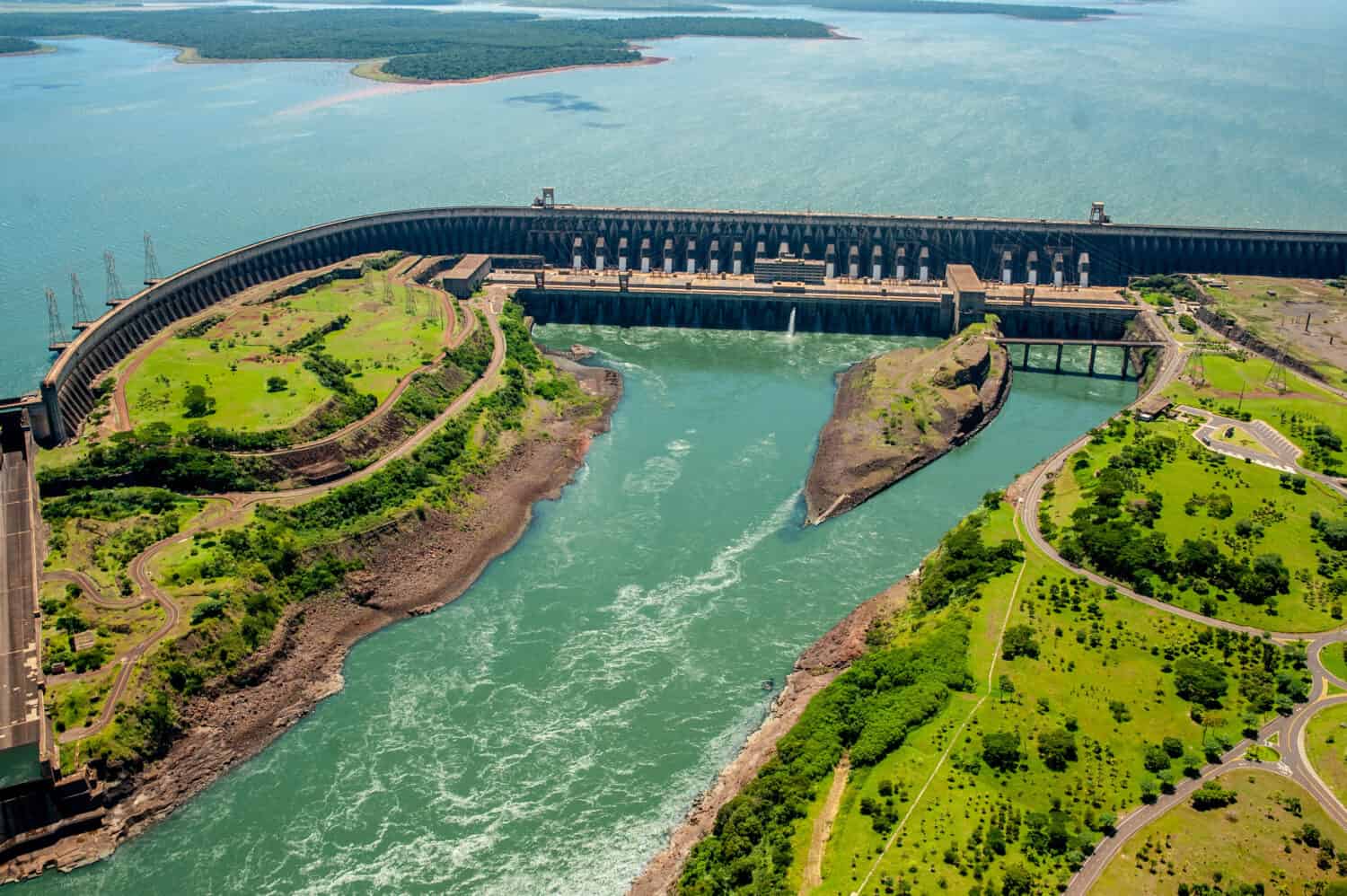
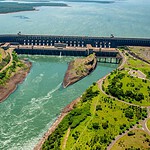
Itaipu turned one stretch of the Paraná River into one of the world's great electricity-producing centers. Shared by Brazil and Paraguay, the plant began generating power in 1984, although the final two of its 20 generating units were not installed until 2007. Its full installed capacity is 14,000 megawatts. The effect on Paraguay has been especially remarkable because the country produces far more Itaipu electricity than it consumes and sells much of its share to Brazil. In 2024, Itaipu reported that the plant supplied about 78% of Paraguay's electricity and 7% of Brazil's. Yet the reservoir also inundated large areas, displaced communities, and submerged the spectacular Guaíra Falls. Itaipu simultaneously became a symbol of cooperation between two countries and an example of how hydroelectric development can erase an existing landscape to create an entirely new one.
Aswan High Dam
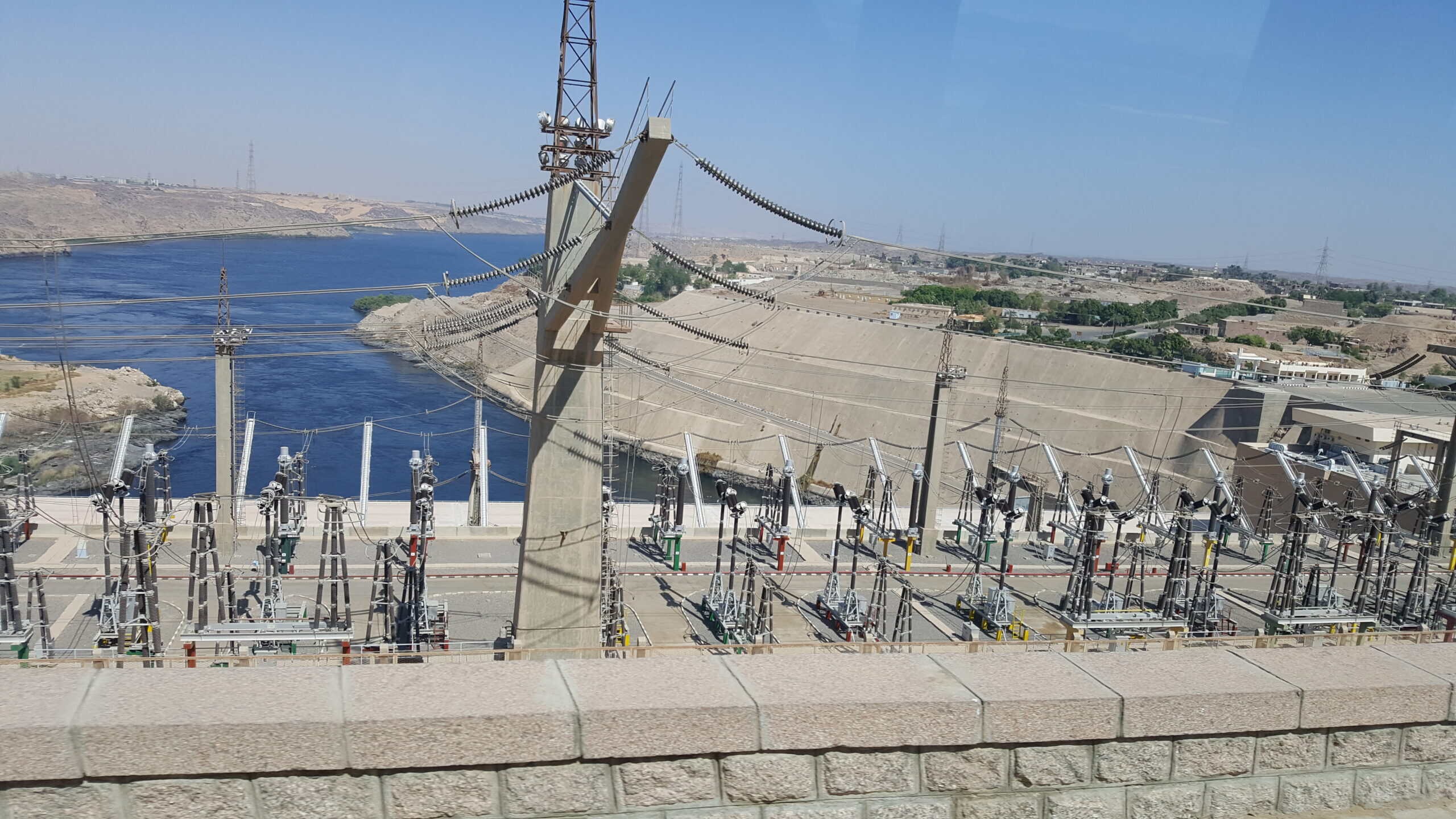
For thousands of years, the Nile's annual floods dictated life and farming in Egypt. The Aswan High Dam, built between 1960 and 1970, fundamentally changed that relationship. Lake Nasser gave Egypt enormous water-storage capacity, while the dam's 2,100-megawatt power plant supplied about half of the country's electricity when it was new. Flood protection and year-round irrigation became major benefits, but stopping the Nile's natural flood cycle also trapped the sediment that once replenished downstream farmland and the Nile Delta. The reservoir forced the resettlement of tens of thousands of Egyptian and Sudanese Nubians, while ancient monuments including Abu Simbel had to be moved to escape the rising water. Few dams demonstrate more clearly how controlling a river can solve one set of problems while creating an entirely different set downstream.
Akosombo Dam
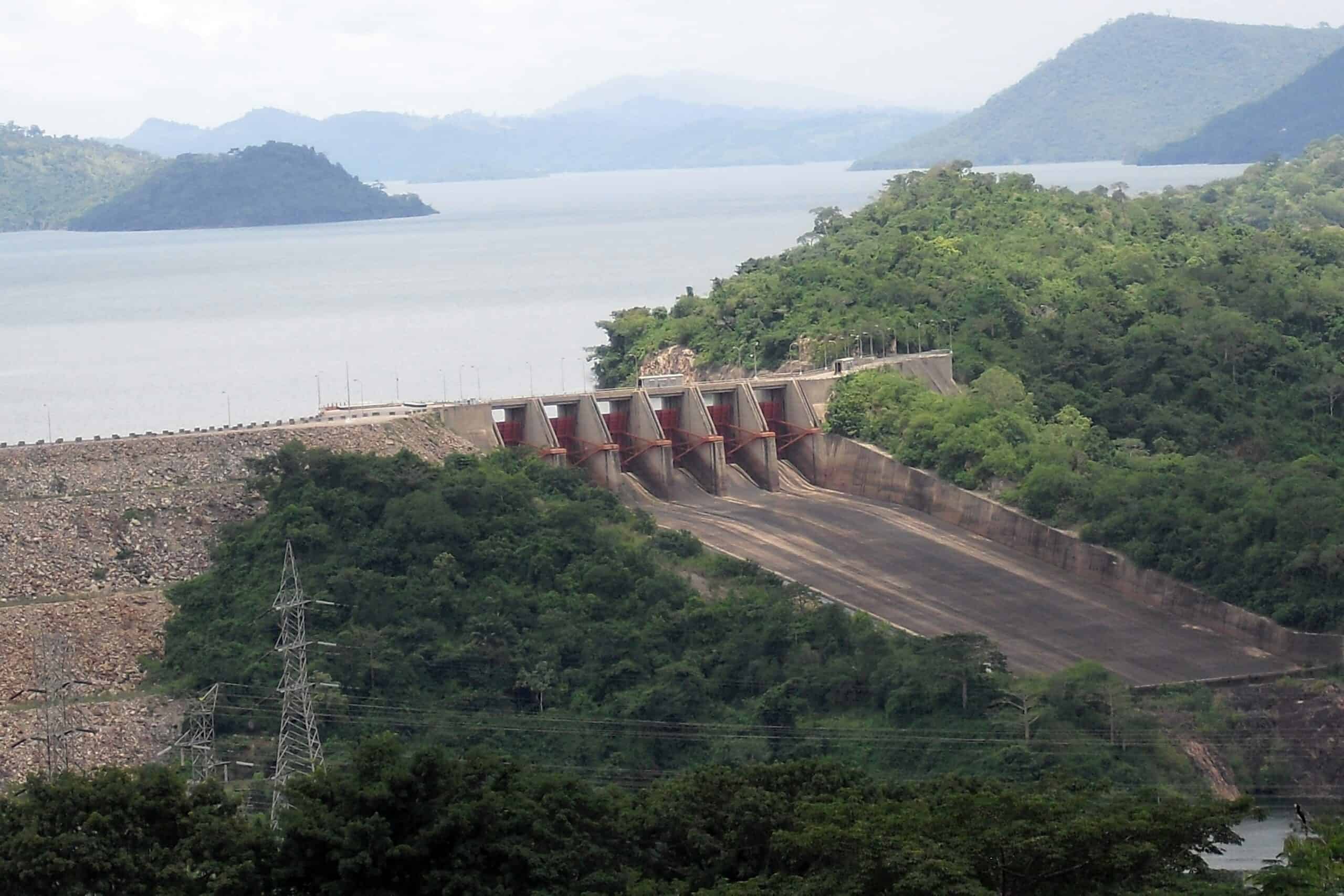
Ghana's Akosombo Dam was built from 1961 to 1965 and created Lake Volta, an enormous reservoir covering roughly 8,500 square kilometers. Its electricity helped power Ghana's cities and industries, including the aluminum sector, and the lake eventually supported fishing, transportation, and new communities. The project also required one of Africa's largest dam-related resettlement efforts. Around 80,000 people were moved from hundreds of communities as the reservoir formed. Downstream, the dam changed the Volta River's seasonal flow, with consequences for fisheries, floodplain farming, sediment movement, and coastal erosion. Akosombo remains a 1,020-megawatt cornerstone of Ghana's power system today, but its history makes it impossible to separate the economic benefits of Lake Volta from the lives and ecosystems that were dramatically rearranged to create it.
Sardar Sarovar Dam
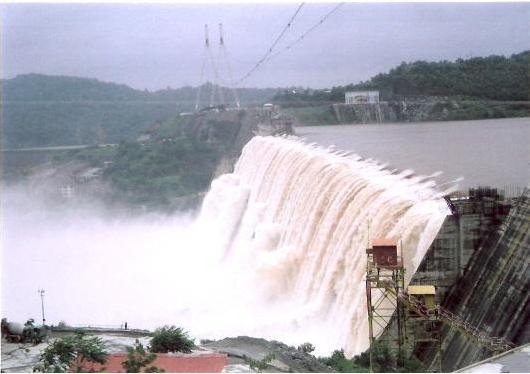
India's Sardar Sarovar project is one of the clearest examples of why huge dams can remain controversial long after construction begins. Built on the Narmada River, the project was envisioned as a way to move water toward drought-prone parts of Gujarat and Rajasthan while also generating electricity. The final raising of the dam was approved in 2017, allowing the reservoir to reach its full operating level. Government plans call for irrigation across roughly 1.9 million hectares along with drinking-water supplies to thousands of villages and towns. At the same time, the project became the focus of decades of protests over environmental damage and the displacement and rehabilitation of communities, many of them Indigenous. Sardar Sarovar transformed water access across western India, but it also became an international case study in the social costs of enormous development projects.
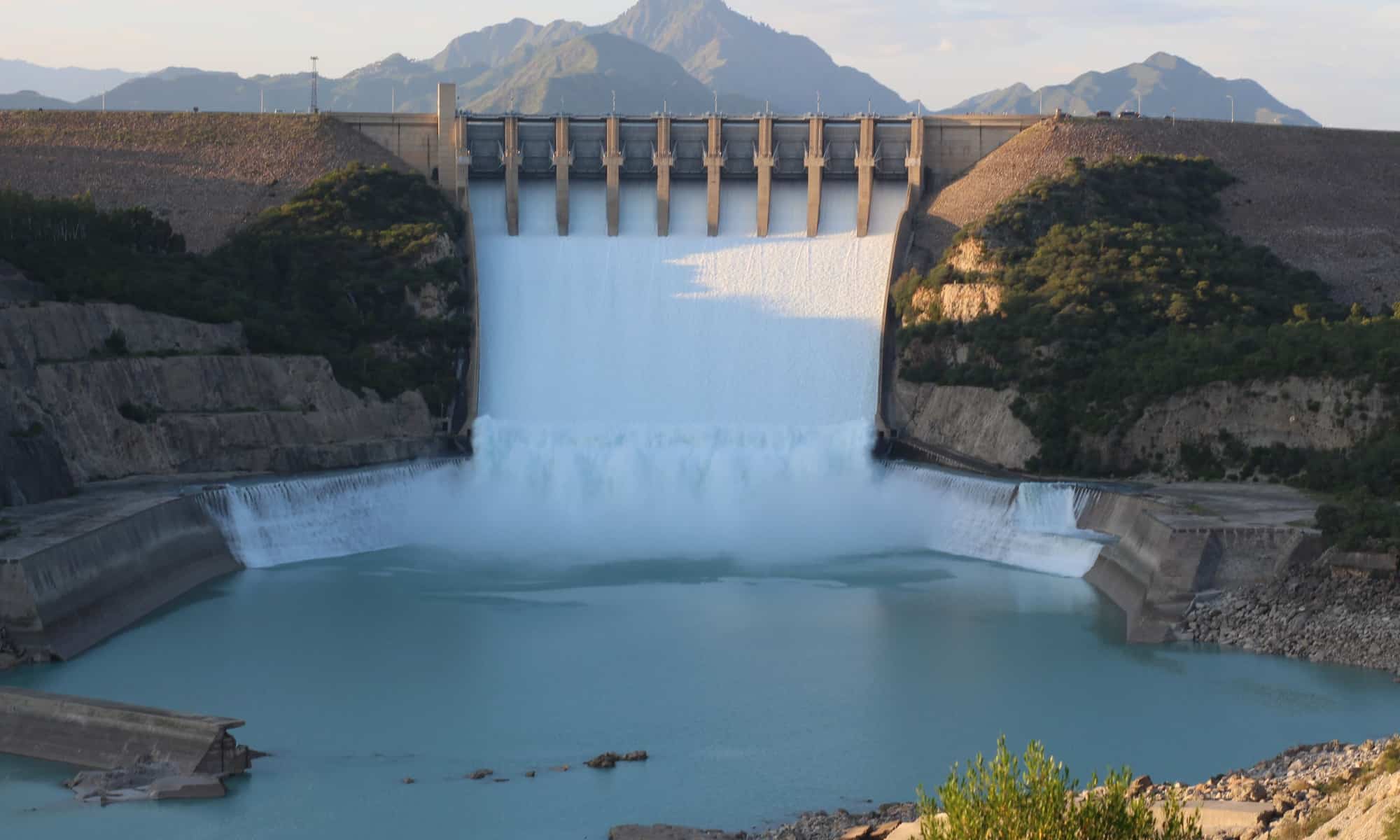
Tarbela Dam
Tarbela Dam was completed on Pakistan's Indus River in 1976 as a cornerstone of the country's enormous irrigation system. It stores water for agriculture, helps regulate floods, and produces hydroelectric power from one of Asia's most important rivers. Tarbela has also continued changing long after its original construction. Successive power expansions have pushed installed generating capacity to 4,888 megawatts. As of May 2026, WAPDA was still building a fifth extension, with the first new unit scheduled to begin generation in 2027. Once all three planned units are operating, WAPDA expects total capacity to reach 6,418 megawatts. Tarbela's story is therefore not just about a dam built half a century ago. It is an example of older infrastructure being repeatedly expanded as population, irrigation demand, and electricity needs continue to grow around it.
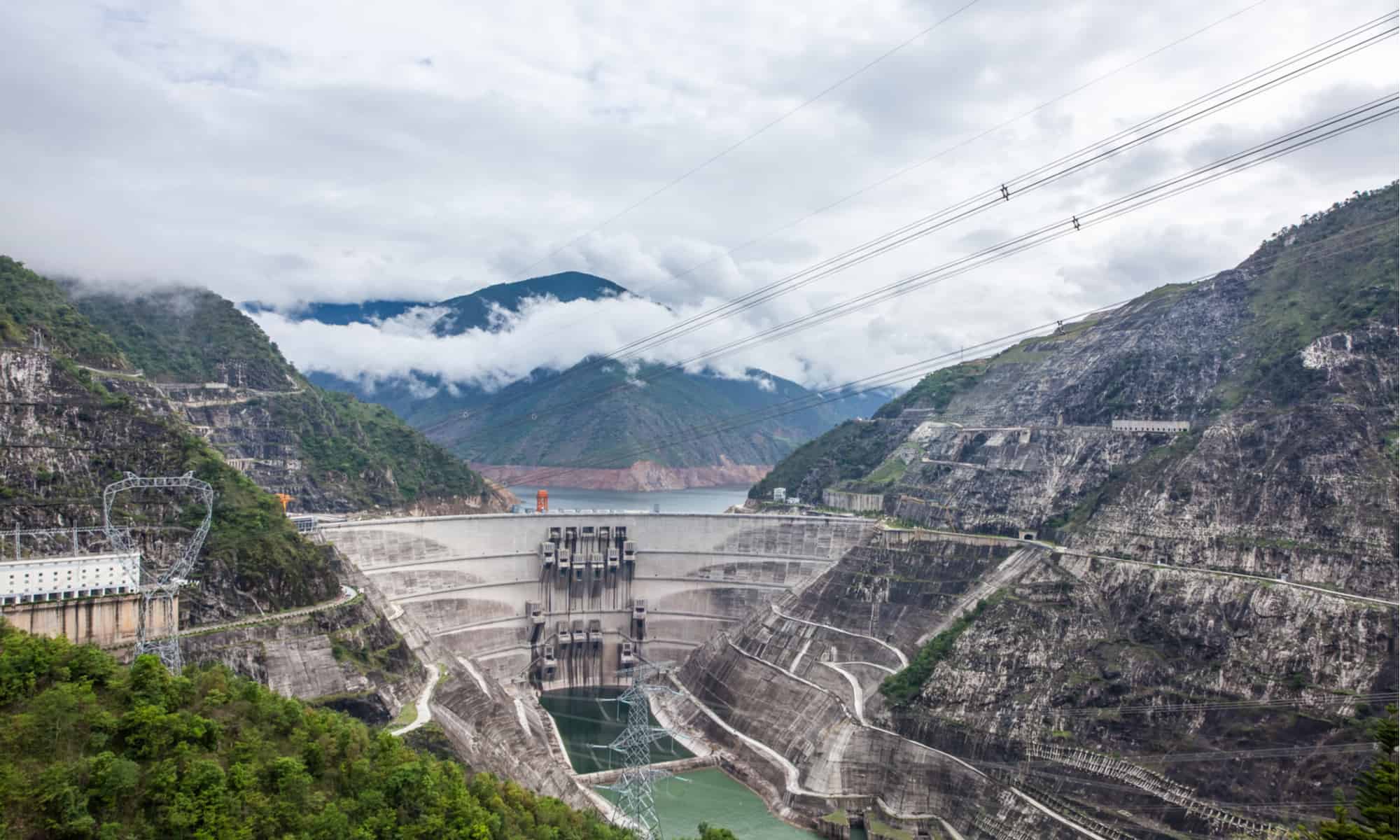
Xiaowan Dam
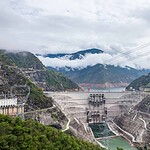
The original version of this story treated the entire Mekong dam system as if it were one project, but the image here actually shows China's Xiaowan Dam on the Lancang, the name used for the upper Mekong in China. The enormous arch dam has 4,200 megawatts of generating capacity and became operational around 2010, with reservoir filling continuing afterward. Xiaowan is particularly important because its huge storage reservoir can hold and release water between seasons, giving operators far more influence over the upper river's flow than a simple run-of-river plant. That matters downstream because the Mekong supports farming, fishing, transportation, and tens of millions of people across Southeast Asia. Researchers and the Mekong River Commission continue examining how the growing dam cascade changes seasonal flows, sediment transport, fisheries, and water levels far beyond China's borders.
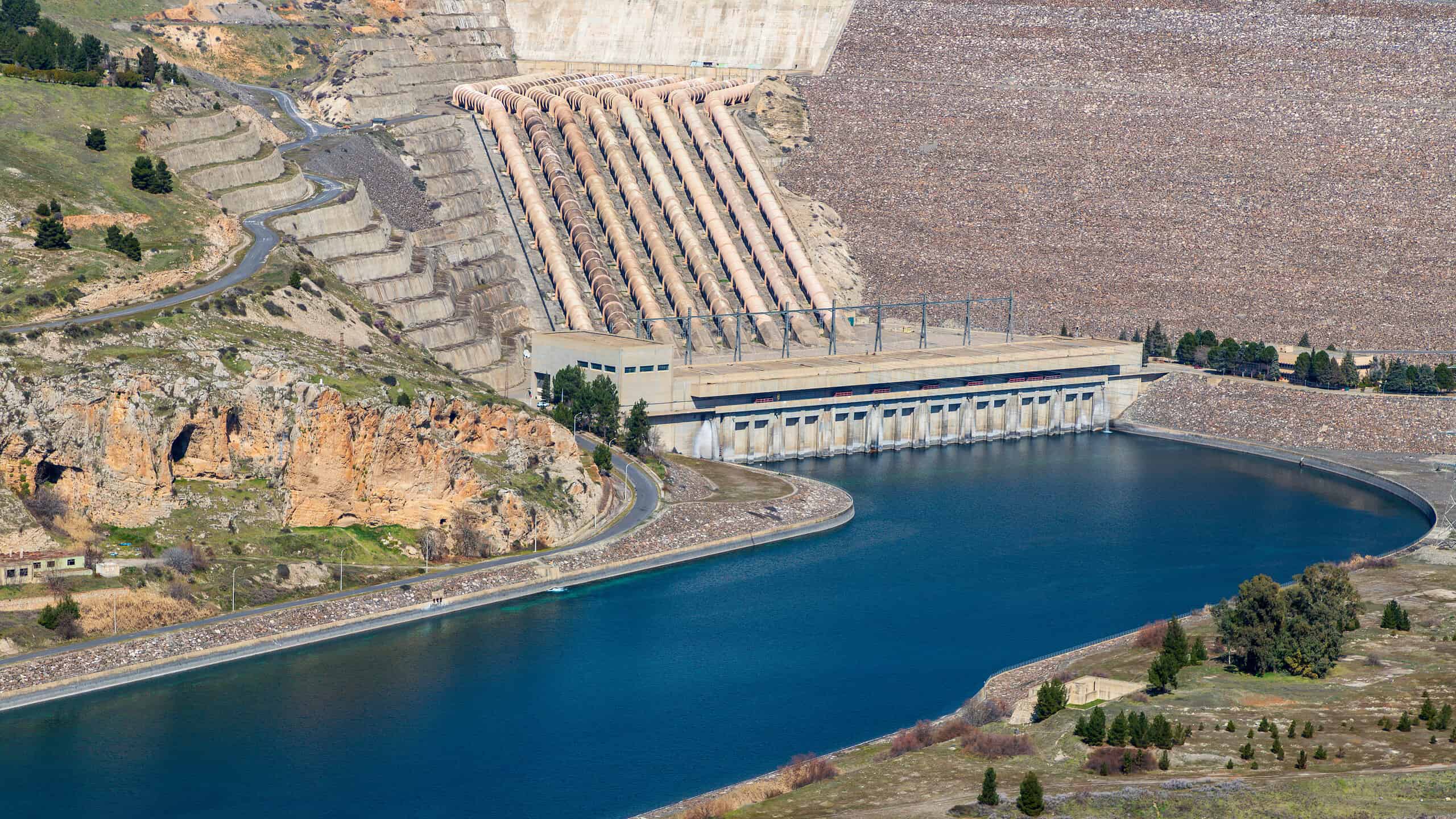
Atatürk Dam
Atatürk Dam is one of the centerpieces of Türkiye's Southeastern Anatolia Project, better known as GAP. Built across the Euphrates, the dam was completed around the beginning of the 1990s and its 2,400-megawatt hydroelectric plant entered operation during that period. The water stored behind it feeds massive irrigation systems, including the Şanlıurfa tunnels, helping transform agriculture across portions of southeastern Türkiye. Atatürk is only one piece of GAP, which was conceived as a much broader regional-development program encompassing dams, power plants, irrigation, transportation, education, and other infrastructure. The effects also cross borders. Because the Euphrates continues into Syria and Iraq, the amount and timing of water released by Turkish dams have long been matters of international concern, making Atatürk as geopolitically important as it is economically significant.
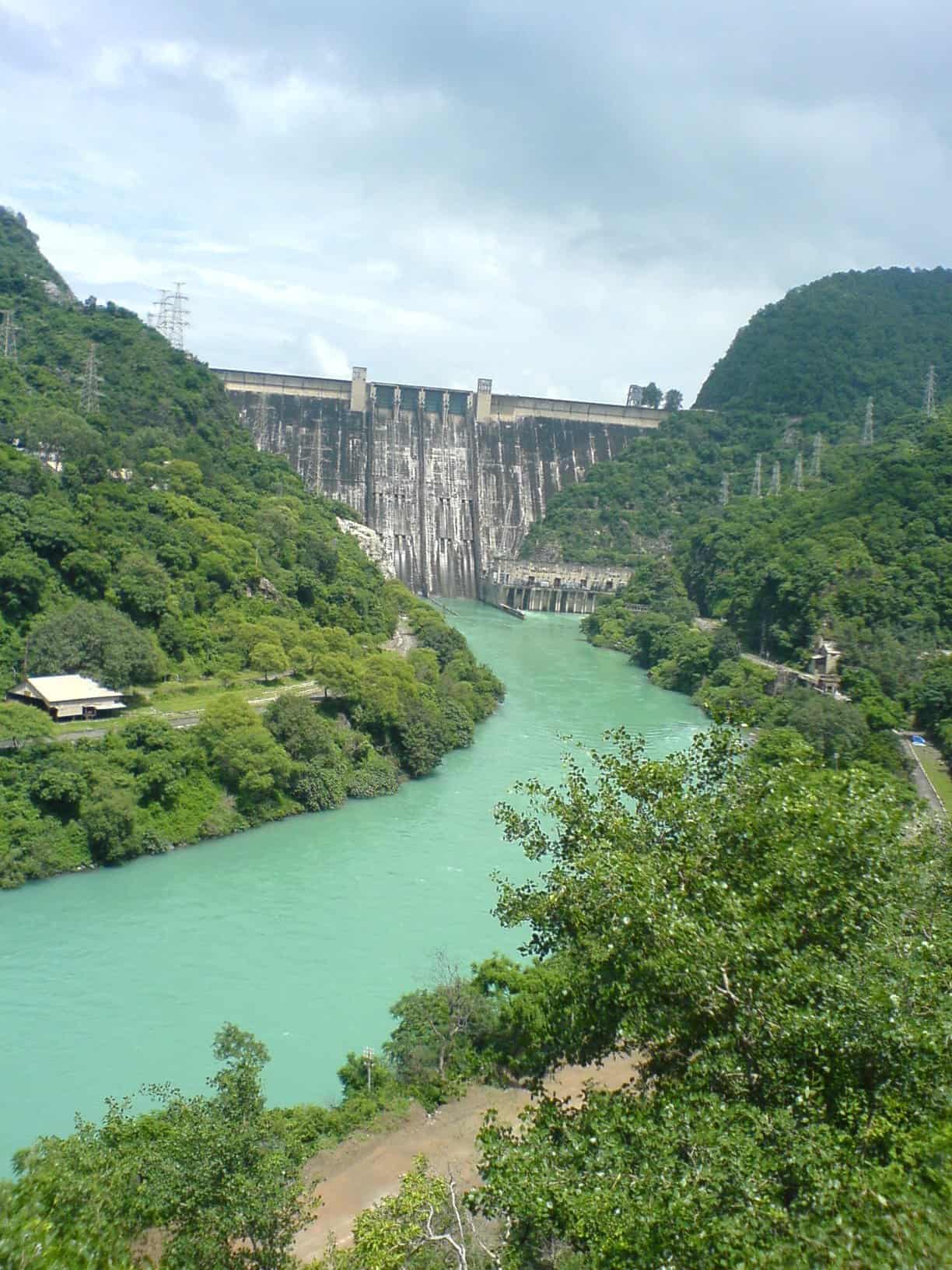
Bhakra Dam
Bhakra Dam was dedicated in 1963, but parts of the irrigation and power system surrounding it had already started delivering benefits years earlier. Built across the Sutlej River, the wider Bhakra-Nangal project supplied irrigation water and electricity across northern India at a time when the country was investing heavily in agricultural modernization. The Bhakra Beas Management Board credits the system with helping support the region's Green Revolution, particularly in Punjab and Haryana, but it would be an exaggeration to credit one dam with India's entire transformation in food production. New crop varieties, fertilizer, farm machinery, policy changes, and expanded irrigation all played roles. Bhakra's importance lies in providing some of the dependable water and power infrastructure that allowed those larger changes to take hold across one of India's most productive agricultural regions.
Daniel-Johnson Dam
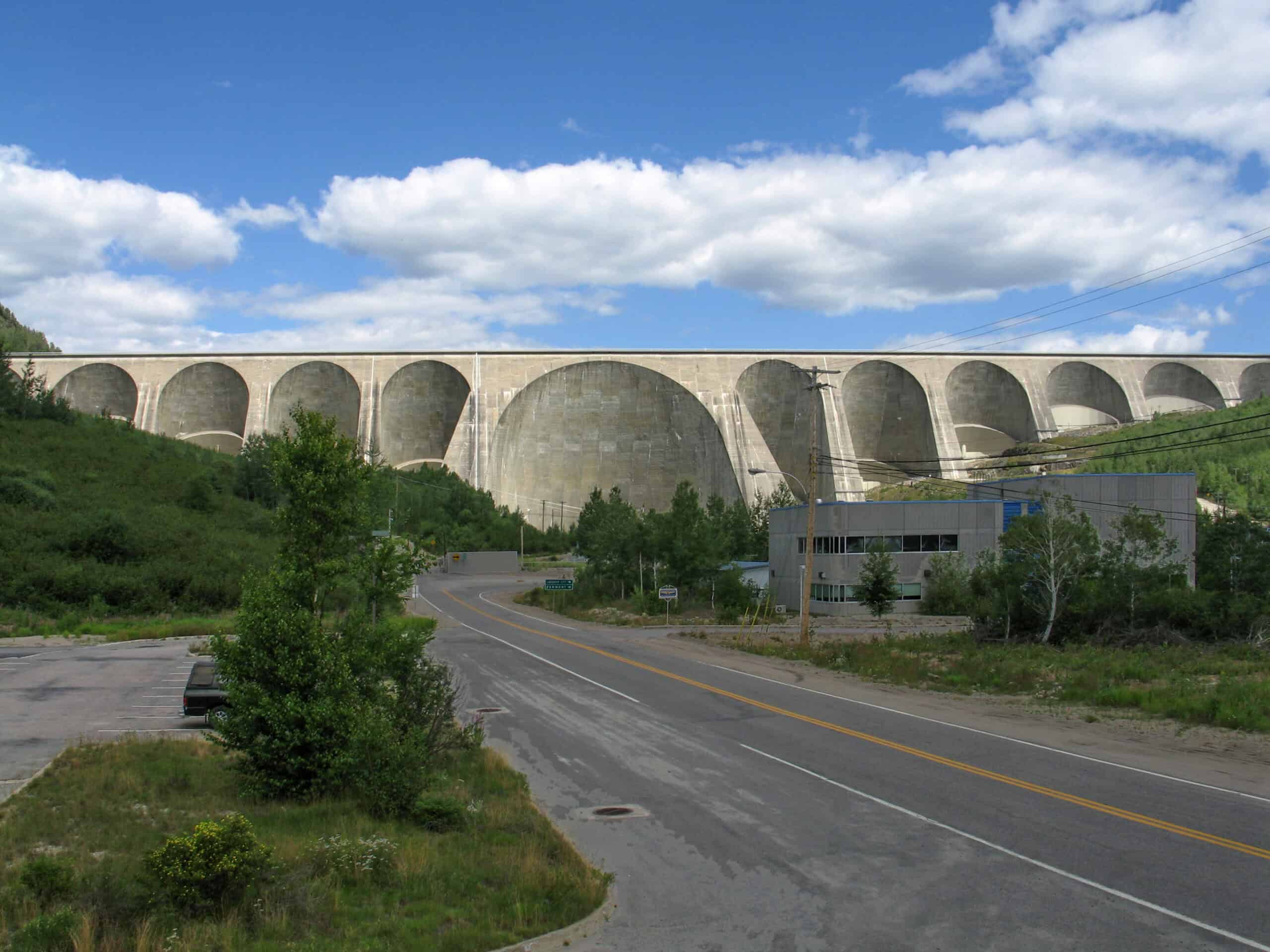
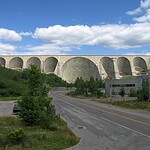
Quebec's Daniel-Johnson Dam is immediately recognizable because of its sweeping series of concrete arches. Construction began in 1959 and was essentially complete by 1968, although the formal inauguration was postponed until 1969 after Quebec Premier Daniel Johnson died at the site on the eve of the original ceremony. At 214 meters high, Hydro-Québec describes it as the world's highest multiple-arch-and-buttress dam. The reservoir supplies the Manic-5 and Manic-5-PA generating stations and became one piece of Quebec's enormous expansion into hydroelectric power during the Quiet Revolution. Projects like this helped give the province abundant electricity for homes and industry and ultimately turned Quebec into a major exporter of power. The dam is both a functioning piece of energy infrastructure and one of the most striking monuments to that era of Quebec history.
Guri Dam
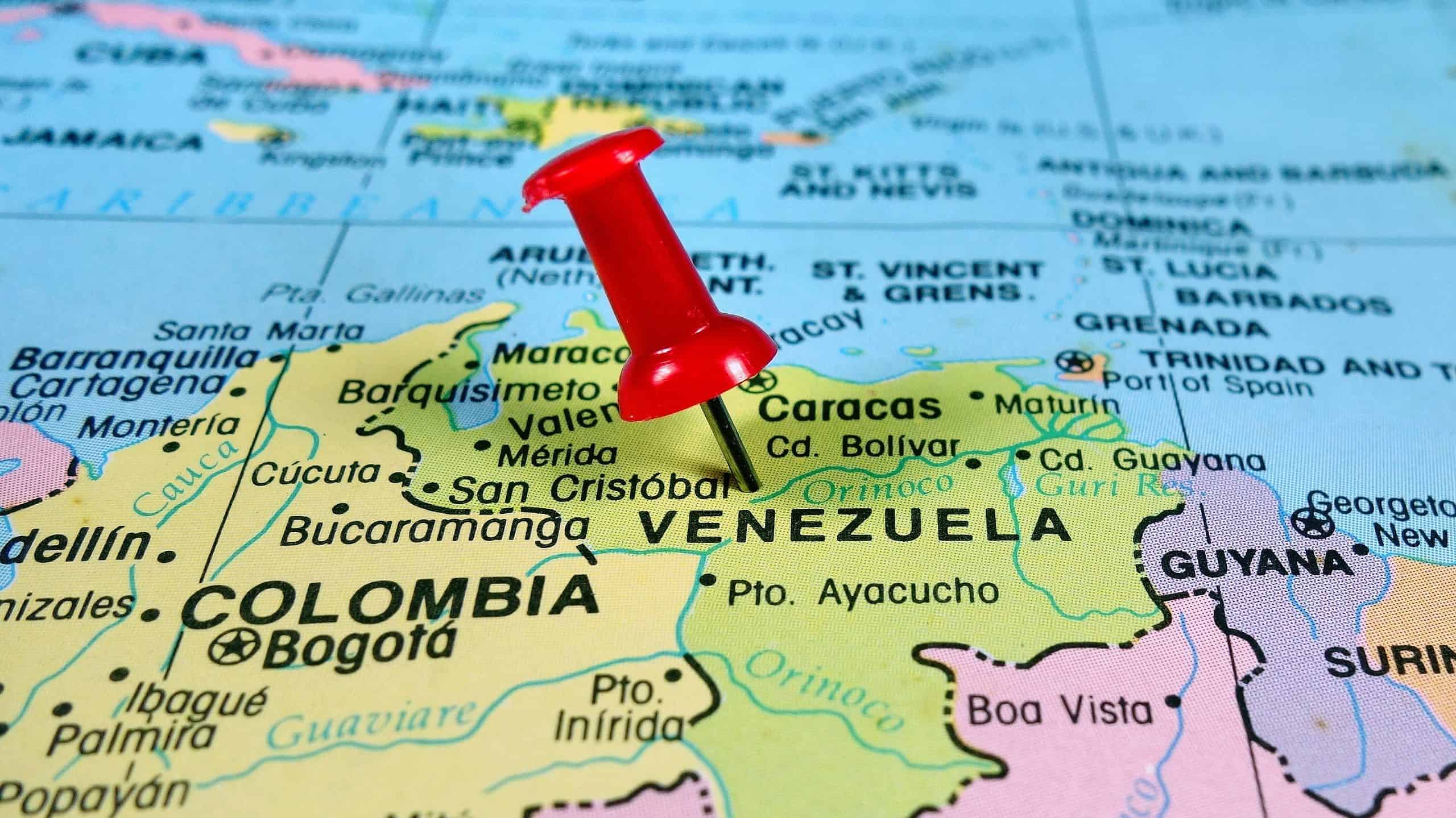
Venezuela's Guri project was built in stages rather than all at once. The first stage was completed in 1969, further expansion followed in the 1970s, and the final major stage was finished in 1986. The result was one of the world's largest hydroelectric complexes, with roughly 10,200 megawatts of installed capacity. Cheap electricity from the Caroní River helped power Venezuela's cities and energy-intensive industries, particularly aluminum and other heavy manufacturing in the Guayana region. That enormous dependence became a weakness as well as a strength. Drought, inadequate maintenance, transmission failures, and wider problems in Venezuela's electrical system have contributed to serious power shortages and blackouts. Guri demonstrates how one highly productive piece of infrastructure can become so important that problems at the facility or in the network around it can ripple across an entire country.
Nalubaale Dam
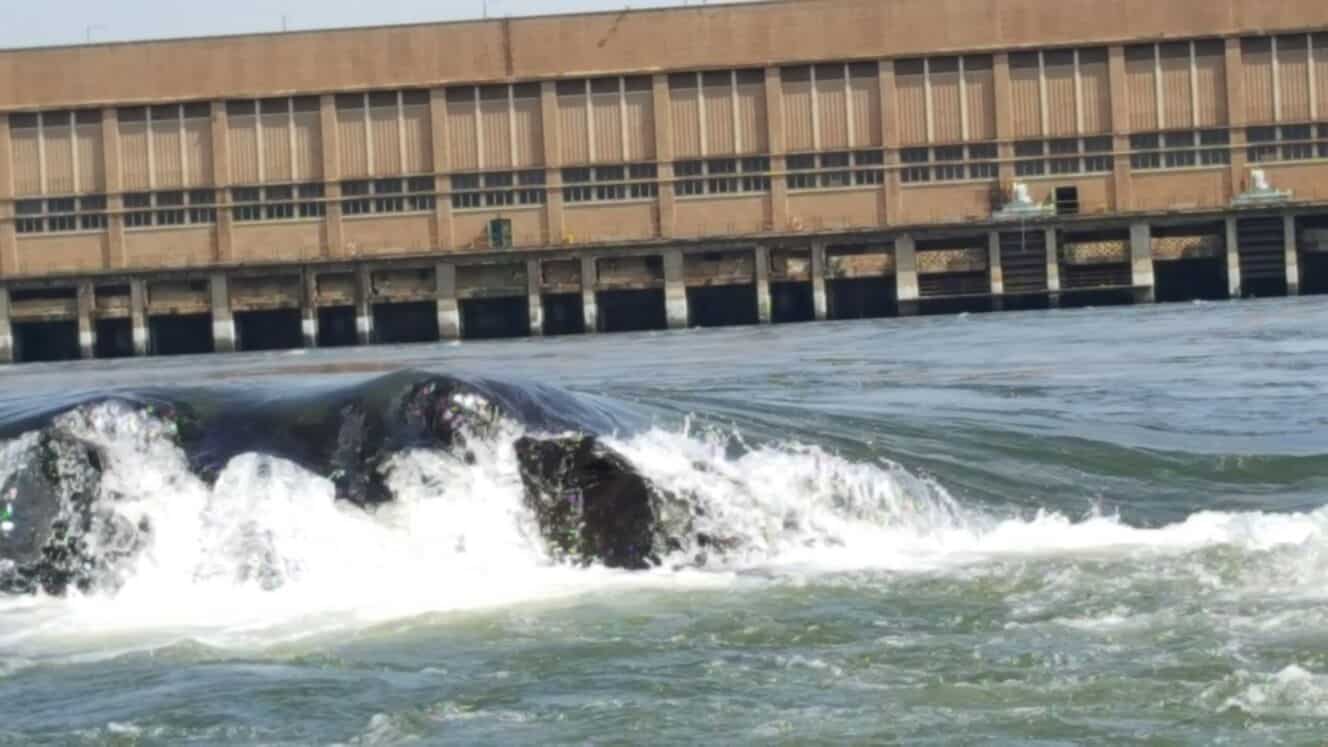
Nalubaale Power Station, originally known as Owen Falls Dam, was commissioned in Uganda in 1954 near the point where the White Nile leaves Lake Victoria. It was the country's first major hydroelectric station and became a foundation of Uganda's early national power system. The original plant was later refurbished and upgraded, bringing its generating capacity to about 180 megawatts. Its importance goes beyond electricity because controlling outflow from Lake Victoria connects local power generation with water levels and river conditions affecting several countries downstream. Nalubaale has also been joined by other generating stations around Jinja, meaning it is no longer Uganda's lone hydroelectric workhorse. Still, the project marked the moment when the source of one of the world's most famous rivers also became a major piece of modern energy infrastructure.
Mangla Dam
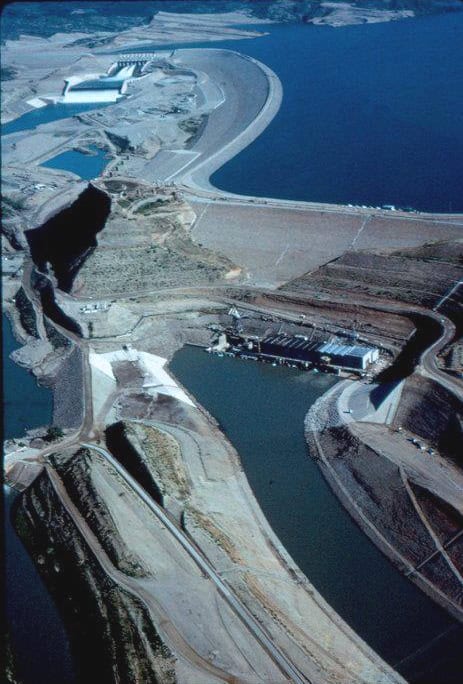
Mangla Dam was completed on Pakistan's Jhelum River in 1967 as part of the Indus Basin development program. Its reservoir stores water for one of the world's largest irrigation networks while its power station contributes electricity to the national grid. The project has not remained frozen in its original form. The dam was later raised to recover storage lost to sedimentation and increase usable reservoir capacity. Modernization is still continuing in 2026. WAPDA says a refurbishment program is replacing and upgrading generating equipment, with four units already refurbished and the overall project scheduled for completion in 2030. The work is expected to raise generating capacity to 1,310 megawatts. Mangla shows how dams built for one generation can become continuing construction projects as sediment builds up, machinery ages, and countries ask the same reservoirs to do more.
Nurek Dam
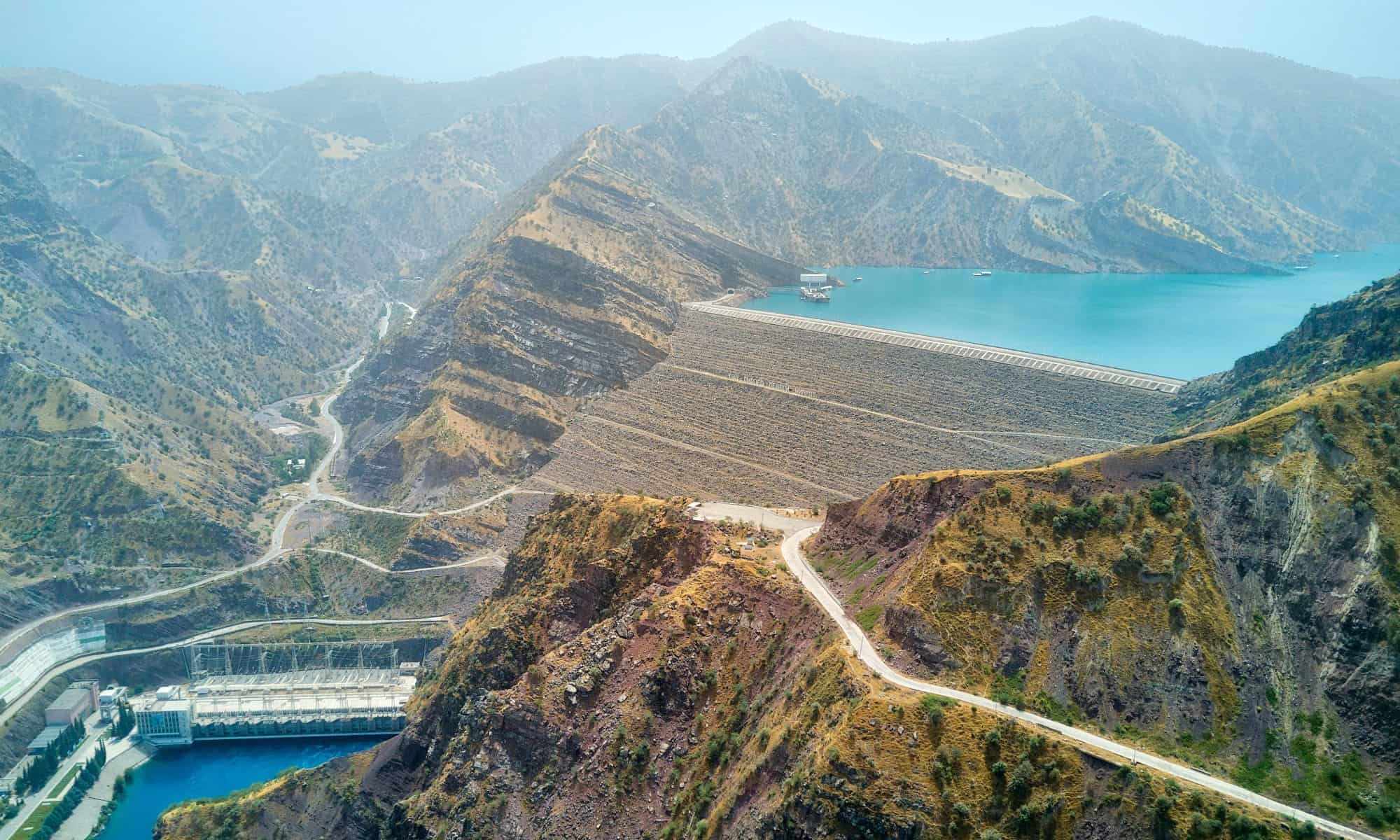
Nurek Dam rises about 300 meters above Tajikistan's Vakhsh River, making it one of the tallest embankment dams ever built. The first generating unit began operating in 1972, all nine original units were in place by 1979, and subsequent improvements brought installed capacity to roughly 3,000 megawatts. Its reservoir does more than generate electricity. Water is also routed into irrigation systems serving tens of thousands of hectares of farmland. Nurek became so important to Tajikistan's electrical grid that the aging Soviet-era facility is now undergoing a huge rehabilitation program intended to extend its operating life and improve reliability. The dam also illustrates Central Asia's complicated relationship with water because upstream hydropower storage and downstream irrigation needs do not always line up neatly across national borders.
Sayano-Shushenskaya Dam
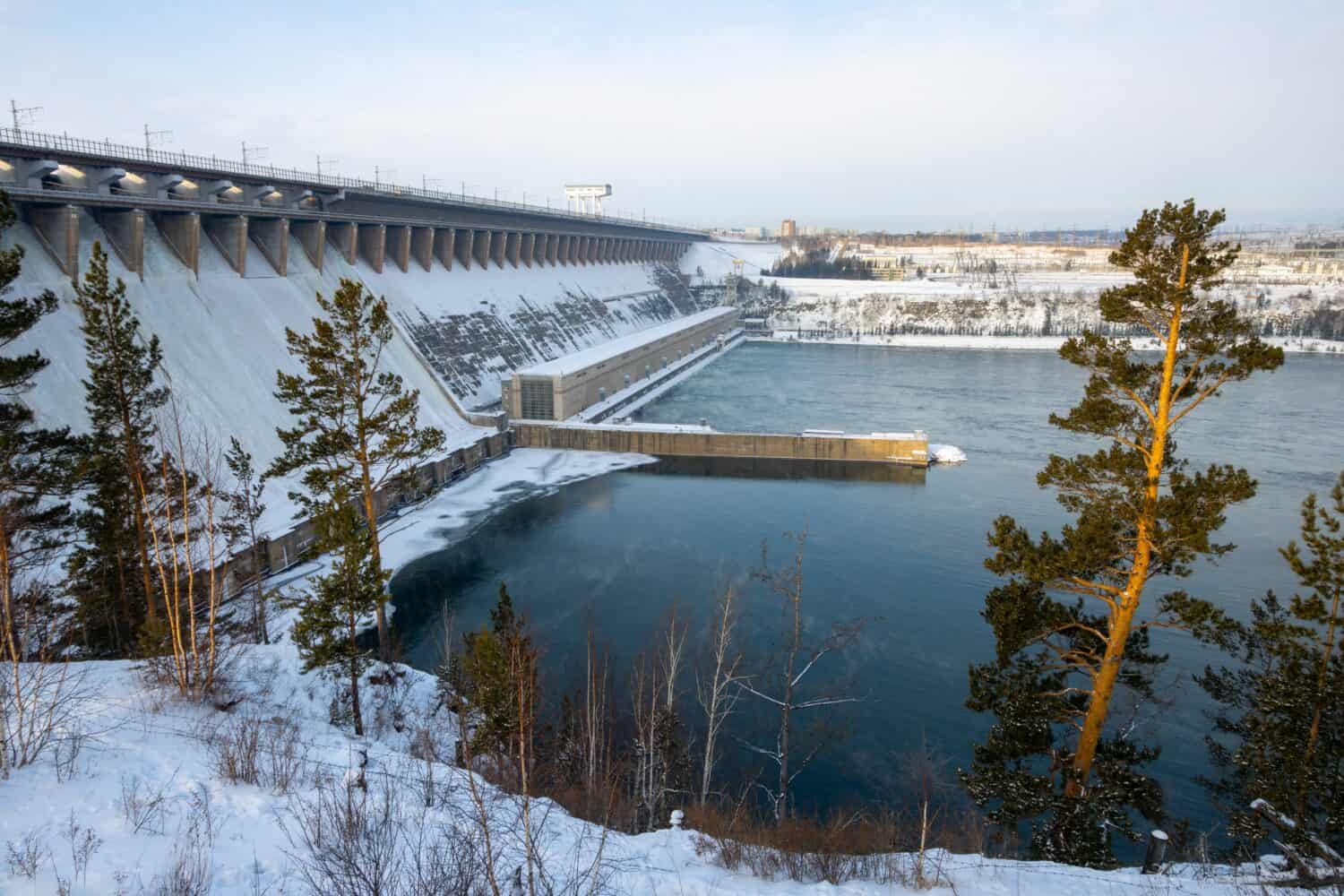
Russia's Sayano-Shushenskaya hydroelectric complex became fully operational in 1985 with 10 generating units and 6,400 megawatts of capacity, making it the country's largest power plant. Its electricity helped support energy-intensive industry across Siberia, including aluminum production. Then came a reminder of what happens when enormous infrastructure fails. In August 2009, a catastrophic turbine accident flooded the powerhouse and killed 75 people, taking the entire station offline. RusHydro spent years rebuilding it, replacing all 10 hydroelectric units and restoring the plant to its full 6,400-megawatt capacity in 2014, with the broader reconstruction formally completed later. The dam still plays a major role in Siberia's energy system, but its history now includes both one of the Soviet Union's greatest engineering projects and one of the world's deadliest modern hydroelectric accidents.
Cahora Bassa Dam
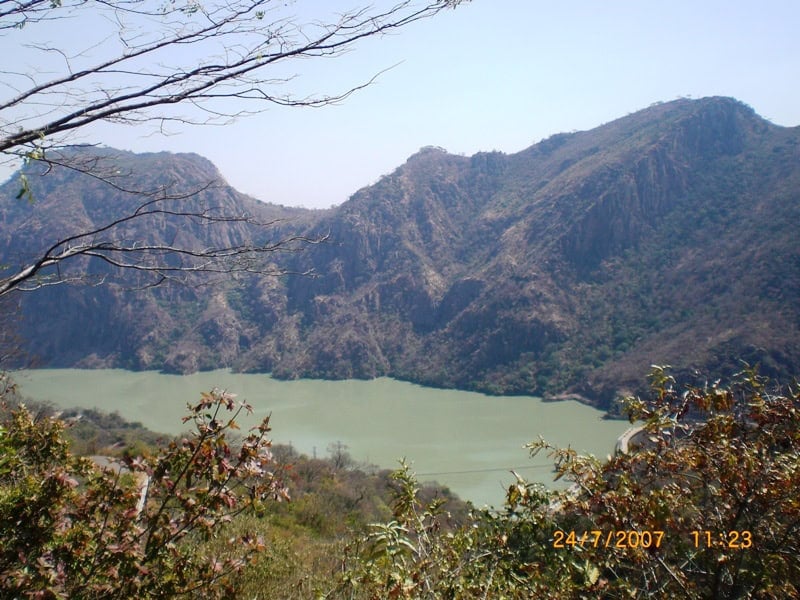
Cahora Bassa was built across Mozambique's Zambezi River during the final years of Portuguese colonial rule and became operational during the turbulent period surrounding the country's independence. Today, the hydroelectric complex has about 2,075 megawatts of installed capacity and remains one of Mozambique's most valuable infrastructure assets. Much of its electricity has historically been exported across southern Africa, linking the country's economy with regional power markets. Creating the reservoir also displaced tens of thousands of people and altered the Zambezi's natural flow and ecosystems. The political story is just as important as the engineering one. Control of the project eventually shifted from Portugal to Mozambique, turning infrastructure originally created under colonial rule into a major source of revenue and strategic importance for the independent country.