mTaira/Shutterstock.com

SeanPavonePhoto/iStock.com
Public Domain / Wikimedia Commons
Public Domain / Wikimedia Commons
Everett Collection/Shutterstock.com
Public Domain / Wikimedia Commons
NOAA George E. Marsh Album / CC0 1.0
Lencer / Wikimedia Commons
Public Domain / Wikimedia Commons
PICRYL / Public Domain
Missing attribution
gyro/iStock.com
U.S. Navy photo by Photographer's Mate 2nd Class Philip A. McDaniel / public domain
Marc Pagani Photography/Shutterstock.com
Mario Tama / Getty Images News via Getty Images
Bilalstock/Shutterstock.com
MuhsinRina/Shutterstock.com
mTaira/Shutterstock.com

Michael Bocchieri / Getty Images News via Getty Images
Christian Roberts-Olsen/Shutterstock.com
Andrea Izzotti/Shutterstock.com


20 Natural Disasters That Changed the Rules Forever
Natural disasters can expose problems that governments managed to ignore for years. A building code that looked adequate suddenly fails. A flood-control system turns out to be nowhere near enough. An emergency plan falls apart when thousands of people need help at the same time.
What happens afterward can be just as important as the disaster itself. Some of the catastrophes below directly produced new laws. Others exposed weaknesses that eventually changed building standards, warning systems, emergency management, environmental policy, or the way governments prepare for the next crisis. In several cases, rules still in use today can be traced directly back to what went wrong.
Lisbon Earthquake - 1755
Lisbon was struck on November 1, 1755, by a massive earthquake followed by a tsunami and fires that devastated much of the Portuguese capital. What followed was remarkable for the 18th century. Under the Marquis of Pombal, the government took a central role in relief, clearing debris, maintaining order, gathering information about the disaster, and planning the city's reconstruction. The rebuilt Baixa district featured wider, more orderly streets and buildings incorporating the wooden "gaiola pombalina," a three-dimensional internal frame designed to improve resistance to earthquake shaking. The response did not create modern emergency management overnight, but it became one of the earliest major examples of a government treating disaster recovery, urban planning, and structural resilience as connected public responsibilities.
Johnstown Flood - 1889
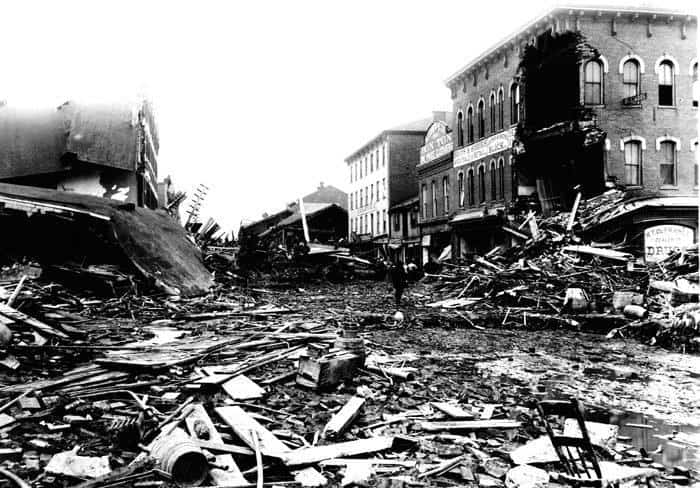
The Johnstown Flood is actually a good example of how slowly rules can change, even after an obvious catastrophe. On May 31, 1889, Pennsylvania's South Fork Dam failed after heavy rain, sending a wall of water toward Johnstown and killing 2,209 people. The privately maintained dam had been altered over the years, and the disaster prompted enormous public anger over responsibility and infrastructure oversight. Yet contrary to a common retelling, Pennsylvania did not respond by immediately passing modern dam-safety regulations. No new dam-safety law resulted directly from the Johnstown disaster. The state's first such law came after another deadly dam failure at Austin in 1911. Johnstown nevertheless became a lasting warning about what can happen when potentially dangerous private infrastructure receives inadequate maintenance and oversight.
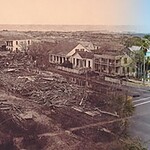
Great Galveston Hurricane - 1900
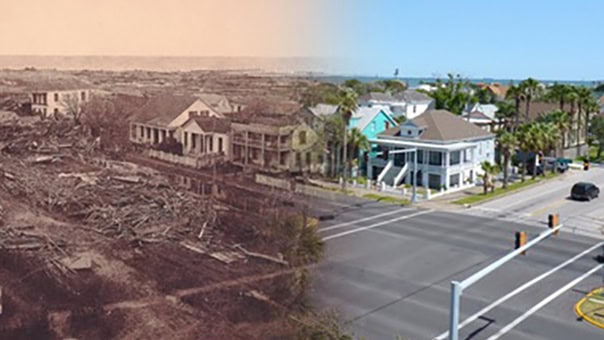
The hurricane that struck Galveston, Texas, on September 8, 1900, remains the deadliest natural disaster in U.S. history. Thousands were killed as storm surge swept across an island whose highest natural point was less than nine feet above sea level. Galveston did something extraordinary afterward rather than simply rebuilding what had been there before. Construction began on a massive seawall, and engineers physically raised large portions of the city by pumping sand beneath buildings, streets, utilities, and other infrastructure. Some properties were raised as much as 17 feet. The projects became an early American example of rebuilding around the hazard rather than pretending the same disaster could not happen twice. When another major hurricane struck in 1915, the new defenses dramatically reduced the scale of the catastrophe.
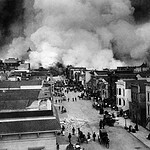
San Francisco Earthquake - 1906
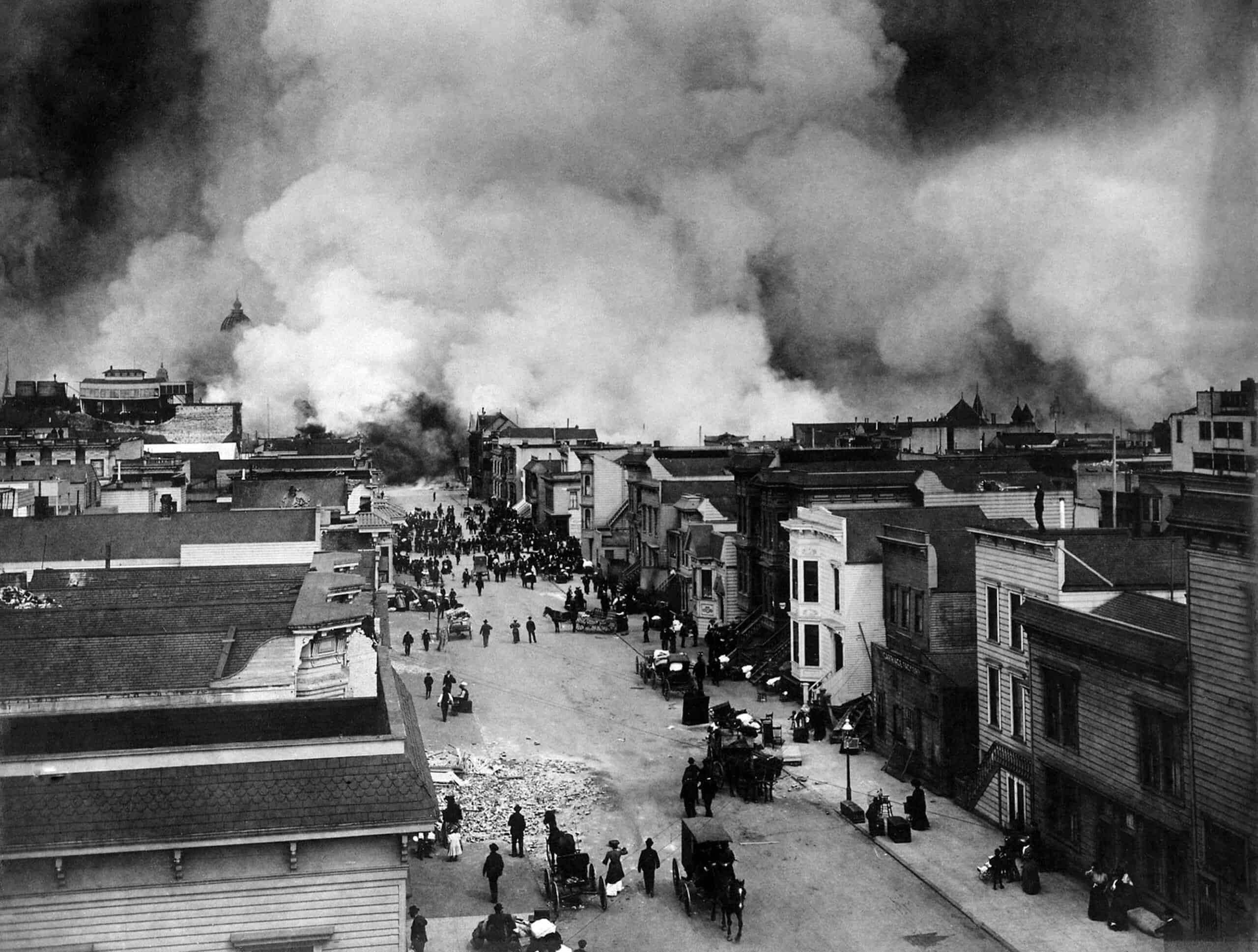
The magnitude 7.8 earthquake that struck Northern California on April 18, 1906, killed at least 3,000 people and left roughly 225,000 homeless. Fires burning for days caused much of San Francisco's destruction after damaged water lines crippled firefighting efforts. The rebuilding did produce tougher structural requirements, including a San Francisco code requiring buildings to account for lateral loads associated with wind and earthquakes. Just as important, scientific investigations of the rupture transformed understanding of the San Andreas Fault and earthquake behavior. It would be misleading, however, to credit 1906 with California's modern seismic code system by itself. Some of the state's most consequential earthquake legislation, including the Field and Riley acts, came after the 1933 Long Beach earthquake. The 1906 disaster was an important step in a much longer evolution of seismic science, engineering, and regulation.
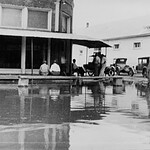
Great Mississippi Flood - 1927
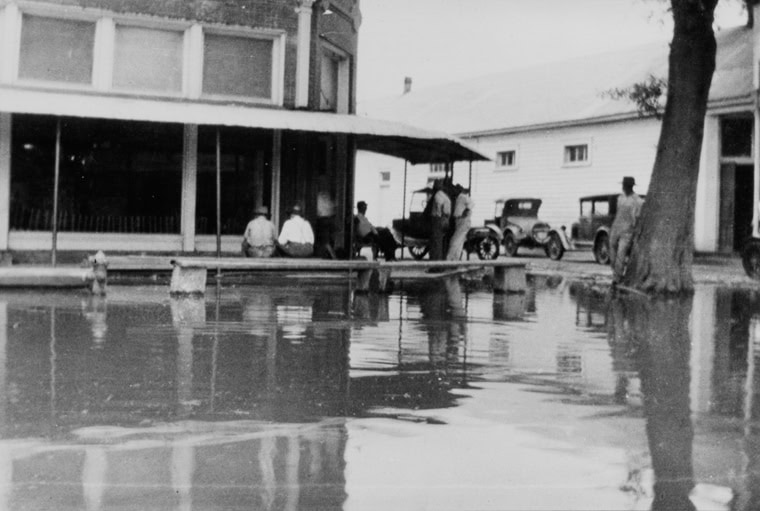
The Great Mississippi Flood of 1927 made it painfully clear that simply building higher levees was not enough. More than 16 million acres were flooded, hundreds of thousands of people were displaced, and an estimated 250 to 500 people died. Congress responded the following year with the Flood Control Act of 1928, dramatically expanding the federal government's responsibility for controlling floods along the lower Mississippi. The new approach did not abandon levees, but it added floodways, spillways, channel improvements, and other ways of deliberately managing enormous volumes of water. The law launched what became the Mississippi River and Tributaries Project and gave the U.S. Army Corps of Engineers a much larger role. Few disasters on this list have a cleaner line between catastrophe, identified failure, and major federal policy change.
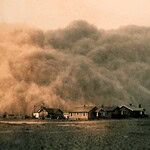
Dust Bowl - 1930s
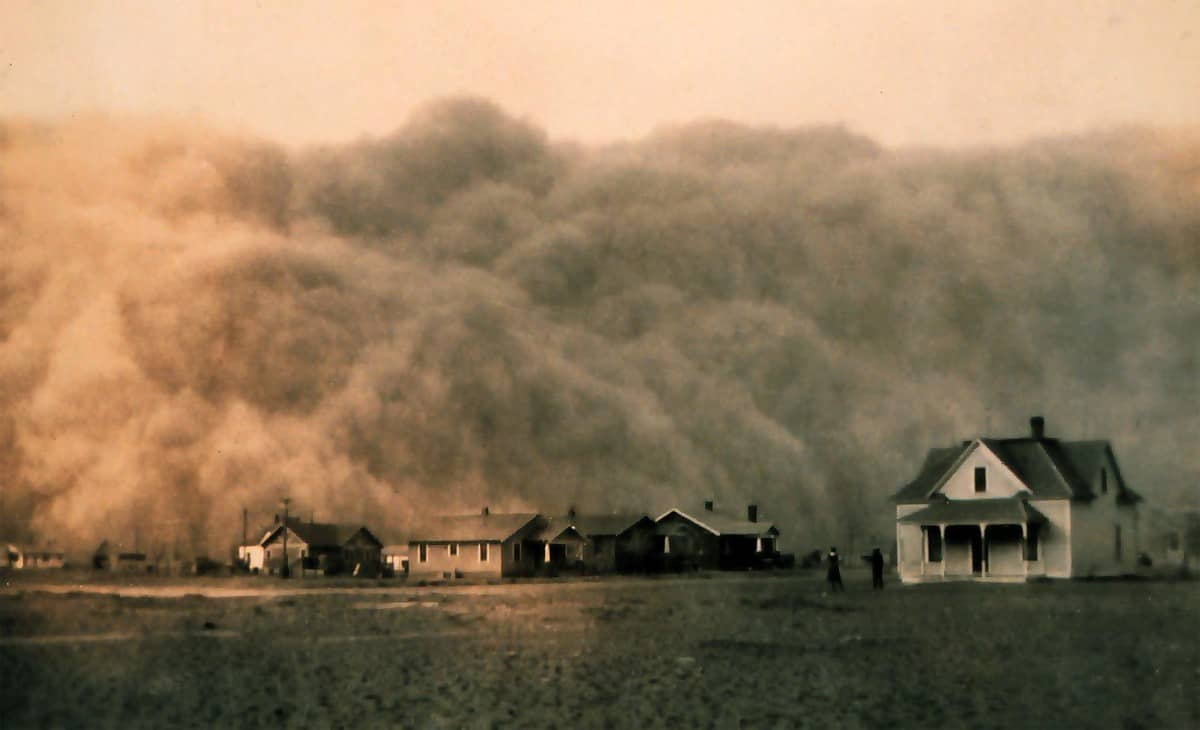
The Dust Bowl was partly a natural disaster and partly one made far worse by people. Years of severe drought hit the Great Plains after large areas of native grassland had been plowed for agriculture. Without deep-rooted grasses holding the soil in place, powerful winds carried enormous clouds of topsoil across the country. The crisis helped turn soil conservation into a national policy issue rather than something left almost entirely to individual landowners. Congress passed the Soil Conservation Act in 1935, permanently establishing the Soil Conservation Service, now the Natural Resources Conservation Service. Federal programs promoted contour plowing, crop rotation, shelterbelts, and other practices designed to keep soil where it belonged. The Dust Bowl fundamentally changed the idea that the government had a legitimate role in protecting agricultural land from long-term environmental degradation.
North Sea Flood - 1953
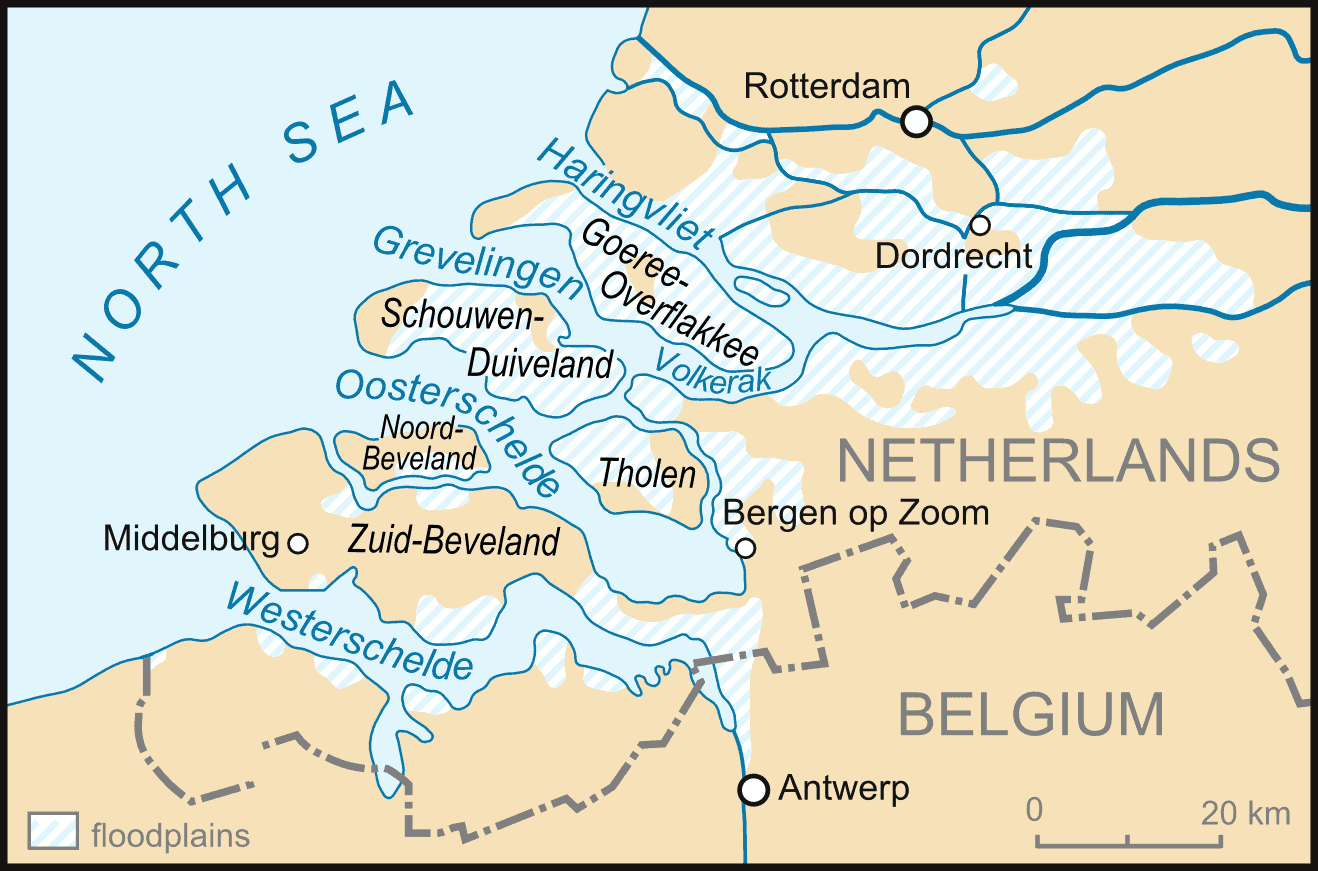
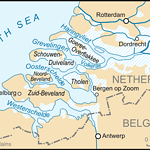
A powerful North Sea storm in early 1953 overwhelmed coastal defenses in the Netherlands, Britain, and Belgium. More than 1,800 people died in the Netherlands alone as dikes failed and huge areas of low-lying land flooded. The Dutch response reshaped the country. Rather than simply repairing the breached defenses, the Netherlands launched the Delta Works, an enormous system of dams, barriers, dikes, and other structures designed to reduce the nation's exposure to catastrophic storm surge. Protection standards were formalized and water management became even more central to national planning. The project took decades and evolved as engineers learned more about environmental consequences, but the basic lesson never disappeared: for a country with so much land at or below sea level, flood protection had to be treated as permanent national infrastructure.
Bhola Cyclone - 1970
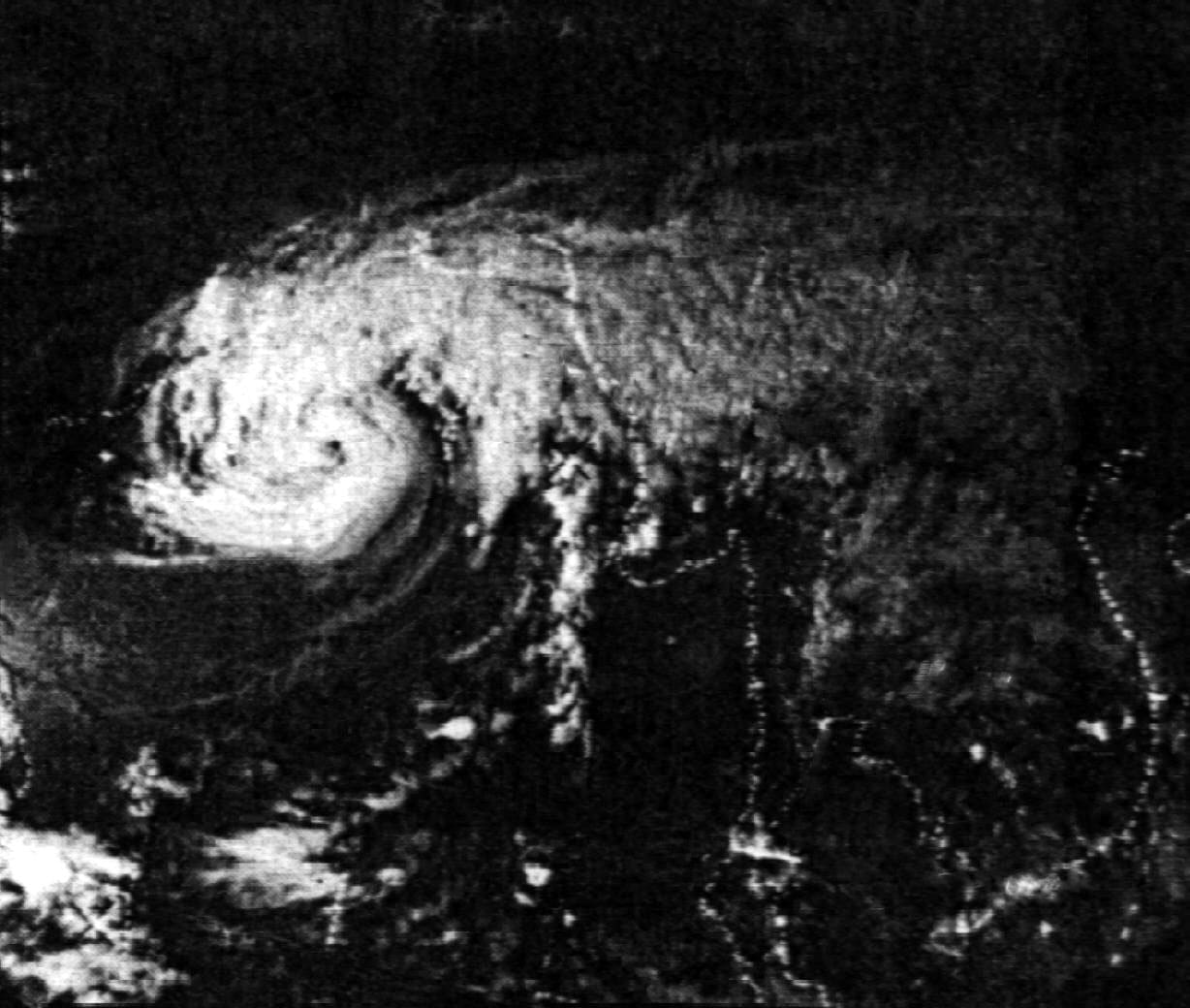
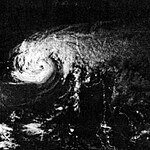
The Bhola Cyclone struck what was then East Pakistan on November 12, 1970, pushing a devastating storm surge across densely populated coastal areas. Death estimates vary widely, but the disaster killed hundreds of thousands of people and remains among the deadliest tropical cyclones ever recorded. Weak warning dissemination and limited preparedness contributed to the enormous toll, while dissatisfaction with the central government's response intensified existing political tensions that preceded the creation of Bangladesh. One lasting response was the Cyclone Preparedness Programme, established in 1972 and placed under joint management by the Bangladesh government and Red Cross in 1973. Its large volunteer network became a critical link between official forecasts and vulnerable coastal communities. Bangladesh has continued expanding shelters, warnings, evacuations, and community preparedness, dramatically improving its ability to survive later cyclones.
Mount St. Helens Eruption - 1980
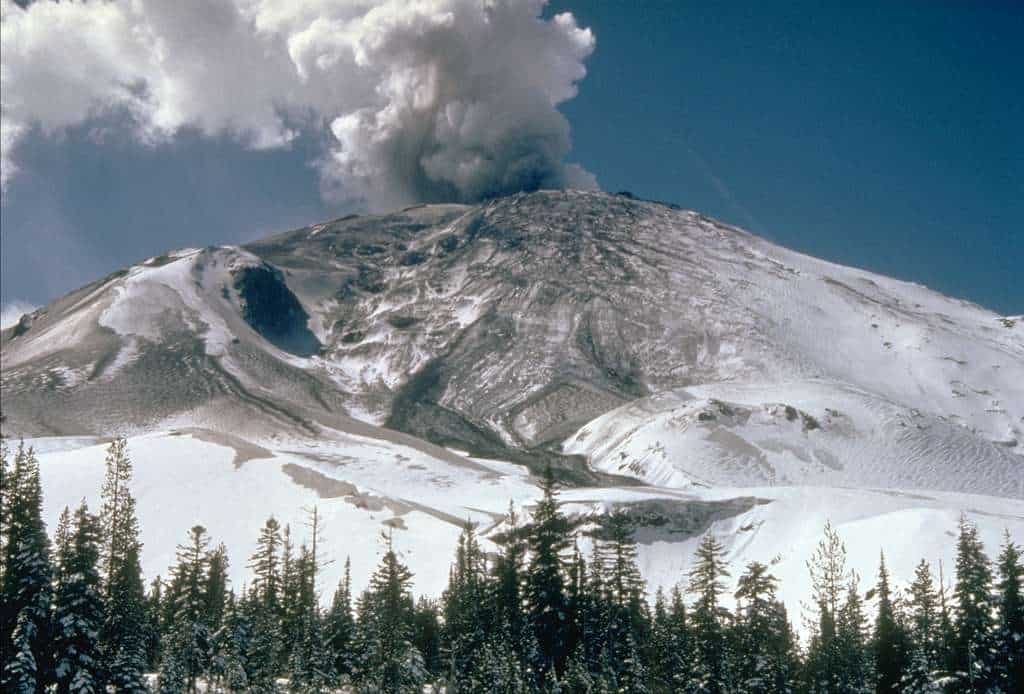
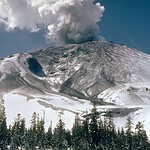
Scientists knew Mount St. Helens was waking up before May 18, 1980, but the eruption still demonstrated how much there was to learn about monitoring dangerous volcanoes. A massive landslide uncorked the volcano's north side, producing a lateral blast, ash plume, lahars, and widespread destruction. Fifty-seven people died. The experience permanently expanded the U.S. government's approach to volcano monitoring. In 1982, the U.S. Geological Survey formally established the Cascades Volcano Observatory in Vancouver, Washington, giving scientists a permanent base for monitoring Mount St. Helens and other Cascade volcanoes. Lessons from the eruption later helped shape broader volcanic hazard programs, including international efforts to assist countries facing unrest at dangerous volcanoes. For the Pacific Northwest, the eruption turned volcano monitoring from a largely scientific pursuit into an essential public-safety mission.
Hurricane Andrew - 1992
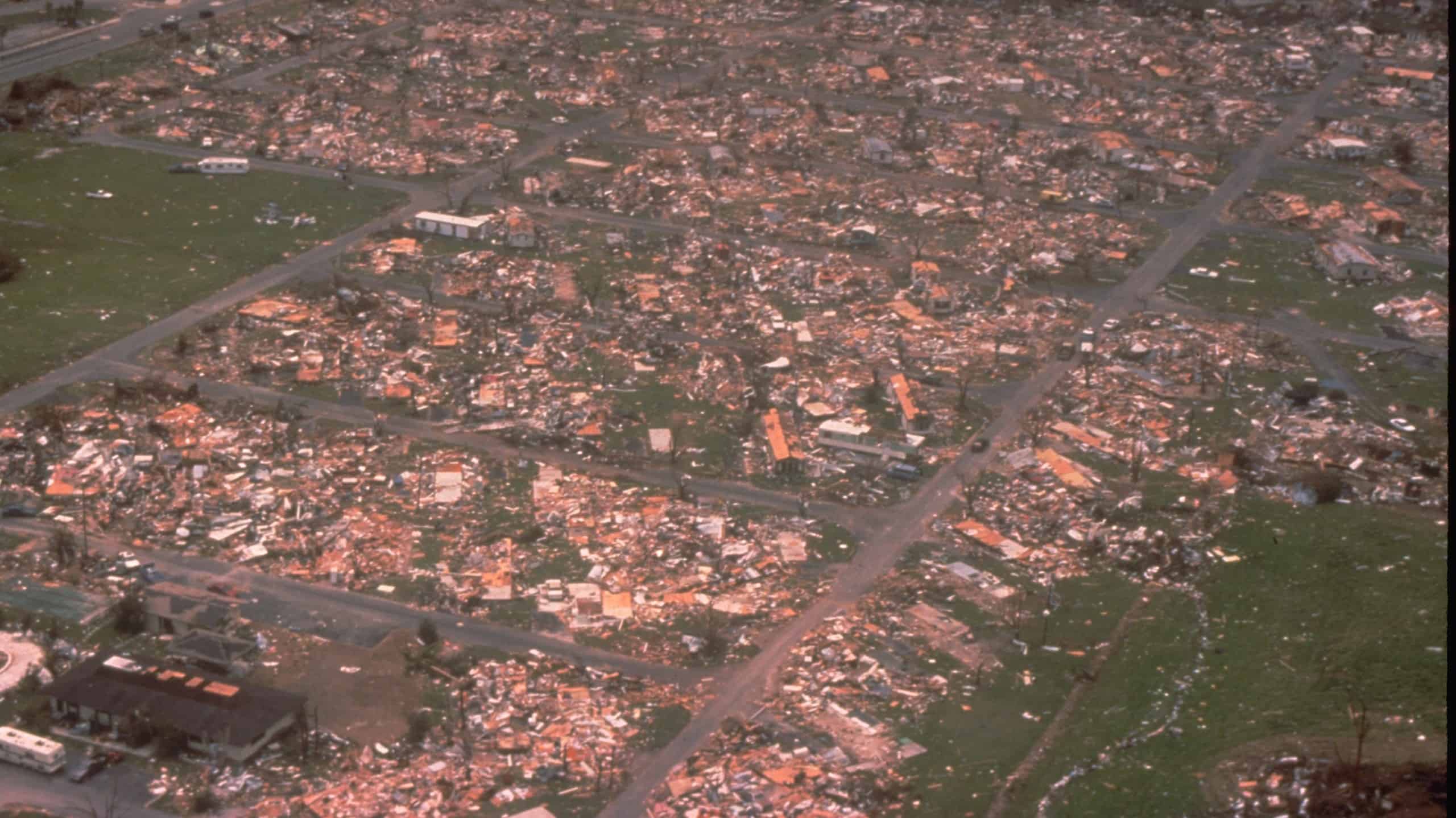
Hurricane Andrew did not just expose houses to extreme winds when it struck South Florida in August 1992. It exposed serious problems with the way Florida regulated construction. The state had minimum requirements, but local governments selected among different model codes and handled enforcement themselves. Even South Florida's highly regarded code system proved inadequate under Andrew's combination of extreme winds, construction defects, and inconsistent enforcement. Florida spent the following years studying what went wrong. In 1998, lawmakers approved a new system built around one statewide building code and stronger state oversight. The first Florida Building Code replaced the patchwork of local codes on March 1, 2002. The storm's legacy is still visible whenever a newer Florida home is built with tougher requirements for wind resistance, roofing, openings, and structural connections.
Great Hanshin-Awaji Earthquake - 1995
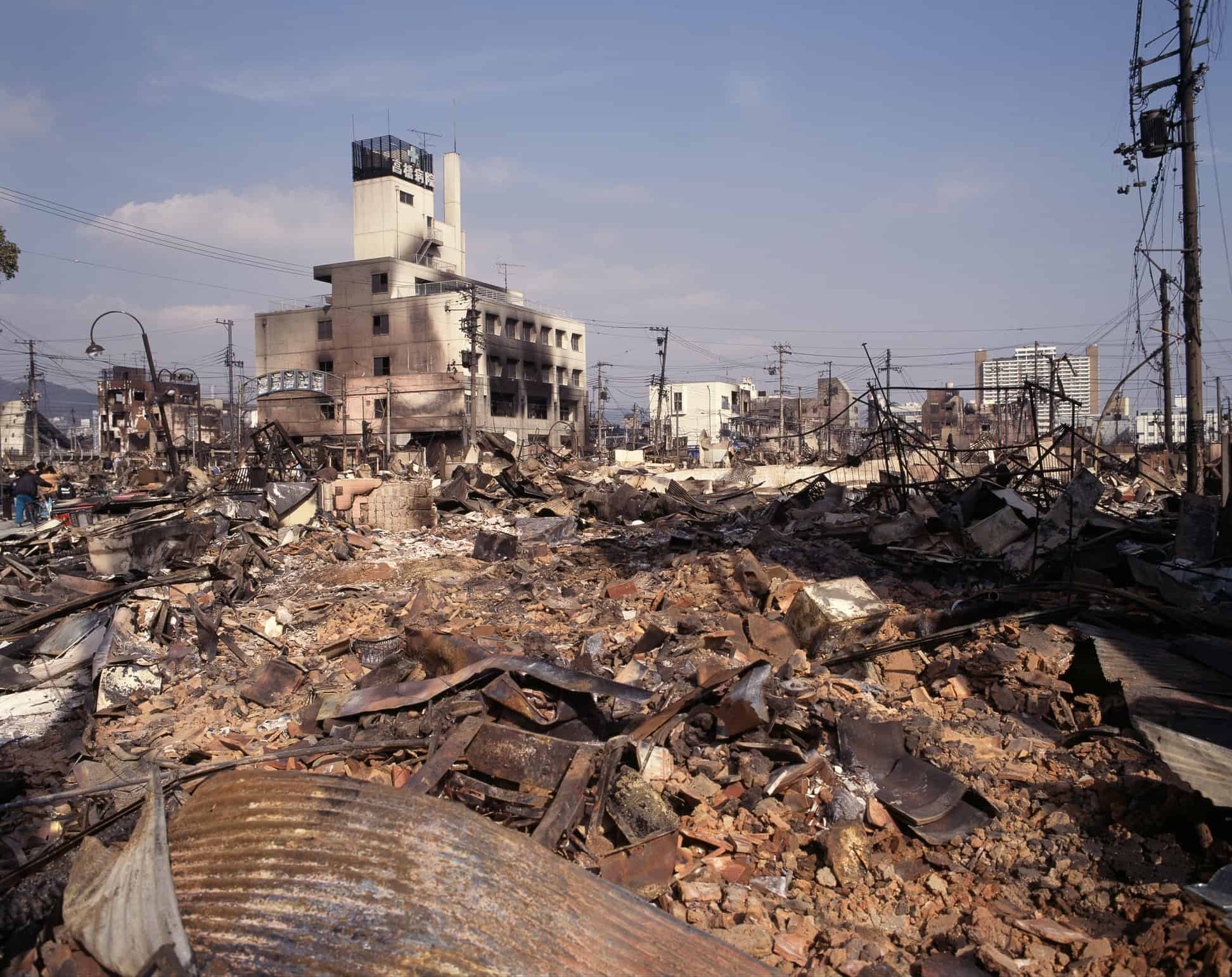
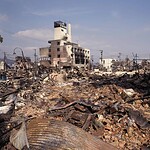
The earthquake that devastated Kobe and surrounding areas on January 17, 1995, killed 6,437 people, including later disaster-related deaths recognized by Japan. The destruction was especially severe among older buildings that predated newer seismic standards, while damaged roads, communications, and other infrastructure complicated rescue operations. Japan responded with an unusually broad package of reforms. The Disaster Countermeasures Basic Act was substantially amended, the national Basic Disaster Management Plan was overhauled, emergency coordination systems were strengthened, and new legislation promoted seismic evaluation and retrofitting of vulnerable buildings. The disaster also changed how Japan incorporated volunteers and local organizations into emergency planning. Japan was already one of the world's most earthquake-aware countries before Kobe. The shock was discovering that even a highly prepared nation could have dangerous gaps in its system.
Indian Ocean Earthquake and Tsunami - 2004
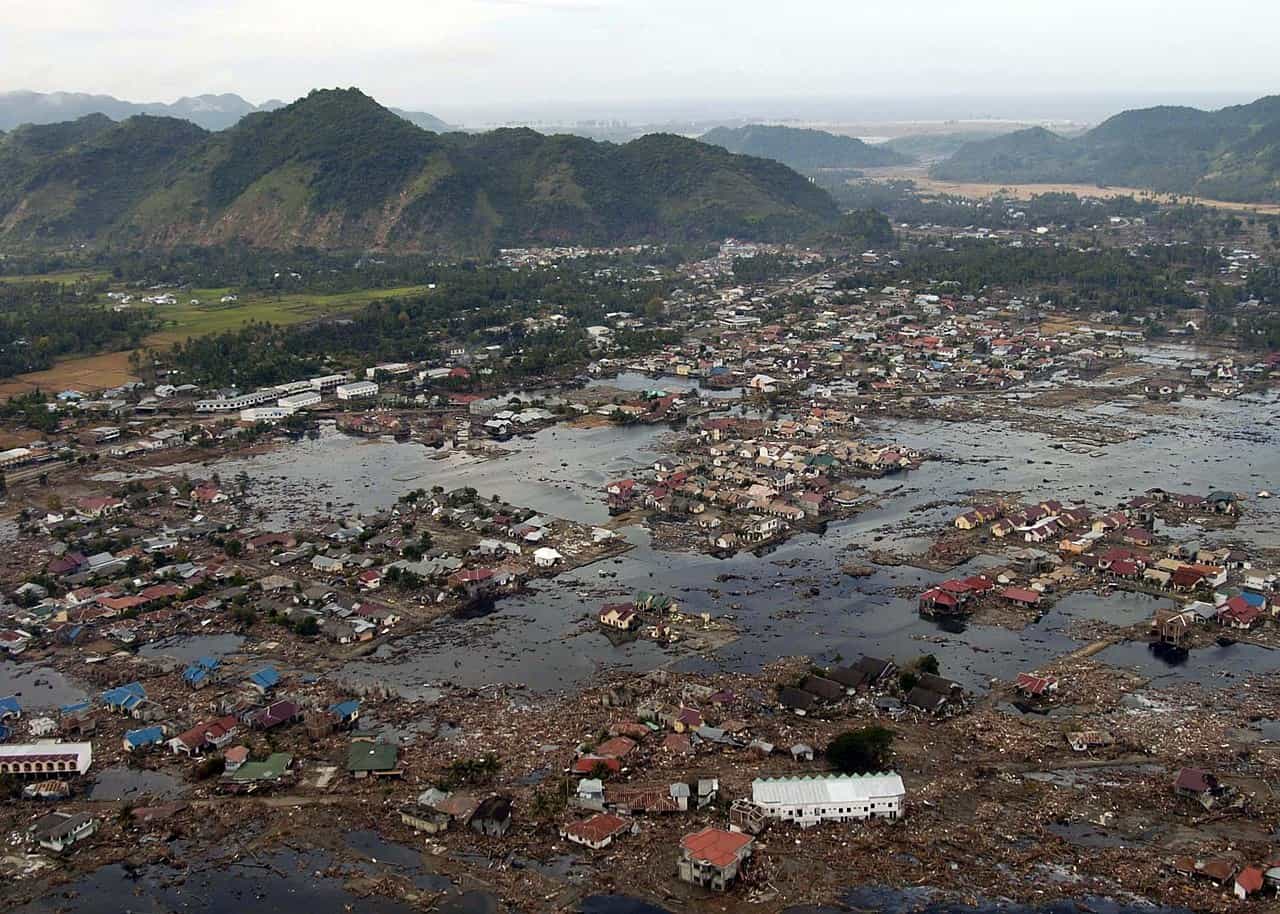
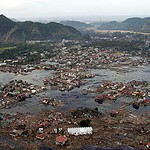
The December 26, 2004, Indian Ocean tsunami exposed a frightening gap in global disaster preparedness. A massive undersea earthquake off Sumatra generated waves that crossed the ocean and devastated communities in Indonesia, Sri Lanka, India, Thailand, and elsewhere, killing more than 200,000 people. The Pacific already had an established tsunami-warning system, but the Indian Ocean did not have a comparable regional network capable of rapidly detecting the threat and distributing warnings. That changed after the disaster. The United Nations tasked UNESCO's Intergovernmental Oceanographic Commission with helping build coordinated tsunami-warning and mitigation systems, including regional coordination groups, monitoring infrastructure, warning centers, evacuation planning, and public education. The lesson was brutally simple: detecting a tsunami matters very little unless the warning can reach people who know what to do with it.
Hurricane Katrina - 2005
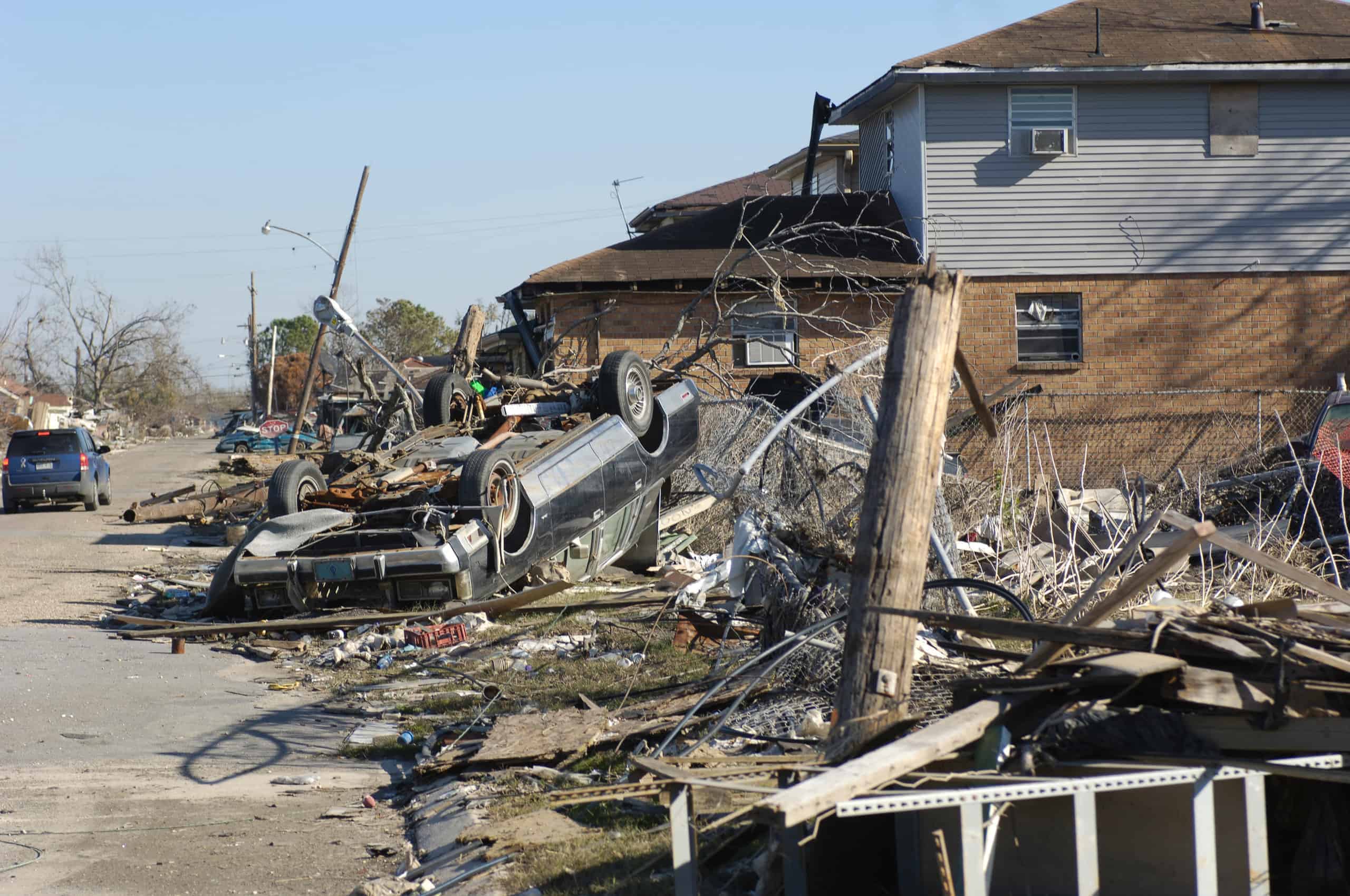
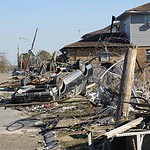
Hurricane Katrina became as much a crisis of government response as a story about the storm itself. After Katrina struck the Gulf Coast in August 2005, levee failures flooded much of New Orleans while evacuation, communications, shelter operations, and coordination among different levels of government came under intense criticism. Congress responded in 2006 with the Post-Katrina Emergency Management Reform Act. The law significantly reorganized FEMA, gave the agency additional authority, restored a stronger all-hazards preparedness mission, and clarified responsibilities for response and recovery. It also required national strategies for disaster recovery and housing and strengthened planning for people with disabilities. Katrina did not eliminate the problems that can appear during a huge disaster, but it changed the federal emergency-management system in ways that remain part of FEMA's structure today.
Haiti Earthquake - 2010
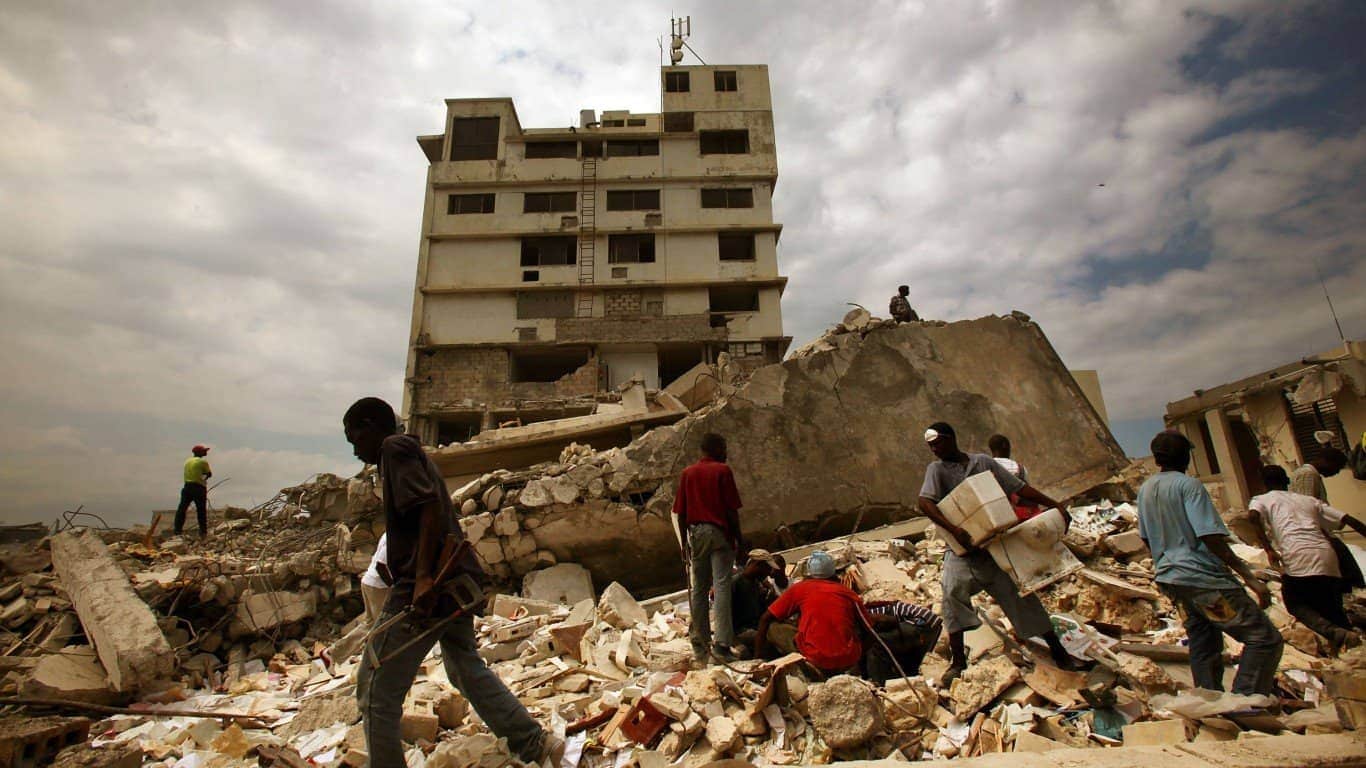
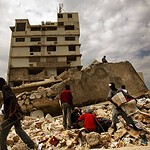
The January 2010 earthquake in Haiti destroyed enormous sections of Port-au-Prince and overwhelmed a country whose government and infrastructure were already highly vulnerable. The response brought an extraordinary number of foreign governments, United Nations agencies, militaries, charities, and nongovernmental organizations into the same disaster zone. That also created a problem: simply having thousands of people trying to help did not guarantee that the help was coordinated. Reviews of Haiti, followed by the massive Pakistan floods later that year, identified weaknesses in international humanitarian leadership, accountability, information sharing, and coordination. In December 2011, the Inter-Agency Standing Committee adopted its Transformative Agenda, designed to strengthen leadership, clarify coordination structures, and improve accountability during major emergencies. Haiti therefore changed the rules less through a single national law than by forcing the international humanitarian system to rethink how huge relief operations are organized.
Pakistan Floods - 2010
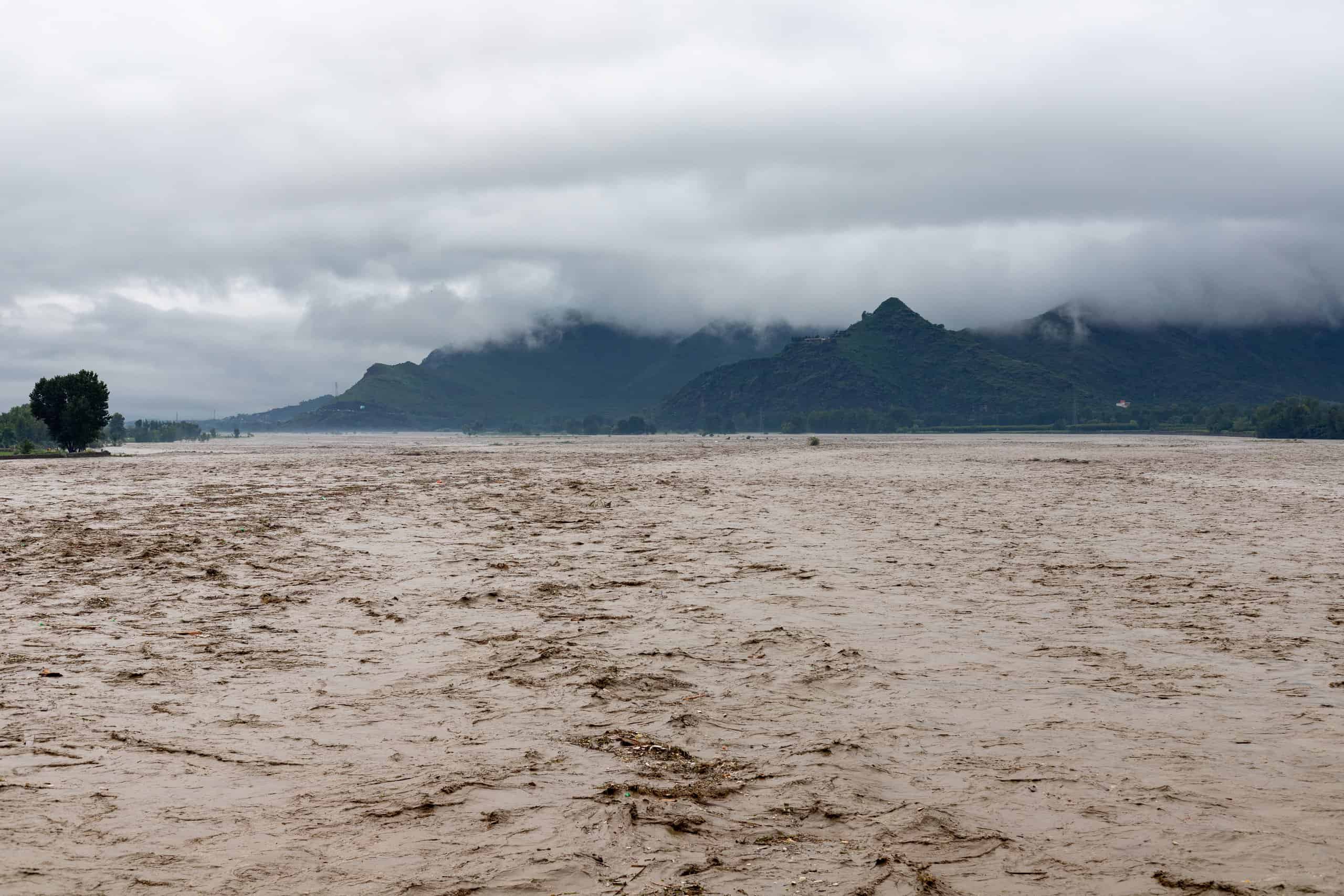
Pakistan's catastrophic 2010 floods affected more than 20 million people and inundated huge portions of the country after extraordinary monsoon rains. Pakistan had already begun building a national disaster-management framework following earlier catastrophes, particularly the 2005 Kashmir earthquake, so it would be inaccurate to say the floods created the system from scratch. What they did was expose how much work remained. The National Disaster Management Act became law in 2010, while subsequent planning incorporated lessons from the 2010 and 2011 floods into forecasting, preparedness, coordination, and risk-reduction policies. Pakistan's national disaster plans have continued evolving since then, and the current framework still rests on the institutions developed during that period. The flood showed that having a disaster agency on paper is only the beginning. It also has to work across federal, provincial, and local governments when the emergency reaches an enormous scale.
Canterbury Earthquake Sequence - 2010 to 2011
New Zealand's Canterbury region was shaken by a prolonged earthquake sequence beginning in September 2010, but the most devastating event struck Christchurch on February 22, 2011, killing 185 people. Collapsed buildings and widespread damage triggered a Royal Commission investigation into why some structures performed so poorly and how the country's rules should change. The recommendations eventually helped produce a nationally consistent system for dealing with earthquake-prone buildings. Introduced in 2017, the system requires vulnerable buildings to be identified, makes information about them public, and gives owners deadlines to strengthen or otherwise address them based partly on regional seismic risk. The rules have continued to evolve, with another round of changes scheduled to begin in 2027. Canterbury turned the question of old, vulnerable buildings from a mostly local issue into a national one.
Tōhoku Earthquake and Tsunami - 2011
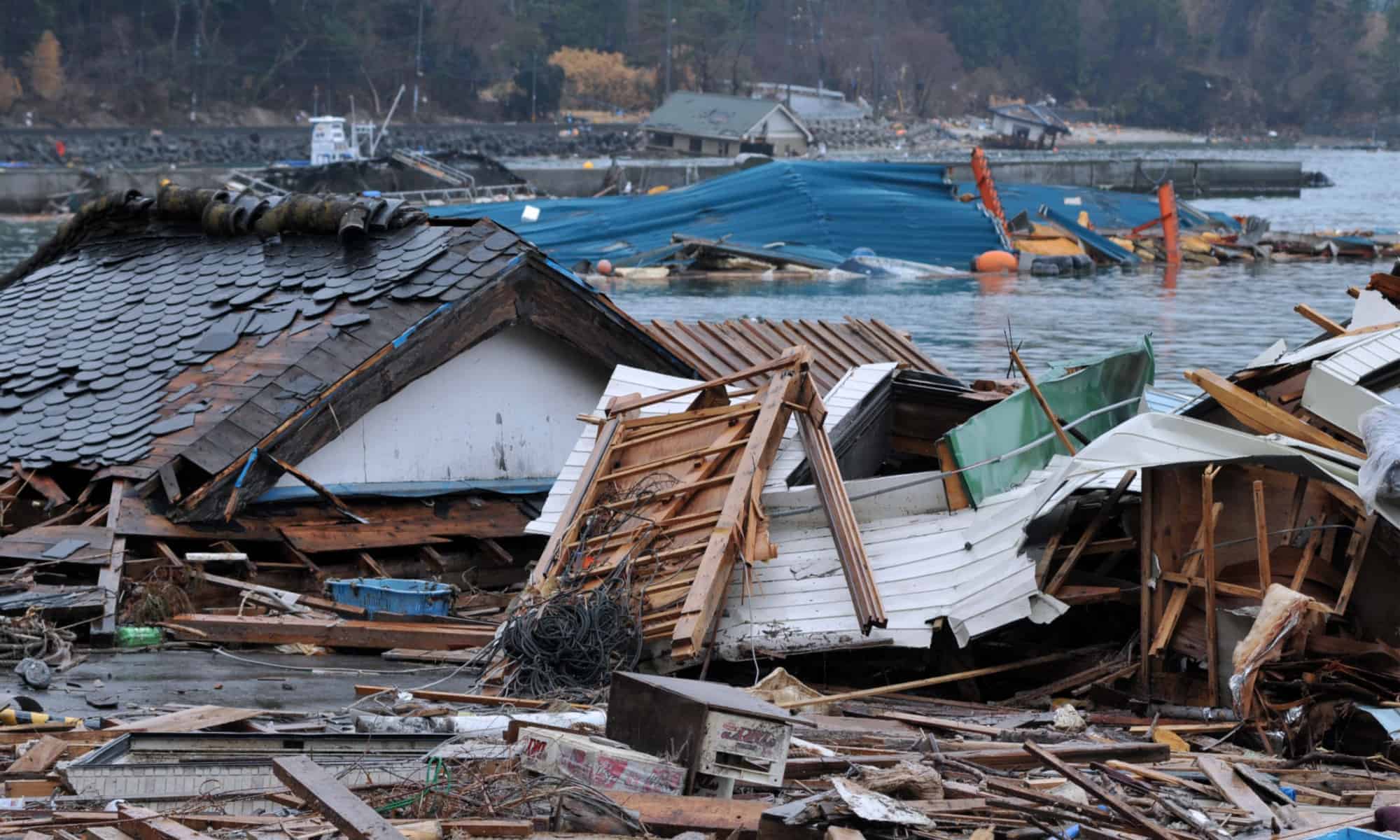
The magnitude 9.0 earthquake and tsunami that struck northeastern Japan on March 11, 2011, became a disaster within a disaster when flooding disabled critical systems at the Fukushima Daiichi nuclear plant. The accident exposed weaknesses not only in plant defenses against extreme earthquakes and tsunamis, but also in the structure of Japan's nuclear regulatory system. Japan responded by creating an independent Nuclear Regulation Authority in 2012. New regulatory requirements took effect in 2013, strengthening standards for earthquakes and tsunamis, requiring severe-accident measures, and allowing updated safety requirements to be applied to existing reactors through a backfit system. The changes represented far more than a routine code update. Fukushima forced Japan to rebuild much of its nuclear-safety framework around the possibility that an event could exceed assumptions engineers had previously considered sufficient.
Hurricane Sandy - 2012
When Hurricane Sandy hit the Northeast in October 2012, flooding reached subway tunnels, electrical systems, homes, businesses, and some of the most expensive infrastructure in the United States. The response went beyond rebuilding damaged structures exactly as they had been. Congress passed the Sandy Recovery Improvement Act in January 2013, changing parts of federal disaster assistance and giving FEMA additional flexibility in funding permanent repairs and debris removal. The federal Sandy Rebuilding Strategy also pushed agencies toward considering future flood risk, sea-level rise, regional infrastructure connections, and long-term resilience when spending recovery money. Those ideas now sound familiar, but Sandy helped move them much closer to the center of federal recovery policy. The basic question changed from "How do we replace what was lost?" to "How do we avoid paying to rebuild the same vulnerability?"
Camp Fire - 2018
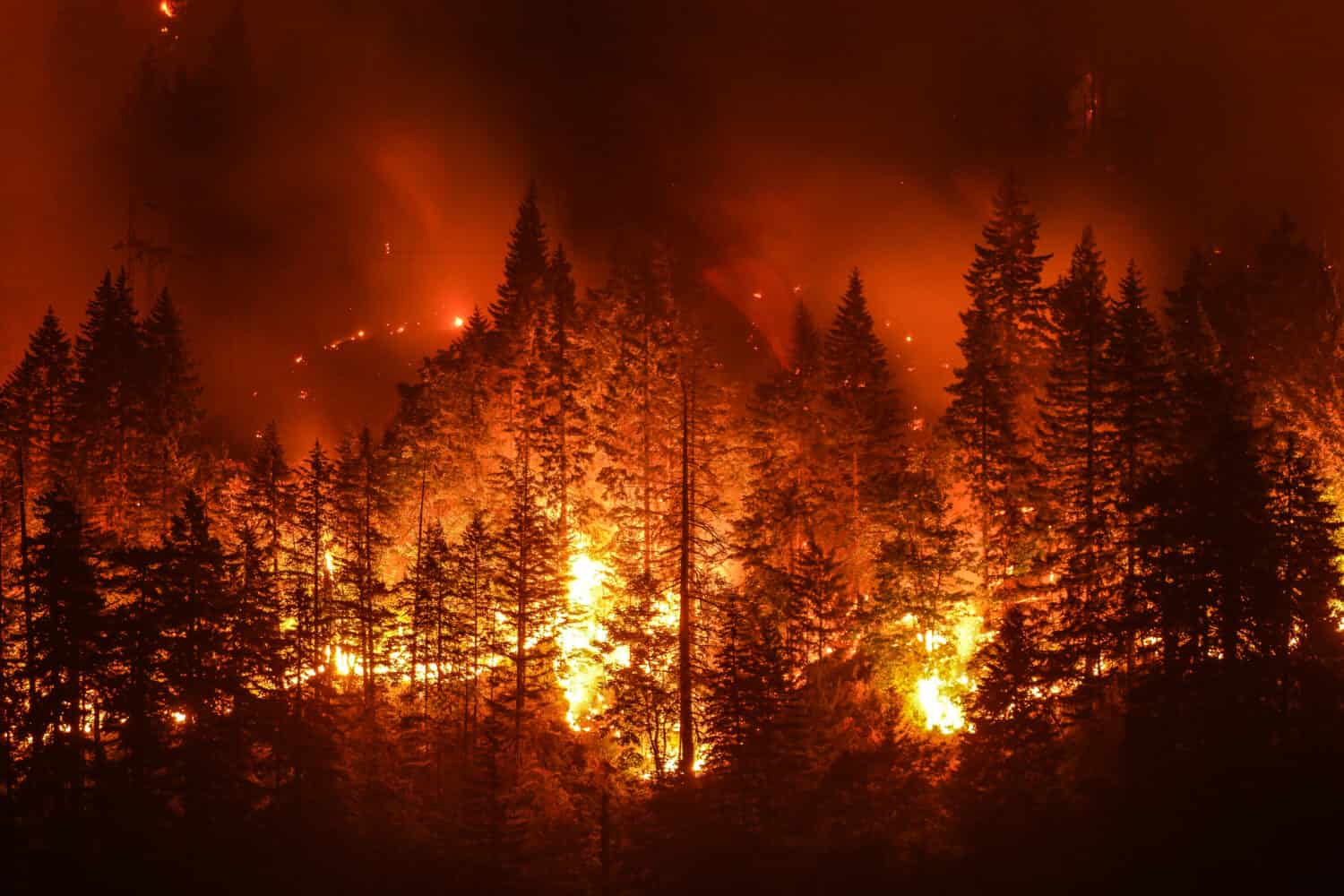
The Camp Fire tore through Butte County, California, in November 2018, killing 85 people and destroying 18,804 structures. CAL FIRE lists power lines as the cause, and the destruction of Paradise made utility wildfire risk impossible to treat as an abstract problem. One important bit of timing is often missed: California had already begun tightening utility wildfire rules before the Camp Fire as part of its response to the broader 2017 and 2018 fire crisis. After Camp Fire, that overhaul accelerated. Assembly Bill 1054, signed in 2019, created a wildfire insurance fund, strengthened wildfire-safety oversight, required annual safety certification for participating utilities, tied executive compensation more closely to safety performance, and required billions of dollars in utility-funded safety improvements. Camp Fire was not the sole cause of those reforms, but it became the defining example of why California believed much stronger utility oversight was necessary.
Australian Black Summer Bushfires - 2019 to 2020
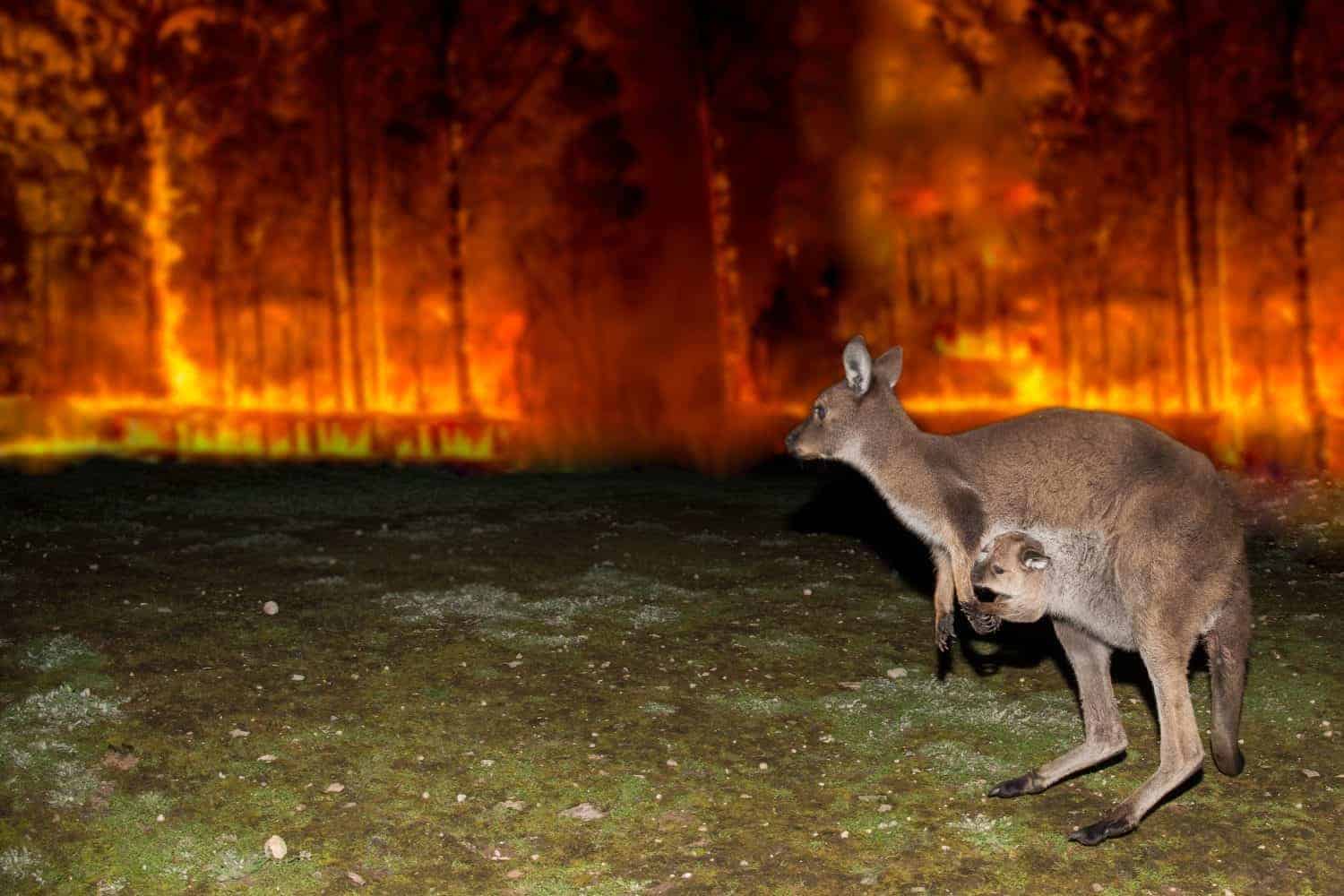
Australia's Black Summer bushfires burned across multiple states during 2019 and 2020, destroying communities and exposing problems with coordination during disasters that cross state lines. Australia established a Royal Commission into National Natural Disaster Arrangements in February 2020 specifically in response to the extreme fire season. Its final report contained 80 recommendations addressing national coordination, warnings, emergency declarations, resilience, climate risks, evacuation, data sharing, and other weaknesses. Parliament subsequently passed the National Emergency Declaration Act 2020, creating a formal mechanism for the Commonwealth to declare and coordinate around nationally significant emergencies. The reforms are still unfolding. In 2026, Australia completed nationwide testing of AusAlert, a new cell-broadcast emergency warning system. NEMA has explicitly linked the push for a national messaging capability to a recommendation that emerged after Black Summer. In this case, the policy story is still being written.