Zack Frank / Shutterstock.com
aiva. / BY 2.0

Mosh70 / BY-SA 2.0

AER Wilmington DE / BY 2.0

GRANAI / PDM 1.0

Mr.TinDC / BY-ND 2.0
Chuck 55 / BY-ND 2.0

Nicole Beauchamp / BY 2.0

Ron Cogswell / BY 2.0

dmoberhaus / BY 2.0

Pedro Belleza / BY 2.0
Ken Lund / BY-SA 2.0

Lisucn Chuaoui Min Reuguae / BY-SA 4.0

Cewikiupdate / BY 4.0
Moritz Barcelona from Barcelona, Catalunya, CC BY 2.0

Karen Roe / BY 2.0
jurvetson / BY 2.0

Perry Quan from Oakville, Canada / BY-SA 2.0

truszko / BY-ND 2.0

Patrice Diaz / BY-SA 3.0






19 Ridiculous Things Billionaires Actually Spent Their Money On
There comes a point that rich people reach a certain level of wealth, one where the purchases become statements more than purchases. When these purchases reach such staggering prices, the average person can't help but question what they were thinking and how they can afford such things. That's one reason why we felt compelled to round up these instances of insane spending, including if these purchases have paid off in any way.
In each slide, we'll explain the human logic behind these mind-boggling purchases, even when that logic is rooted in eccentricity. We'll discuss the buyer, the price or best-supported estimates, what they were trying to achieve socially or strategically, and what happened after the purchase, including repairs, public loans, controversy, or the way the item’s value and fame evolved, for better or for worse.
Reporting and reference details draw from outlets including Reuters, AP, The Wall Street Journal, The Guardian, Forbes, and National Geographic. Let's check out the most insane things rich people have every bought now.
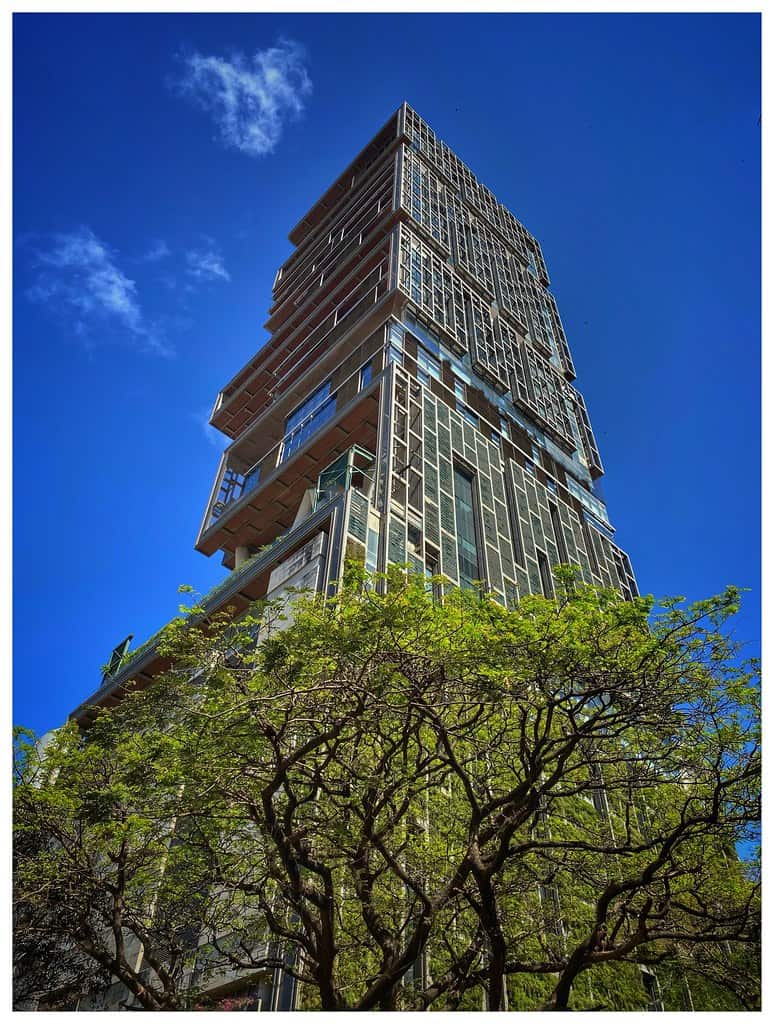
Mukesh Ambani’s Antilia, Mumbai’s Private Skyscraper
Reliance Industries chairman Mukesh Ambani paid to build Antilia, a full-scale, 27-story private residence on Altamount Road in Mumbai. The build has been widely reported at roughly $1-2+ billion, depending on what’s included, and features everything from a huge multi-level garage to entertainment and wellness floors.
Ambani’s reasoning for this extravagant purchase has centered on creating a secure, multi-generational home base in India’s most expensive neighborhood, even as the building’s scale sparked plenty of public debate about inequality. Today, Antilia remains occupied by the Ambani family and is often cited as one of the world’s most expensive private homes.
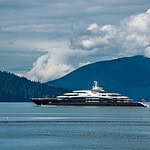
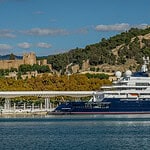
Roman Abramovich’s Eclipse Superyacht
Roman Abramovich, a Russian billionaire, commissioned the 162.5-meter Eclipse, a superyacht that became famous for its sheer size and its ridiculous amenities. Public estimates of the build price vary, but many sources cite figures in the hundreds of millions of dollars, with one frequently cited number around $590 million.
The point of this yacht purchase was obviously status, but privacy plays into it as well, with features like multiple helipads and extensive guest accommodations. The yacht has continued to appear in maritime tracking and press coverage over the years, so it sounds as if Abramovich is still enjoying it.
Mohammed bin Salman’s Serene Megayacht
Another megayacht purchase, Serene is 134 meters and reportedly changed hands for roughly half a billion dollars, with multiple outlets tying ownership to Saudi Crown Prince Mohammed bin Salman. The vessel is built to function as both a luxury hotel and, eerily, a secure private compound at sea.
In 2017, the yacht ran aground in the Red Sea and required repairs. Despite this accident, the yacht’s name still surfaces in reporting surrounding high-profile art and travel, two of a rich person's favorite things.
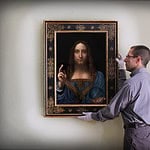
Leonardo da Vinci’s Salvator Mundi for $450.3 Million
In 2017, Leonardo da Vinci’s Salvator Mundi sold at Christie’s for $450.3 million, a record-breaking price. A Saudi prince was the buyer, connecting the transaction to Saudi leadership and framing the sale as cultural power projection as well as avid collecting.
The motivation was definitely rooted in prestige, as owning the world’s most expensive painting is a way to buy instant significance and fame. Since the sale, the painting’s exact location and display plans have remained a running mystery story in the art world, likely to protect the purchaser and establish even more prestige around them.
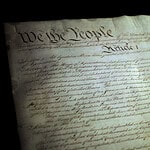
Ken Griffin’s $43.2 Million First-Printing U.S. Constitution
We have a few extreme purchases lined up from hedge fund founder Ken Griffin. First up: he bought a rare first-printing copy of the U.S. Constitution at Sotheby’s for $43.2 million in 2021, outbidding a crypto-backed group. Griffin framed the purchase as civic-minded stewardship, saying the document should be displayed publicly rather than locked away.
The cost was ultimately shocking, and the goal was symbolic capital, as few objects carry more American institutional weight than an early printing of the Constitution. In the years since, Griffin has announced loans and exhibition plans to keep the purchase in the public eye, but these plans have not happened yet, so the piece remains in a private vault.
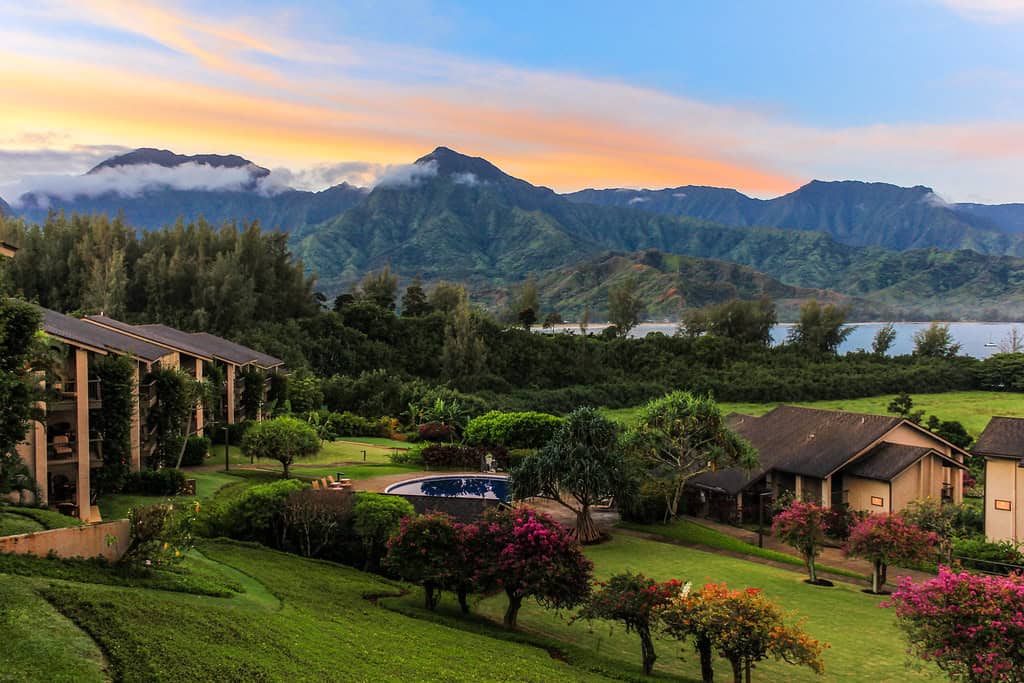
Larry Ellison Buys Nearly All of Lānaʻi
Larry Ellison, an Oracle cofounder, bought roughly 98% of the Hawaiian island of Lānaʻi for a reported $300 million. Yes, an entire, culturally important island. Ellison talked about using the purchase to reshape local tourism and infrastructure, not solely using the island for his own devices.
The scale of what was purchased is immense: land, hotels, restaurants, and, ultimately, the ability to influence an entire island’s future. Since the deal, Lānaʻi has remained a case study in what happens when one billionaire becomes the dominant owner of a community’s footprint; it is an ongoing situation with a great deal of controversy.
Ken Griffin’s $238 Million Mega Condo at 220 Central Park South
Ken Griffin's back with a purchase finalized in 2019: a $238 million purchase at 220 Central Park South. It was reportedly the highest price ever paid for a U.S. home at the time. The apartment spans multiple floors, effectively turning a luxury building into a private vertical mansion with expansive Central Park views.
Griffin’s logic? He's mixed investment with lifestyle, but the purchase is likely primarily for clout, given how many other expensive purchases Ken's made.
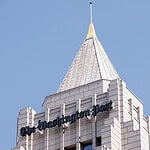
Jeff Bezos Buys The Washington Post for $250 Million
In 2013, Amazon founder Jeff Bezos bought The Washington Post for $250 million in cash (can you even fathom?!), taking over a storied newsroom with a long history. Bezos positioned the purchase as a bet on journalism’s future and the idea that this type of capital could help a legacy paper rebuild for an increasingly digital era.
While the cost was modest by billionaire standards, the cultural stakes were huge, as the Post is tied to American political history and watchdog reporting. Since the acquisition, the paper has gone through growth spurts and painful restructures, with its ownership remaining a debate about what billionaire backing does to journalism over time.
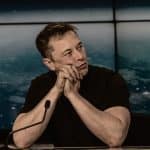
Elon Musk’s $44 Billion Twitter Takeover
You likely remember when Elon Musk closed his $44 billion acquisition of Twitter in October 2022, turning this social platform into a personal experiment. Musk argued that owning the company would let him fight bots and rework the platform’s direction, but the purchase also made him the face of every policy shift and controversy that followed.
The cost is staggering because it priced an entire public conversation app like a private company, with all the risks and debt that implies. Since the takeover, the platform has been rebranded and repeatedly redesigned, with all conversations surrounding it remaining fairly volatile.
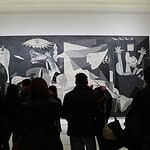
Steven A. Cohen Buys Picasso’s Le Rêve for $155 Million
Another hedge fund manager, Steven A. Cohen bought Pablo Picasso’s Le Rêve from casino mogul Steve Wynn for about $155 million. The painting was already famous, as Wynn had once damaged it accidentally, something that hopefully won't happen in Cohen's care.
Cohen’s motivation for the purchase was classic trophy collecting, a status symbol. Years later, Le Rêve is still the textbook example of how private sales can rival the drama of public auctions.
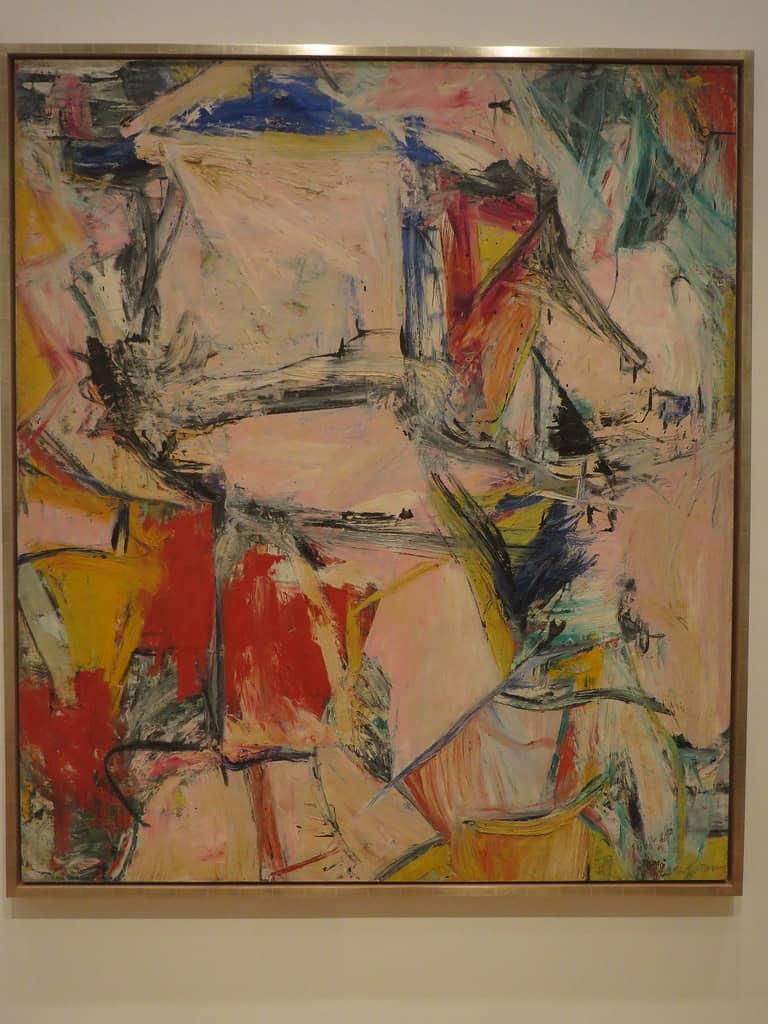
Ken Griffin Pays $300 Million for Willem de Kooning’s Interchange
Ken Griffin's back, and he bought Willem de Kooning’s Interchange in a private deal widely reported at $300 million, a figure that matches some of the prices paid for property on this list. The purchase was all about owning a piece of art history that other collectors can’t easily replicate, making it even more of a status symbol.
Griffin later lent parts of his collection to museums, further proving that cultural influence expands when the public sees what you own. Over time, the painting’s museum loans and movements have been reported consistently, and it appears these works of art may remain in the public eye.
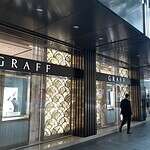
Laurence Graff Buys a 24.78-Carat Pink Diamond
Jeweler Laurence Graff bought a 24.78-carat pink diamond once associated with Harry Winston for about $46 million at Sotheby’s Geneva in 2010 and promptly, boldly renamed it the Graff Pink. He also had it recut and repolished to improve its clarity, likely making it all the more valuable.
Given that Graff’s business is built on turning rare stones into legendary names that circulate through the press and collectors, this was a purchase that became all about branding. Since the sale, the Graff Pink has remained a standard for pink diamond pricing and a constant reference point whenever colored stones hit the auction block. It is held in his private collection and rarely seen out in the world.
Joseph Lau’s ‘Blue Moon of Josephine’ Diamond for $48.4 Million
In 2015, a 12.03-carat fancy vivid blue diamond sold at Sotheby’s Geneva for $48.4 million, purchased by Hong Kong billionaire Joseph Lau, who named it for his daughter, ultimately turning this stone into a family artifact.
The price set a record at the time, with its color rarity mattering as much as its size in diamond valuation. Years later, the Blue Moon is still cited in auction previews as a modern reference for what top-tier blue diamonds can command. It is held in his private collection; at the time he purchased it for his daughter, she was only seven years old.
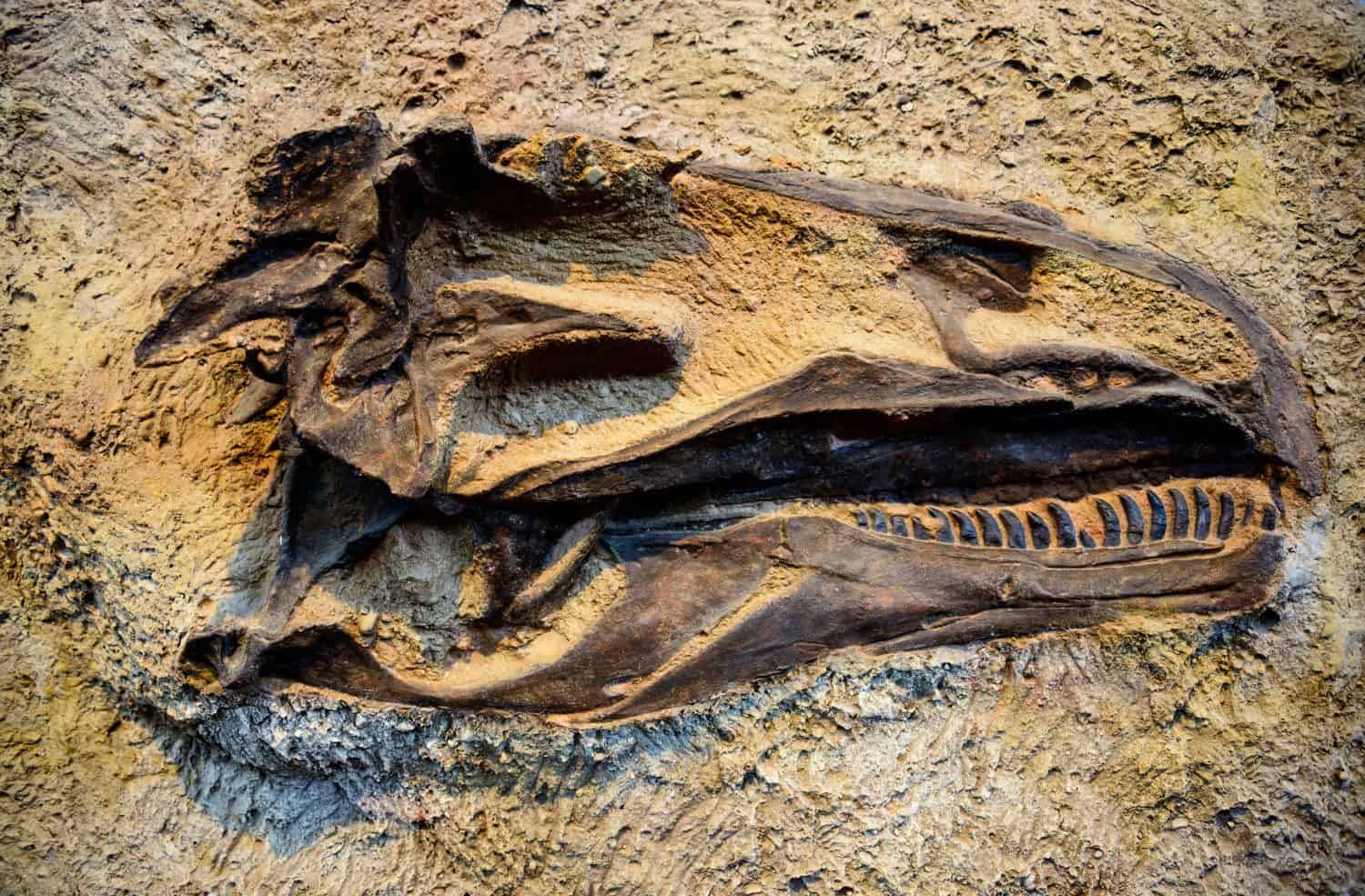
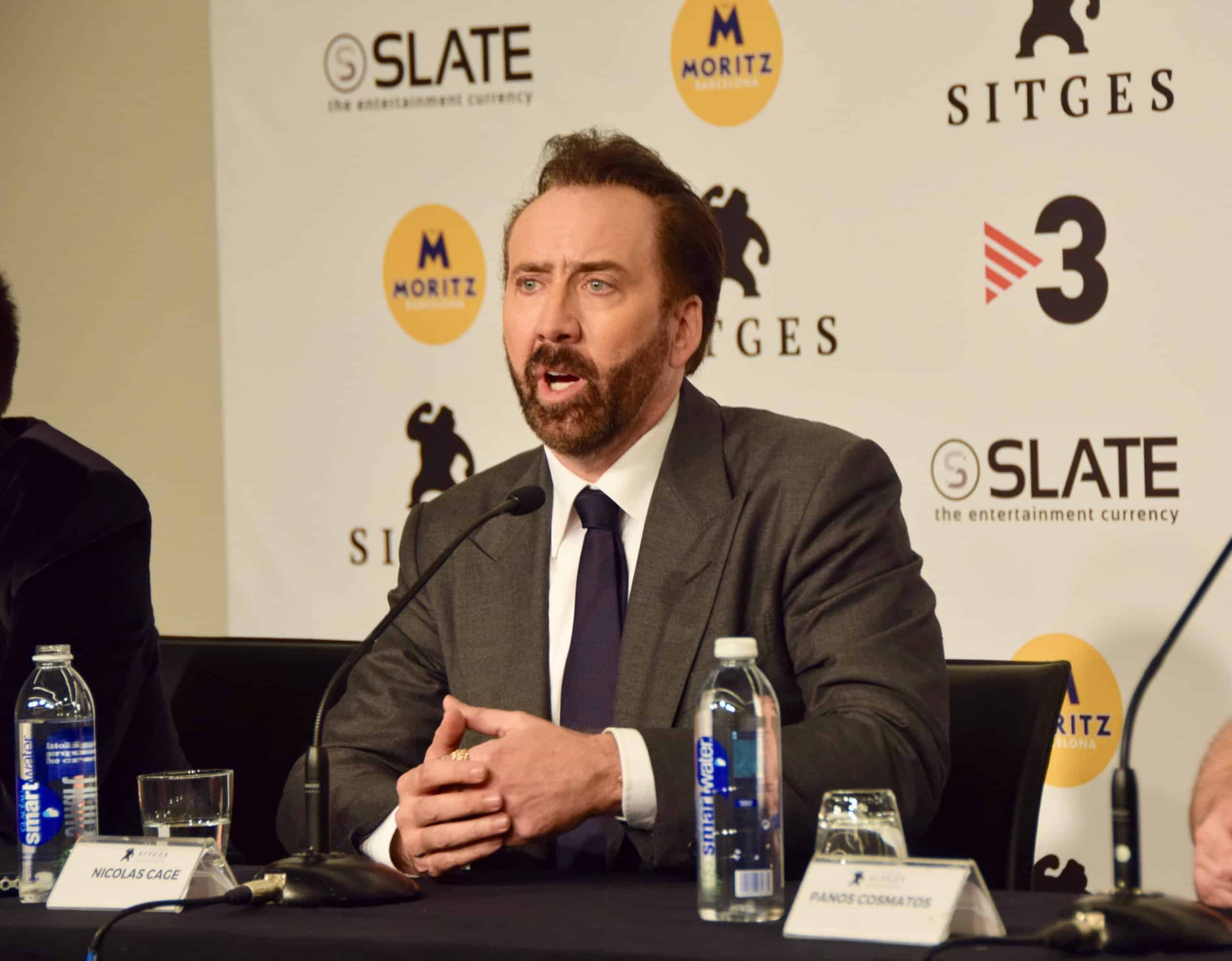
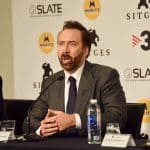
Nicolas Cage’s $276,000 Dinosaur Skull (That He Didn't Get to Keep)
Actors can make big purchases, too. Case in point? Nicolas Cage once bought a dinosaur skull for $276,000, back in 2007. He reportedly outbid other celebrities, only to learn later that the fossil had been illegally smuggled out of Mongolia.
Authorities traced the skull’s origins, and Cage voluntarily returned it once the legal issues facing him became clear. It was likely that this purchase made Cage question his eccentric and potentially reckless spending during a period of time when he was notorious for lavish purchases.
Elon Musk Buys James Bond’s ‘Wet Nellie’ Submarine Car
It isn't only Twitter that Musk has spent money on. In 2013, he bought the Lotus Esprit submarine car from The Spy Who Loved Me for about $997,000 at auction. Musk said he wanted to convert the movie prop into a real working submarine vehicle, though that remodel has yet to happen.
The cost was relatively small next to his many other deals, and the vehicle has continued to pop up in profiles of Musk’s personal (and expensive) tastes.
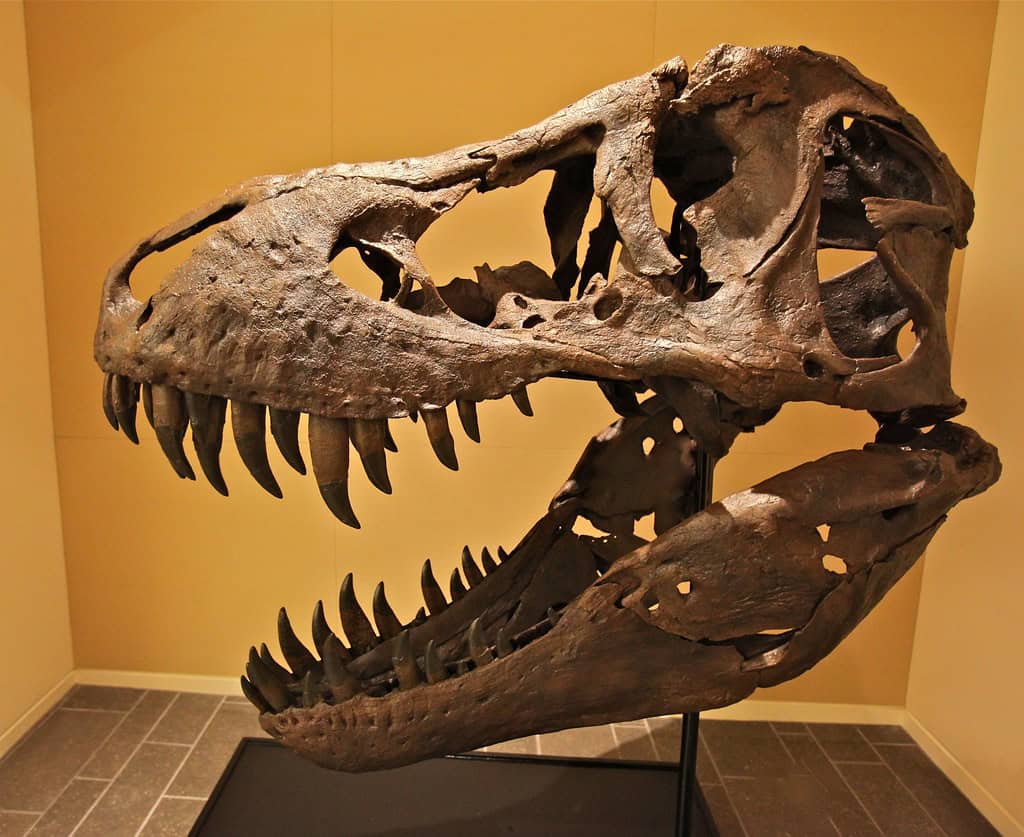
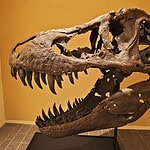
Stan the T. Rex Skeleton Sells For $31.8 Million
In 2020, a Tyrannosaurus rex skeleton nicknamed Stan sold for $31.8 million after fees, shocking paleontology circles that feared a major specimen could vanish into a private home forever. The buyer was initially anonymous, which only served to intensify any backlash and speculation.
Later reporting identified the city of Abu Dhabi as the purchaser, with plans to display the skeleton in a new natural history museum, much to the relief of paleontologists everywhere. It is now open, and you can see Stan for yourself if you're ever in this luxurious city.
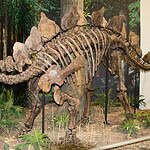
Ken Griffin’s Record $44.6 Million Stegosaurus ‘Apex’
Ken Griffin isn't done yet. In July 2024, he paid $44.6 million for a Stegosaurus skeleton nicknamed Apex at Sotheby’s, setting a record price for dinosaur remains. Apex is an important specimen, as it is unusually large and complete, making it another purchase subject to controversy and critique.
Griffin said he intended to loan the specimen for public display, which helped soften that criticism. And, thankfully, since the sale, Apex has been unveiled at the American Museum of Natural History on loan, turning this extreme purchase into an exhibit the public can actually see.
Paul Allen’s $200 Million Explorer Yacht Octopus
Microsoft cofounder Paul Allen commissioned a 126-meter yacht known as Octopus at a reported cost of around $200 million. Building a yacht designed for both luxury and exploration, Octopus was outfitted for science and search missions, and it has been linked to expeditions and recovery projects that gave the vessel a semi-public legacy.
After Allen’s death, the yacht was listed for hundreds of millions and later sold in 2021 to Roger Samuelsson, a Swedish industrialist. While the secondary sales price was kept private, it no doubt resold for more than it cost. Samuelsson is reportedly running charters with it nowadays.
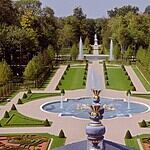
Château Louis XIV, a $300 Million French Palace Home
Château Louis XIV near Paris was reported as a roughly $300 million residential purchase in 2015 tied to Saudi Crown Prince Mohammed bin Salman, which briefly made it one of the most expensive homes ever sold. The property was built to mimic royal opulence, but complete with modern security and technology hidden inside.
The motivation of this purchase is likely pure legacy-building, though it's hard to say how gold leaf fountains contribute to a legacy. Since the reporting surfaced, the château has remained in the Crown Prince's roster of purchases; it comes complete with an underwater meditation room, because rich people also need insane hobbies to back up their insane purchases.